When I was in Dallas, I got a tip to visit Southfork Ranch—a place that, thanks to a single television series, became one of the most visited tourist attractions in all of Texas. And even though, to be honest, I never really watched Dallas, I knew I had to go there.
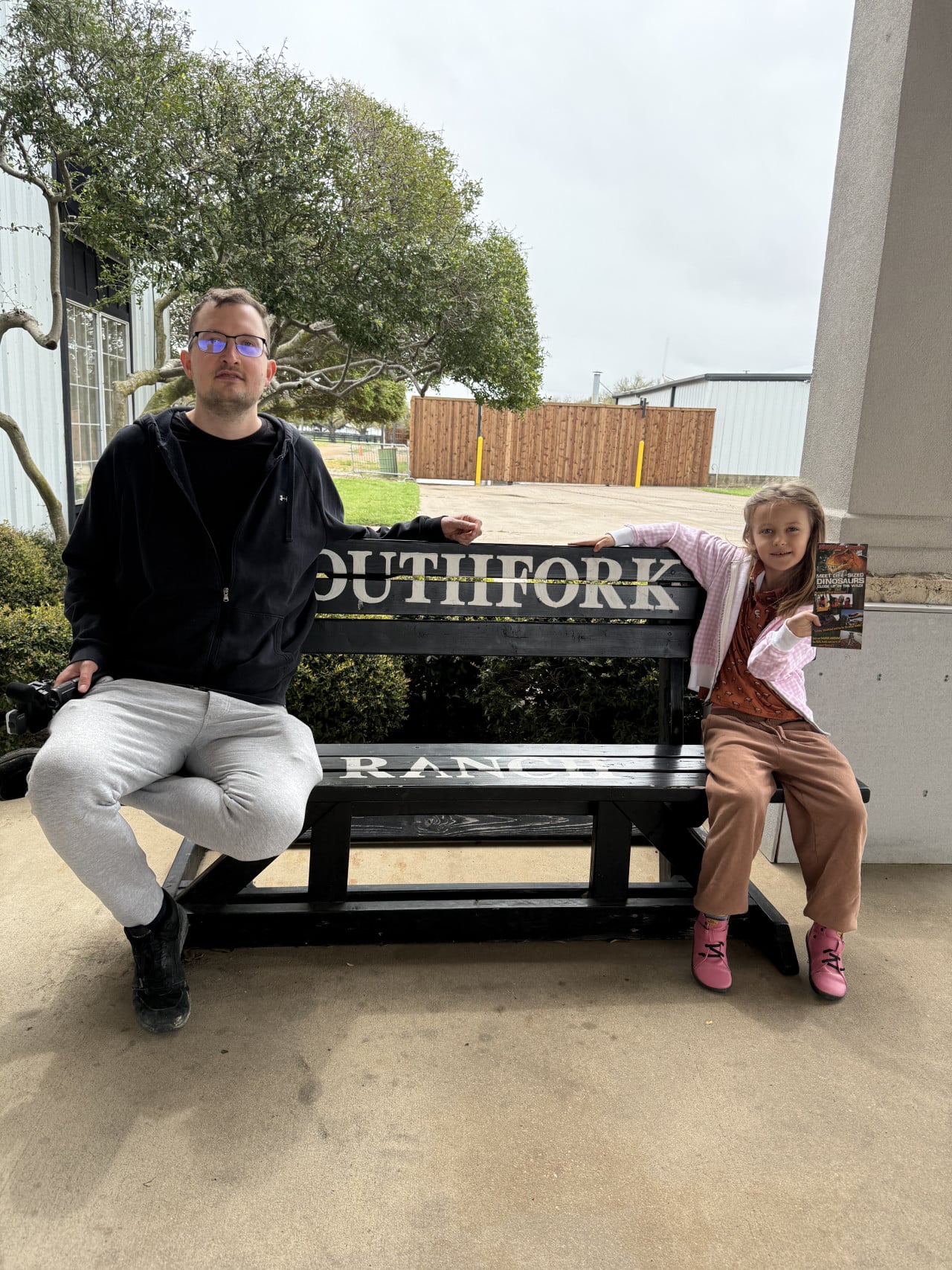
Why Southfork?
I remember Dallas from my childhood. Probably like most people my age—my great-grandmother in Komořany always had it on in the morning when it was on TV. I think Nova aired it at one point. So I remember the theme song, I remember J.R. and his sly smile. These are the kinds of classics that probably everyone knows—or at least most people who turned on a television in the nineties.
And that's exactly how it was. Dallas literally became a phenomenon in the Czech Republic. It first appeared here on January 5, 1992, when Czechoslovak Television aired the first episodes on its F1 channel. ČST managed to show the first 29 episodes by July 1992 before ending the broadcast—which triggered a huge wave of dissatisfaction at the time. Viewers had to wait until TV Nova aired the remaining seasons between 1995 and 1997. In 1992, Dallas was even the most-watched television program of all in the Czech Republic. It is said that when Dallas was on, villages literally emptied out—one of the voice actors recalled a friend who took advantage of this because he knew no one would see him.
Incidentally, the Czech dubbing was produced in Brno, and the main characters were voiced primarily by members of what was then the Mrštík Brothers Theatre. J.R. was voiced by Karel Janský and Bobby by Jiří Dvořák—and as a result, the theater came to be nicknamed the “Ewing Brothers Theatre.”
So when I found out that the famous Southfork Ranch was right outside Dallas, I didn't hesitate and took a trip there.
Dallas: The Story That Changed Television History
Before I get into the visit itself, let's talk a little about the series that turned an ordinary Texas ranch into a world-famous place.
Dallas premiered on CBS on April 2, 1978, and was not originally intended to be a long-running series at all. Creator David Jacobs wrote scripts for five self-contained episodes. It was a drama focused on the stories of four married couples from different generations. But ratings grew each week, and the fifth episode made it into the top ten most-watched programs of that week. CBS immediately ordered another thirteen episodes, officially launching the first season.
Dallas revolved around the wealthy Texas Ewing family, owners of the prosperous Ewing Oil company, who lived at Southfork Ranch. The main characters were the brothers J.R. and Bobby Ewing. Bobby, originally intended to be the main protagonist, turned out to be too nice and boring. Instead, viewers were immediately drawn to J.R.—an unscrupulous schemer, manipulator, and womanizer played by Larry Hagman. As producer David Jacobs said: “Dull leading characters usually have fatal consequences for a series. Dallas succeeded because the talented Larry Hagman filled the void.”
“Who Shot J.R.?”—The Moment That Changed Television Entertainment
The biggest moment in the history of the series—and perhaps in the history of American television as a whole—came at the end of the third season. In the episode “A House Divided,” broadcast on March 21, 1980, J.R. Ewing was shot by an unknown assailant. Viewers had to wait a full eight months to find out who pulled the trigger.
The question “Who shot J.R.?” became a worldwide phenomenon. It appeared on T-shirts, car bumpers, in newspapers, and at sporting events. Bookmakers in London and Las Vegas took bets on the shooter's identity. Even the British Queen Mother reportedly asked Larry Hagman who had done it to J.R.
When the resolution finally aired on November 21, 1980, it was watched by about 83 million American viewers—76 percent of all televisions turned on in the country. Worldwide, the audience was estimated at 350 million viewers. In Turkey, they even adjourned a session of parliament so that lawmakers could get home in time. The episode “Who Done It” became the most-watched television episode in U.S. history at the time—surpassed only by the final episode of M*A*S*H in 1983.
The shooter ultimately turned out to be Kristin Shepard, J.R.'s sister-in-law and former mistress.
And incidentally, Larry Hagman himself used the situation surrounding J.R.'s shooting to negotiate a new contract. On a friend's advice, he demanded a higher fee and ultimately secured $100,000 per episode plus a share of the merchandising revenue. To keep the shooter's identity secret, several alternative endings were filmed with different suspects—so even the actors themselves did not know who had actually done it.
The Series in Numbers
Dallas has a total of 13 seasons and 357 episodes and ran from 1978 to 1991. It was the most-watched series in America for four consecutive seasons. It inspired other hits such as Dynasty and Falcon Crest and spawned the successful spin-off Knots Landing. After it ended, two television films were made—Dallas: J.R. Returns (1996) and Dallas: War of the Ewings (1998). In 2012, TNT then launched a new three-season version of the series that brought back some of the original actors.
The History of Southfork Ranch: From Family Home to the World's Most Famous Ranch
The story of the ranch itself is almost as interesting as the series.
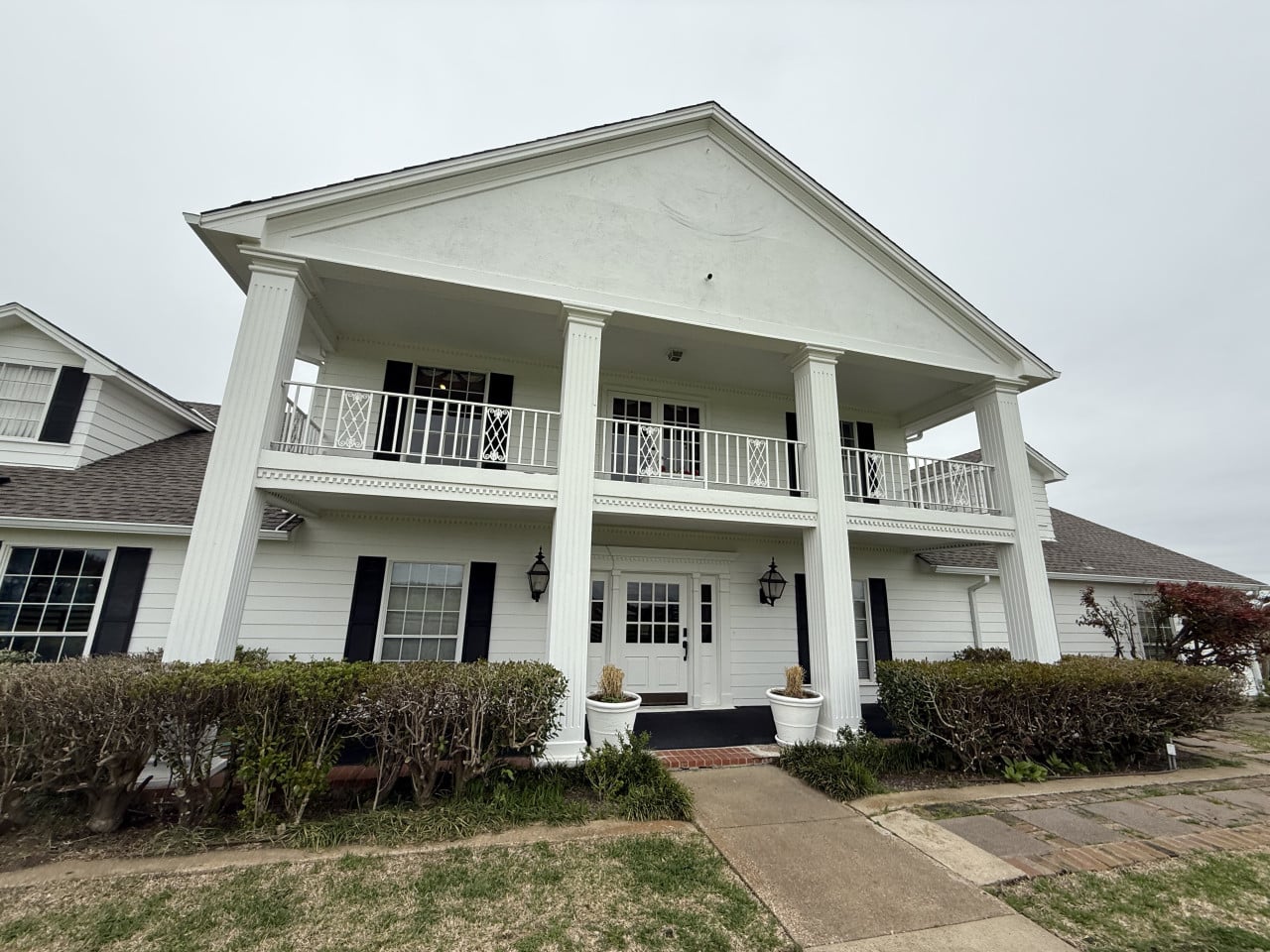
In 1970, businessman Joe R. Duncan built a family home of about 550 square meters on a 200-acre property near Plano, Texas. He named it Duncan Acres and lived there with his family.
Interestingly, Southfork was not actually the first filming location. The original five pilot episodes were filmed at the so-called Cloyce Box Ranch in Frisco. But the owner—former professional American football player Cloyce Box—was unhappy with how the series portrayed the Texas oil industry and kicked the production crew off his property. Ironically, Box Ranch later also became a tourist attraction precisely because of its connection to the series.
And this is where the story I heard there comes in, which amused me: apparently, one of the directors or producers was flying around the Dallas area in a helicopter looking for a suitable filming location. When he landed on the Duncans' property, he frightened their cattle—and the owner was understandably not pleased. But when he heard the offer and saw the money, he agreed to the filming.
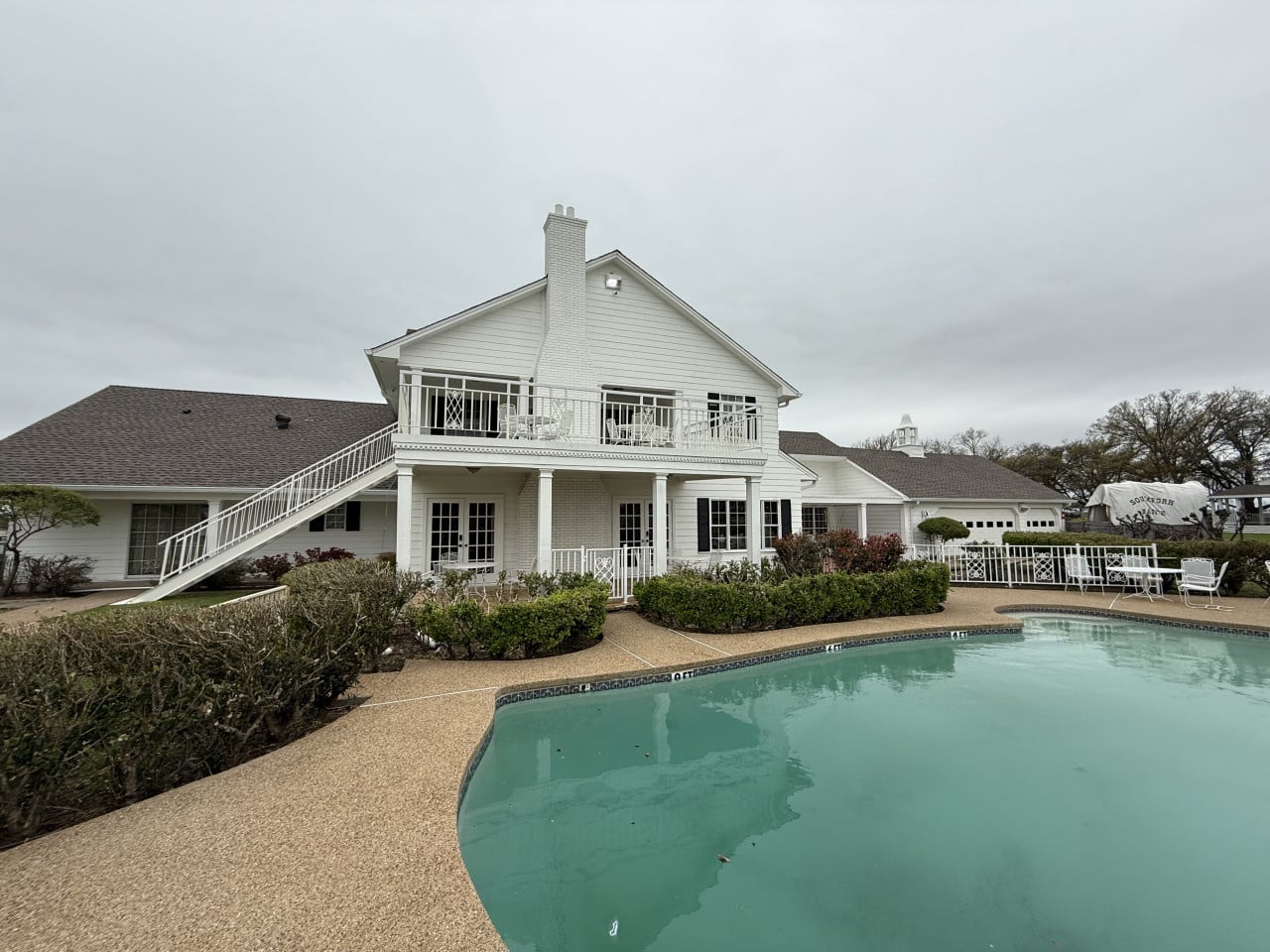
Filming took place mainly in the summer, when the heat in Texas can be unbearable. The Duncans took advantage of this and left the house for the summer—while the crew filmed the exterior scenes. And this is an important detail: only exterior scenes were filmed at the ranch. All interior scenes were filmed on soundstages in Los Angeles, or more precisely in California. What visitors see inside the house today is a reconstruction—the interiors were created to match how the house looked in the series.
The only exception was the 1998 television film Dallas: War of the Ewings, when filming actually took place inside the real house for the first and last time.
As the series grew in popularity, crowds of fans began flocking to the ranch. In 1984, at the height of Dallas's fame, more than a million people visited Southfork. It became unbearable for the Duncan family, and they moved out of the house in 1985. The new owners then changed the name to Southfork Ranch and opened the grounds to the public.
But then something unfortunate happened—the owners reportedly became involved in some unfavorable oil-related deal, lost the house, and someone bought it and converted it into a museum and conference center. In 2022, the ranch was acquired by the development company Centurion American Development Group, which is planning residential development in the surrounding area but is trying to preserve the ranch itself as a tourist attraction.
What the Visit Is Like
So we arrived at Southfork, I played the famous Dallas theme song in the car—and it immediately felt more authentic. The friend who was with us is also into horses and is from a generation that remembers Dallas better than I do, so she enjoyed it twice as much.
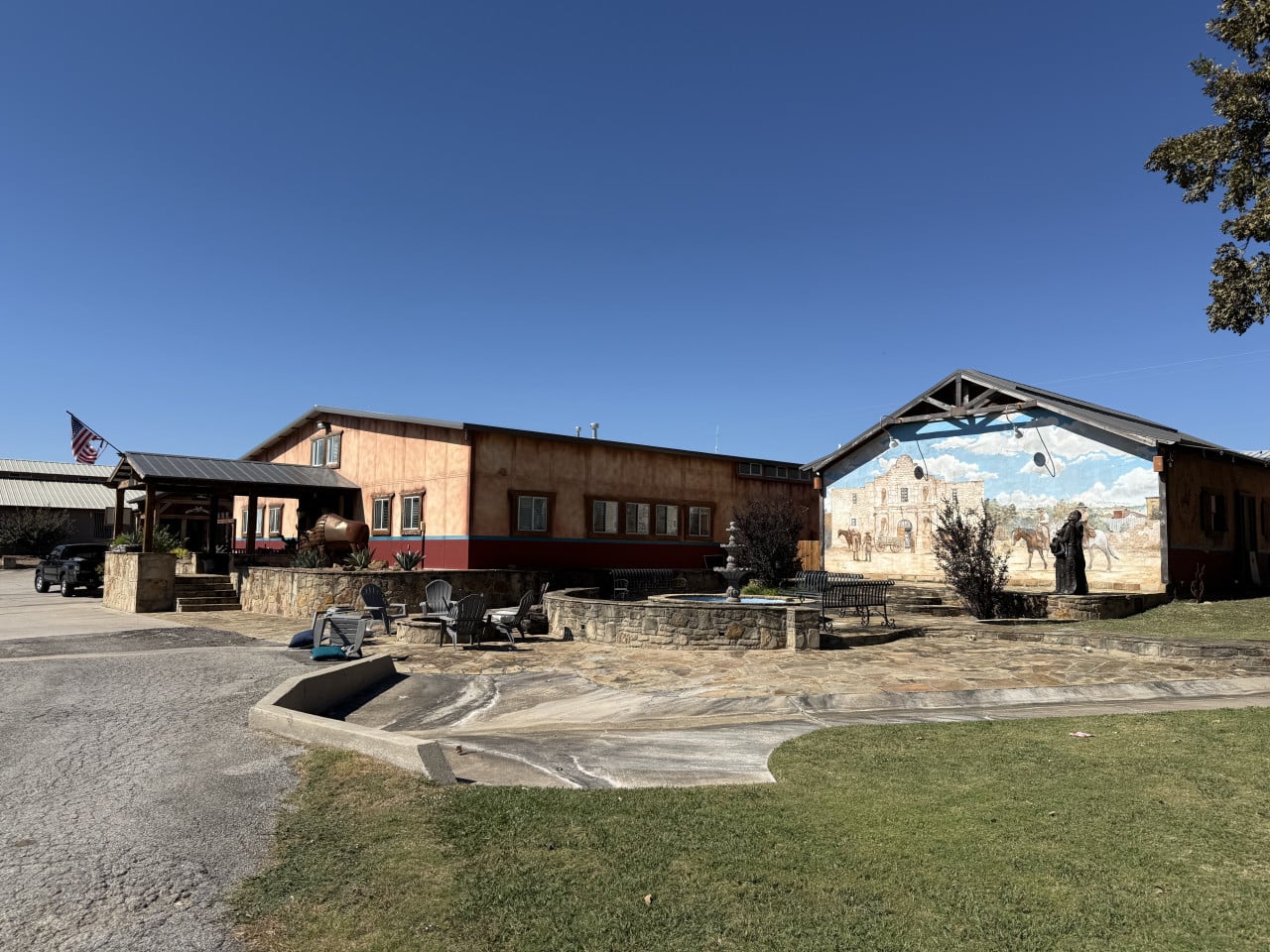
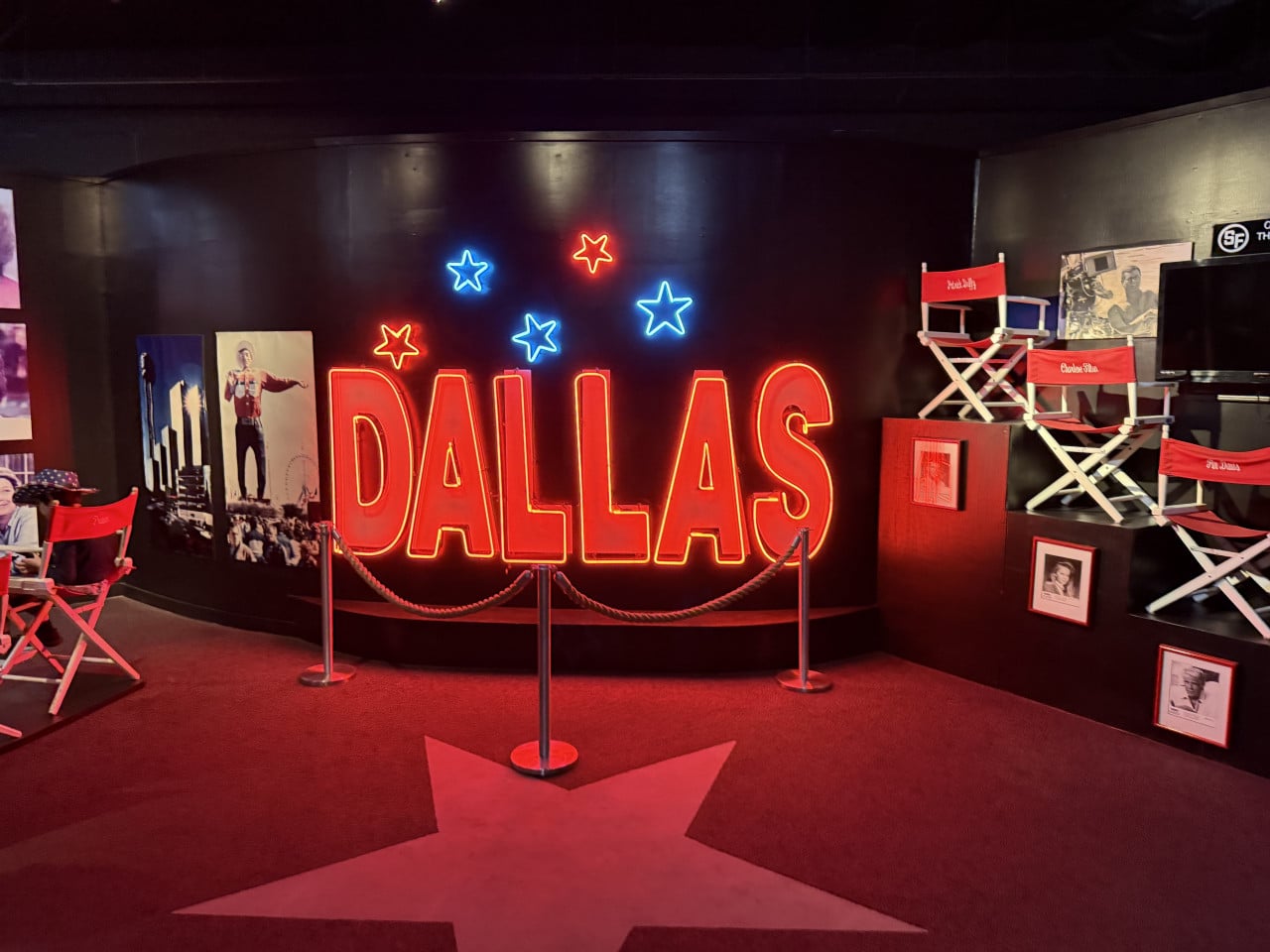
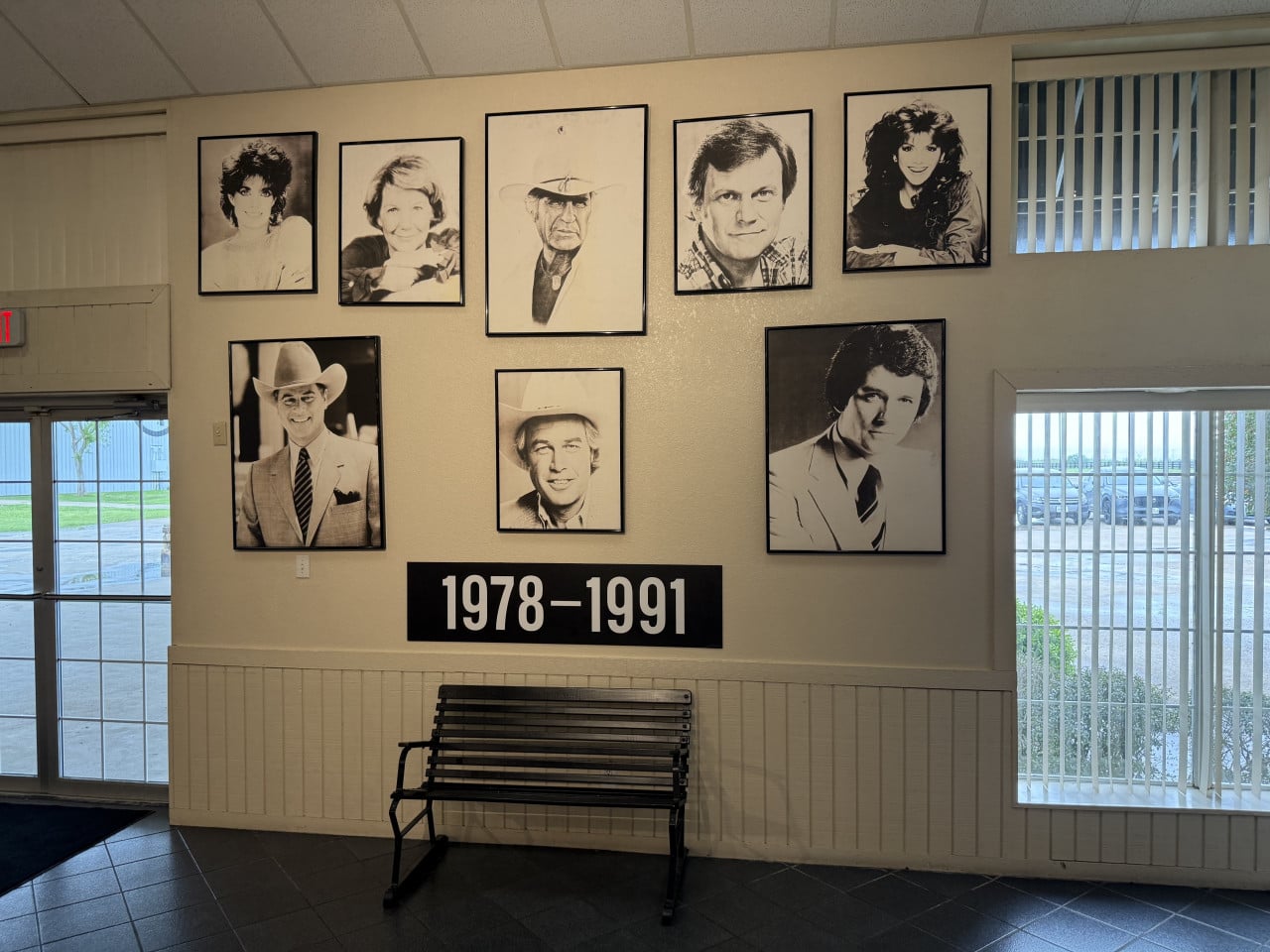
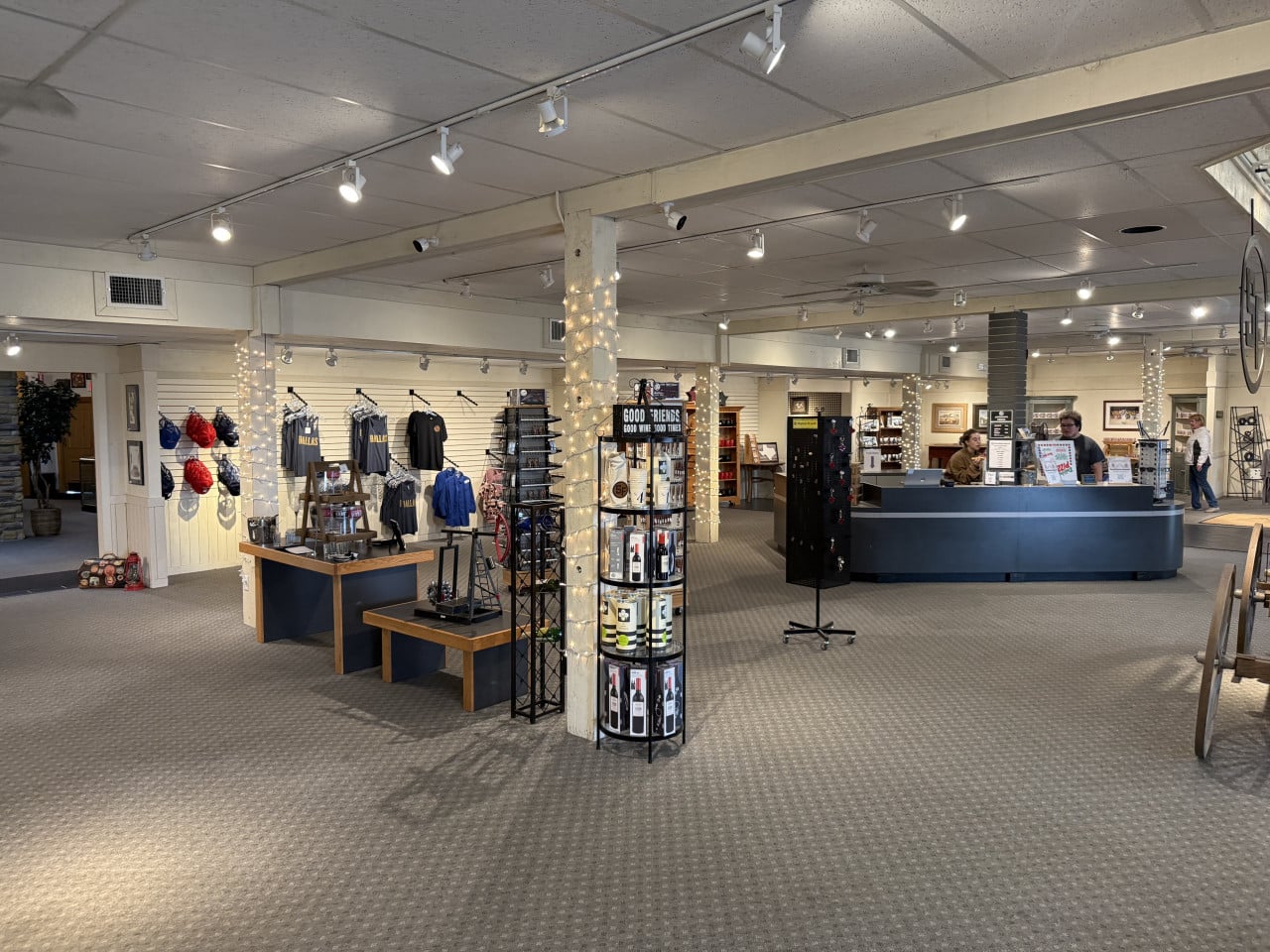
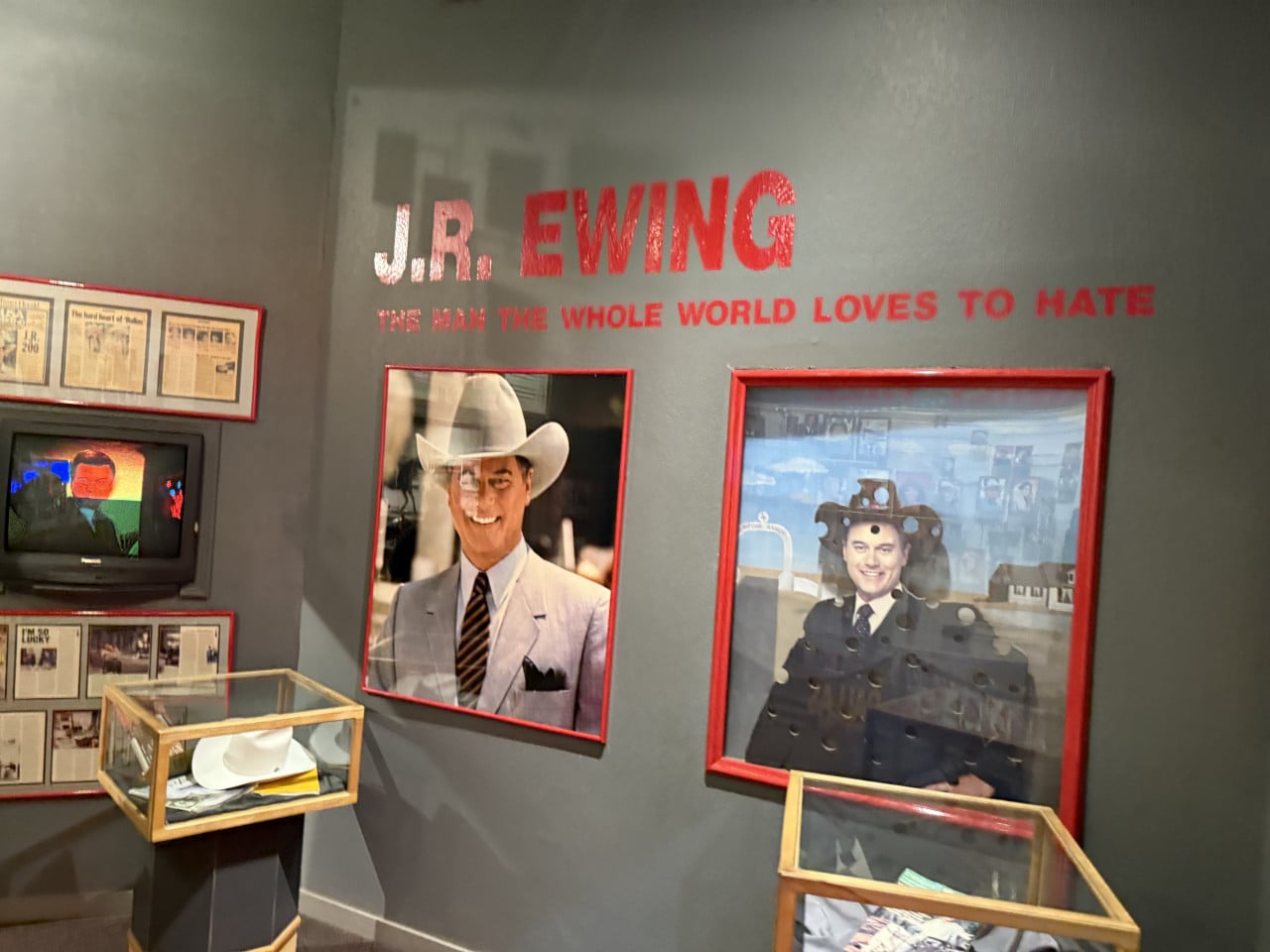
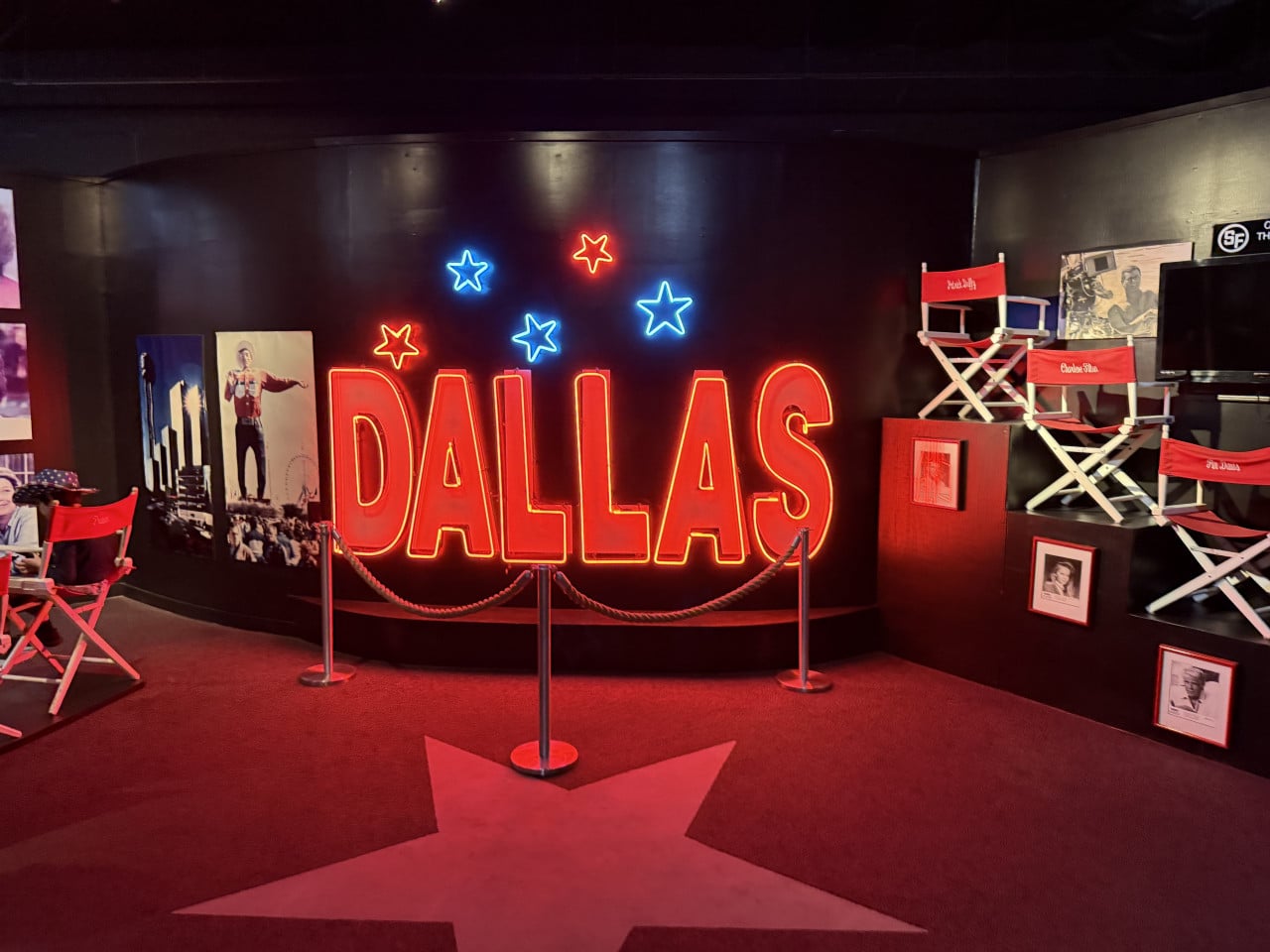
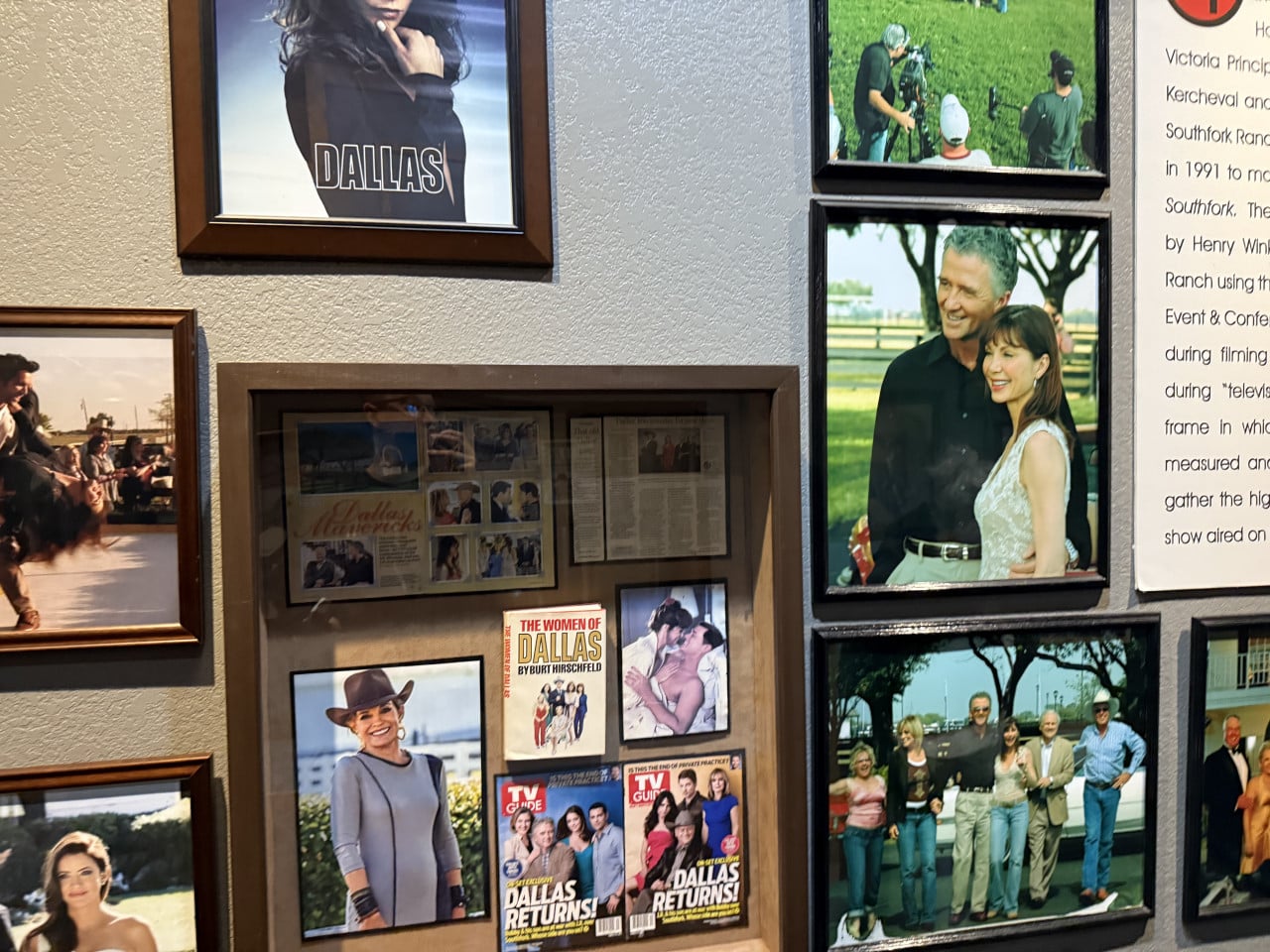
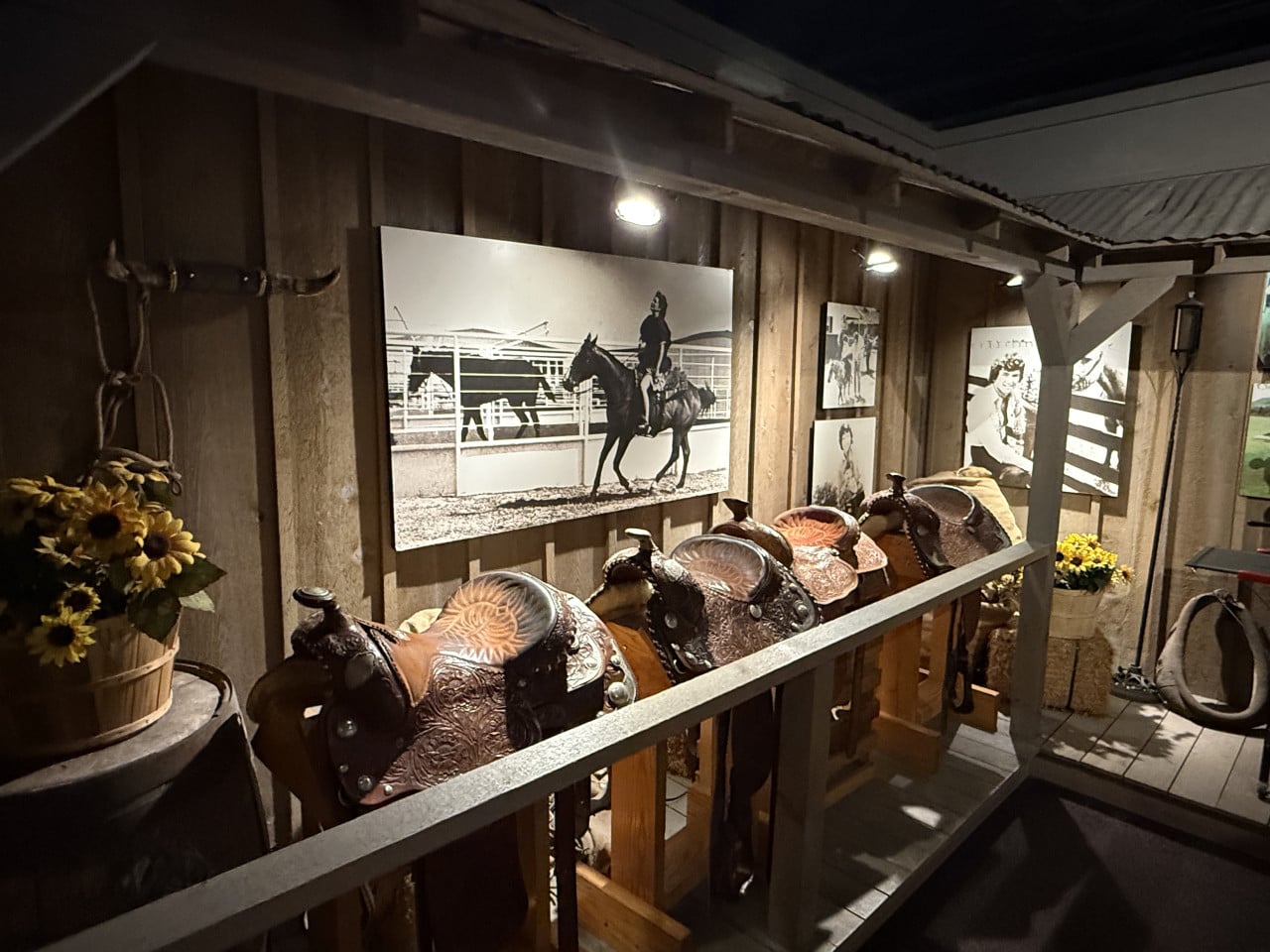
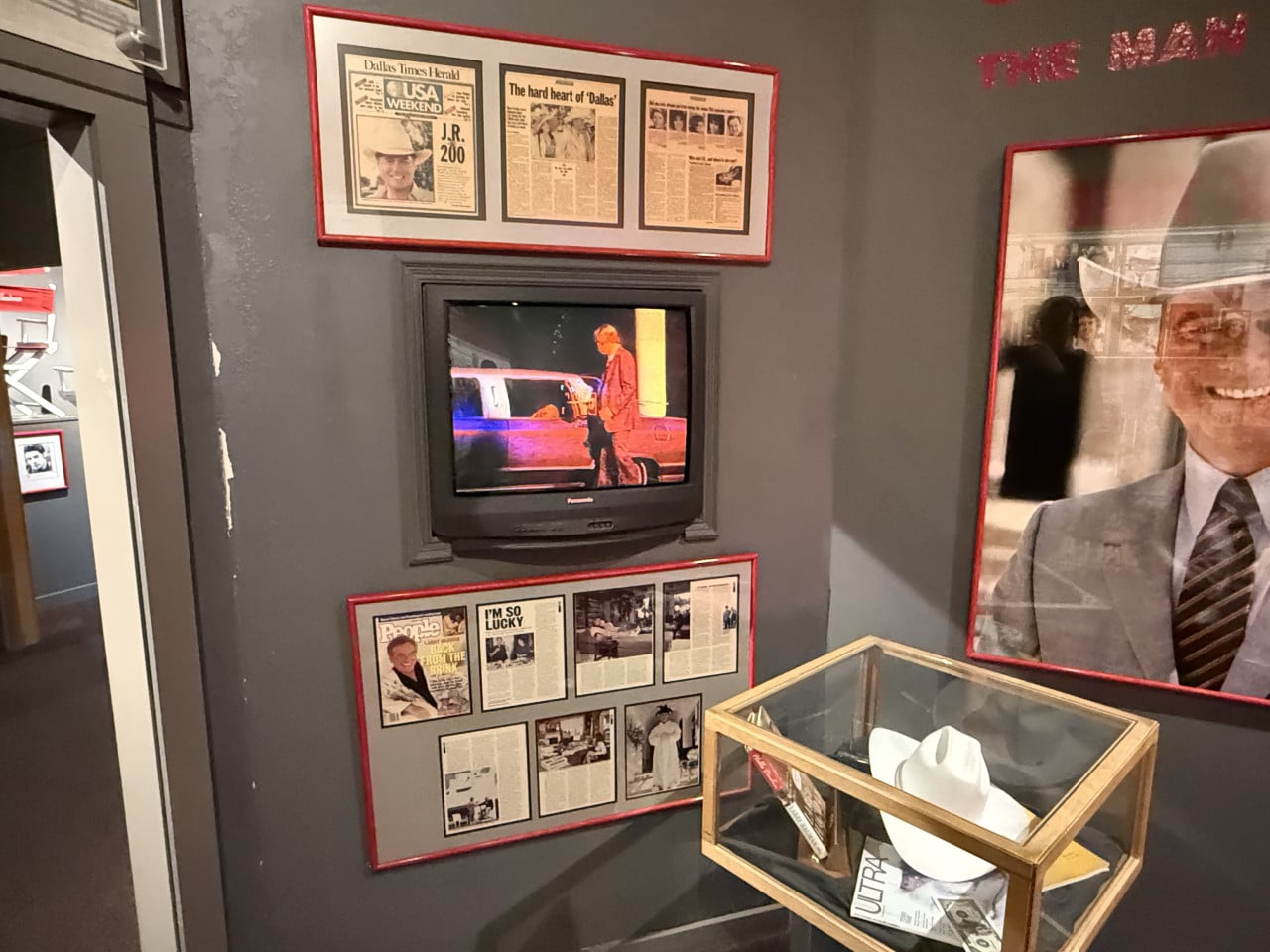
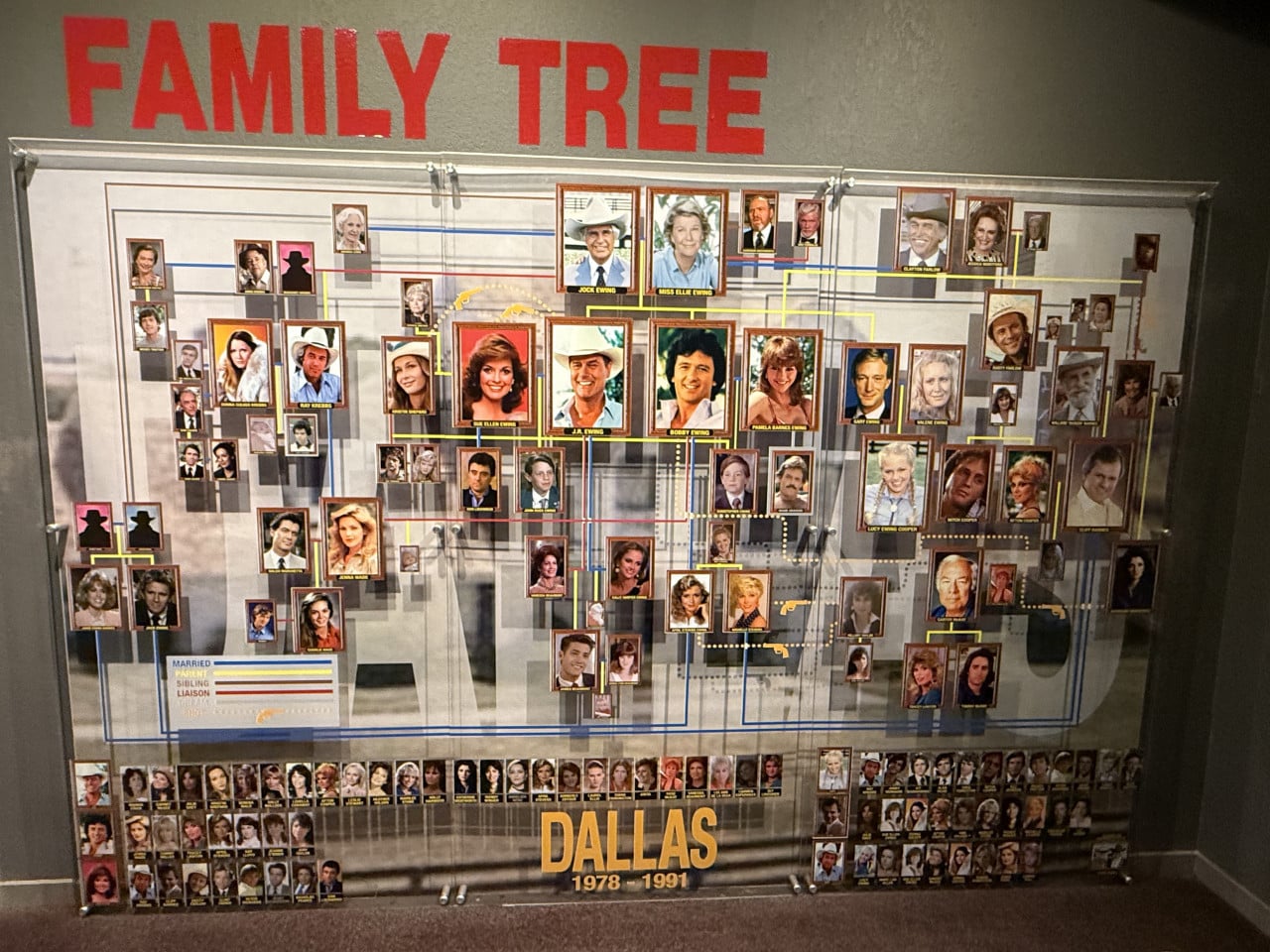
After arriving, we first entered a large building where tickets were sold and where there was a kind of museum—essentially a “Dallas Legends” exhibit. There were various artifacts from the filming: saddles, costumes, and props. Clips from the series played on a loop on an old television. Family trees hung on the walls—clear diagrams showing who was with whom, who cheated on whom, and who shot whom. Classic Dallas chaos, only neatly arranged on a wall.
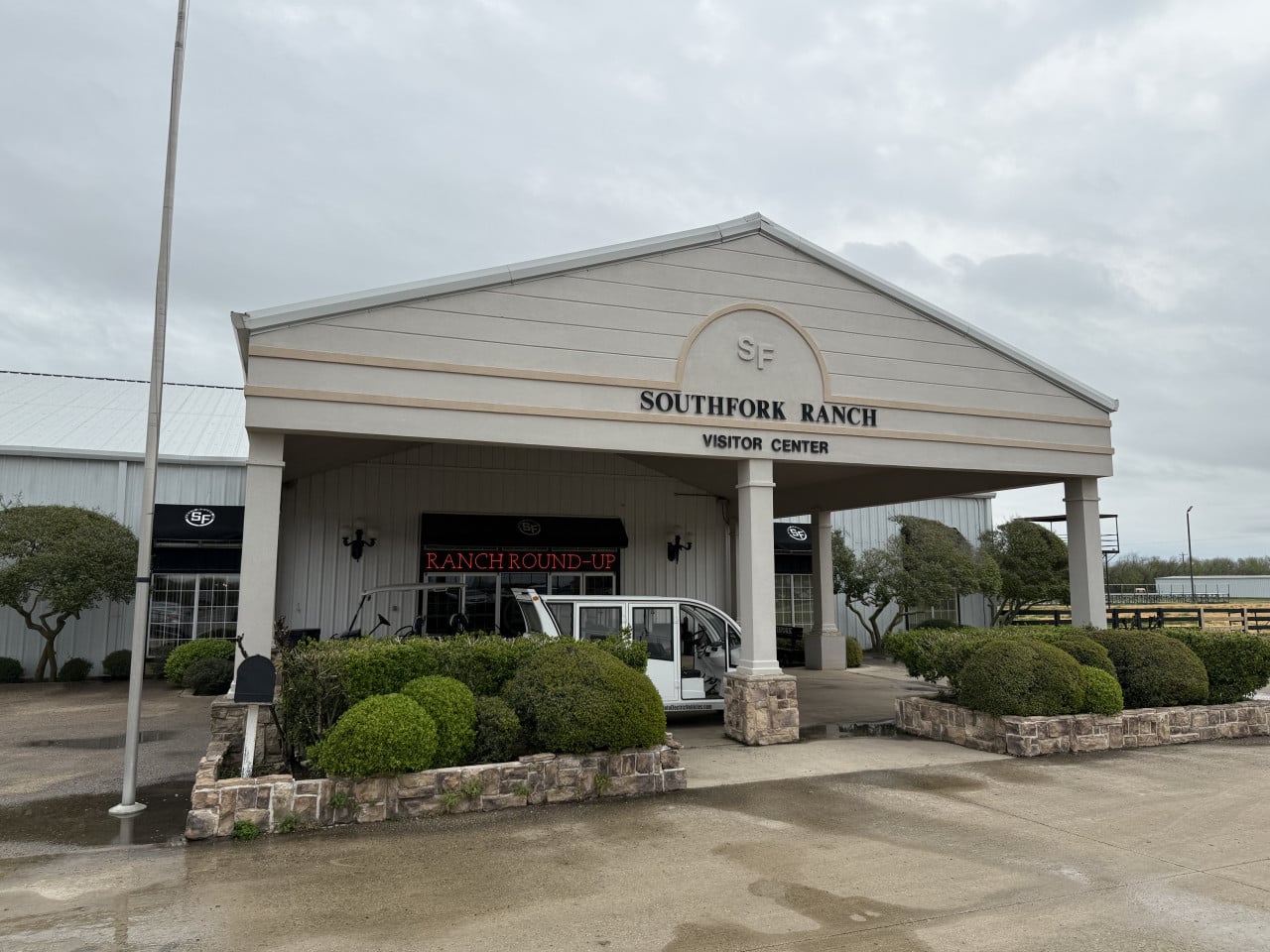
Then we waited for a sort of tractor with a trailer—I don't know how else to describe it, basically a sightseeing vehicle—which took us past the corrals and pastures with Texas longhorns, all the way to the ranch itself.
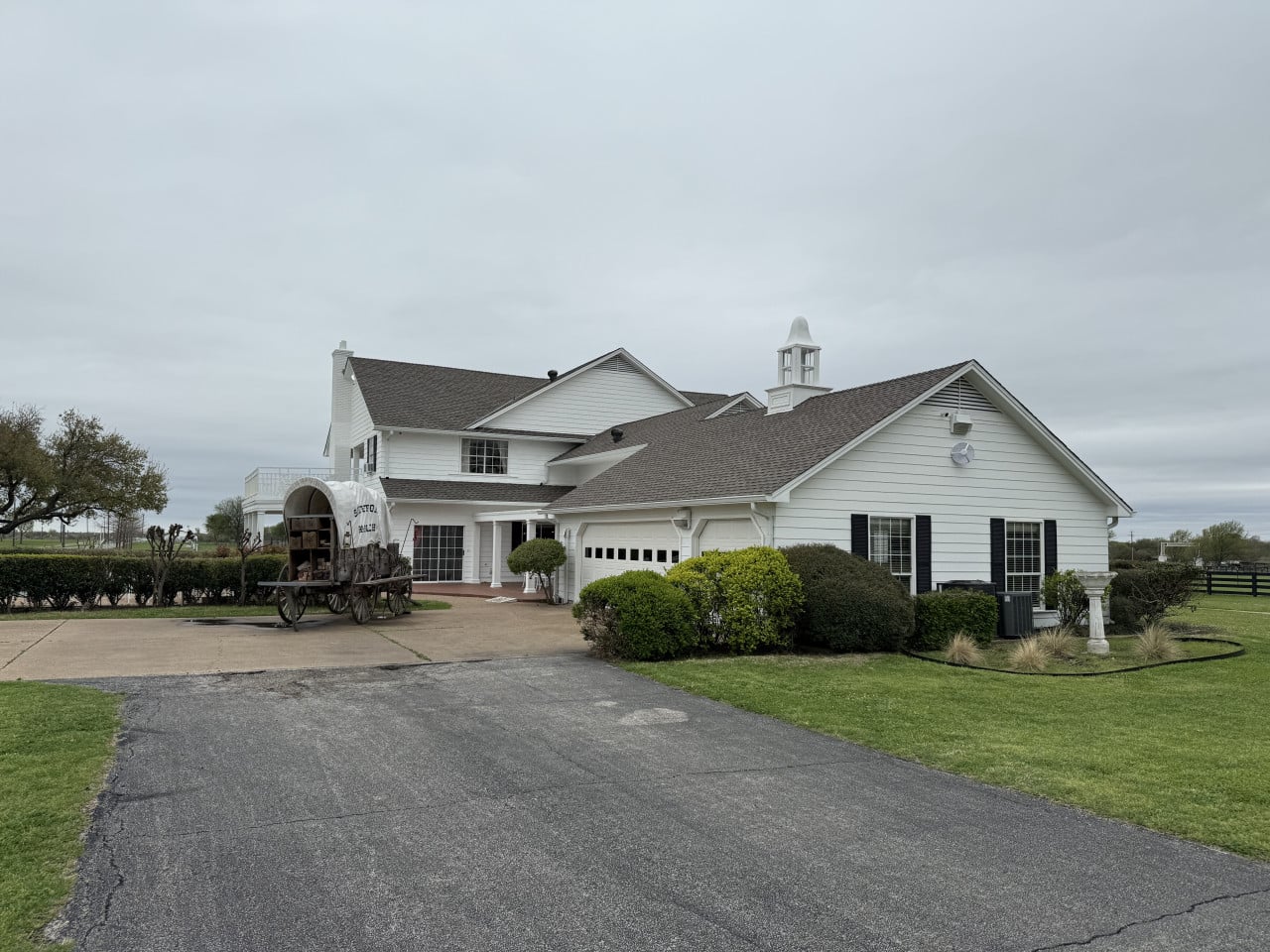
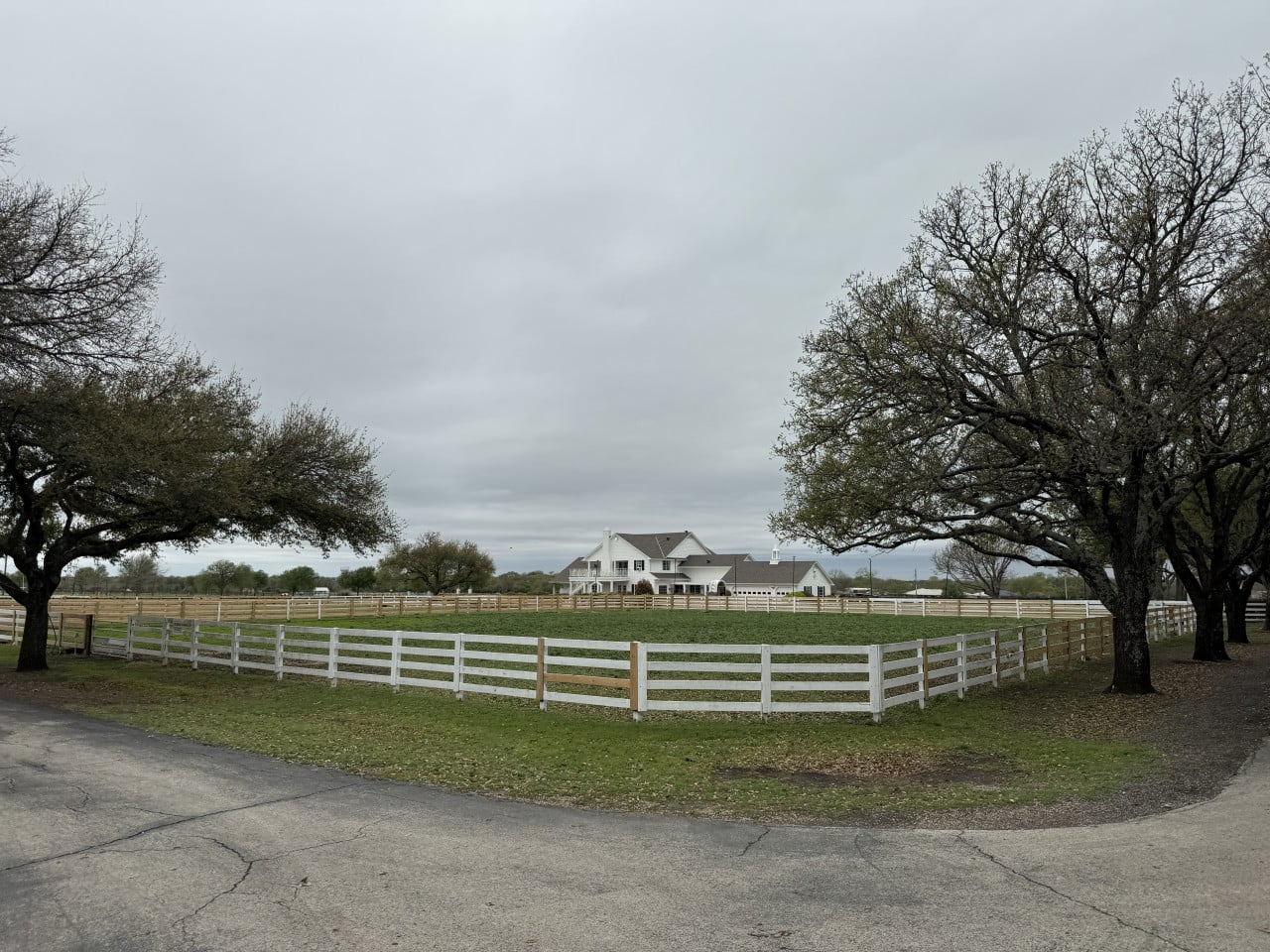
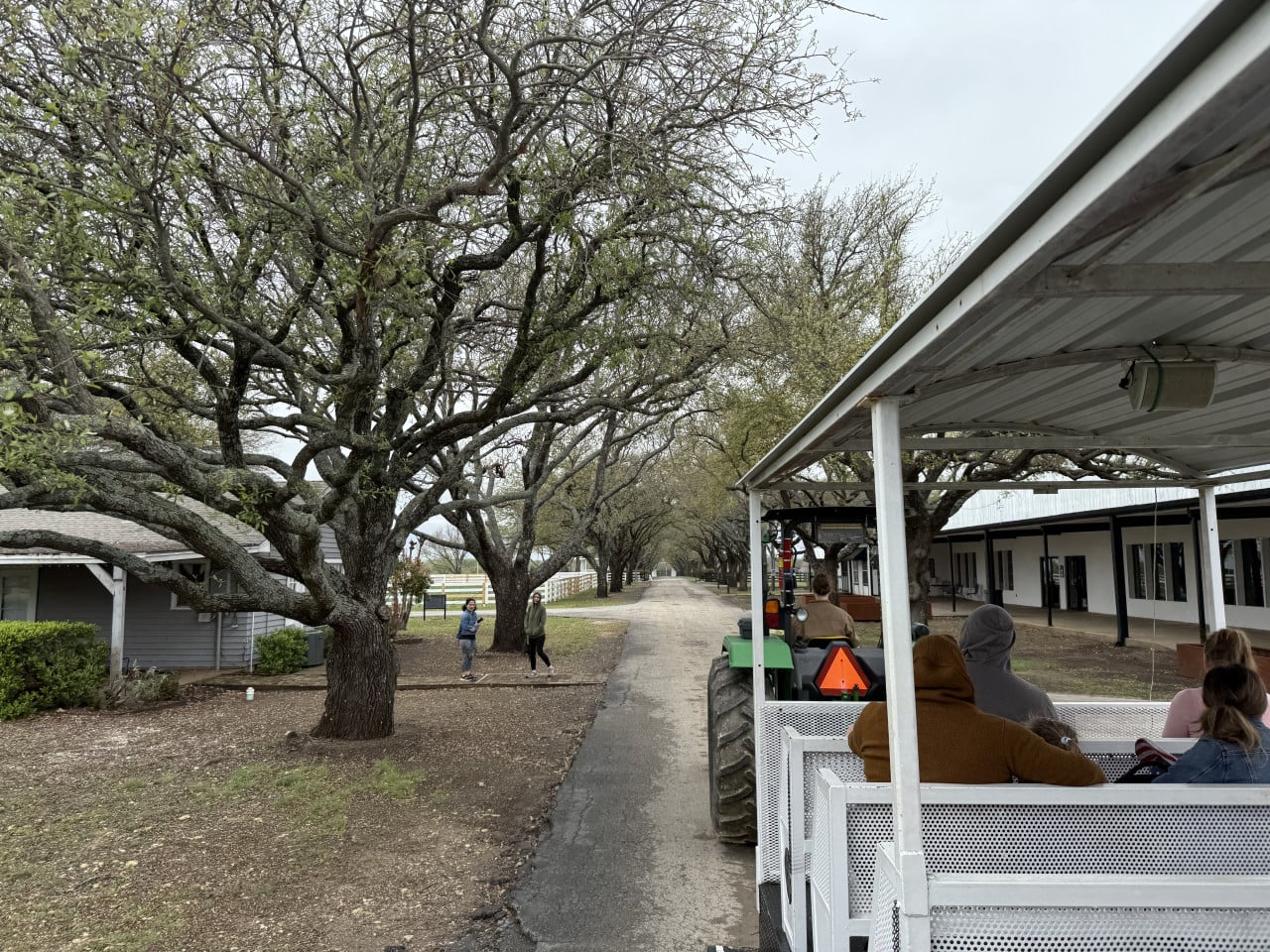
Inside the Ewing Mansion
At the beginning, we sat down on chairs inside and the guide told us some of the basics—the history of the ranch, the series, and the filming. Then we continued into the house's eagerly anticipated interiors.
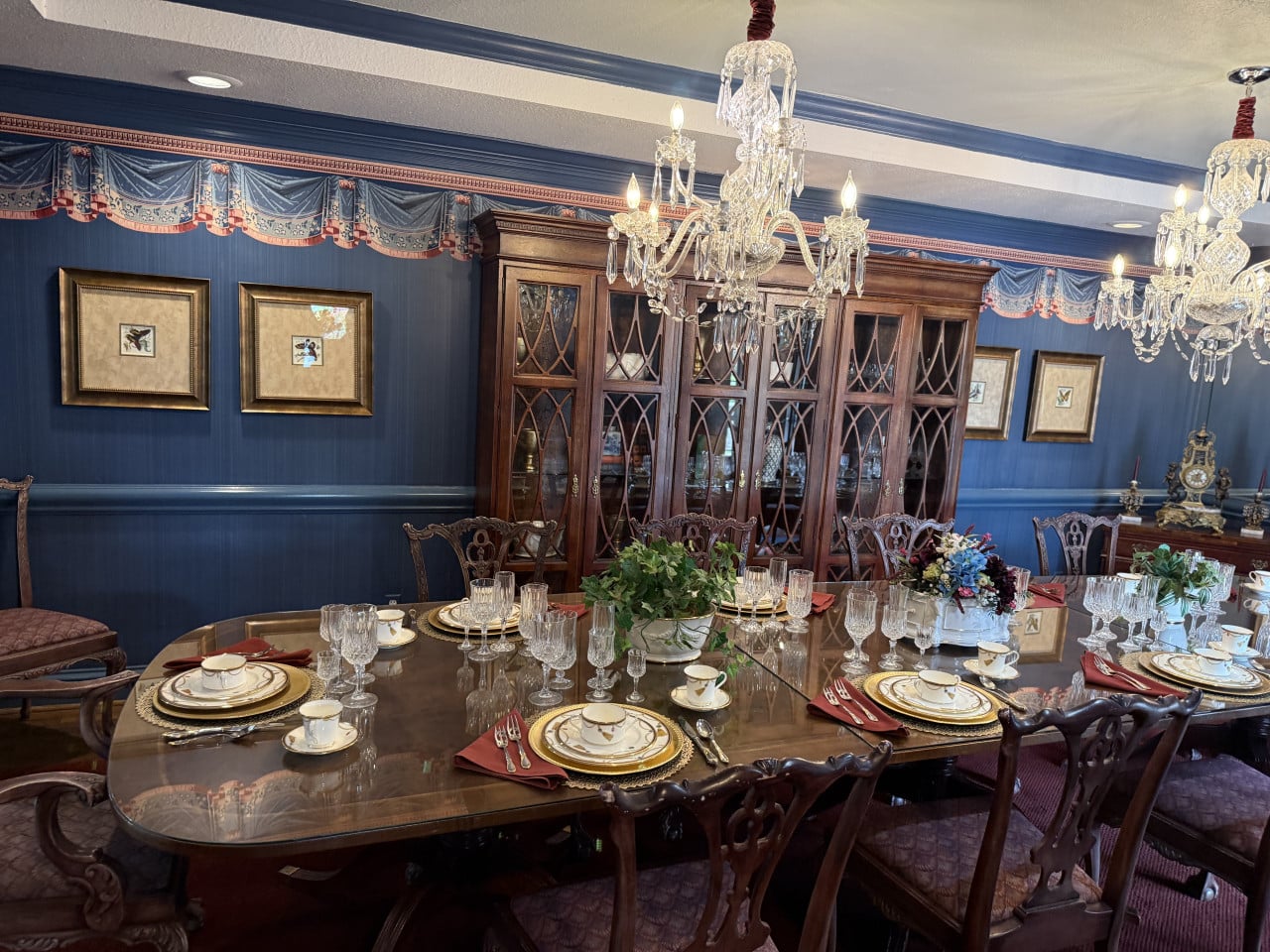
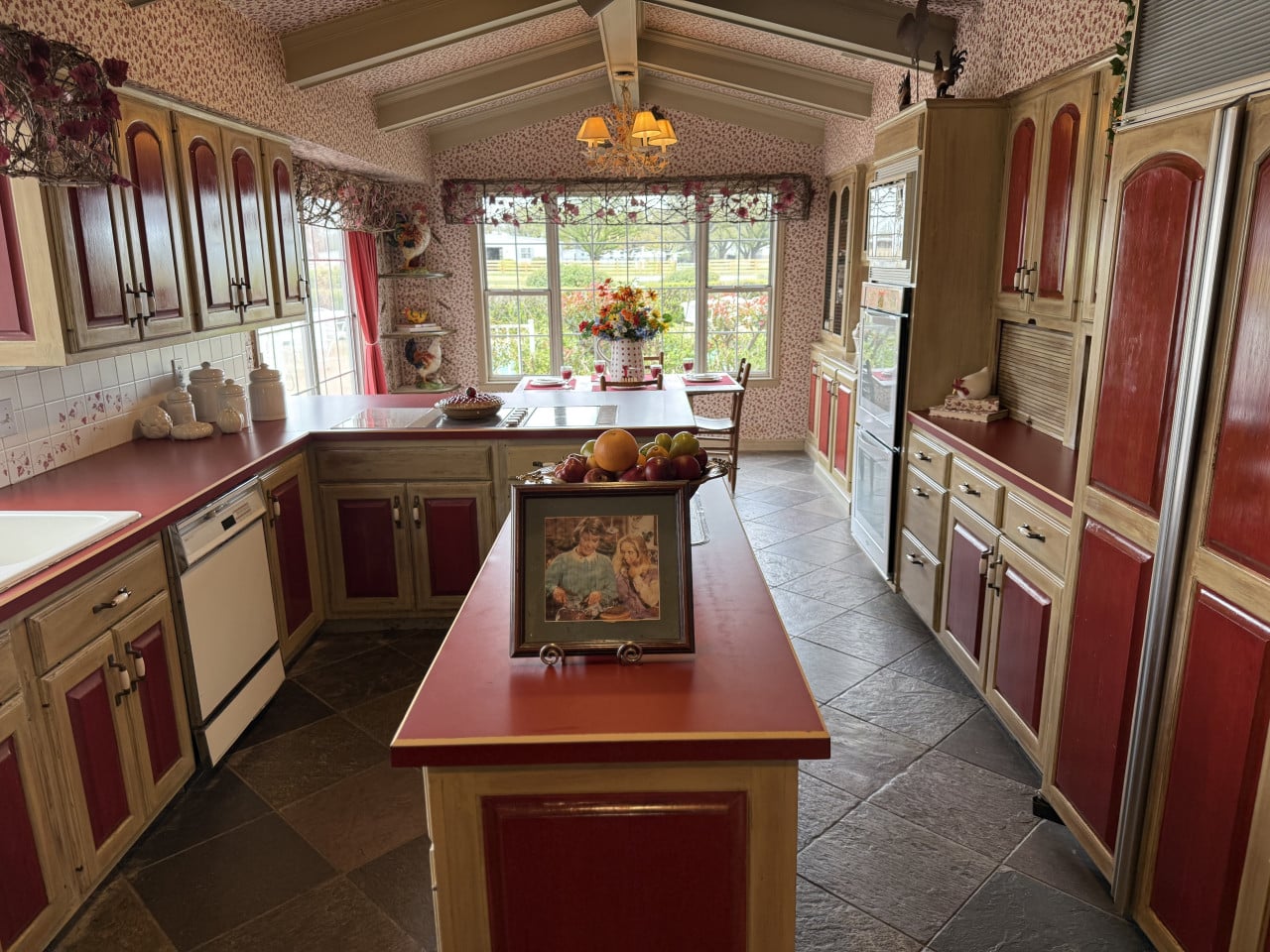
The interiors were made to look exactly as they did in the series. It was lavish and picturesque—simply the exact atmosphere you imagine when you say “a family of Texas oil tycoons.” Dining tables, kitchens, living rooms—everything just like in the series.
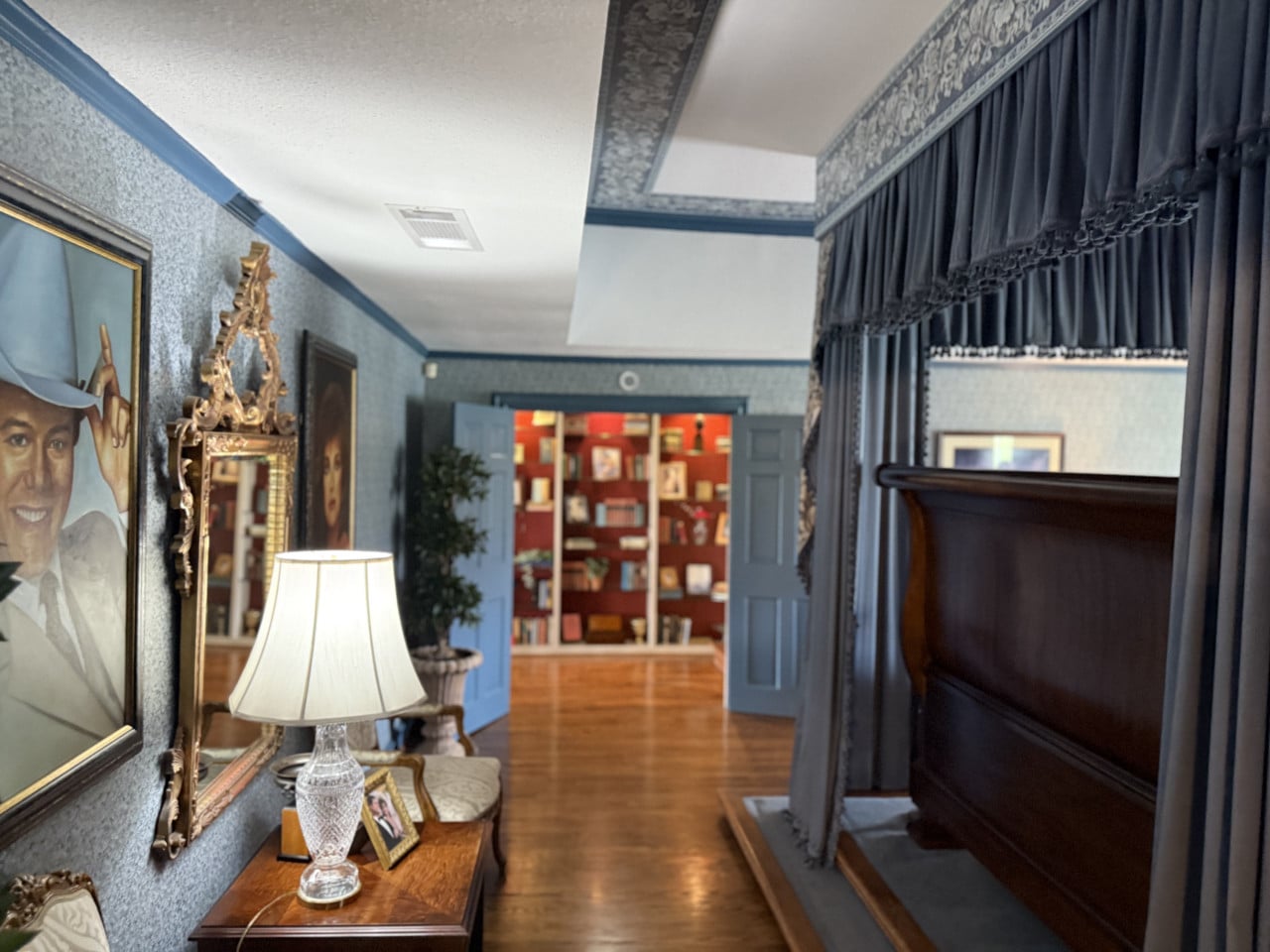
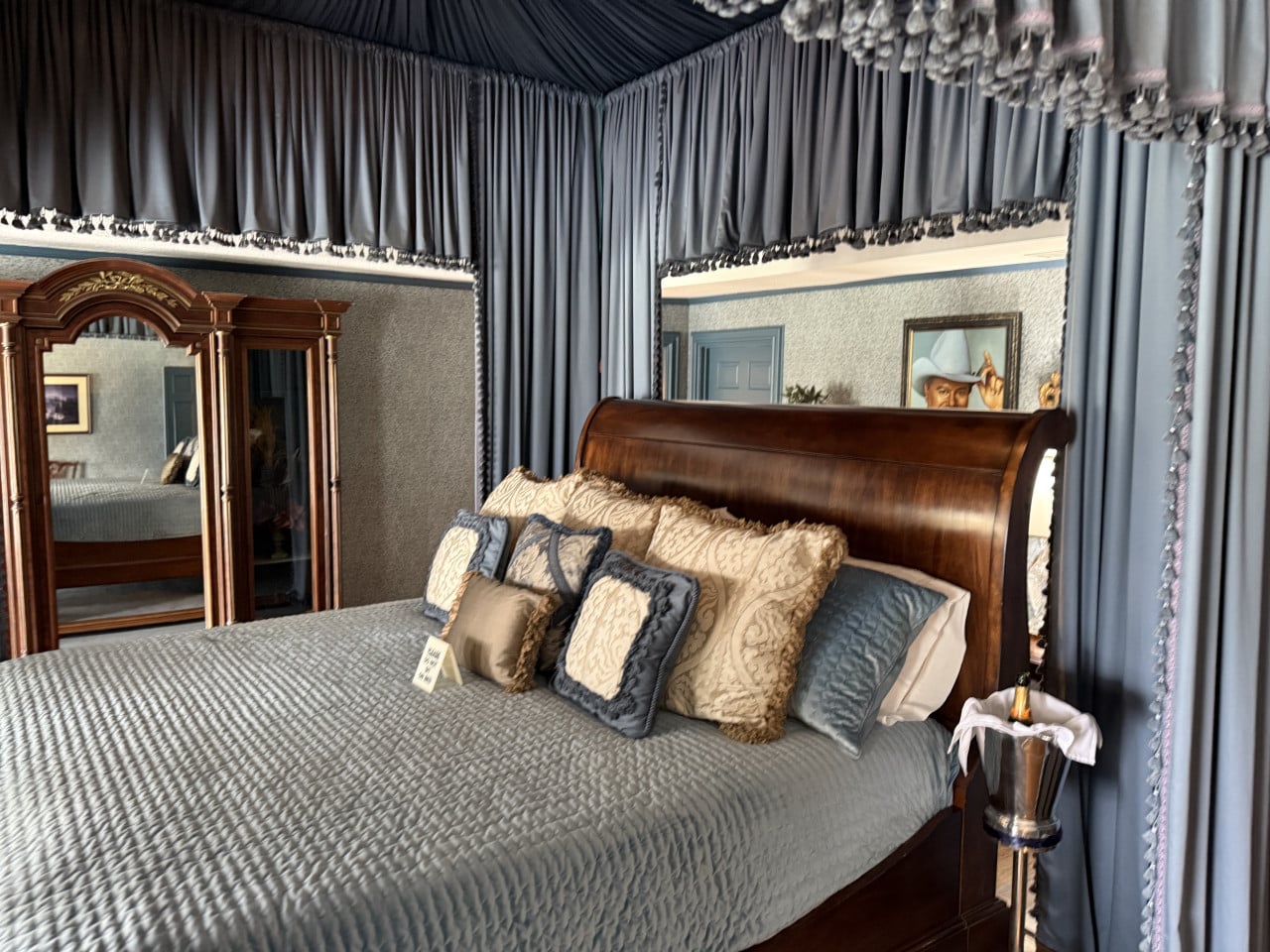
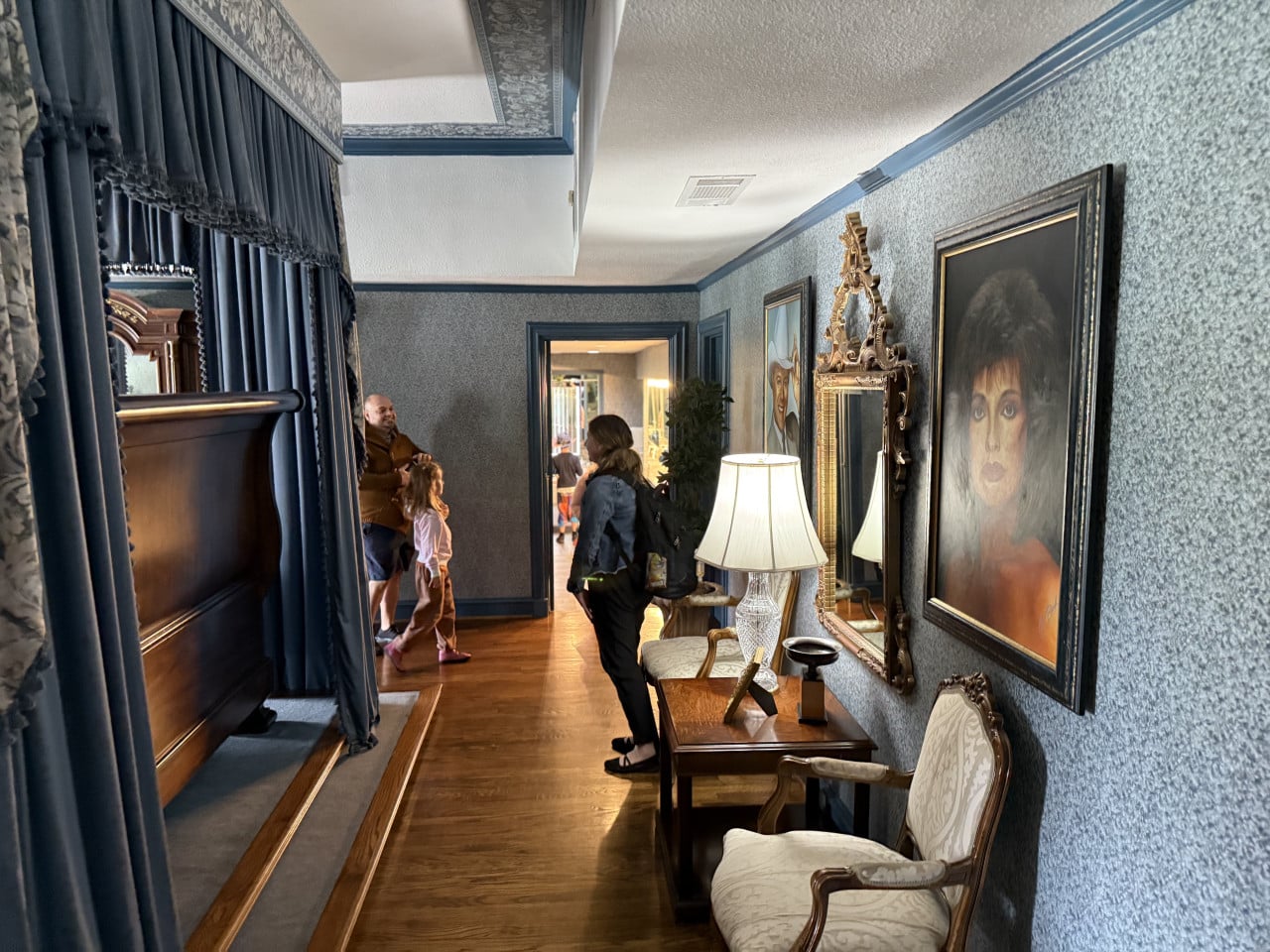
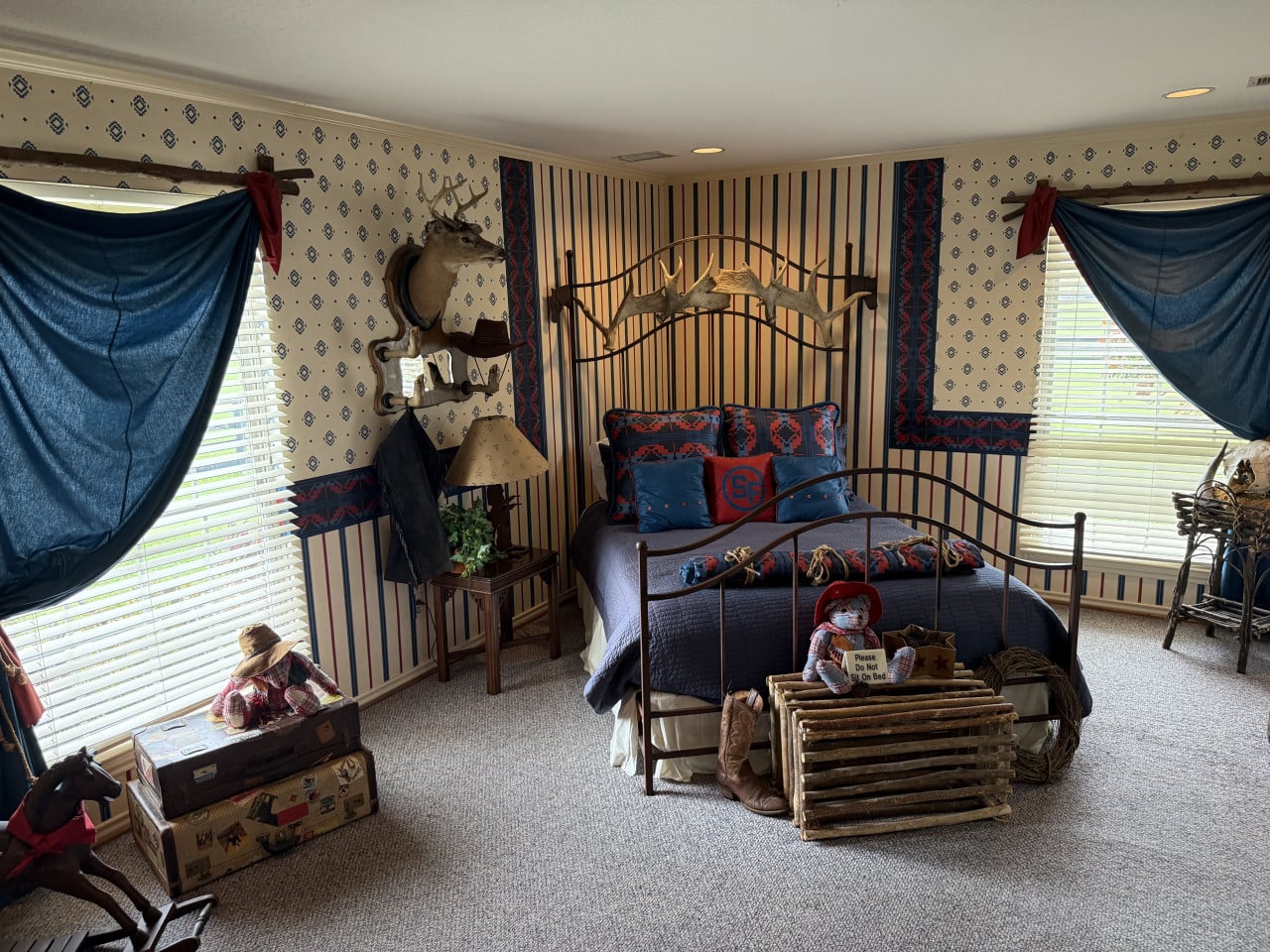
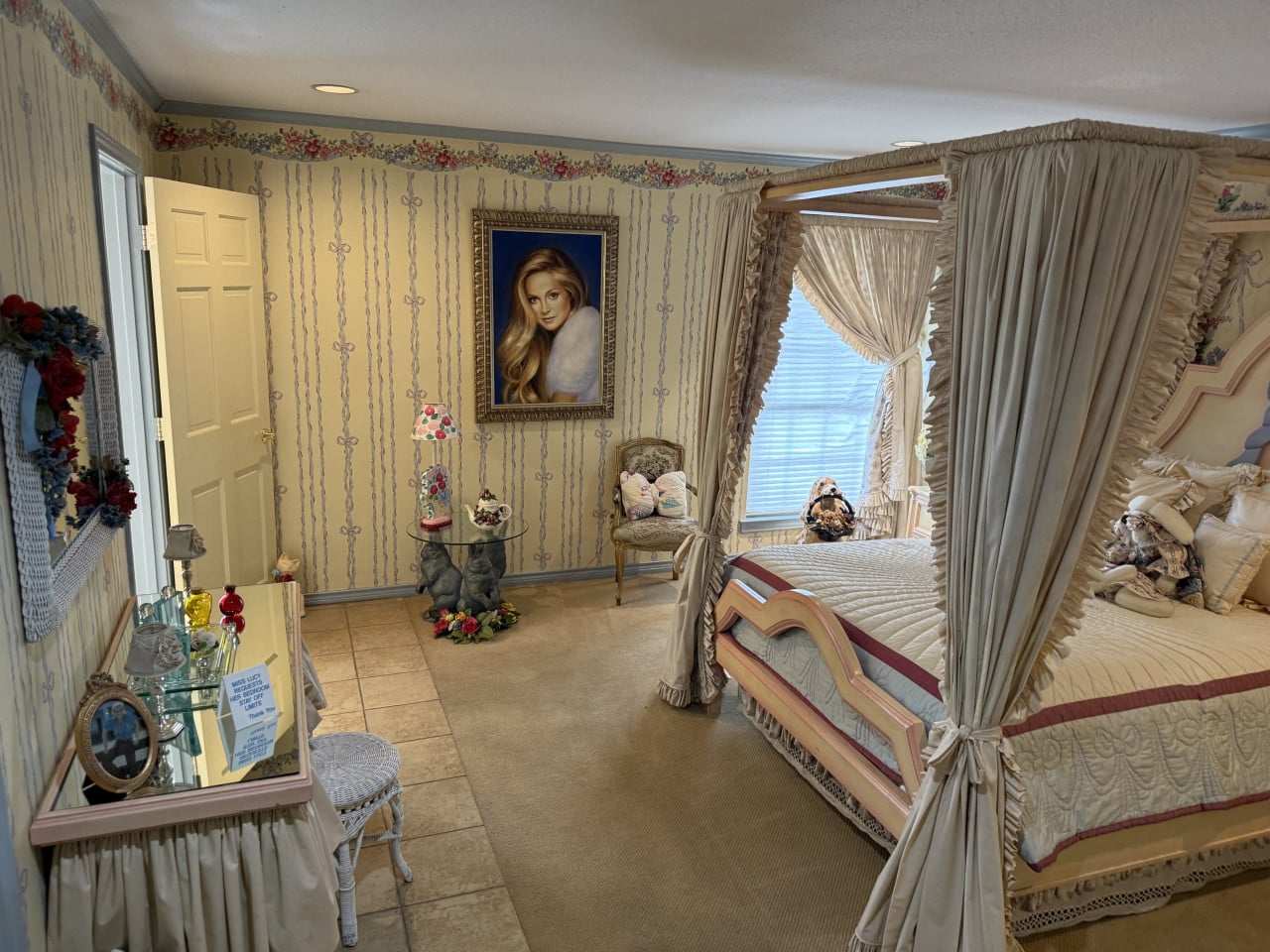
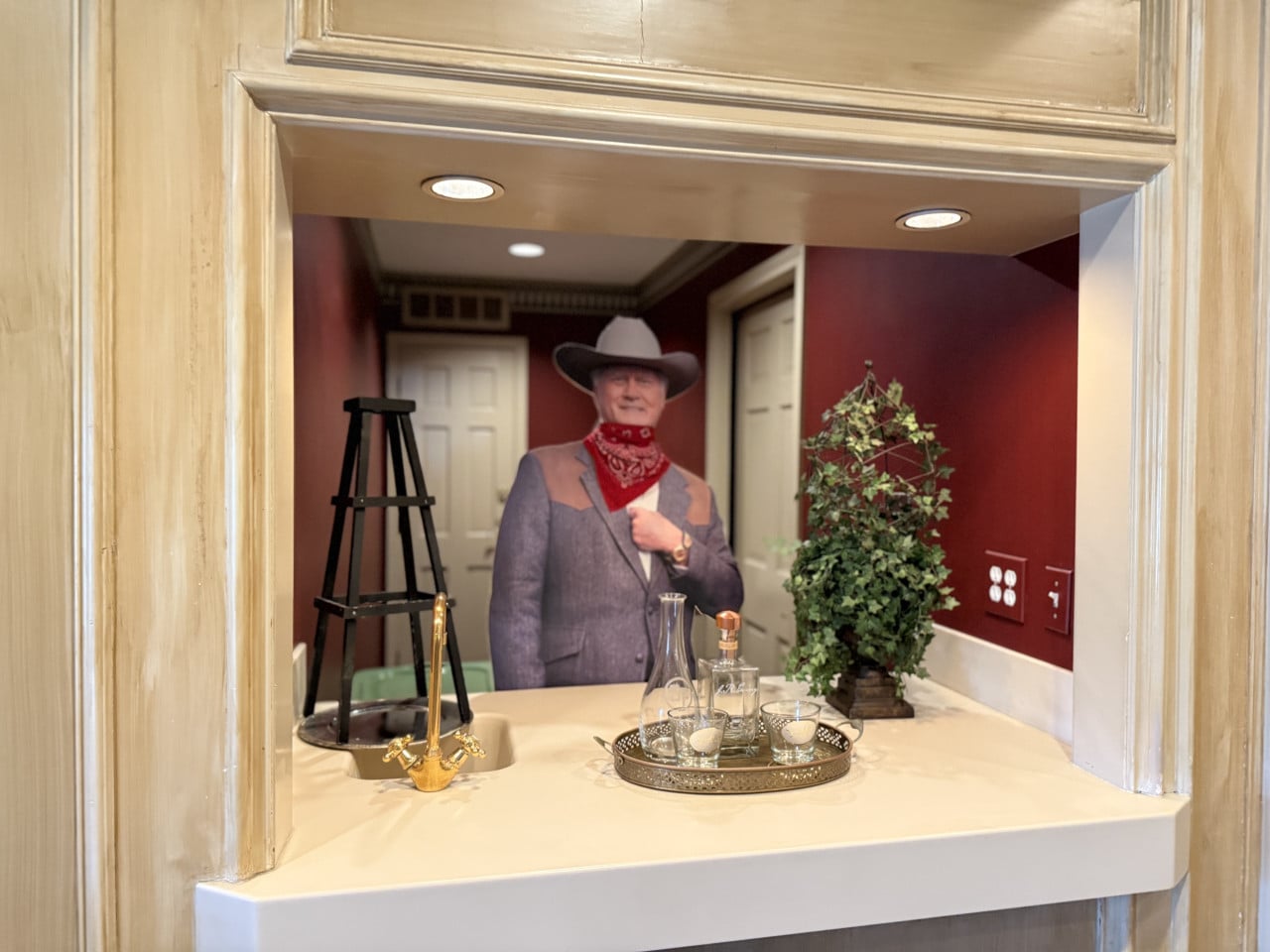
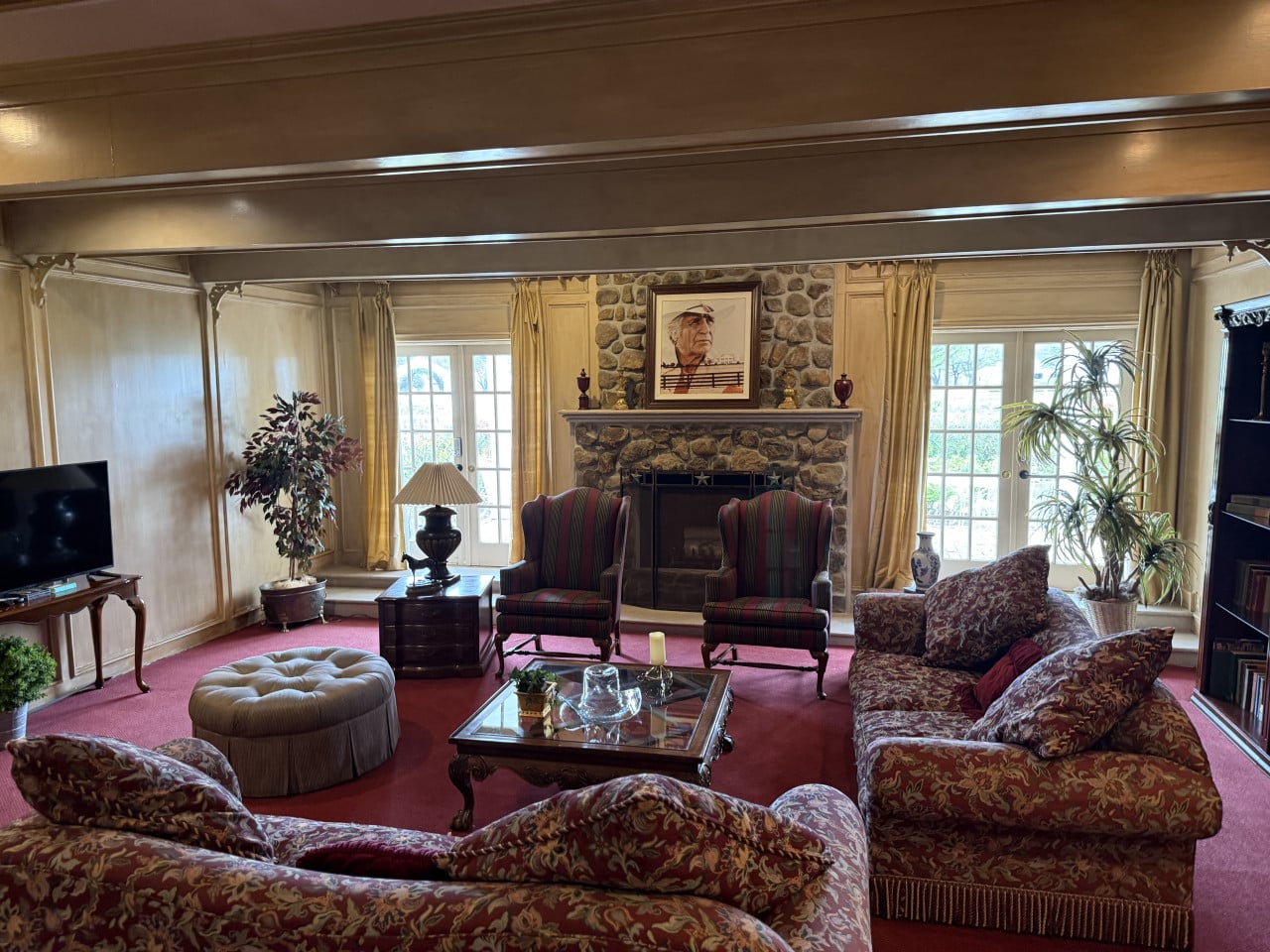
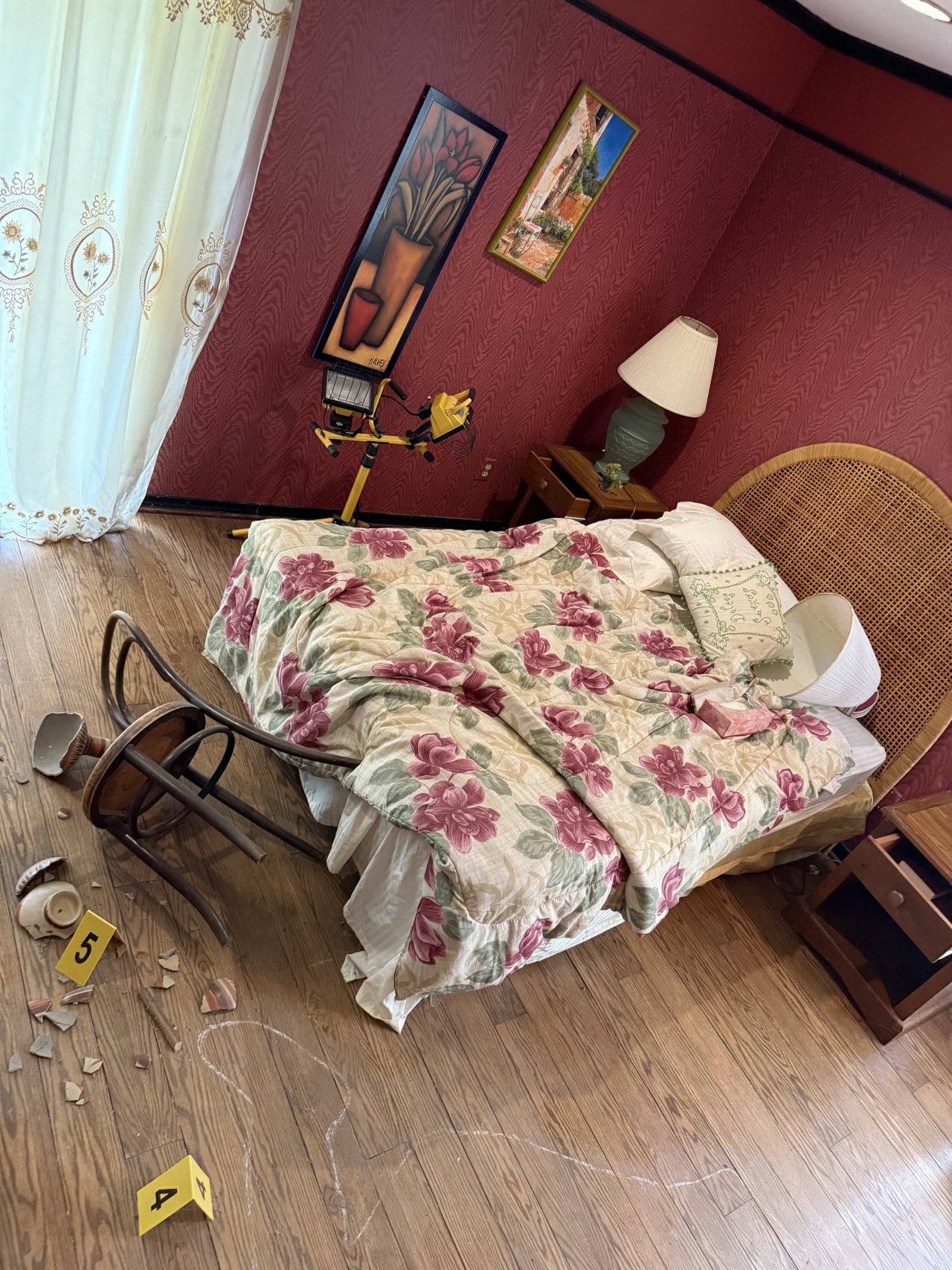
Then came perhaps the most interesting moment—the room where J.R. was shot. The original fallen chair was there, along with broken items and even the kind of evidence markers used by the police. It looked as though it had happened yesterday. A very powerful moment, even for someone who had not watched the entire series.
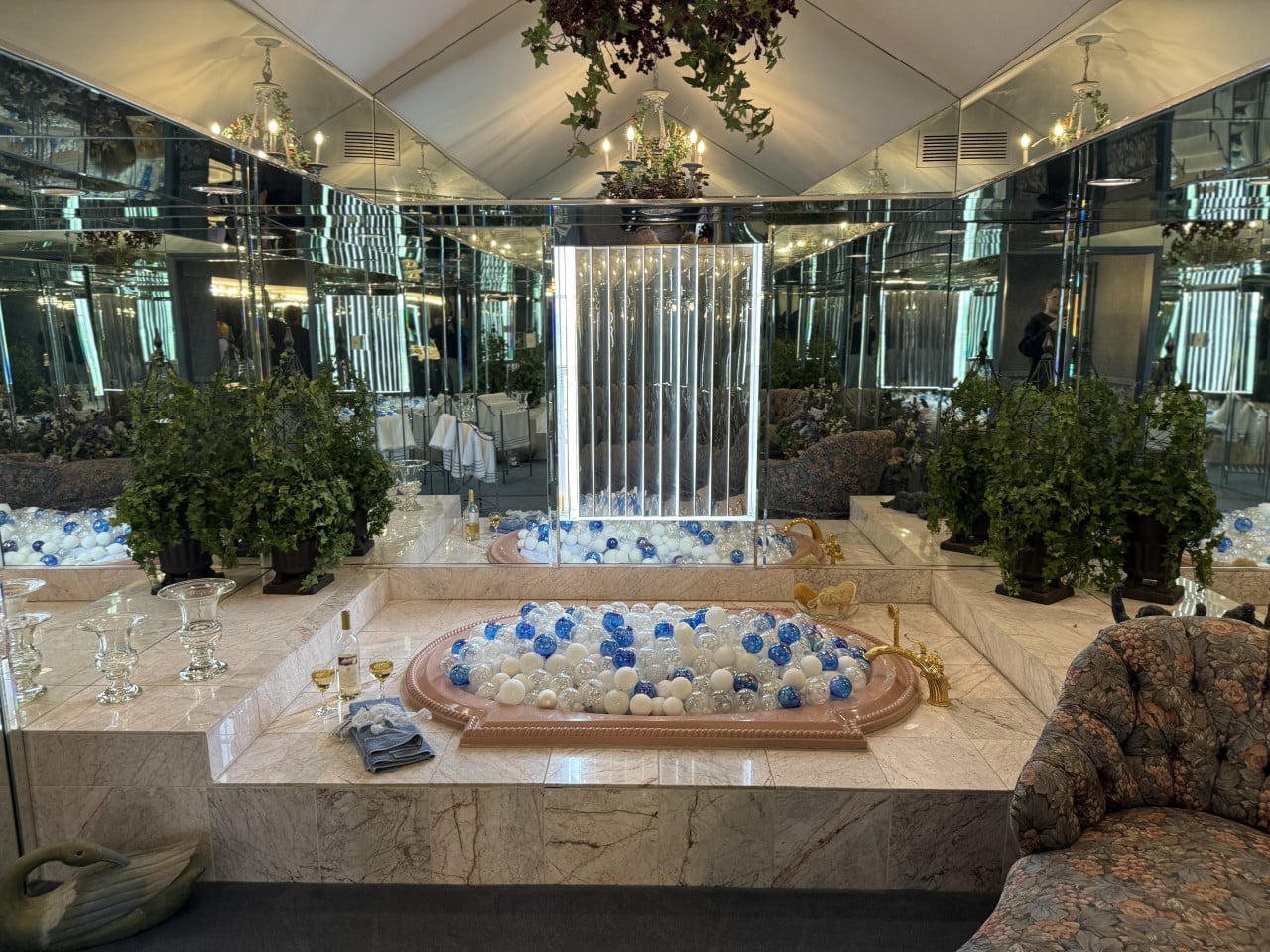
The large bathroom definitely caught my attention too—that's always great in America; the bathrooms are simply on another level compared to ours.
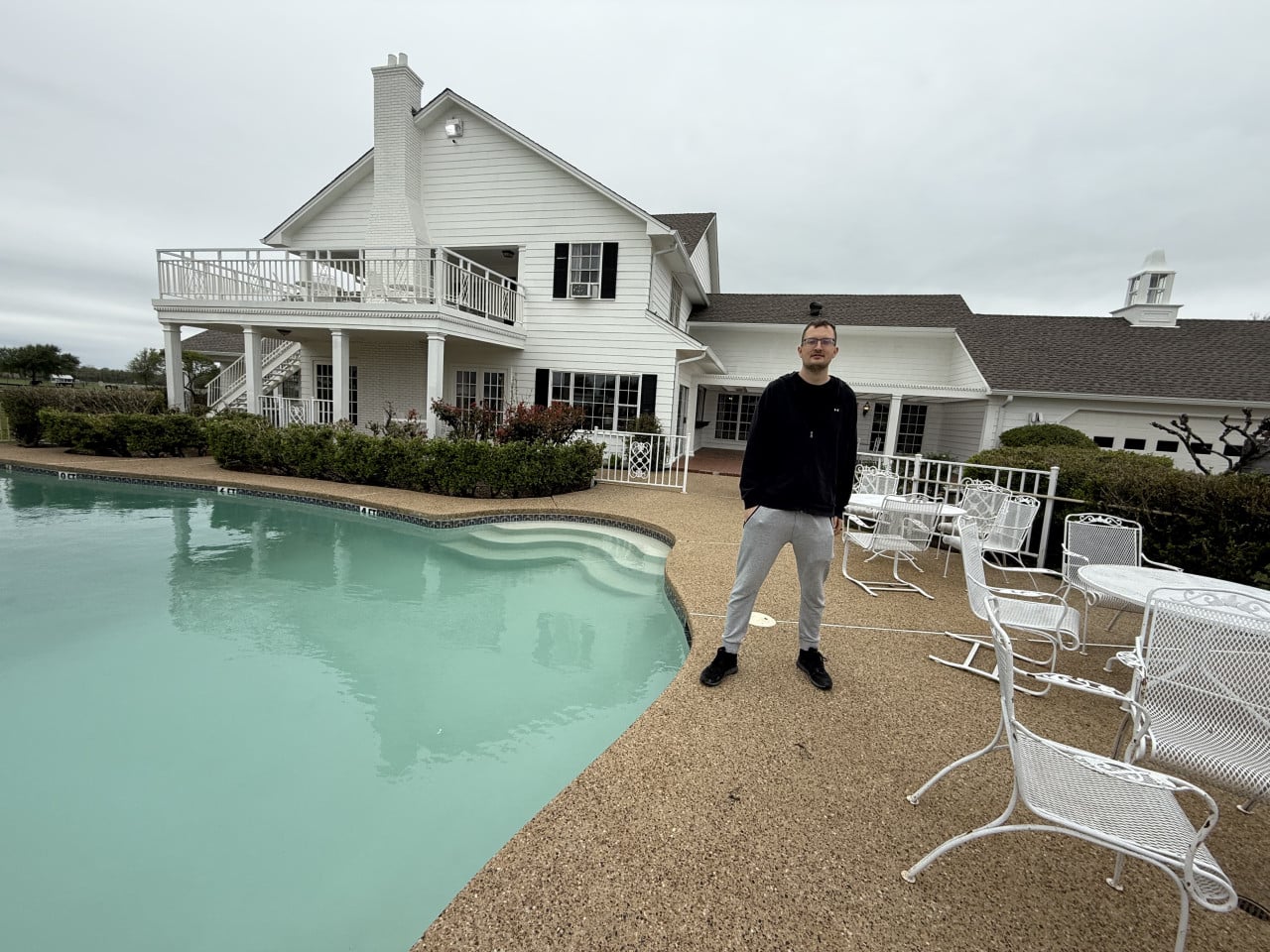
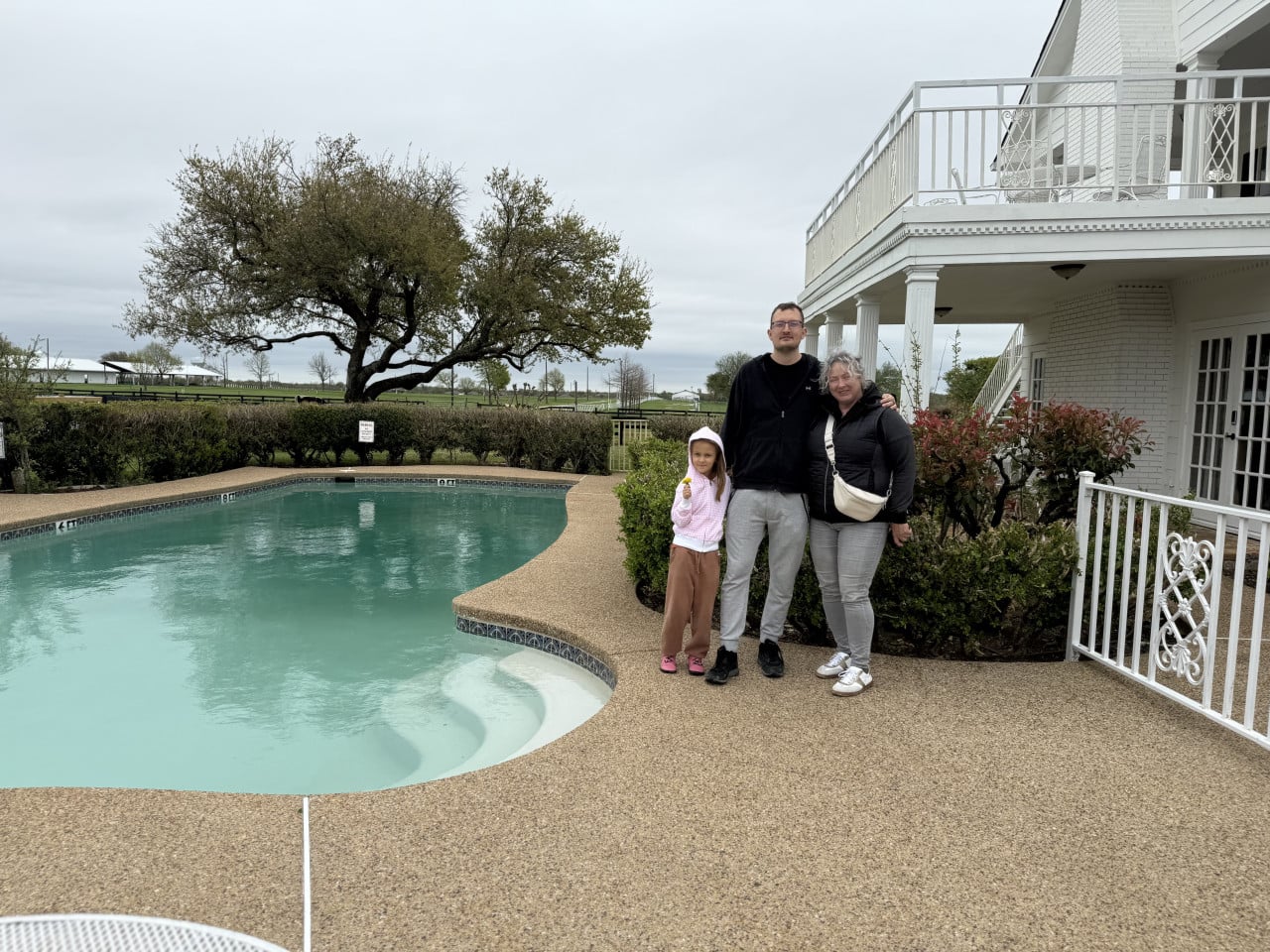
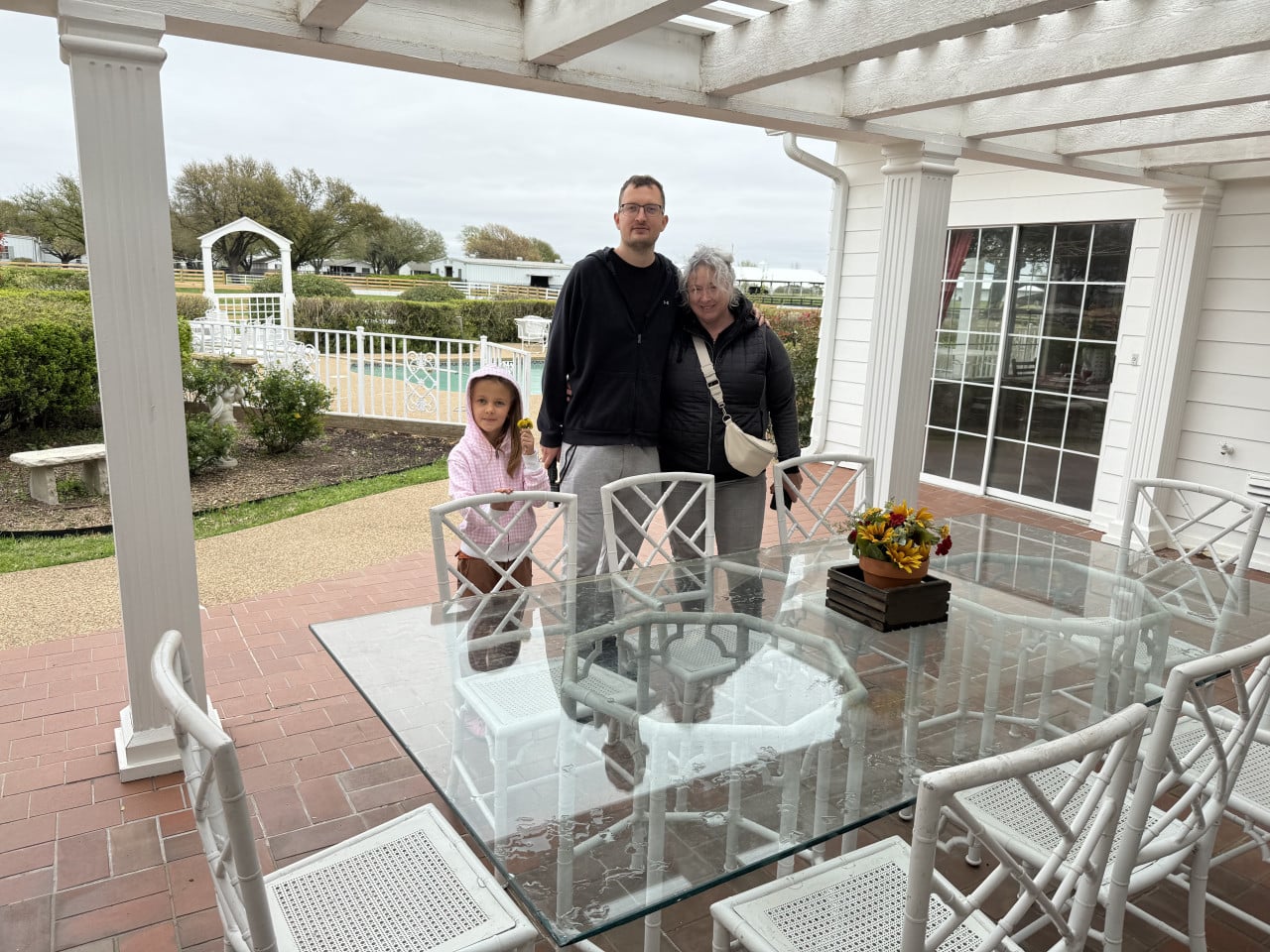
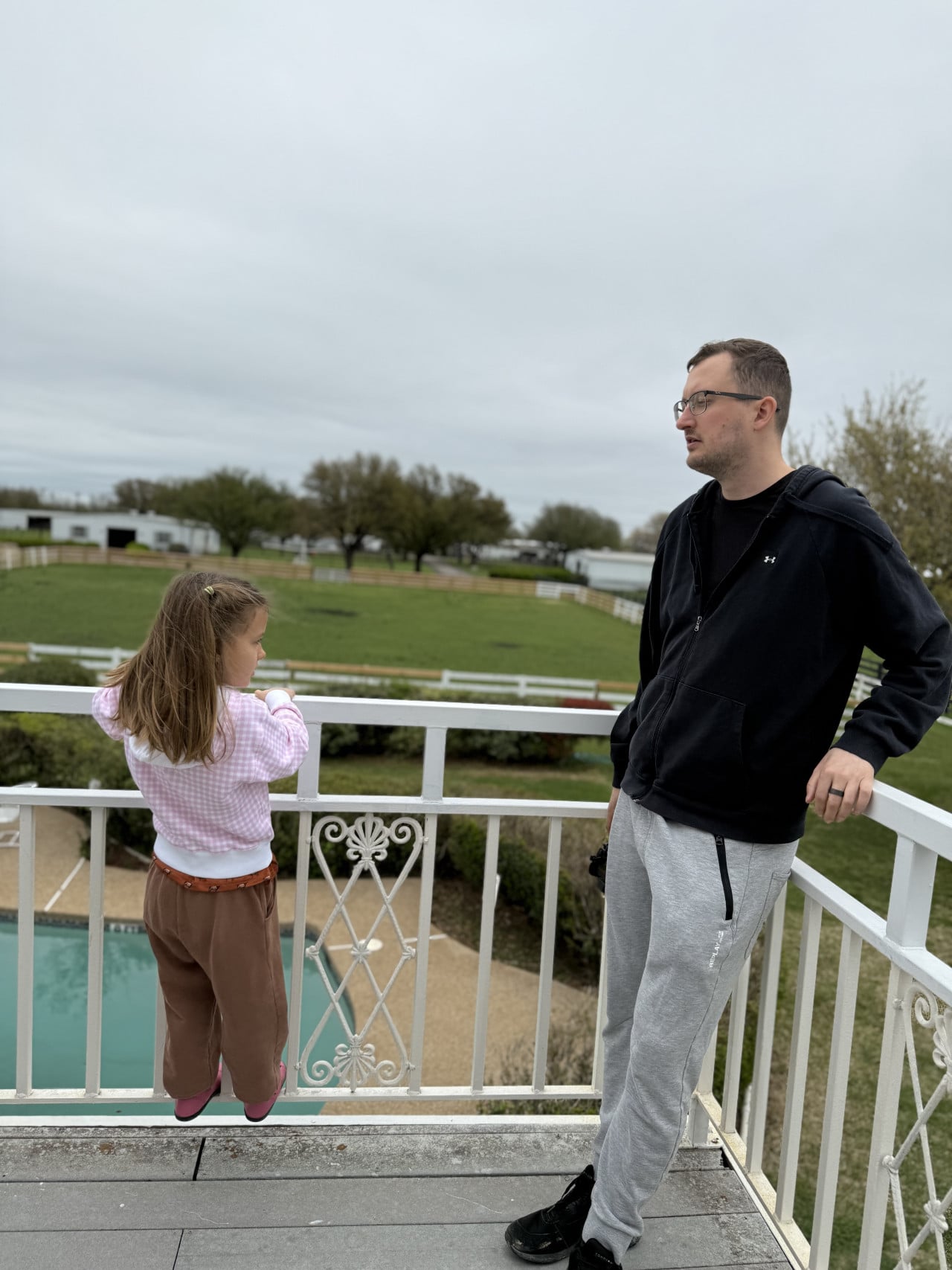
And outside, of course, was the pool—the famous pool from the opening credits. But when we were there, it was around 18 degrees Celsius and we were wearing sweatshirts, so there was no swimming.
Interesting Facts You May Not Have Known
Speaking of interesting facts, here are a few things that surprised me during my visit and my online research:
Dallas had an enormous influence far beyond entertainment. It is said that after it was introduced in Czechoslovakia, it helped spark interest in private enterprise—people saw the world of wealthy entrepreneurs and suddenly found inspiration. Larry Hagman, who played J.R., reportedly visited communist Romania in the 1980s, where dictator Ceaușescu wanted to use him as a symbol of the decadent West. Hagman agreed, but on the condition that his wife would find a bag of hard currency in the women's restroom of one of the government buildings—and apparently, that is exactly what happened.
Another surprise was that Southfork still receives approximately 400,000 visitors a year and remains one of the most visited attractions in the Dallas area.
Go While You Still Can
And finally, one important thing: if you're in Dallas, go to Southfork as soon as possible. There is speculation that it could be closed or significantly changed in the future—the new owner is planning massive residential development in the surrounding area. Although they promise that the ranch itself will be preserved, no one knows exactly how long it will continue operating in its current form.
For me, it was a wonderful trip. I had to watch compilations and the theme song on YouTube beforehand to get into the mood—and honestly, even though I wasn't a huge fan of the series, the atmosphere made a strong impression on me. It is a piece of television history, a piece of American culture, and above all a place where you can feel the story in every detail.
So if this era of television appeals to you even a little, or you simply want to experience something authentic while visiting Texas—Southfork Ranch is definitely worth the trip and the time.
Southfork Ranch is located at 3700 Hogge Drive, Parker, Texas 75002—about a 30-minute drive northeast of downtown Dallas. Tours are available daily; current information can be found at southforkranch.com.