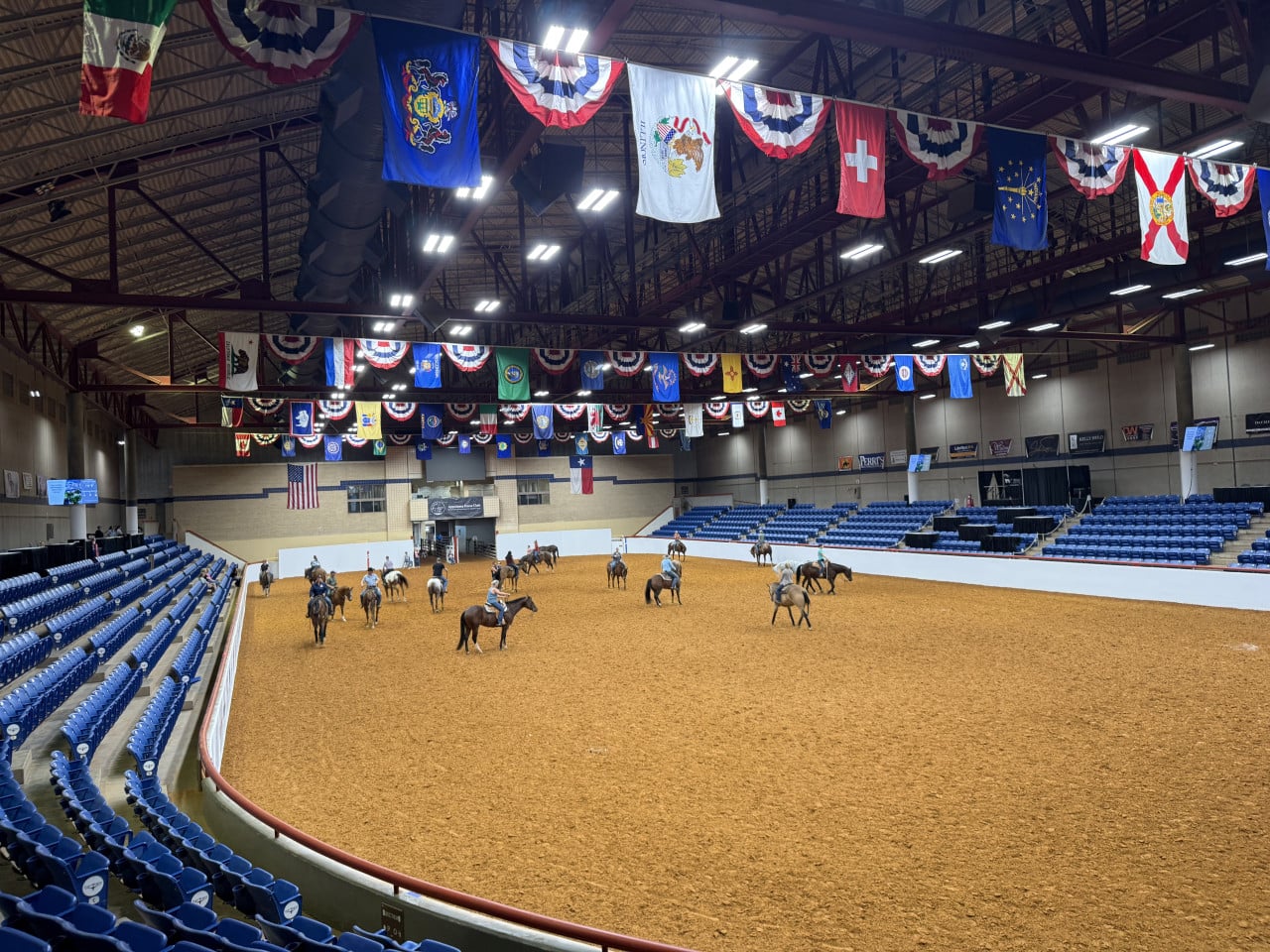
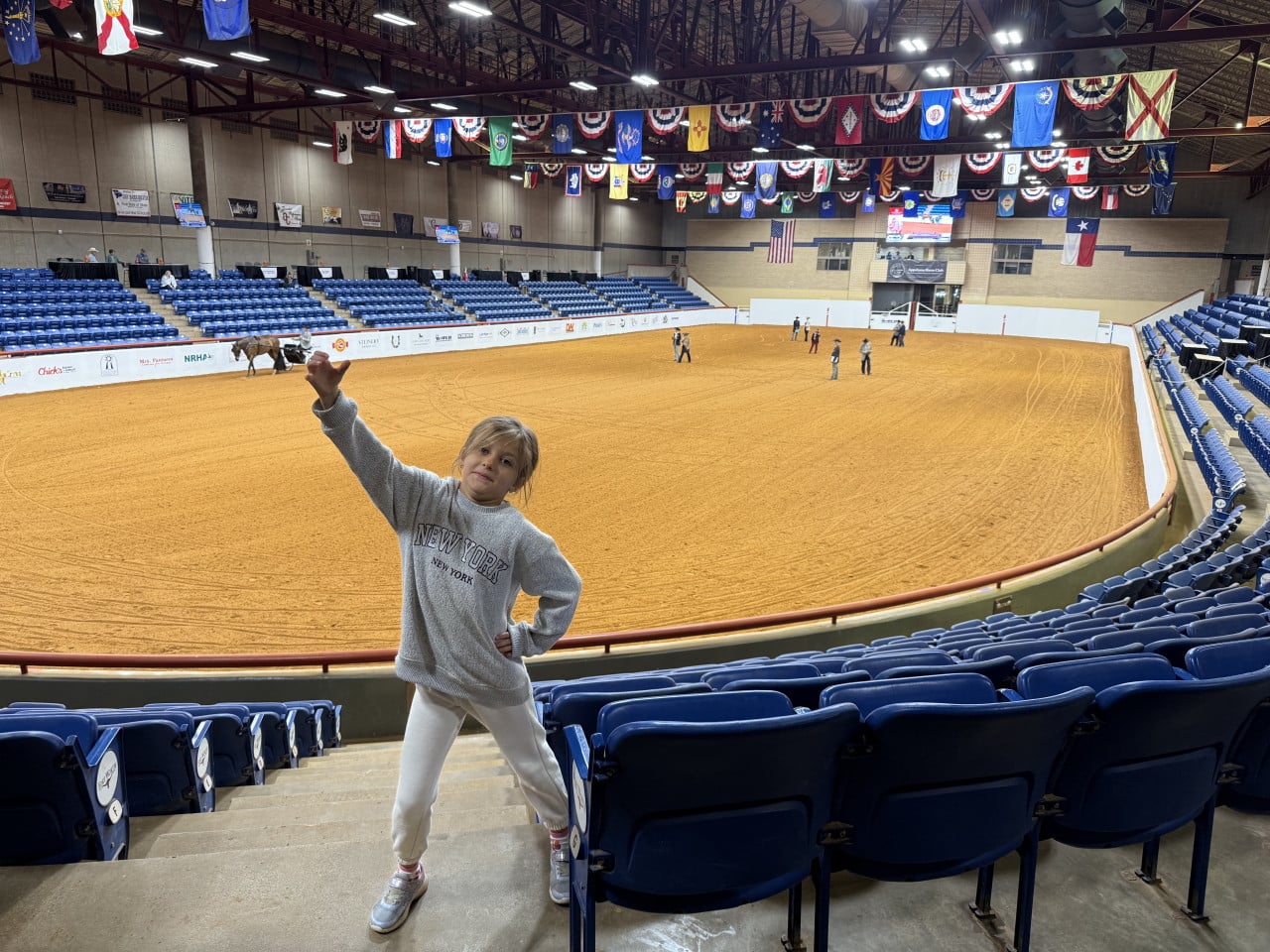
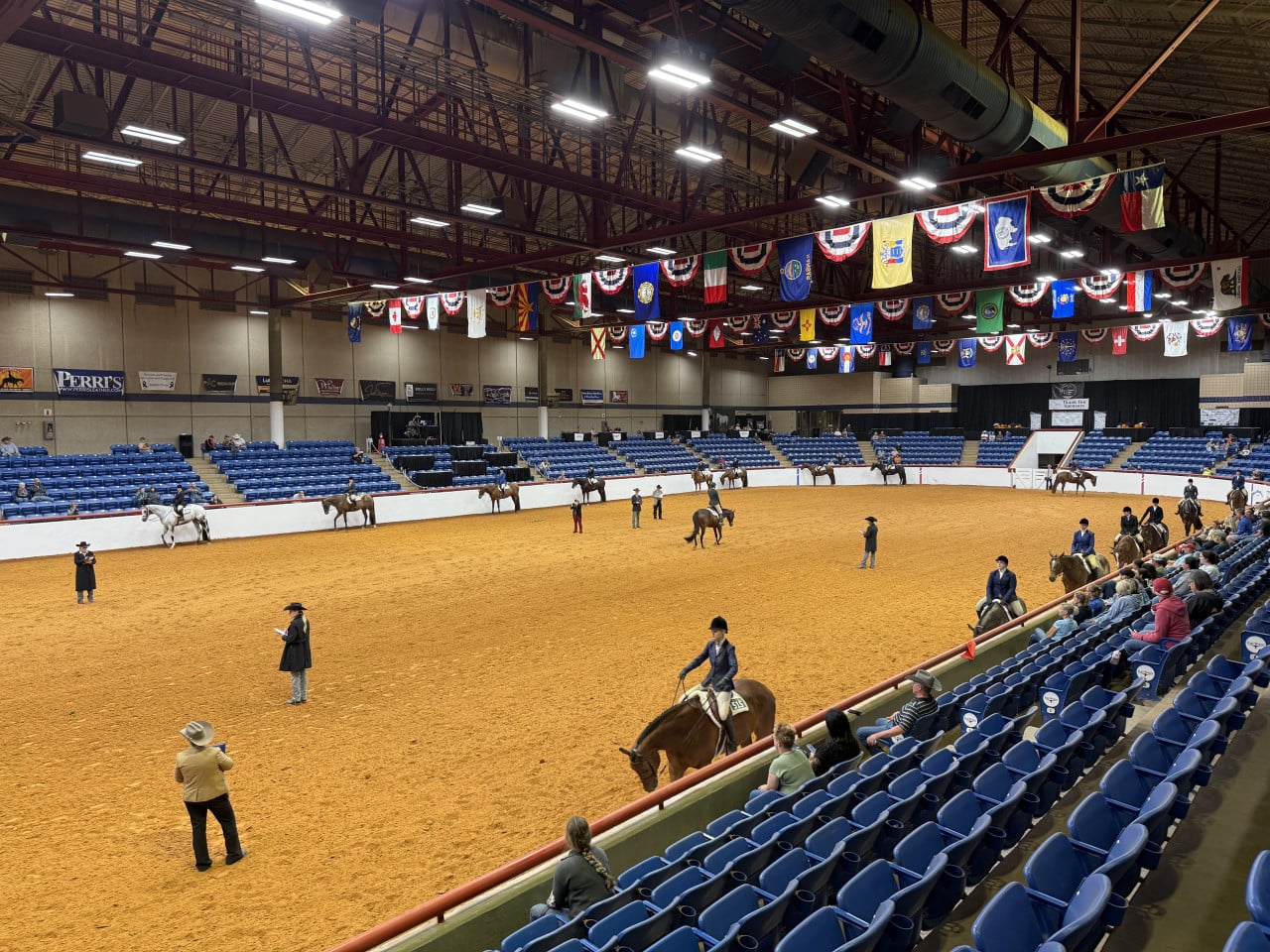
In the fall of 2025, specifically at the turn of October and November, we visited the Appaloosa World Show 2025, the world championship for Appaloosa horses. The event was held at the Will Rogers Memorial Center in Fort Worth, Texas (more precisely, at the Will Rogers Equestrian Center at 3401 West Lancaster Avenue) and officially ran from October 24 to November 1, 2025.
For me, it was the very first American horse championship I had ever seen in person, and I have to say that I already know it will not be the last. It was unlike anything I know from the Czech Republic – and above all, different in a good way.
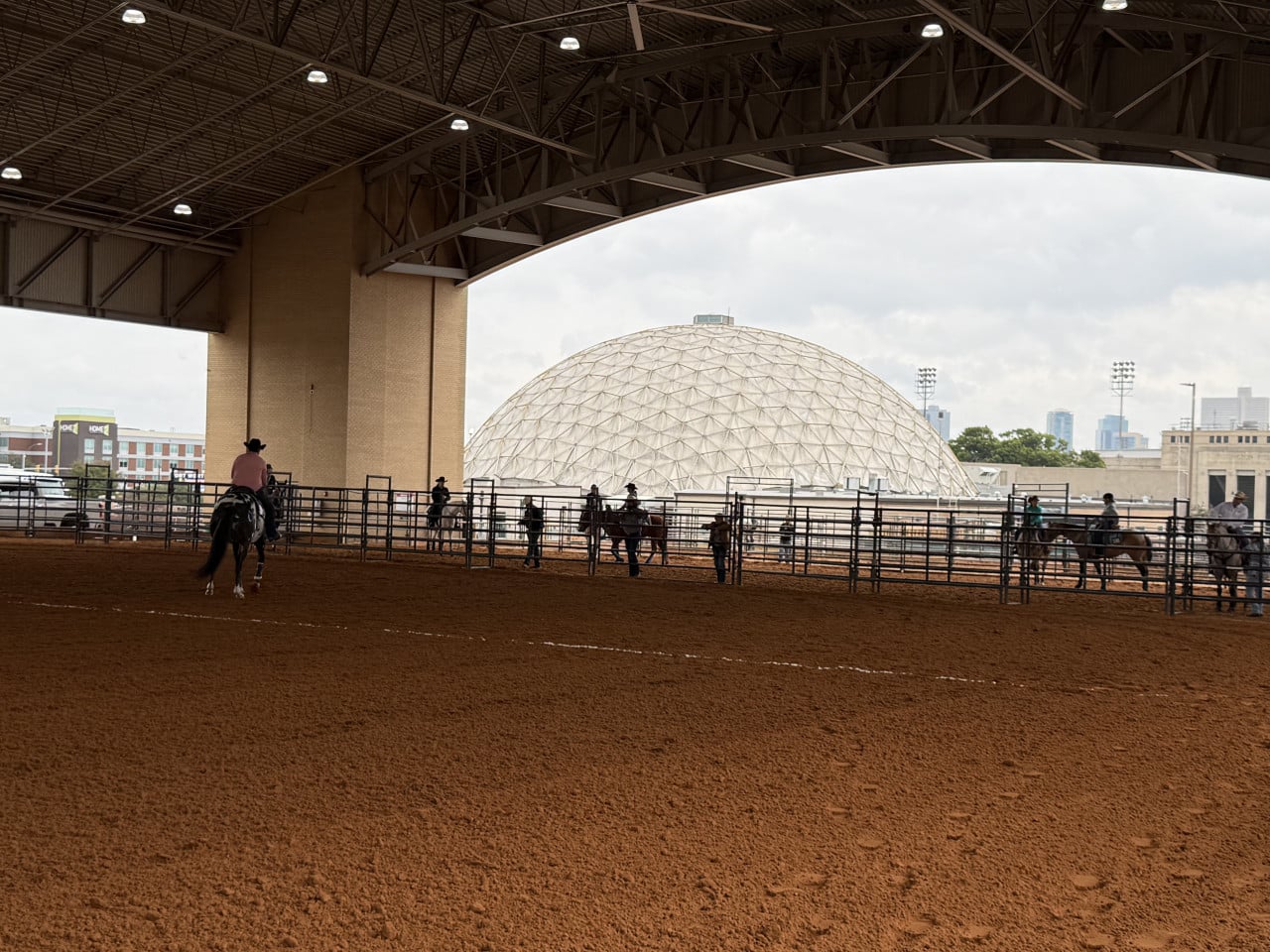
A small fun fact to begin with: the Will Rogers Memorial Center was built back in 1936, its iconic dome (which I also captured in the photos) is one of Fort Worth's most recognizable silhouettes, and in addition to the Appaloosa World Show, it hosts one of the largest rodeos in the United States every year – the Fort Worth Stock Show & Rodeo. The place simply has atmosphere.
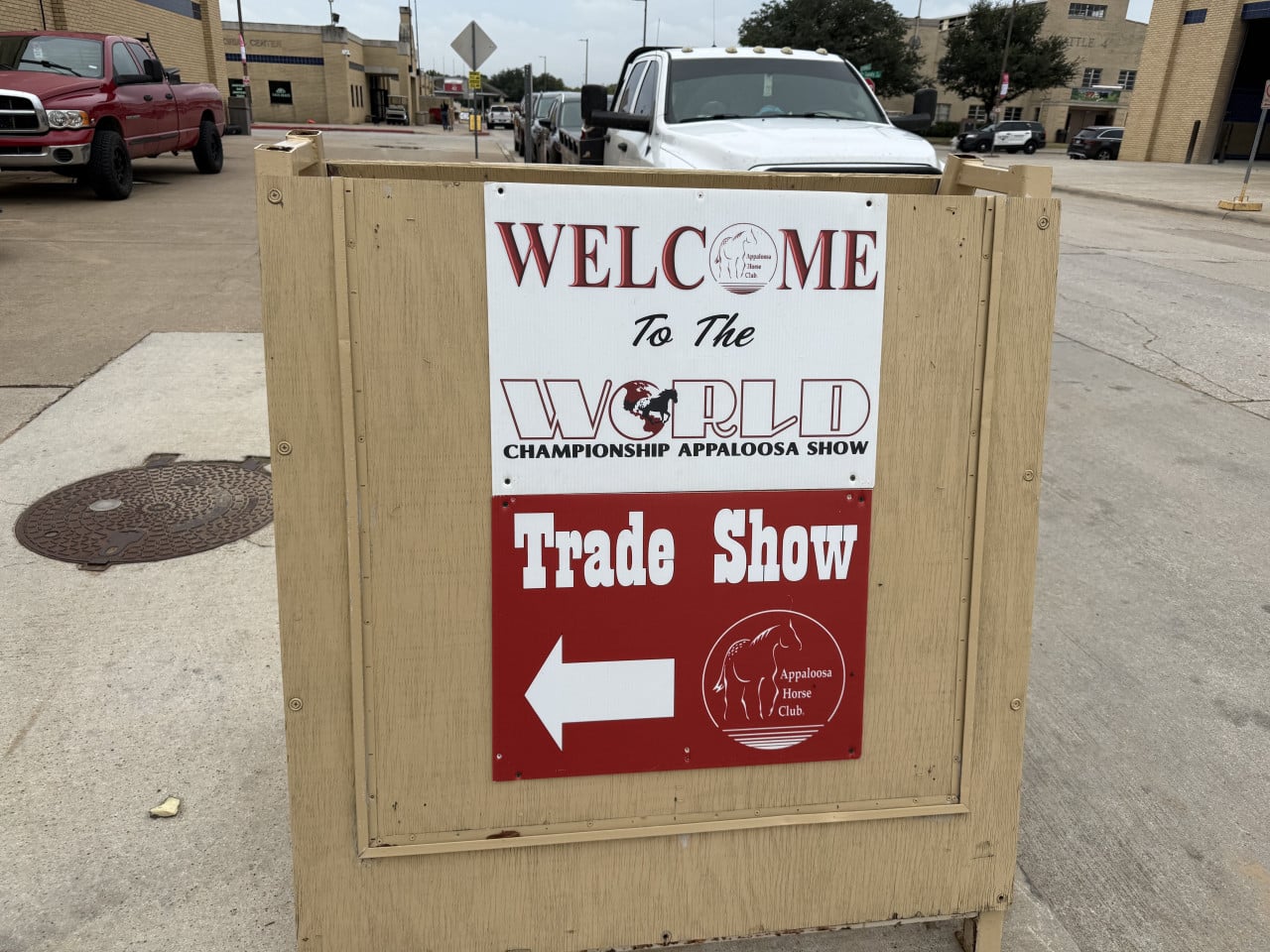
What the Appaloosa Horse Club is and why this horse is so unique
Before I go into detail about the show itself, it is worth explaining where the Appaloosa actually comes from – because it is one of the most fascinating stories in American breeding history.
The Appaloosa is a spotted horse breed originating in the Pacific Northwest of the United States. Historically, it was selectively bred by the Nez Perce tribe in the area of what are now the states of Washington, Oregon, and Idaho. The breed was named after the Palouse River, which flows through their territory – the original “Palouse horse" gradually became “Apalouse" and eventually “Appaloosa".
The breed was renowned for:
-
Endurance and resilience in challenging mountainous terrain
-
Intelligence and a calm temperament, which meant that Native Americans even entrusted these horses to children
-
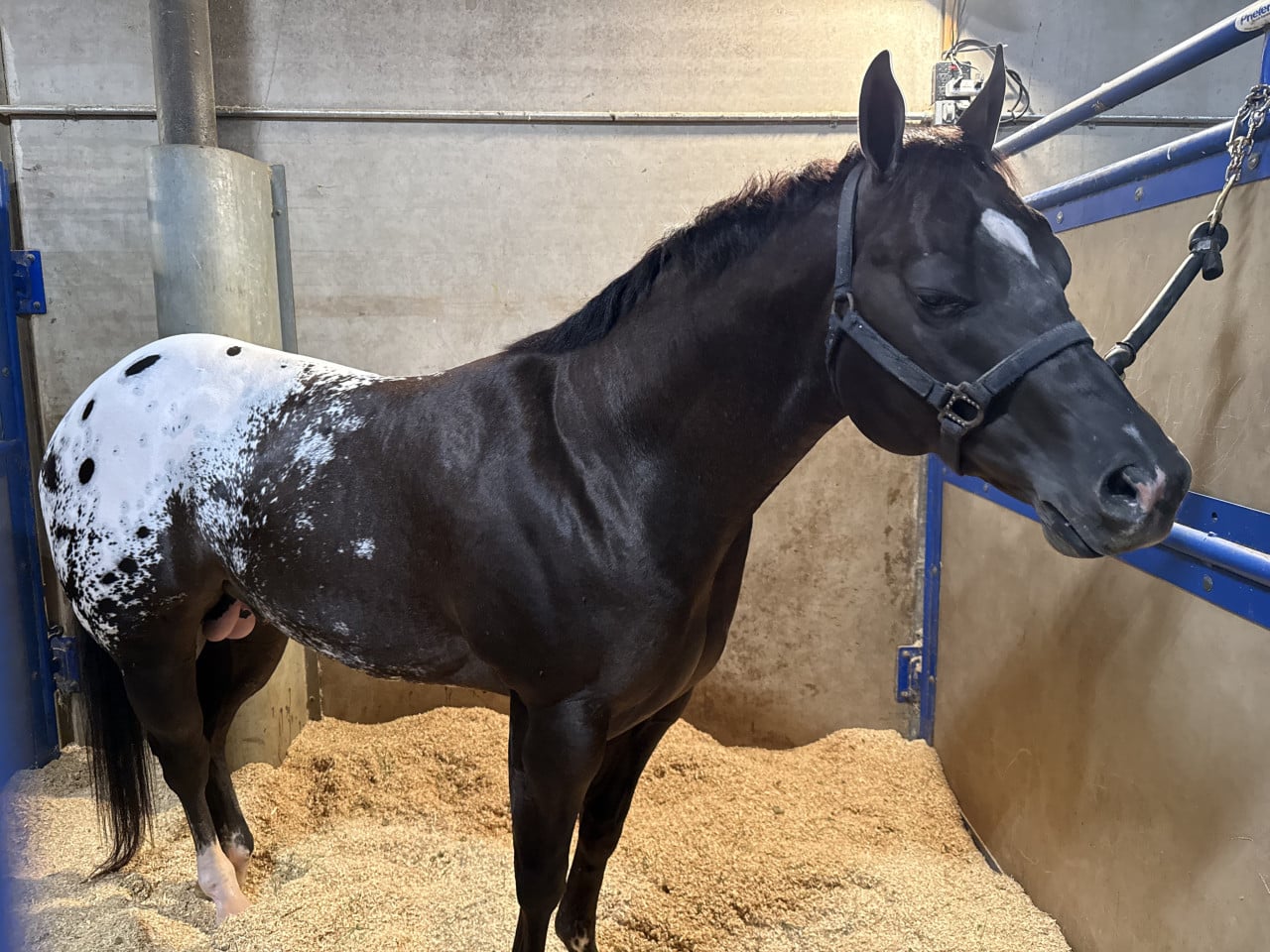
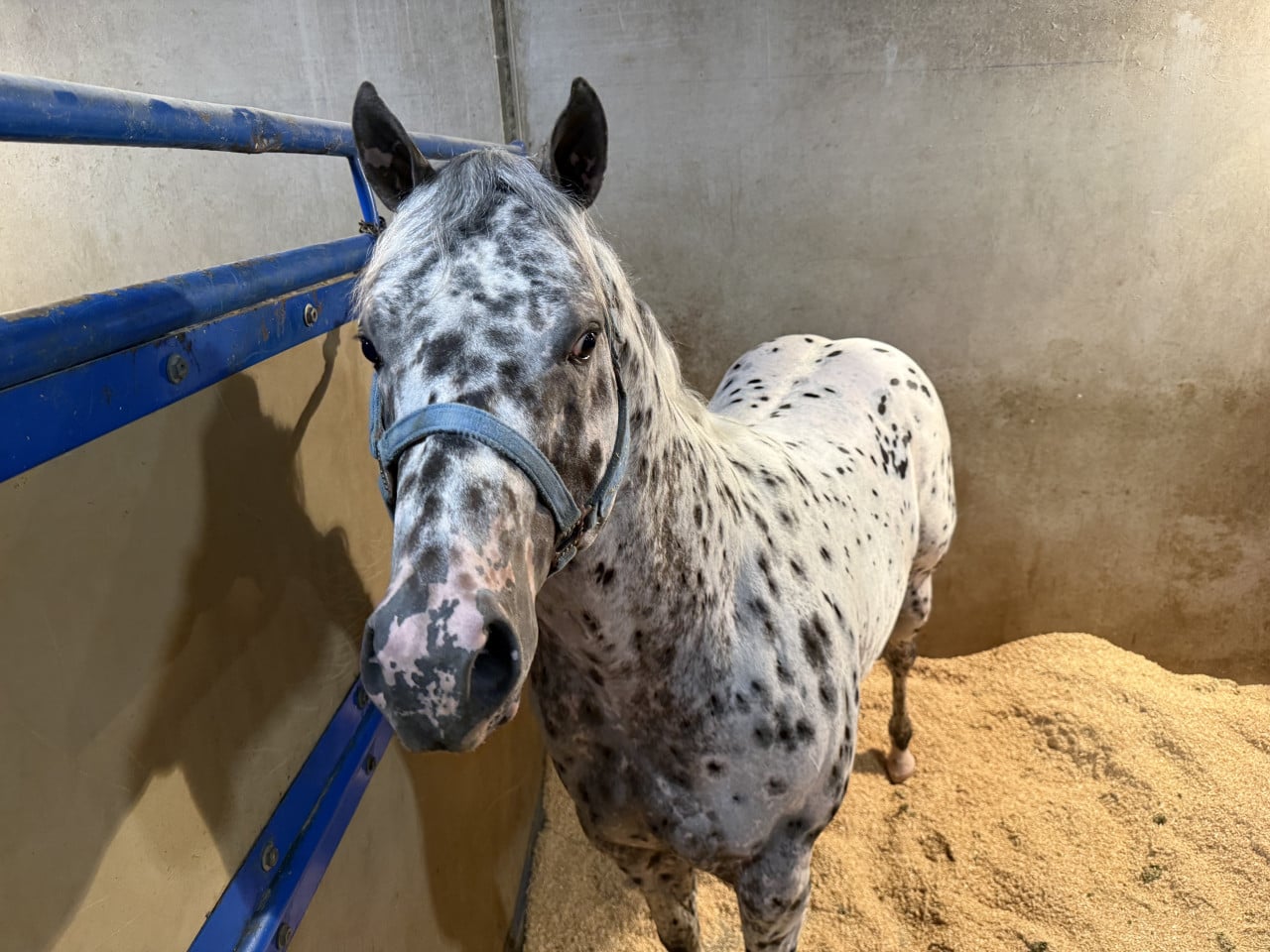
Spotted coloring in many variations – leopard, blanket, snowflake, varnish roan, and others
When Chief Joseph surrendered after the Nez Perce tribe lost its war against the U.S. Army in 1877, the Native Americans were forced to give up their horses. Most Appaloosas were killed or sold, and the breed found itself on the brink of extinction. What is perhaps even sadder is that the U.S. government prohibited the Nez Perce tribe from breeding Appaloosas until 1991. Only then was the tribe officially allowed to return to its own breed.
The breed was saved by Claude Thompson, a breeder from Oregon, who founded the Appaloosa Horse Club (ApHC) in 1938. The club is still headquartered in Moscow, Idaho, and today has registered more than 700,000 horses, has 14,000 members, and 118 regional clubs and 22 international affiliates. In addition, the Appaloosa has been the official state horse of Idaho since 1975.
In the United States, the Appaloosa is one of the best-known and most distinctive breeds of all – you can see it in films such as True Grit or El Dorado, and basically in anything set in the days of the Wild West.
How the World Show works – the breed's most important competition of the year
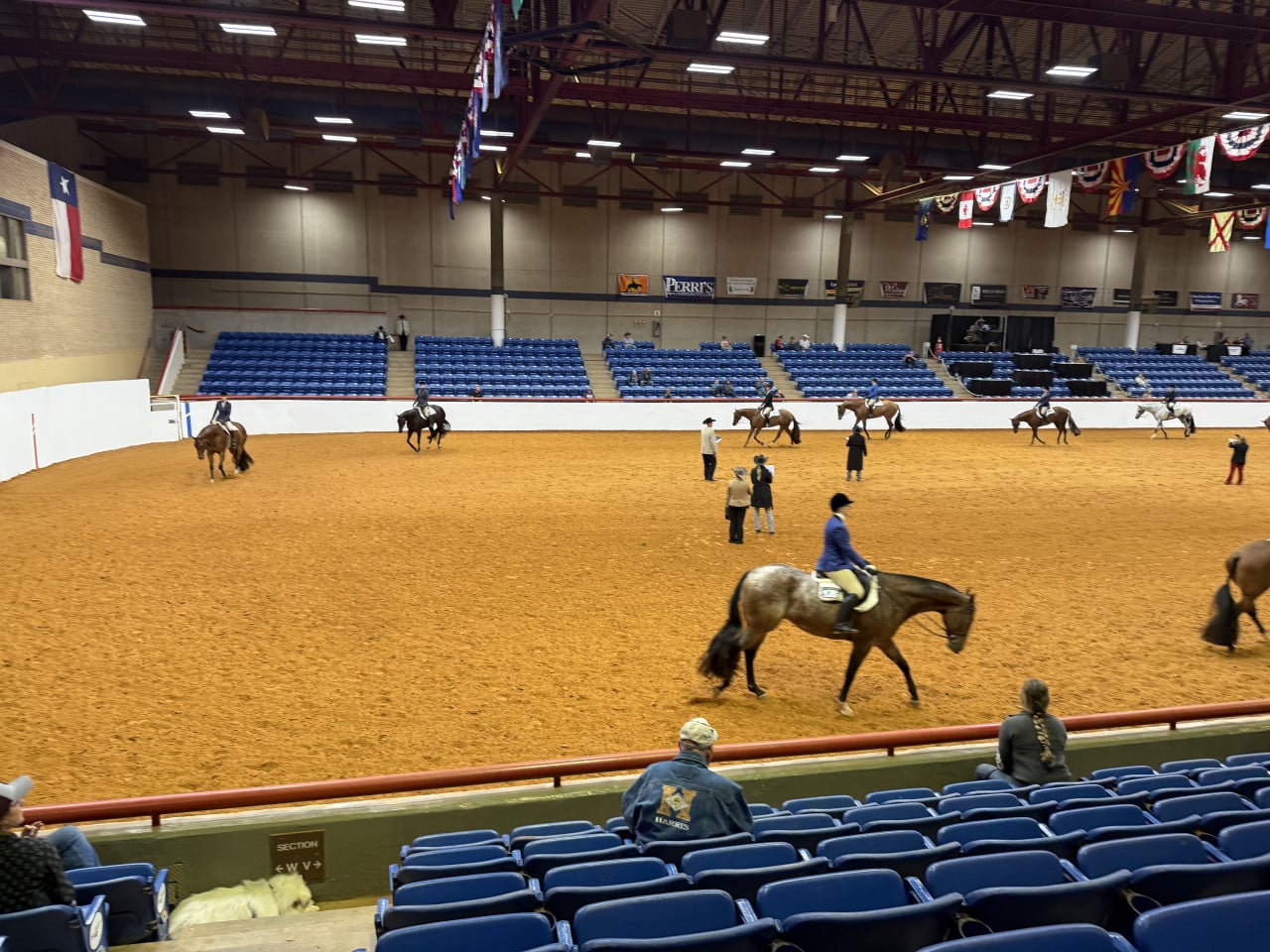
The World Show is the highlight of the season for every Appaloosa breeder and rider. The 2025 World Show ran for nine days, with prizes worth nearly $500,000, and attracted riders from across the United States and several other countries.
The division system for Appaloosas is highly elaborate. Competitors take part at three main levels:
-
Open – professional riders and trainers
-
Non-Pro – amateurs and non-professional owners
-
Youth – young riders under the age of 18
There are also special categories for EWD (Equestrians With Disabilities) and veterans, which I personally thought was a really nice feature – everyone has their place.
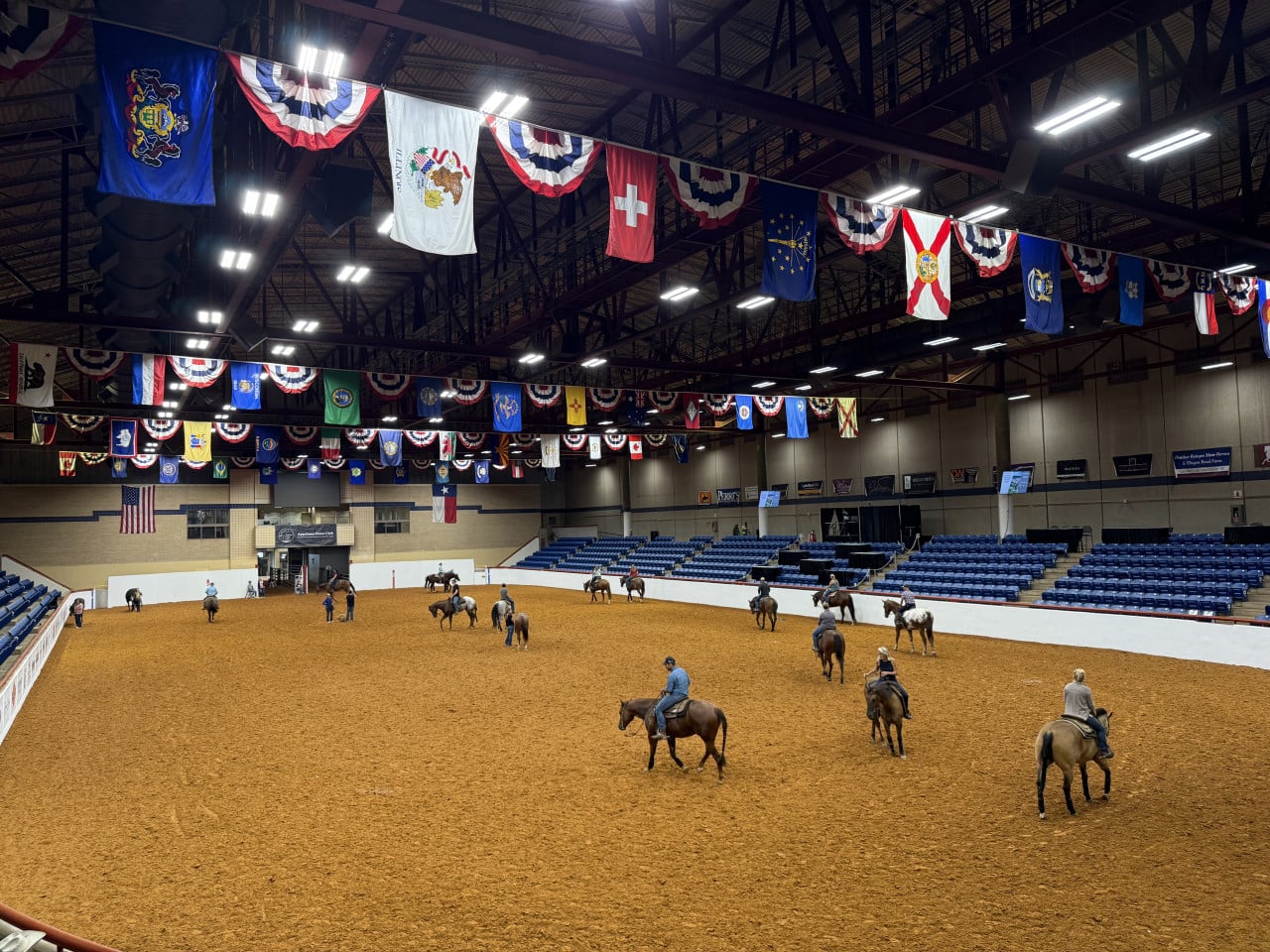
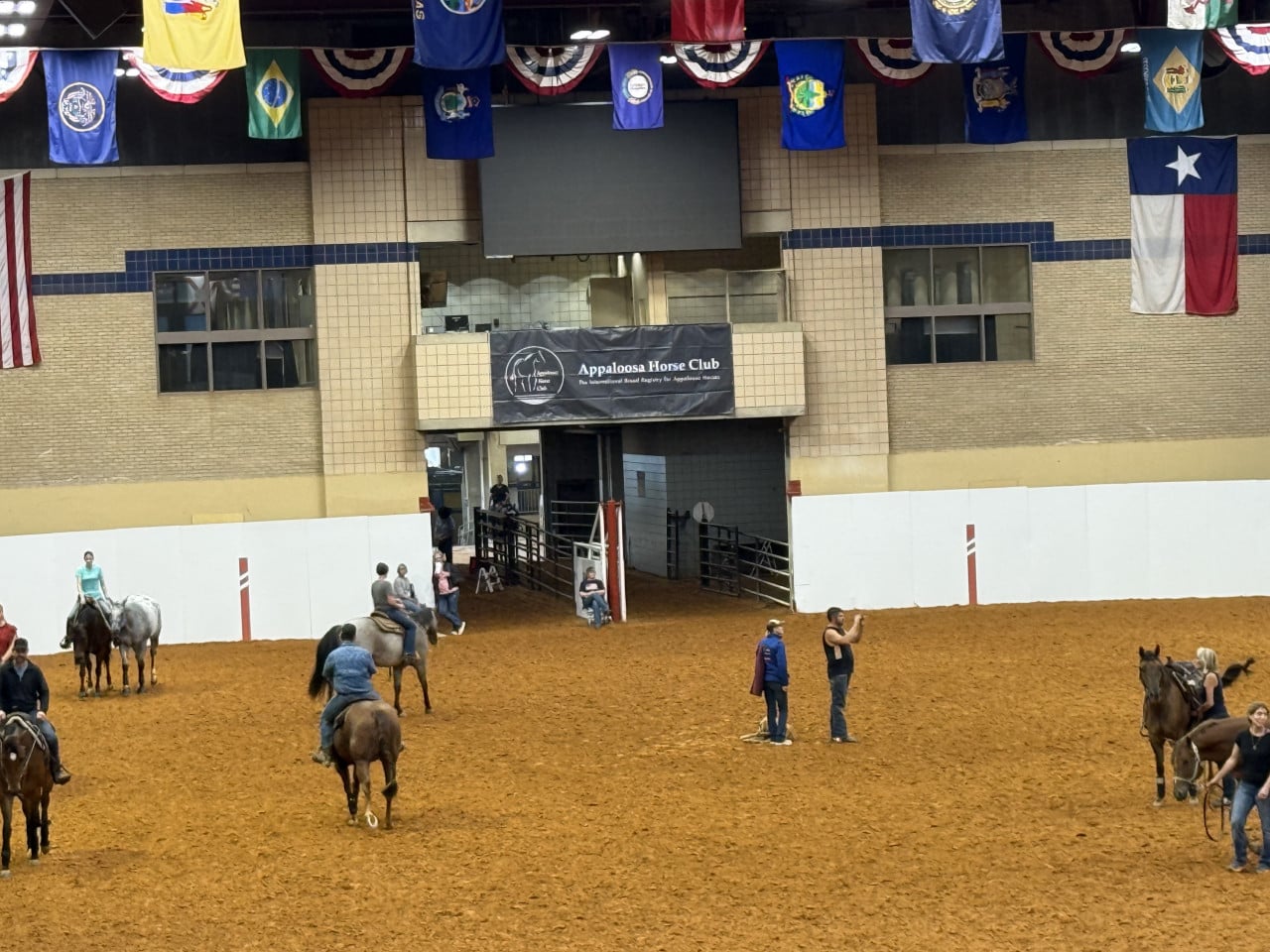
Events at the Appaloosa World Show – an overview of the disciplines
This was one of the most interesting parts of the entire event for me. The Appaloosa is a versatile breed, and the list of disciplines reflects that. I know some of them from regular Western competitions, but others are unique to Appaloosas.
Classic Western and halter classes:
-
Halter – presenting the horse in hand, with conformation and breed type being judged
-
Western Pleasure – a demonstration of calm, natural movement under saddle
-
Reining – precise Western maneuvers (spins, sliding stops, circles)
-
Trail – an obstacle course simulating work out on the trail
-
Ranch Riding – a modern discipline resembling ranch work
-
Showmanship – presenting the horse in hand, with an emphasis on harmony between the handler and horse
English disciplines:
-
Hunter Under Saddle
-
English Pleasure
-
Hunt Seat Equitation
Cattle work (and this was one of the best parts of the entire show for me; more on that below):
-
Cutting – separating a cow from the herd
-
Cow Horse / Reined Cow Horse
-
Ranch Cow Work
And now for the most interesting part – disciplines you will find only with Appaloosas and nowhere else:
-
Camas Prairie Stump Race – similar to traditional barrel racing, but specific to Appaloosas (named after the Camas Prairie in Idaho)
-
Nez Perce Stake Race – similar to pole bending, with its name coming directly from the Nez Perce tribe
-
Rope Race – a speed event somewhat reminiscent of musical chairs on horseback
-
Most Colorful at Halter – a class in which the horse is judged solely on the color and pattern of its coat. Something you will find in virtually no other breed.
And then there is the star of the evening, which deserves a section of its own…
Heritage Class: Native Americans in the arena who completely blew me away
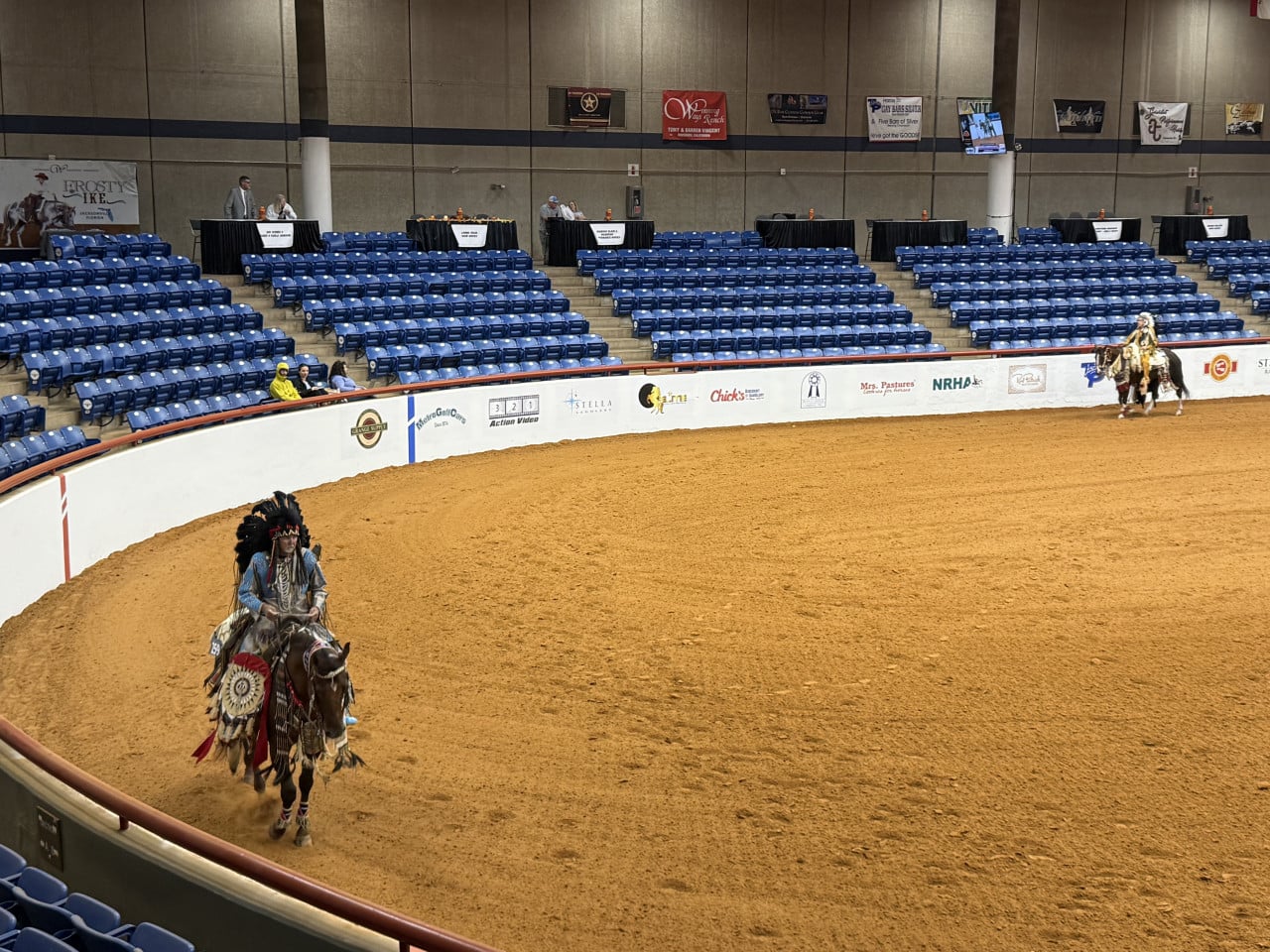
This was the moment when I watched almost open-mouthed. Suddenly, a rider entered the arena in full Native American regalia – an eagle-feather headdress, beadwork, a war shield, and war paint on the horse. It looked absolutely incredible, and for someone seeing it for the first time, it is one of those experiences you never forget.
The discipline is called the Heritage Class and is unique to Appaloosas – precisely because the breed has such strong ties to the Nez Perce tribe. According to ApHC rules, the purpose of the class is to honor the Appaloosa's role in history.
The costumes do not have to be exclusively Native American – the rules also allow:
-
Spanish conquistadors
-
Fur trappers
-
Missionaries
-
Buffalo hunters
-
Chinese emperors and nobles (surprisingly, the Appaloosa also has Chinese parallels in its history)
But most riders choose Native American regalia, which is often entirely authentic – based on museum references, with handmade beadwork and replicas of Nez Perce saddles. Riders in this class walk and trot in both directions around the arena, and are judged on the historical accuracy and authenticity of the costume, the horse's tack, and the overall impression.
This discipline alone is worth a visit to the Appaloosa World Show.
Sulkies and pleasure driving: harnessed horses
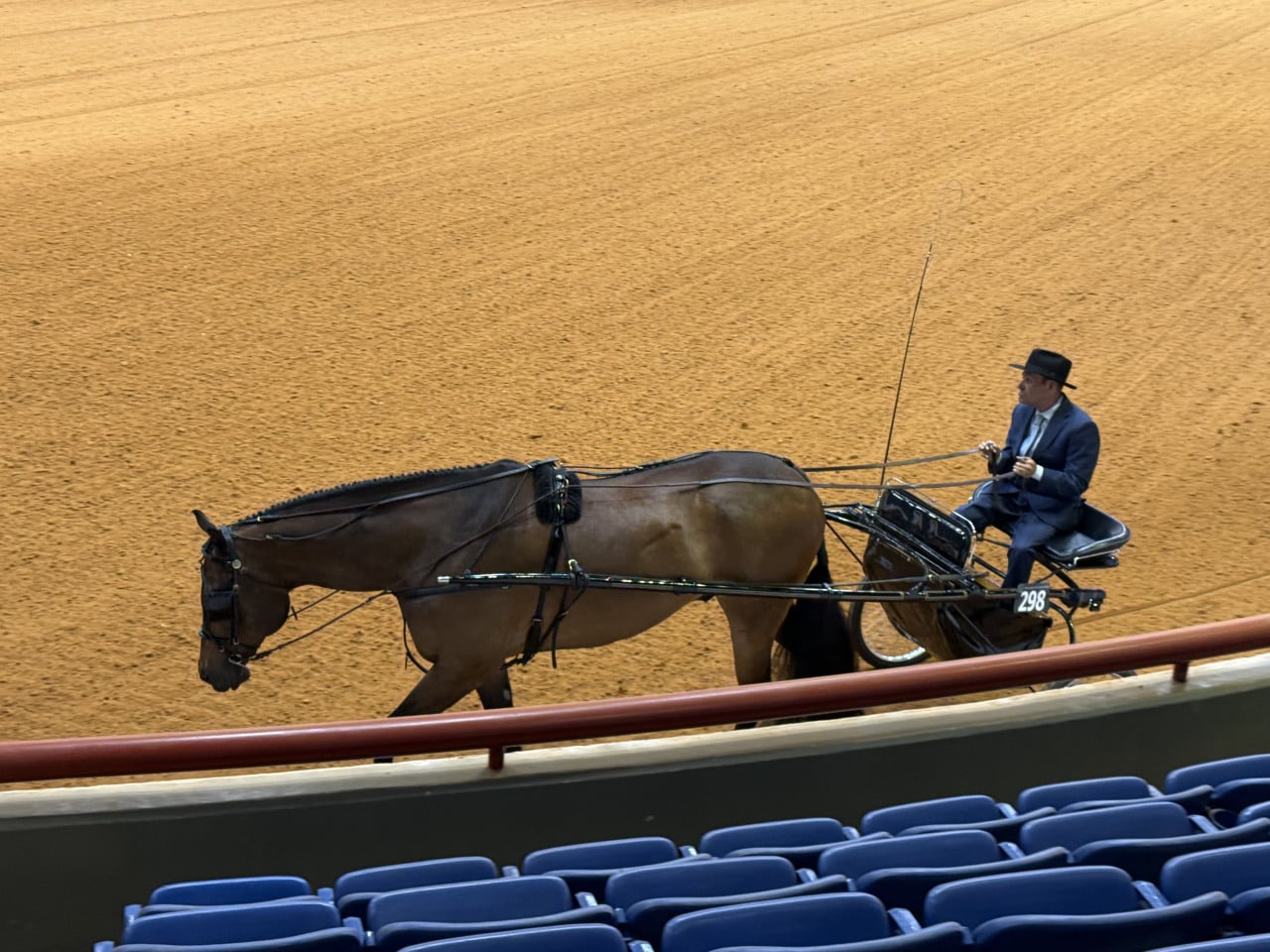
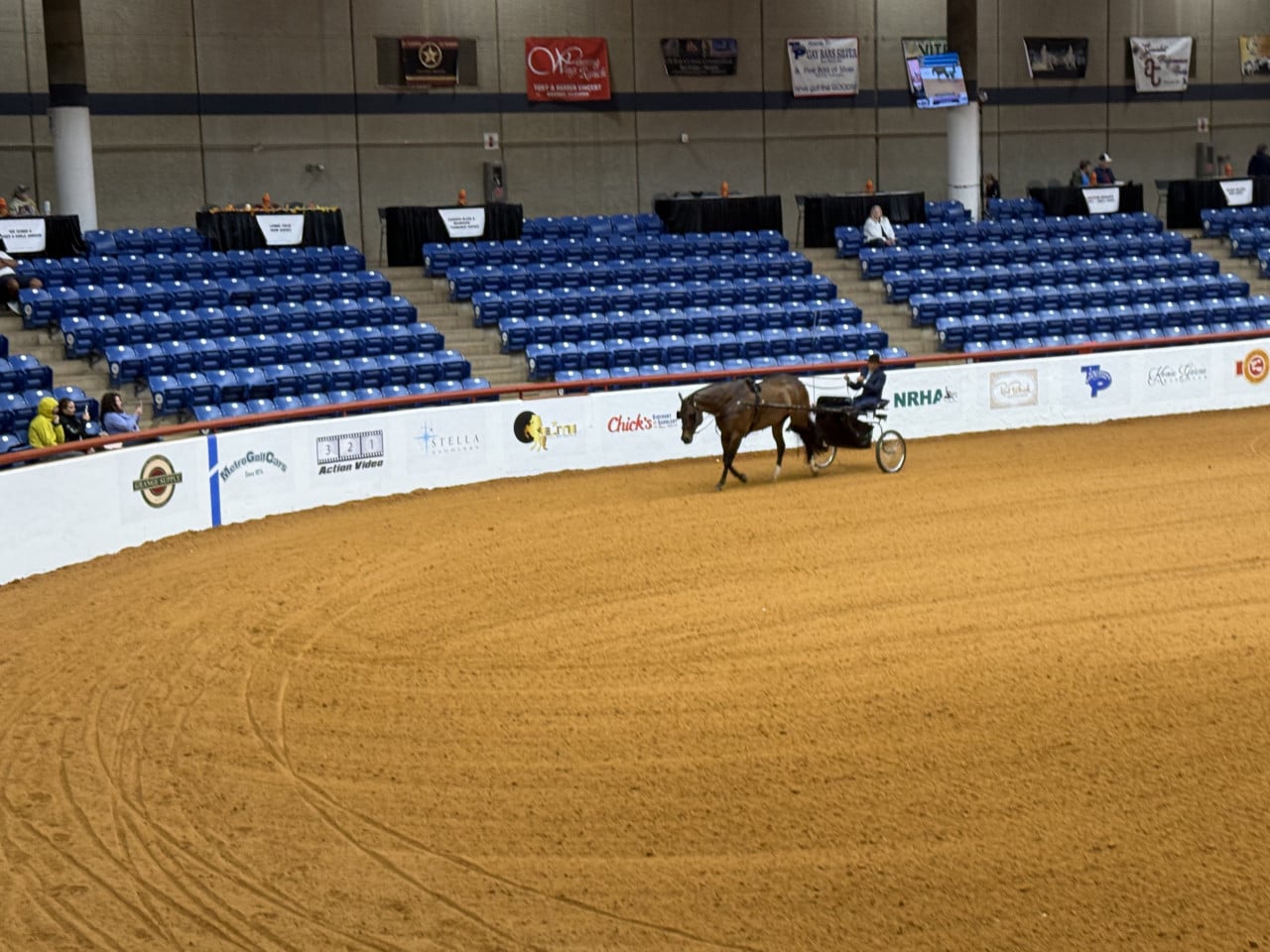
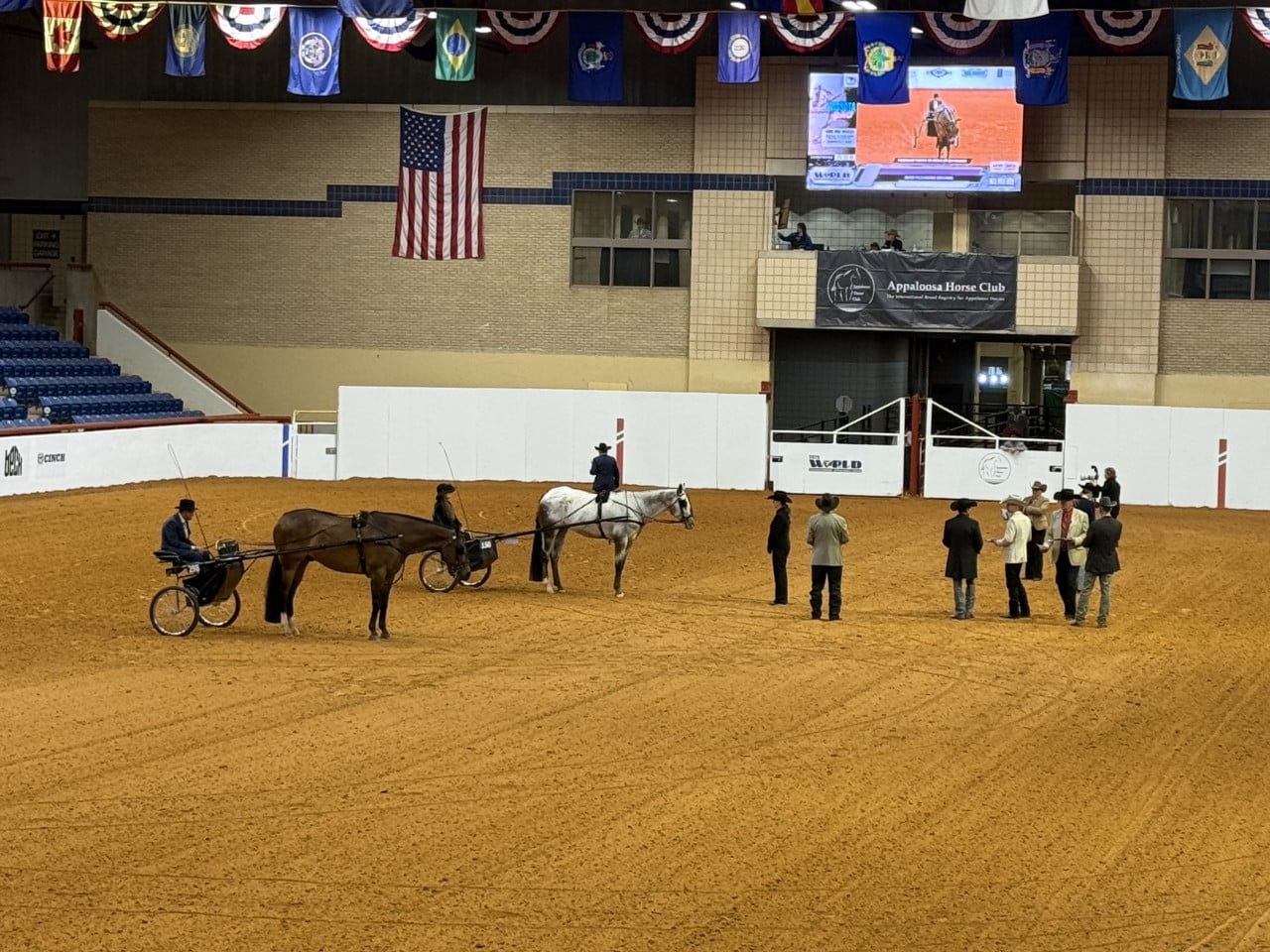
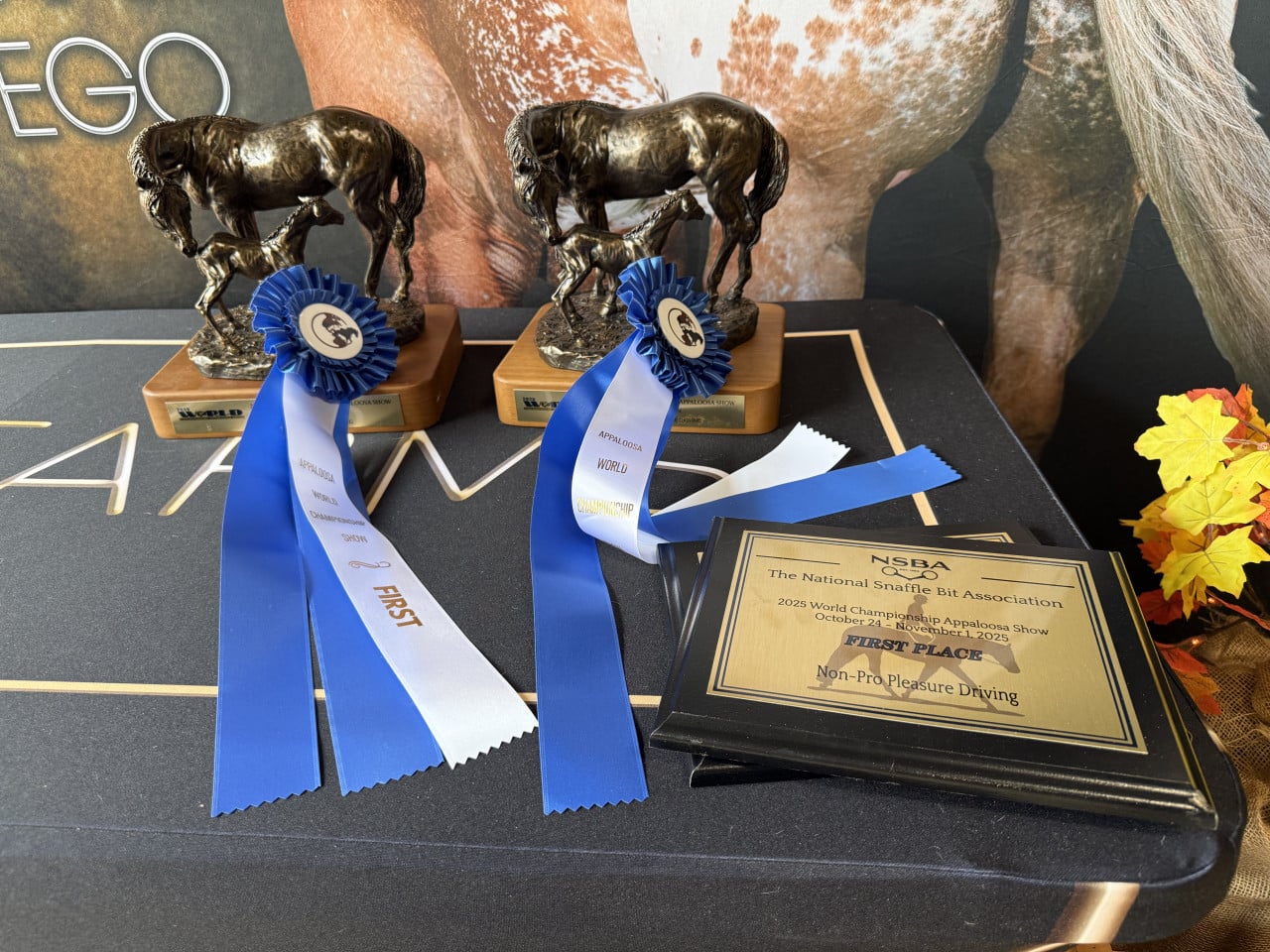
Then there was a discipline involving something like “little carriages," which until recently was the best way I could have described it, but it was actually another major part of the program – Pleasure Driving, a discipline in which the horse pulls a lightweight two-wheeled vehicle (called a sulky or cart in English) with the driver seated in it. The horse's movement, purity of gait, responsiveness, and overall impression are judged.
Surprisingly, Appaloosas can perform very well in this discipline – they are calm, easy to handle, and look very elegant in harness. Watching this category was pleasantly relaxing, even for someone who had already spent half the day in the arena.
Cowtown Cutting: cowboys, cattle, and the adjoining arena
What really caught my attention was that the Appaloosa World Show is not confined to a single arena. In addition to the main hall, Cowtown Cutting was taking place simultaneously in the adjoining arena – three full days of cutting competitions sanctioned by both the NCHA and ApHC.
Cutting is a discipline in which a rider enters a herd of cattle on horseback, selects one cow, and must separate it and prevent it from returning to the herd. And this was absolutely spectacular – the horse works almost entirely on its own, with the rider merely guiding it while the rest comes down to instinct and training. In the Cow Horse and cutting disciplines, the organizers awarded more than $20,000 in prize money alone. An absolutely unique spectacle for any Western fan.
Stables, grounds, and the outdoor arena
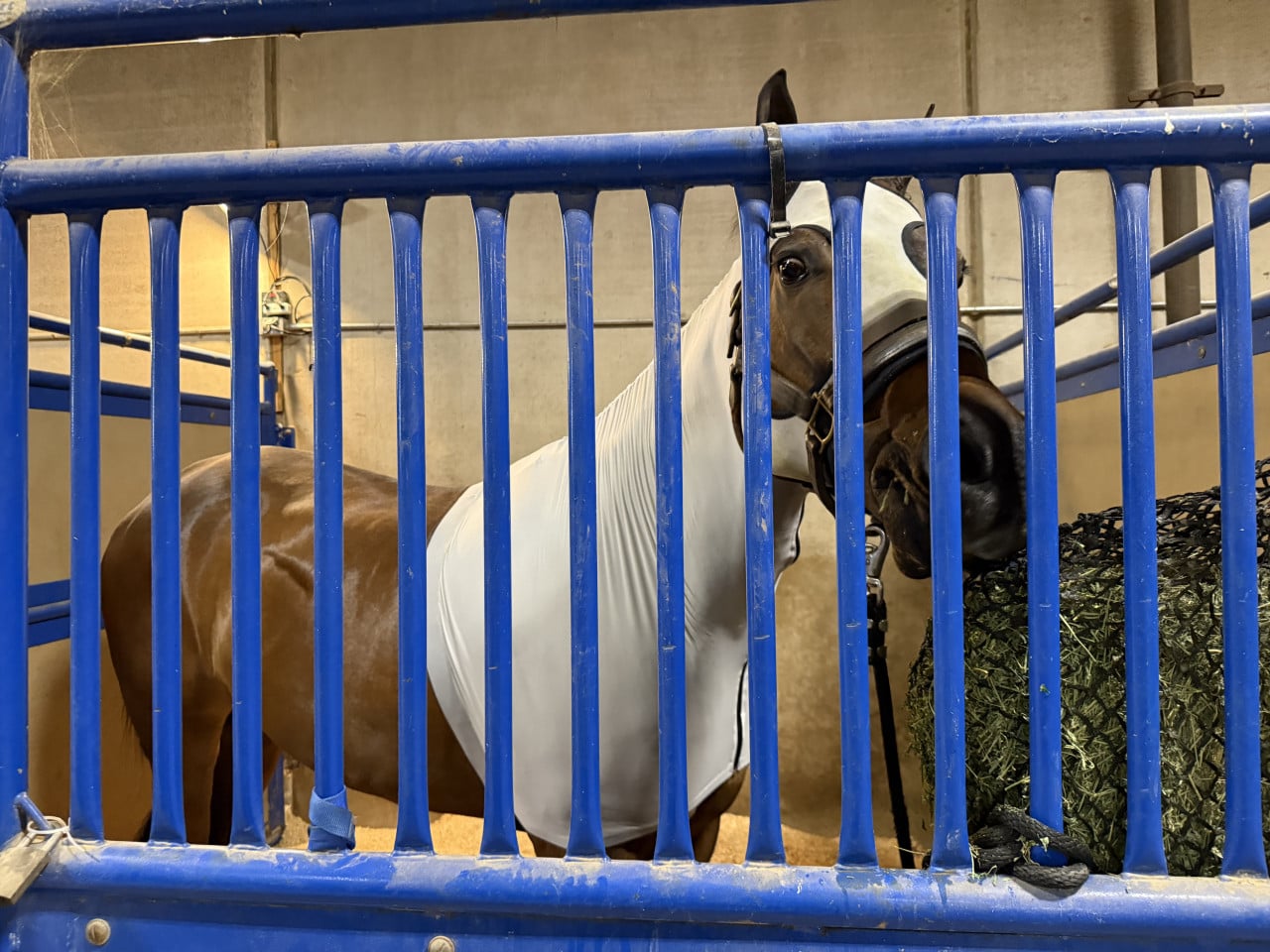
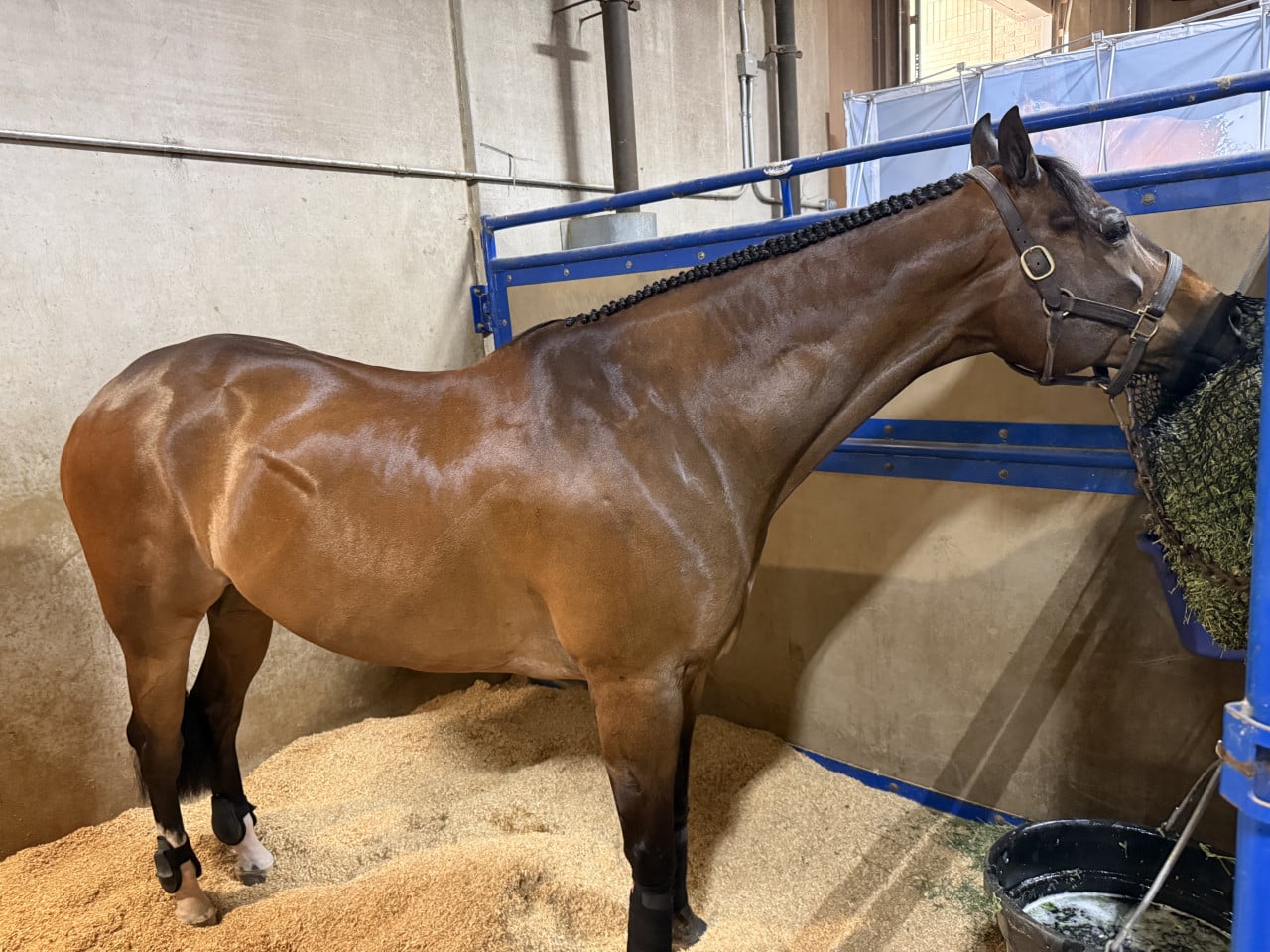
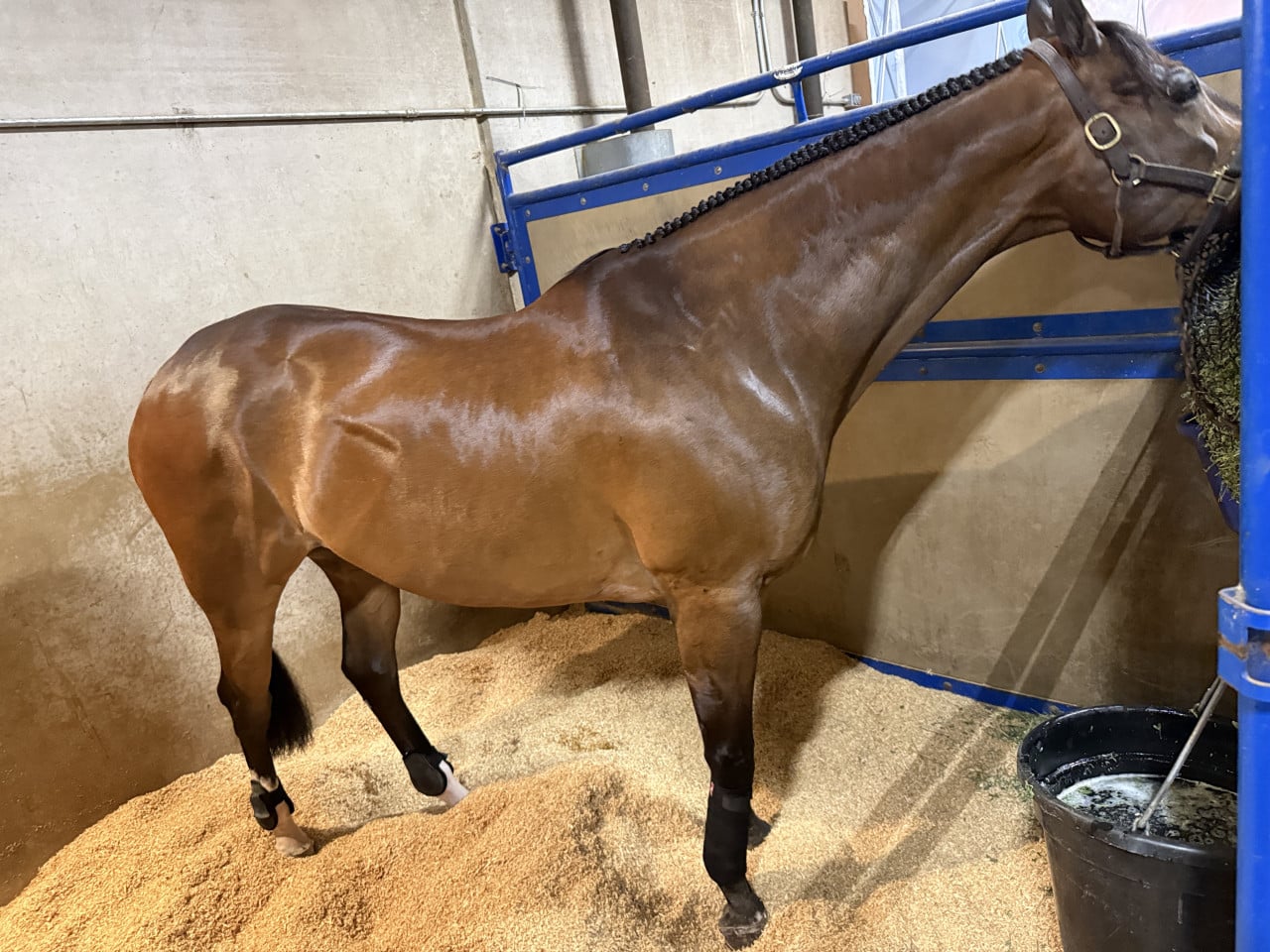
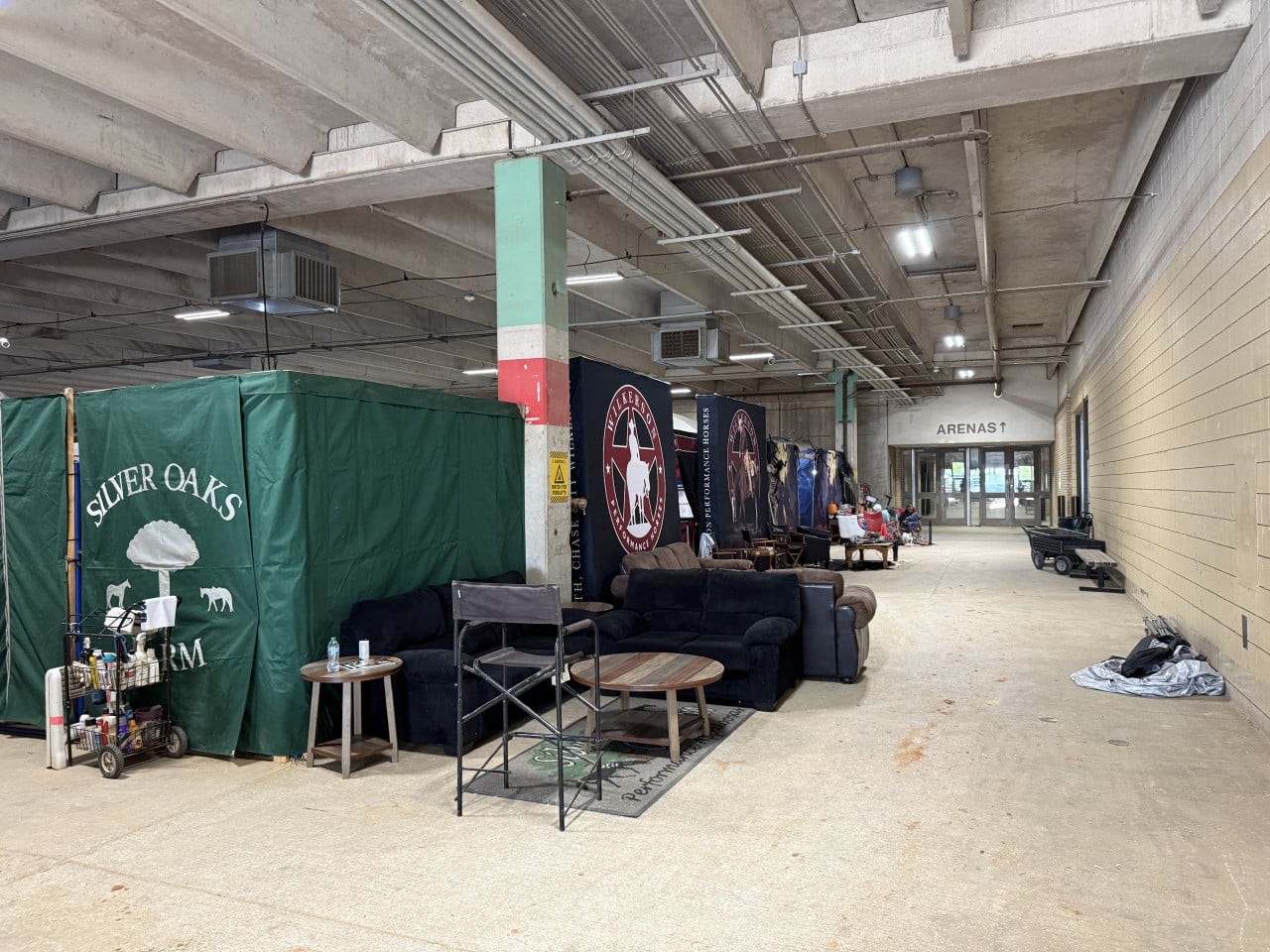
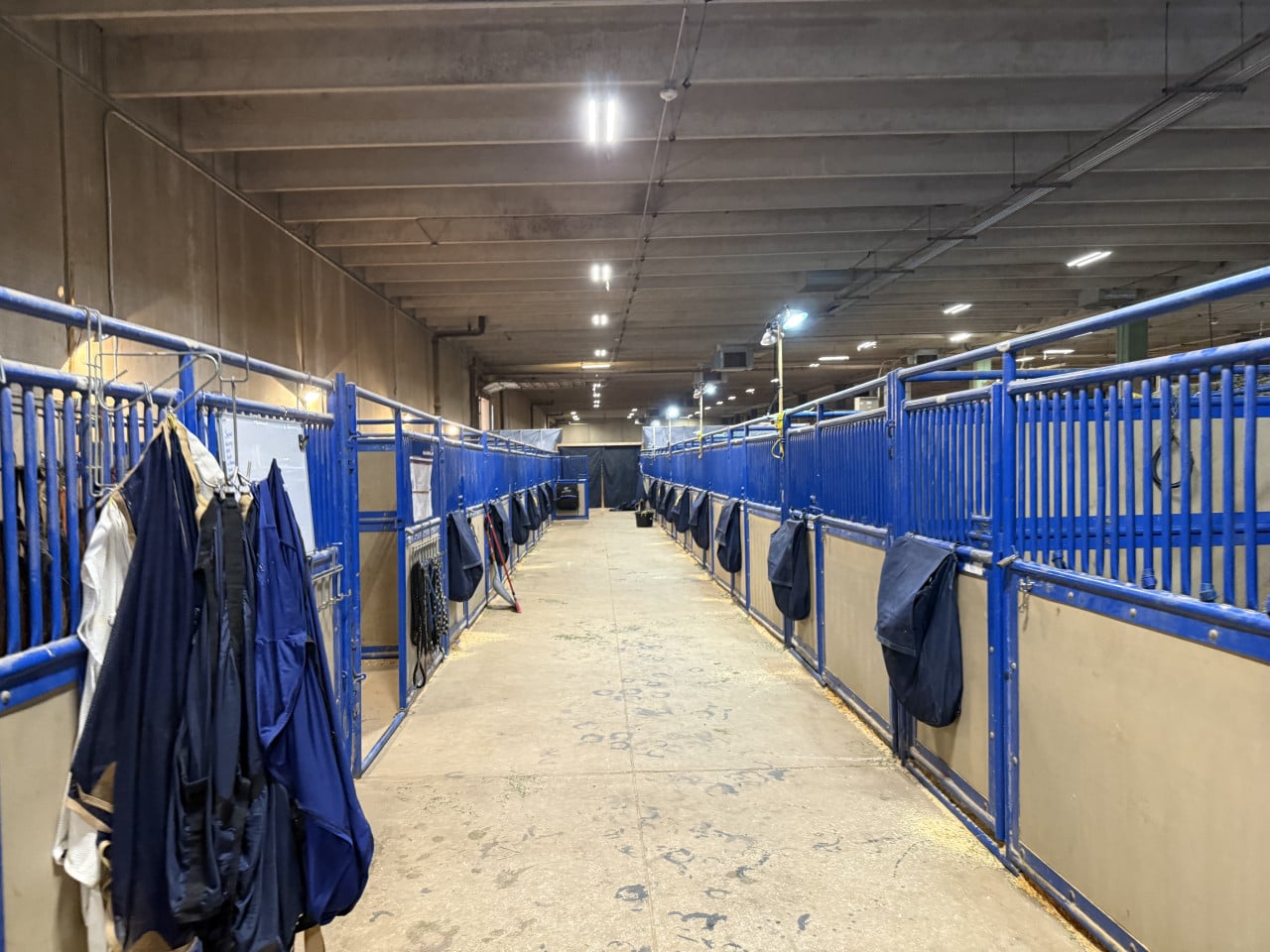
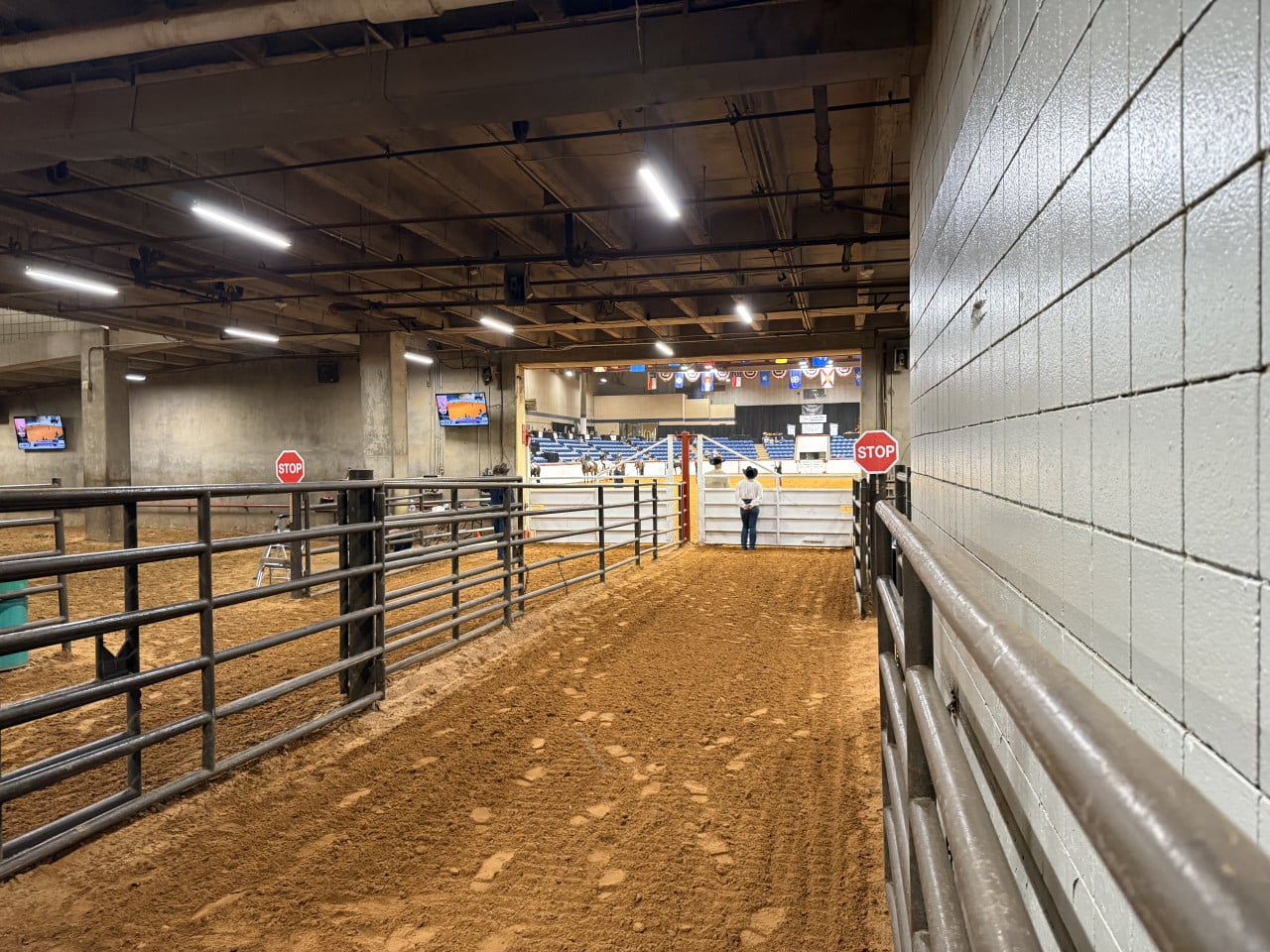
What was really great for me as a visitor was that the entire venue was open to the public. You could walk through the areas with the horse stalls, no one chased you away, and you could see the horses up close, talk to an owner, or simply admire the results of their breeding in silence.
Each breeder had their own “base" – something combining sofas, banners, a presentation area, and living space for the team. The atmosphere was incredibly friendly, and it was clear that Appaloosa breeding in America is a community affair, not just a business.
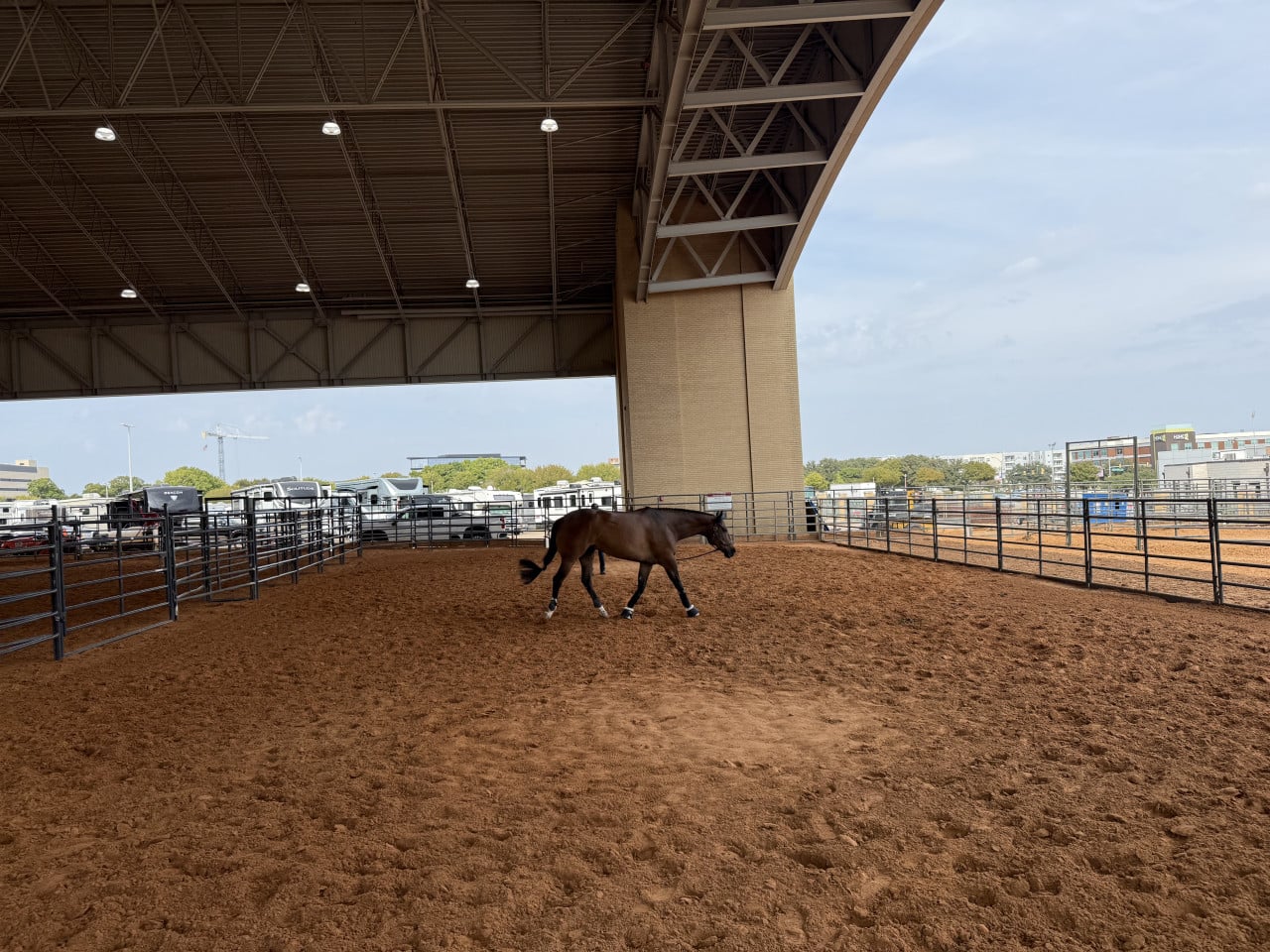
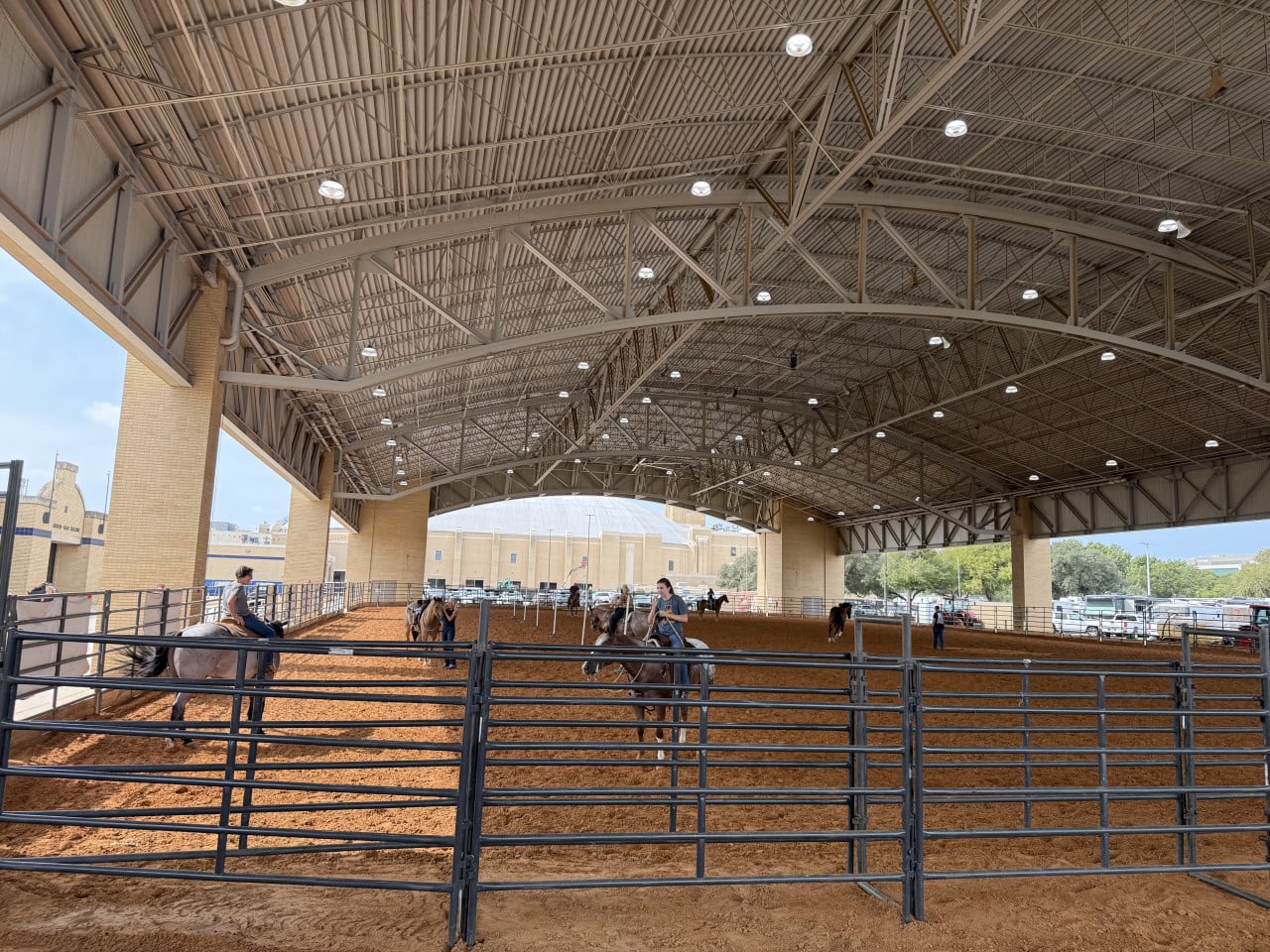
Next to the main hall, there was also a large covered outdoor arena used for training, where we spent quite a lot of time watching the warm-up rides. This arena offers a beautiful view directly toward the distinctive dome of the Will Rogers Coliseum, which is something of a symbol of the entire complex.
For children and for me – a brief note about the atmosphere of the event
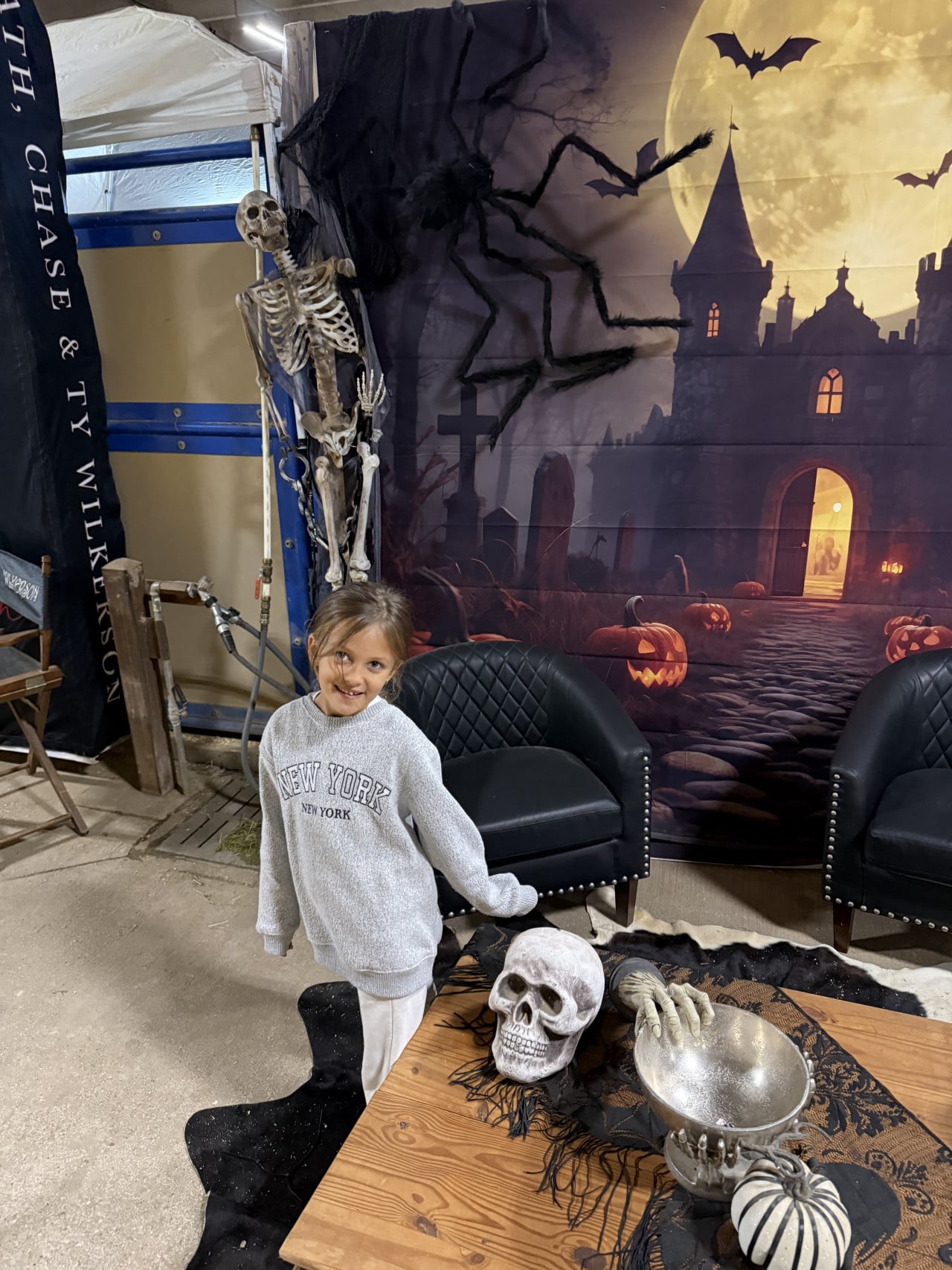
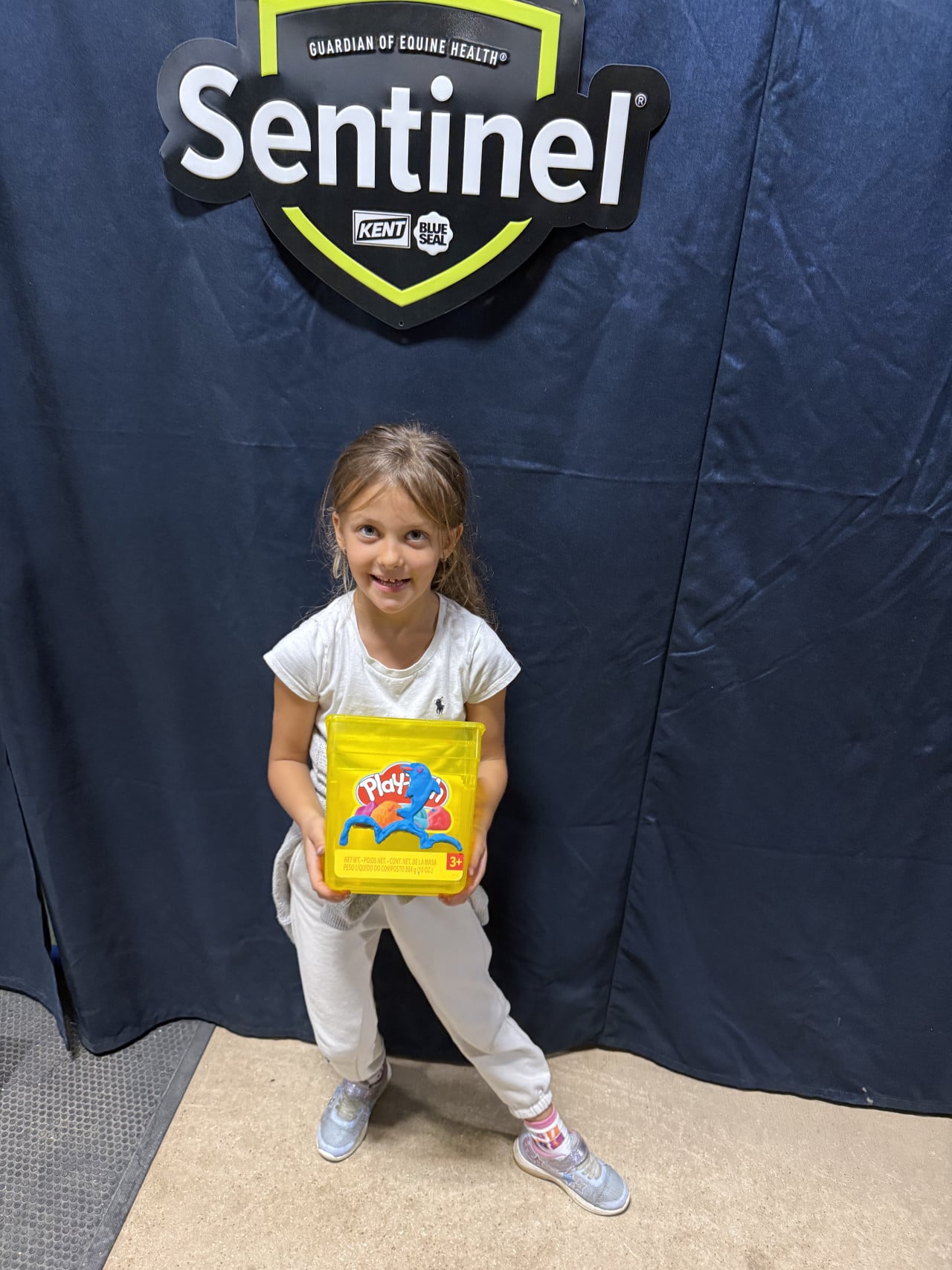
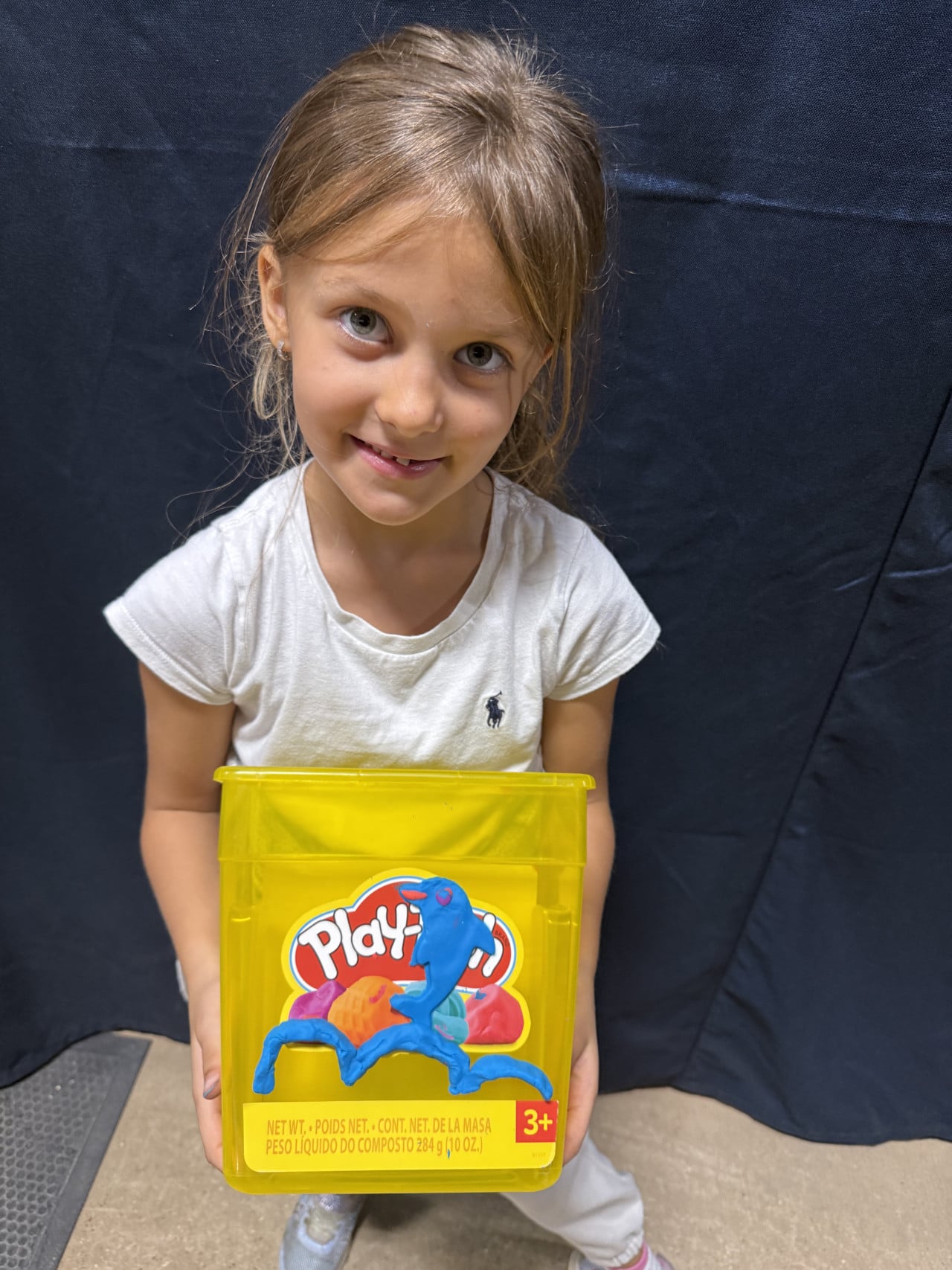
There were also a few little things for children, the kind that turn an event like this into an experience for the whole family. Sponsors had various giveaways at the trade show, and our daughter received a tub of Play-Doh and was probably more excited about it than the horses themselves (laughs).
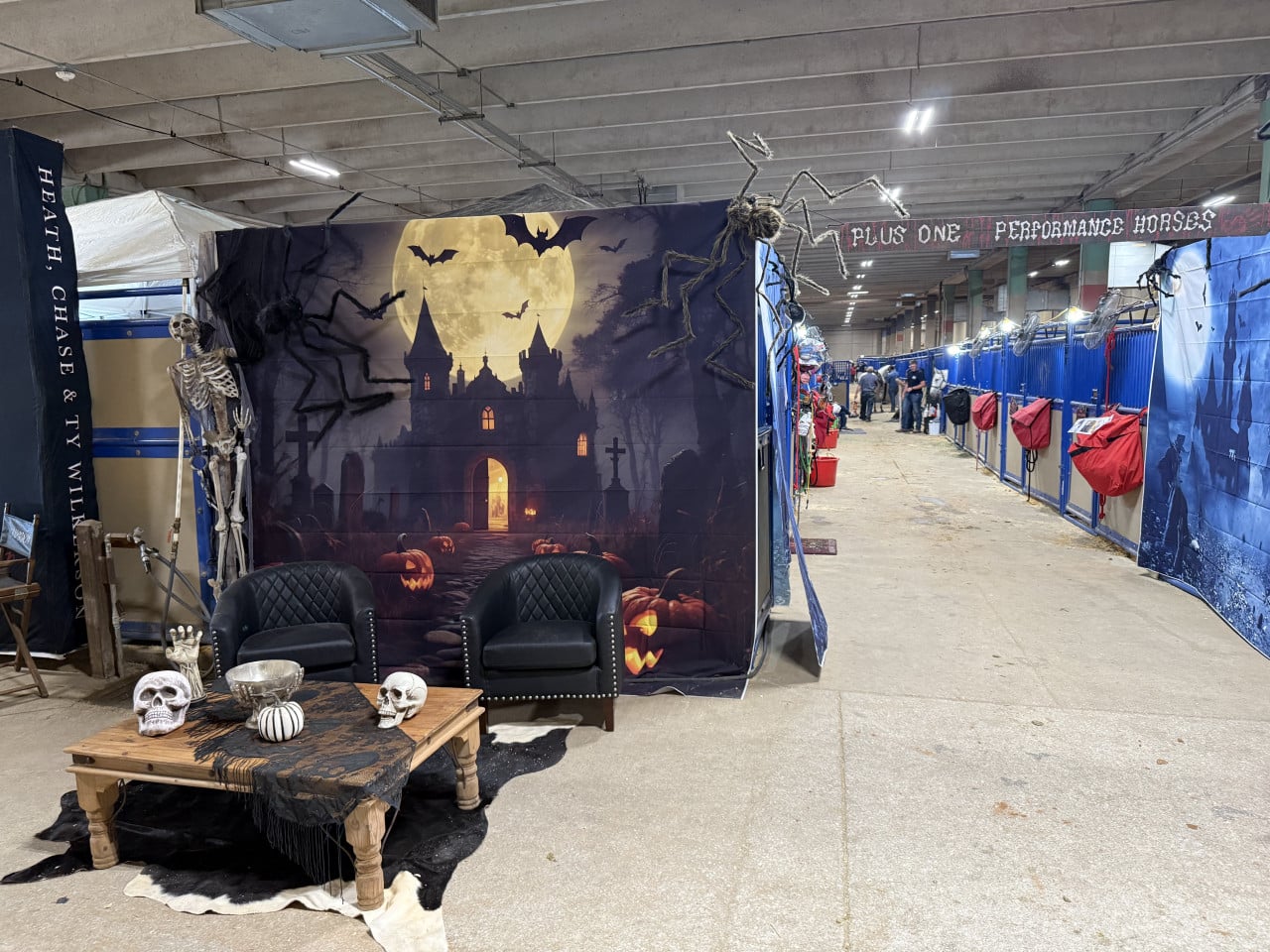
And yes, Halloween was approaching, so some of the stables had themed decorations – skeletons, pumpkins, and spiderwebs. All in Texas style, of course.
The scale of the event in context: it is not the largest
To be fair, the Appaloosa World Show is not the largest equestrian event in America. Larger events include the NSBA World Championship Show and competitions in Las Vegas (especially the NRHA Futurity or NRBC), which are on an entirely different level in terms of both attendance and prize money.
But as my first American championship, it was absolutely the ideal “onboarding" experience. The event was not overcrowded, so there was plenty of room to look around at everything in peace, talk to horse owners, walk through the stables, and sit wherever you wanted in the arena.
And I am planning to attend the larger events as well – Las Vegas and the NSBA are already on my list, and I will definitely write about them too.
In conclusion: I definitely recommend it
For me, the Appaloosa World Show 2025 in Fort Worth was truly “something completely new" – an experience you simply cannot see in the Czech Republic. Disciplines such as the Heritage Class, Nez Perce Stake Race, and Cowtown Cutting are unique to this breed and culture, and seeing them in the authentic setting of Fort Worth, Texas, has a charm of its own.
If you like horses, Western culture, or simply want to experience a piece of genuine American tradition, you should definitely add the Appaloosa World Show to your plans. The event takes place every year during the final week of October and the first week of November at the Will Rogers Equestrian Center in Fort Worth. The dates for 2026 have already been confirmed – October 30 to November 7, 2026.
And I already know for certain that I will return here someday.