Meta has built its own humanoid robot. The prototype bears the internal name Max and was developed in collaboration with the Chinese robotics company Fourier, based in Shanghai. According to the US outlet The Information, the two companies managed to build it in roughly three months and have been working on its successor since September. Reuters, one of the first agencies to report the news, has not yet been able to independently verify it.
The robot is primarily intended to help Meta determine how similar machines could be used in ordinary households. However, the company emphasizes that this is purely research and experimentation conducted internally.
A five-foot-tall assistant with five fingers
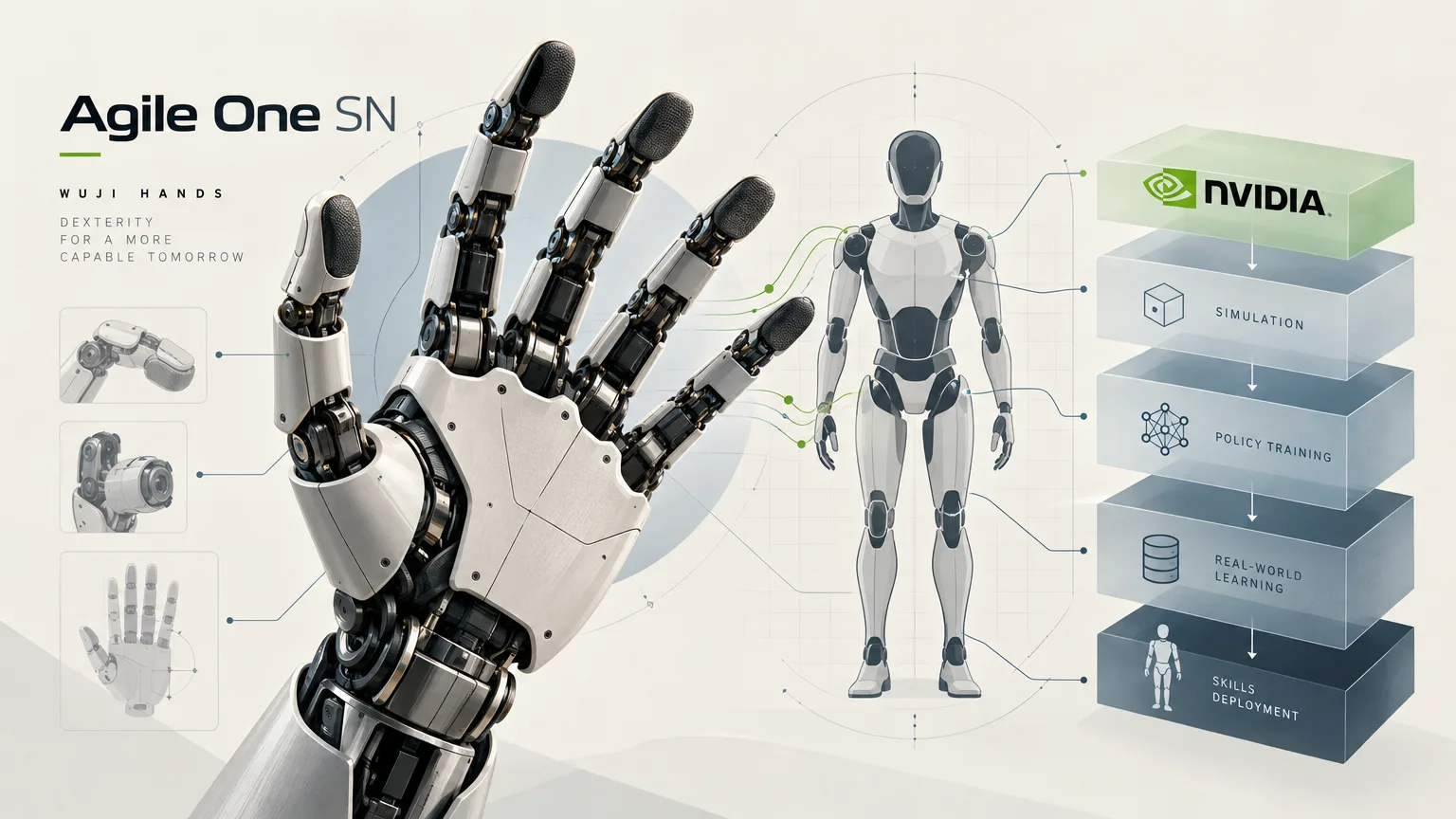
Max stands approximately five feet tall and weighs around 48 kilograms, making it smaller and lighter than most adults. It uses Nvidia's Jetson Thor computing platform as its brain. This is a specialized computer designed specifically for robots that can process camera footage and audio and control the movements of the entire body.
At first glance, the robot is distinguished by its face. It consists of a display that can show expressions, allowing the robot to communicate its state. It has built-in speakers in its chest through which it speaks. Its hands have five fingers and are designed to grasp even small objects, such as bottles or children's toys.
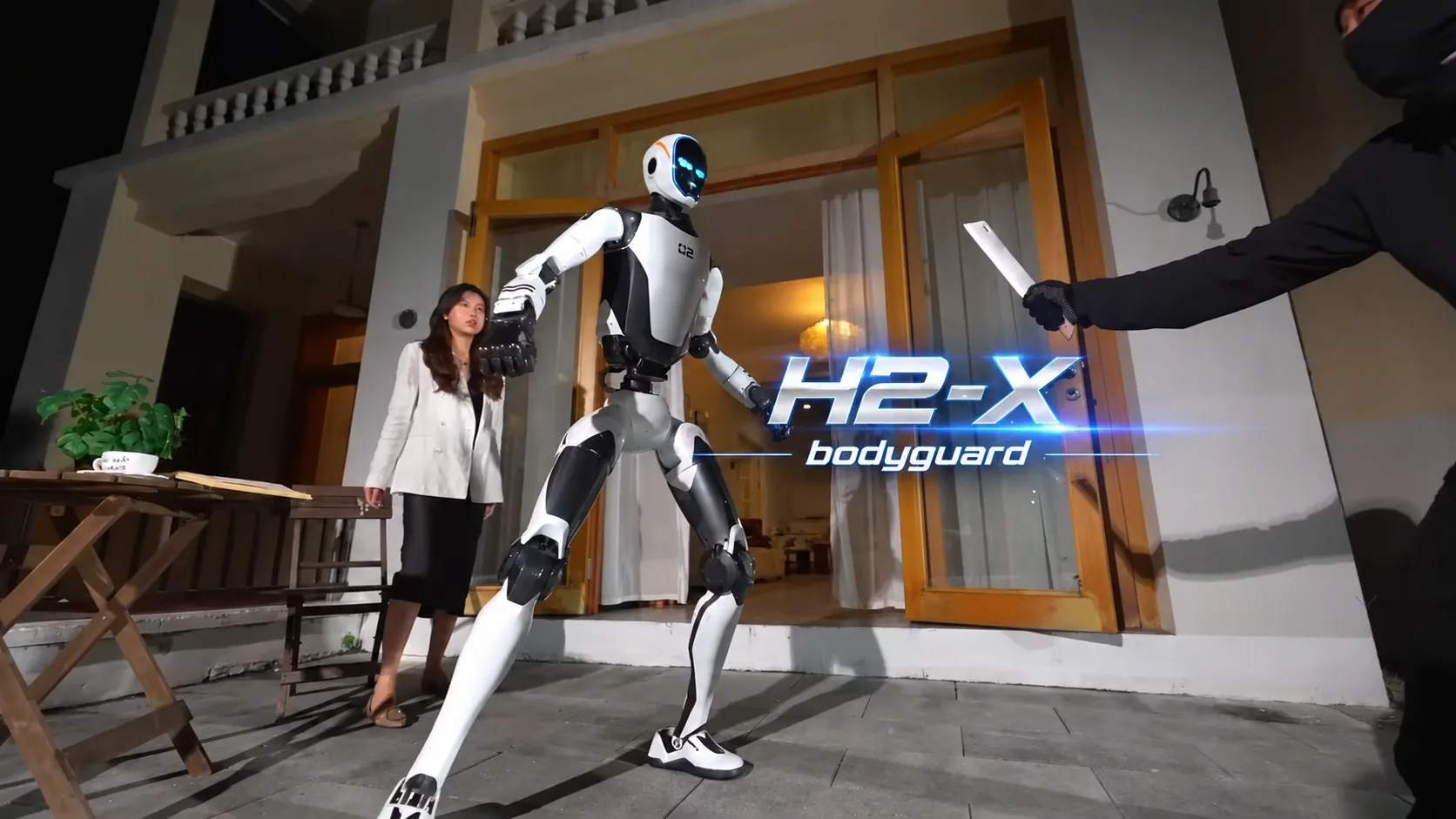
Fourier did not merely supply Meta with a repainted model from its catalog. Its GR-3 robot, which can hear, see, and sense touch and is designed for close contact with people, served more as inspiration. According to The Information, Max draws on the technical know-how the company accumulated while developing three generations of its robots. Engineers modified its body proportions, head, display, and camera placement.
Meta's requirements for the robot clearly show where the company is heading. It is less concerned with strength or speed than with making interaction with the robot feel natural. Max should be able to recognize a voice command from roughly five meters away and notice a gesture, such as a wave of the hand, from about three meters. Meta also wants the robot to look people in the eye during conversations and indicate what it is currently doing. Users should therefore be able to tell whether the robot is listening, thinking, speaking, or unsure how to handle a task. However, these are development goals, not capabilities that Max has independently demonstrated in public.
A second version is already in development
The developers did not spend long on the first prototype. Since September, they have been working on the Max 2 model, which will receive a redesigned torso and improved hands. It will also gain a projector and additional sensors that should help it navigate its surroundings more effectively and even climb stairs, which are often an obstacle for household robots. There is currently no date for when the robot might go on sale.
Max was not conceived as an isolated idea. Bloomberg reported last year that Meta had established a new team to develop robotic hardware. The ultimate goal was reportedly to enable machines to perform household chores. This year, Meta then acquired Assured Robot Intelligence, a company specializing in artificial intelligence for robots. Its experts focus on teaching machines to understand their surroundings and perform physical tasks.
An assistant that walks around the home
Meta is also hiring robotics engineers in the Chinese cities of Shanghai and Shenzhen. The advertised positions involve both prototype development and preparations for potential mass production.
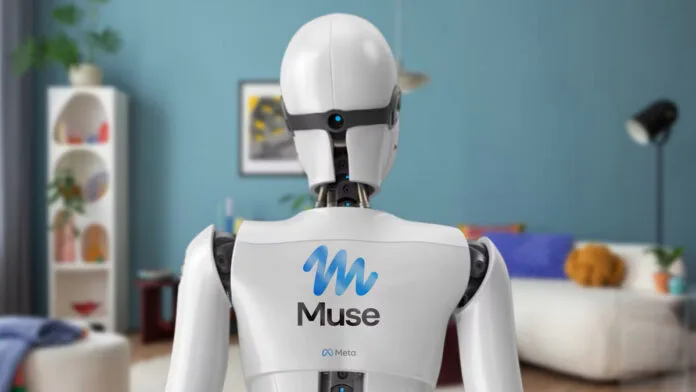
According to The Information, Meta's chief technology officer Andrew Bosworth has discussed internally how humanoid robots could serve as a physical body for Muse, an AI assistant that Meta is developing. The digital assistant on a phone could therefore one day become an assistant that moves around the home.
However, a Meta spokesperson told The Information that the collaboration with Fourier is intended solely for research and experimentation and that the company does not plan to sell robots from this project. It also remains unclear whether Max would be able to handle more complex household tasks and move safely among people.
Sources: interestingengineering.com, reuters.com and engadget.com