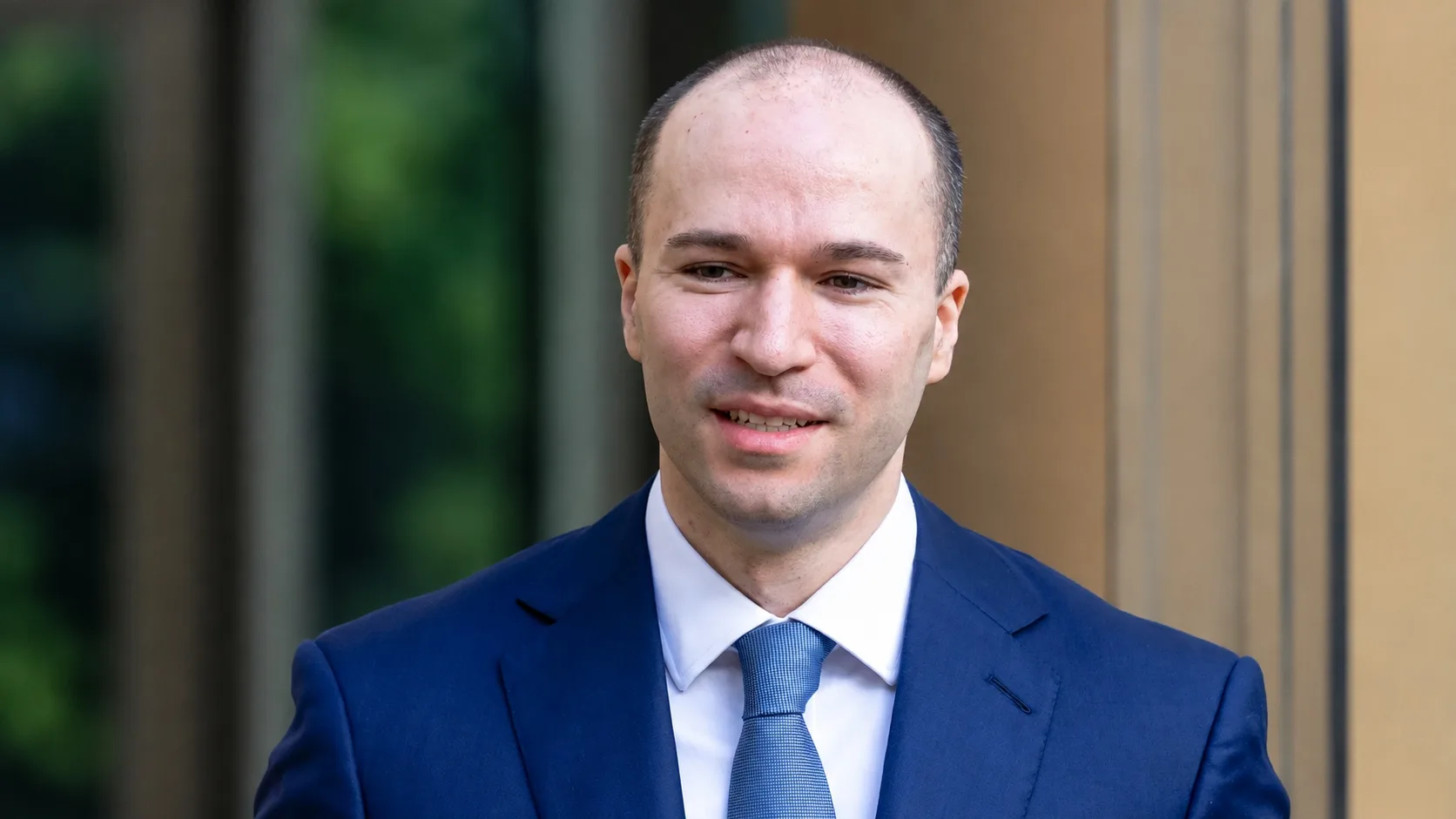
OpenAI CEO Sam Altman has expressed an opinion that angered people who enjoy building their own computers. According to him, it makes no sense for people to run artificial intelligence models at home on their own machines. He claims that RAM, which is currently in desperately short supply worldwide, would be far more useful in massive data centers. He shared his view on the Cheeky Pint podcast, just as the computer market is going through one of its most difficult periods in recent years.
Shares of U.S. chipmaker Intel plunged nearly 30 percent on Friday. The company had not experienced such a sharp drop in 52 years. Analysts blame it on a steep slowdown in personal computer sales. The artificial intelligence boom has driven component prices so high that ordinary people can practically no longer afford them. Memory and storage have been hit the hardest.
Altman says memory should be put to work in the cloud
When you ask ChatGPT a question, for example, it travels over the internet to a data center. There, OpenAI's servers process it and send the answer back. This method is called cloud computing. But there is another way. Some people download a freely available model and run it directly on their computer without using any online service. For this to work, the computer needs a lot of system memory, known as RAM, or more specifically DRAM. This is fast working memory where the machine stores everything it is currently working with, and large language models consume enormous amounts of it.
Running artificial intelligence at home has become widespread mainly thanks to Chinese open-weight models, which anyone can download for free and use as they wish. In the podcast, Altman described how he believes many people see the situation. They think the shortage of computing power has been solved because they will have open models, run them at home, and data centers will no longer be needed as much. But the OpenAI CEO disagrees. According to him, from a global perspective, it is actually quite terrible that everyone has a portion of the world's DRAM supply in their computer.
He sees the solution in the cloud operated by major technology companies, including OpenAI. When memory is scarce, Altman wants it to be utilized as efficiently as possible on servers. He himself admitted that most people intuitively see it exactly the opposite way.
Computer enthusiasts are furious
Altman's words struck a nerve. People who have spent many months watching component prices rise took them as a slap in the face. A wave of criticism erupted on Reddit. One user called Altman selfish and said he behaves like a cult leader. Another wrote that the OpenAI CEO apparently does not understand the desire to own one's own computer at all. Someone else pointed out that private companies should not decide matters that affect most people. Altman had already sparked a similar storm earlier in the month by stating that, in order to reap the benefits of artificial intelligence, the world must also accept the risk of negative events.
There may also be business reasons behind his stance. When people run models on their own machines, they do not need paid cloud services from OpenAI. At the same time, artificial intelligence companies are fighting over every available chip as supplies run out. Computer manufacturers are reporting a severe shortage of printed circuit boards, with their order books full through the end of 2030. Altman reiterated in the podcast that chip manufacturing capacity will be limited and that everyone should care about it.
This is an especially sensitive issue for OpenAI because the industry as a whole has so far struggled to properly monetize artificial intelligence. Meanwhile, corporate spending is rising at a dizzying pace, increasingly alarming investors.
Sources: pcmag.com and futurism.com