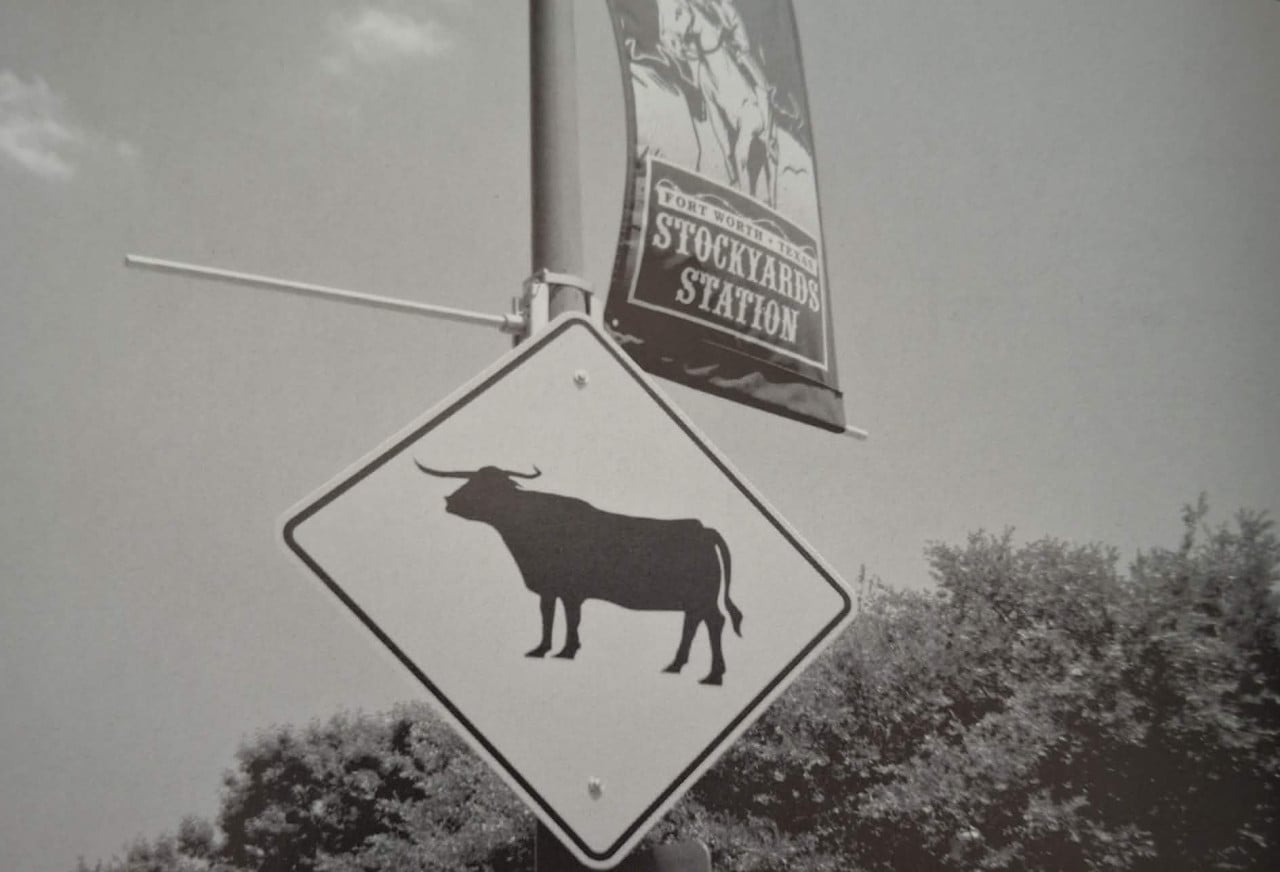
Texas hunters are familiar with the “Deer Crossing” signs along the highways. It therefore makes sense that “Cattle Crossing” signs can be found in the Fort Worth Stockyards National Historic District. Twice a day, at 11:30 a.m. and 4:00 p.m., a “herd” of Texas longhorns known as the Fort Worth Herd walks down East Exchange Avenue—to the delight of tourists and locals who happen to be nearby!
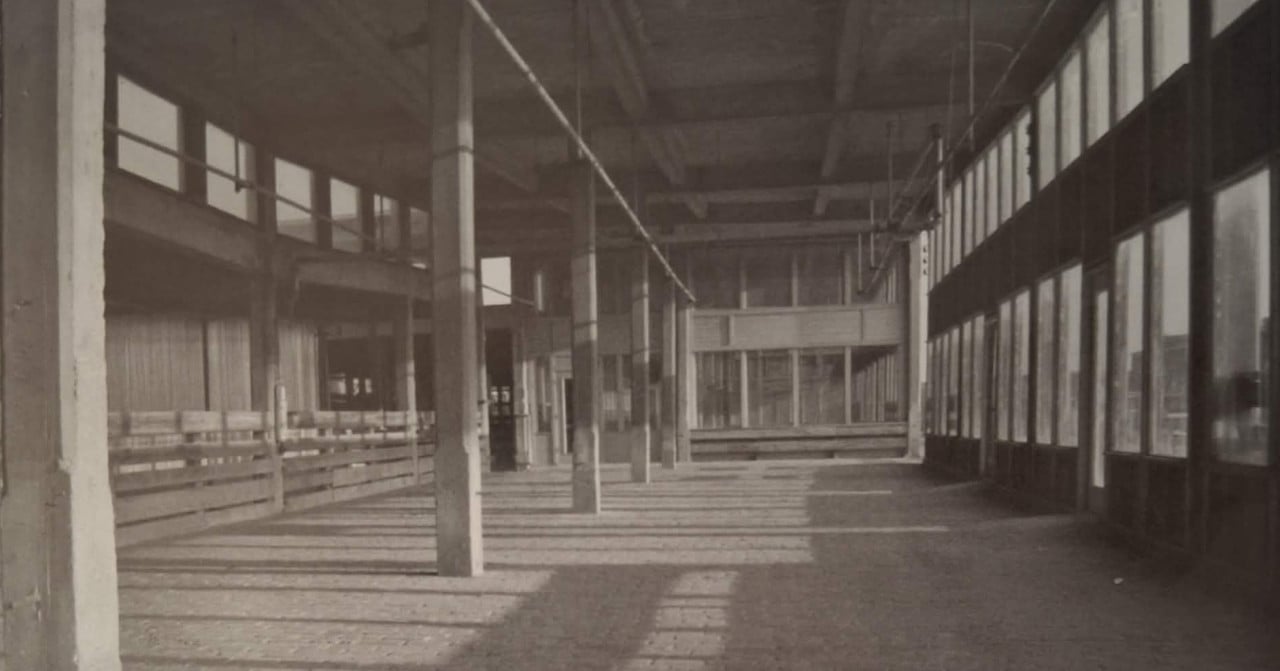
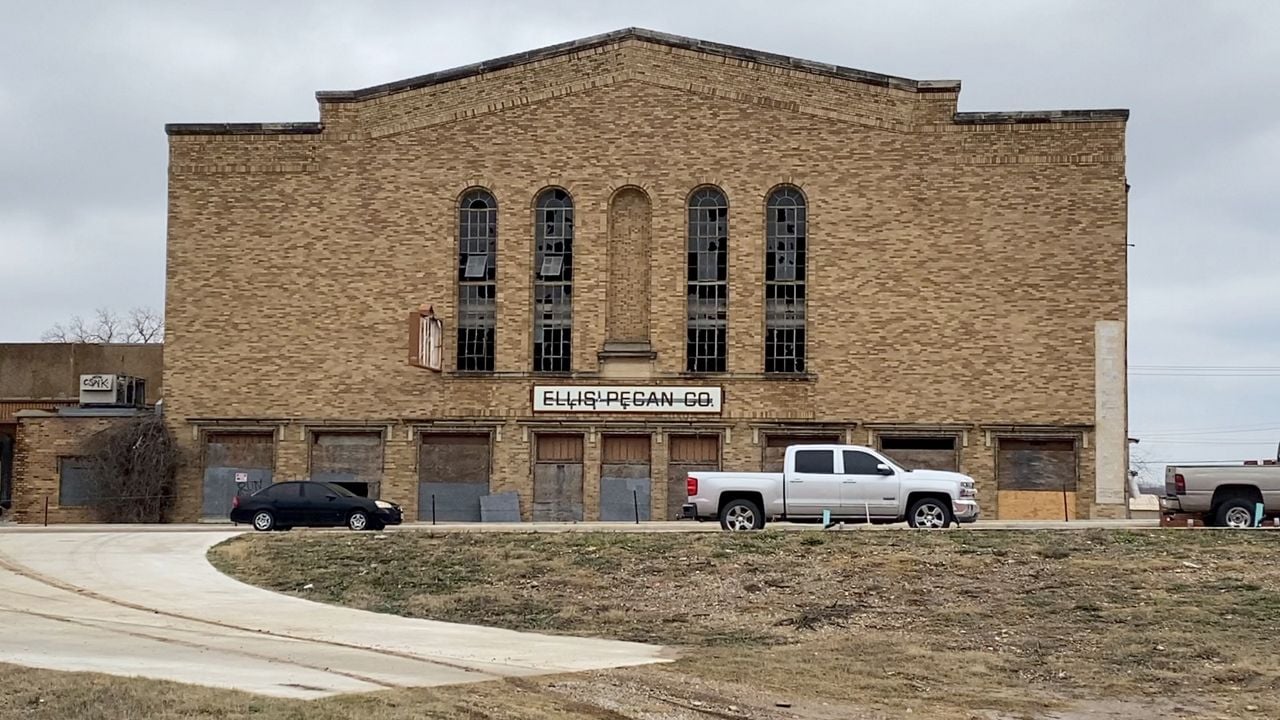
This roofed structure with a floor made of red Thurber bricks was once a covered sheep pen. In 1944, more than two million sheep arrived at the Fort Worth Stockyards, but receipts gradually declined. The empty, renovated sheep pens (note the windows on the left) later became part of the shops and restaurants at Stockyards Station. Tourists replaced the sheep. Stockyards Station takes its name from the steam railroad whose tracks run directly through the building.
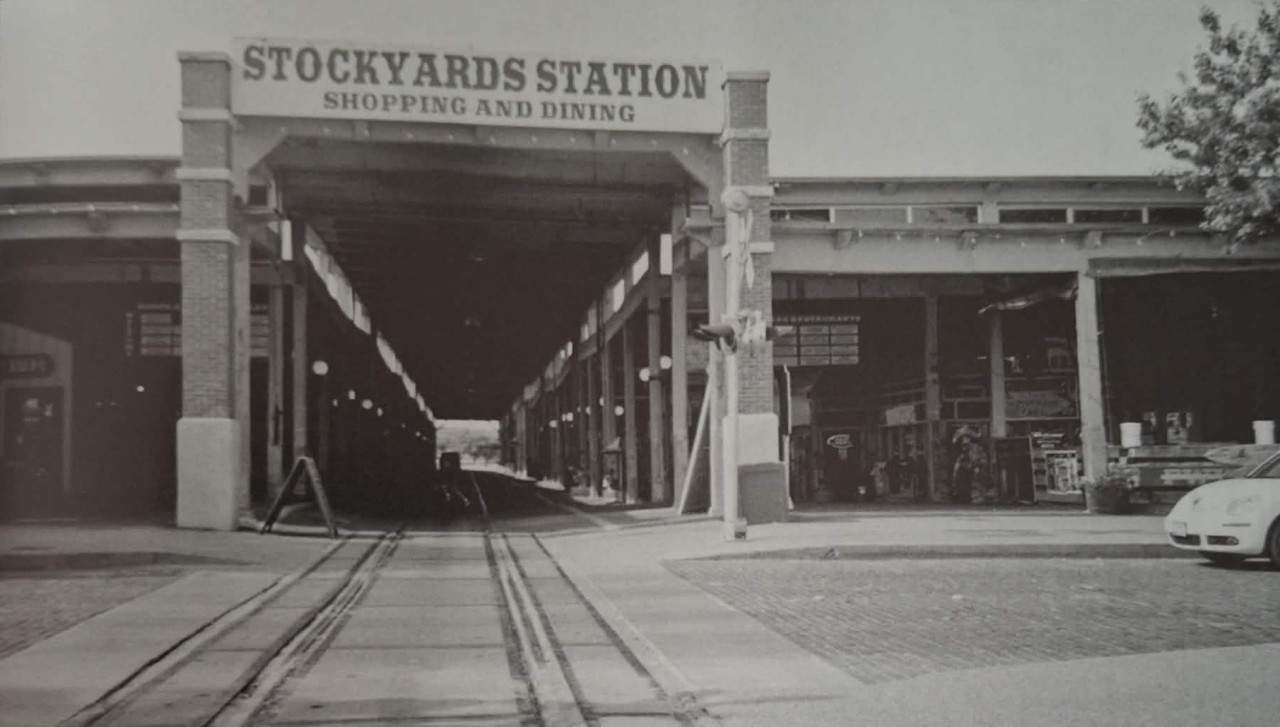
The Grapevine Vintage Railroad brings tourists to Stockyards Station, where the walkways are lined with restaurants and souvenir shops. When this line was restored in the late 20th century, it was originally called the Tarantula Train. The name comes from an 1873 map of Fort Worth that inspired a Dallas newspaper to mock Fort Worth’s ambitions to become a railroad hub. The numerous railroad lines converging on the city made Fort Worth and its planned connections resemble a tarantula.
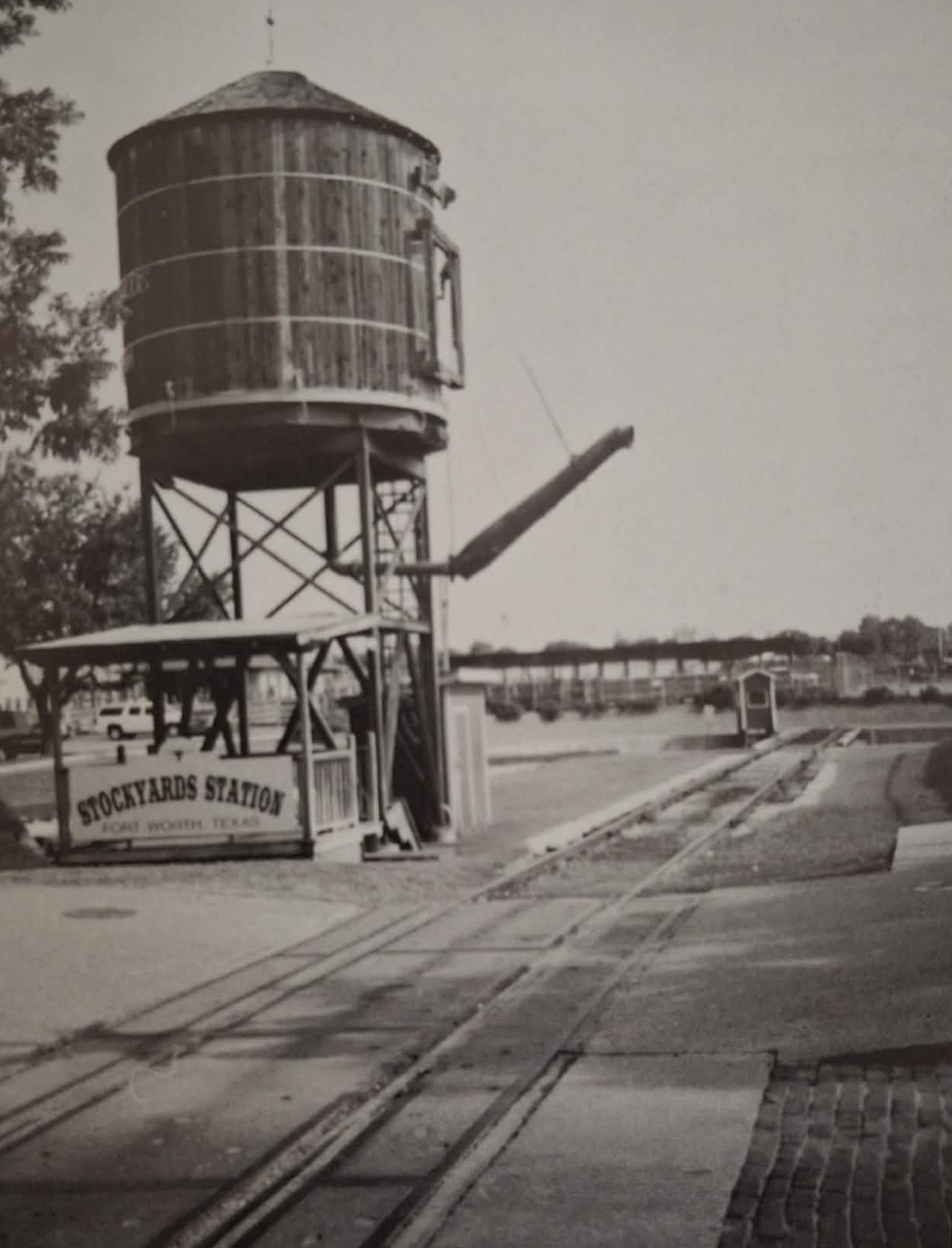
The steam locomotive must refill its water supply during its stop at the Stockyards. It then turns around in the circular area north of the water tower and is ready to head back—through Stockyards Station. This shopping area on the site of the former covered sheep pens is called Stockyards Station precisely because the train stops here.
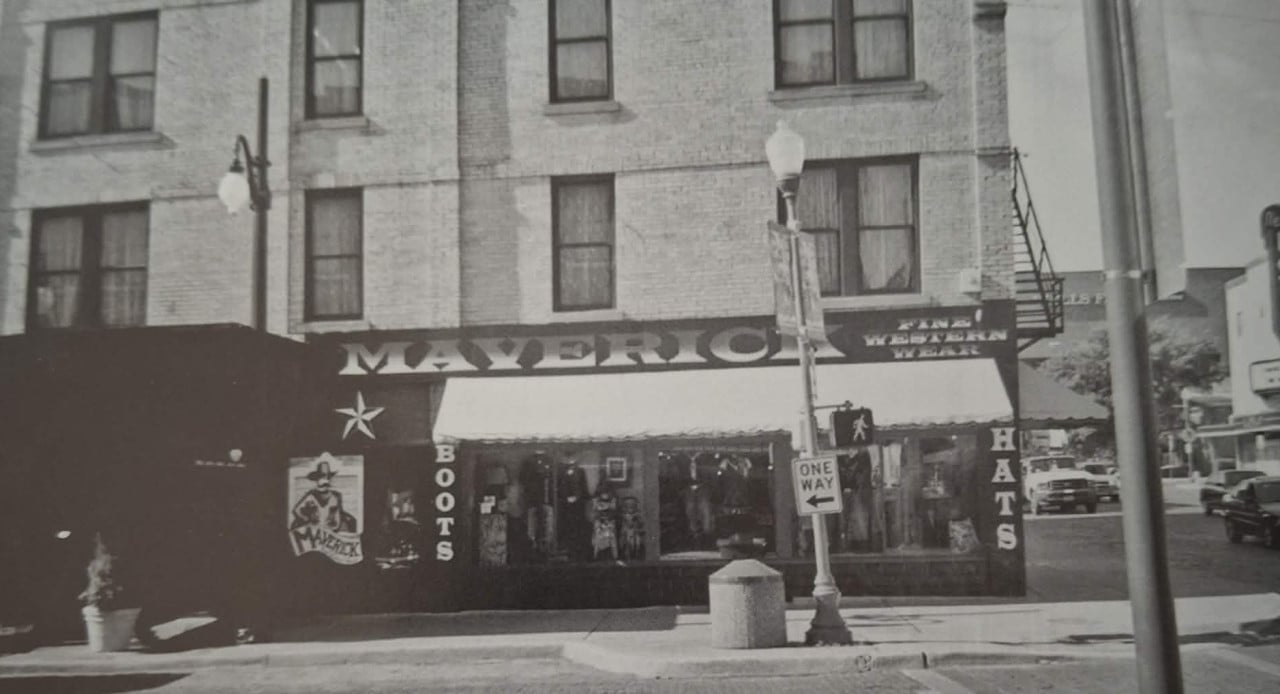
This white three-story building is now home to the Maverick Western Wear store. The owners chose this name because the building, located on the southeast corner of North Main Street and Exchange Avenue, originally served as the Maverick Hotel. The dark area on the left side of the photograph was once the entrance to the hotel lobby. During the devastating flash flood of April 19, 1942, which drowned many animals from the adjacent yards, three dead mules were washed into the lobby of the Maverick Hotel.
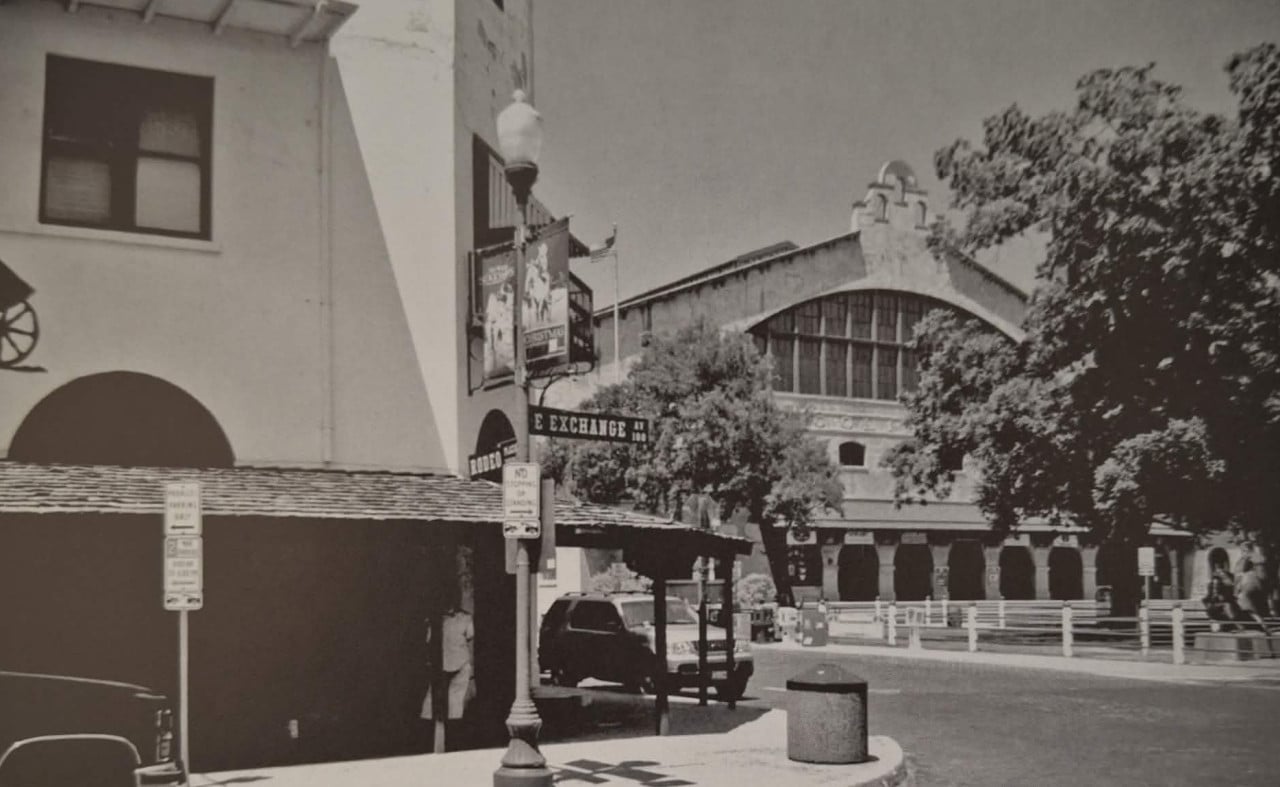
This corner is formed by East Exchange Avenue and Rodeo Plaza, where a new entrance was added later. The Finchers’ Western Wear store building formerly housed Stockyards National Bank. In the 1930s, robbers preparing to hold up the bank heard a motorcycle backfire, thought someone was shooting at them, and abandoned the robbery. To speed their escape, they threw nails out of the window, causing flat tires for their pursuers and other drivers.
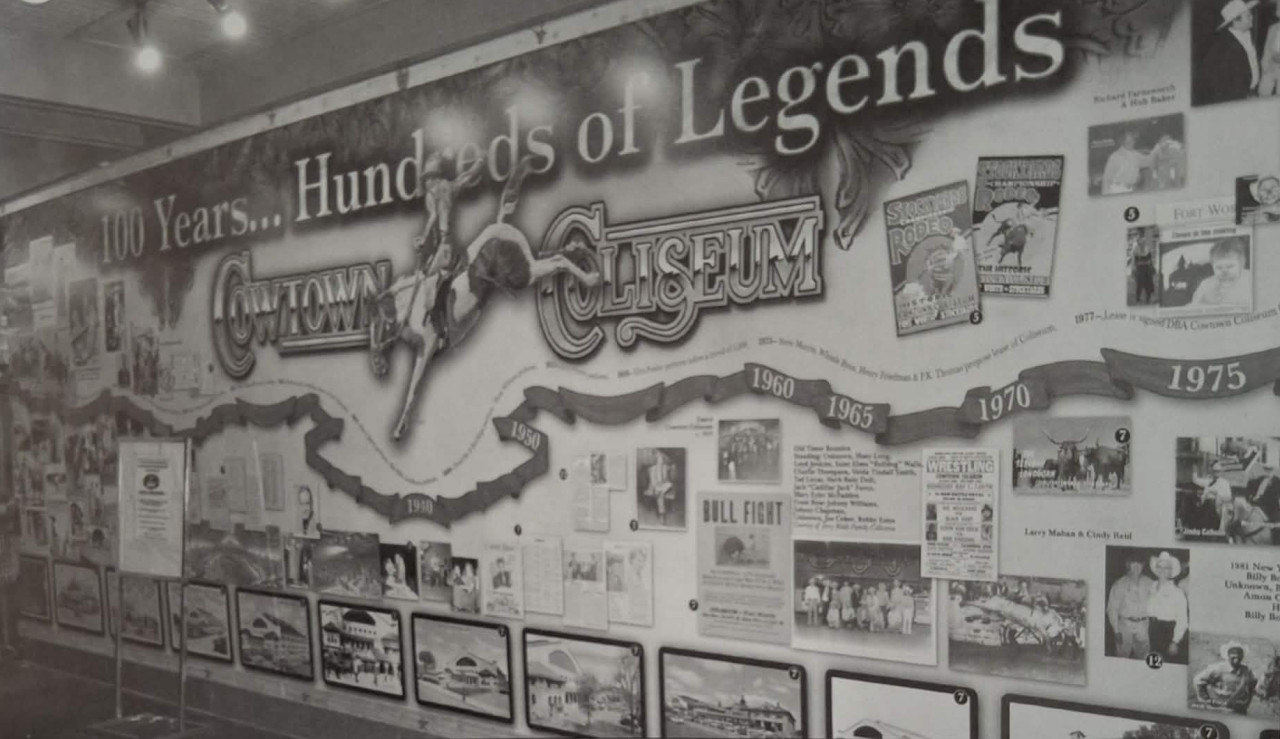
This panorama of photographs decorates the foyer of Cowtown Coliseum and was assembled to mark the coliseum’s 100th anniversary in 2008. The Fort Worth Stockyards Company had the coliseum built in 1908 to host the Wild West shows that always accompanied breeding livestock exhibitions. Rodeos are held at the coliseum year-round, every Friday and Saturday evening.
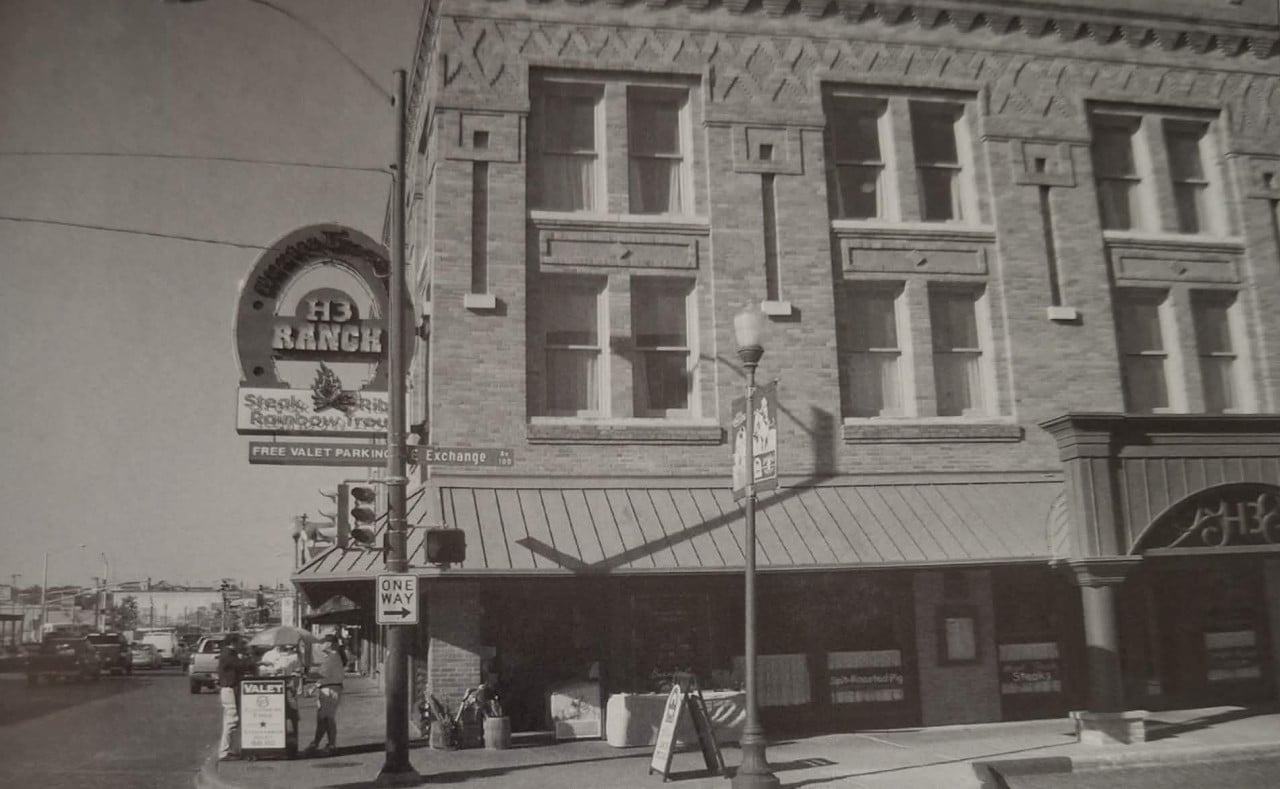
The H3 Ranch restaurant offers steaks, ribs, and rainbow trout. It is located on the northeast corner of the well-known intersection of North Main Street and Exchange Avenue, on the ground floor of the historic Thannisch Building, which also houses the Stockyards Hotel. Right next door is the famous Cattlemen’s Steak House—so there is certainly no shortage of great food in the Fort Worth Stockyards National Historic District.
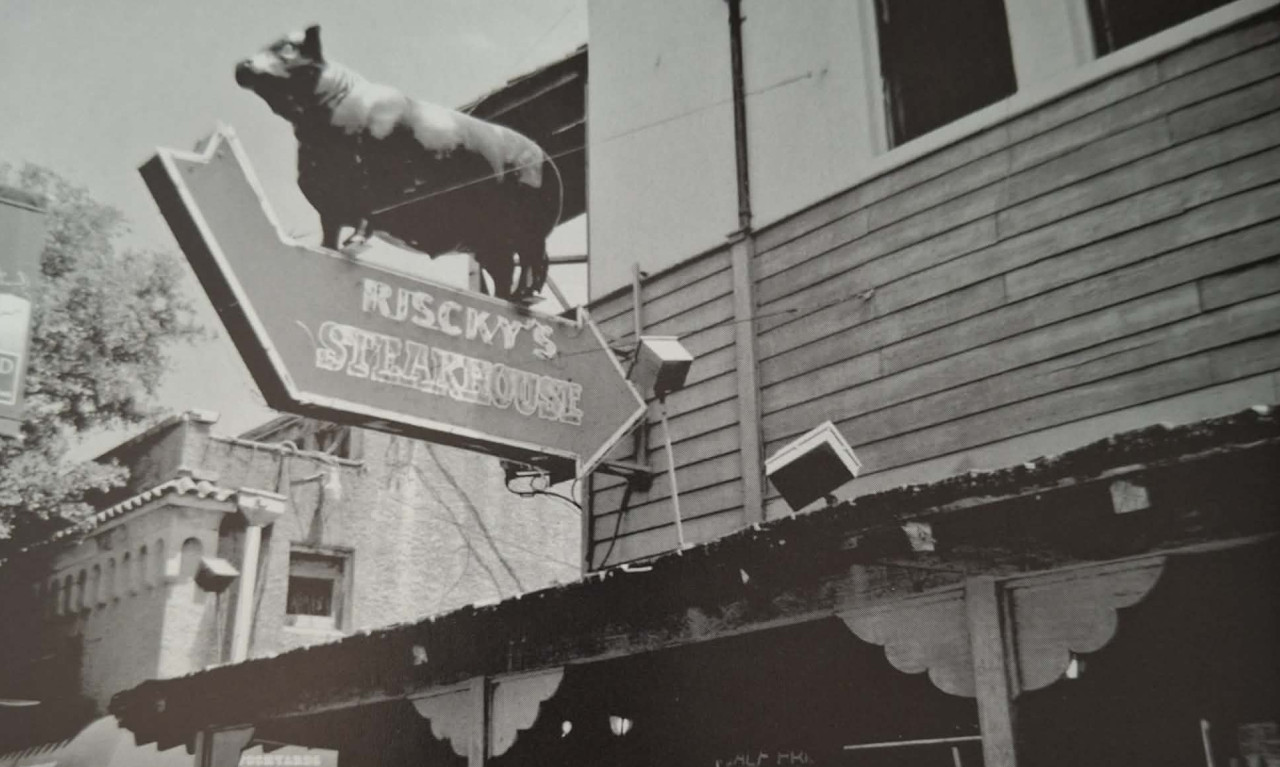
Polish immigrant Joe Riscky began serving barbecue in 1927, and his descendants continue the tradition today at several locations. Jim Riscky owns three restaurants in the Stockyards. At 120 East Exchange Avenue, he sells steaks where former owner Theo Yardanoff introduced “calf fries”—a dish made from bull testicles obtained from the slaughterhouses. Riscky has kept this specialty on the menu.
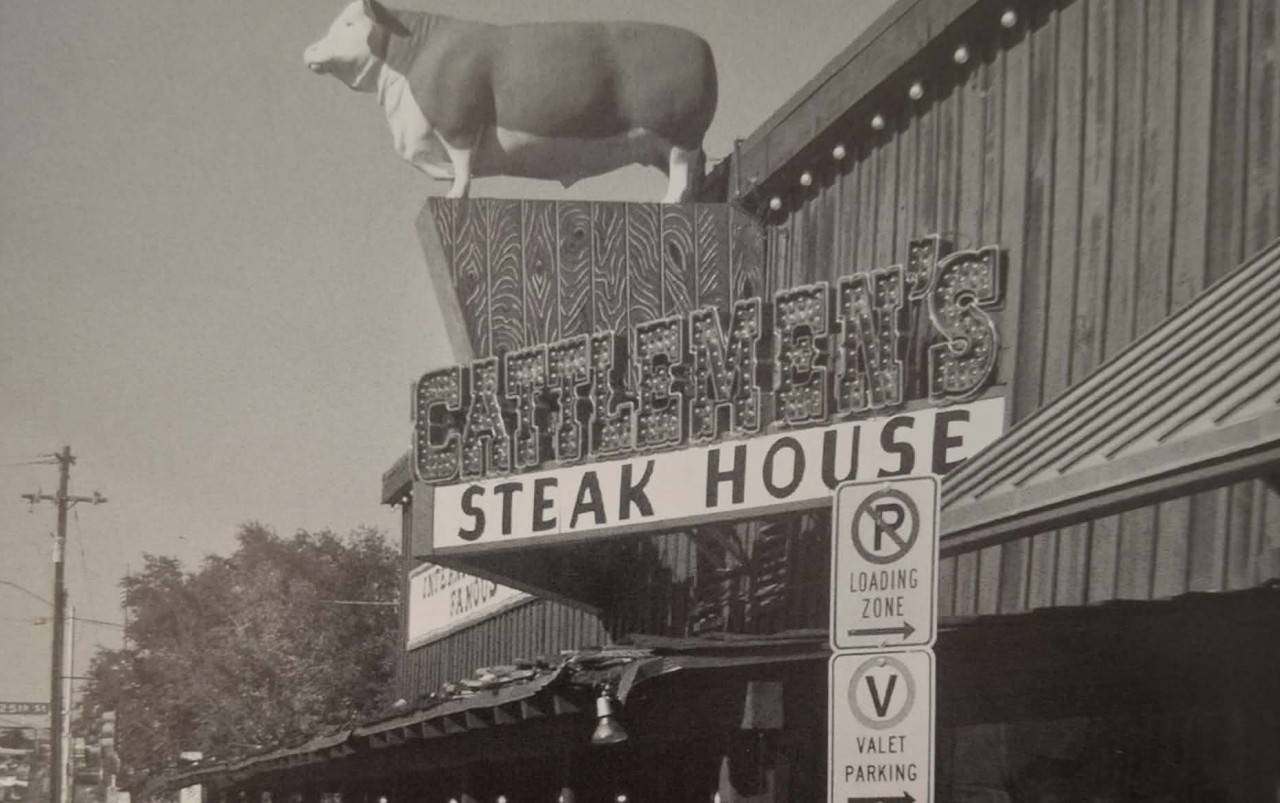
Jesse Roach began doing business in the Stockyards as an insurance agent for livestock shippers and rented an office. The premises were a little too large for his needs, so in 1946 he opened a small café. This is how the famous Cattlemen’s Steak House came into being. He promoted his business across the country with the slogan: “Meet me at Cattlemen’s in the Fort Worth Stockyards.”