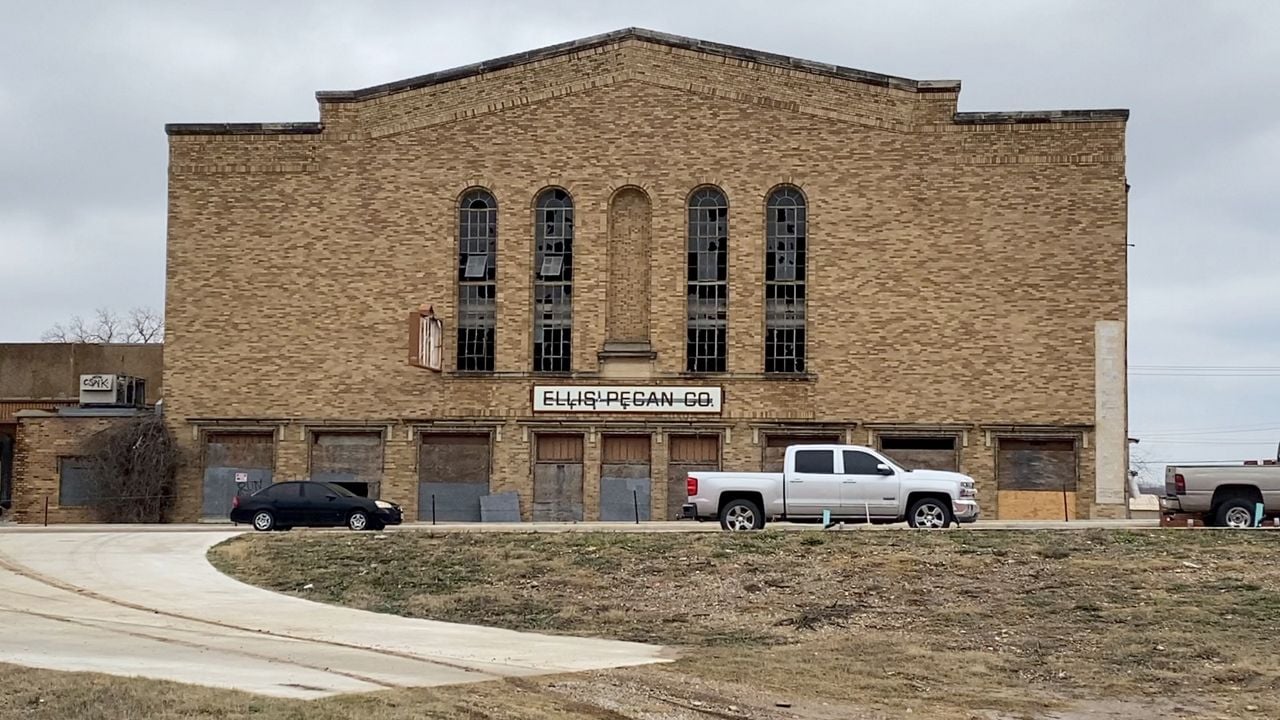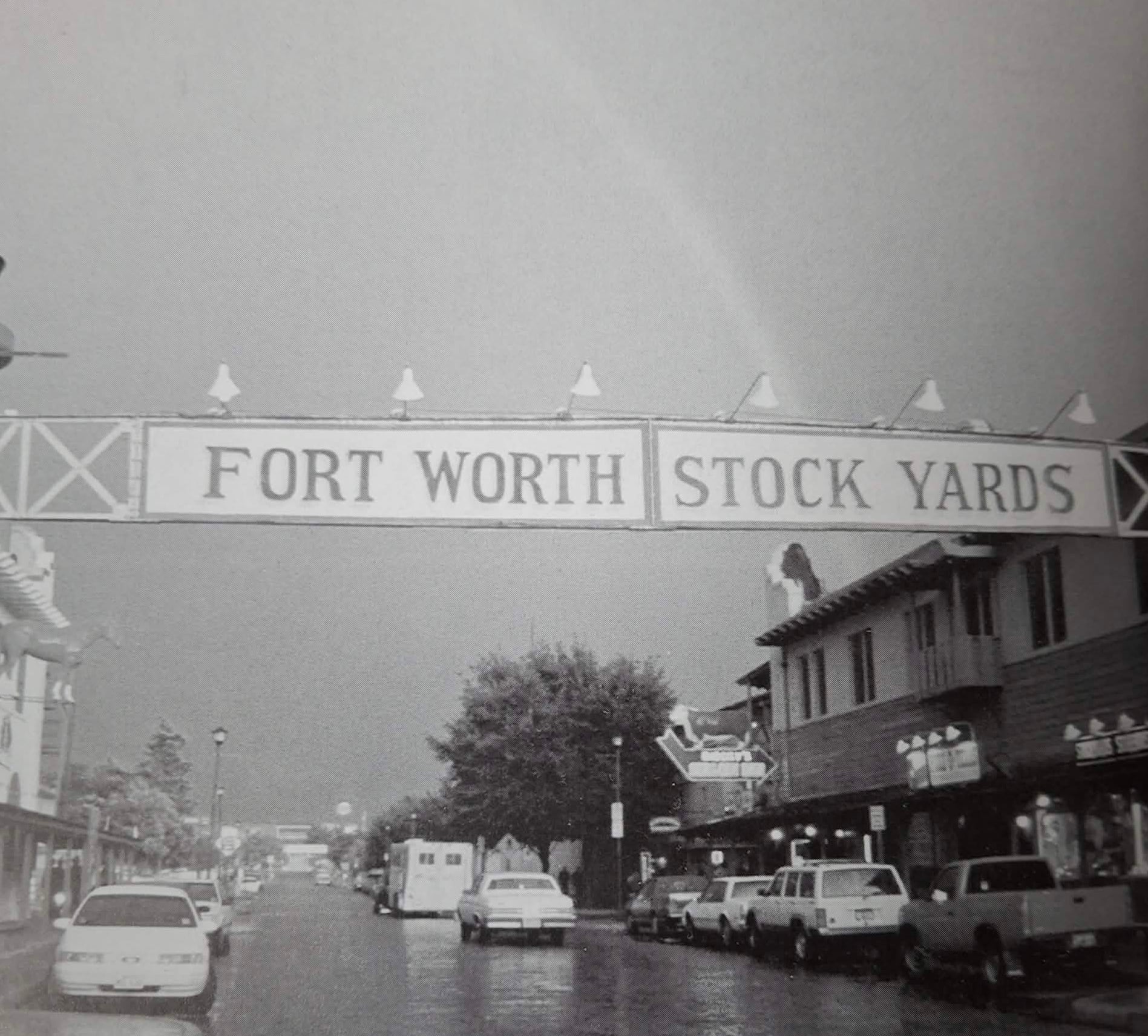
What the first members of the North Fort Worth Historical Society could only dream of in the late 1970s began to come true 20 years later: economic activity in the form of tourism began to replace the economic activity lost from the cattle trade at the Fort Worth Stockyards. Many factors contributed to this success story. In 1981, a group of developers created the "world's largest honky-tonk" in the vacant Fort Worth exhibition building, built in 1936 for livestock shows. The nightclub, named after developer Billy Bob Barnett, was called Billy Bob's Texas. Entrepreneurs such as Holt Hickman, Joe Dulle, and Steve Murrin purchased or leased vacant city buildings and created new businesses, such as the White Elephant Saloon and the Stockyards Championship Rodeo, held weekly at the newly renamed Cowtown Coliseum (formerly the North Side Coliseum). The City of Fort Worth, the North Fort Worth Business Association, and the North Fort Worth Historical Society collaborated on two seasonal celebrations: Chisholm Trail Days in June and Pioneer Days in the fall. Many local residents began visiting the Fort Worth Stockyards for entertainment during these special weekends, and even more came to hear well-known country singers at Billy Bob's.
The Fort Worth Convention and Visitors Bureau helped attract people to Fort Worth and encouraged tourists to visit not only the Stockyards, but also the zoo, the city's numerous museums, and Six Flags Over Texas. At the beginning of the 21st century, the bureau estimated that Fort Worth attracted between one and a half and two million tourists annually, roughly half of whom visited the Stockyards. As a result, the Fort Worth Stockyards are thriving once again, this time thanks to happy two-legged visitors.
In 1992, changing market conditions closed the Fort Worth Stockyards to the cattle trade. Thanks to the efforts of the North Fort Worth Historical Society, the North Fort Worth Business Association (later the Fort Worth Stockyards Business Association), the City of Fort Worth, and many other people and businesses, a rainbow appeared after the storm. Every year, thousands of visitors come to enjoy the Western atmosphere at the many special events held at the Fort Worth Stockyards.
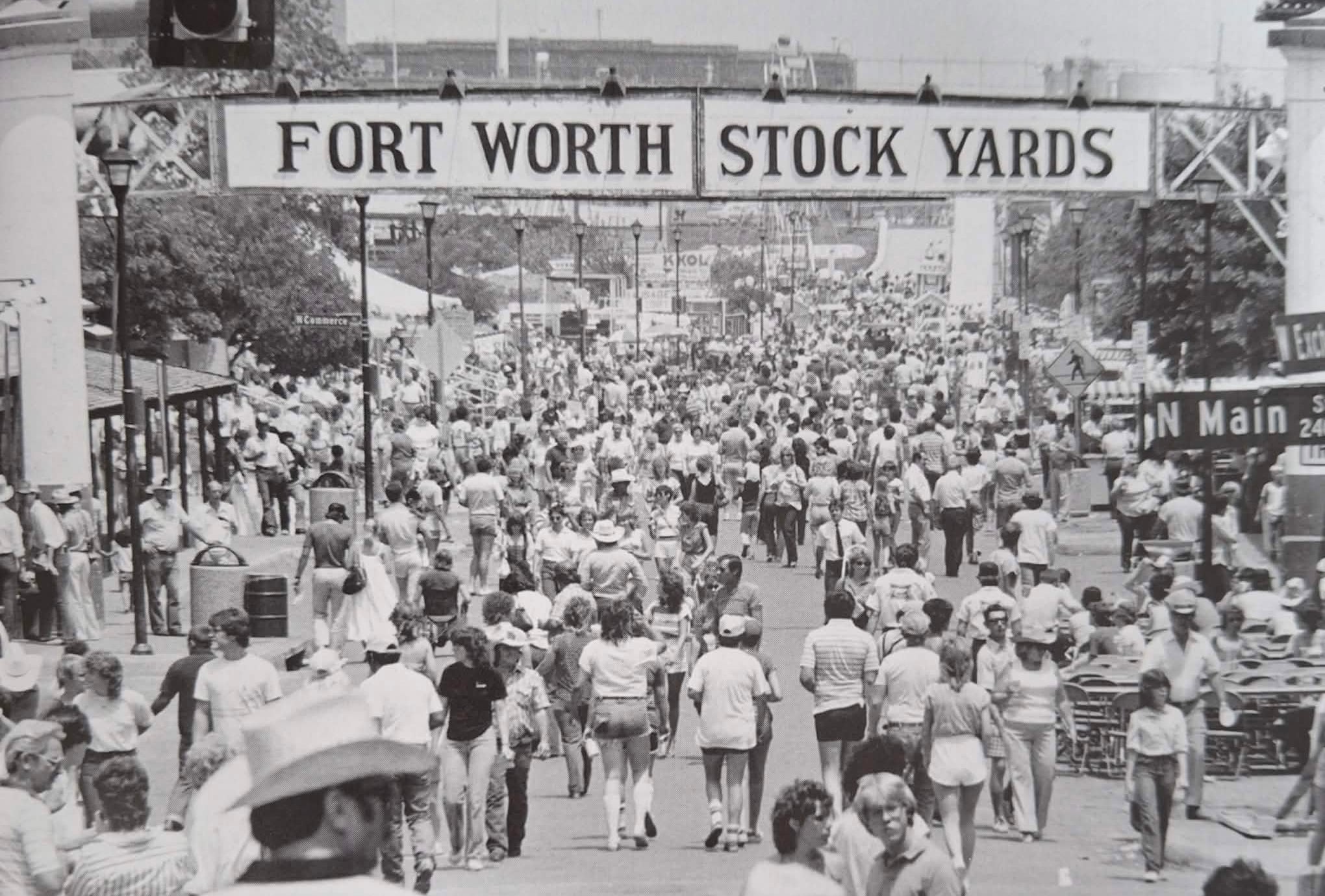
In 1977, the Fort Worth Chamber of Commerce created the Chisholm Trail Roundup to spark interest in revitalizing the Stockyards. Renamed Chisholm Trail Days, this event became an annual celebration held on the second weekend in June. Millions of Texas Longhorn cattle traveled along the Chisholm Trail through Fort Worth and rested north of downtown in the area that later became the Stockyards. This crowded scene on Exchange Avenue took place during Chisholm Trail Days in 1983. Parking problems and other concerns led to Chisholm Trail Days giving way to many smaller events held more frequently at the Stockyards.
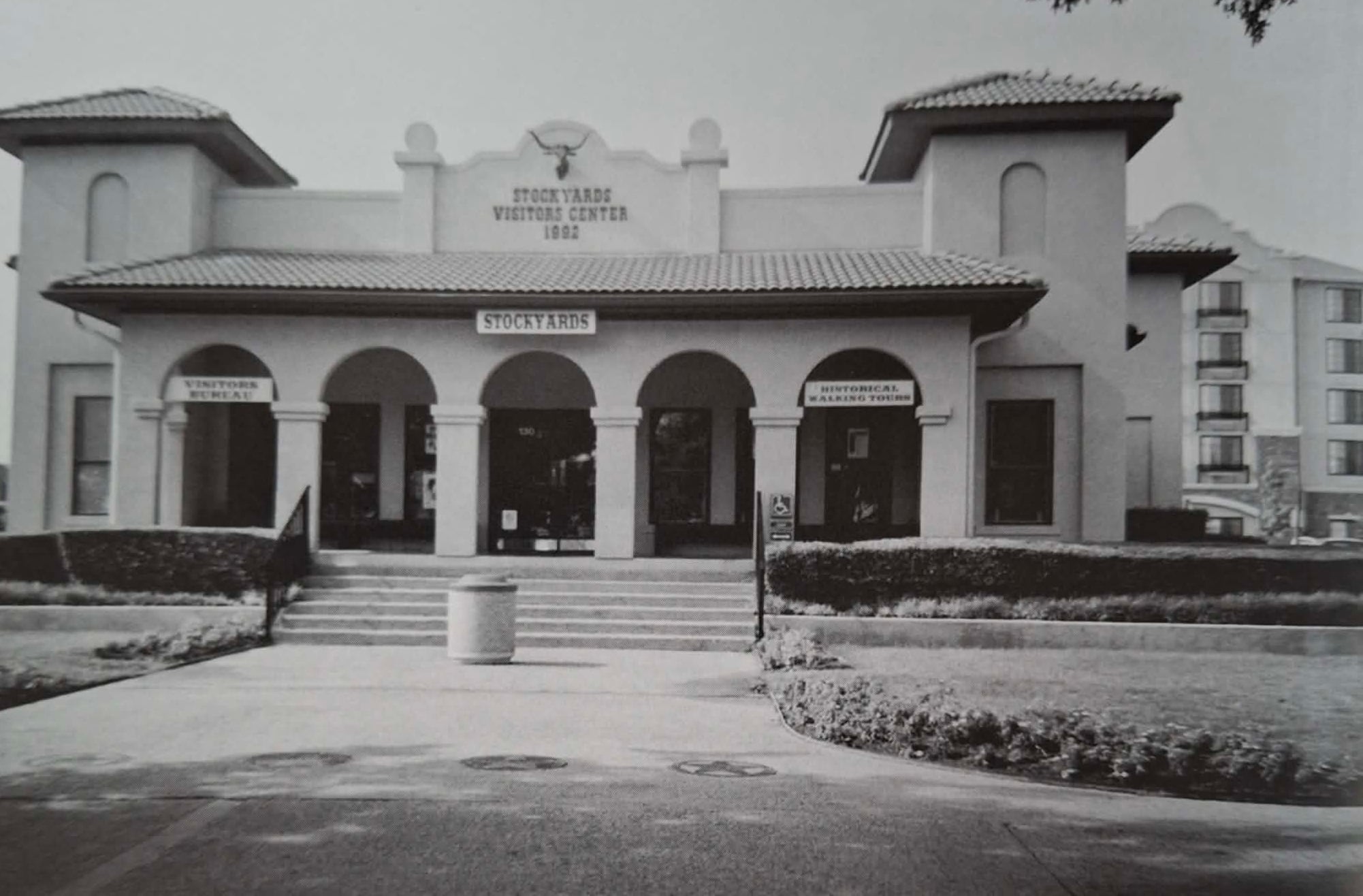
The Fort Worth Convention and Visitors Bureau has one office in downtown Fort Worth and two in busy tourist areas: one at the Will Rogers Center in west Fort Worth, where a livestock show is held annually, and the other at the Fort Worth Stockyards. The city built this building in the same style as the historic Livestock Exchange Building, which opened in 1903.
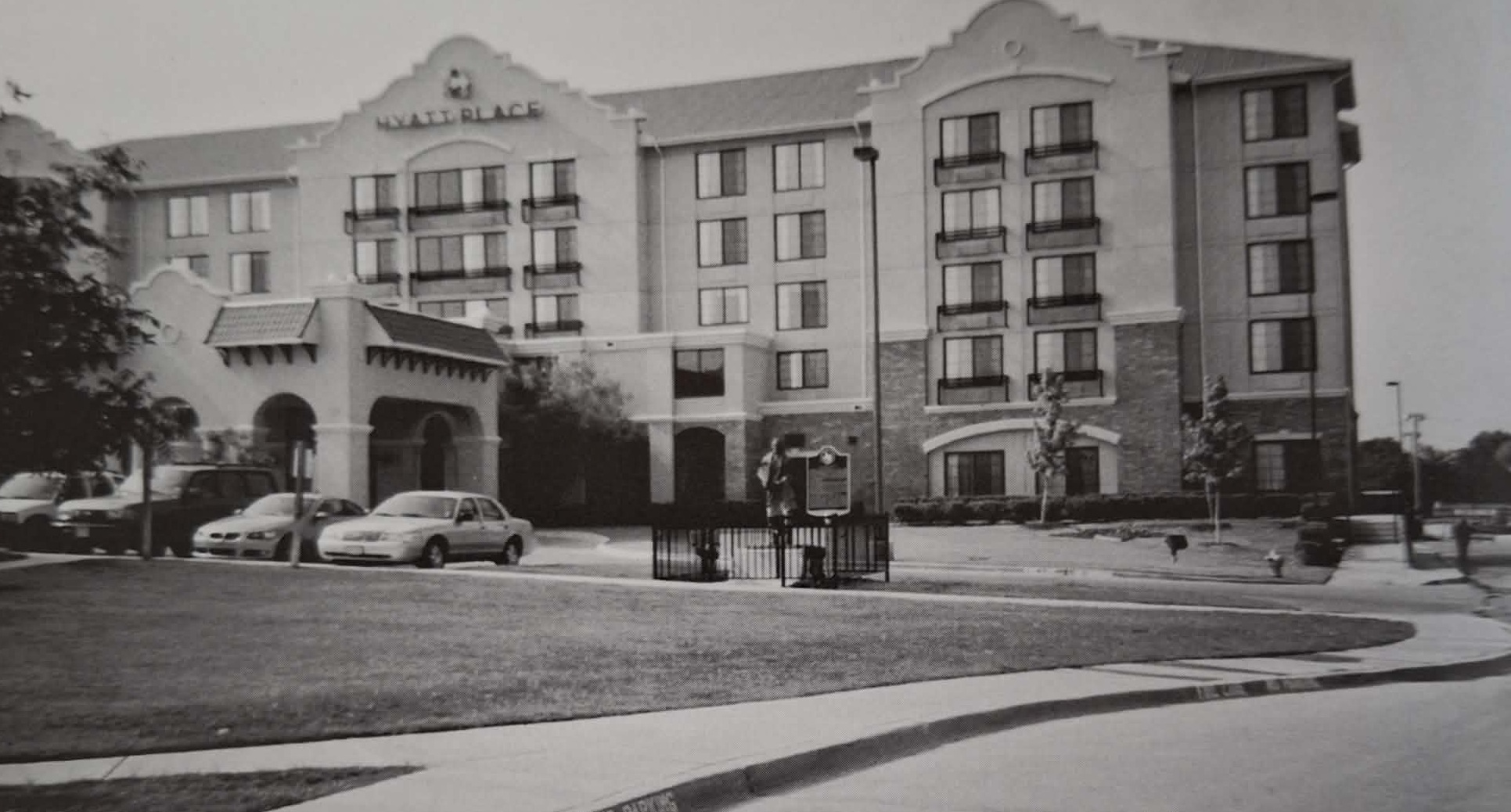
One of the newest additions to the Fort Worth Stockyards National Historic District is the Hyatt hotel, built in a beige stucco style to match the visitor center and the Livestock Exchange Building. The hotel was built at the beginning of the 21st century and is not itself historic, but in front of it stands a bronze statue of Comanche Chief Quanah Parker with a historical marker dedicated by the Tarrant County Historical Commission in 2008.
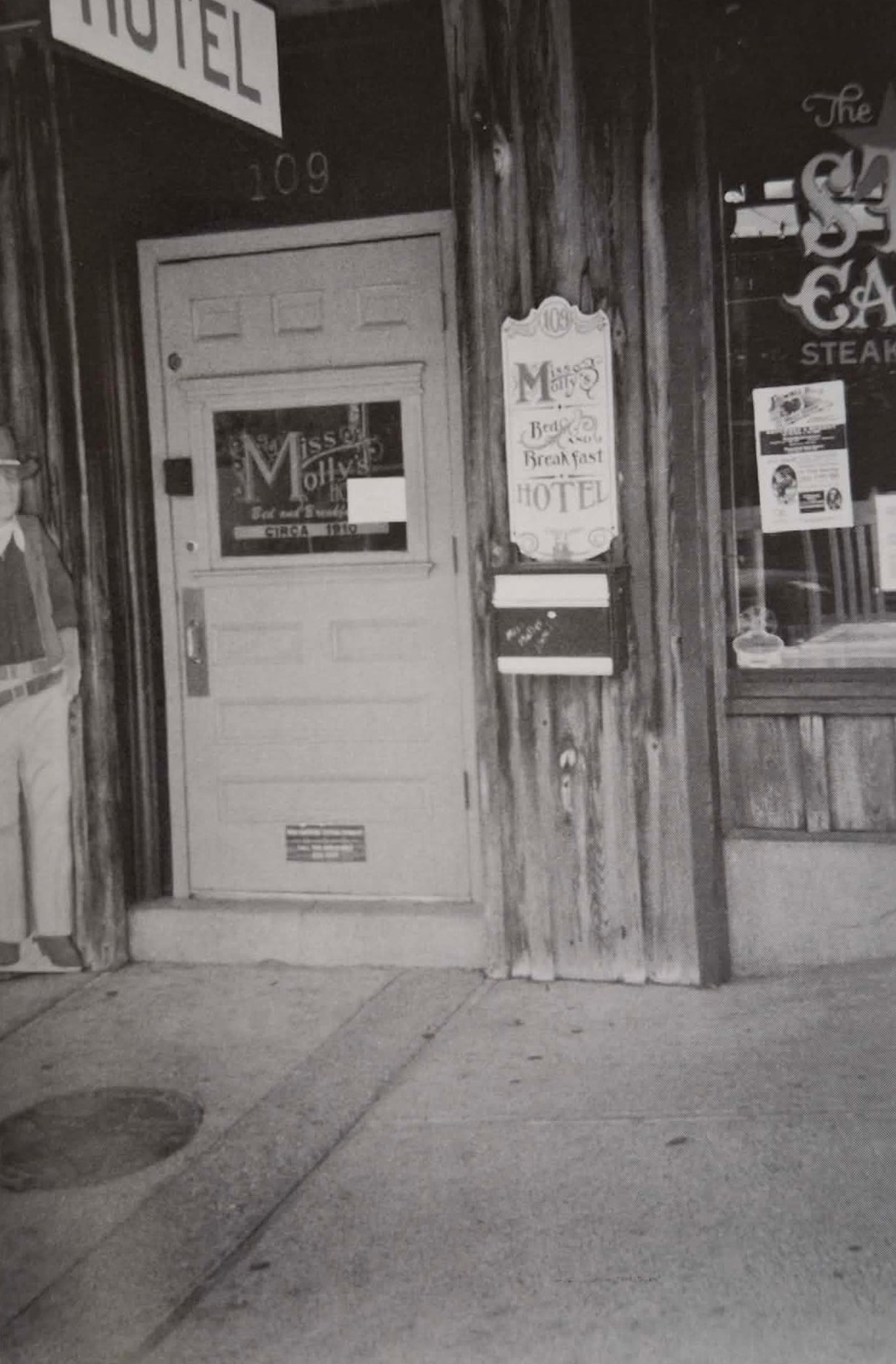
This sign marks Miss Molly's Bed and Breakfast on West Exchange Avenue at the Fort Worth Stockyards. Miss Molly's began in 1910 on West Exchange Avenue as a brothel, with Miss Molly as the madam. Today, it is a popular bed and breakfast located just two blocks up the street, within walking distance of everything at the Stockyards. In this photograph, a life-size wooden figure of John Wayne stands by the door of Molly's. Miss Molly's is proof that wild and rowdy things truly happened here during the early days of the Stockyards.