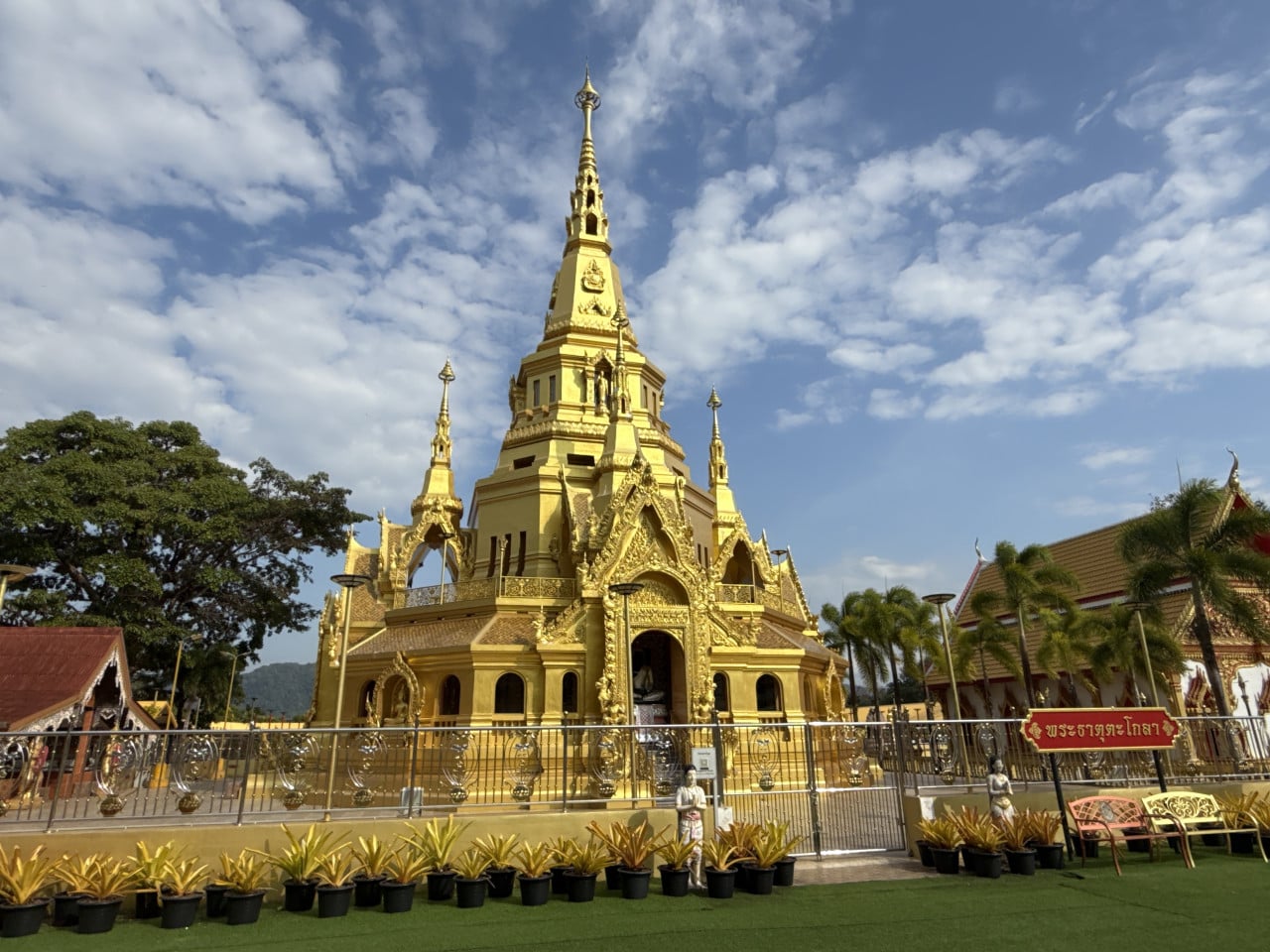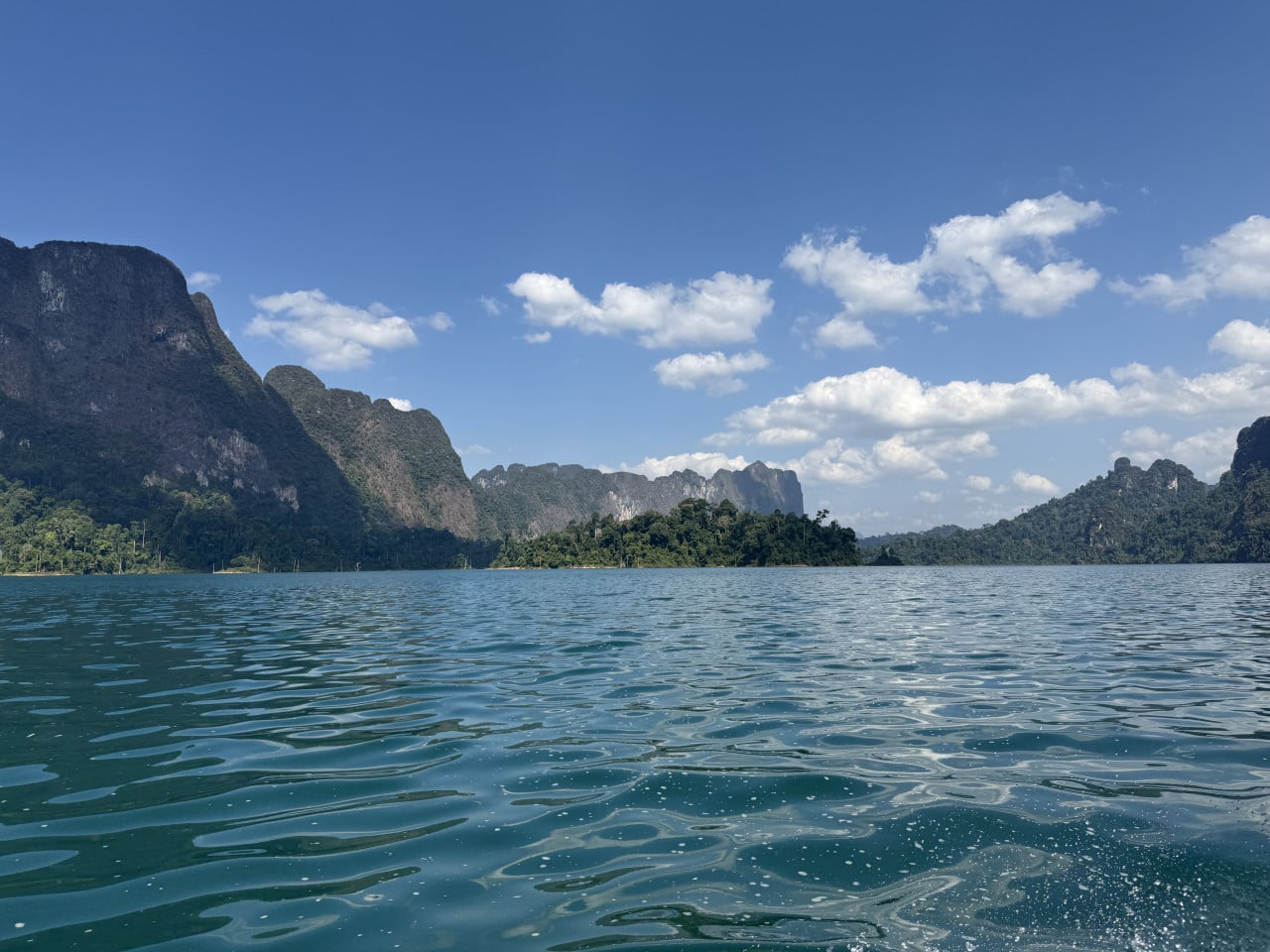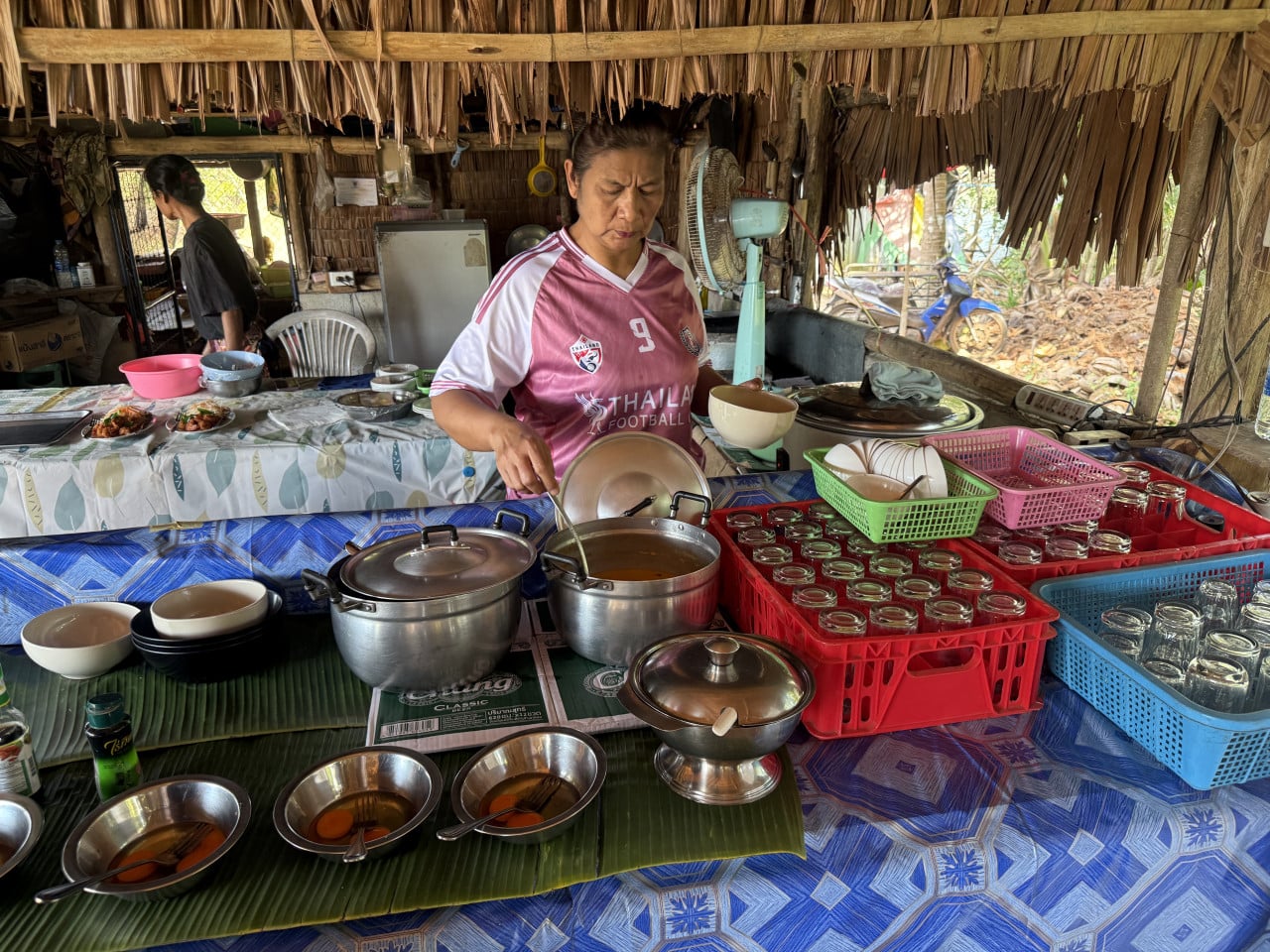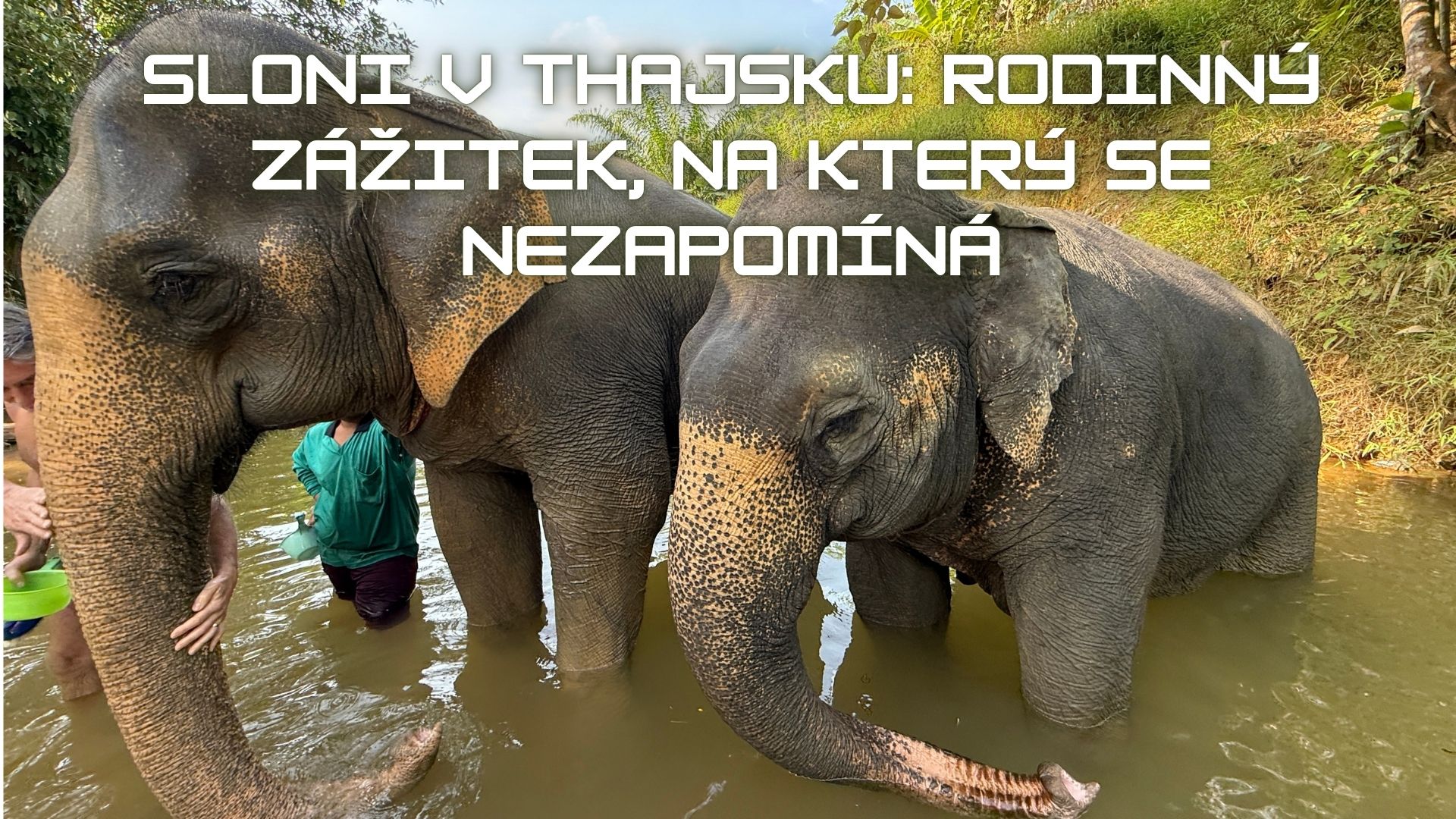
One of the main attractions of our holiday in Thailand was a visit to an elephant farm.
The children received this trip as a Christmas present—with the promise that they would not only swim in the sea, but would also be able to pet the elephants, play with them, and even bathe with them. And honestly, it was at least as powerful an experience for us adults.
Whenever I travel, I always research possible trips and activities in the area in advance. I usually use the GetYourGuide app, where you can easily choose and pay for trips, and they will usually pick you up directly from your hotel as well.
That is where I came across elephant farm tours in the Khao Lak / Khao Sok area. At the same time, I was advised that it was important to look for ethical farms.
Ethics and welfare: why elephants are no longer ridden
Fortunately, it is now widely known that riding elephants harms them—their spines are not built for it. It is equally important to pay attention to how people treat the elephants, the conditions they live in, and how they work with them.
I absolutely do not condone animal cruelty, so we wanted to choose a place where the elephants were treated with respect.
Looking back now and researching where the trip took us, I can see that the farm does not have the best reviews. But when we bought the trip, we did not know exactly where we were going—it was simply advertised as a “visit to an elephant farm.”
This is where we eventually went.
There was also one more coincidence.
Why we eventually went with Čedok
My mother owns a travel agency and had been in Khao Lak about two weeks before us. While there, she met a Čedok guide named David, whom she could not praise highly enough—and neither could we.
In addition, some of her clients had visited an elephant farm with Čedok and had an excellent experience.
The trip was also a full-day excursion and, in addition to the elephants, included:
-
beautiful waterfalls
-
local hot springs
-
and lunch with the locals, which we cooked ourselves
In the end, we decided to go with Čedok—and looking back, we do not regret it.
🐘 Elephants and Thailand: history, symbolism, and royal tradition (TASK)
Before I get to the day at the farm itself, it is worth mentioning just how important elephants are to the Thai people.
The elephant as a national symbol
In Thailand, the elephant is a symbol of:
-
strength
-
wisdom
-
good fortune
-
longevity
-
and protection
For centuries, the elephant was considered a protector of the land and an important helper to people.
Royal and white elephants
Every Thai monarch had—and symbolically still has—their own elephant.
So-called white elephants hold an exceptionally important position and are considered:
-
sacred
-
a symbol of royal power
-
a sign of the country's prosperity
The number of white elephants owned by a king was once considered a measure of his power and legitimacy. Elephants were therefore not merely animals, but part of the national identity.
Elephants in warfare, work, and religion
-
In ancient times, elephants were used in wars, serving as the “tanks of their time.”
-
For centuries, they helped with forestry, transporting timber, and agriculture.
-
In Buddhism, the elephant has strong spiritual significance—a white elephant appeared in the Buddha's mother's dream and foretold his birth.
A morning full of anticipation (and an upset stomach)
At 7 a.m., a minibus picked us up directly from the hotel. We had our own guide, who accompanied us throughout the day.
A small group of French tourists traveled with us, but everyone had their own guide, so we only saw each other during transfers.
The day before, we had visited Bang Niang Market, where I tasted just about everything imaginable…
The result? I did not feel particularly well all night.
The approximately 40-minute drive to the farm was more of an ordeal for me, with my stomach churning. Fortunately, it improved during the morning—and ultimately did not spoil the experience.
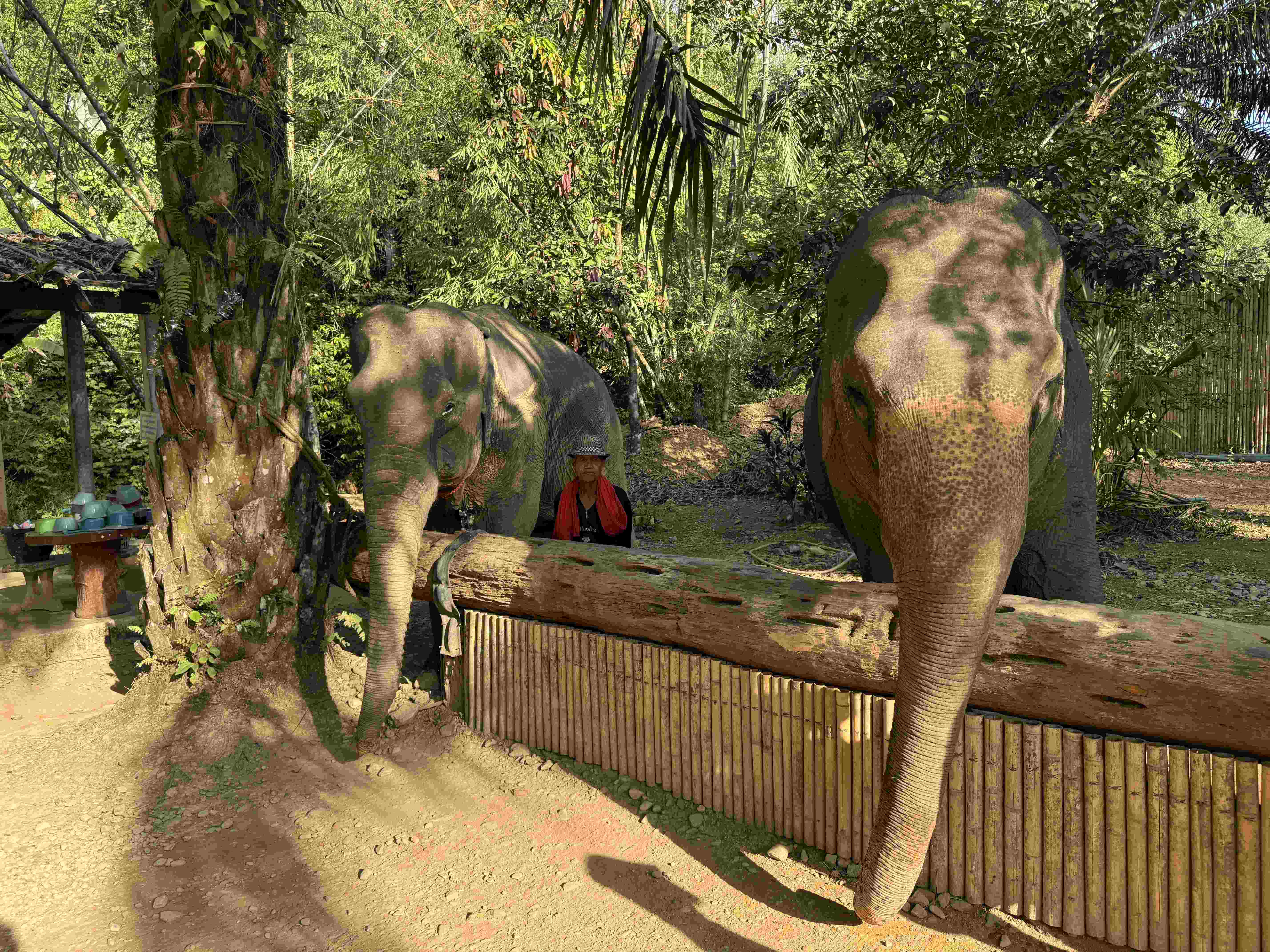
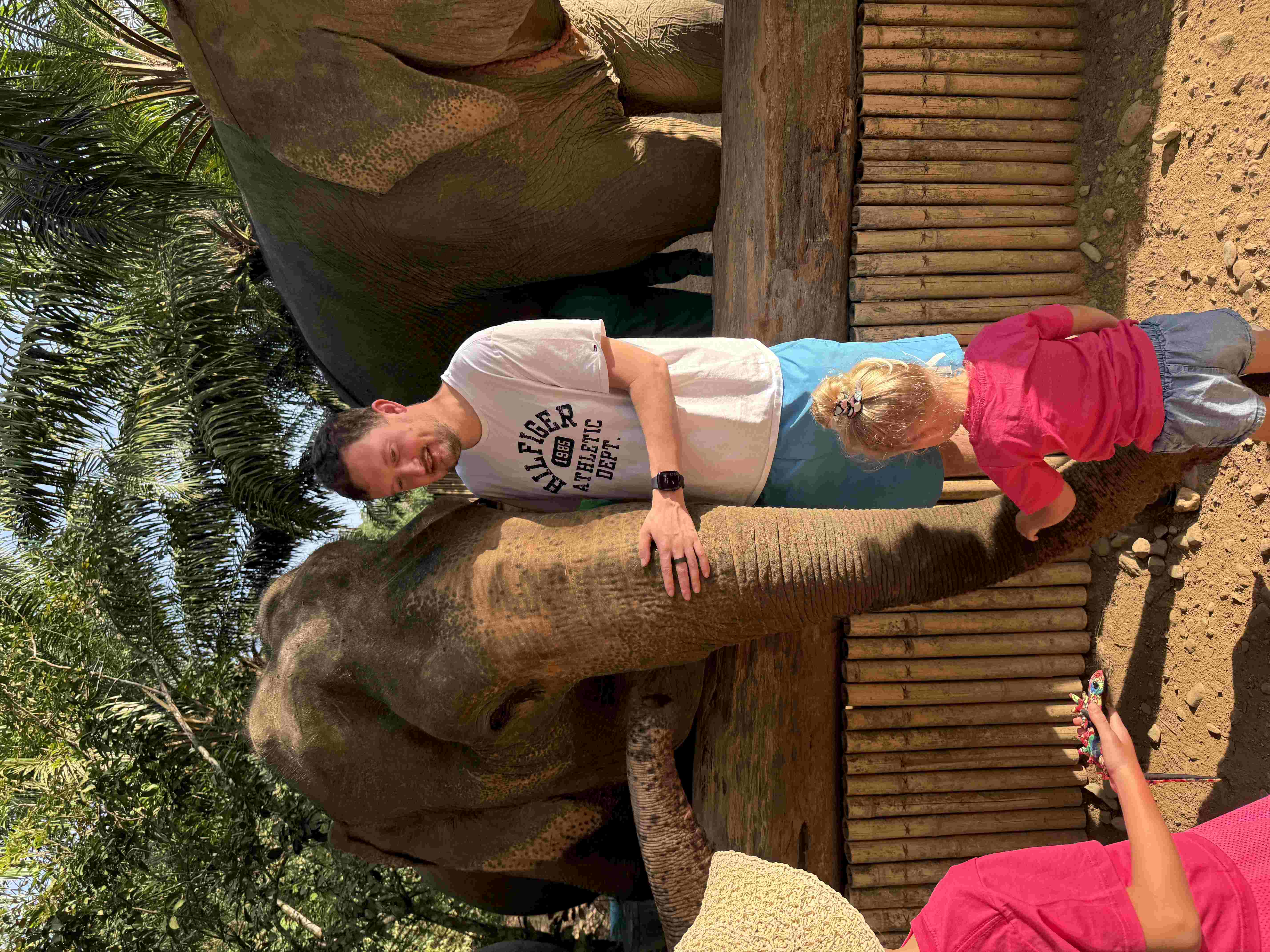
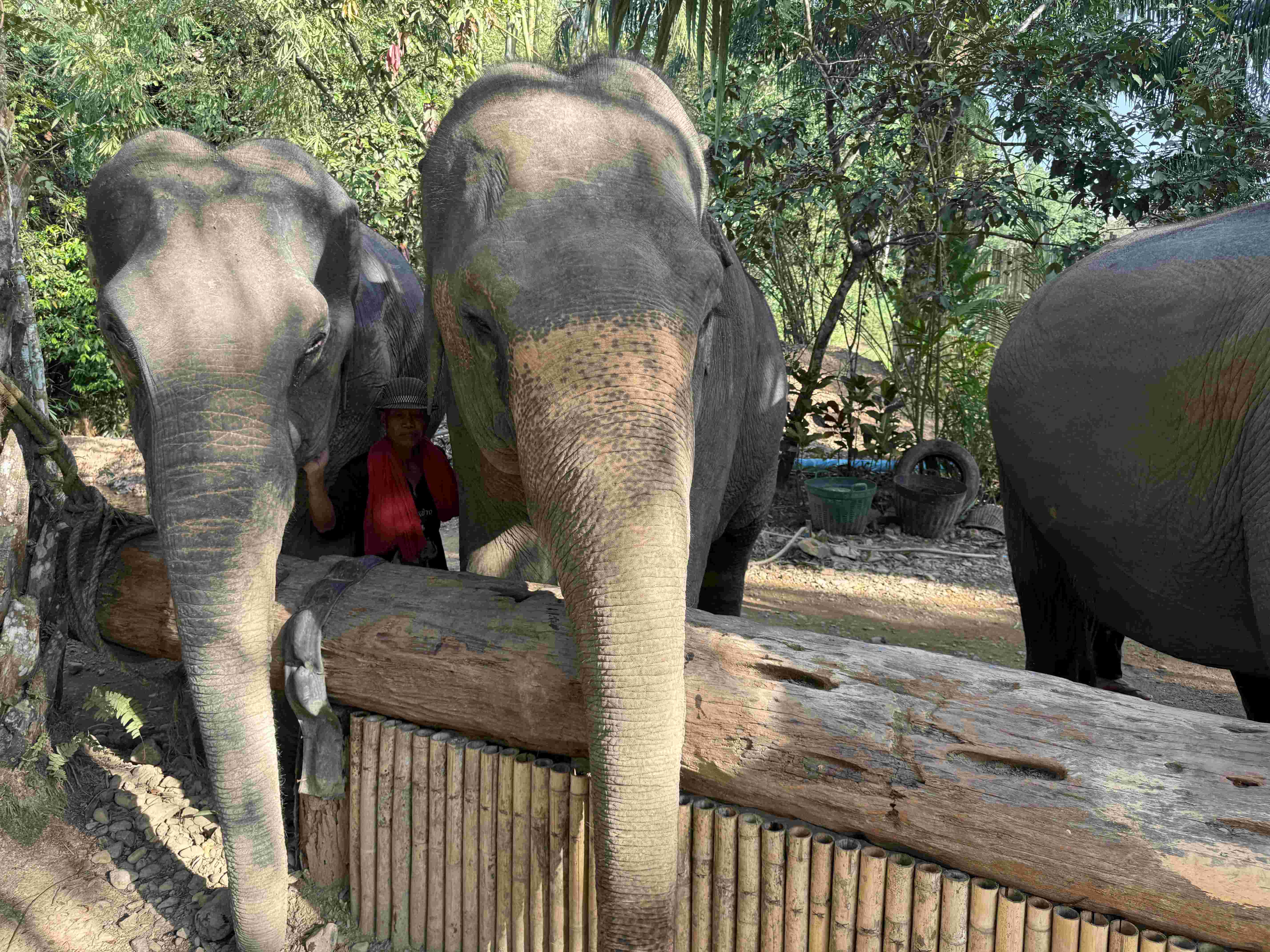
Meeting the elephants face to face
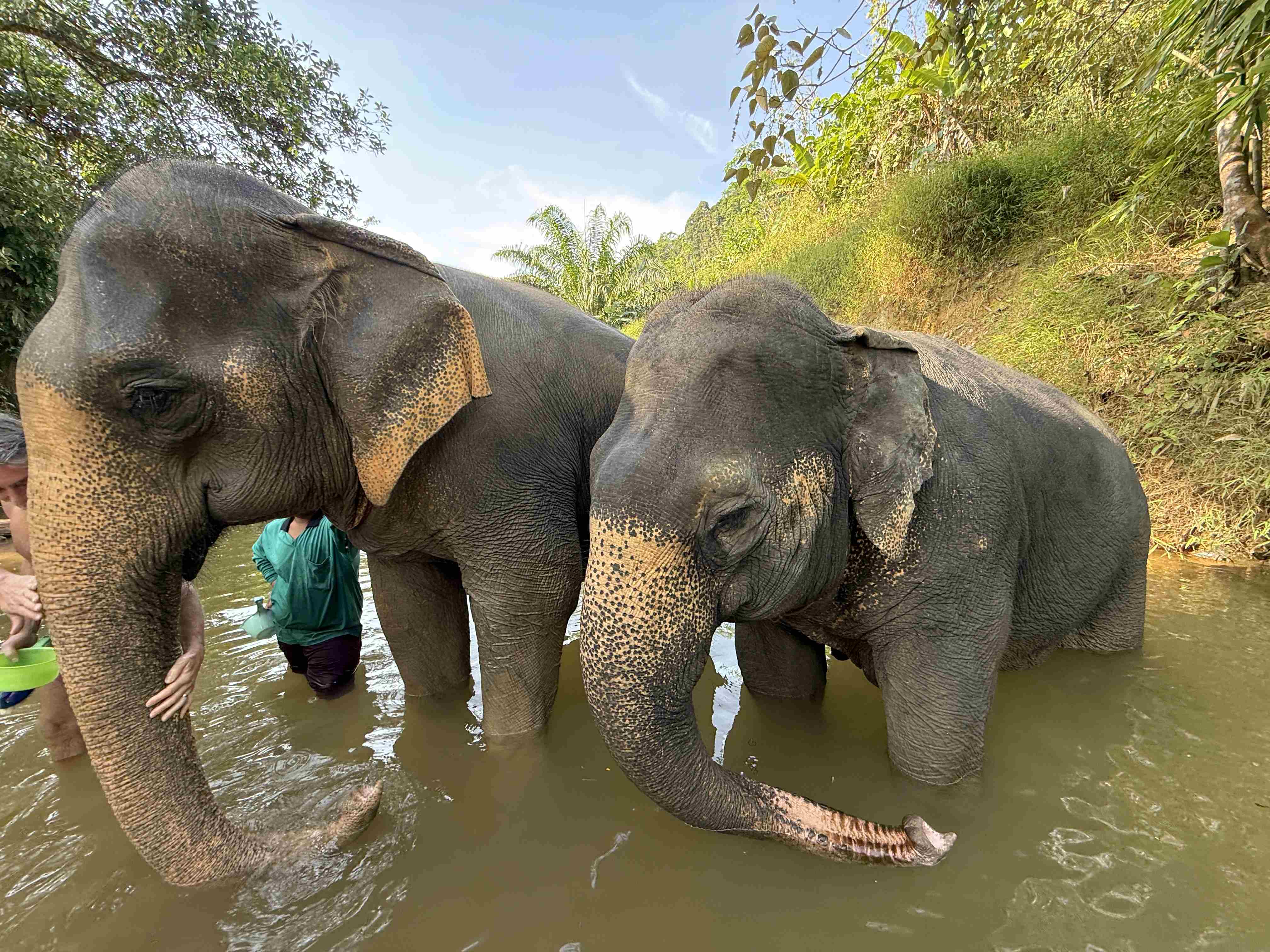
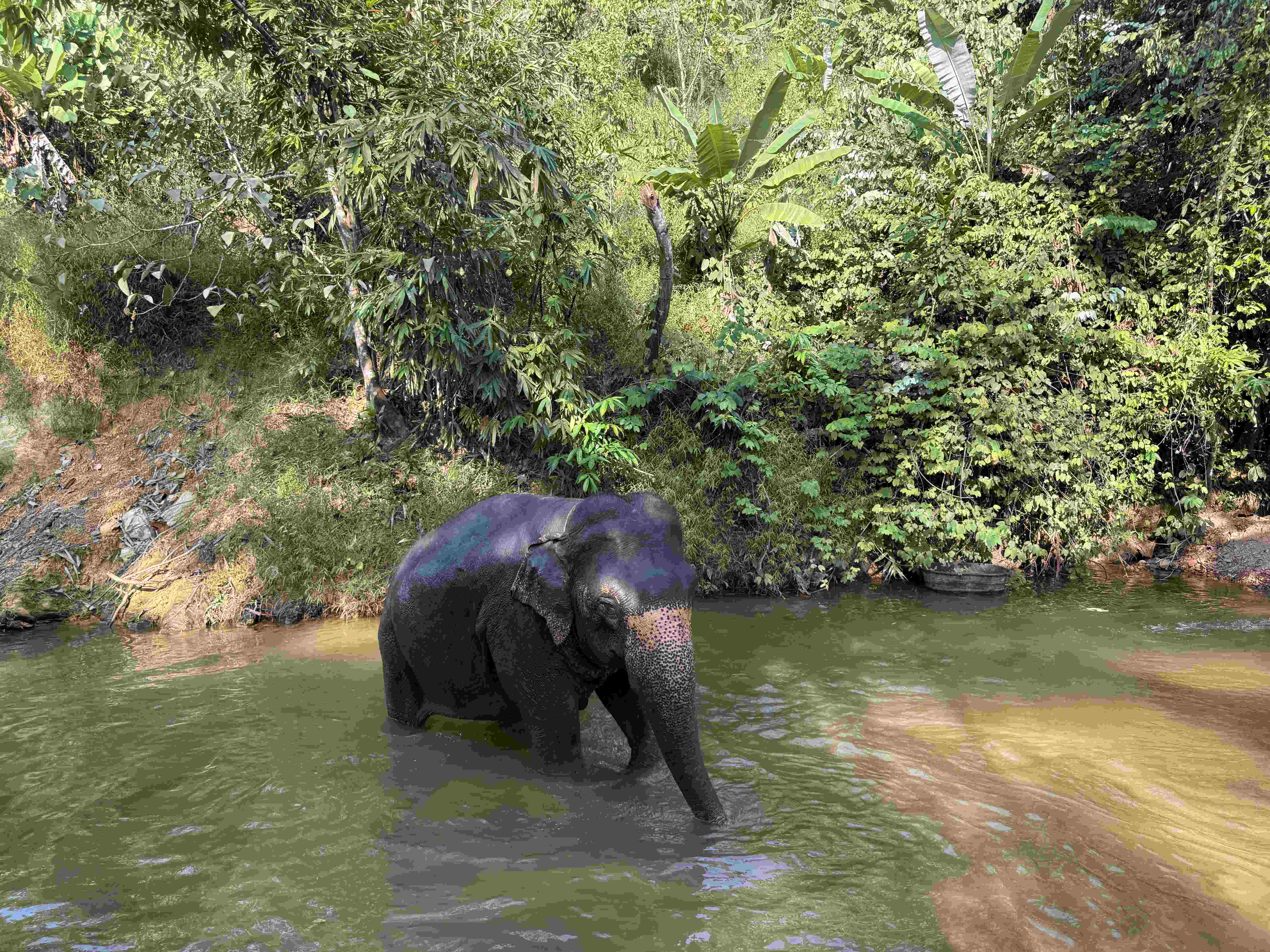
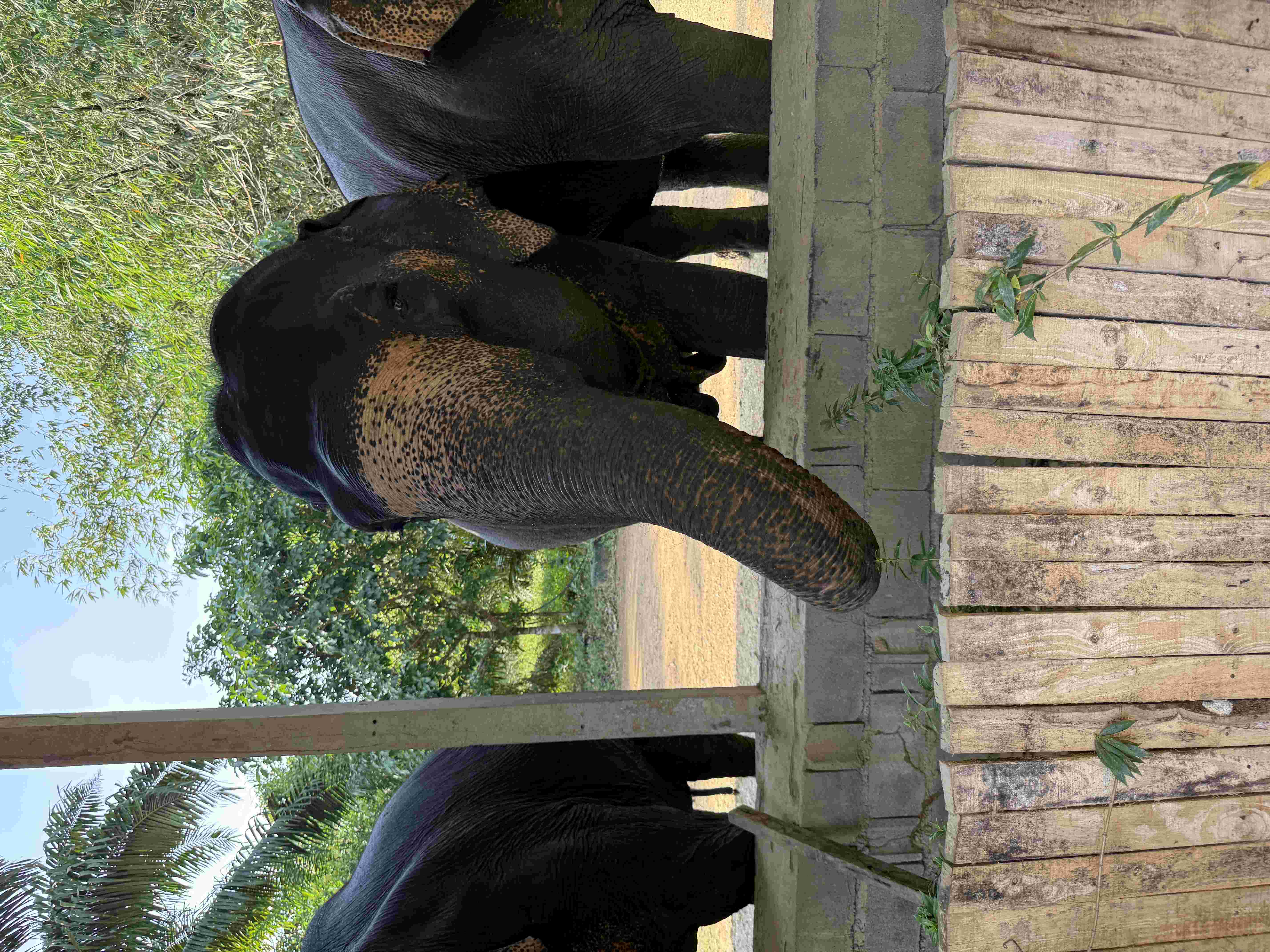
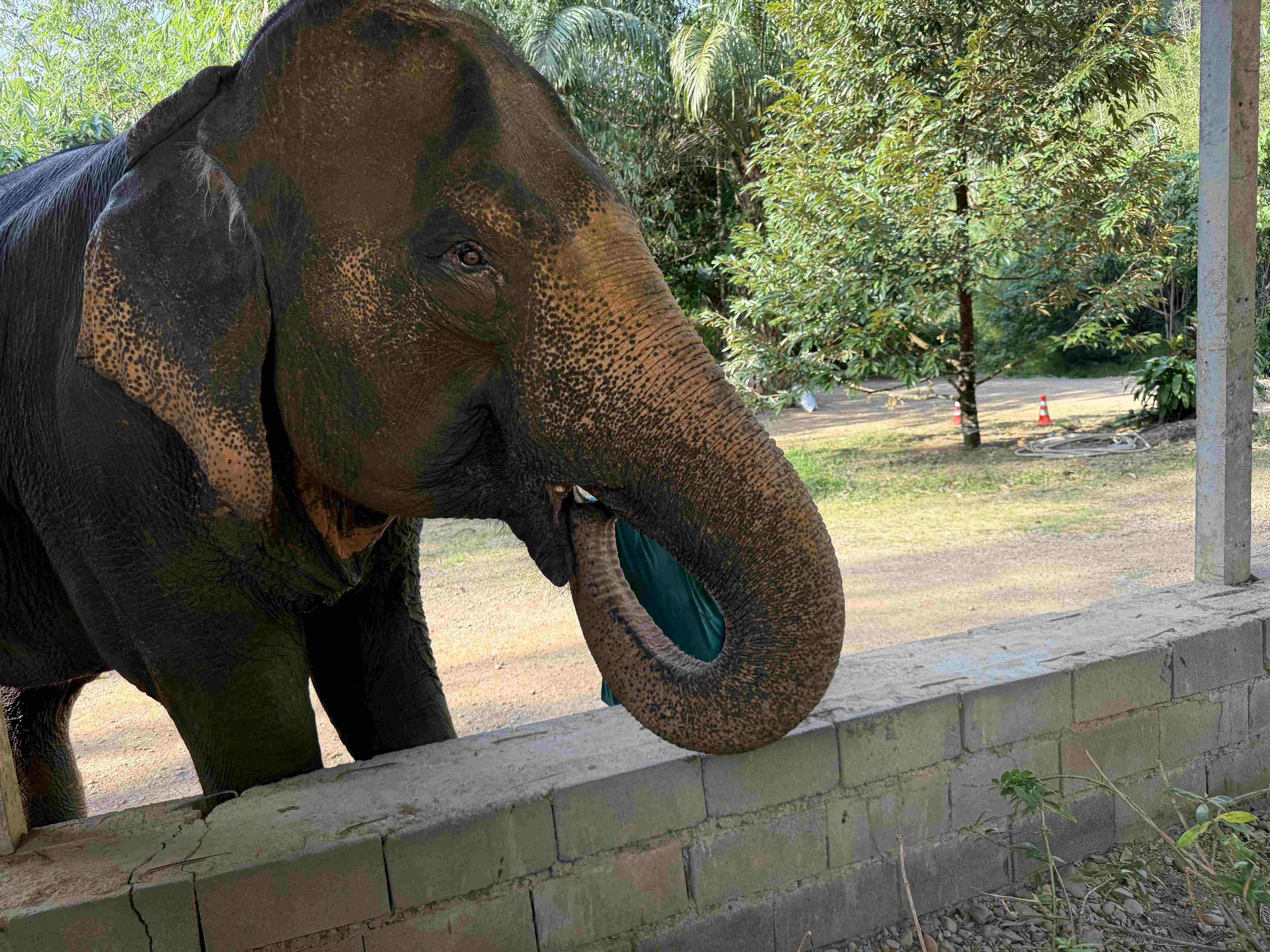
When we arrived, several beautiful elephants were waiting for us.
Honestly, I did not see a single sign of abuse. The elephants were calm, responded to whistles, and were clearly accustomed to people.
It is important to realize that you do not want to encounter a wild elephant in nature.
In national parks, tourist areas are even temporarily closed if wild elephants appear there.
We were lucky and saw wild elephants on another trip.
Bathing with elephants: an experience for children and adults
First, we:
-
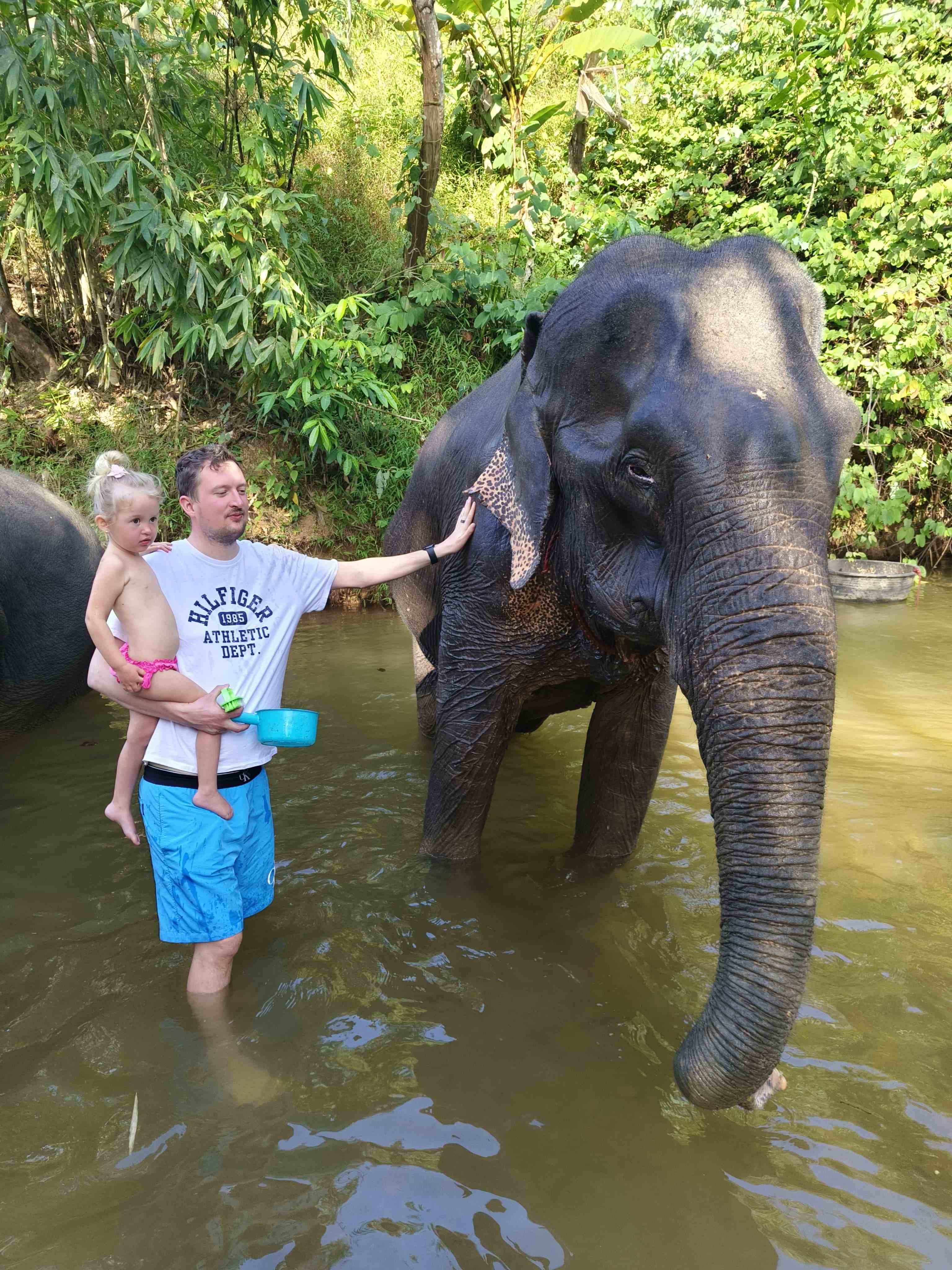
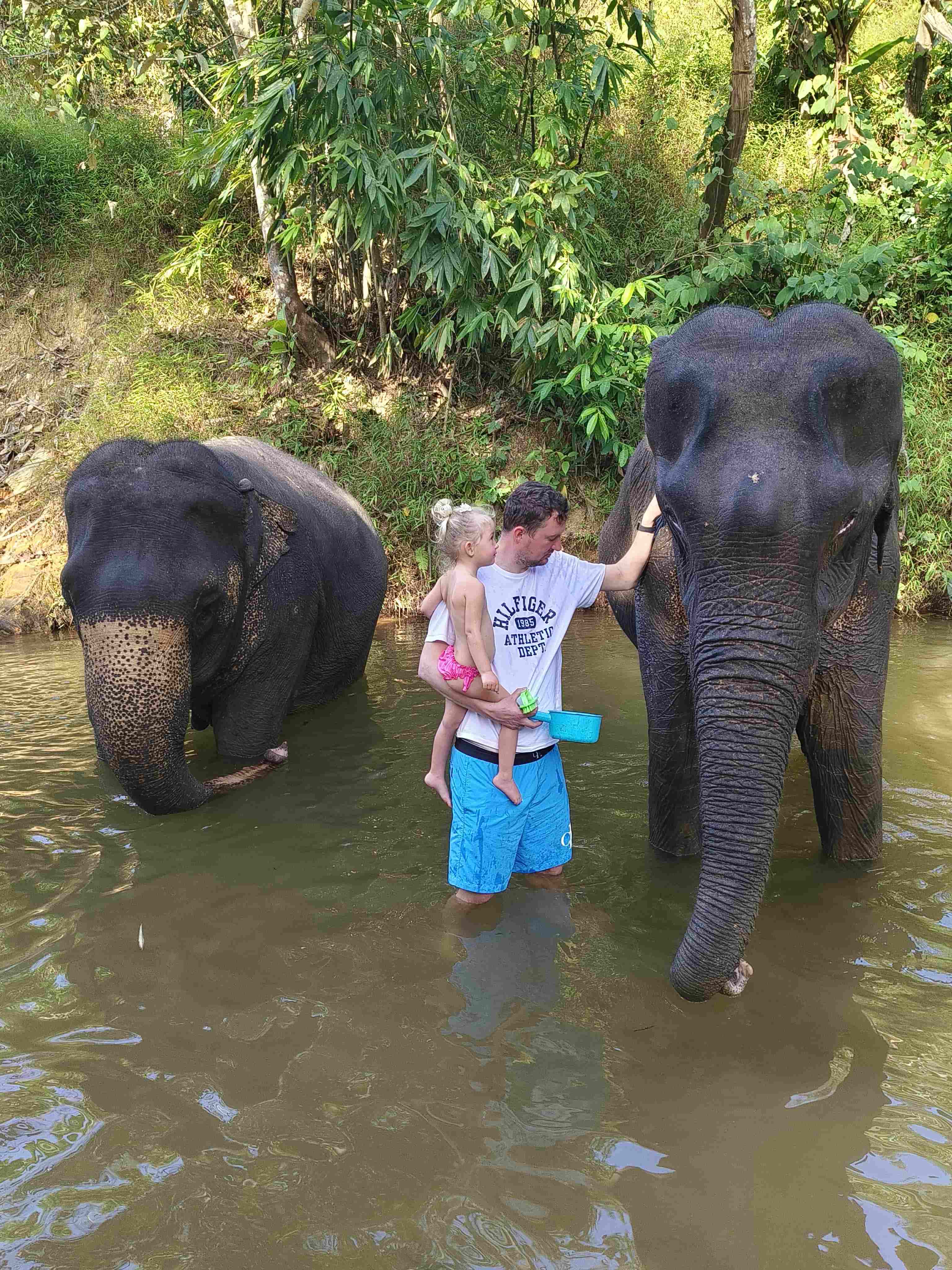
petted the elephants
-
took photos with them
-
got acquainted with them
Then it was time to get into the water.
The handlers led the elephants into the river and then let us:
-
brush them
-
pour water over them
-
play with them
The children absolutely loved it—and honestly, so did we.
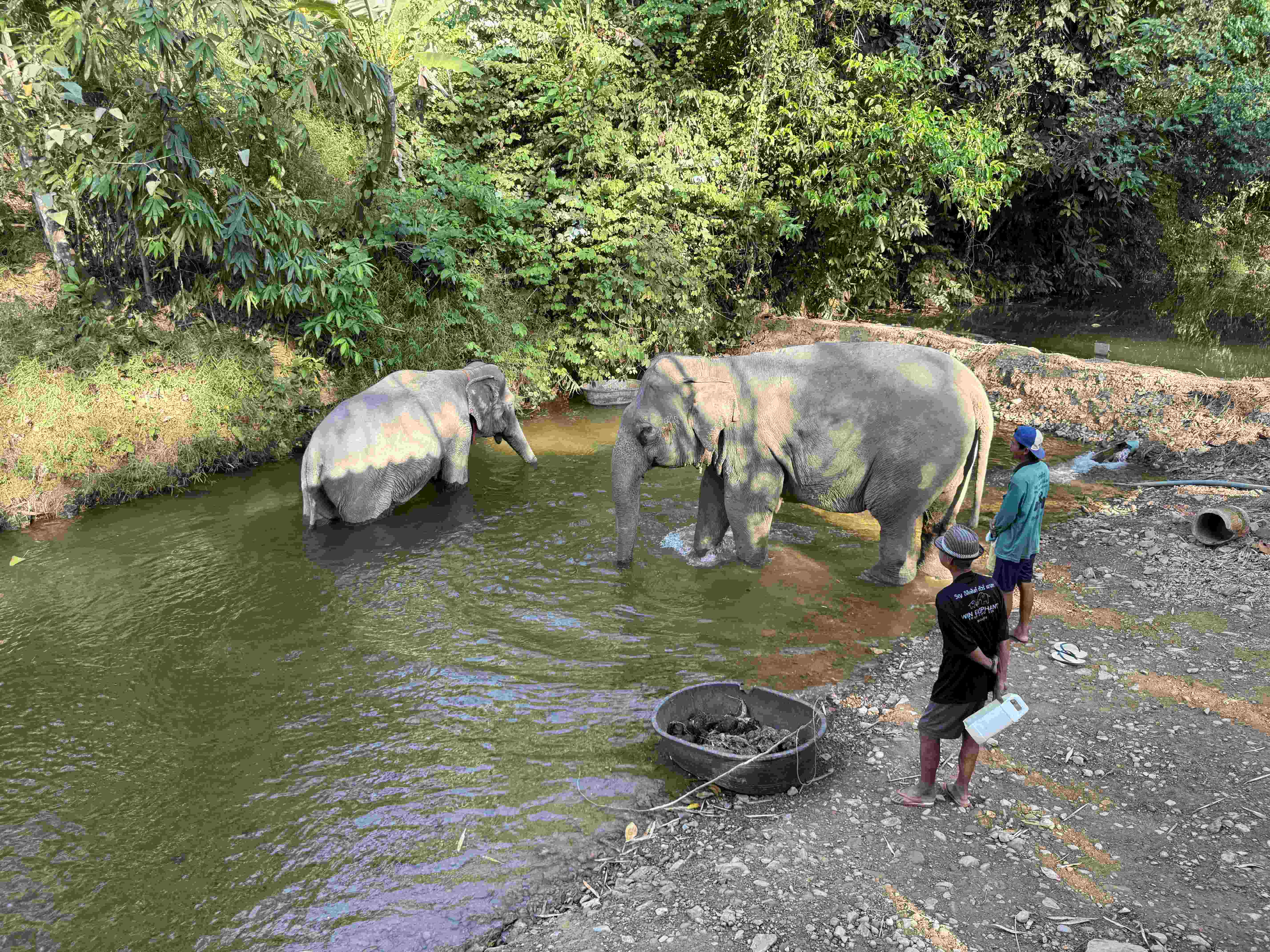
Feeding and a surprising figure
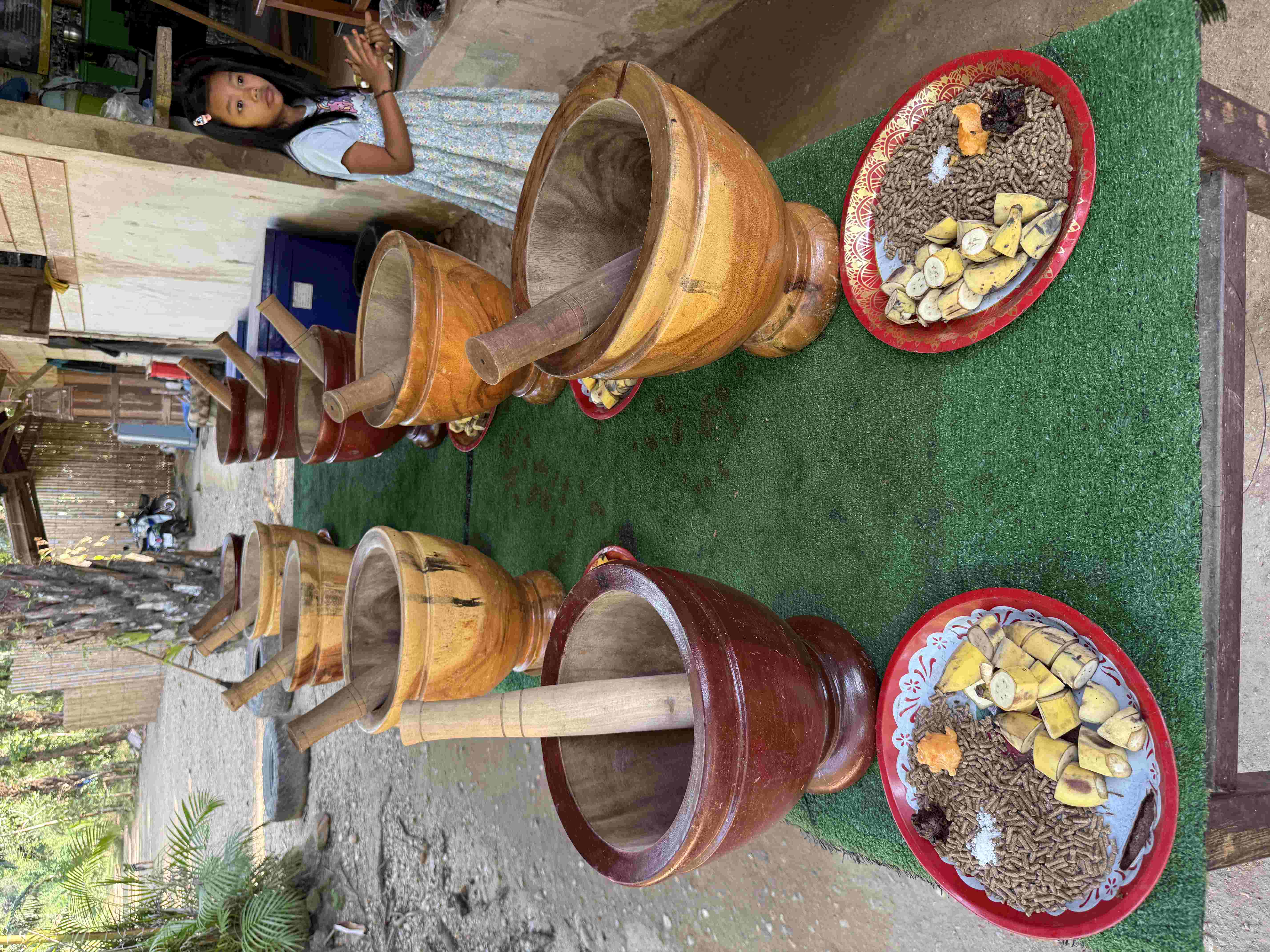
After bathing, we moved to the area where the elephants were fed.
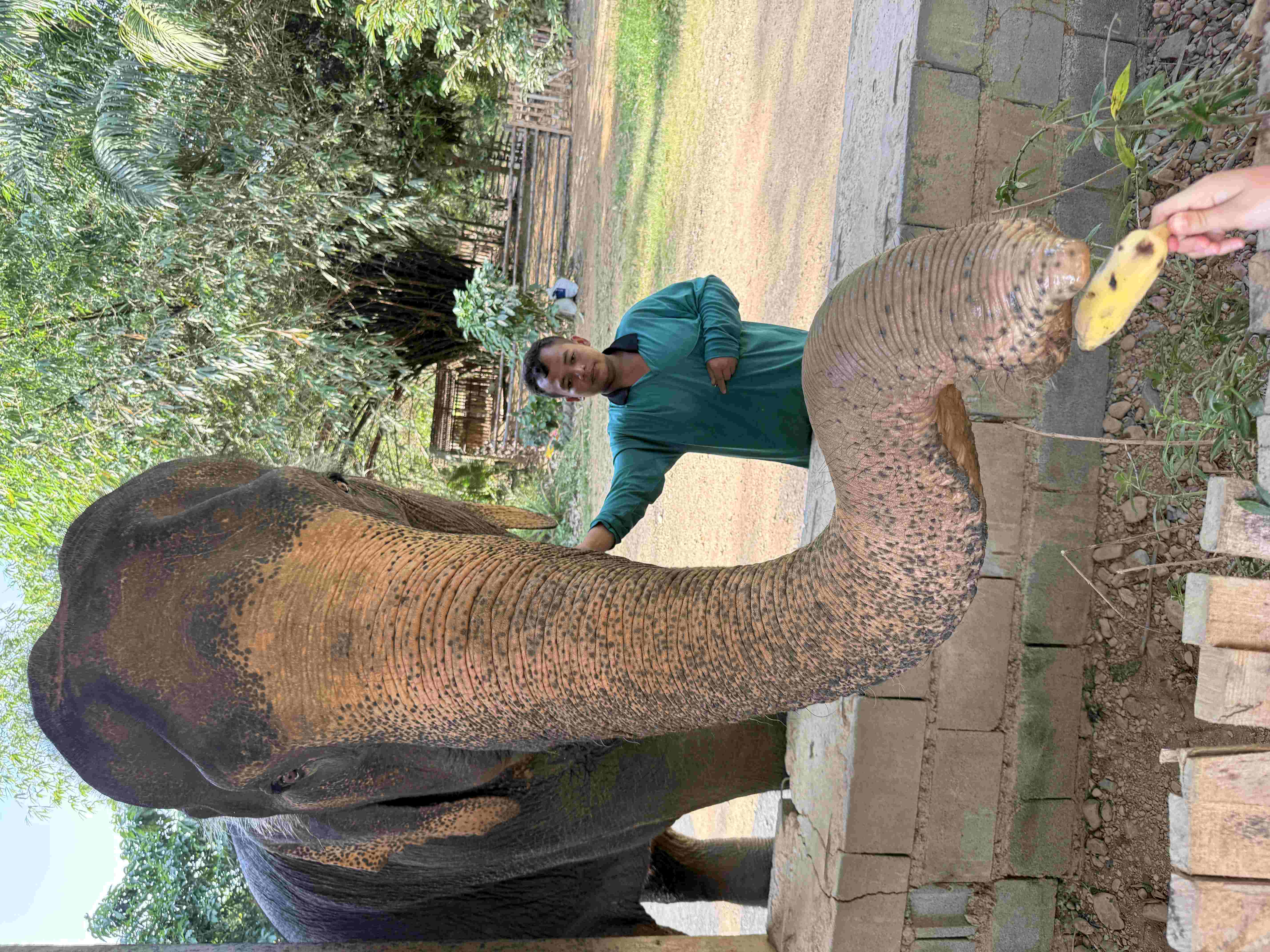
We were able to prepare the food ourselves and feed the elephants up close.
We thought a few baskets of bananas would be enough for them…
But then we heard a figure that stunned us:
👉 One elephant eats approximately 200 kg of food every day.
That really makes you appreciate the work of the people who care for them.
End of the trip and recommendations
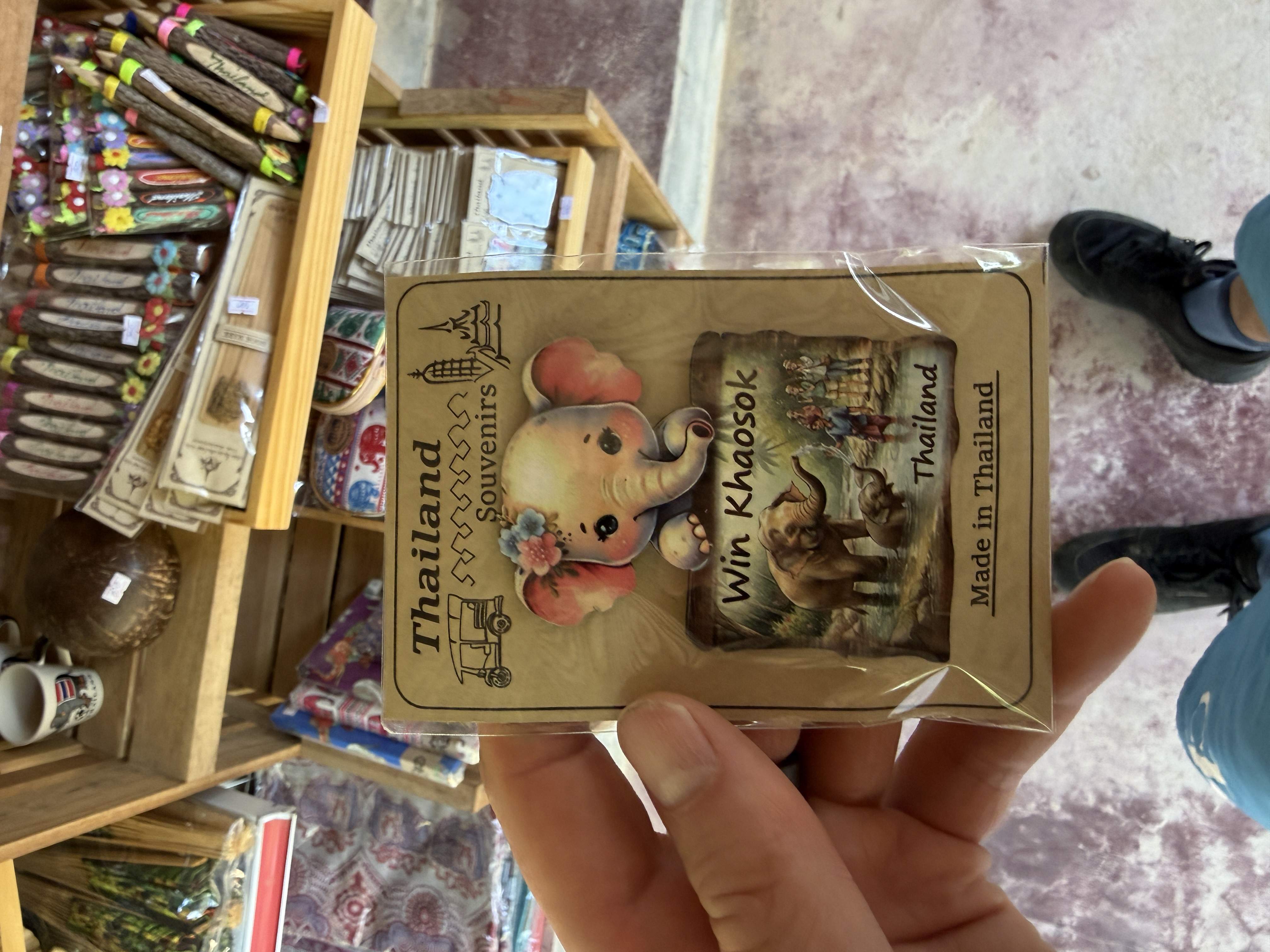
After the feeding, we were given some refreshments, had the opportunity to buy souvenirs, and watched other groups enjoy the same activities with the elephants as we had.
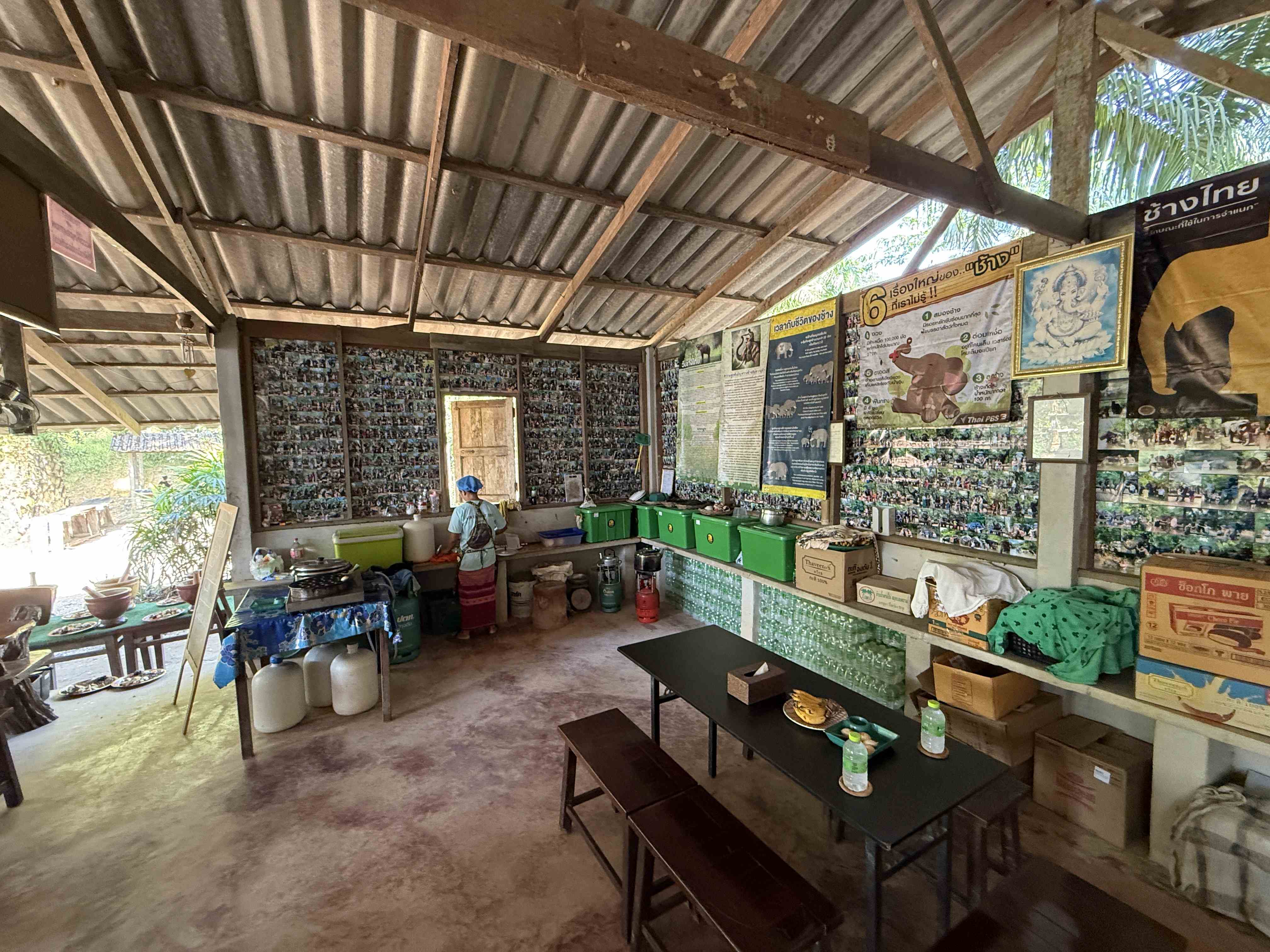
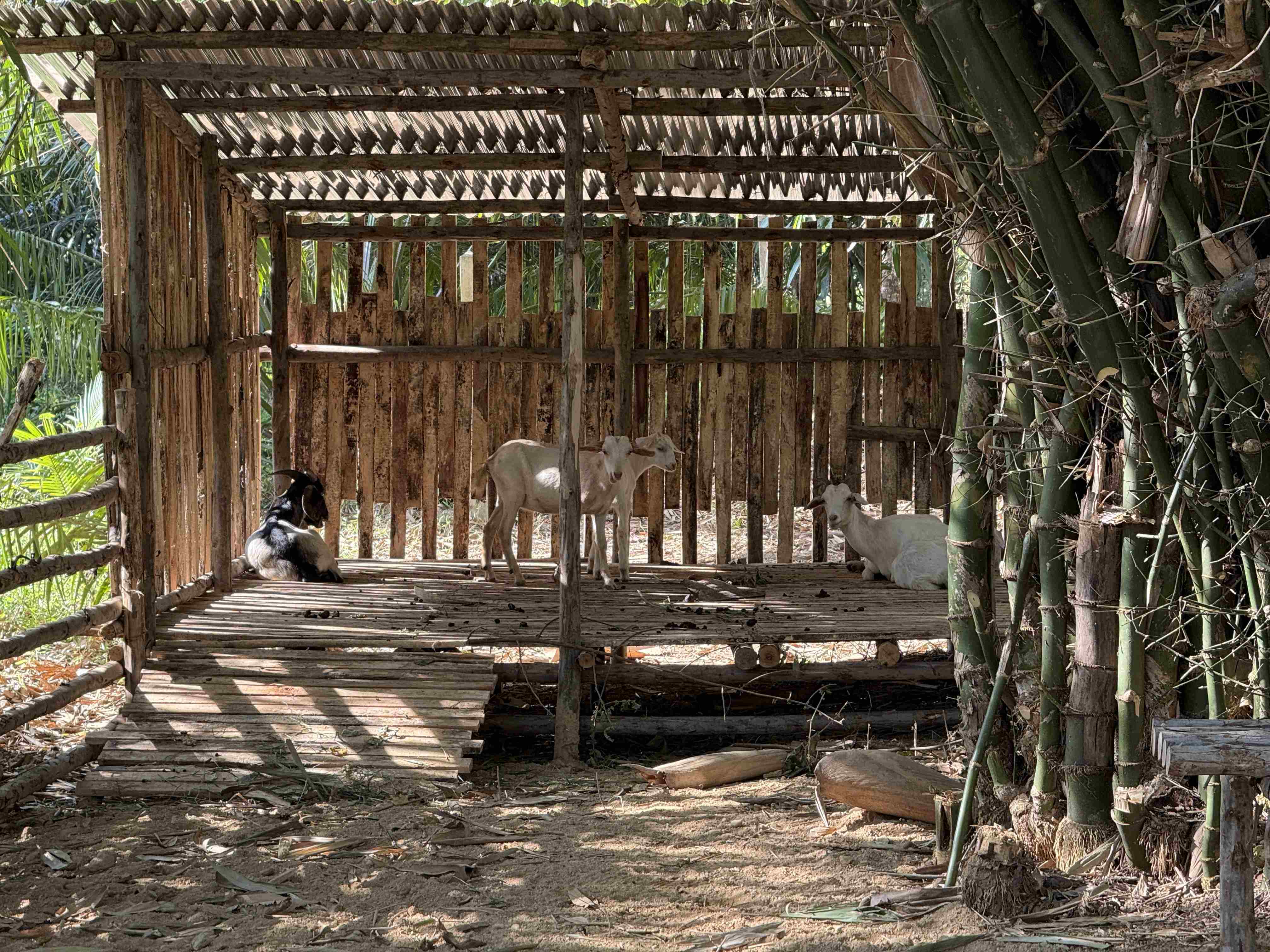
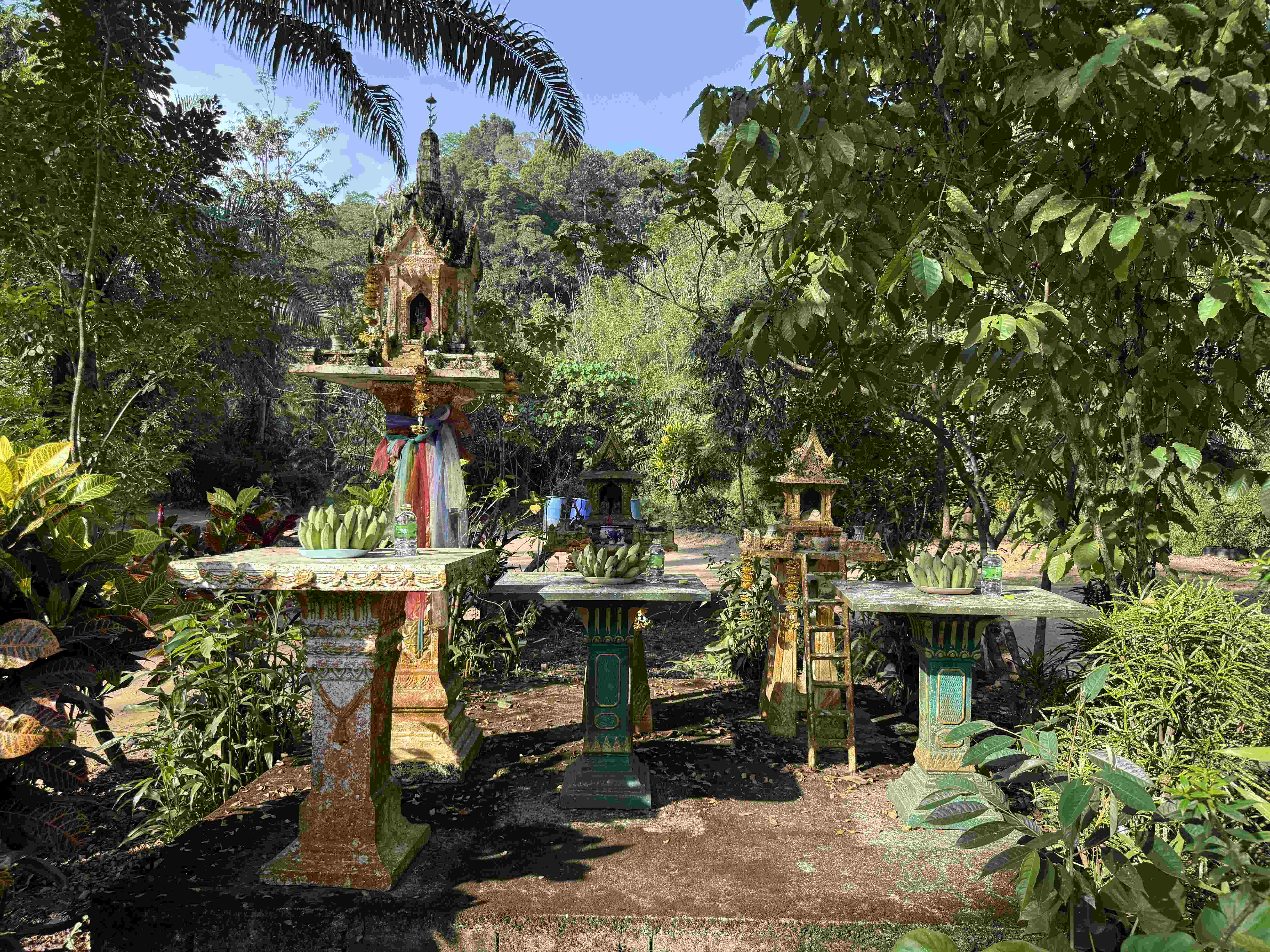
The farm and its surroundings were very beautiful.
Would I recommend the trip?
Definitely.
Elephants are one of the biggest attractions in Thailand (and Sri Lanka, for example).
But choose carefully:
-
read reviews
-
support ethical farms
-
and places where animal welfare truly comes first
If you are going to meet elephants, do so with respect—exactly as these majestic animals deserve.