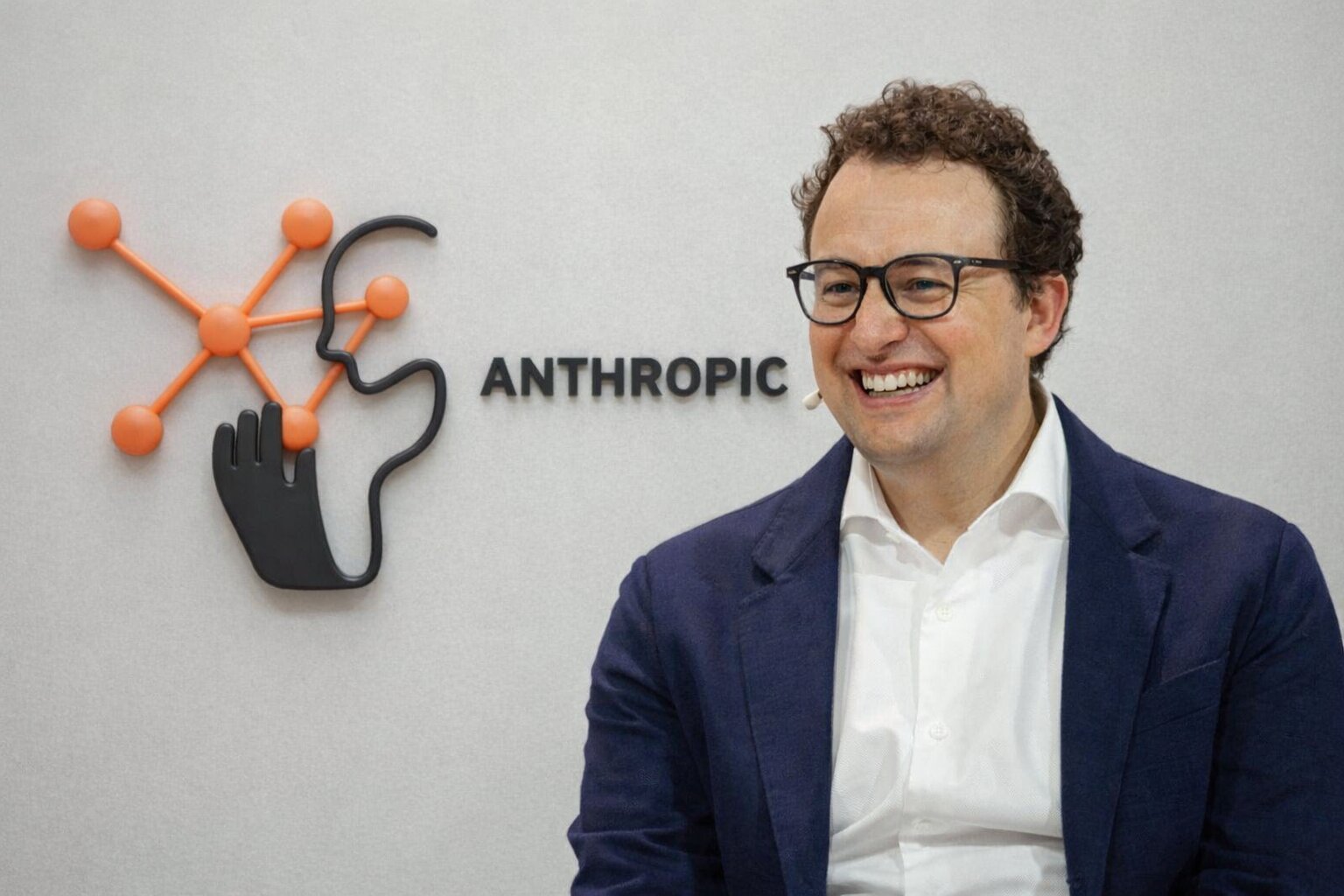
Anthropic, the creator of the Claude chatbot, has announced a major decision: its AI assistant will remain completely ad-free. While advertising drives competitors and makes it possible to offer services such as email or social media for free, Anthropic believes that including ads in conversations with Claude would be incompatible with what Claude is meant to be—a genuinely helpful assistant for work and deep thinking.
Claude users will not see "sponsored" links alongside their conversations, and Claude's responses will not be influenced by advertisers or contain third-party product placements that users did not request. This decision comes at a time when AI chatbots are becoming increasingly popular and some companies are considering monetization through advertising.
Risks of the advertising model
When people use search engines or social media, they expect a mix of organic and sponsored content. Conversations with AI assistants, however, are fundamentally different. The format is open-ended, and users often share context and reveal more than they would in a typical search query.
An analysis of conversations with Claude showed that a significant portion involve sensitive or deeply personal topics—the kinds of conversations you might have with a trusted advisor. Many other uses involve complex software engineering, deep work, or thinking through difficult problems. The appearance of ads in these contexts would feel inappropriate and, in many cases, downright improper.
Being genuinely helpful is one of the core principles of Claude's Constitution—a document that describes the vision for Claude's character and guides how the model is trained. An advertising-based business model would introduce incentives that could work against this principle.
Anthropic provides a specific example: A user mentions that they are having trouble sleeping. An assistant without advertising incentives would explore various potential causes—stress, environment, habits, and so on—based on what might be most beneficial to the user. An ad-supported assistant has an additional consideration: whether the conversation presents an opportunity for a transaction.
Even ads that do not directly influence the AI model's responses and instead appear separately in the chat window would disrupt what Claude is meant to be: a clean space for thinking and working. Such ads would also introduce an incentive to optimize engagement—the amount of time people spend using Claude and how often they return. These metrics are not necessarily aligned with being genuinely helpful.
An ad-free business model
Anthropic focuses on businesses, developers, and helping its users thrive. Its business model is straightforward: it generates revenue through enterprise contracts and paid subscriptions, then reinvests that revenue in improving Claude for its users.
Expanding access to Claude is central to its public-benefit mission, and the company wants to do so without selling its users' attention or data to advertisers. To that end, it has brought AI tools and training to educators in more than 60 countries, launched national AI education pilot programs with several governments, and made Claude available to nonprofit organizations at a significant discount.
The company continues to invest in its smaller models so that its free offering remains at the cutting edge of intelligence, and it may consider lower-cost subscription tiers and regional pricing where there is clear demand.
How people use Claude
Anthropic's research revealed interesting findings about how people use Claude for emotional support. Only 2.9% of interactions with Claude are affective conversations—that is, conversations motivated by emotional or psychological needs, such as seeking interpersonal advice, coaching, psychotherapy, companionship, or romantic role-playing. People come to Claude with a surprisingly wide range of concerns—from navigating career transitions and relationships to grappling with loneliness and existential questions. Topics discussed with Claude range from career development and navigating relationships to coping with persistent loneliness and exploring existence, consciousness, and meaning.
The research also showed that Claude rarely refuses user requests in supportive contexts—less than 10% of the time. When refusals do occur, they are typically for safety reasons, such as declining to provide dangerous weight-loss advice or support self-harm. A key finding is that people tend to shift toward slightly more positive emotional expressions during conversations with AI. In coaching, counseling, companionship, and interpersonal advice, human sentiment generally becomes more positive over the course of conversations—suggesting that Claude does not reinforce or amplify negative patterns.
Anthropic cannot claim that these shifts represent lasting emotional benefits—the analysis captures only the language expressed in individual conversations, not emotional states. But the absence of clear negative spirals is reassuring.