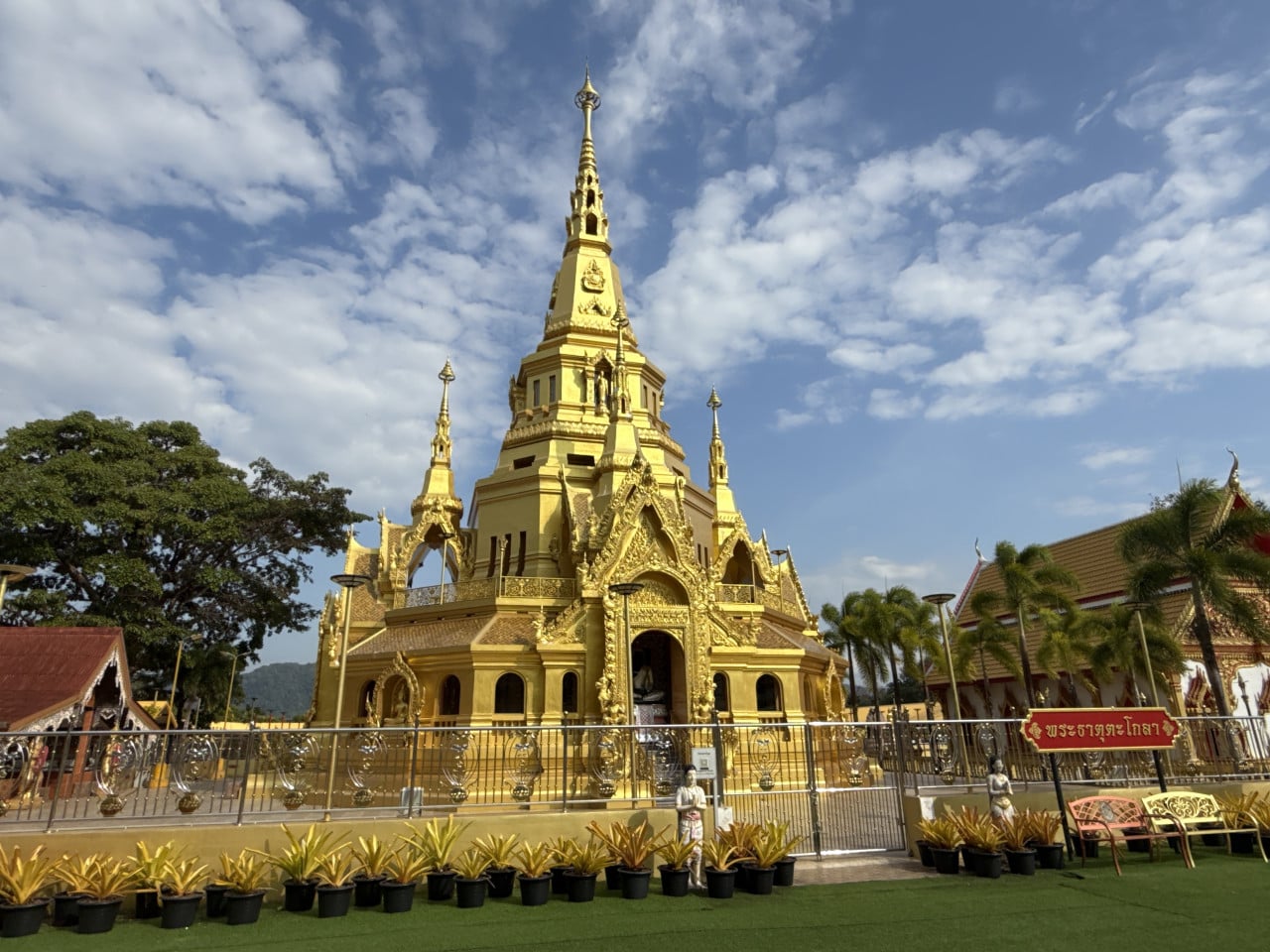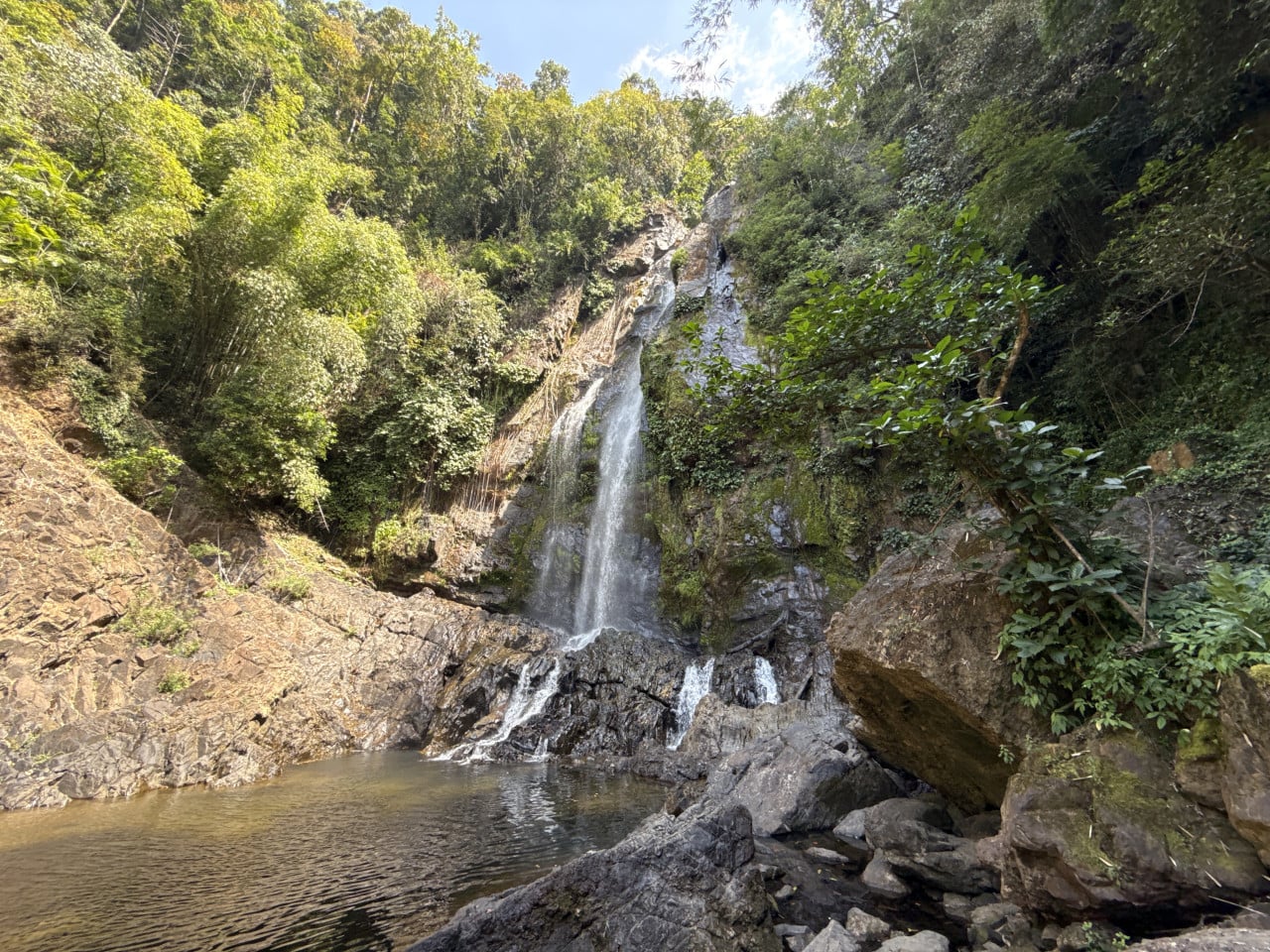
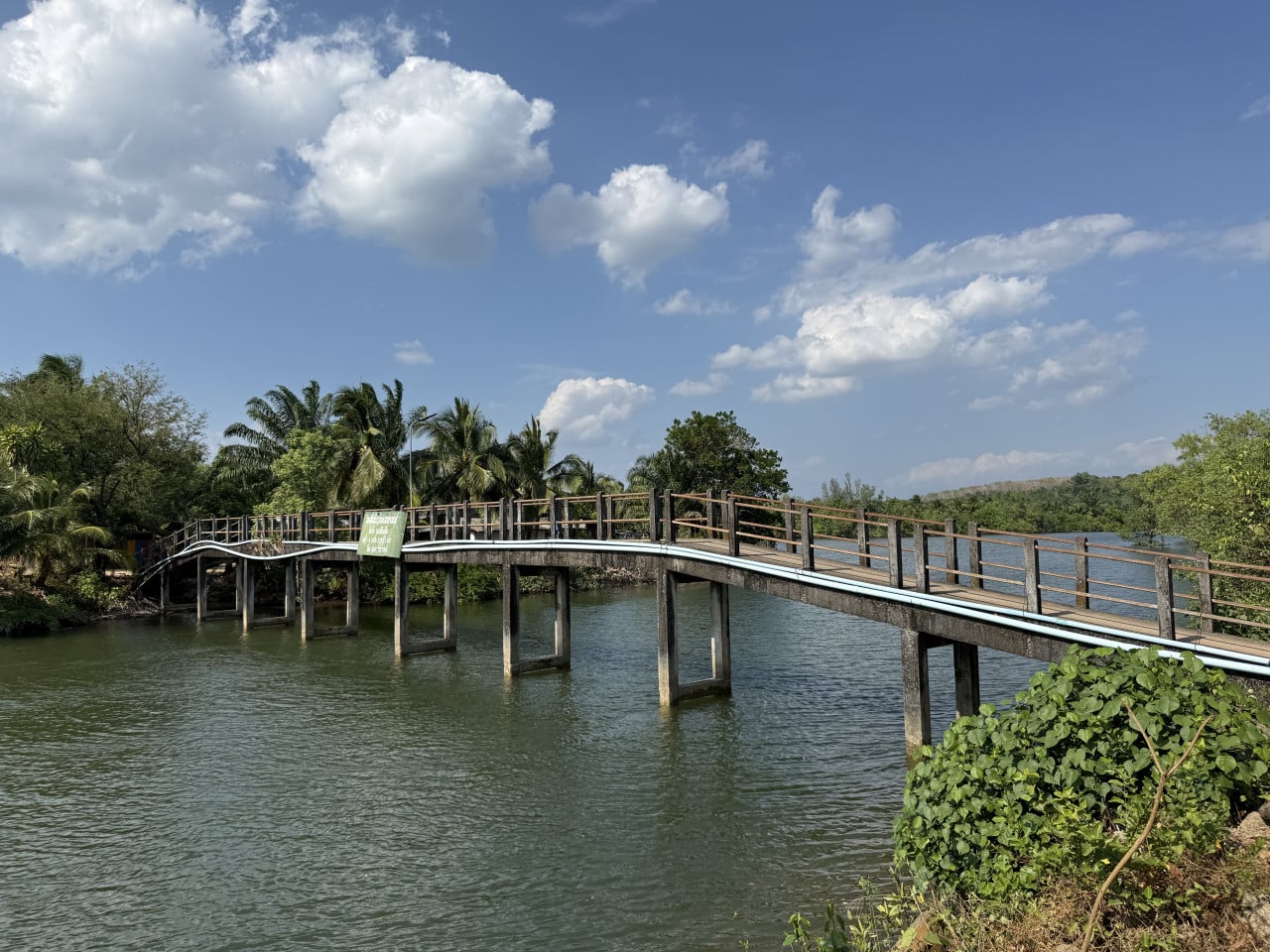
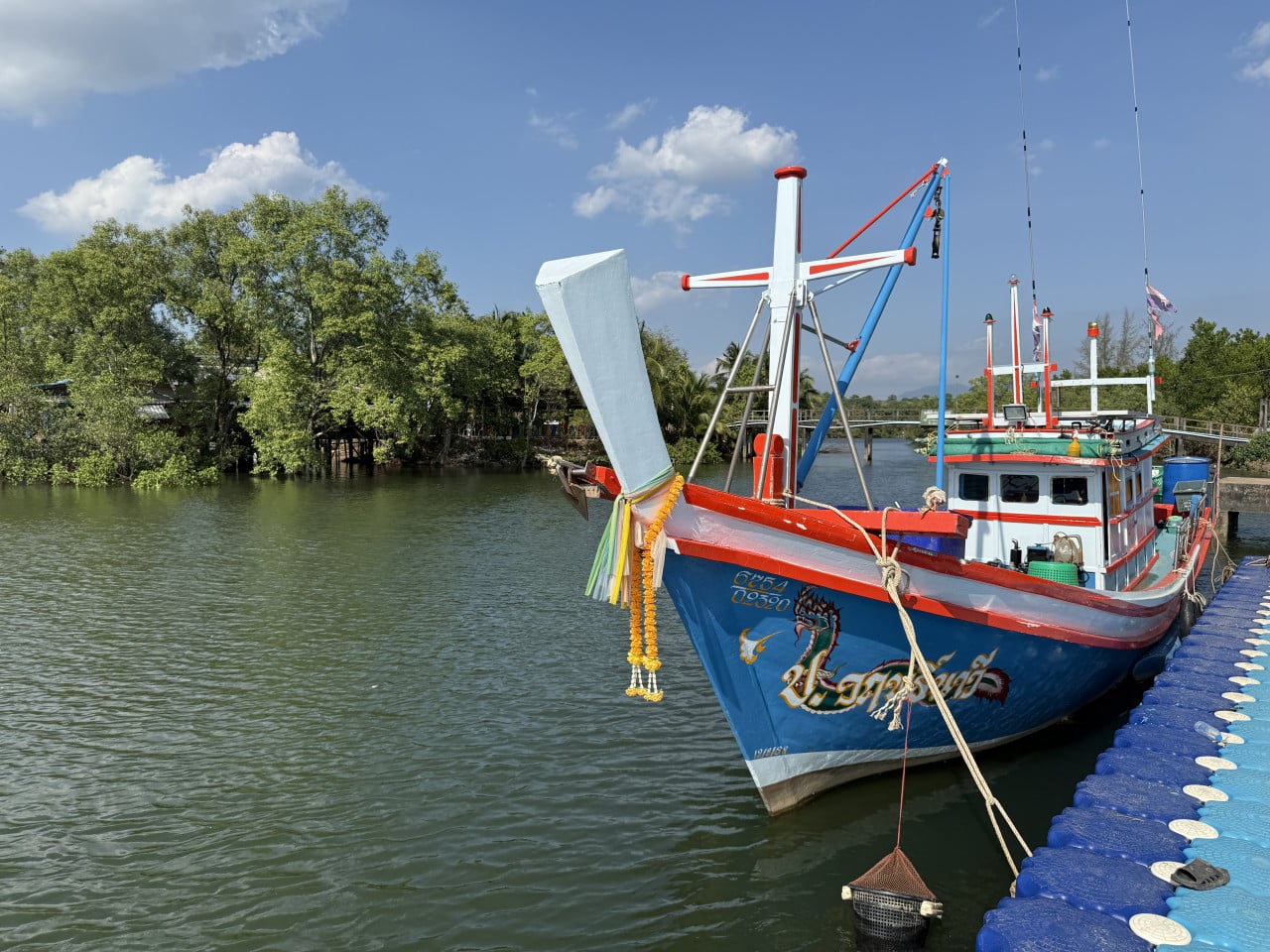
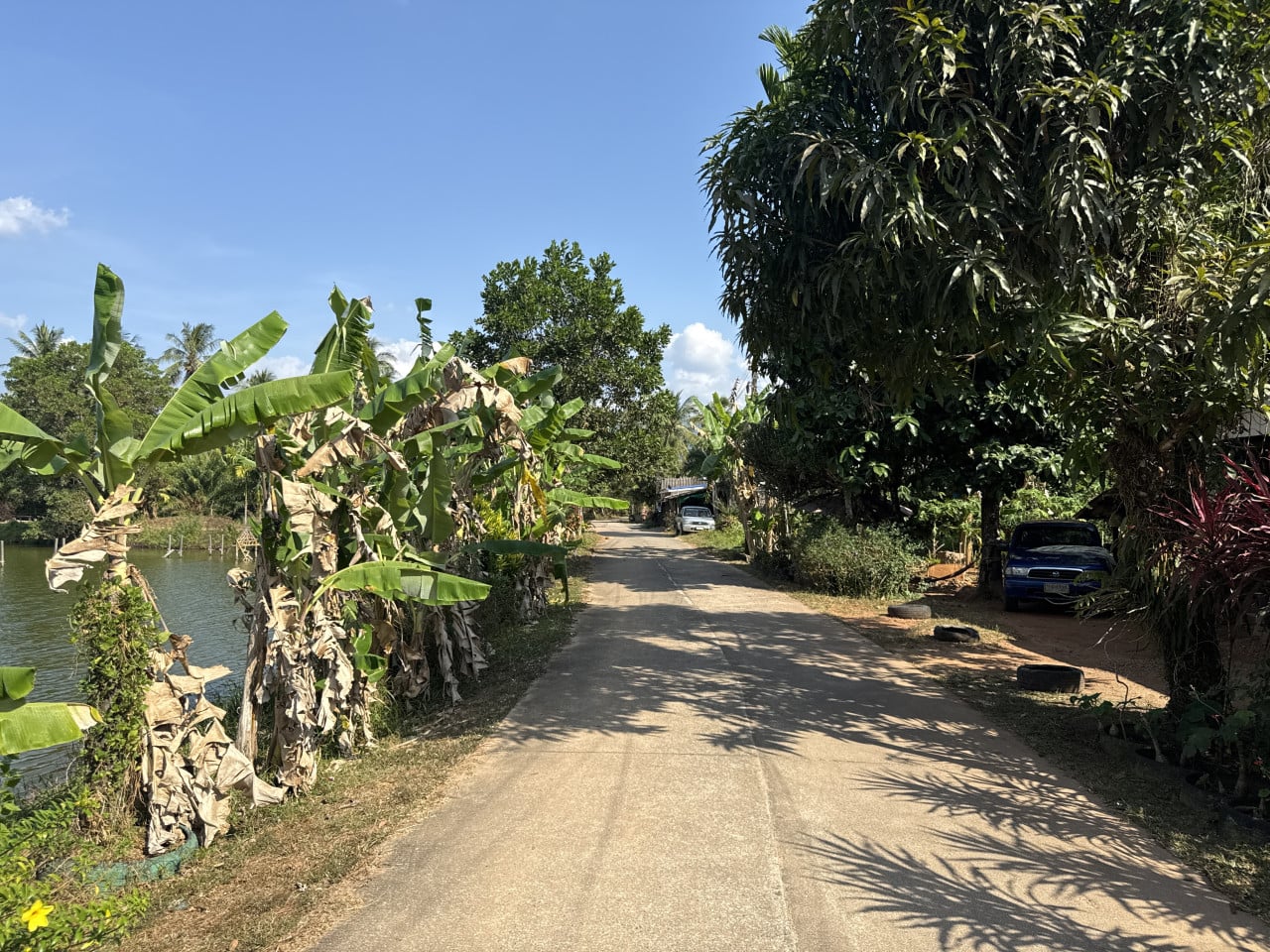
After visiting the waterfalls, we headed to the village of Bang Wan in Khura Buri District, Phang Nga Province. I had no idea in advance exactly what awaited us – I only knew that we were supposed to cook lunch and visit a local pastry workshop. In the end, it turned out to be one of the most authentic experiences of the entire vacation.
Cooking lunch with local ingredients
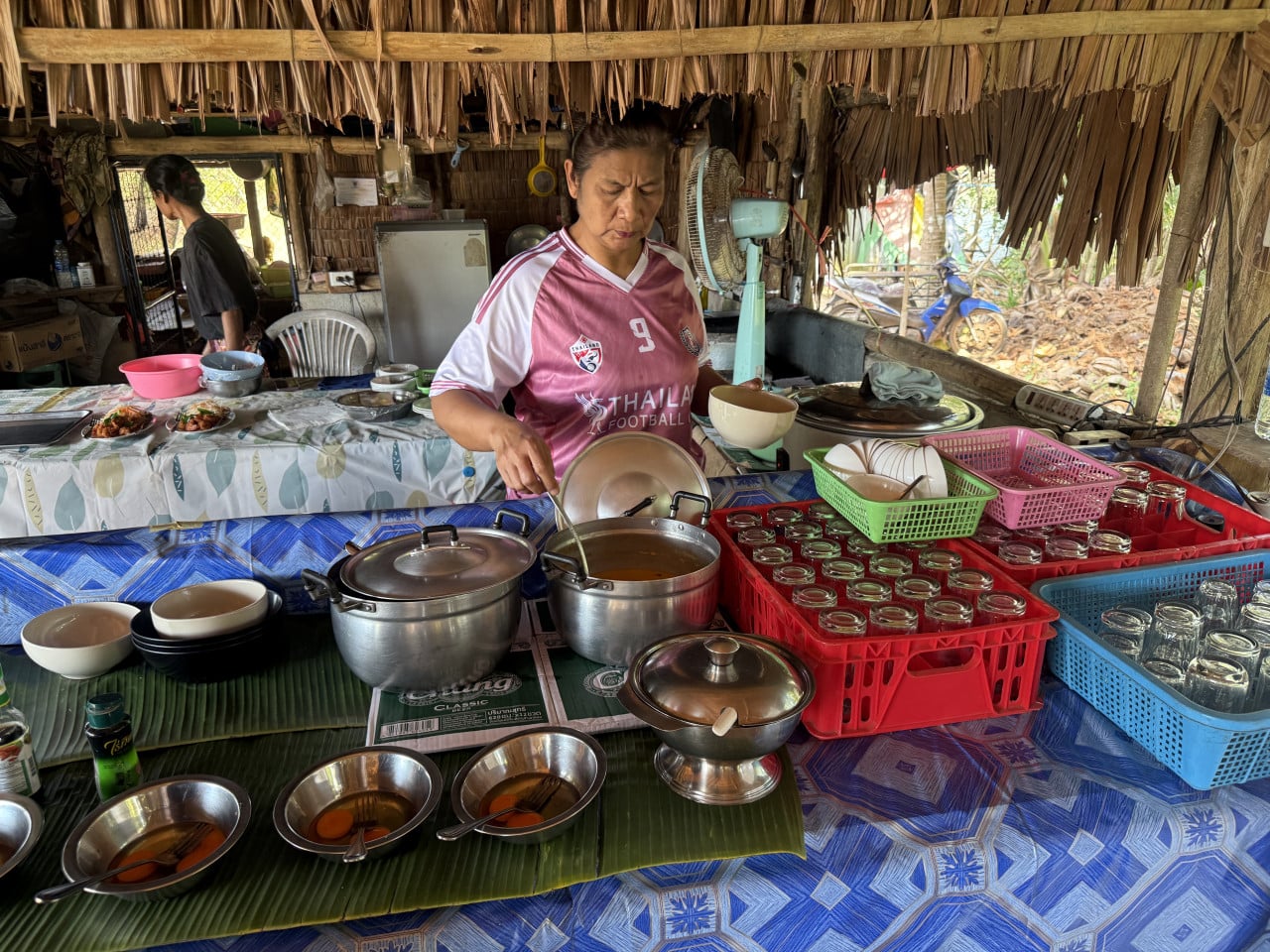
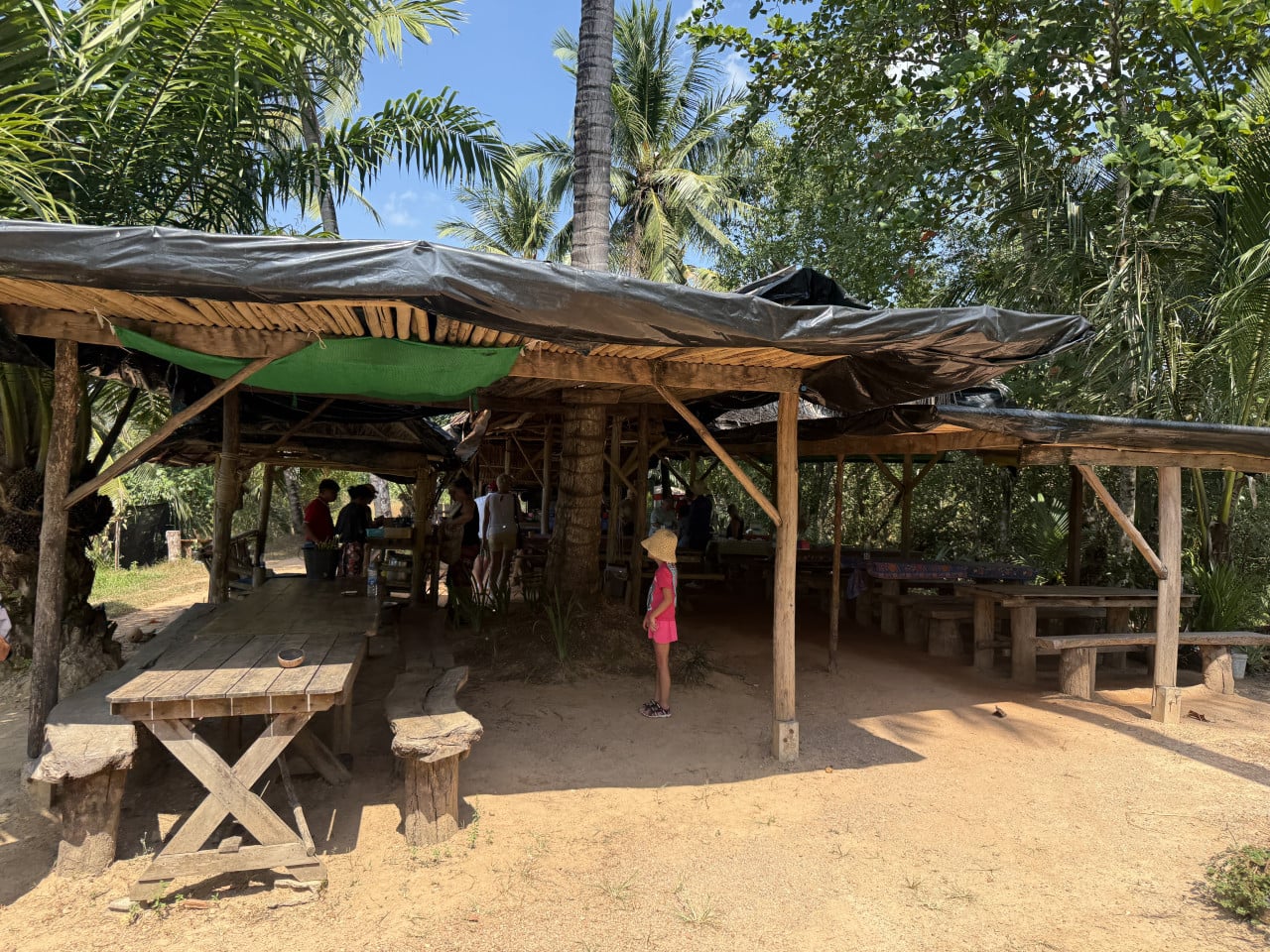
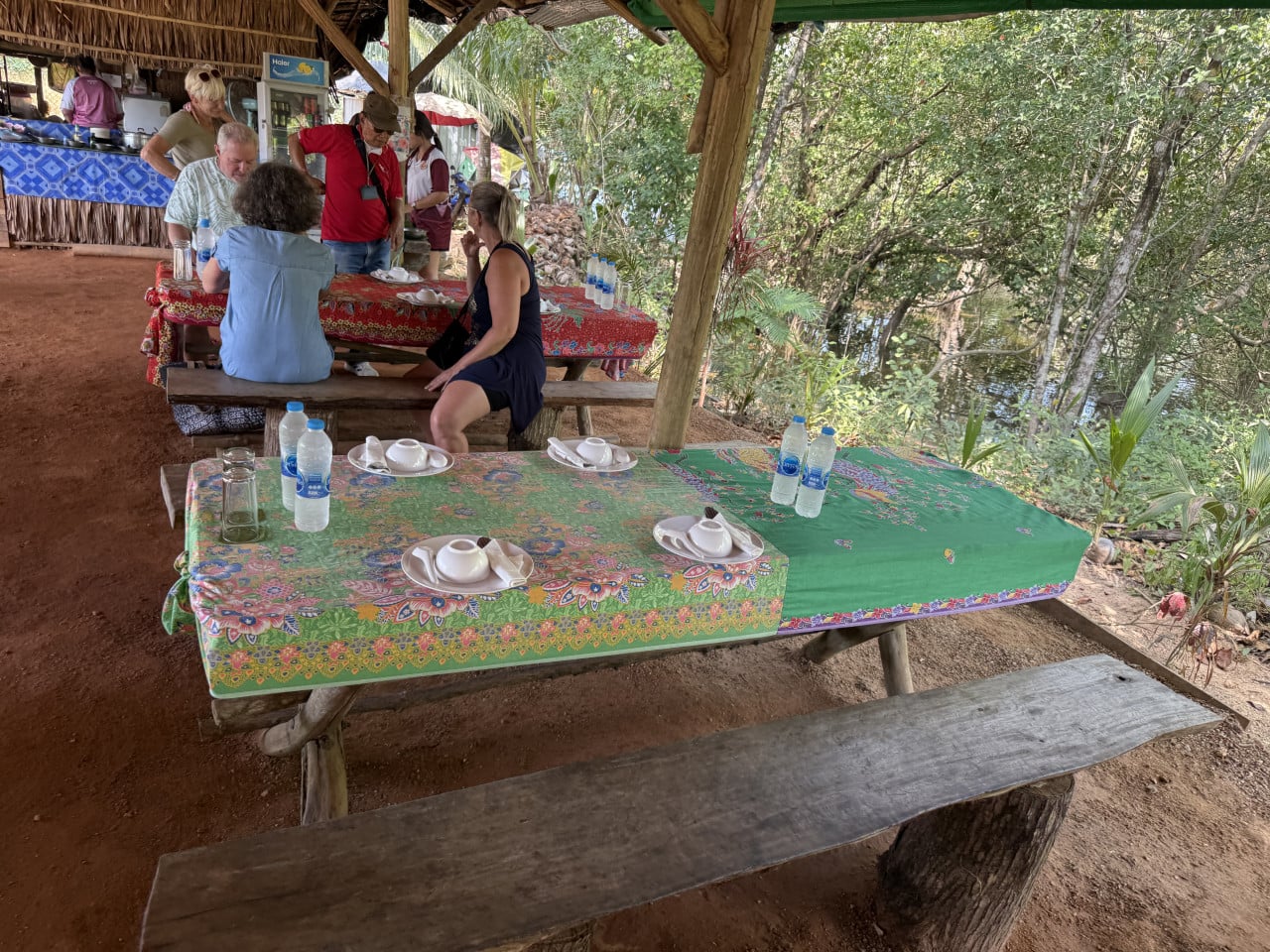
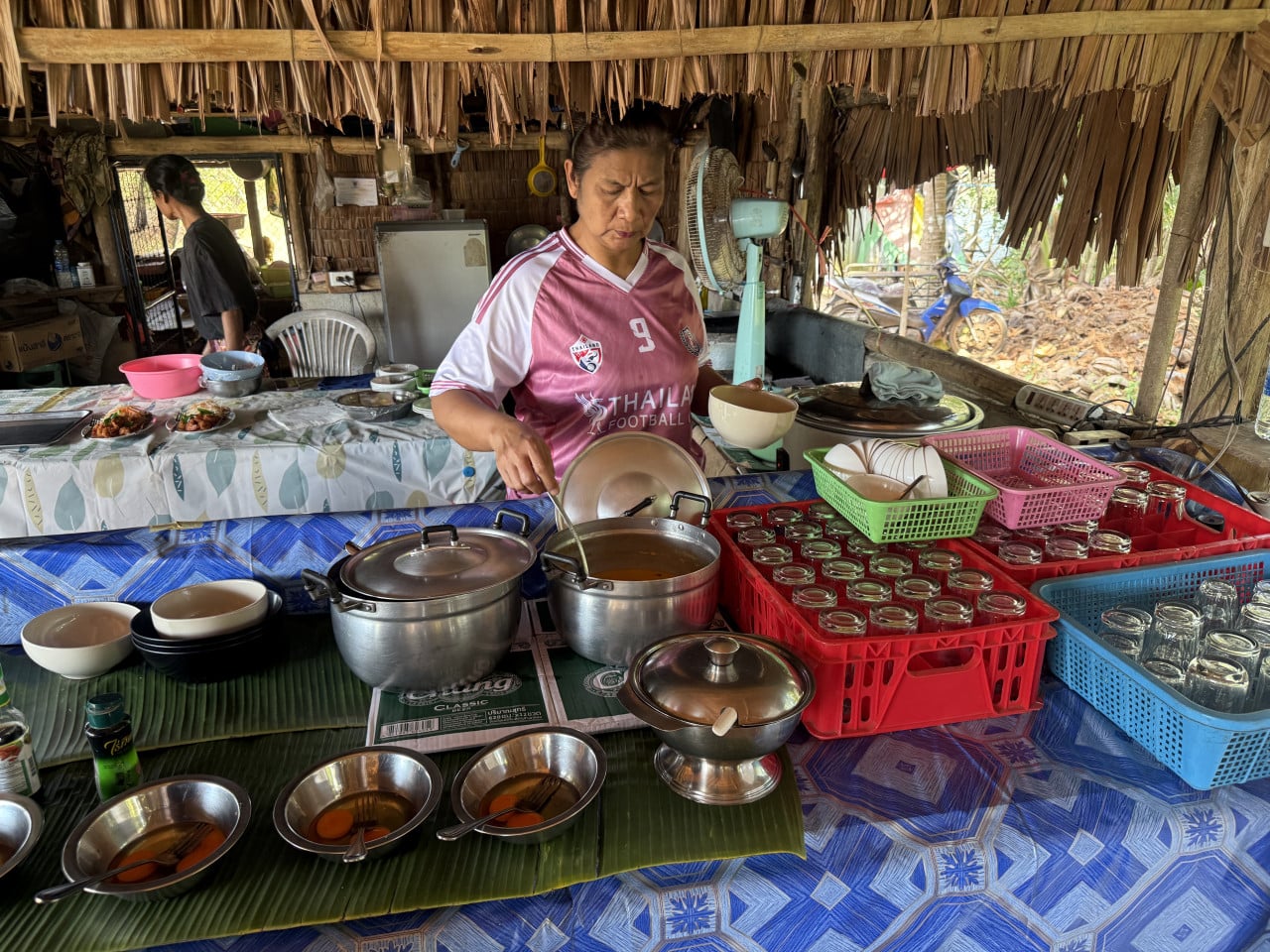
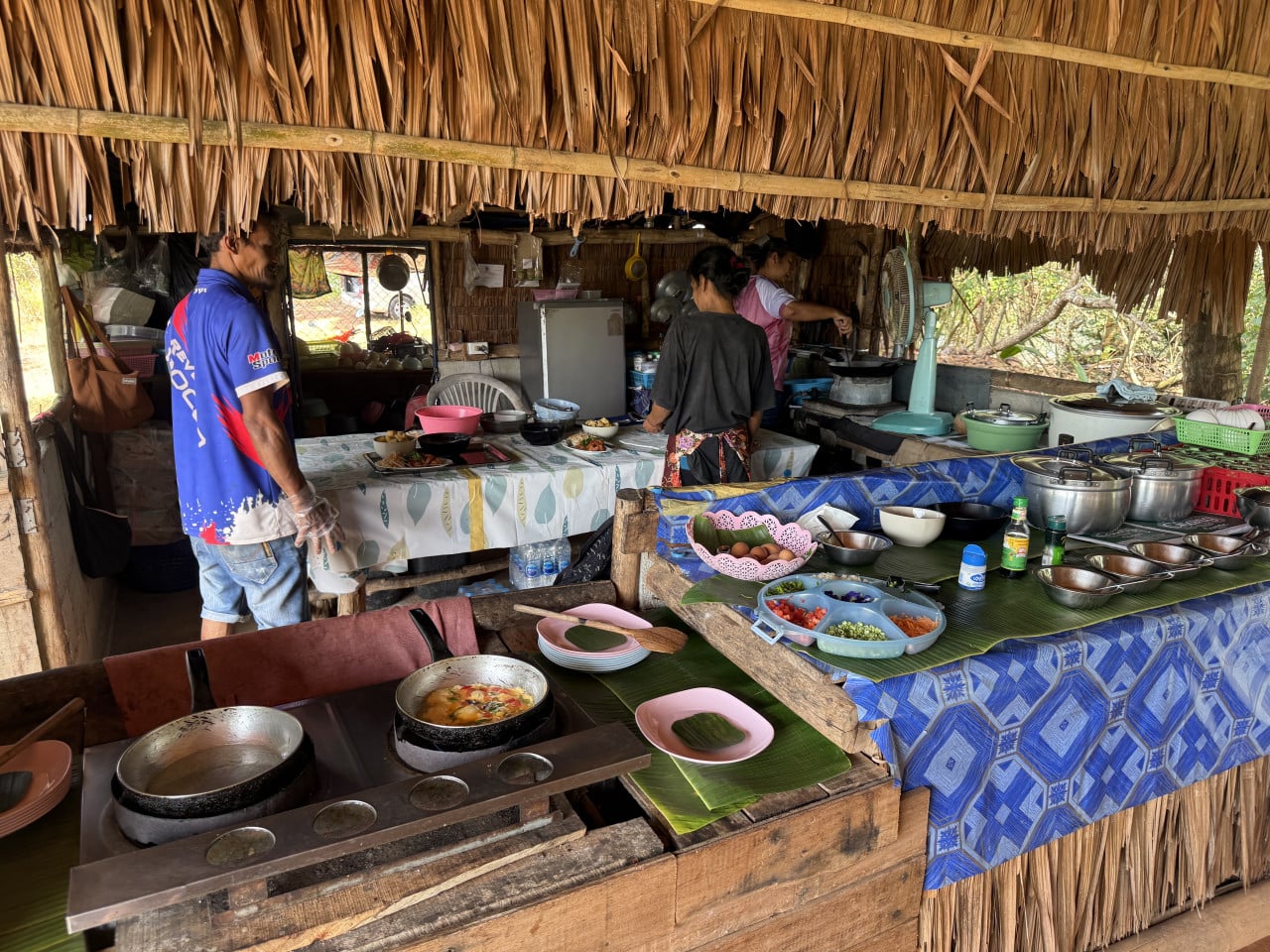
The village welcomed us with an open shelter with a thatched roof right by the river. Rustic wooden benches, colorful tablecloths with Thai patterns, and banana leaves on the table instead of placemats. No restaurant, no menu – simply a place where the locals prepare their food.
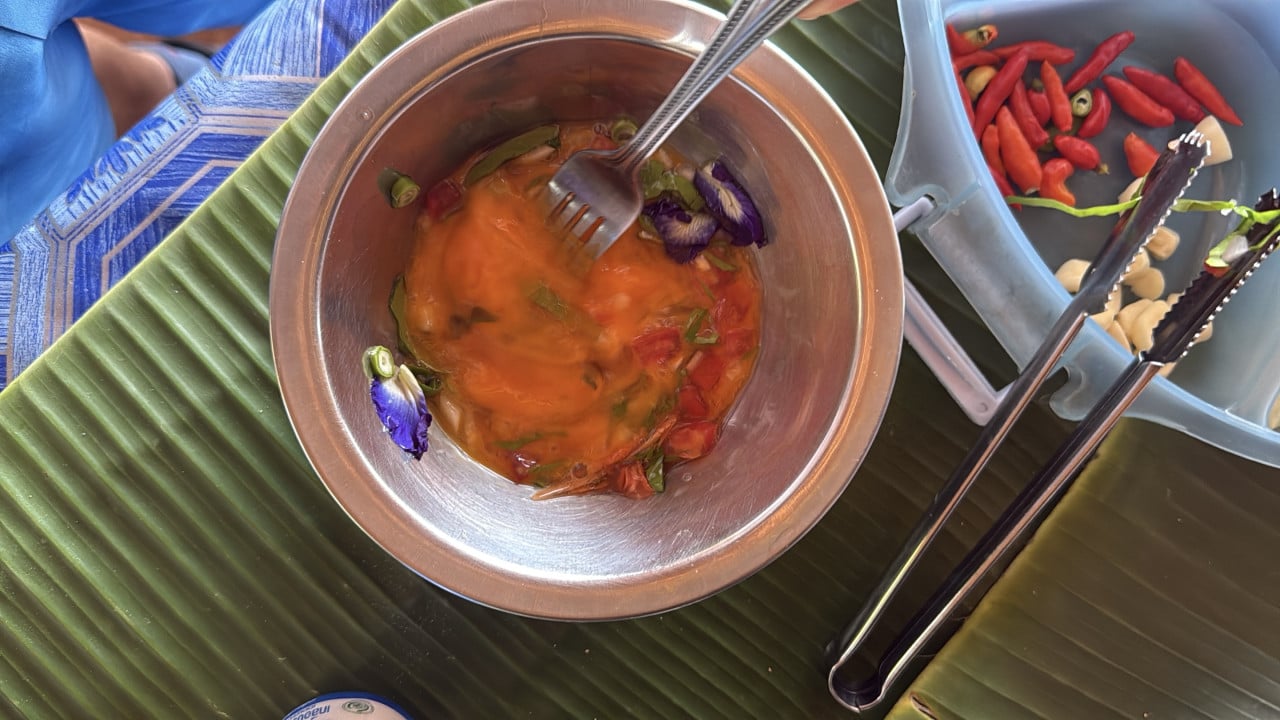
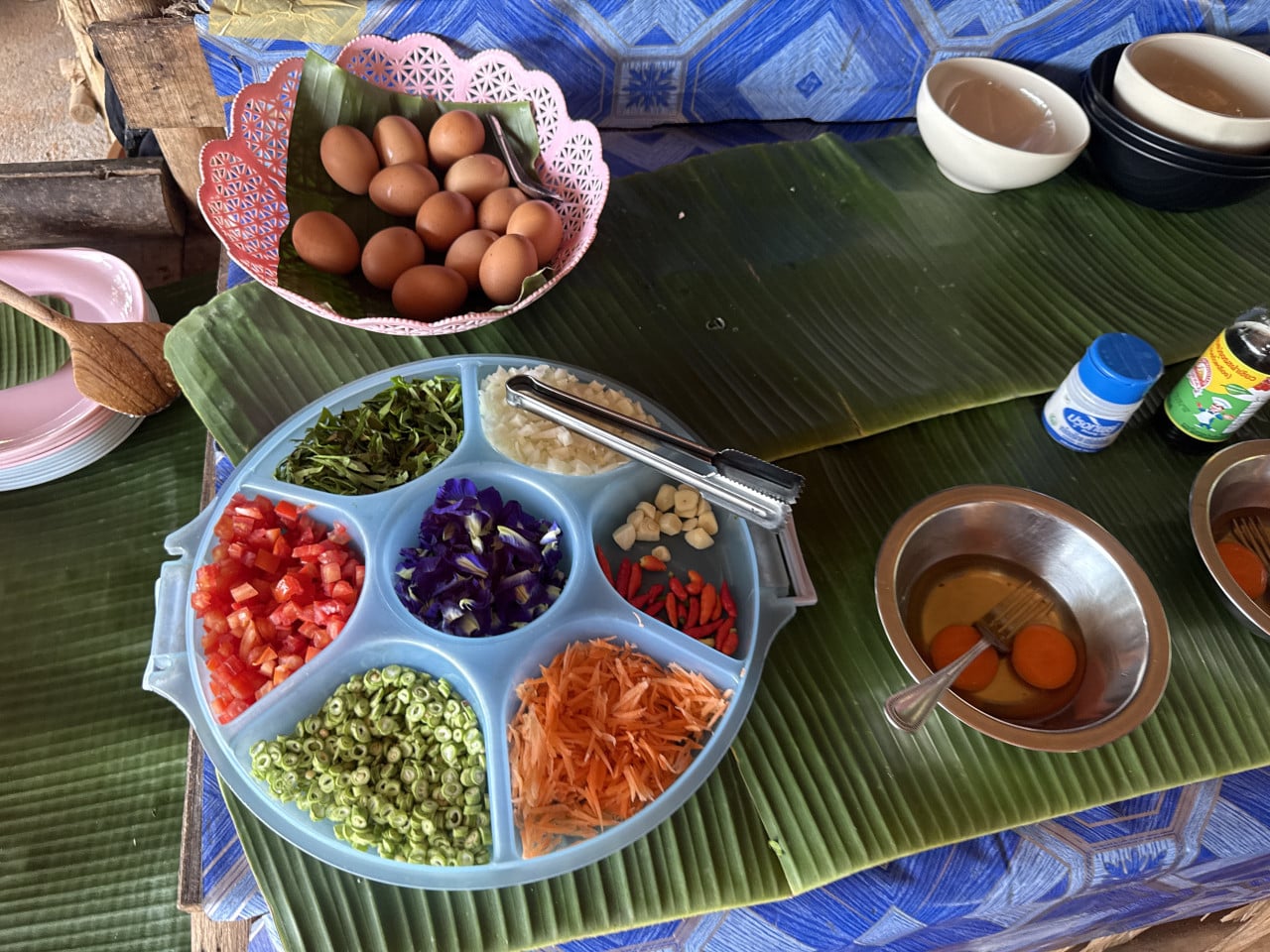
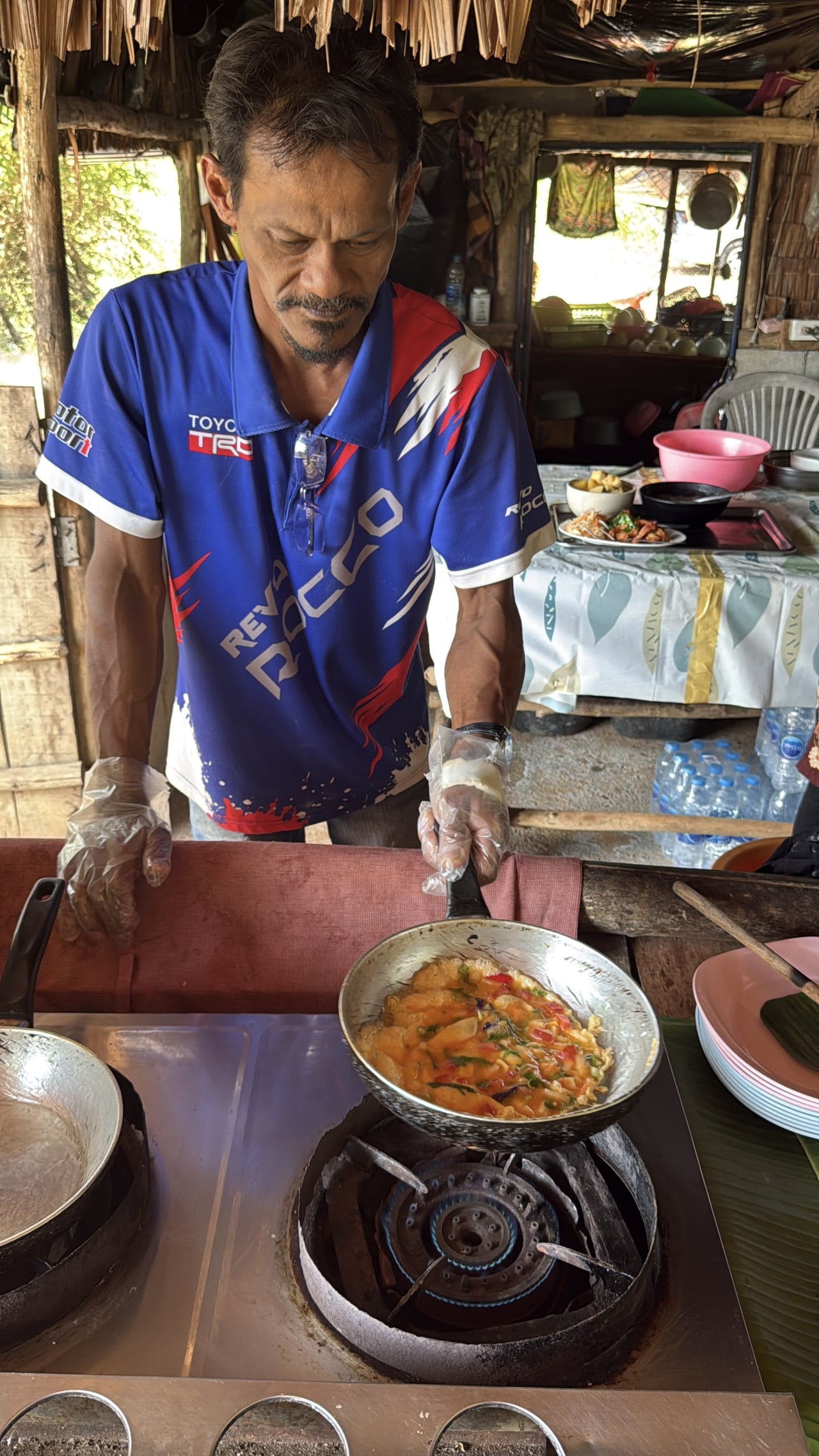
Our task was to cook our own lunch. A blue compartmentalized bowl full of beautifully prepared ingredients was already waiting for us on the table – chopped leeks, tomatoes, grated carrots, small red chili peppers, garlic, onions, and something that caught my attention the most: bright purple flowers. They were butterfly pea flowers, known as anchan in Thai, which are commonly used in cooking and drinks in Thailand. They have a beautiful blue-purple color and are added to rice, teas, or omelets, where they provide not only color but also a delicate herbal flavor.
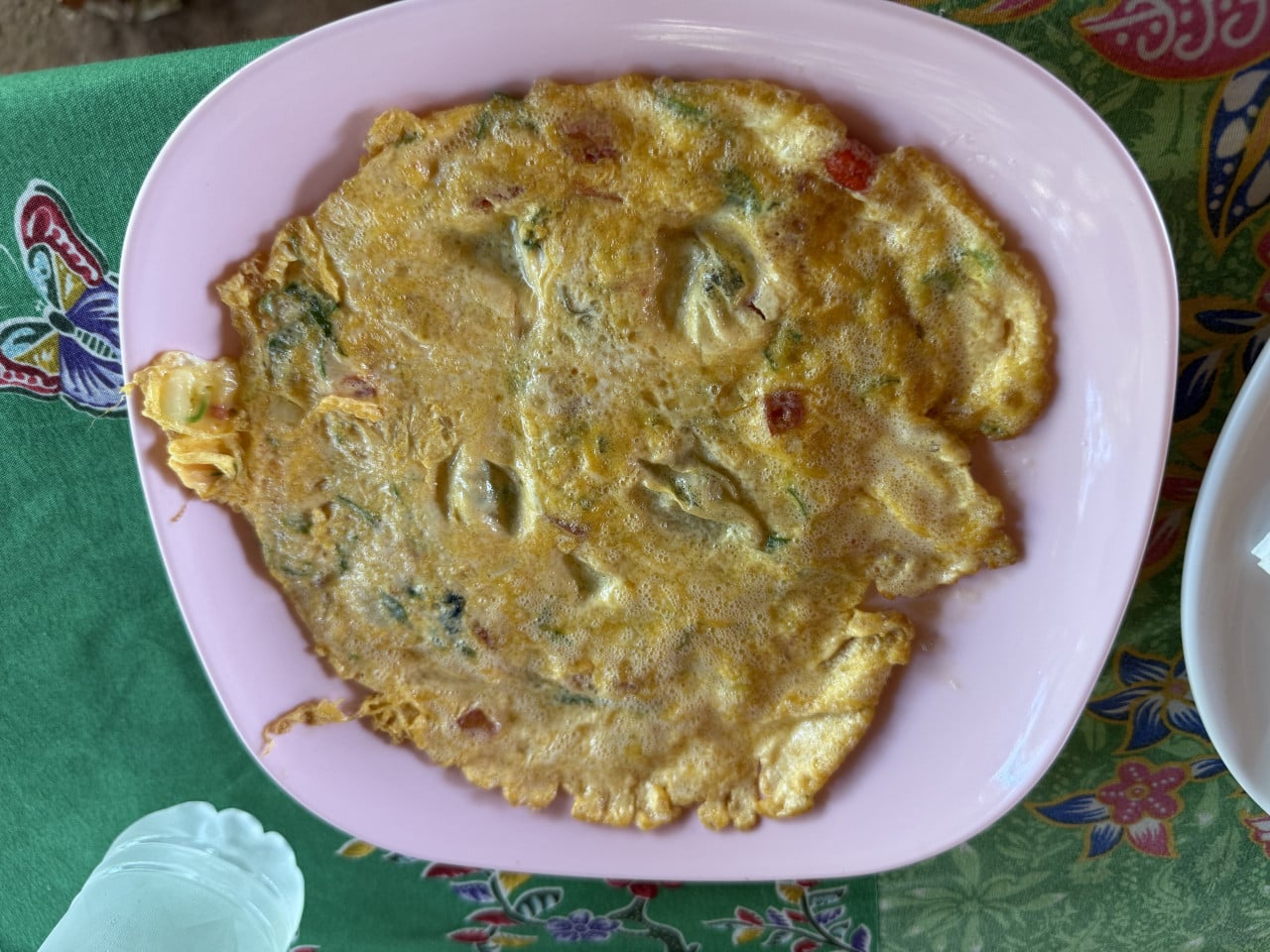
We added all the ingredients to a bowl of beaten eggs, mixed everything together, and the local cooks used it to prepare a delicious Thai omelet. It looks simple, but the taste was completely different from anything I know from home – fresh ingredients straight from local gardens simply make a huge difference.
What else we were served for lunch
Along with the omelet, we were served several other dishes that deserve a mention.
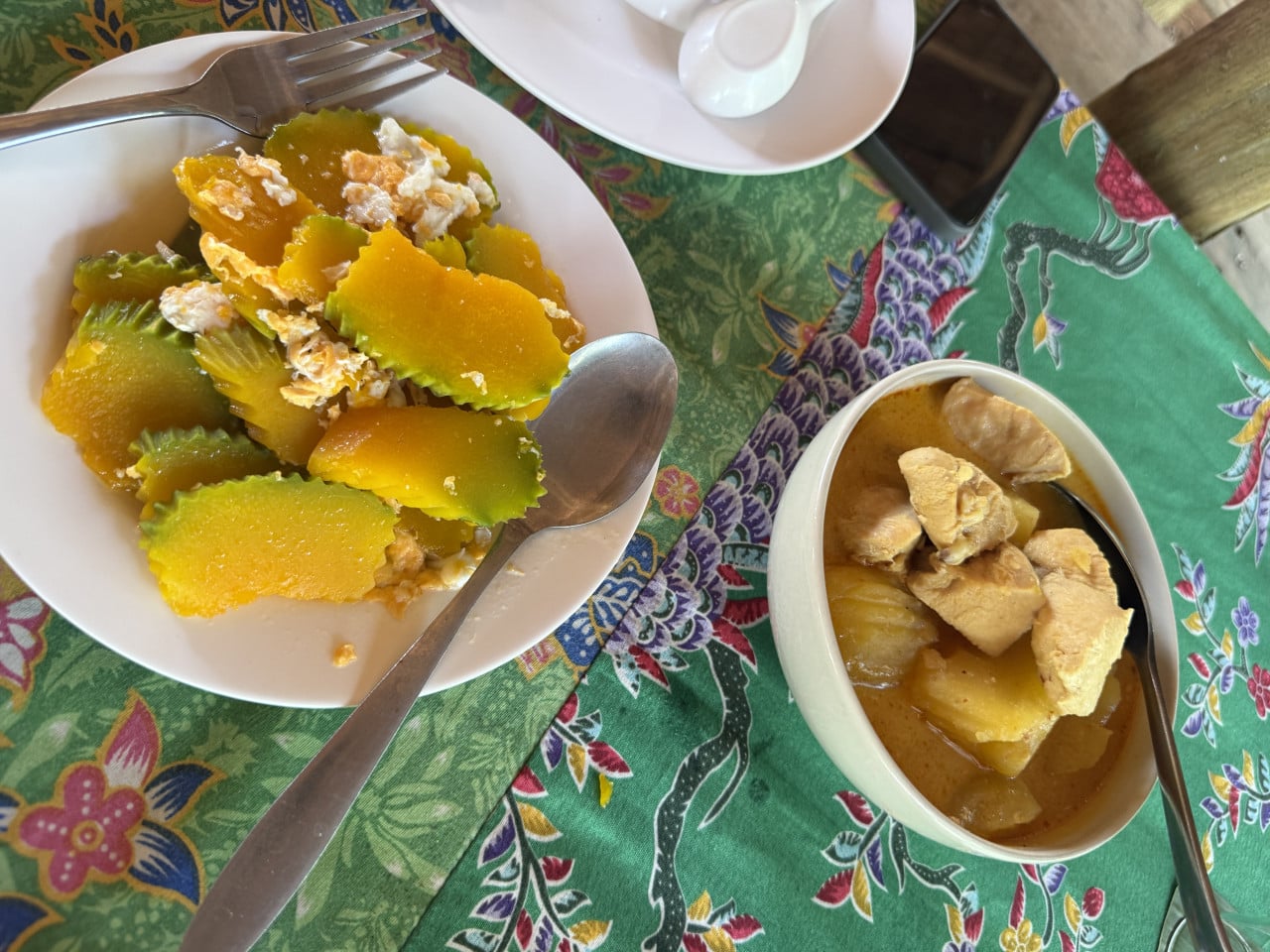
On the table appeared yellow curry with chicken and potatoes – classic Gaeng Kari, one of the mildest Thai curries, influenced by Indian cuisine. The flavor is creamy, slightly sweet thanks to the coconut milk, and pleasantly seasoned with turmeric. Ideal even for those who do not like spicy food.
Next was stir-fried pumpkin with egg – a simple but typical Thai dish in which slices of pumpkin are quickly stir-fried in a wok together with beaten egg. Pumpkin is an incredibly popular ingredient in Thailand, and you can find it practically everywhere.
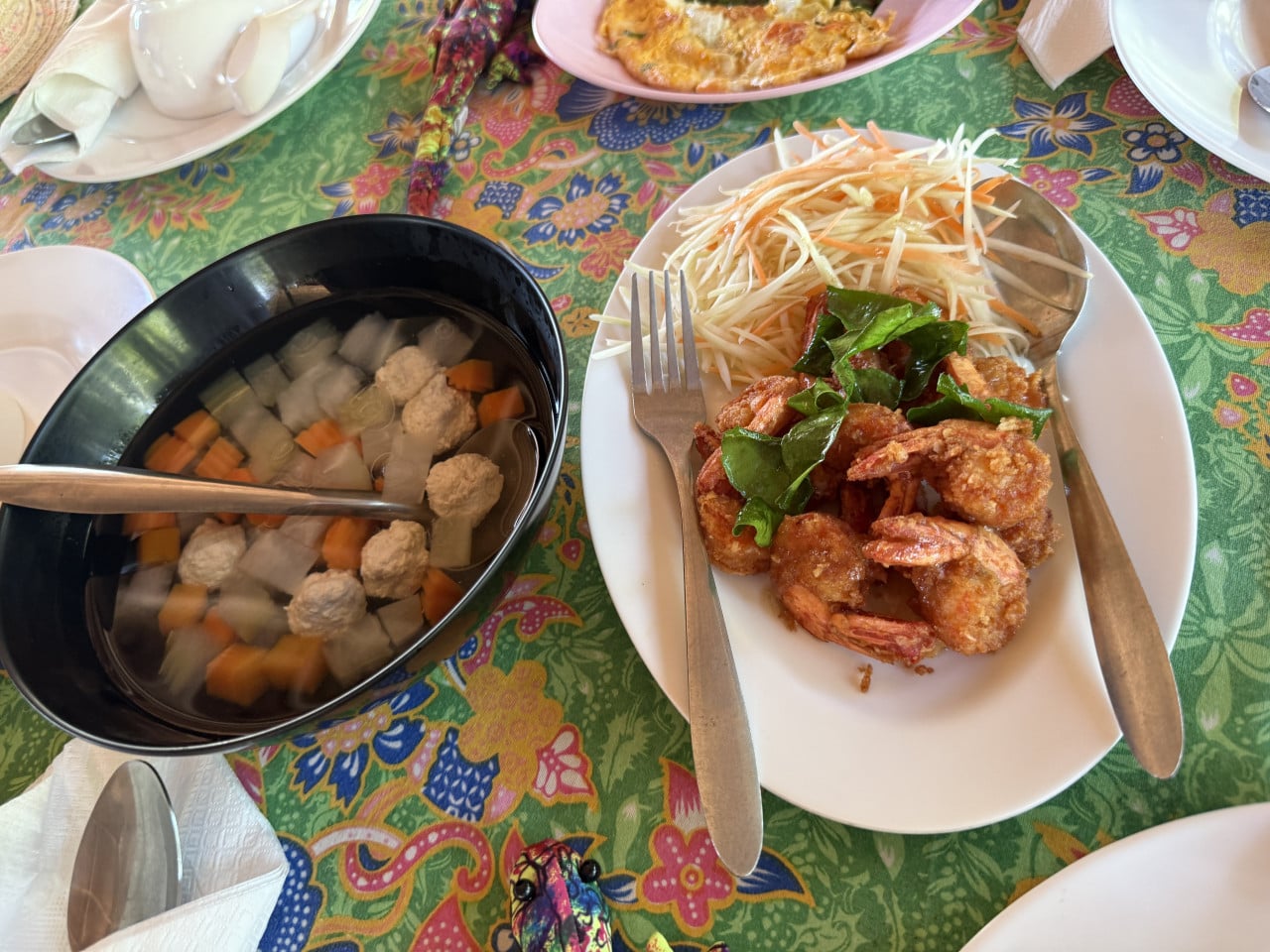
Then came fried shrimp with basil and papaya salad – shrimp in crispy batter with fresh Thai basil leaves, served with classic Som Tam, a green papaya salad. And alongside it, soup with meatballs, carrots, and radish – light, clear, and refreshing.
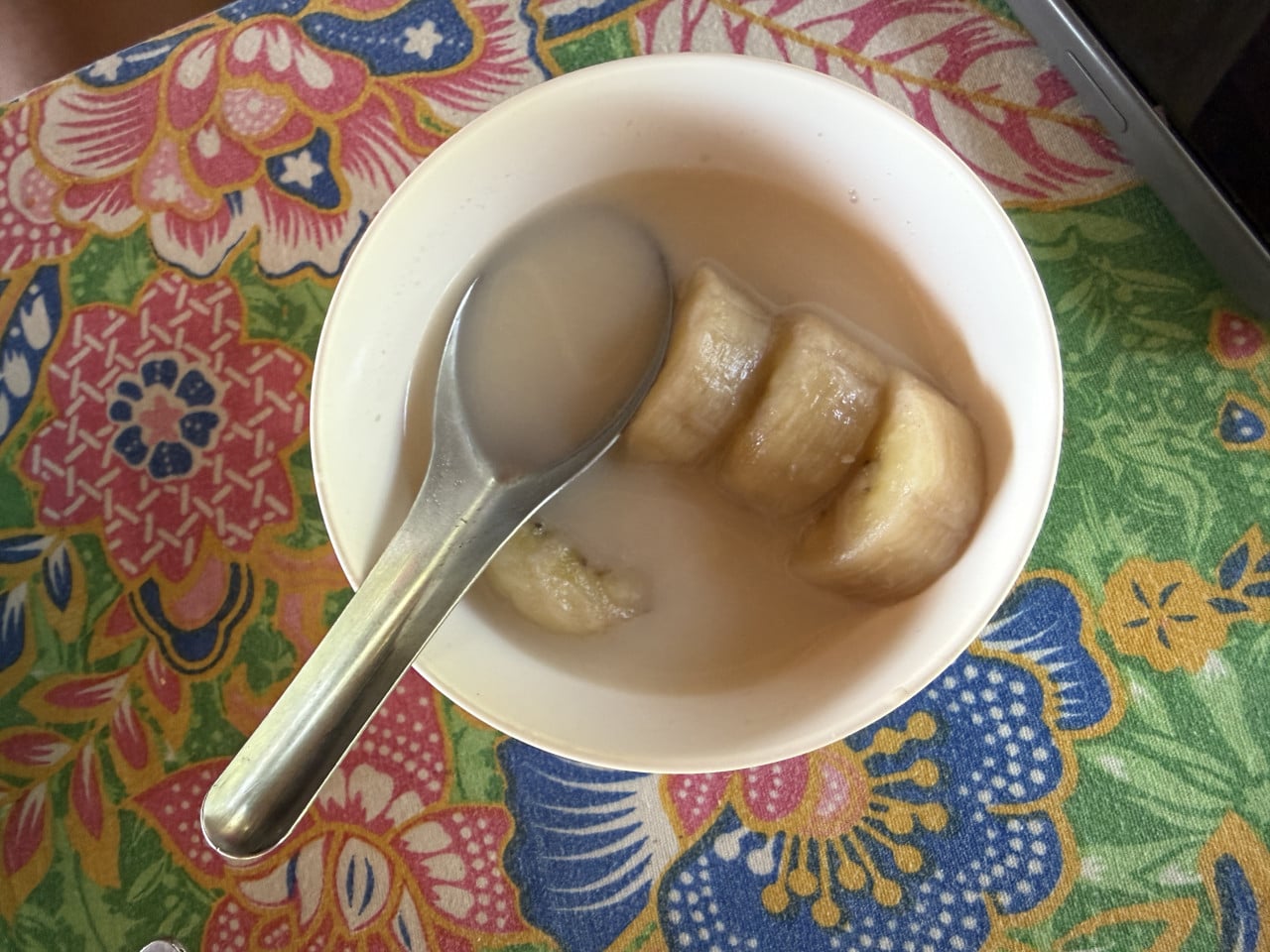
For dessert, they brought us Kluay Buat Chi – literally translated as “banana that entered the monastery." It is one of the best-known Thai desserts: bananas cooked in coconut milk with a little sugar and a pinch of salt. The flavor is delicate, creamy, and slightly sweet. The name is amusing – it refers to the white color of the coconut milk, which resembles the white robes of Buddhist nuns.
The entire lunch was fantastic and, above all, authentic – no tourist menu, but real food that the locals prepare at home.
The local toilet, or culture shock number two
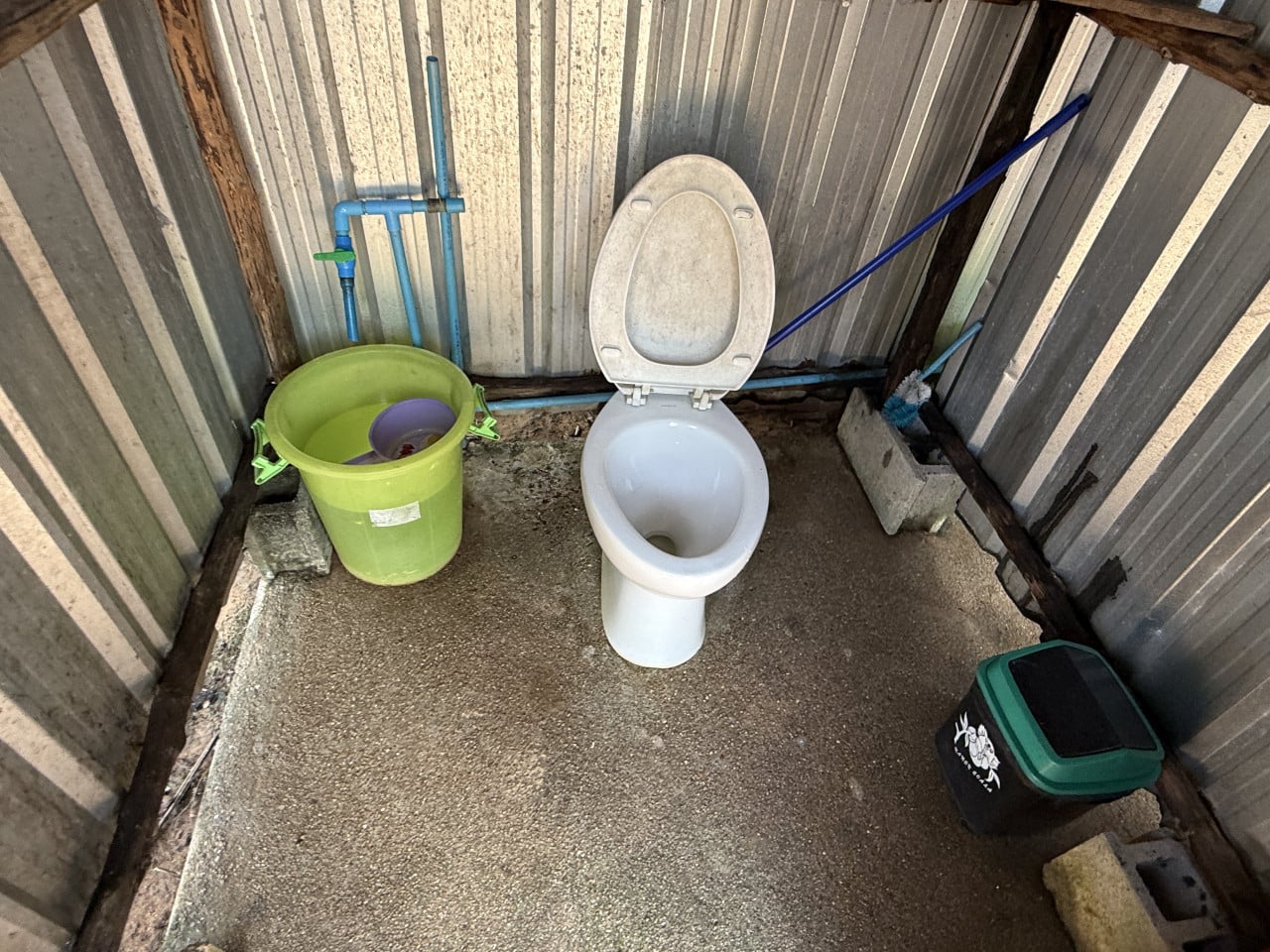
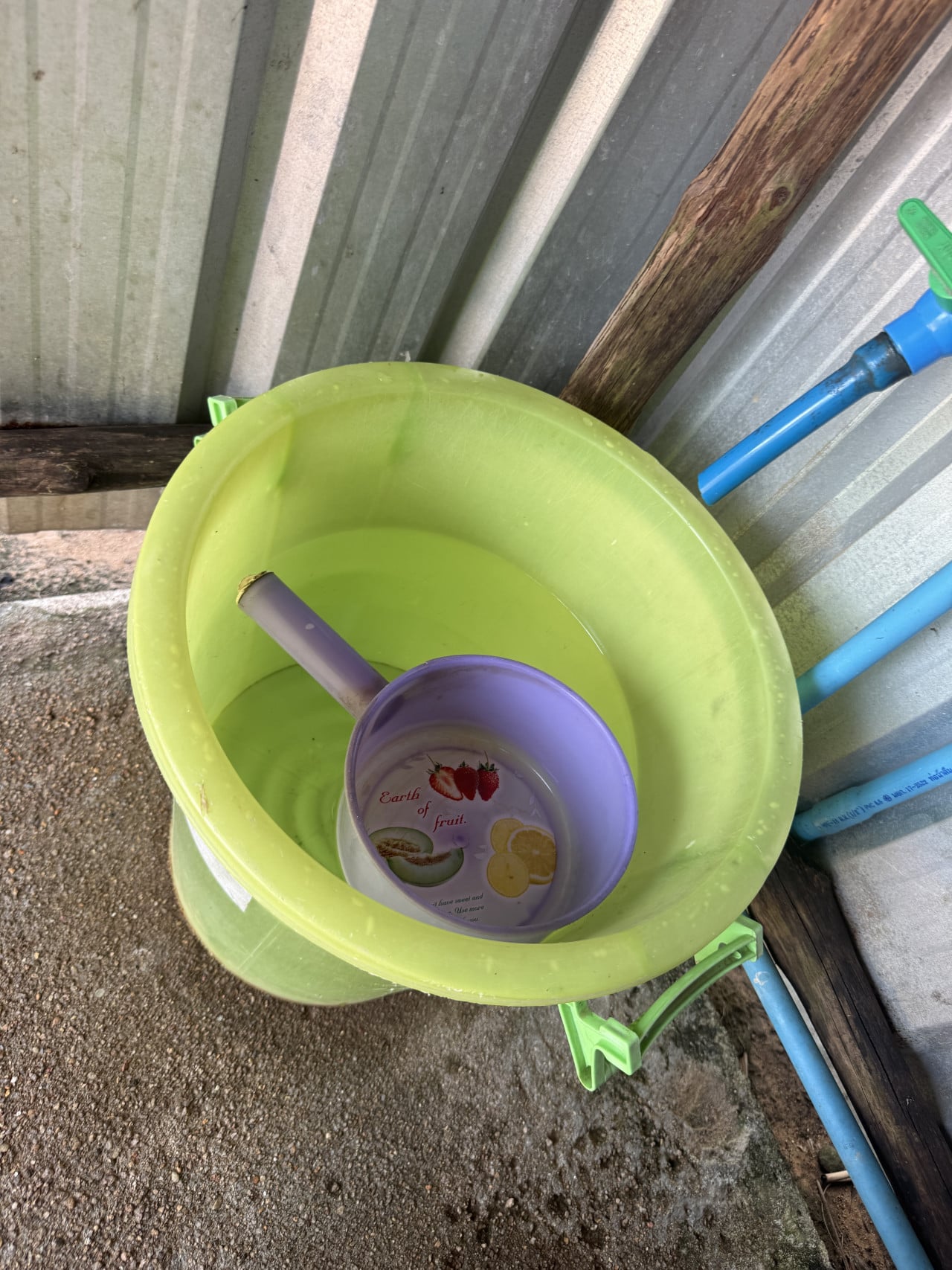
After lunch, I visited the local toilet, and honestly, it is worth mentioning. It was a kind of “cubicle" – sheet-metal walls, a small thatched roof, and a standard toilet inside, but without a flushing mechanism. Instead, there was a bucket of water and a scoop beside it, which you used to flush manually after yourself.
This is nothing unusual – we encountered it practically all over Thailand, at markets, in smaller restaurants, and in villages. It is simply part of local life, and you quickly get used to it. It may sound trivial, but these are precisely the details that show you how different everyday life in Thailand is from what we are used to in Europe.
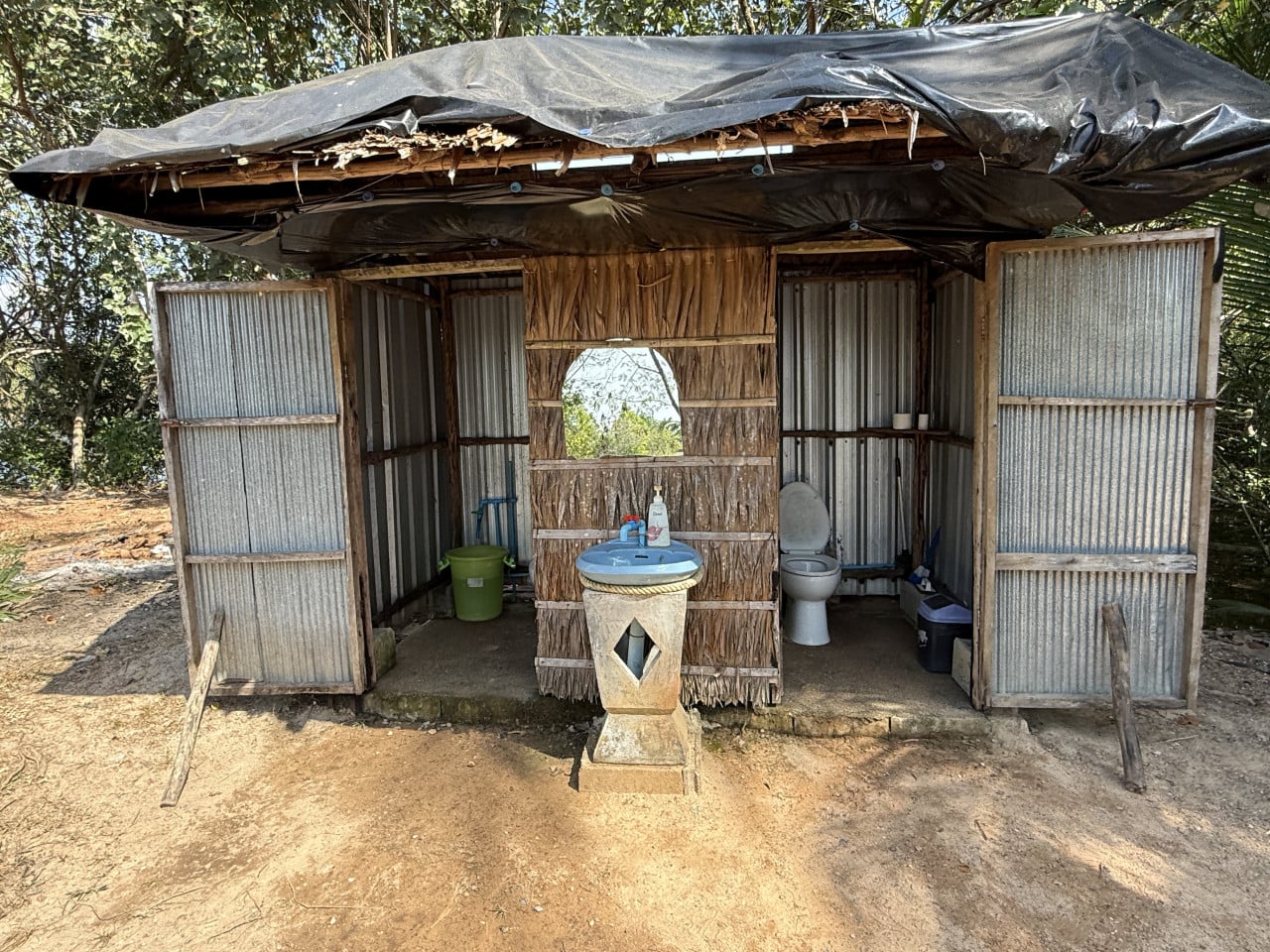
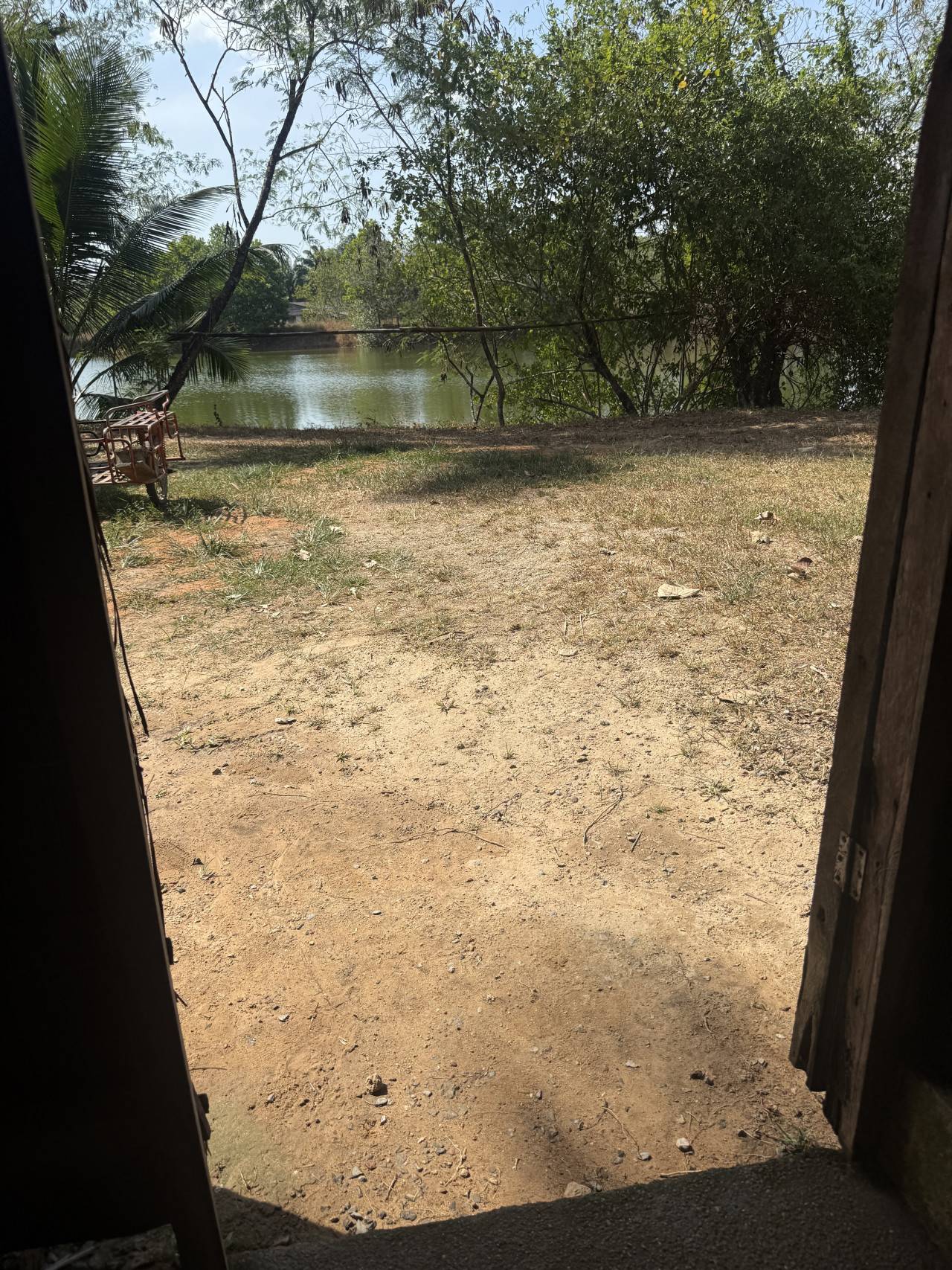
But the view was great, wasn't it? :))
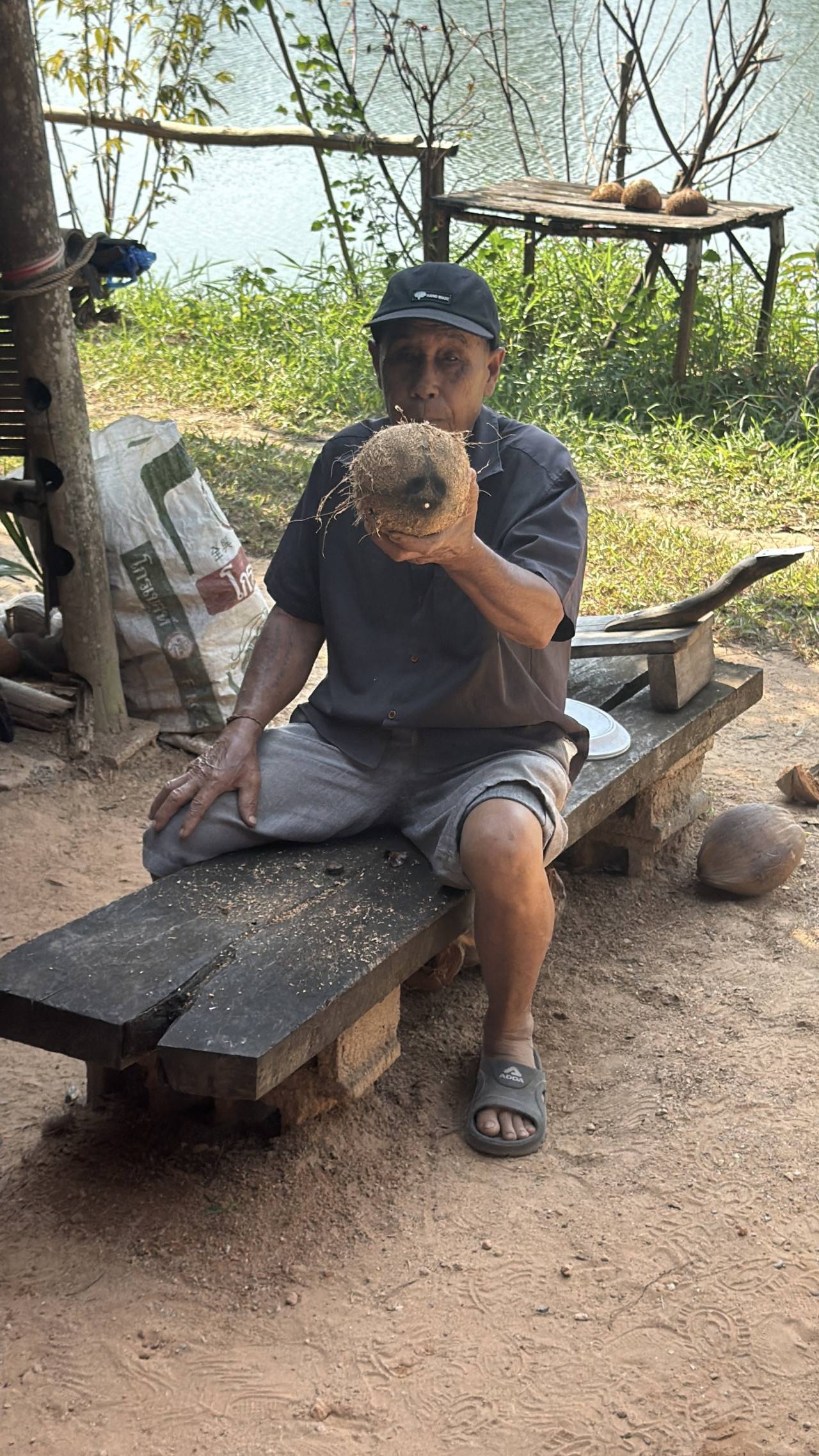
Coconut demonstration by the river
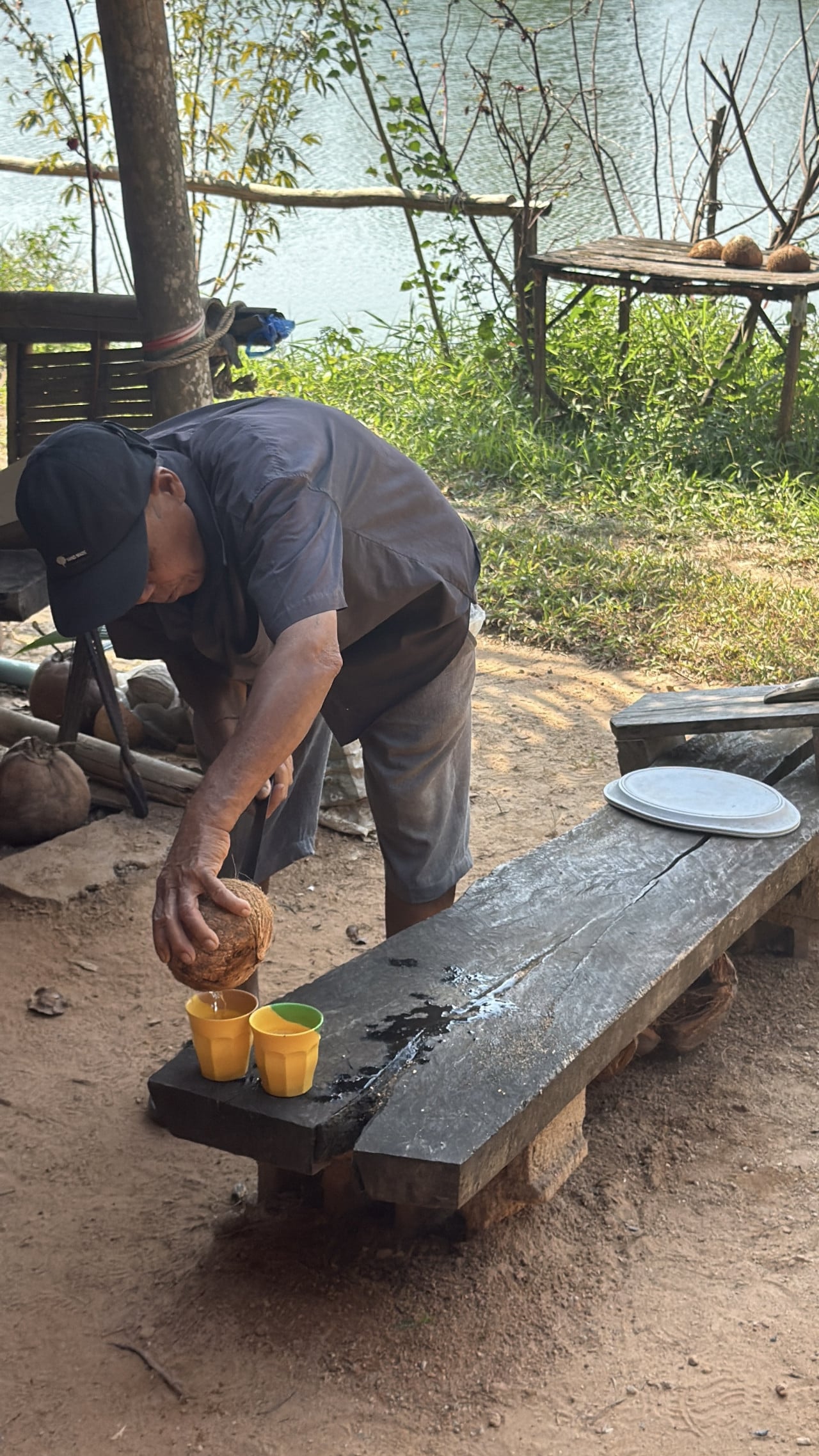
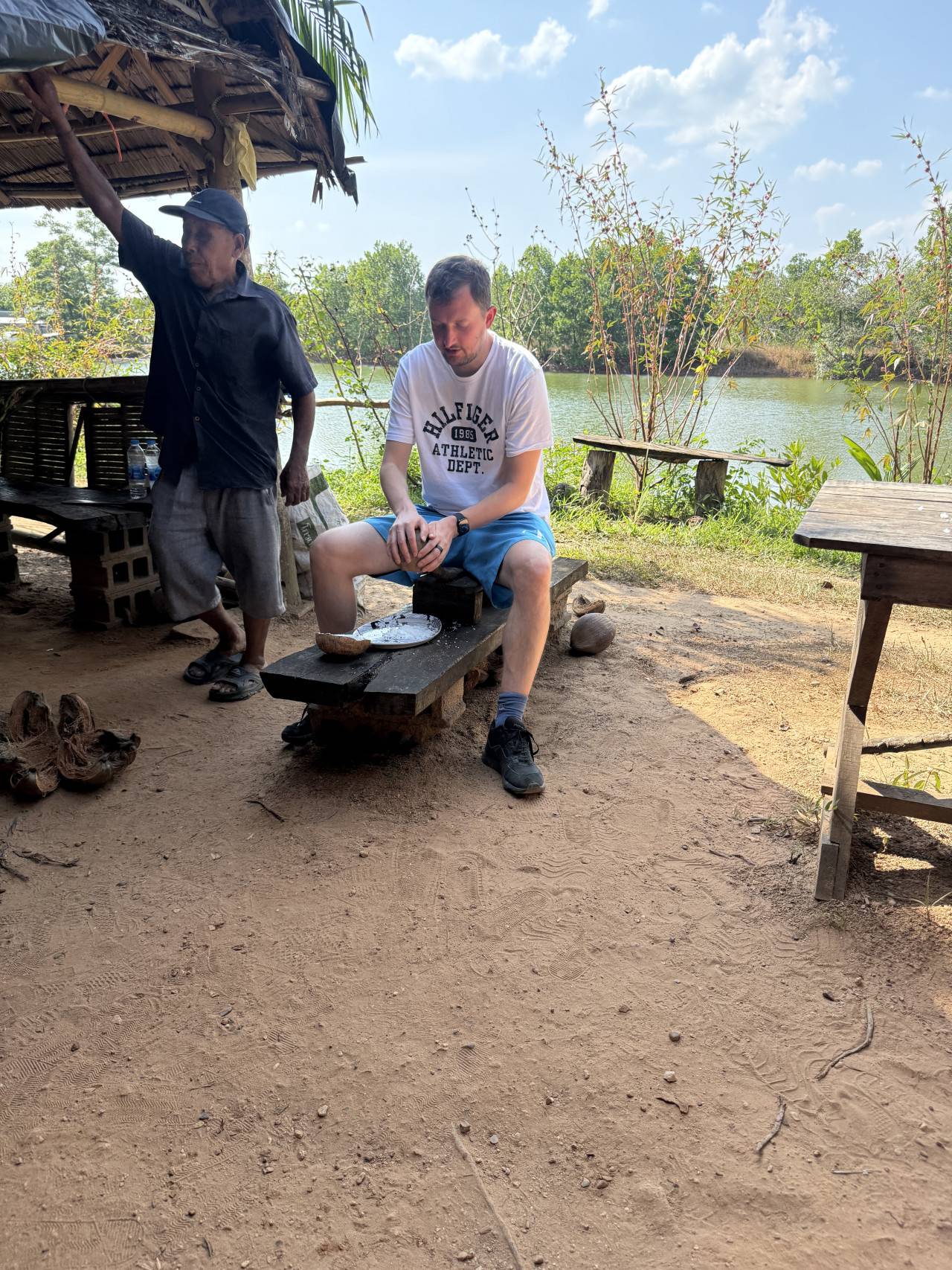
After lunch came a demonstration of coconut processing. First, they showed us how the outer fibrous layer is removed – it takes quite a bit of strength and skill. Then came the machete; with one precise strike, the coconut was split in half and the fresh coconut water was poured into plastic cups.
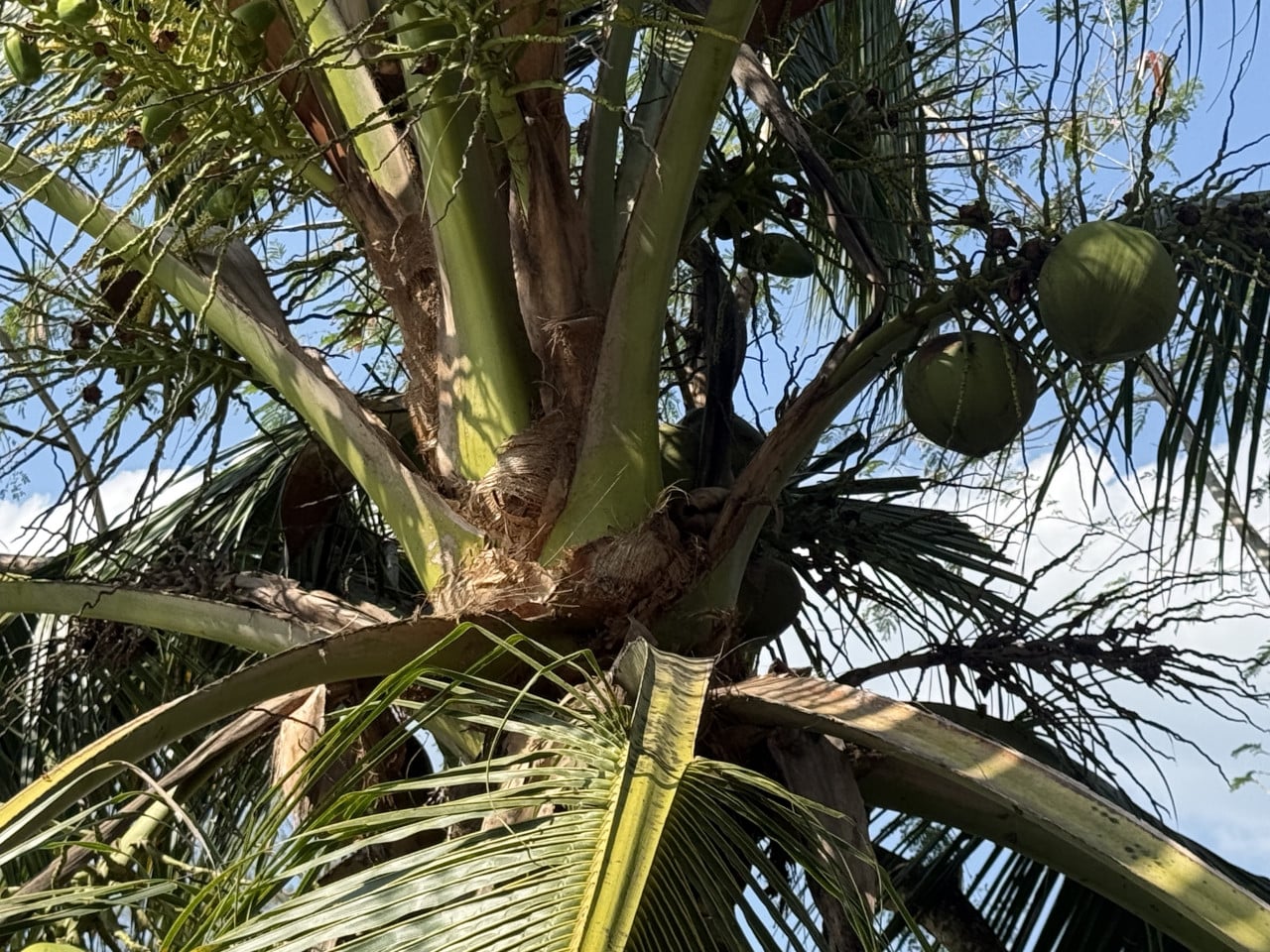
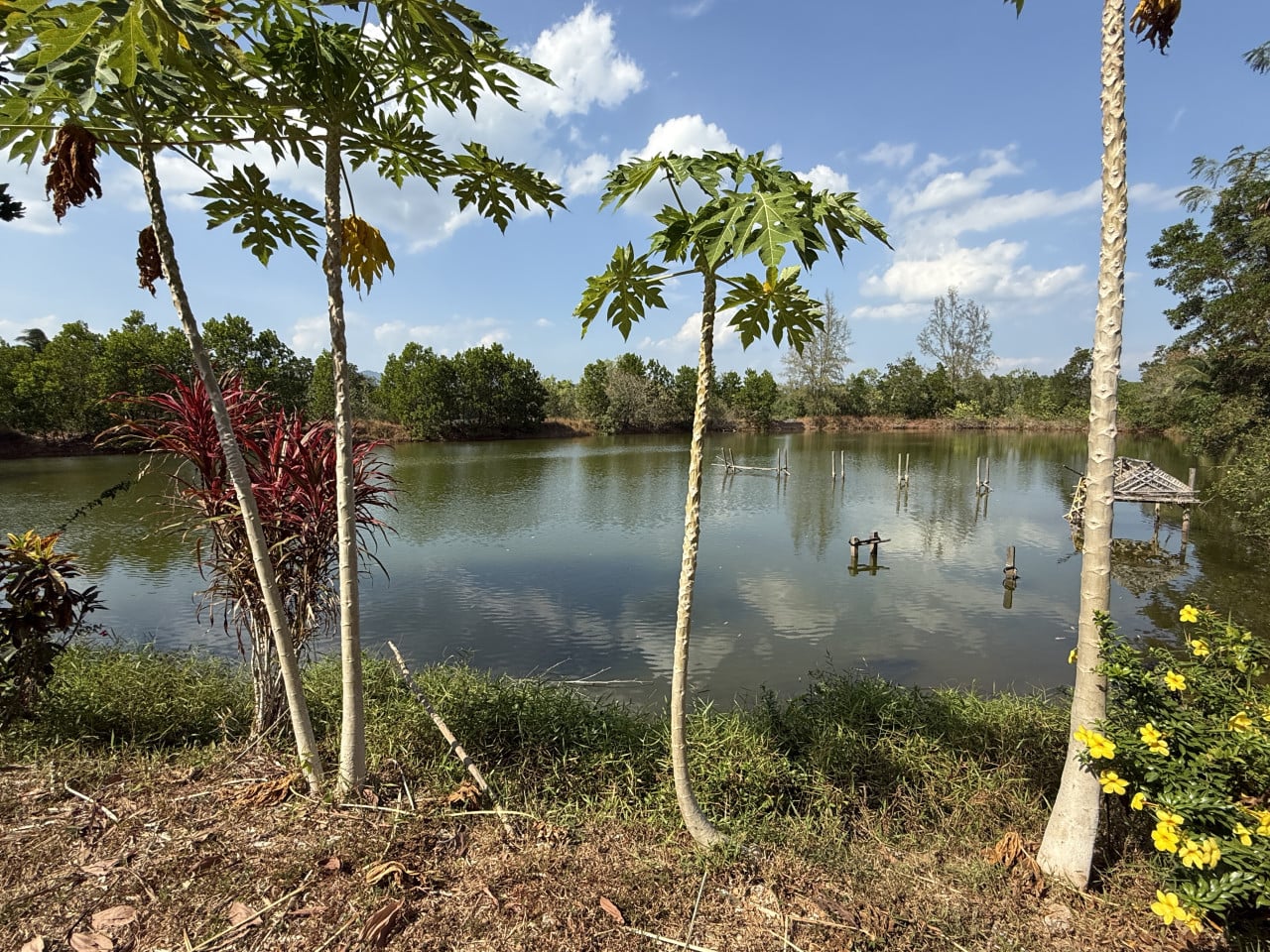
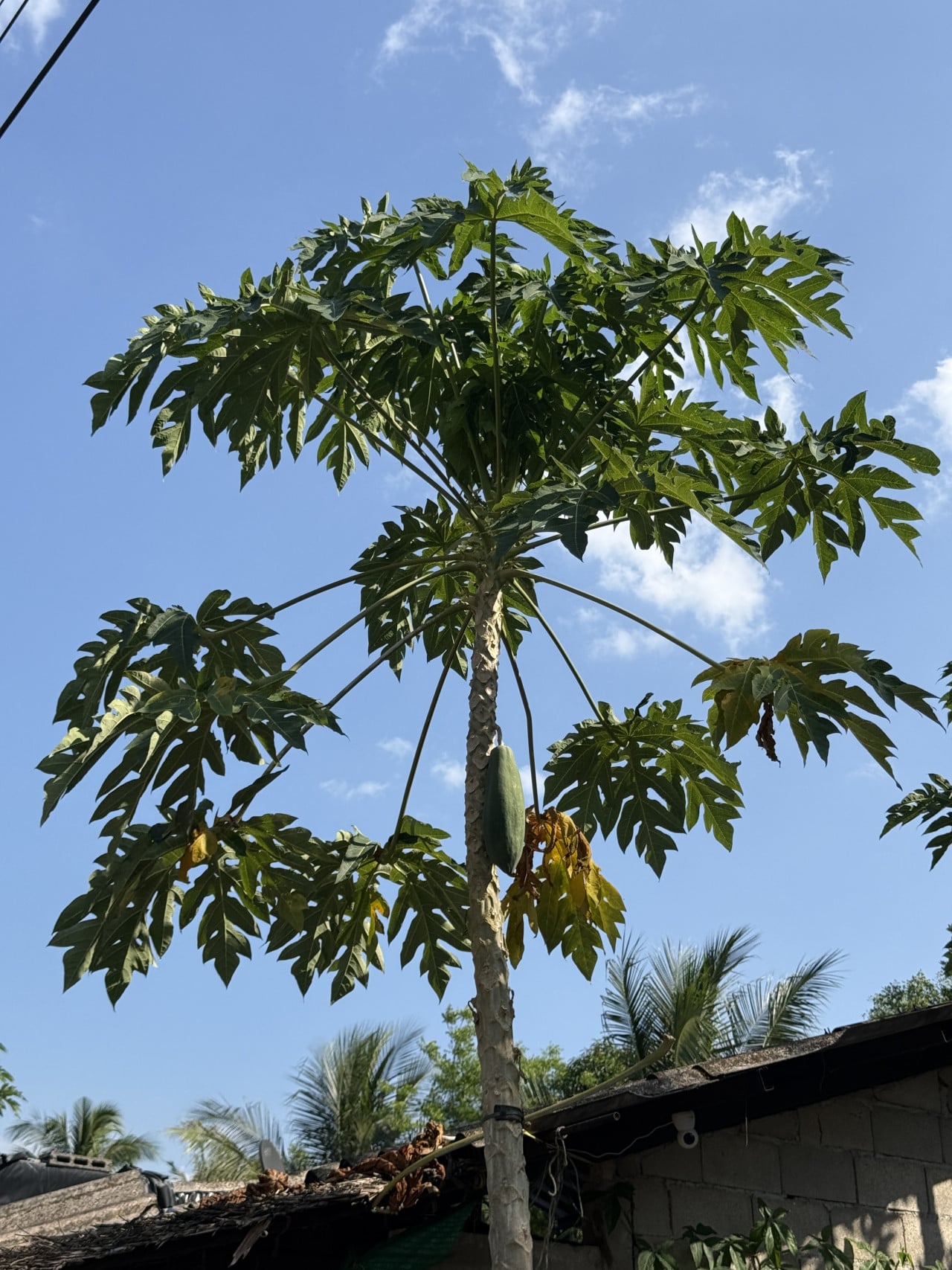
The coconut palm is literally the tree of life in Thailand. The locals use absolutely everything from it – they drink coconut water as a refreshing beverage, coconut milk forms the basis of most Thai curries and soups, the flesh is added to desserts, the oil is used both for cooking and in cosmetics, and the fibers from the outer husk are made into mats, ropes, and brushes. Even the leaves are used as roofing or as material for making baskets. Dozens of them grew around the lake in the village.
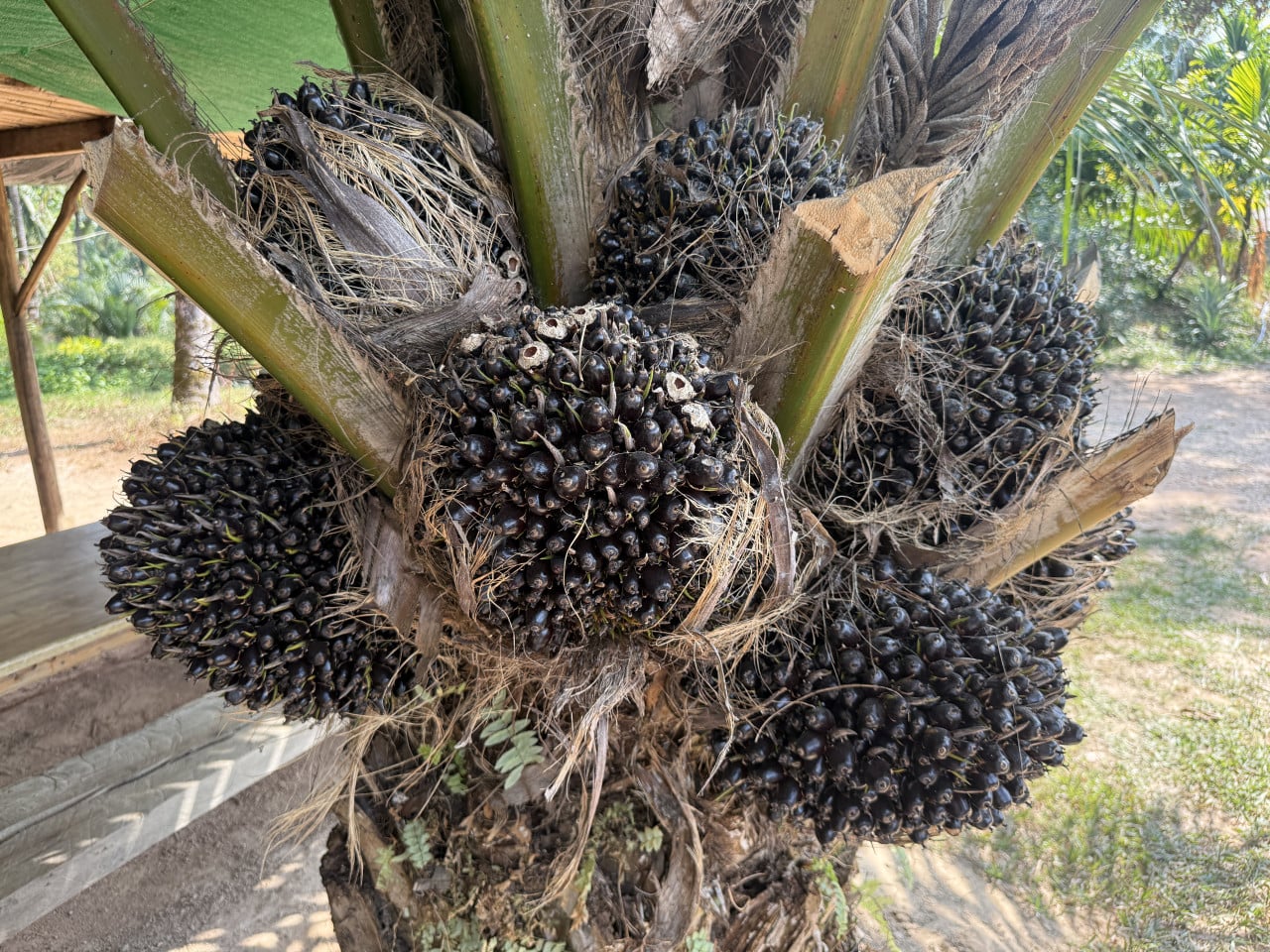
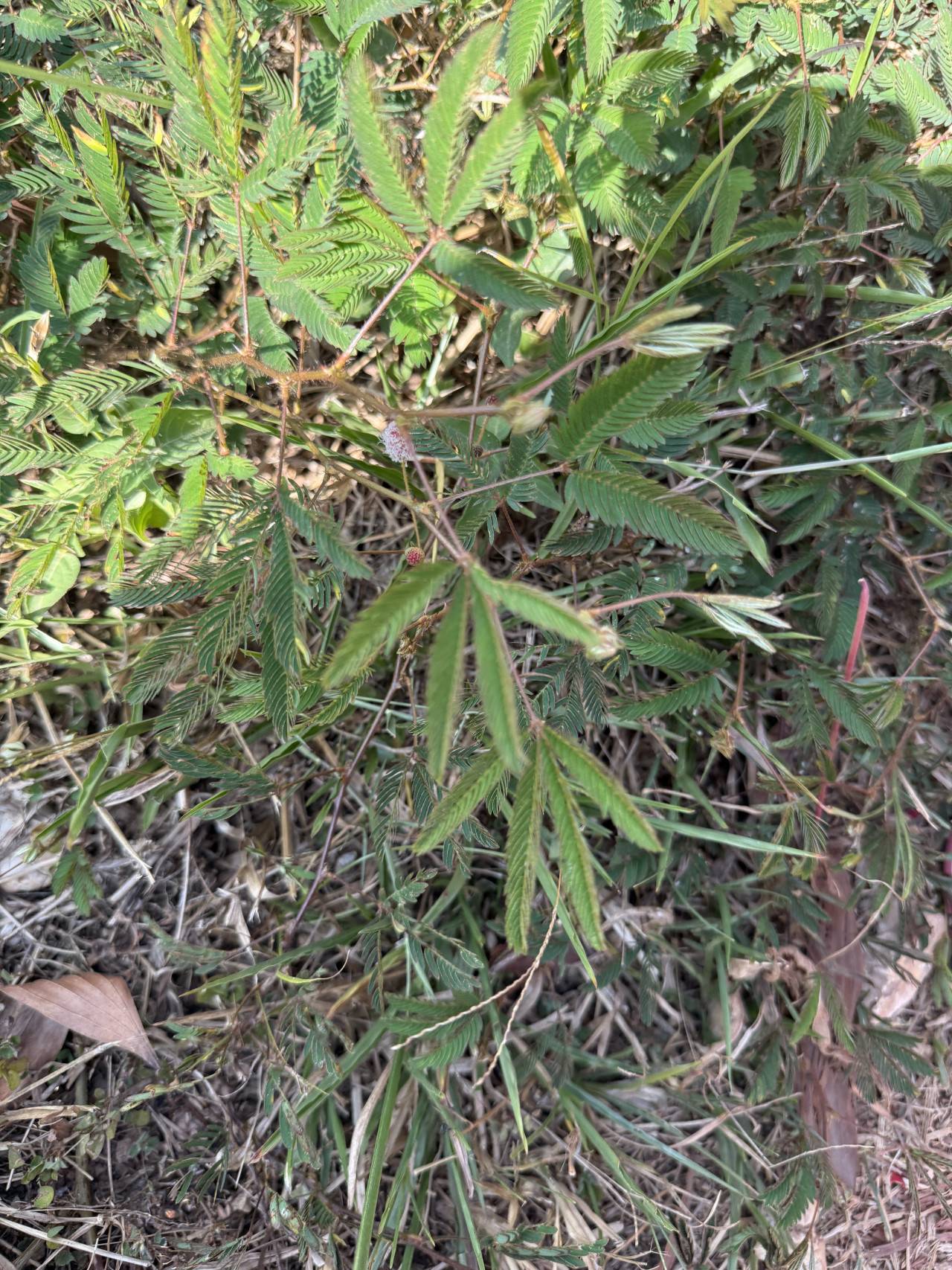
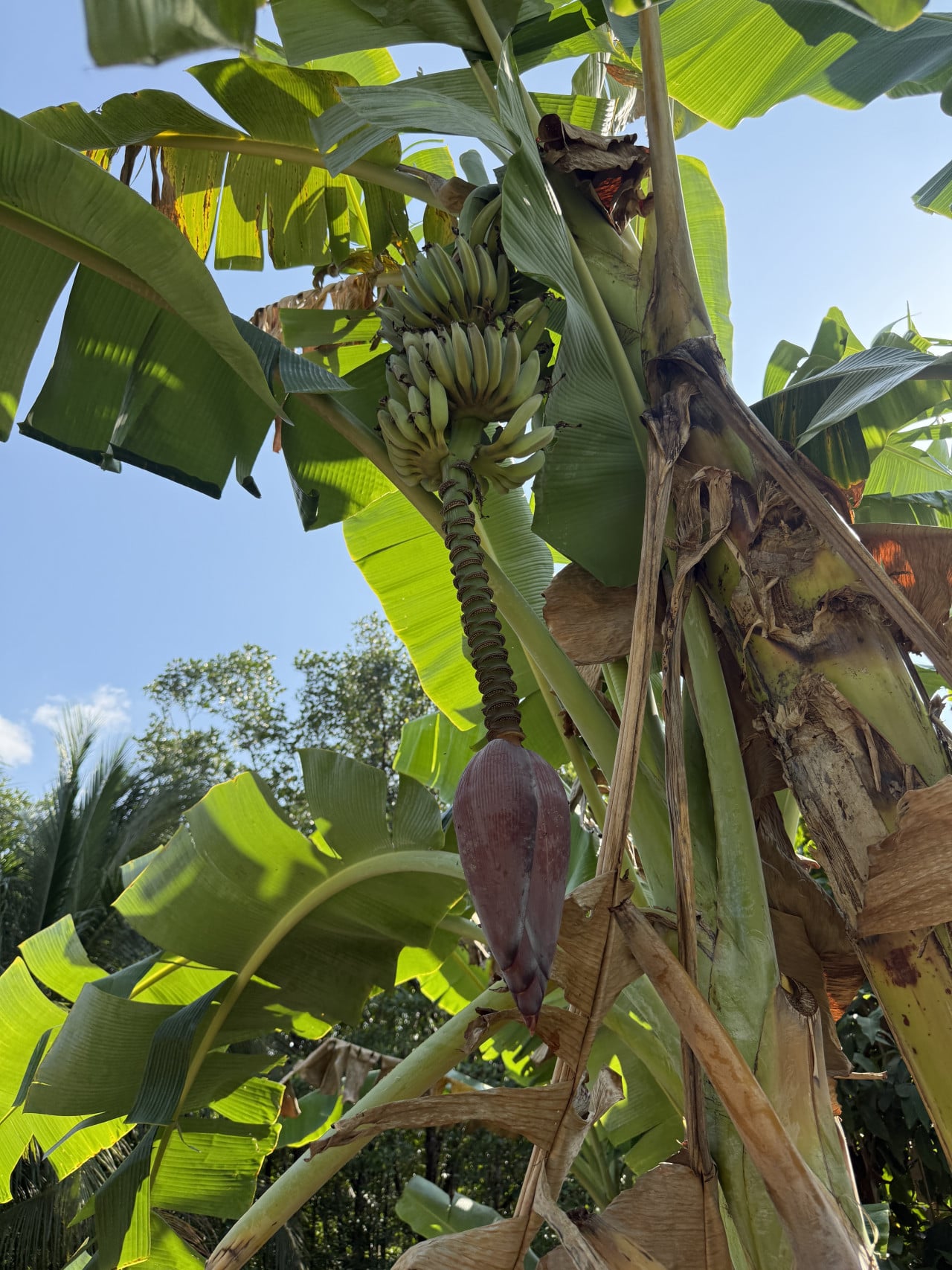
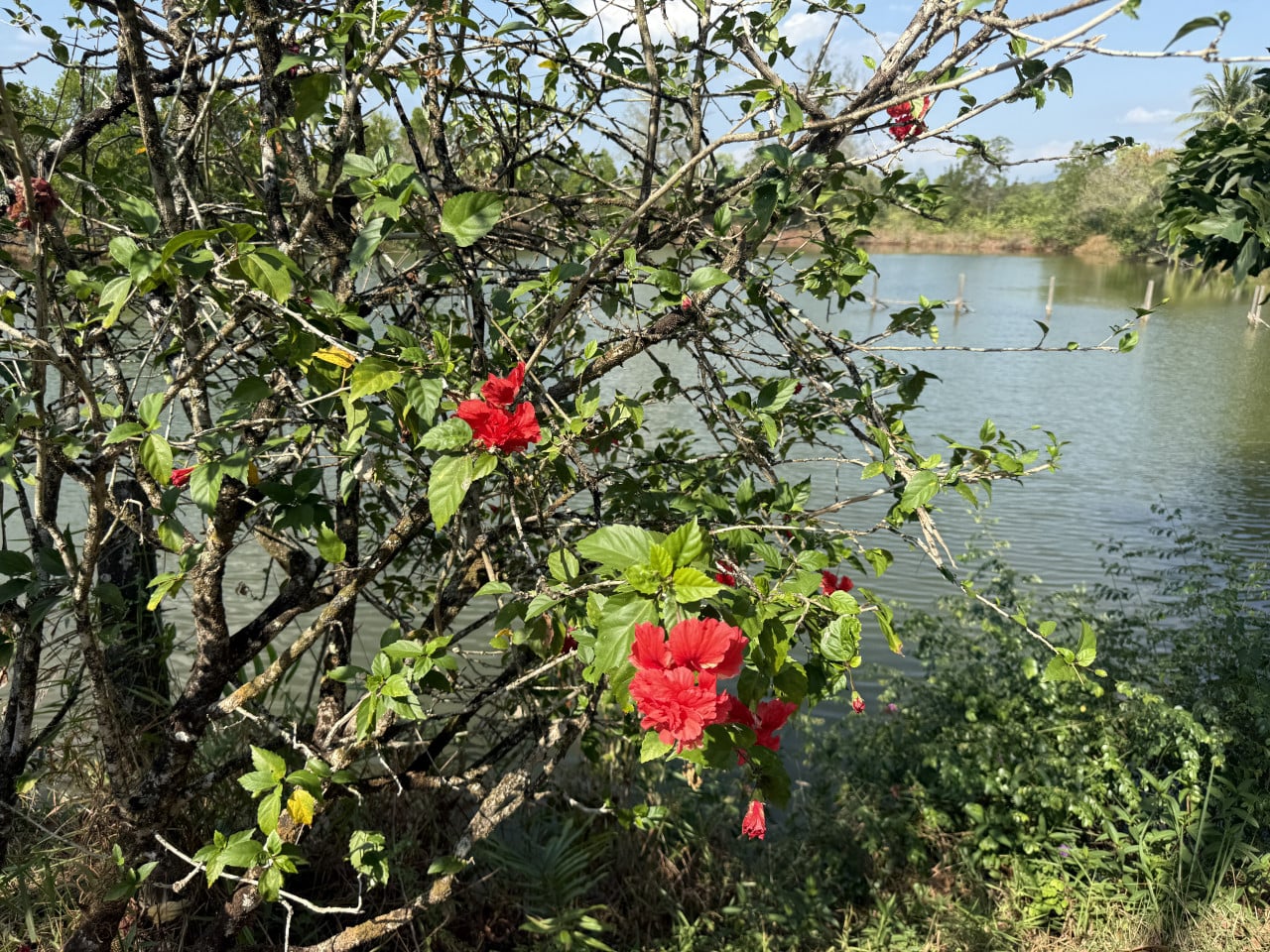
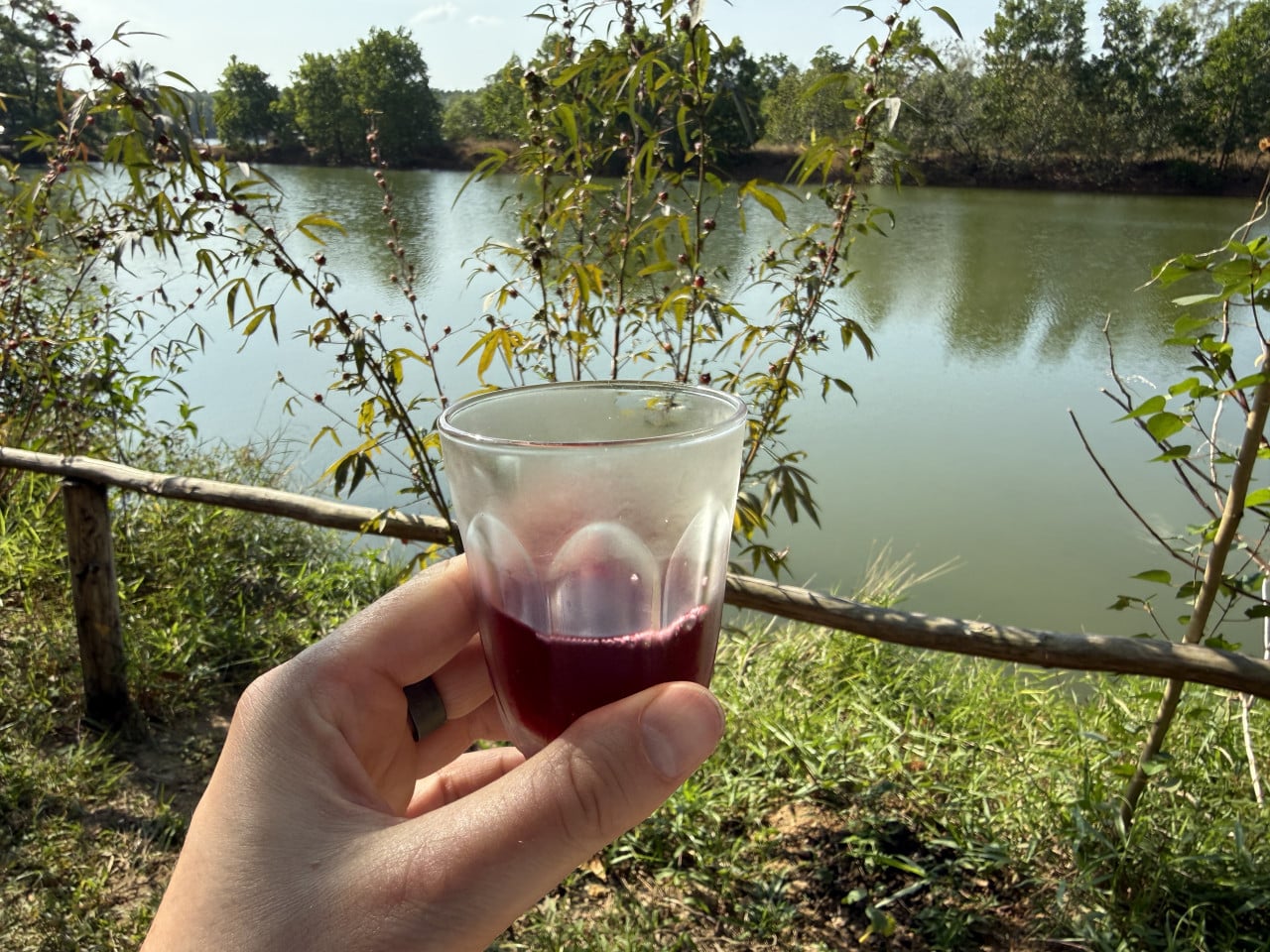
In addition to coconut palms, we also looked at banana plants and other tropical vegetation. And it was here that I finally remembered the name of those striking red flowers we had seen everywhere – hibiscus. It grows practically everywhere in Thailand, and besides being ornamental, it is also used to prepare popular hibiscus tea, which is bright red, slightly tart, and most often served cold with ice. That was exactly what we were given at the end of the entire trip.
Shooting a slingshot on the pier
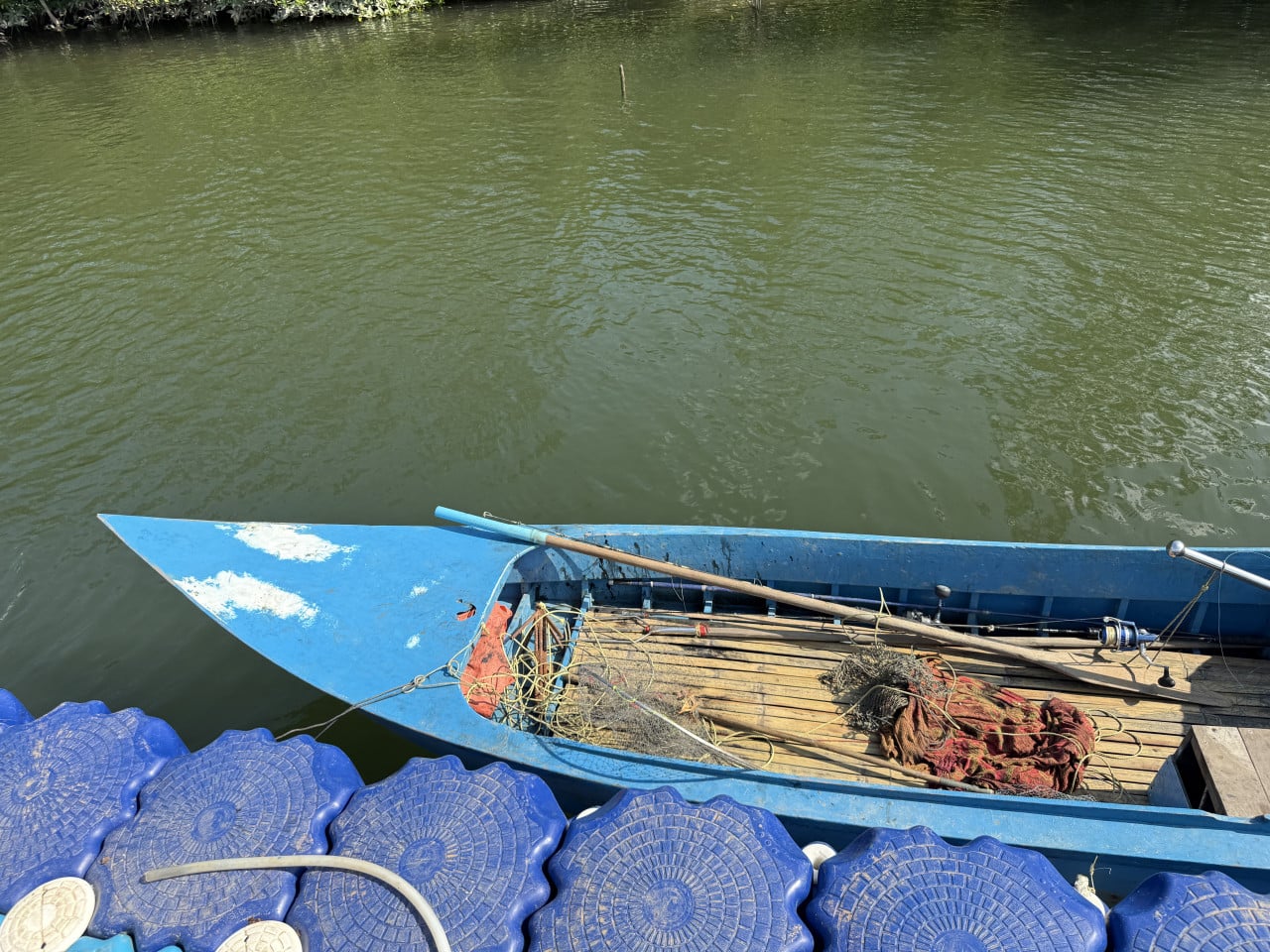
From the lake, we moved to a wooden pier. And here came a surprising attraction – shooting a slingshot. Simple entertainment, but incredibly addictive. My daughter Leja enjoyed it so much that a local man gave her a slingshot as a gift. She was thrilled, and the slingshot became one of the most treasured souvenirs from the entire vacation.
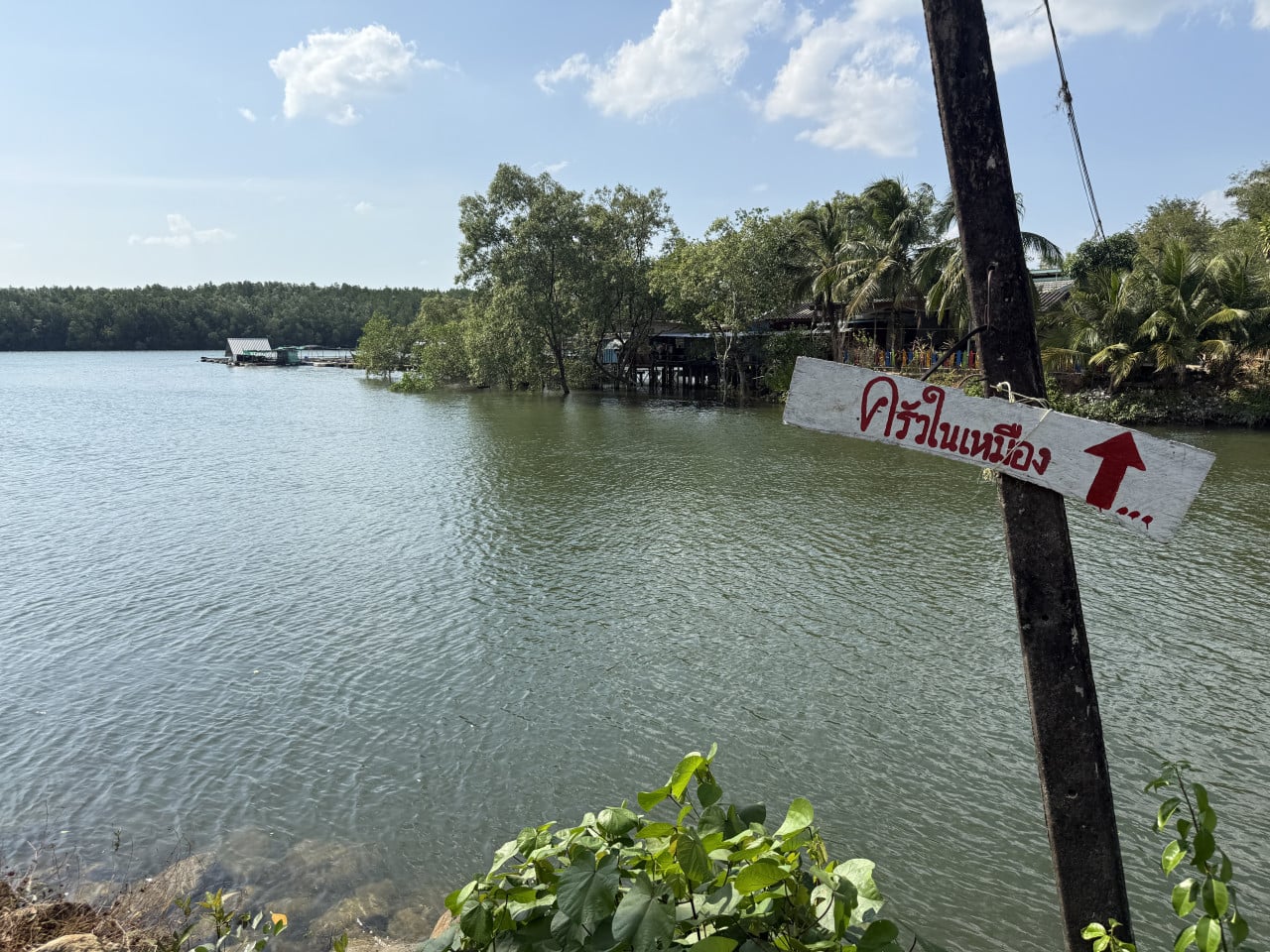
From the pier, we then walked to the local pastry workshop, which was only a short distance from the lake.
Kanom Ban Tawan pastry workshop
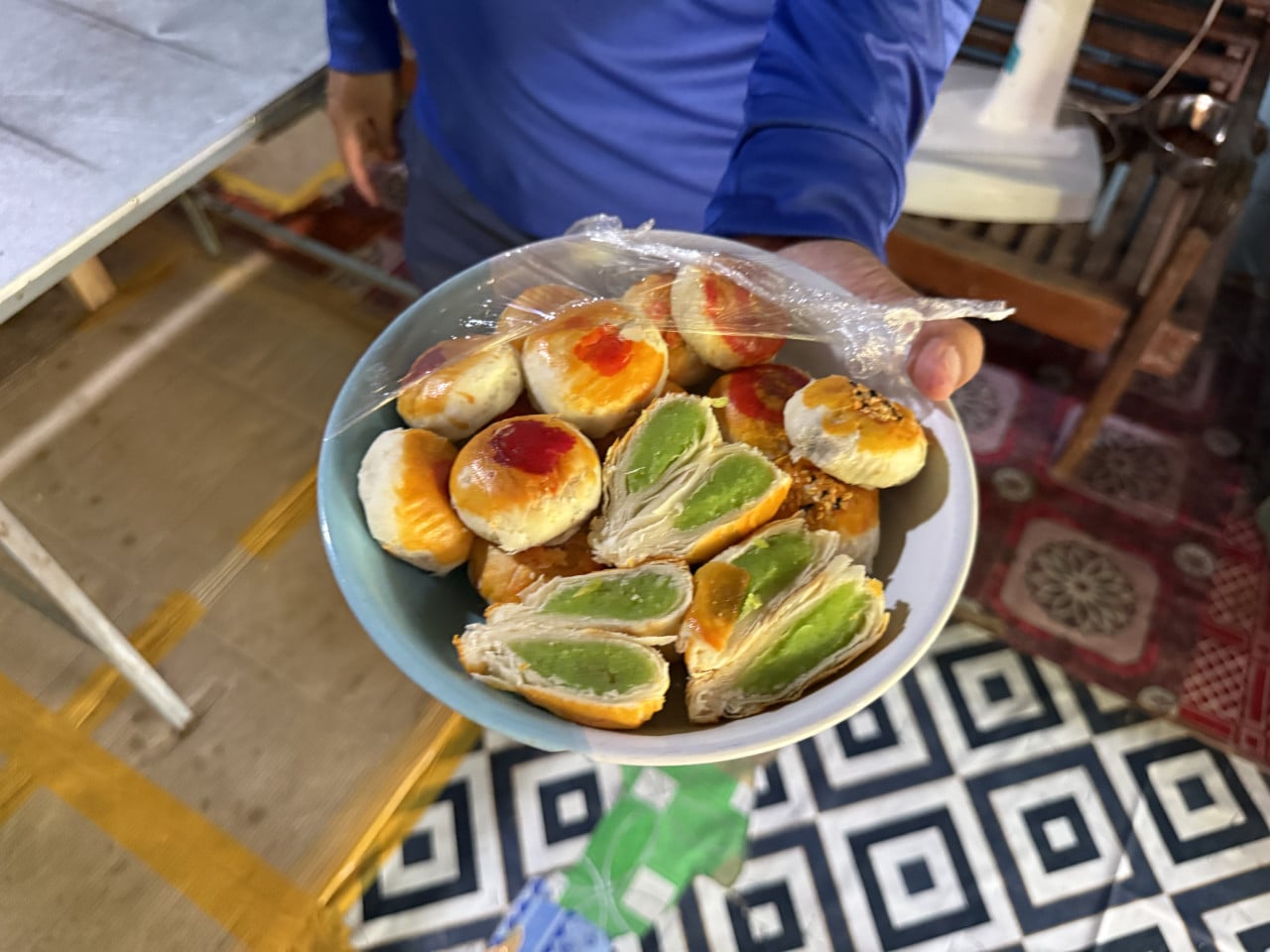
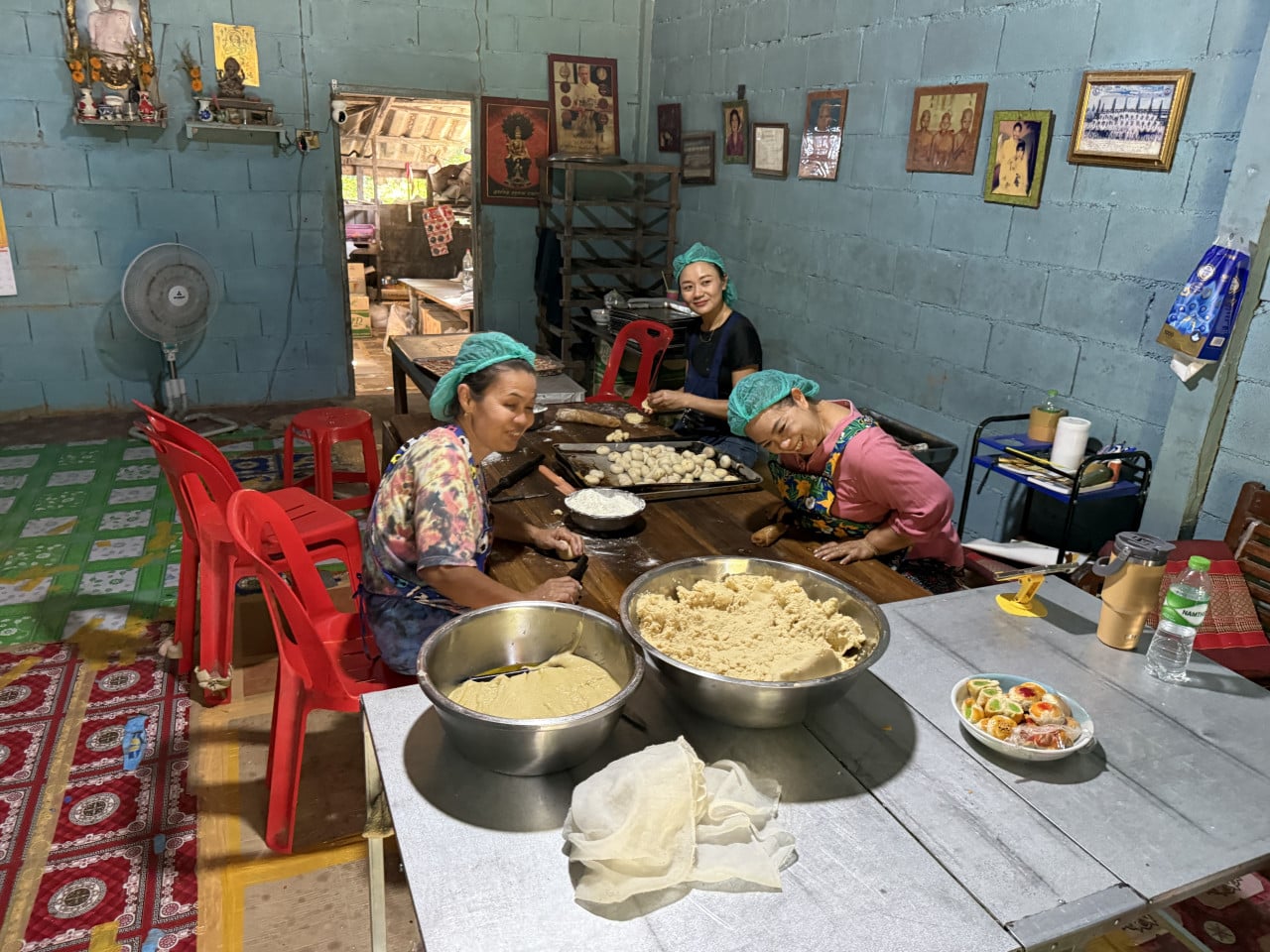
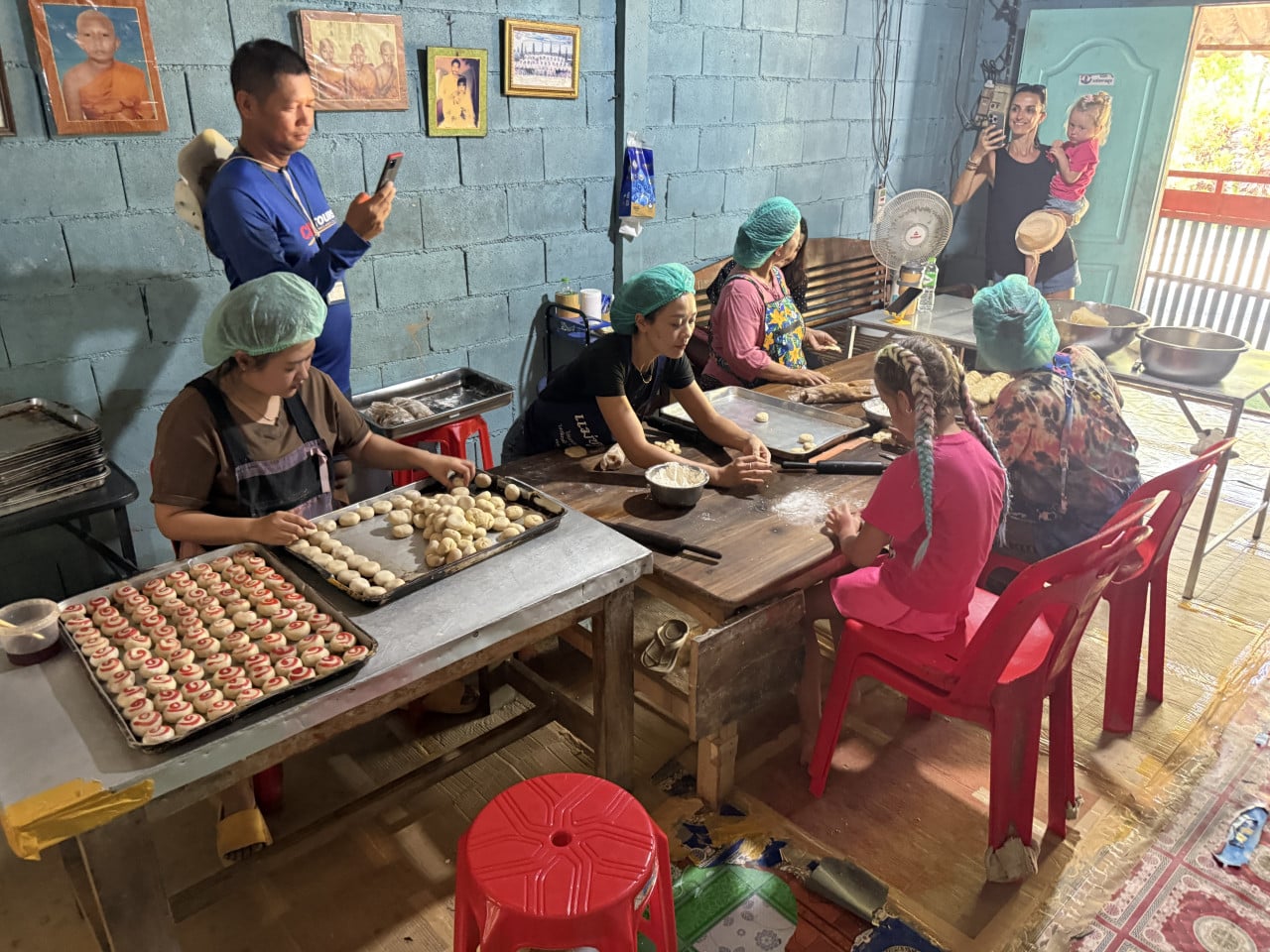
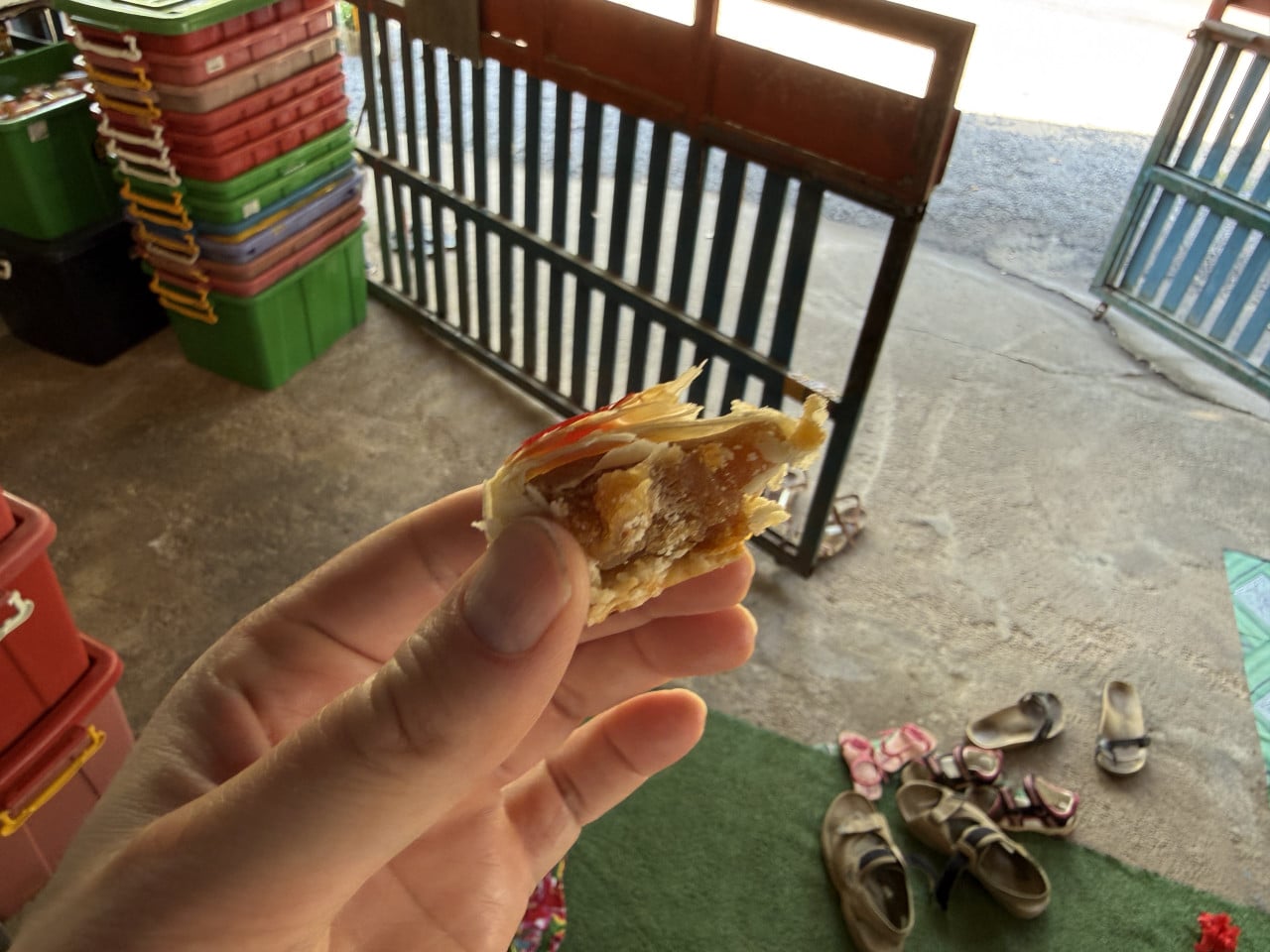
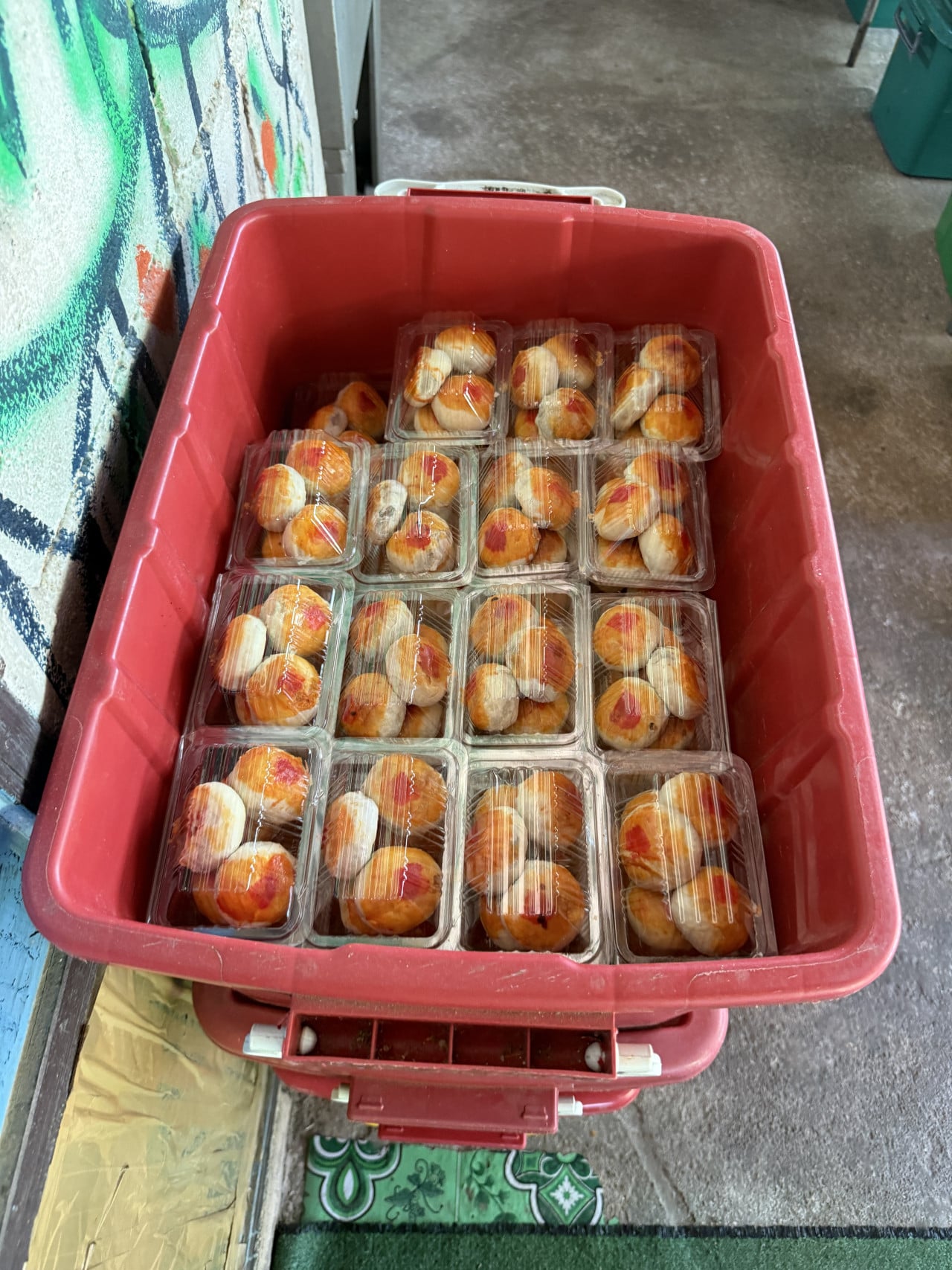
The village of Bang Wan is known for producing traditional Thai pastries called Kanom Pia (ขนมเปี๊ยะ). These pastries are of Chinese origin, brought to Thailand by Chinese immigrants, and over the centuries they have become an established part of Thai culinary tradition. Kanom Pia have thin, flaky pastry made from wheat flour and lard and are most commonly filled with sweet mung bean paste, taro, salted duck egg yolk, or a mixture of nuts. In Thailand, they are traditionally handed out at celebrations, engagements, and weddings, and are also used as offerings to ancestors.
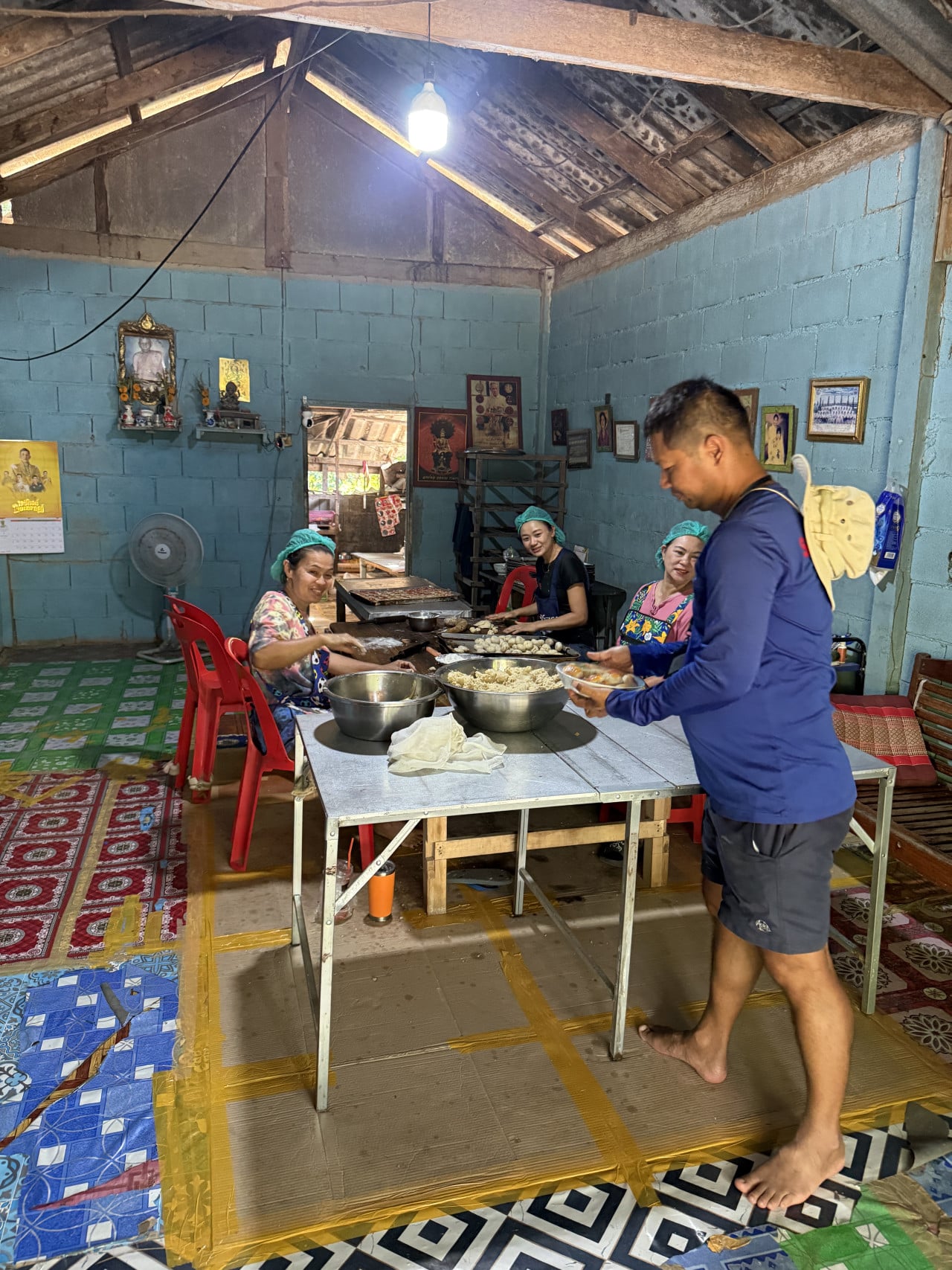
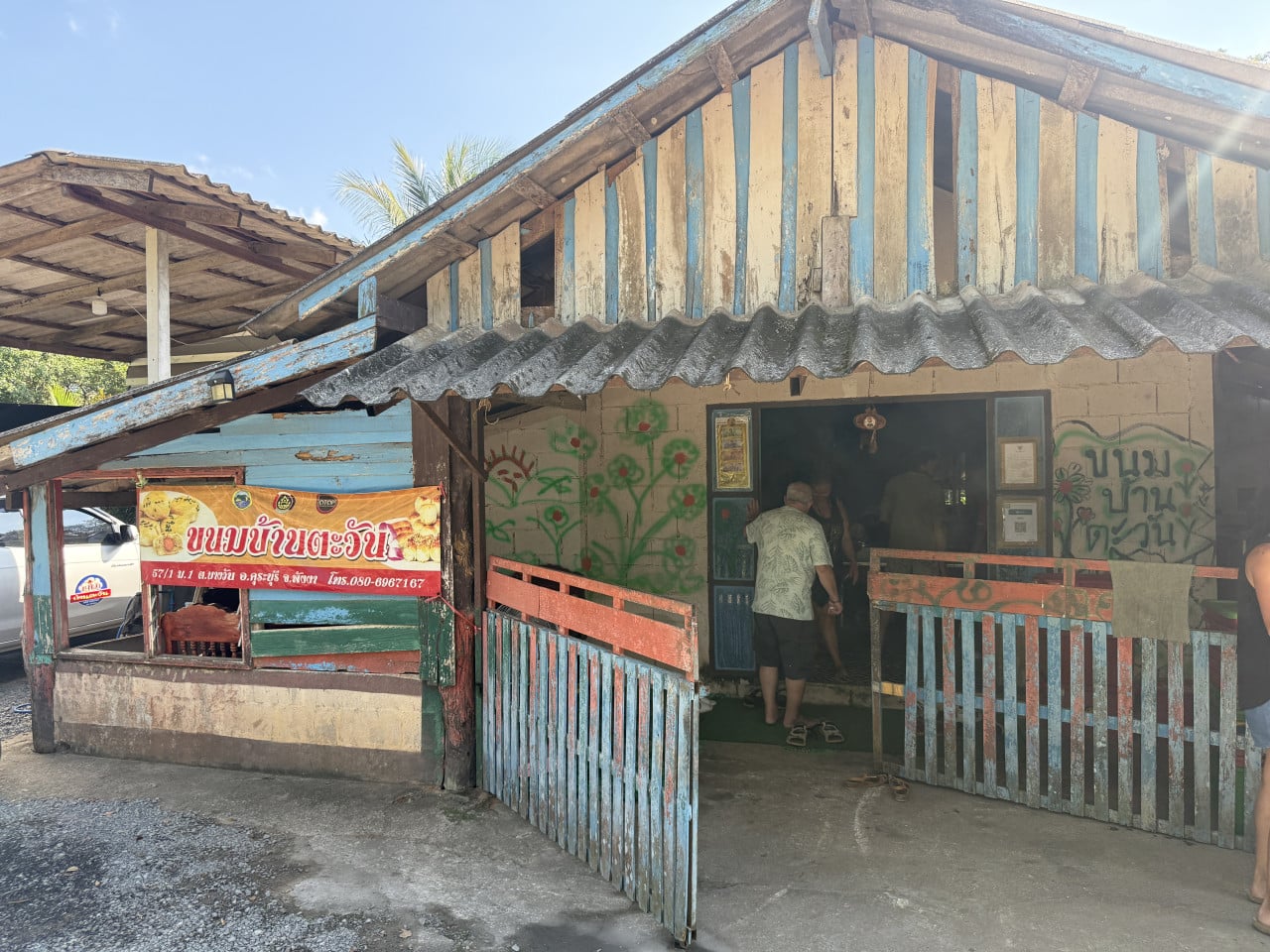
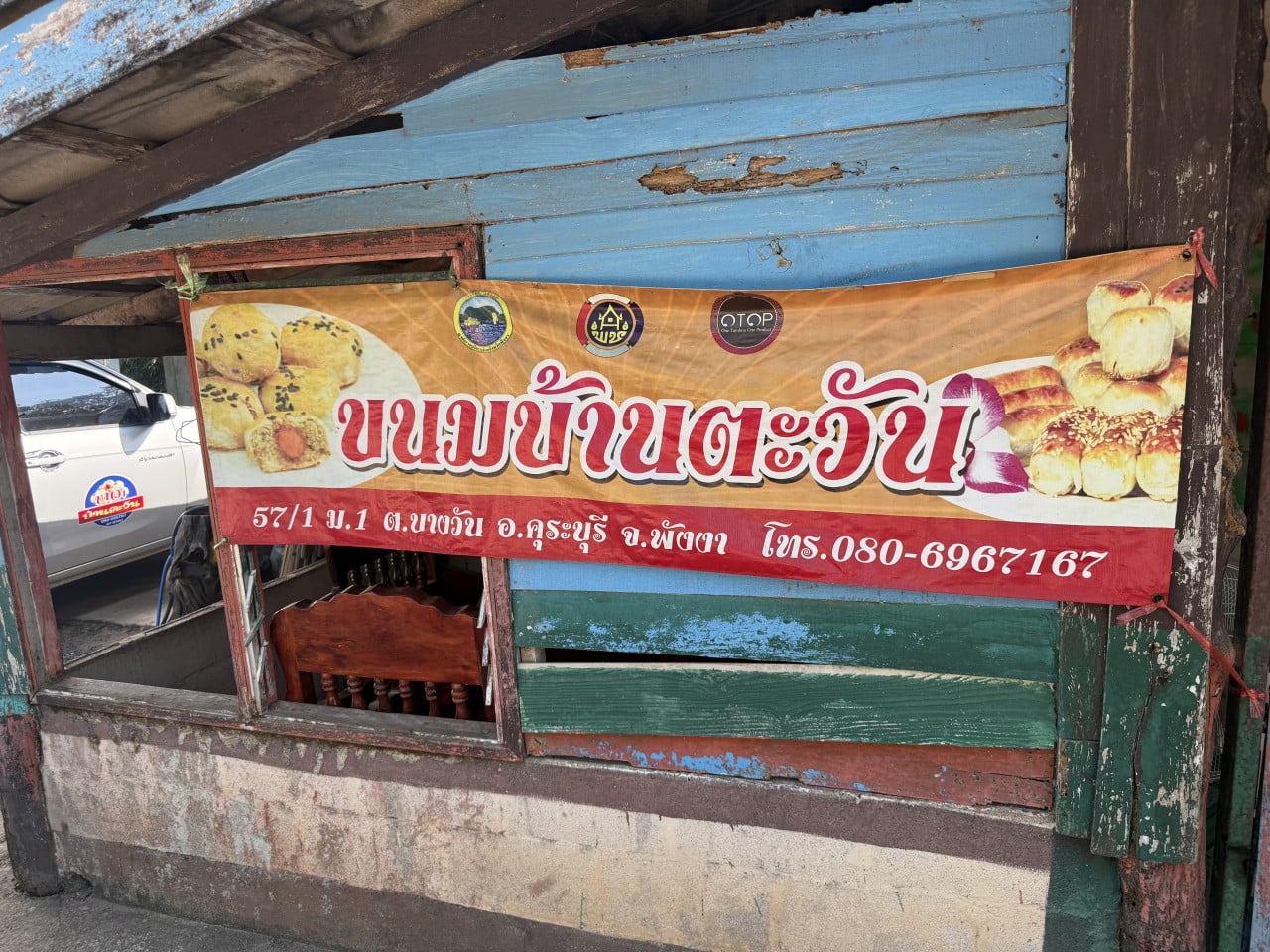
The Kanom Ban Tawan (ขนมบ้านตะวัน) workshop is a small family business with OTOP certification – a Thai government program called “One Tambon One Product" (one district, one product), which supports local craftspeople and traditional production throughout the country. The program has been operating since 2001 and helps small producers bring their products to a wider market.
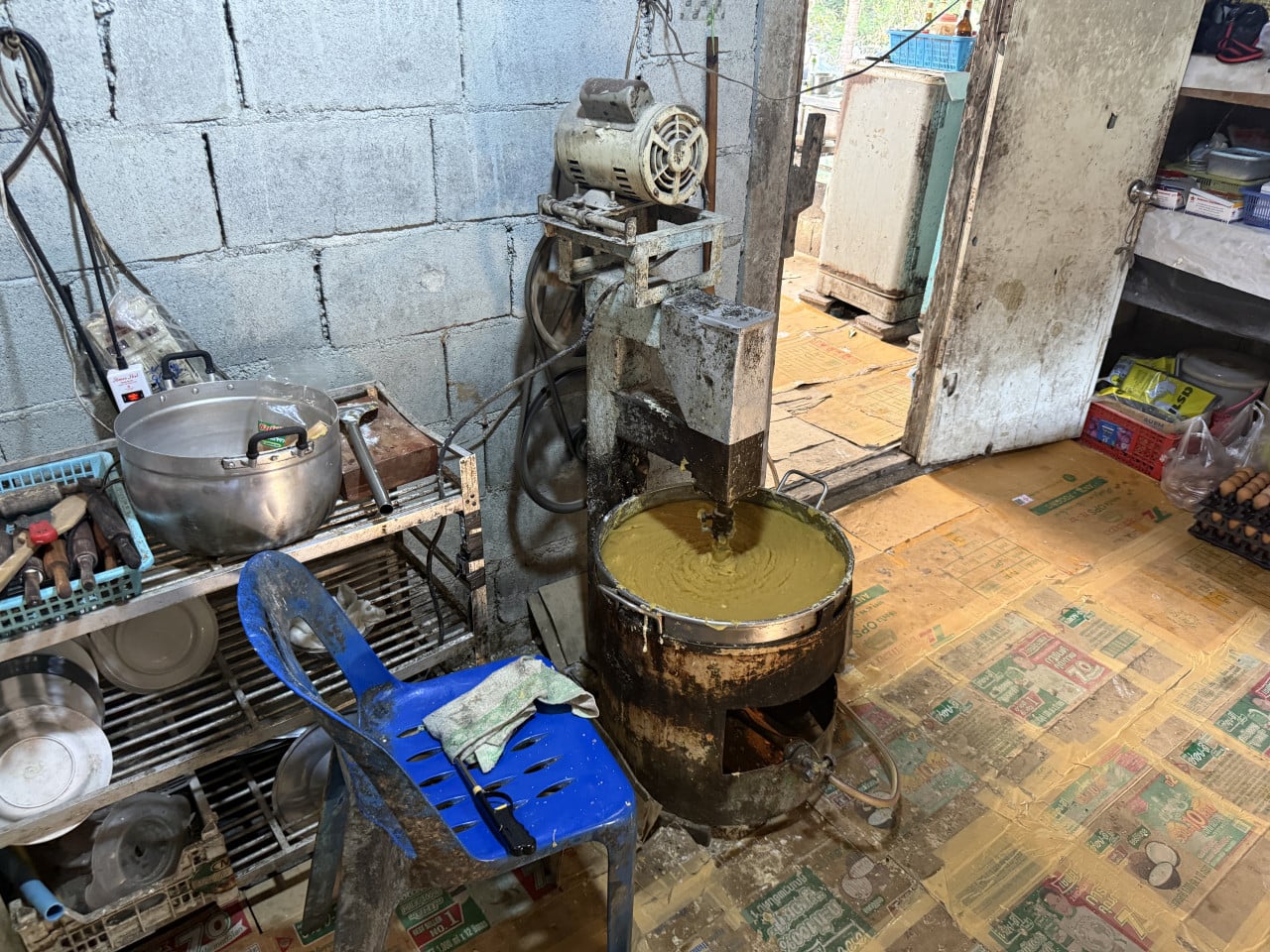
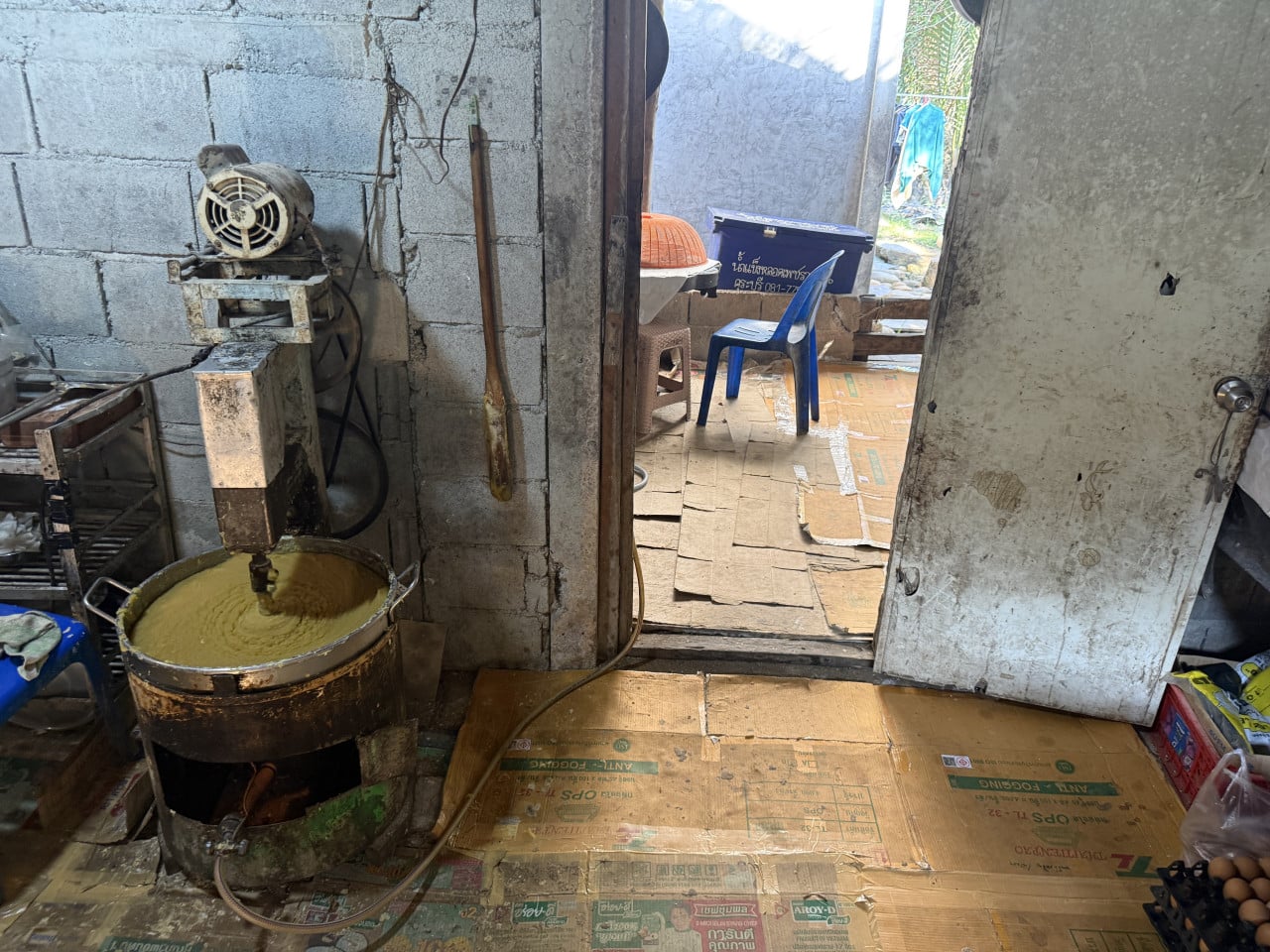
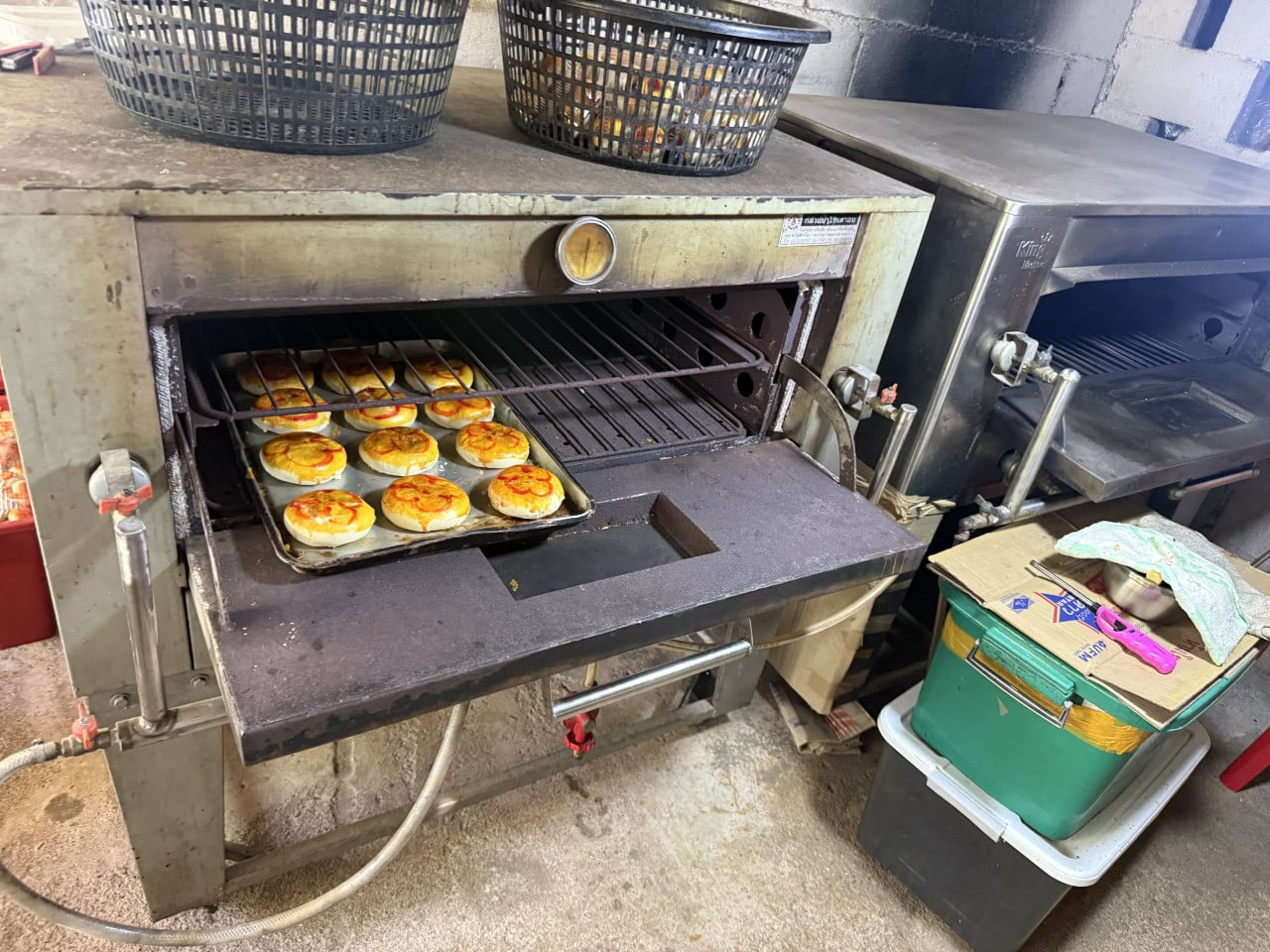
My daughter also had the chance to try making the pastries herself, which was a great experience for her. The pastries are baked on trays in gas ovens, and the entire process is surprisingly manual – from preparing the dough and adding the filling to shaping them.
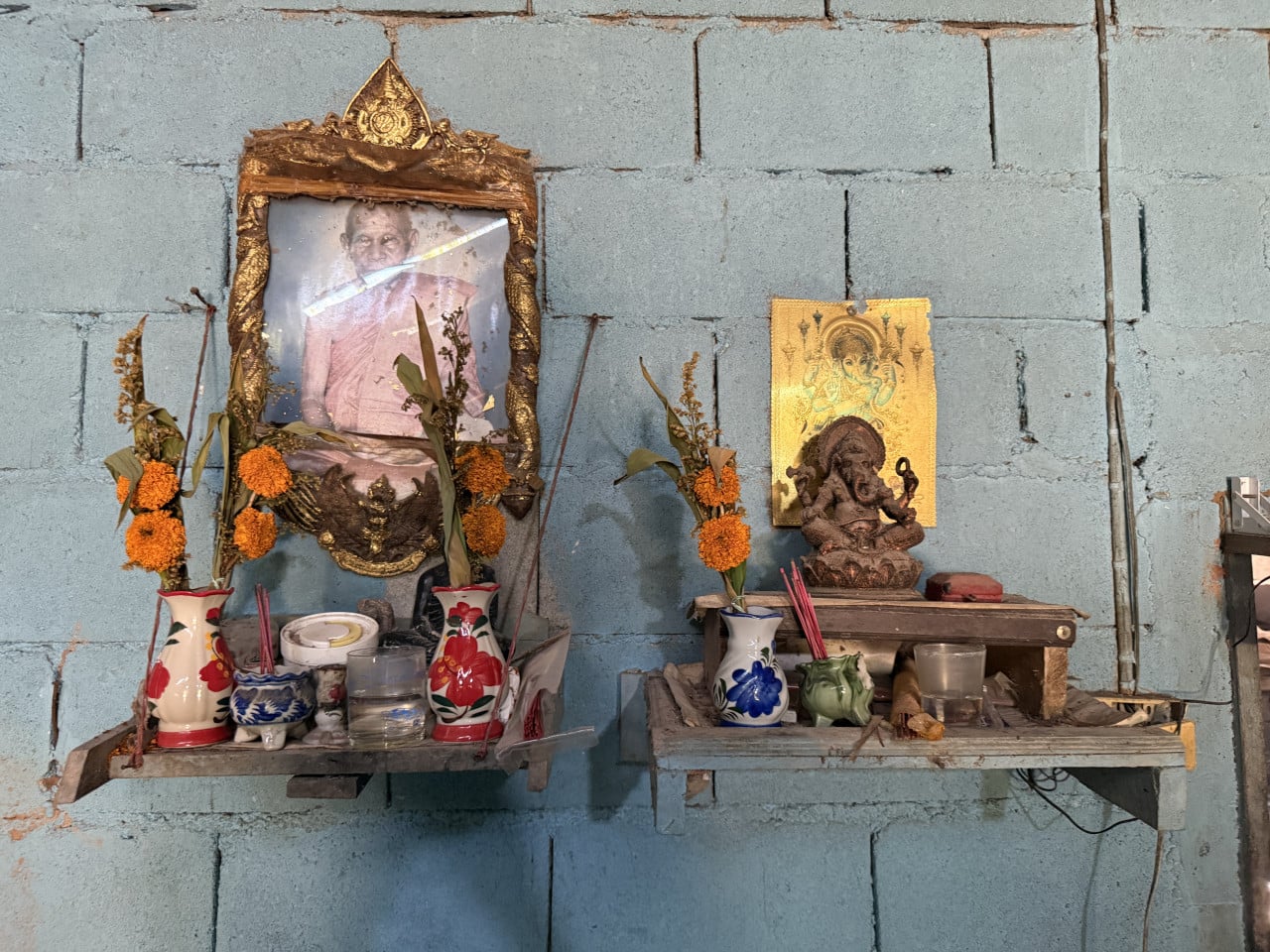
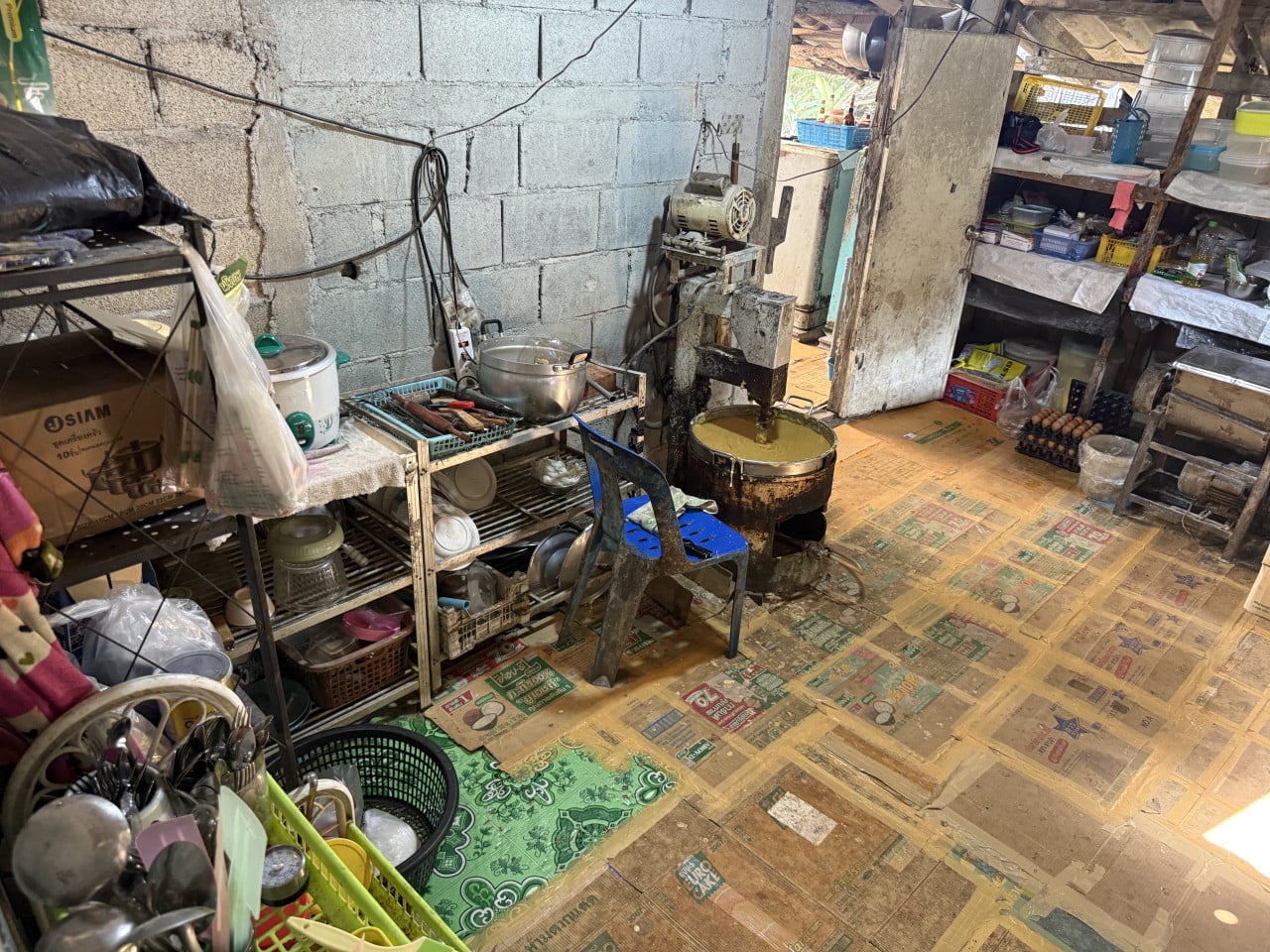
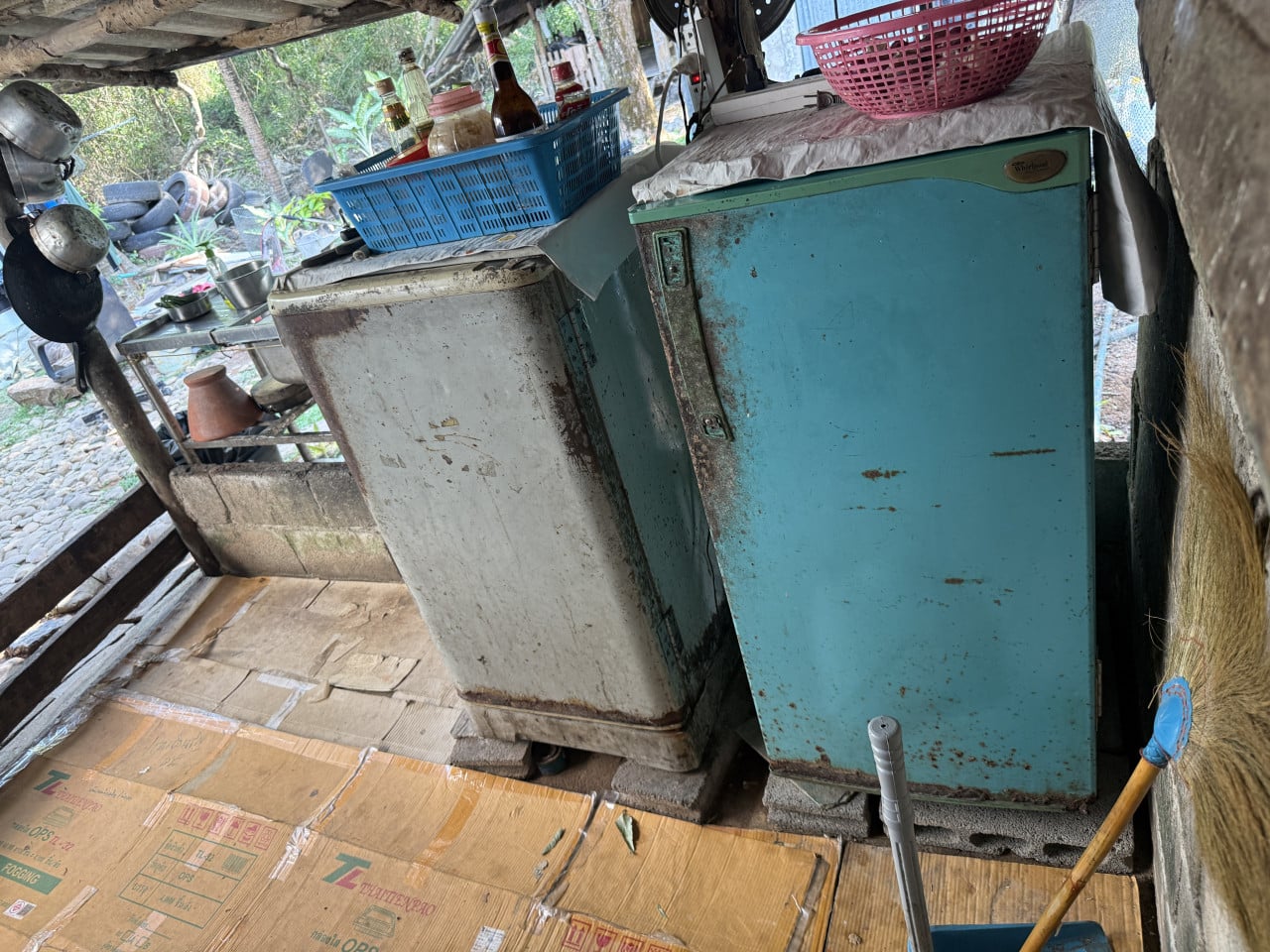
What caught my attention the most, however, were the hygiene conditions. The workshop floor was covered with flattened cardboard boxes, while stacks of dishes, old mechanical equipment, and cables stood everywhere. A Buddhist shrine hung on the wall with a photograph of a monk and a statue of Ganesha – a typical feature of Thai homes and workshops, intended to bring good luck and protect the business. Honestly, I do not think this place would pass a health inspection back home. But the pastries were excellent – crispy, fragrant, and fresh straight from the oven.
Farewell hibiscus tea
At the very end of the trip, we were given homemade hibiscus tea – beautifully red, slightly tart, and refreshing. Hibiscus, known as Dok Krachiap (ดอกกระเจี๊ยบ) in Thai, is incredibly popular in Thailand. The dried flowers are steeped in hot water, and the resulting drink is full of vitamin C and antioxidants. The locals drink it both hot and cold and often sweeten it with honey or cane sugar.
With cups of tea in our hands, we got back into the minibus and set off toward the hotel. It was afternoon, the sun was blazing, and after all the cooking, slingshot shooting, and touring the village, we were pleasantly tired.
This trip showed me a slice of Thai life that you would never see from a hotel resort. How the locals cook, what they eat, how they live, and above all – how different their everyday reality is from what we know in Europe. And yet, through it all, there is a sense of calm, ease, and a smile that is so typical of Thai people.