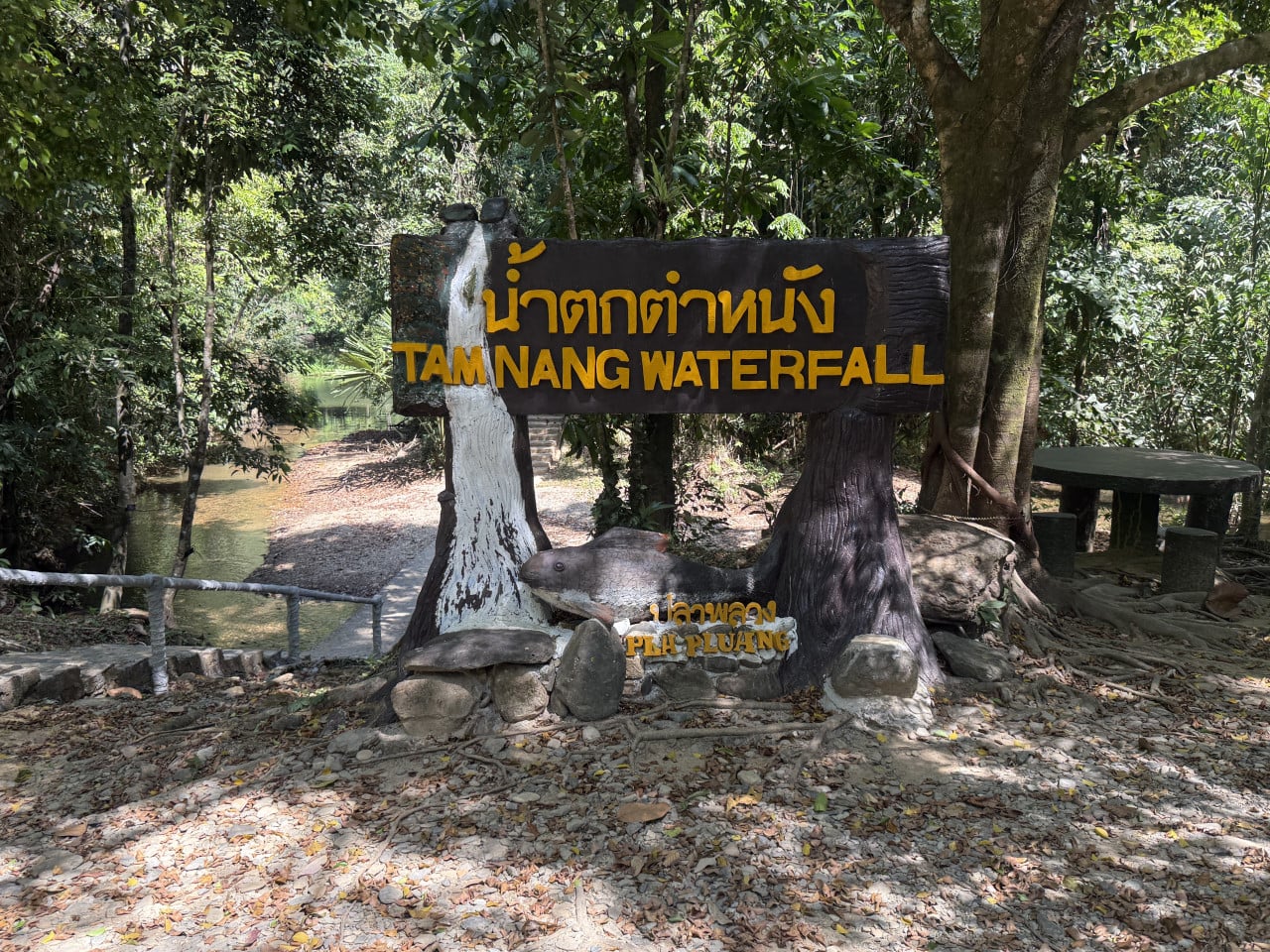
During our vacation in Thailand, we set off with a guide on a full-day trip to an elephant farm. And on the way back—just before we went to have lunch with some locals, where we cooked our own food—we stopped at Tam Nang Waterfall (Thai: น้ำตกตำหนัง). And I have to say it was one of the most beautiful stops of the entire trip.
What Is Tam Nang Waterfall and Why Is It Worth Visiting?
Tam Nang Waterfall is located in Sri Phang Nga (Si Phang Nga) National Park, which was officially established in 1988 to mark the 60th birthday of Thailand’s King Rama IX. The park covers approximately 246 square kilometers and forms part of the larger Khao Sok–Klong Saeng protected area complex, which contains one of the oldest surviving rainforests in the world.
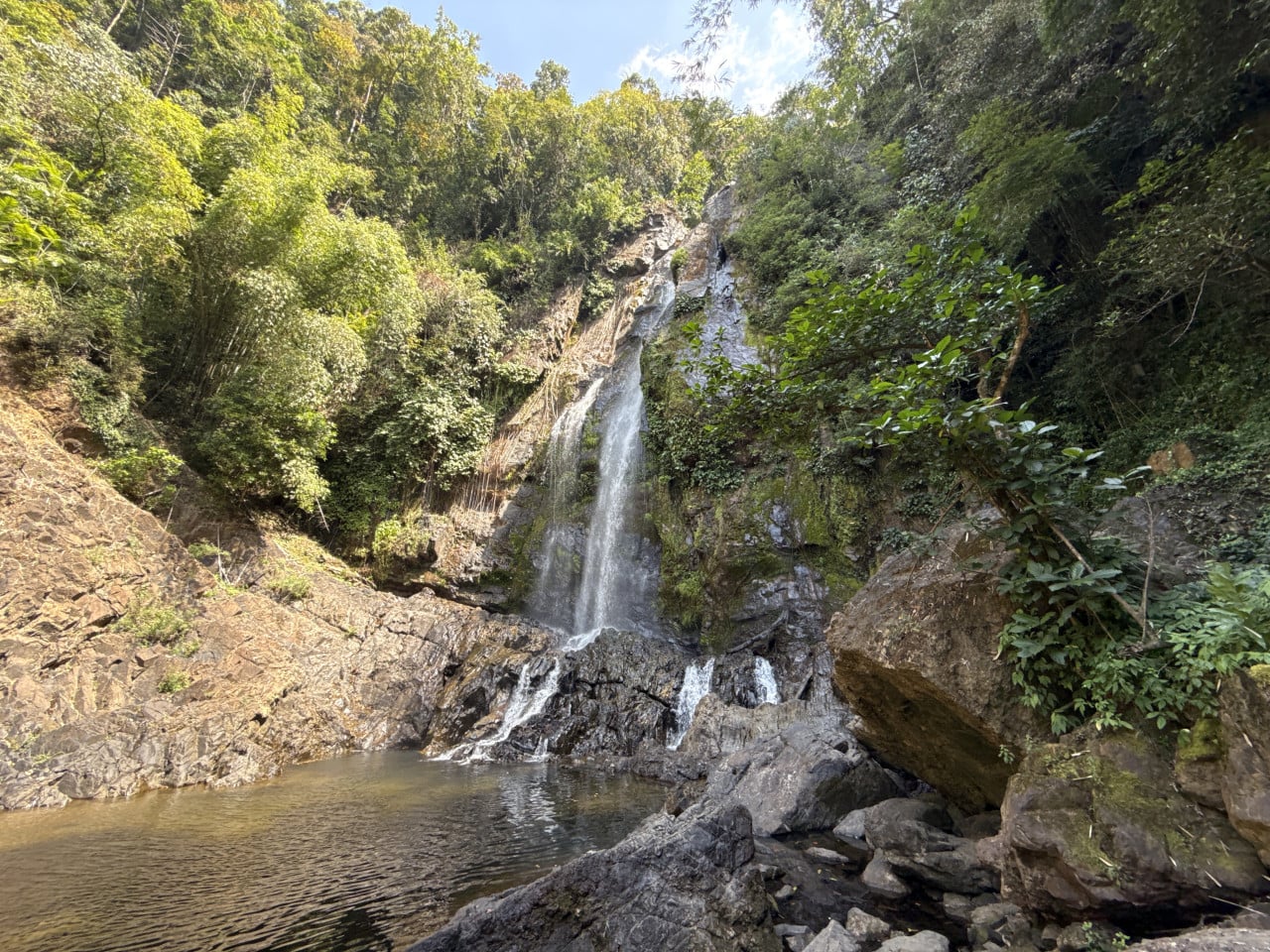
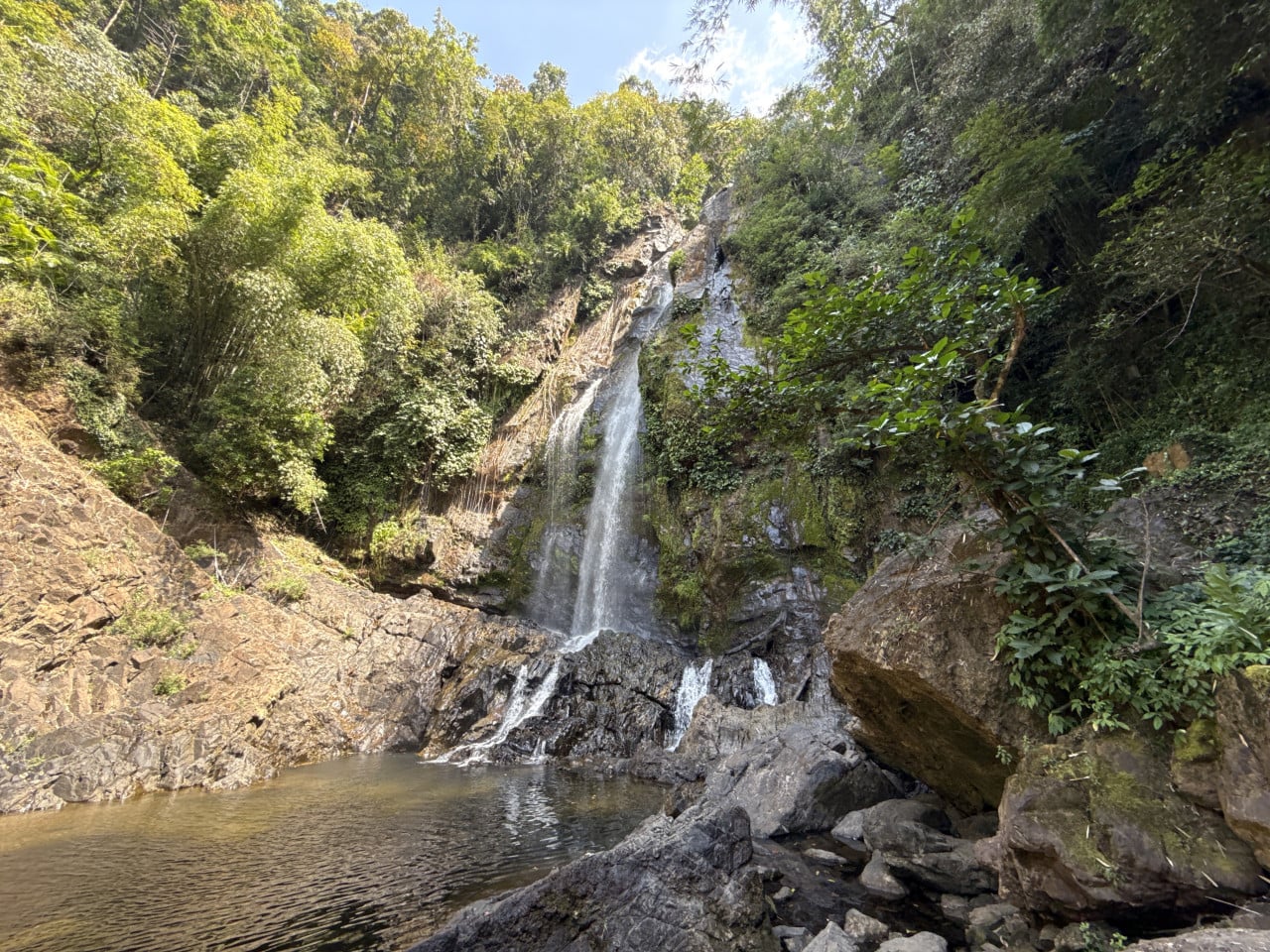
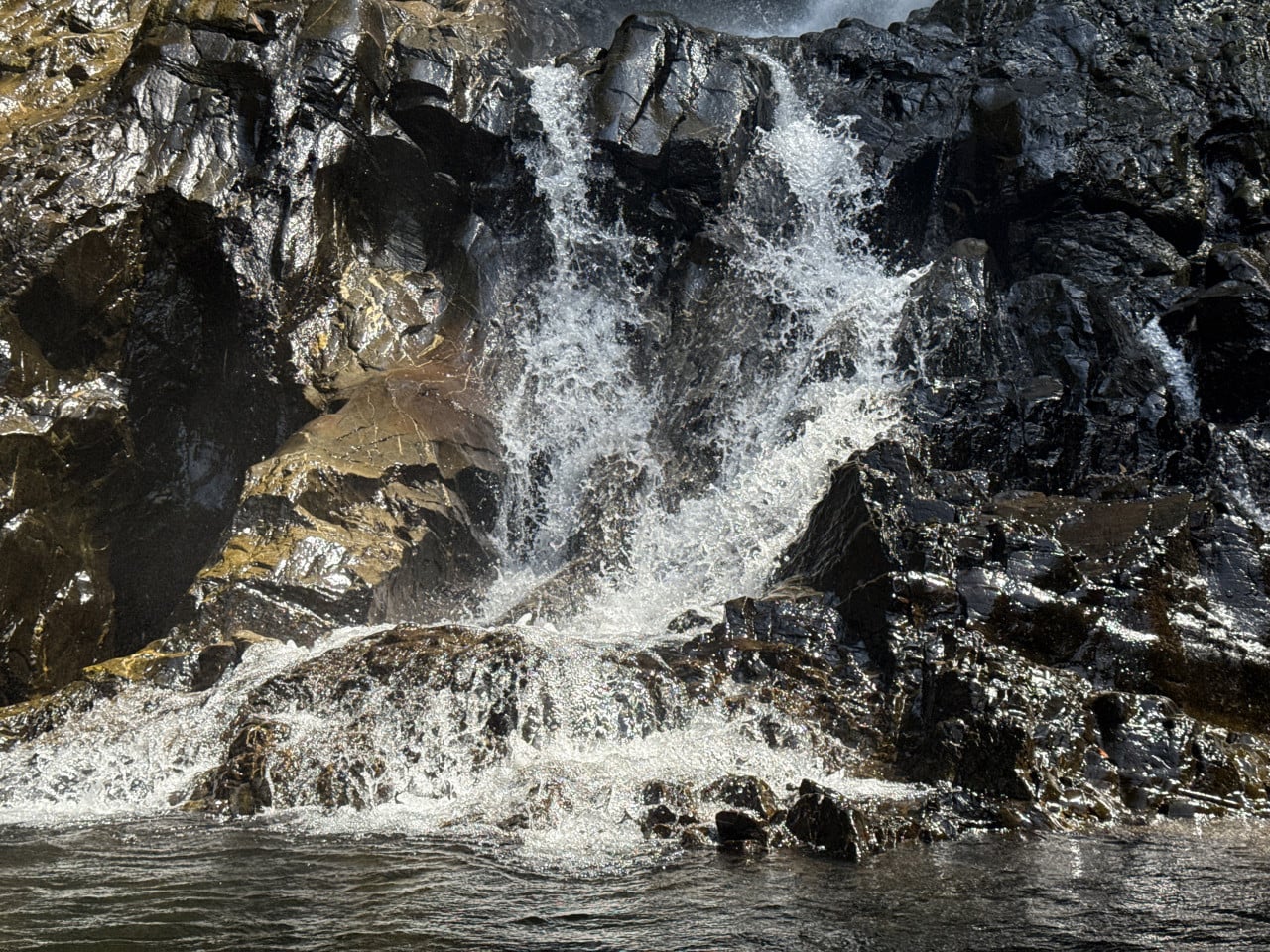
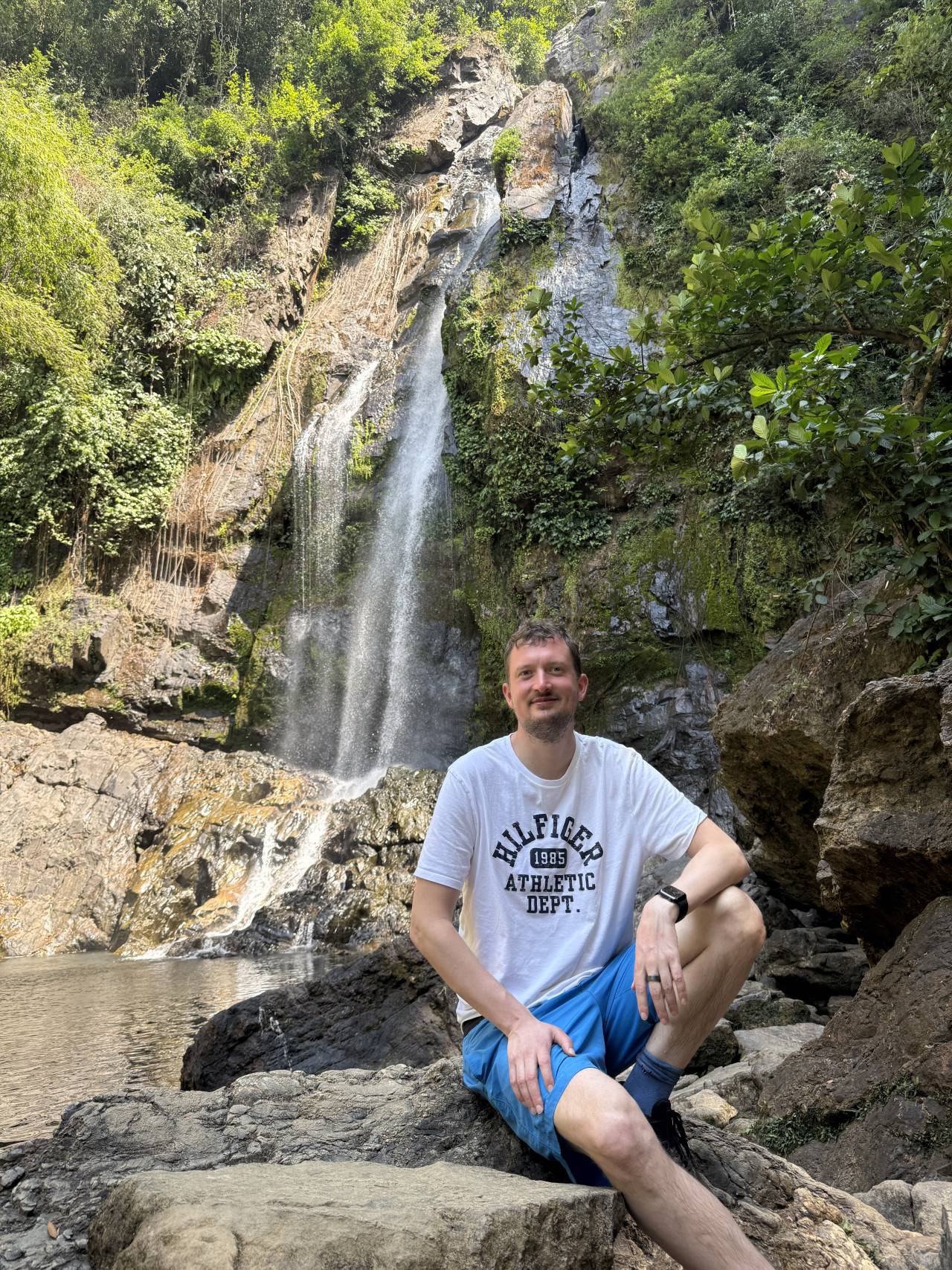
The waterfall itself is the park’s largest and best-known attraction. Here, water plunges from a rock face approximately 60 meters high into a large natural pool with crystal-clear water. The park is open daily from 8:00 a.m. to 4:30 p.m., and admission for foreigners is approximately 100 THB per person, with an additional parking fee of 20–30 THB. Visiting during the rainy season (July to October) is not recommended due to swollen streams and waterlogged trails.
What surprised me was how little known this place is compared with, for example, the beaches of Phuket—even though it is a beautiful natural spot where you are not surrounded by crowds of tourists. The park is approximately an hour and a half’s drive from Khao Lak, so it can easily be included as part of a full-day trip.
Fish That Greet You Right at the Start
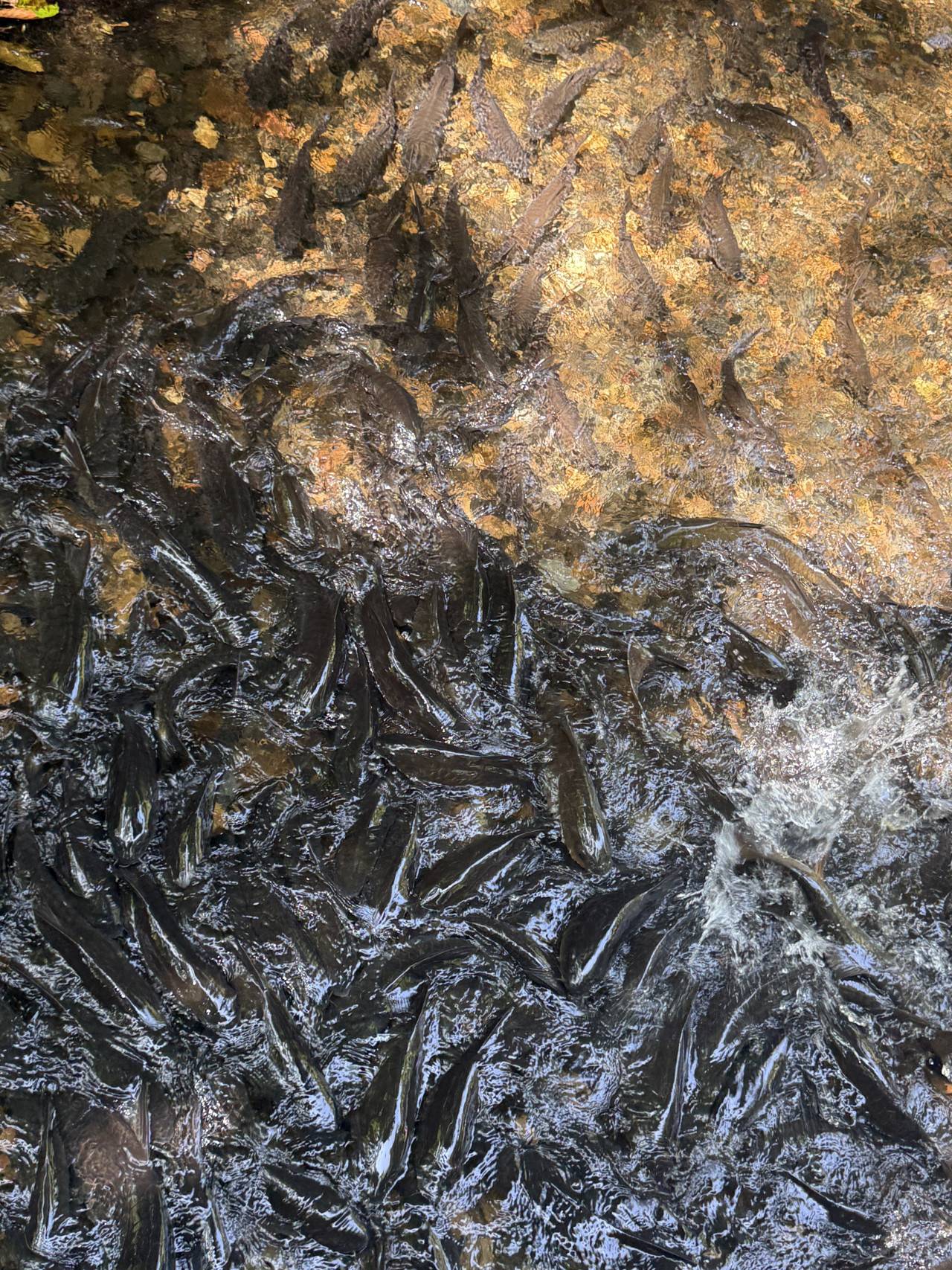
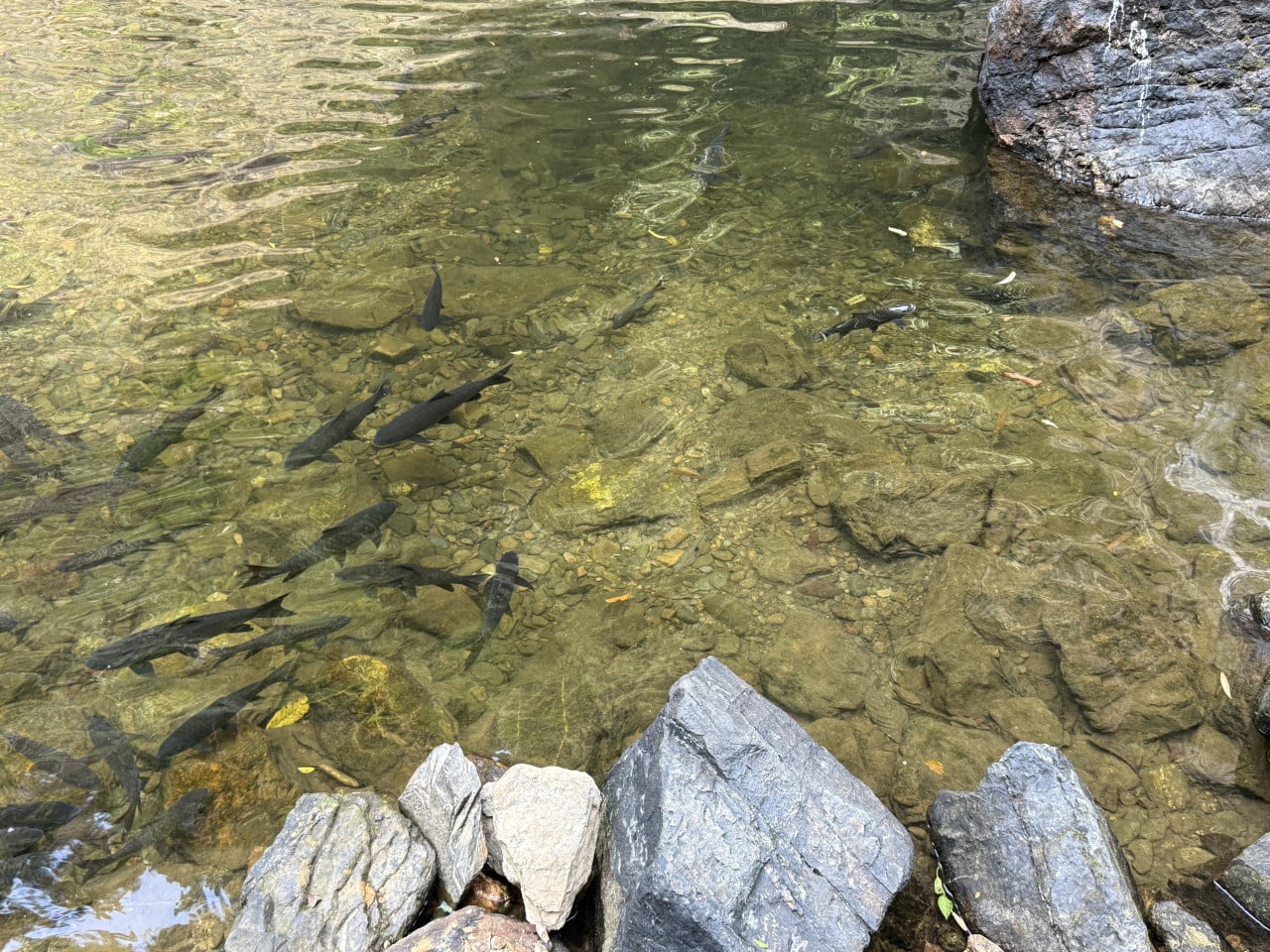
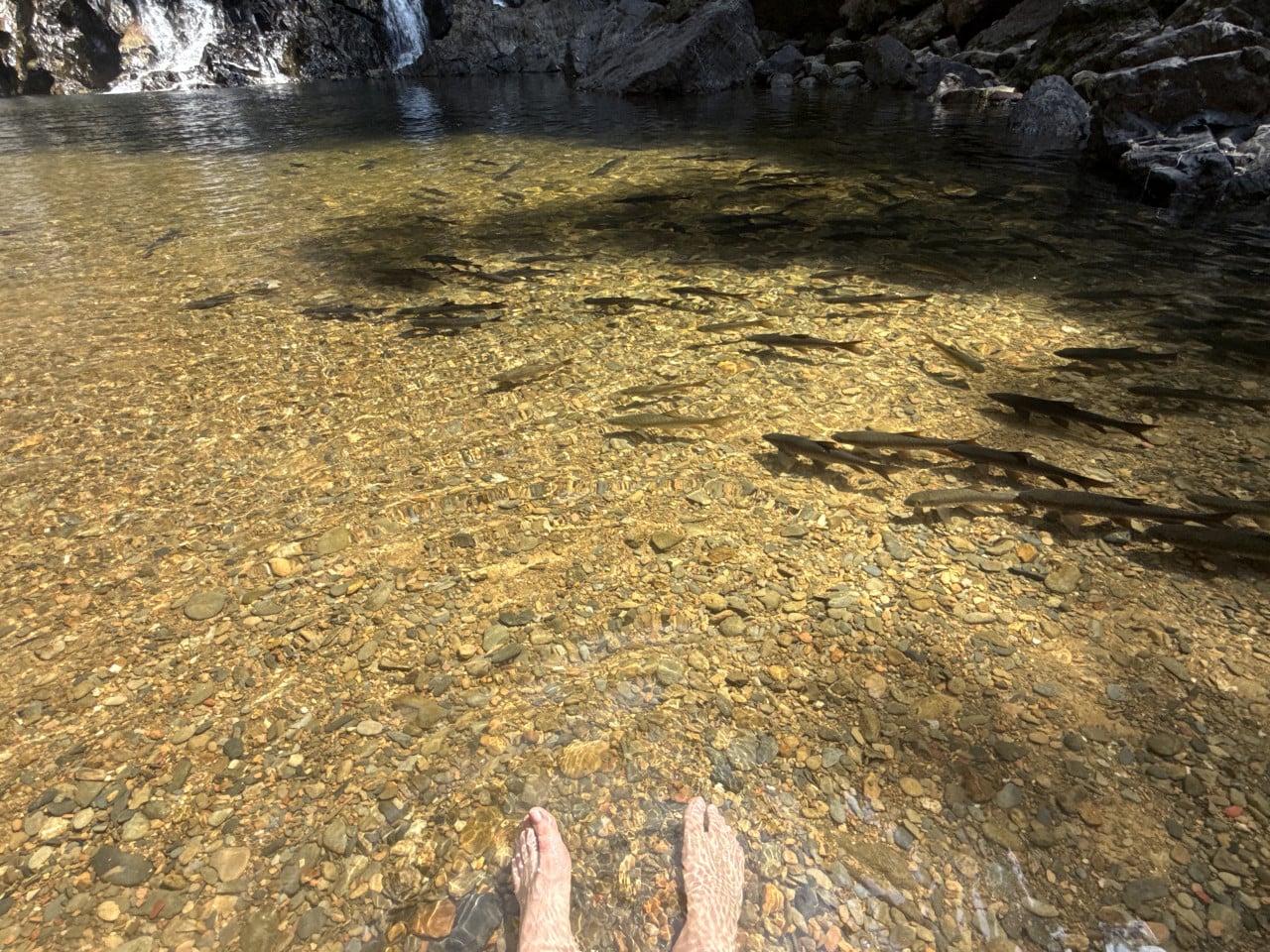
Right at the beginning of the trail, along the stream, we came across an enormous number of fish. They are known as Soro Brook Carp (Pla Pluang in Thai), which are protected in this park—and there really are a lot of them here. Someone ahead of us had thrown a banana peel into the water, and the fish immediately began gathering and leaping at it. There were literally hundreds of them—dark, large, and all packed into a single cluster. It was quite an interesting sight right at the start, and it can be an especially memorable experience for children.
Through the Rainforest: Bamboo, Vines, and Giant Trees
The path to the waterfall itself is roughly 500–600 meters long and follows a maintained trail through dense tropical rainforest. Although the route is short, there are plenty of interesting things to see along the way.
Bamboo Groves
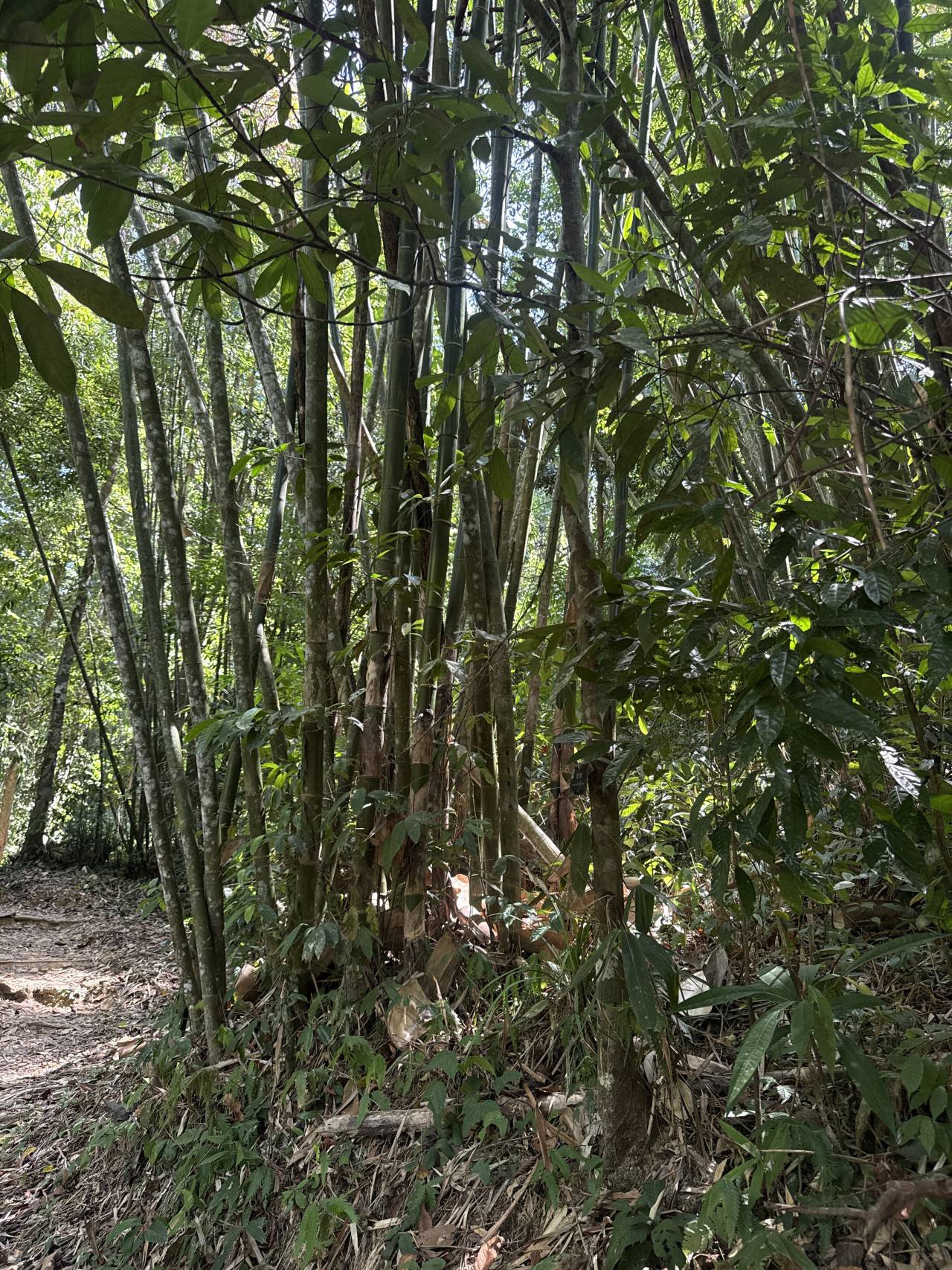
One of the first things that catches your attention along the way is the enormous bamboo—some of it grows to more than 20 meters tall. Our guide told us that we should not touch it with our bare hands because the surface of some bamboo species is covered with tiny hairs and substances that can irritate the skin and cause itching.
Bamboo is an incredibly important plant in Thailand, with a tradition stretching back thousands of years. Around 40–70 species of bamboo grow in the country, and it has an extremely wide range of uses. Since ancient times, Thai people have used it to build houses and make furniture, kitchen utensils, baskets, fences, fishing equipment, and even musical instruments. Bamboo is used as scaffolding at construction sites throughout Thailand—its tensile strength is comparable to steel, yet it is extremely lightweight.
Bamboo shoots are also a staple ingredient in Thai cuisine. They are harvested while young, green, and tender, and are used in curries, soups, and as a fermented delicacy. In Thailand, bamboo is also used to make paper, textiles (bamboo fibers are processed into soft fabric), and, in recent years, charcoal (biochar), which local farmers use as fertilizer. Bamboo is also one of the fastest-growing plants in the world—some species grow by as much as a meter per day. And interestingly, once every several decades, bamboo flowers and then the entire population dies off, leading to a temporary increase in the bamboo rat population, which can then devastate nearby villages.
Vines—Just Like in Tarzan
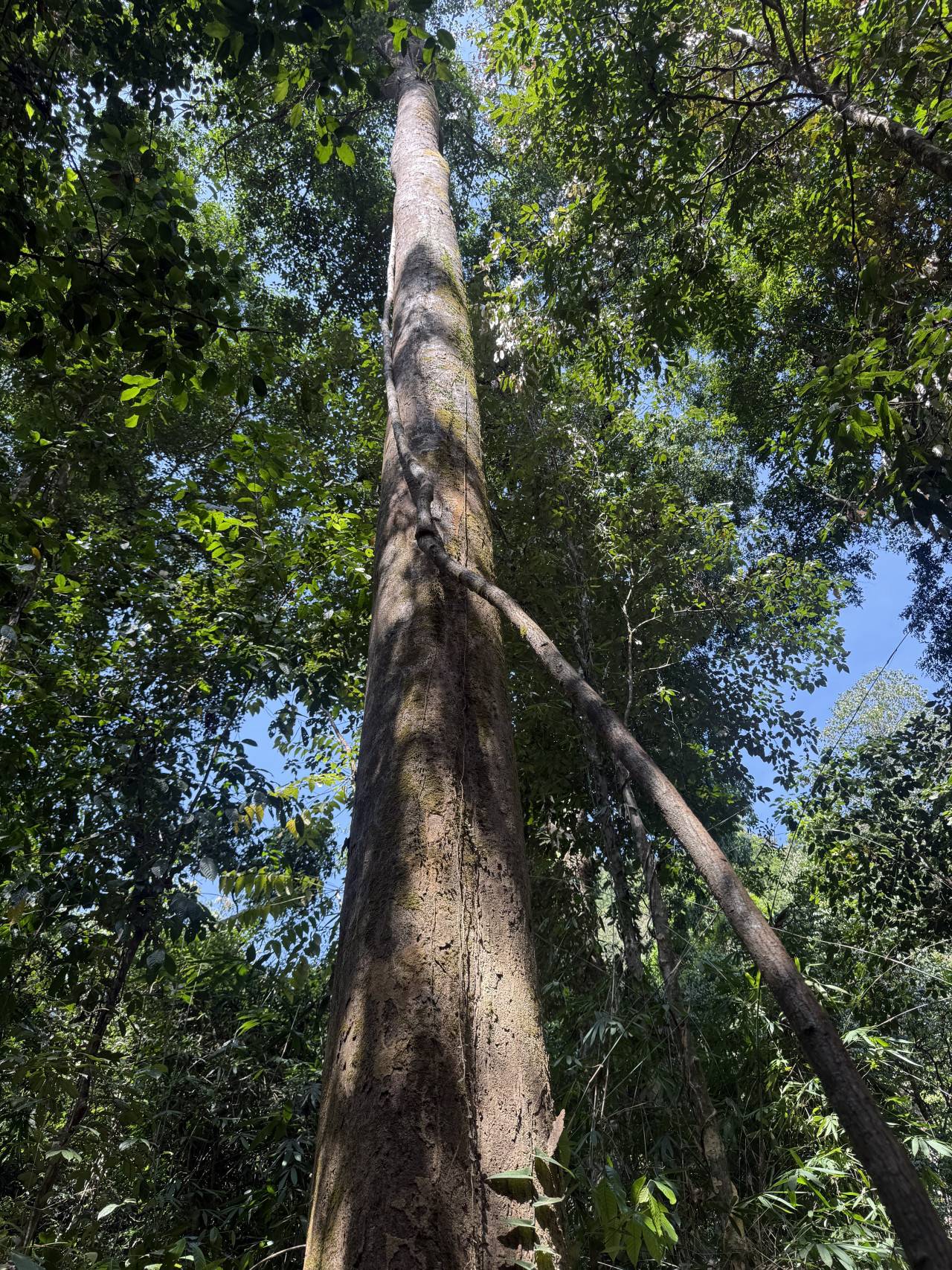
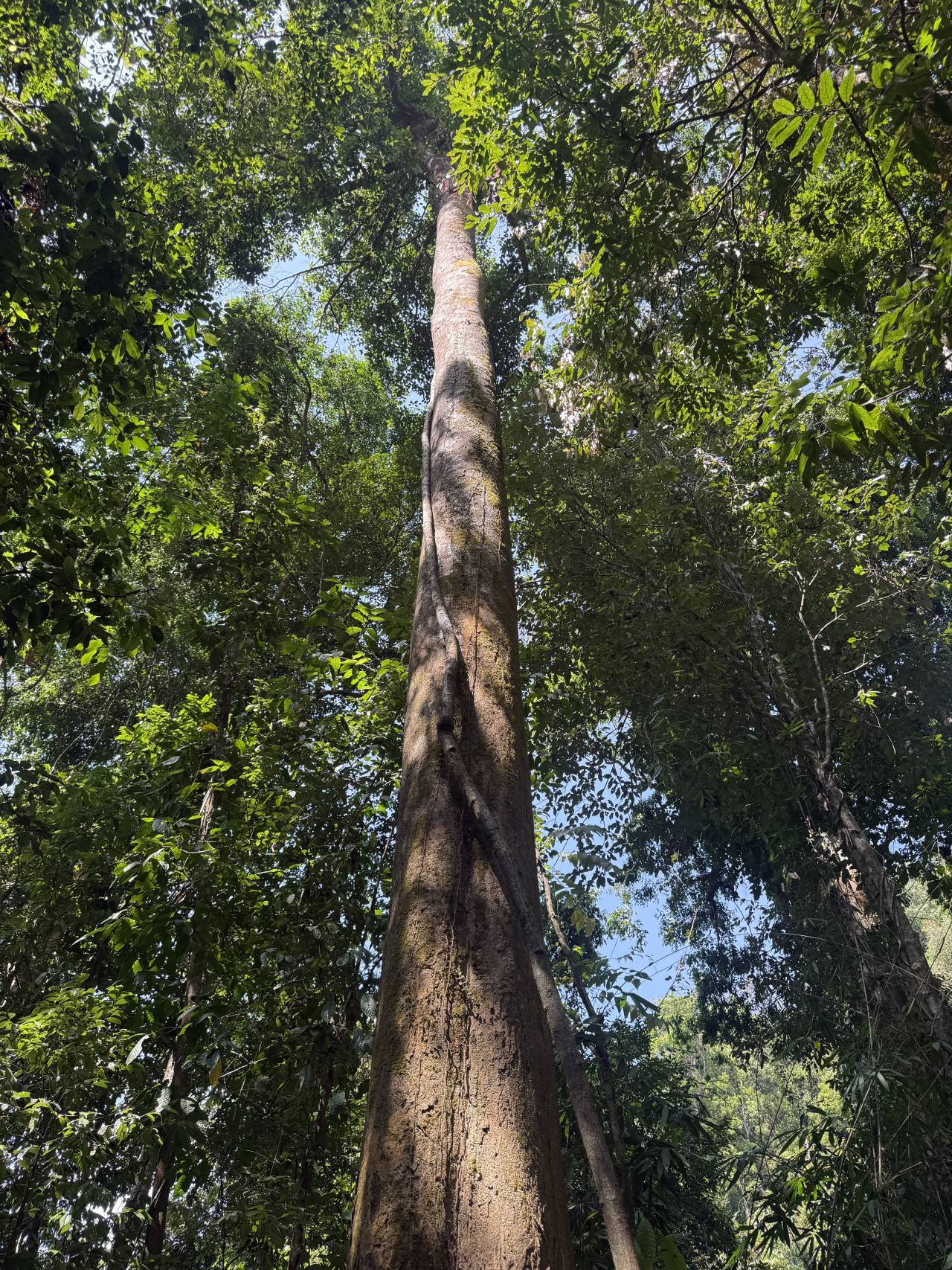
What fascinated me most of all, however, were the enormous tall trees with vines hanging from them. I had only ever seen them in movies—Tarzan, various jungle adventures, monkeys swinging from them—but I had never seen vines in real life. And here, on the path to the waterfall, they were hanging freely from the trees.
Of course, I could not resist and had to try them out—I tugged on them in various ways and hung from them, and they simply held firm. They were unbelievably strong. That feeling when you grab hold of a vine for the first time and it supports your entire weight is simply something you have to experience for yourself. It was actually my very first encounter with vines and definitely one of the moments I will remember.
The trees in the park are impressive in general—some reach heights of more than 40 meters and have massive buttress roots, which look like enormous natural pillars. Some of them are estimated to be hundreds of years old.
The Waterfall and Swimming in a Natural Pool
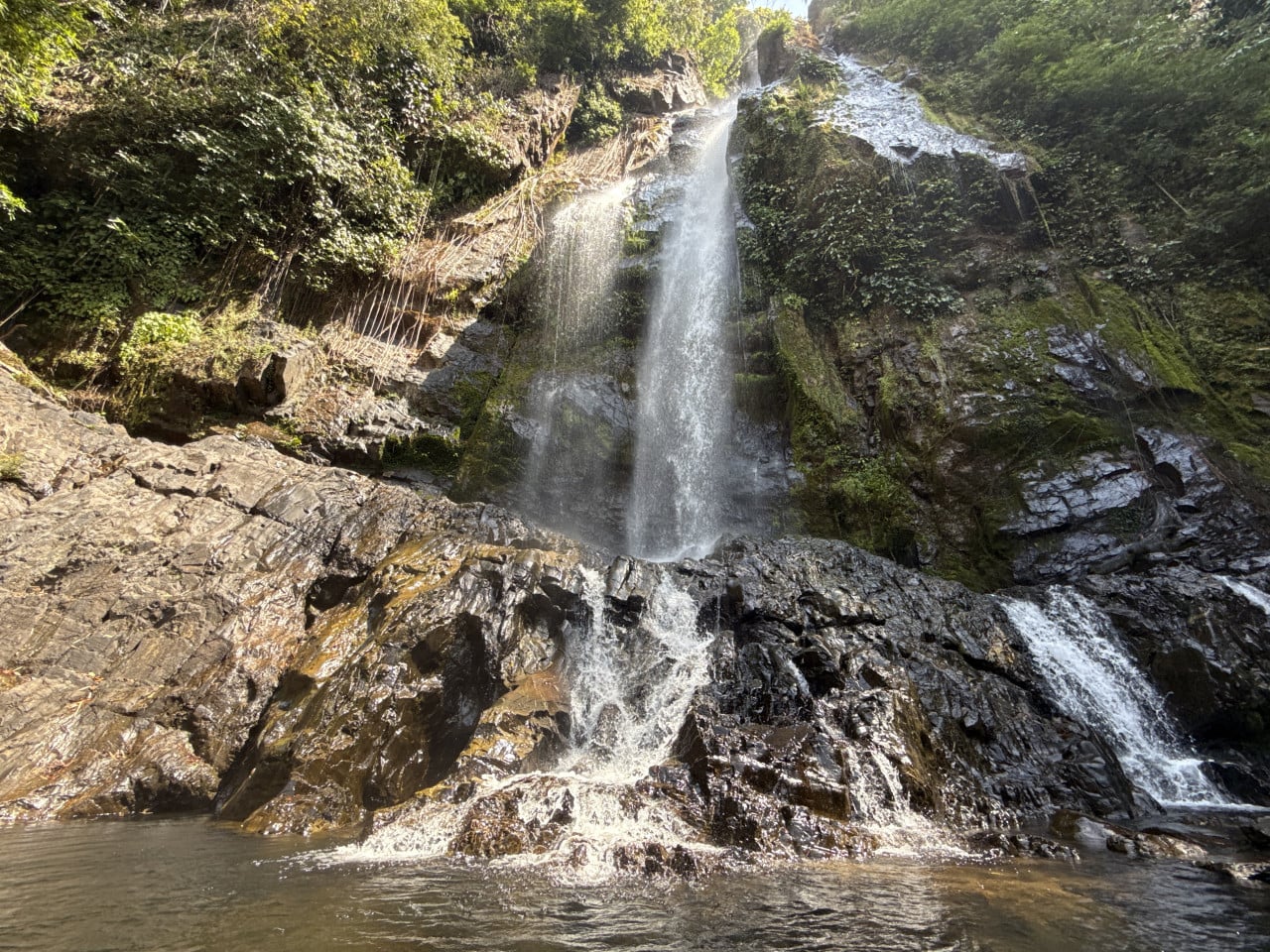
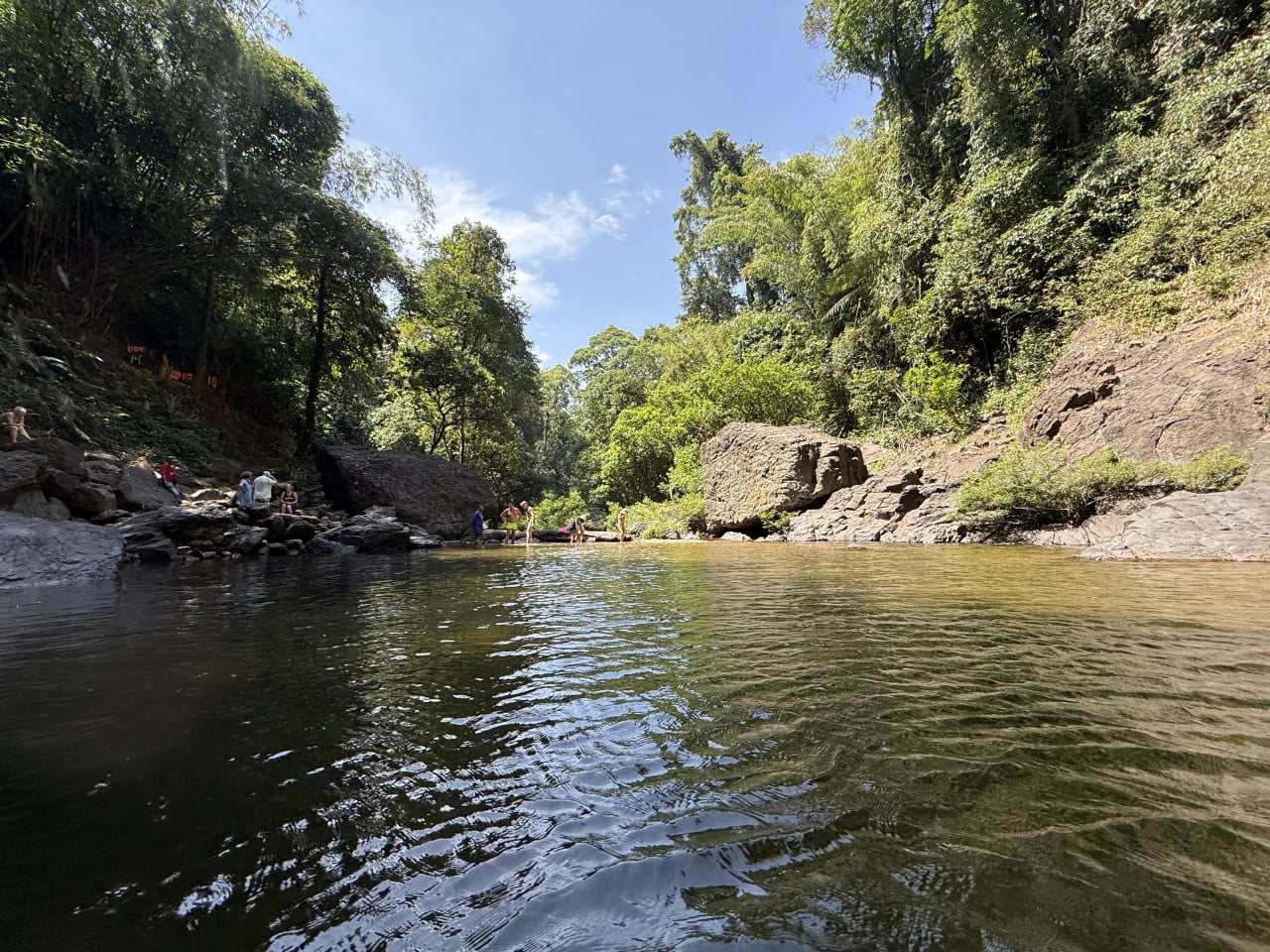
After a short walk through the rainforest, we finally arrived at the waterfall. And I have to say—it was worth it. Before us rose a rock face with water cascading down into a beautiful natural pool. The water was crystal clear and full of fish swimming everywhere around us.
We were wearing swimsuits, so we stepped into the water. It was cold—pleasantly refreshing after the heat and the walk—and we swam right by the waterfall. I went right up to it, took photos there, and overall it was an incredible experience. The combination of the cold waterfall, the surrounding tropical rainforest, and fish swimming around your feet is simply not something you get to experience every day.
The pool beneath the waterfall is not especially deep, so it is suitable even for less confident swimmers. However, you need to watch out for slippery rocks, especially when moving close to the waterfall itself.
The Fragrant Flower Thai People Put in Their Cars
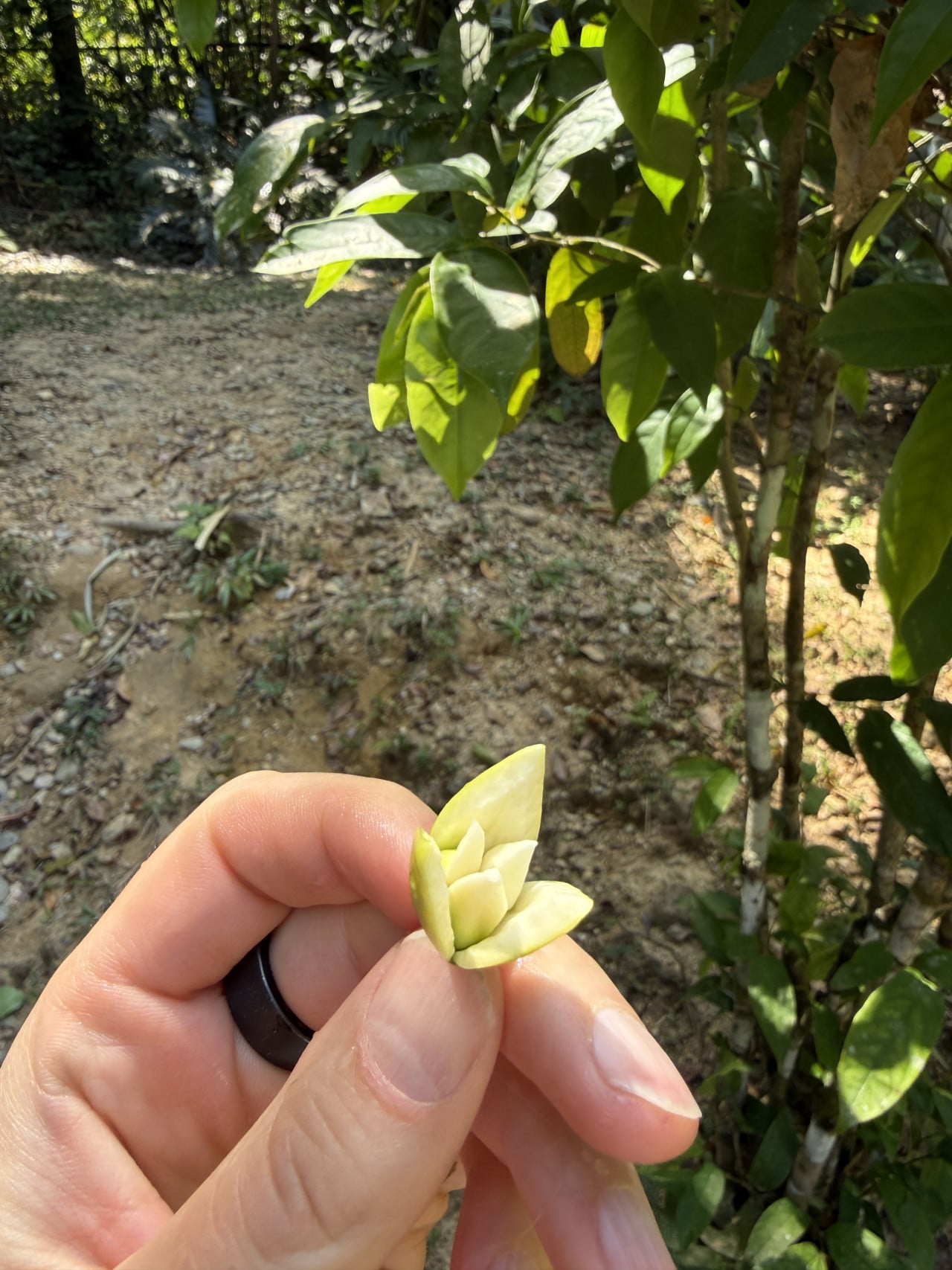
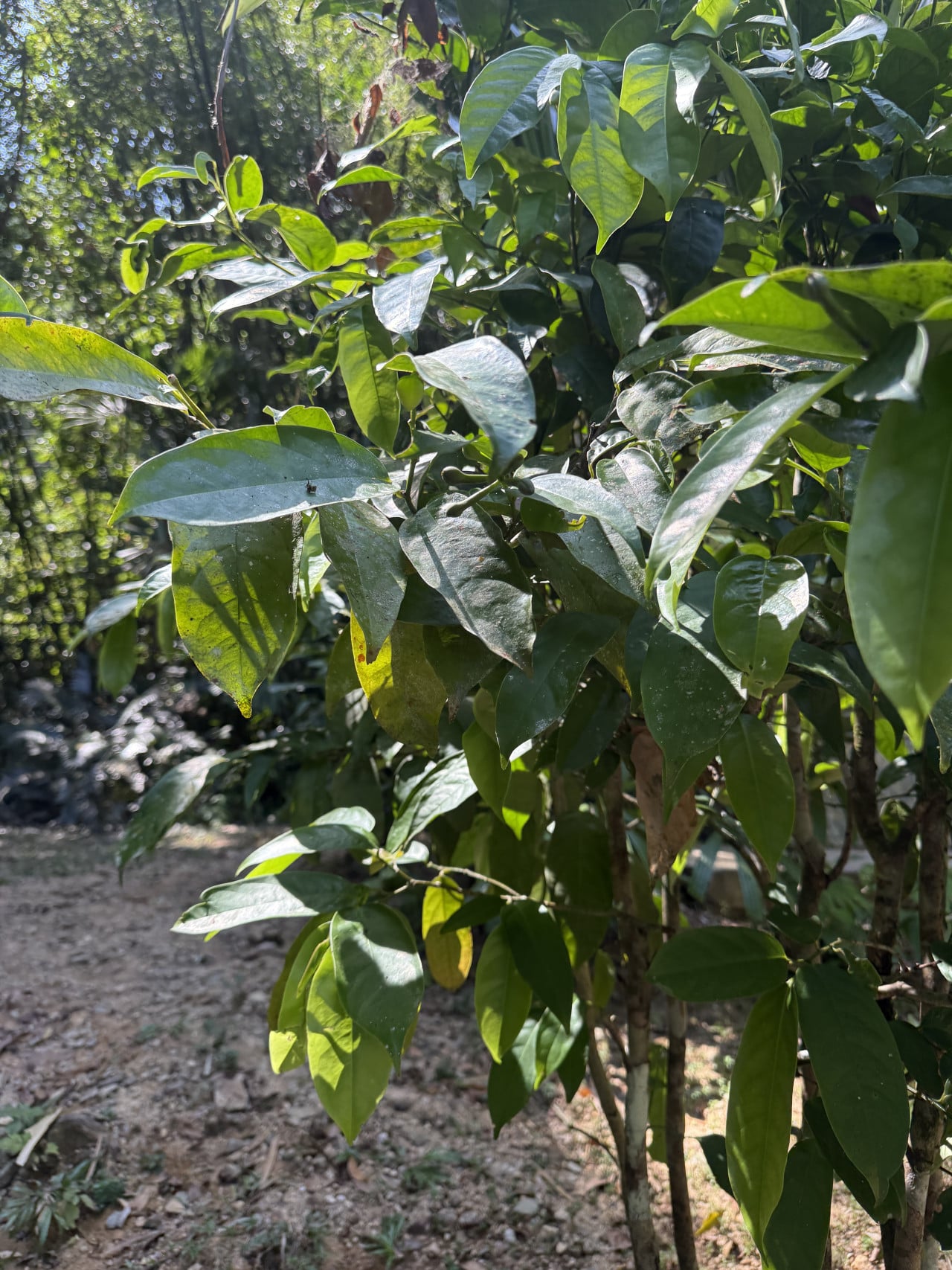
Toward the end of the walk, our guide showed us an interesting flower—yellow-green, with a very intense fragrance. It was ylang-ylang (Cananga odorata), a tropical tree native to Southeast Asia whose flowers have one of the most intense natural fragrances of all—it is not called the “Queen of Perfumes” for nothing.
These flowers have a deep-rooted tradition in Thailand. Thai people put them in their cars, hang them from rear-view mirrors, and place them in their homes as natural air fresheners. They are often part of so-called phuang malai—traditional Thai flower garlands that are hung in cars for good luck and protection from accidents, offered to the Buddha in temples, and given as a sign of respect on important occasions. This tradition dates back thousands of years, and the garlands also appear in royal coronation ceremonies described in the Thai epic Ramakien.
Ylang-ylang essential oil is extracted by steam-distilling the flowers and is one of the most widely used natural ingredients in perfumery around the world. Among other things, it is believed to have calming effects and the ability to lower blood pressure.
Tips on Places to Visit Nearby
If you visit Tam Nang Waterfall, I recommend combining it with other attractions nearby—most of them can be visited as part of a full-day trip from Khao Lak:
Little Amazon (Sang-Nea River) – The Sang-Nea River is nearby, and paddling along it in a canoe is an incredible experience. It is called the “Little Amazon” because of its lush vegetation and abundance of wildlife—you may encounter monkeys, monitor lizards, and various species of birds.
Rommanee Hot Spring – Hot springs located a short distance from the waterfall on the way back. A surprisingly pleasant experience, even when it is hot outside. I wrote about them in a separate article.
Elephant Farm in Khao Sok – An ethical elephant farm that we visited that very day. Feeding and bathing with elephants is an experience I especially recommend for families with children. I also wrote about it here.
Takua Pa Old Town – A historic town with a Sunday market where you can taste authentic Thai cuisine and buy souvenirs away from the tourist areas.
Birdwatching in the Park – Sri Phang Nga National Park is considered one of the best places for birdwatching on Thailand’s west coast. More than 135 species have been recorded here, including hornbills and various species of woodpeckers.
Final Thoughts on the Waterfalls
Our stop at Tam Nang Waterfall was a lovely, unexpected interlude in the middle of a full-day trip. The short walk through the rainforest, bamboo groves, seeing vines for the first time in my life, and swimming beneath the waterfall among the fish—all of it combined to create an unforgettable experience.
If you are staying in the Khao Lak area, I definitely recommend including this place in your itinerary. It is not far away, the walk is manageable even with children, and you will see a part of Thailand’s natural beauty that draws you into a completely different world.
And on the way back, we also stopped to smell ylang-ylang. I really liked that ending to the trip.