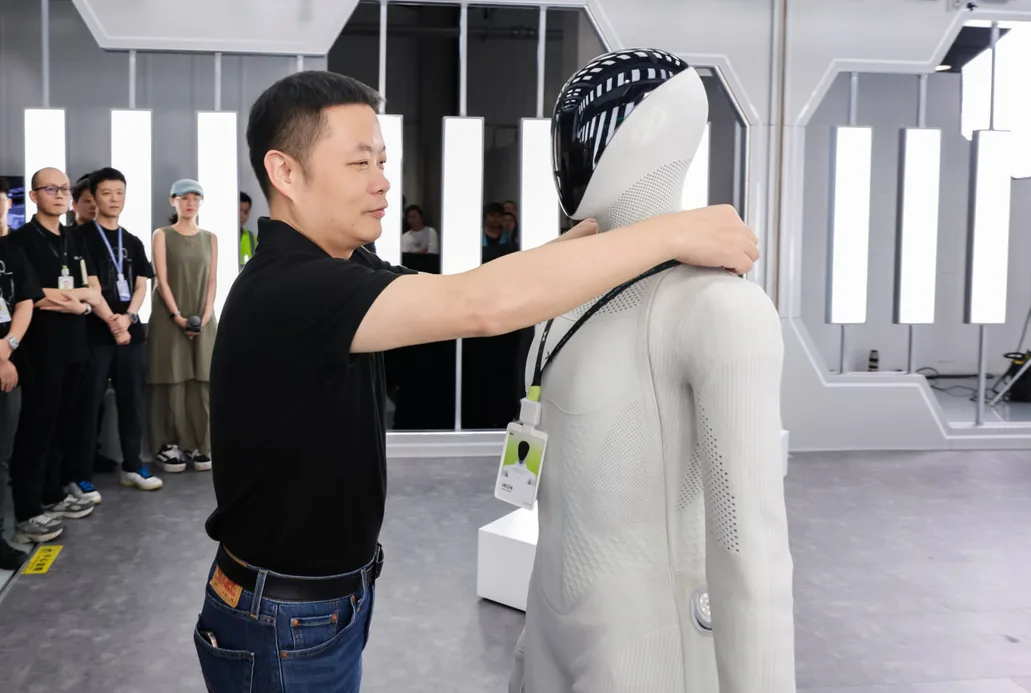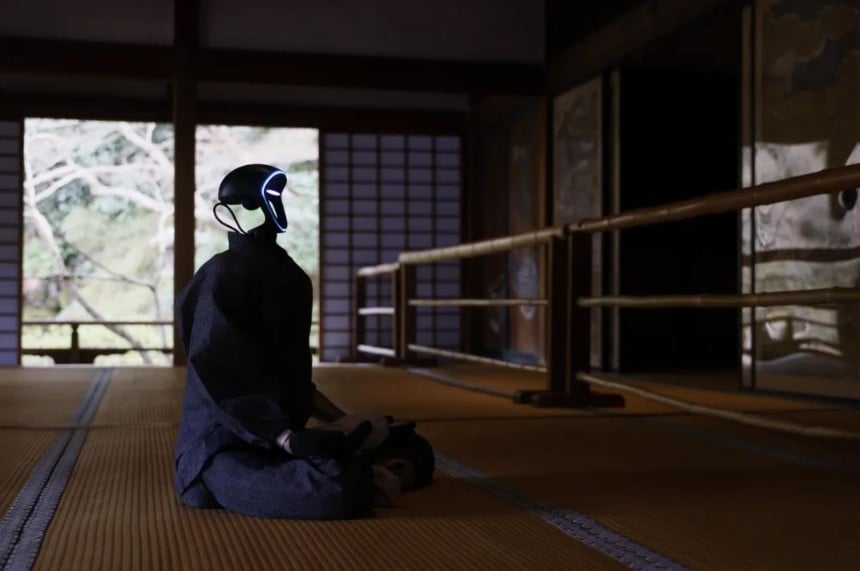
A gray robe, clasped hands, a deep, calm voice. This could be a description of an experienced Buddhist monk. But this time, behind it all are aluminum, sensors, and a language model built on the foundations of ChatGPT. Japan has just unveiled Buddharoid to the world—a humanoid robot that moves through temples, greets worshippers with a bow, and answers their deepest questions about life.
How Buddharoid was created and what it can do
The project is led by Professor Seiji Kumagai of Kyoto University, specifically its Institute for the Future of Human Society. Kumagai is himself an ordained monk, so he knows what he is talking about.
The robot runs on the Unitree G1 platform—a commercially available humanoid body—and its brain is the BuddhaBot-Plus chatbot, developed on the basis of OpenAI's ChatGPT. The team trained it on a vast collection of Buddhist scriptures, including highly specialized texts. The result? The robot can engage in live, unscripted conversation and respond to questions about both personal life and broader social issues.
At a recent demonstration in a Japanese temple, the gray-robed, faceless robot walked among visitors and engaged in face-to-face conversations. When Professor Kumagai himself asked it for advice about interpersonal relationships, Buddharoid replied: "They will improve if you reflect on your closeness with others and maintain inner balance." Japanese public broadcaster NHK then recorded its words: "Buddhism teaches that it is important not to blindly follow your own thoughts or rush headlong into things." It delivered everything in a soothing, deep voice.
Why Japan needs a robot monk
Japan is facing a demographic crisis unparalleled in modern history. Nearly 30 percent of the population is over the age of 65. Rural areas are becoming depopulated. Young people are moving to cities and have no interest in monastic life.
The result? More than 75,000 Buddhist temples across the country, many of which have no one to conduct ceremonies, chant sutras, or simply be there for worshippers. Priests take on second jobs just to survive. Traditional funeral rites and ancestor worship, which are deeply rooted in Japanese culture, are being left without people to perform them.
Buddharoid is not a replacement for a living monk. The research team presents it as a research platform and assistant for communities where priests are lacking. But Kyoto University went further in its statement: "In the future, AI humanoid robots are expected to be used in the religious sphere, for example by assisting with or performing certain religious rituals traditionally carried out by human priests."
Buddharoid is not the first, but it is the most advanced
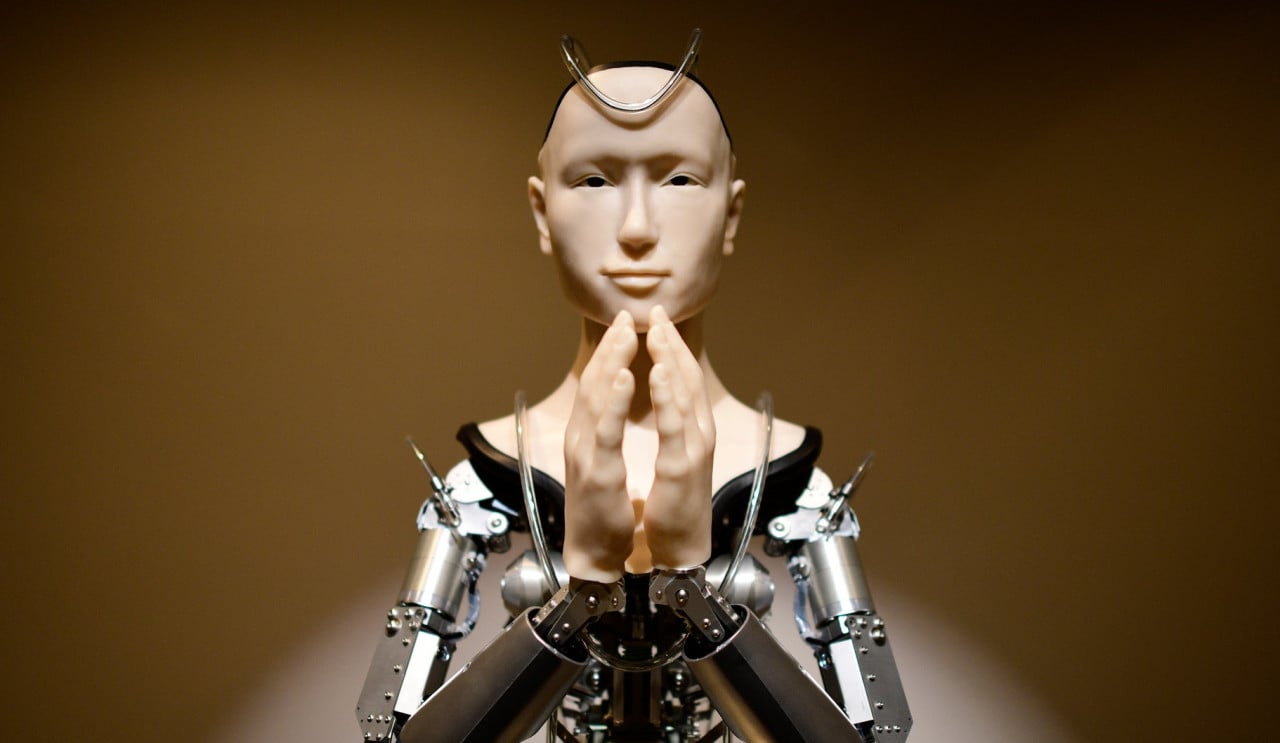
Japan has been experimenting with robots in temples for some time. Back in 2019, a robot named Mindar appeared at the 400-year-old Kōdai-ji temple in Kyoto—a humanoid with a human-like face made of aluminum and silicone that delivers sermons and answers spiritual questions. It remains in operation today.
But the difference is fundamental. Mindar and older systems relied primarily on scripted responses. Thanks to generative artificial intelligence, Buddharoid engages in genuine, unpredictable dialogue. It responds to specific situations, adapts its answers, and moves naturally through the temple space.
Can a machine convey spiritual authority?
This is a question that divides experts and worshippers alike. Can a robot truly offer spiritual guidance? Or is it merely a sophisticated illusion?
Some researchers point out that the Buddhist tradition has extensive experience embracing new media. From woodblock printing to digital platforms, Buddhism has always sought new ways to spread its teachings. Others, however, warn that embodied compassion, a living presence, and a monk's personal experience are irreplaceable aspects of the monastic vocation. No algorithm can replace them.
For now, Buddharoid remains a prototype. The Kyoto team plans further testing, refinement of its conversational abilities, and observation of how temple communities receive it. When people are in short supply, solutions are sought wherever possible. And this time, the solution wears a gray robe and folds its hands in prayer.
Source: interestingengineering.com and buddhistdoor.net