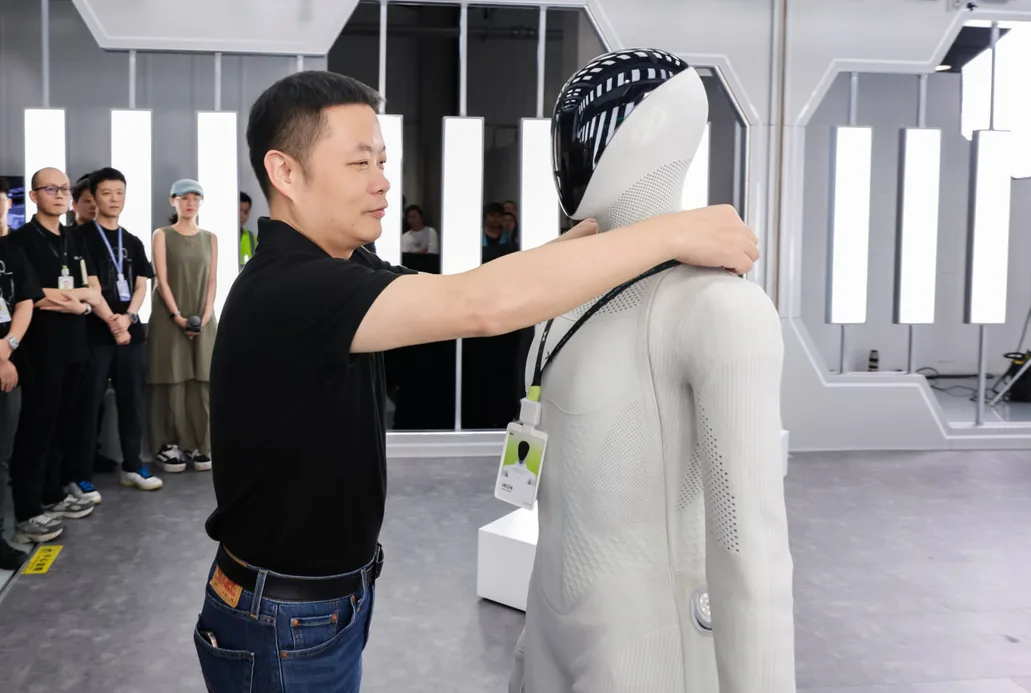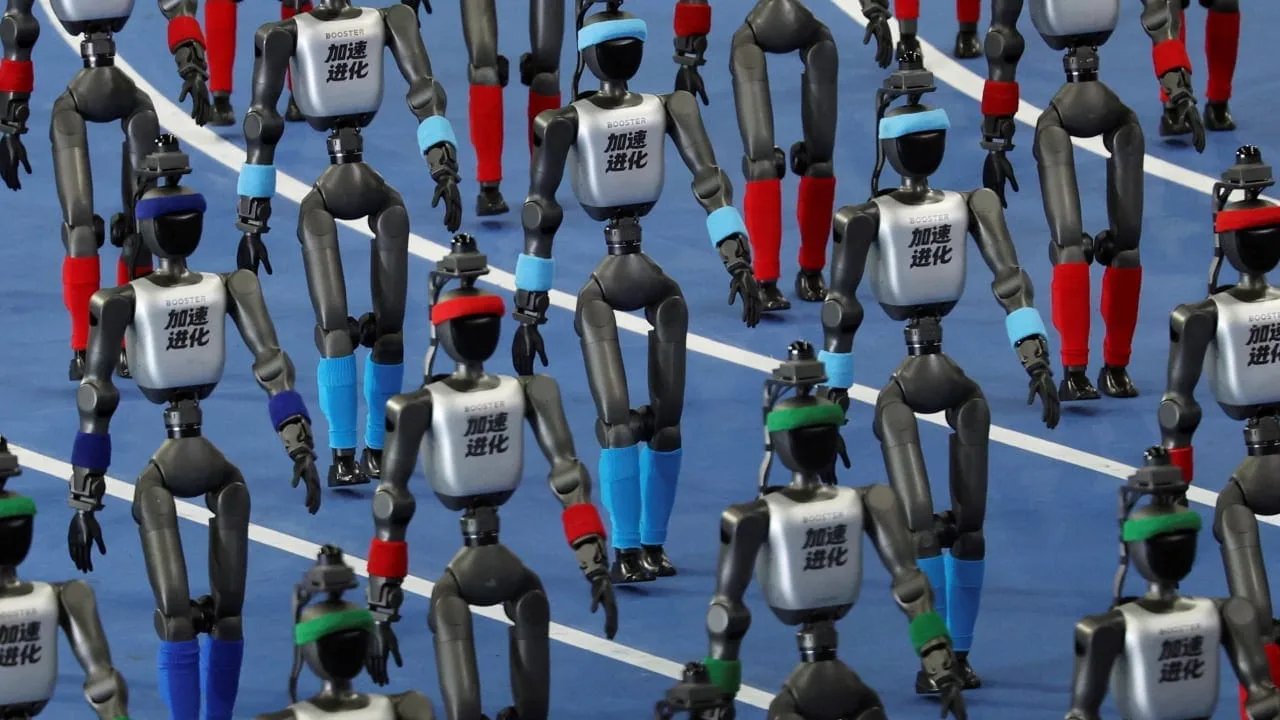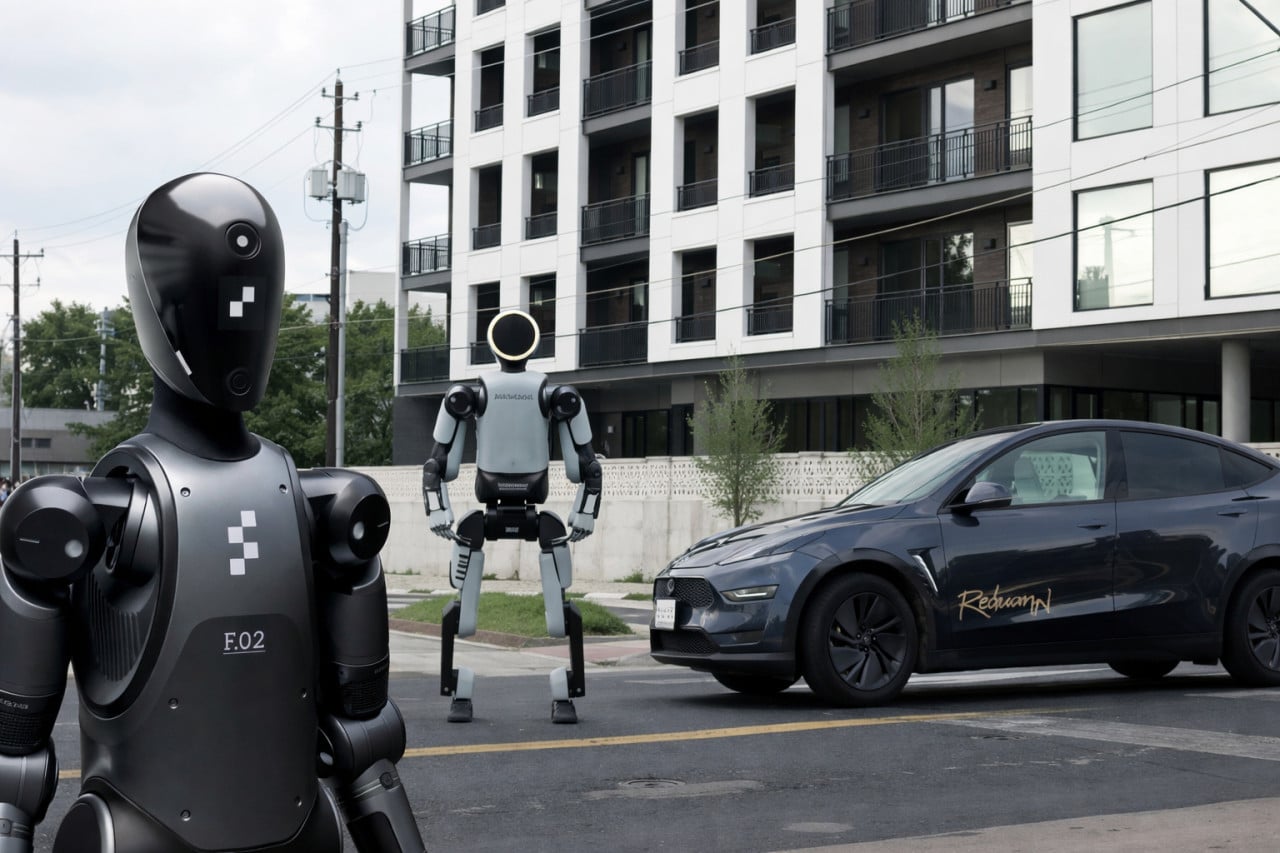
Just three years ago, you would only see a robot in a sci-fi movie. Today, things are different. Robots sort packages at Amazon, autonomous cars transport people around Miami, and humanoid machines are slowly learning to navigate a world that until now has been exclusively human. And according to analysts at Barclays, we are only just getting started.
In February 2026, the Barclays team published a report titled "The Decade of the Robot". The conclusion? The market for AI-powered robots and autonomous machines could grow to more than one trillion dollars by 2035. That is roughly ten times its current value.
Brains, Brawn, and Batteries: The Three Pillars of the Future
Zornitsa Todorova, head of the Barclays thematic research team, summed it up as follows: "Advances in intelligence, physical strength, and batteries are bringing AI-powered robotics to a tipping point that will set the investment agenda for the next decade."
Three words: brains, brawn, batteries. That is exactly what is driving the entire shift. Artificial intelligence gives robots the ability to make decisions. Better motion systems give them physical dexterity. And more powerful batteries finally allow them to operate without constant recharging. All three areas are developing simultaneously, and their combination is creating what analysts call "physical AI"—artificial intelligence that does not merely work with data on a screen but interacts directly with the real world around us.
This is an important shift from the first wave of AI. Chatbots and generative models were only the beginning. Physical AI goes further: it reaches, drives, flies, and moves things. And that is precisely why Barclays analysts believe a value chain is emerging that will be deeper and more diverse than anything we have seen before.
Who Will Lead the Race? Cars, Drones, and Only Then Humanoids
Barclays is not claiming that tomorrow we will have a robot at home that cooks us breakfast. The analysts are realistic in this regard and carefully distinguish between what is close at hand and what will have to wait a little longer.
Autonomous vehicles are at the forefront. The technology has been developing for nearly a decade, builds on existing supply chains, and draws on vast amounts of data collected from millions of vehicles and hours spent on the road. Todorova estimates that autonomous cars will account for approximately 50% of the market's total projected growth. Waymo is already transporting customers in Miami and other cities without a driver.
In second place are drones. Logistics, package delivery, agriculture, rescue operations. The range of applications is enormous, and the technology is mature enough.
And then there are humanoid robots. This is where the analysts apply the brakes. Humanoids are fascinating, but they are still lagging behind. Why? They lack data. Digital models learn from texts and images, of which there are billions on the internet. But physical AI needs data about how things behave in the real world—how gravity, friction, and material resistance work. No such database yet exists on the necessary scale. Humanoids will arrive, but they will take their time.
China Leads and America Is Catching Up
Here comes the part that may be surprising. China currently dominates the deployment of both humanoid and industrial robots. In 2025, approximately 15,000 humanoid robots were deployed worldwide, and roughly 85% of them came from China. In industrial automation, China holds 50 to 60% of the global market.
Why such dominance? China has access to critical minerals and rare earth elements that are essential for manufacturing robotic components. It has a huge domestic market where it can test technologies on a large scale. And it has the political will to invest heavily in robotics.
The United States is still significantly behind, with its share in the low double digits or even single digits. But that does not mean American companies do not stand a chance. Quite the opposite.
Tesla, Nvidia, Amazon
Barclays has identified nearly 200 publicly traded companies that could benefit from this trend over the next decade. One hundred of them also have at least one corporate bond outstanding, opening the door to more conservative investors as well.
The analysts divided the companies into several groups:
Chip and core technology manufacturers: TSMC, Samsung Electronics, and Nvidia form the backbone of the entire industry. Without their semiconductors, no robot could think. Nvidia also offers the Omniverse platform, which companies such as Mercedes-Benz use to reconfigure factories virtually without physically stopping production. A smart move.
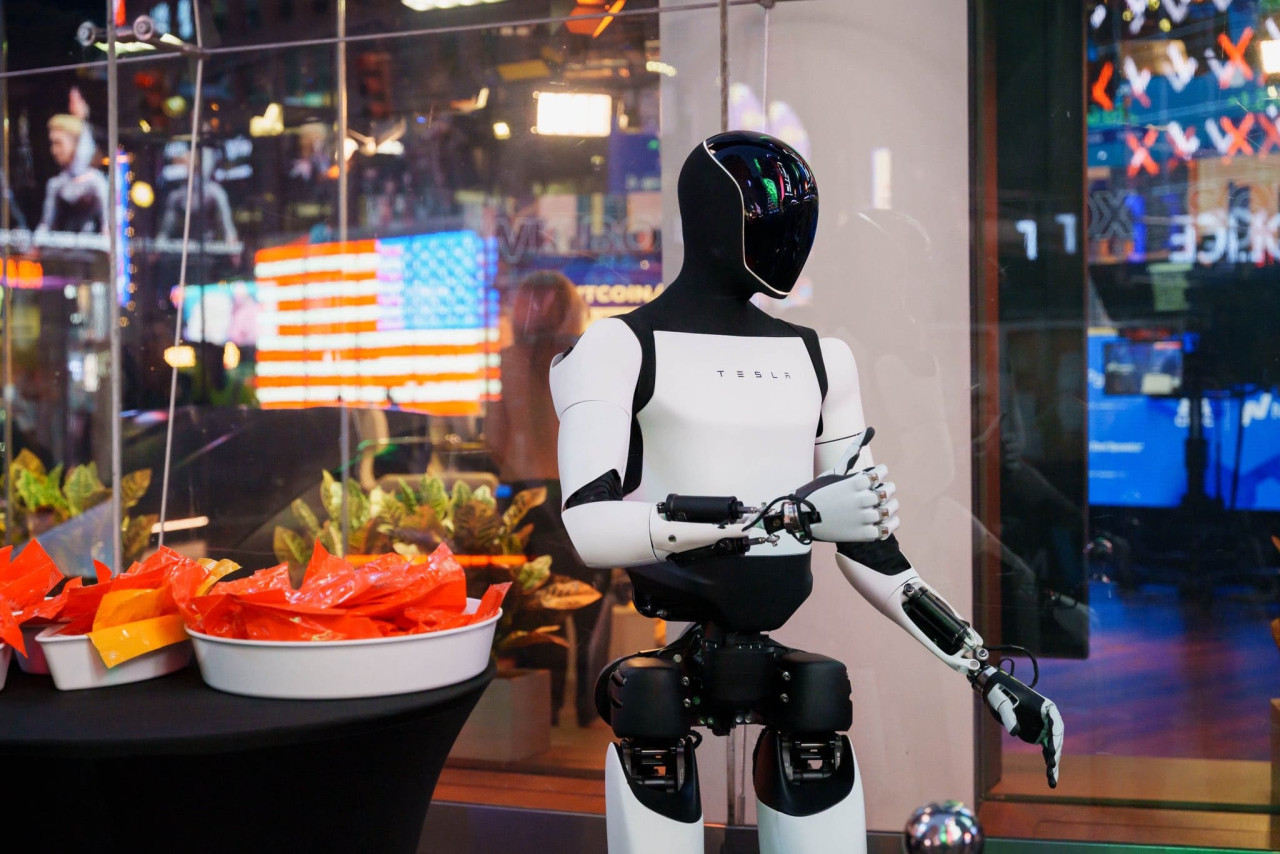
Robot builders and pioneers: Tesla is probably the most closely watched company in this regard. Elon Musk devoted an entire quarterly earnings call to robots, and Optimus, Tesla's humanoid robot, is slowly making its way from laboratories into the real world.
Power and energy: Batteries are the backbone of every autonomous machine. Here, Barclays highlights Chinese manufacturers EVE Energy and Contemporary Amperex Technology (CATL), which supply a large portion of global battery production.
Major adopters: Amazon operates more than one million robots in its distribution centers. And Barclays analysts add that this is probably only a fraction of the long-term potential. Walmart is following a similar path. These companies are not merely customers of the robotics industry; they are its largest testing laboratories.
It would be easy to reduce the entire matter to stock market speculation. But something bigger lies behind the numbers. Physical AI is changing the way factories, warehouses, transportation, and healthcare operate. Robots are not replacing people but complementing them where work is dangerous, repetitive, or physically demanding.
Are we ready for a world where machines handle an ever-growing number of physical tasks? No analytical report can provide the answer. But one thing is certain: companies such as Tesla, Nvidia, and Amazon are betting enormous amounts of money on it. And Barclays believes in them. The decade of the robot has just begun. And it seems that this time, it is not merely an advertising slogan.
Sources: bloomberg.com and ib.barclays