Thailand is one of the most popular destinations in the world – and it is no wonder. The Land of Smiles offers tropical beaches, ancient temples, some of the best cuisine on the planet, and remains affordable for travelers from the Czech Republic. In this article, you will find a complete overview of Thailand, from practical information about visas and prices to tips on specific regions and cultural customs.
Thailand covers an area of approximately 513,000 km² and has a population of around 66–70 million. The capital, Bangkok (Krung Thep Maha Nakhon in Thai), is a vibrant metropolis that attracts millions of tourists every year. In 2023, more than 28 million international visitors came to the country, and the numbers continue to grow.
Whether you are planning a vacation in Thailand with a travel agency, want to travel independently as a backpacker, work as a digital nomad, or are looking for business opportunities in Southeast Asia – this guide will help you navigate everything that matters.
Where Thailand is, basic information, and climate
Thailand is located in the heart of Southeast Asia on the Indochinese Peninsula, with a narrow extension stretching down the Malay Peninsula. On a map, the shape of the country resembles an elephant's head with its trunk pointing south. It borders Myanmar to the west and north, Laos to the north and east, Cambodia to the southeast, and Malaysia to the south.
Thailand is a founding member of ASEAN and plays a key role in regional cooperation. It is the only country in Southeast Asia that was never colonized by European powers – a fact that significantly influenced the preservation of its authentic culture and national identity.
Basic geographical data:
|
Parameter |
Value |
|---|---|
|
Area |
513,115 km² |
|
Number of provinces |
76 + Bangkok |
|
Highest mountain |
Doi Inthanon (2,565 m) |
|
Coastline length |
more than 3,200 km |
|
Time zone |
UTC +7 (CET +6 in winter, +5 in summer) |
Geographically, Thailand can be divided into four main regions:
-
North – a mountainous region with a cooler climate, including the Chiang Mai and Chiang Rai areas
-
Northeast (Isan) – the Khorat Plateau, bordered by the Mekong River
-
Central Plain – a fertile area around the Chao Phraya River, the heart of rice production
-
Southern Peninsula – a narrow extension with beaches on both the Andaman Coast and the Gulf of Thailand
Climate and seasons
Thailand has a tropical monsoon climate with three main seasons:
Hot season (March–May): Temperatures reach 35–40 °C, with the highest humidity. This is the most challenging period for tourists.
Rainy season (June–October): Regular afternoon showers, but the sun shines between them. Accommodation prices are significantly lower and there are fewer tourist crowds.
Cool season (November–February): The ideal time to visit – temperatures around 25–32 °C, low humidity, and minimal rainfall. However, it is also the peak season, with higher prices.
It is important to know that the south has a different rainfall pattern. The Andaman Coast (Phuket, Krabi, Khao Lak) receives the most rainfall from May to October, while the islands in the Gulf of Thailand (Koh Samui, Koh Phangan) experience more rain from October to December.
Among significant natural events, the tsunami of December 26, 2004, is worth mentioning. It struck the Andaman Sea coast, including Phuket and Khao Lak. Since then, the infrastructure has been completely rebuilt and modern warning systems now operate in the area.
History and political system of Thailand
Thailand is one of the few countries in the region to have retained its independence throughout its history. It follows the tradition of the Sukhothai Kingdom and later Ayutthaya, and has operated as a constitutional monarchy since the early 20th century.
Key historical milestones
The first significant Thai state – the Sukhothai Kingdom – emerged in the 13th century. During his reign from 1279 to 1298, King Ram Khamhaeng began expanding the kingdom and laid the foundations of Thai statehood, which remains deeply influenced by Buddhism and royal tradition.
The Ayutthaya Kingdom (14th–18th centuries) was a powerful center of trade and culture. After its fall in 1767, a new capital, Bangkok, was founded in 1782 by the Chakri dynasty, which still reigns today.
In 1939, Siam was officially renamed Thailand. The name means “land of the free” in Thai – a reference to the fact that the country never came under colonial rule.
Political system
Following the revolution of 1932, Thailand became a constitutional monarchy. The current head of state is King Rama X (Maha Vajiralongkorn), who ascended the throne in 2016. The king is regarded as a symbol of national unity and is held in extraordinary respect.
The political system includes:
-
A bicameral parliament (the House of Representatives and the Senate)
-
A prime minister as head of government
-
Independent courts, with judges appointed by the king
Thai politics, however, has been marked by repeated military coups – most recently in 2006 and 2014. Tensions between the “Yellow Shirts” (royalists) and the “Red Shirts” (supporters of former Prime Minister Thaksin) persist. The 2017 constitution enshrines the military's lasting influence over politics.
According to reports by international organizations, freedom of expression and the media is restricted. Lèse-majesté laws are strictly enforced, and criticism of the royal family can result in lengthy prison sentences.
Administrative divisions, demographics, and religion
Thailand is divided into 76 provinces and the separately administered capital of Bangkok. The administrative hierarchy extends from provinces through districts and subdistricts to villages. Municipal administrations operate in cities.
Examples of major provinces
-
Chiang Mai – the cultural center of the north, with more than 1.7 million inhabitants
-
Krabi – a tourist-friendly southern province with limestone cliffs
-
Ubon Ratchathani – an important city in the east near the border with Laos
-
Phuket – the largest island and the province with the highest concentration of tourists
Provincial governors are appointed by the Ministry of Interior, but the governor of Bangkok is elected by citizens for a four-year term.
Demographic composition
The country has approximately 69–70 million inhabitants. Ethnic Thais make up roughly 75% of the population, while the Chinese minority is also significant (around 14%). Malays live in the south, while northern Thailand is home to hill tribes such as the Hmong, Akha, and Karen.
Religion in Thailand
Theravada Buddhism is practiced by 93–95% of the population and permeates every aspect of society. The country has more than 40,000 Buddhist temples and hundreds of thousands of monks. Morning alms rounds by monks, during which locals donate food, are common.
Muslims make up around 5% of the population and are concentrated mainly in the southern provinces of Pattani, Yala, and Narathiwat. Christians and followers of other religions live primarily in large cities.
Religion in Thailand is reflected in everyday life – from holidays and celebrations to architecture and social norms. Sacrilege, including inappropriate treatment of images of the Buddha, may be punished even when committed by foreigners.
Economy, trade, and investment
Thailand is a newly industrialized country with an export-oriented economy. It is the second- or third-largest economy in Southeast Asia, depending on the measurement method, and ranks approximately 23rd worldwide by purchasing power parity.
Structure of the economy
|
Sector |
Share of GDP |
Key industries |
|---|---|---|
|
Services |
~55% |
Tourism, finance, retail |
|
Industry |
~35% |
Automotive, electronics, petrochemicals |
|
Agriculture |
~10% |
Rice, rubber, fruit, fishing |
In strong years, tourism accounts for 15–20% of GDP and is a key source of foreign currency. Thailand is also one of the world's largest exporters of rice and rubber.
Main export commodities and partners
Thailand primarily exports automobiles and auto parts, electronics, processed foods, and agricultural products. Its main trading partners are China, the USA, Japan, the EU, and ASEAN countries.
Opportunities for Czech companies
Opportunities for Czech entrepreneurs exist in:
-
Mechanical engineering and industrial technologies
-
Medical equipment and devices
-
IT services and software
-
The glass industry
The investment climate offers stable infrastructure and special economic zones with incentives. On the other hand, businesses should be prepared for more complex administration, a language barrier, and the need to build personal relationships. Current information about requirements is provided by the Czech Ministry of Foreign Affairs and CzechTrade.
Traveling to Thailand: when to go, how to get there, visas, and money
This section answers the most common practical questions faced by anyone planning a trip to Thailand from the Czech Republic or Slovakia.
When to go to Thailand
Peak season (November–March):
-
The best weather, less rain, lower humidity
-
Ideal for seaside vacations and traveling around the country
-
Higher accommodation prices and more tourists
-
Advance booking is necessary, especially from December to February
Rainy season (May–October):
-
Significantly lower prices (by as much as 30–50%)
-
Rain is usually brief but intense – mostly in the afternoon
-
Some islands and national parks may be partially closed
-
Suitable for budget travelers and those who avoid crowds
How to get to Thailand
From the Czech Republic, you will usually fly with one connection – most often via Istanbul (Turkish Airlines), Doha (Qatar Airways), Dubai (Emirates), or Helsinki (Finnair). Seasonal direct flights from Prague or nearby airports such as Munich or Vienna are also available.
Main airports in Thailand:
|
Airport |
Code |
Use |
|---|---|---|
|
Bangkok Suvarnabhumi |
BKK |
Main international airport |
|
Bangkok Don Mueang |
DMK |
Low-cost flights |
|
Phuket |
HKT |
Direct flights from Europe |
|
Chiang Mai |
CNX |
Northern Thailand |
|
Krabi |
KBV |
Andaman Coast |
Visa and entry requirements
A visa-free regime applies to citizens of the Czech Republic and Slovakia:
-
Arrival by air: stays of up to 60 days without a visa
-
Arrival by land: stays of up to 30 days without a visa
-
Extension: an additional 30 days at an immigration office for a fee of approximately 1,900 THB
Important: Conditions have changed in recent years. From 2025, the TDAC (Thailand Digital Arrival Card) online registration system is being introduced and must be completed before arrival. Always verify the current requirements on the website of the Czech Ministry of Foreign Affairs or the Thai embassy.
To enter the country, you need:
-
A passport valid for at least 6 months
-
Proof of a return or onward ticket
-
Proof of accommodation (may be requested)
-
Sufficient funds (theoretically 20,000 THB or the equivalent – checked at random)
Money and payments
The currency is the Thai baht (THB), with 1 THB = 100 satang. The approximate exchange rate is around 1 CZK ≈ 1.3–1.5 THB (the rate fluctuates, so always check the current value).
Practical tips:
-
Cards (Visa, Mastercard) can be used in Bangkok and tourist areas
-
Cash is necessary at markets, in smaller towns, and at street stalls
-
ATMs are everywhere, but charge a 220 THB withdrawal fee
-
Exchange offices in city centers offer better rates than those at airports
-
A combination of card and cash is ideal
Costs, prices, and practical budgets
Thailand can be a very inexpensive destination for backpackers, as well as a comfortable option for mid-range travelers. Everything depends on your travel style and the places you choose.
Approximate daily budgets
|
Travel style |
Daily costs (excluding airfare) |
What it includes |
|---|---|---|
|
Low-cost |
CZK 300–500 |
Hostel, street food, public transportation |
|
Comfortable |
CZK 1,000–2,000 |
Mid-range hotel, restaurants, scooter |
|
Luxury |
CZK 3,000+ |
Resort, private excursions, fine dining |
North vs. south
Prices are significantly lower in the north (Chiang Mai, Chiang Rai, Pai). Accommodation and food often cost half as much as they do at beach destinations. Islands such as Phuket, Koh Samui, and Koh Phi Phi are among the most expensive places, especially during peak season.
Typical prices in Thailand (2024)
|
Item |
Price in THB |
Price in CZK (approx.) |
|---|---|---|
|
Food from a street stall |
40–80 |
30–60 |
|
Mid-range restaurant |
100–300 |
75–225 |
|
Beer from a shop |
40–60 |
30–45 |
|
Beer in a bar |
80–150 |
60–115 |
|
Thai massage (1 hour) |
200–400 |
150–300 |
|
Budget room for two |
300–800 |
225–600 |
|
Mid-range hotel |
800–2,000 |
600–1,500 |
|
Short tuk-tuk ride |
50–100 |
40–75 |
Imported alcohol, wine, and European foods are significantly more expensive. By contrast, local fruit, rice, and street food offer excellent value for money.
Example budgets
One week in Phuket (mid-range):
-
Accommodation: 7 × 1,200 THB = 8,400 THB
-
Food: 7 × 500 THB = 3,500 THB
-
Activities and transportation: 3,000 THB
-
Total: approx. 15,000 THB (CZK 11,000) + airfare
Three weeks on a budget (Bangkok – Chiang Mai – Krabi):
-
Accommodation: 21 × 400 THB = 8,400 THB
-
Food: 21 × 250 THB = 5,250 THB
-
Transportation between cities: 3,000 THB
-
Activities: 4,000 THB
-
Total: approx. 20,650 THB (CZK 15,500) + airfare
Transportation and infrastructure in Thailand
Thailand has high-quality transportation infrastructure. Traveling around the country is comfortable, relatively inexpensive, and offers many options – from air-conditioned buses and overnight trains to domestic flights.
Transportation in Bangkok
Bangkok is famous for traffic jams, but public transportation operates reliably:
-
BTS Skytrain – elevated metro providing fast connections across the city center
-
MRT – underground metro with an expanding network
-
Boat services – along the Chao Phraya River and canals, a great way to avoid traffic jams
-
Buses – inexpensive but slow, with no air conditioning on standard services
-
Taxis – affordable when using the meter (always insist that it be turned on)
-
Tuk-tuks – a tourist attraction; agree on the price in advance
-
Motorcycle taxis – fast but risky for inexperienced passengers
Tip: Avoid traveling during rush hour (7–9 a.m. and 5–8 p.m.) and use the elevated or underground metro whenever possible.
Intercity transportation
Buses:
-
VIP buses with air conditioning, airline-style seats, and refreshments
-
Overnight services save both time and accommodation costs
-
Book online or through agencies
Trains:
-
A romantic but slower alternative
-
Overnight sleeper services from Bangkok to Chiang Mai (around 12 hours) or Bangkok to Surat Thani (for the Gulf islands)
-
Advance booking is required during peak season
Minivans:
-
Faster than buses but less comfortable
-
Popular for shorter distances
Domestic flights
Flights between major destinations are surprisingly inexpensive thanks to low-cost airlines such as AirAsia, Nok Air, and Thai Lion Air. A Bangkok–Phuket or Bangkok–Chiang Mai flight can cost anywhere from a few hundred to a few thousand Czech koruna, depending on the season and booking date.
Scooters and car rentals
Renting a scooter is common in Thailand and costs around 200–300 THB per day. However, you need to take into account:
-
The requirement to have an international driving permit
-
Left-hand traffic
-
The high accident rate (Thailand is one of the most dangerous countries for road travel)
-
The requirement to wear a helmet (tourists can also be fined)
We recommend defensive driving, avoiding nighttime journeys, and obtaining comprehensive travel insurance that covers motorcycle accidents.
Nature, national parks, and environmental protection
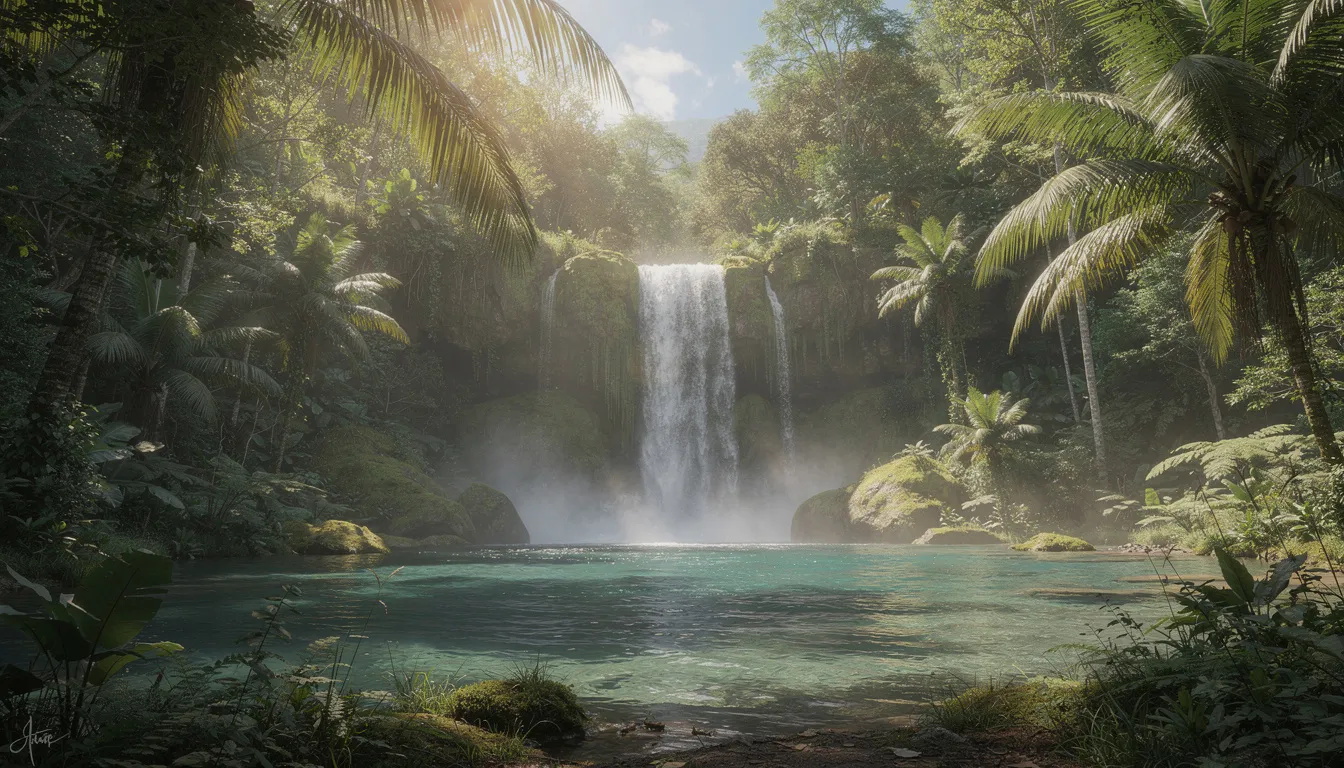
Nature is one of Thailand's main attractions – from tropical jungles and mountain forests to waterfalls, coral reefs, and islands with white beaches. At the same time, the country faces serious environmental challenges.
National parks and reserves
Thailand has more than 60 national parks and dozens of nature reserves. Forest cover has declined from approximately 70% of the country's territory in the mid-20th century to around 30–33% today – a consequence of logging, agriculture, and urbanization.
Best-known national parks:
Khao Yai (established in 1962)
-
The oldest national park, listed as a UNESCO World Heritage Site
-
Area of 2,168 km²
-
Home to elephants, gibbons, buffalo, and hundreds of bird species
-
Impressive waterfalls, including Haew Narok
Khao Sok
-
One of the oldest rainforests in the world
-
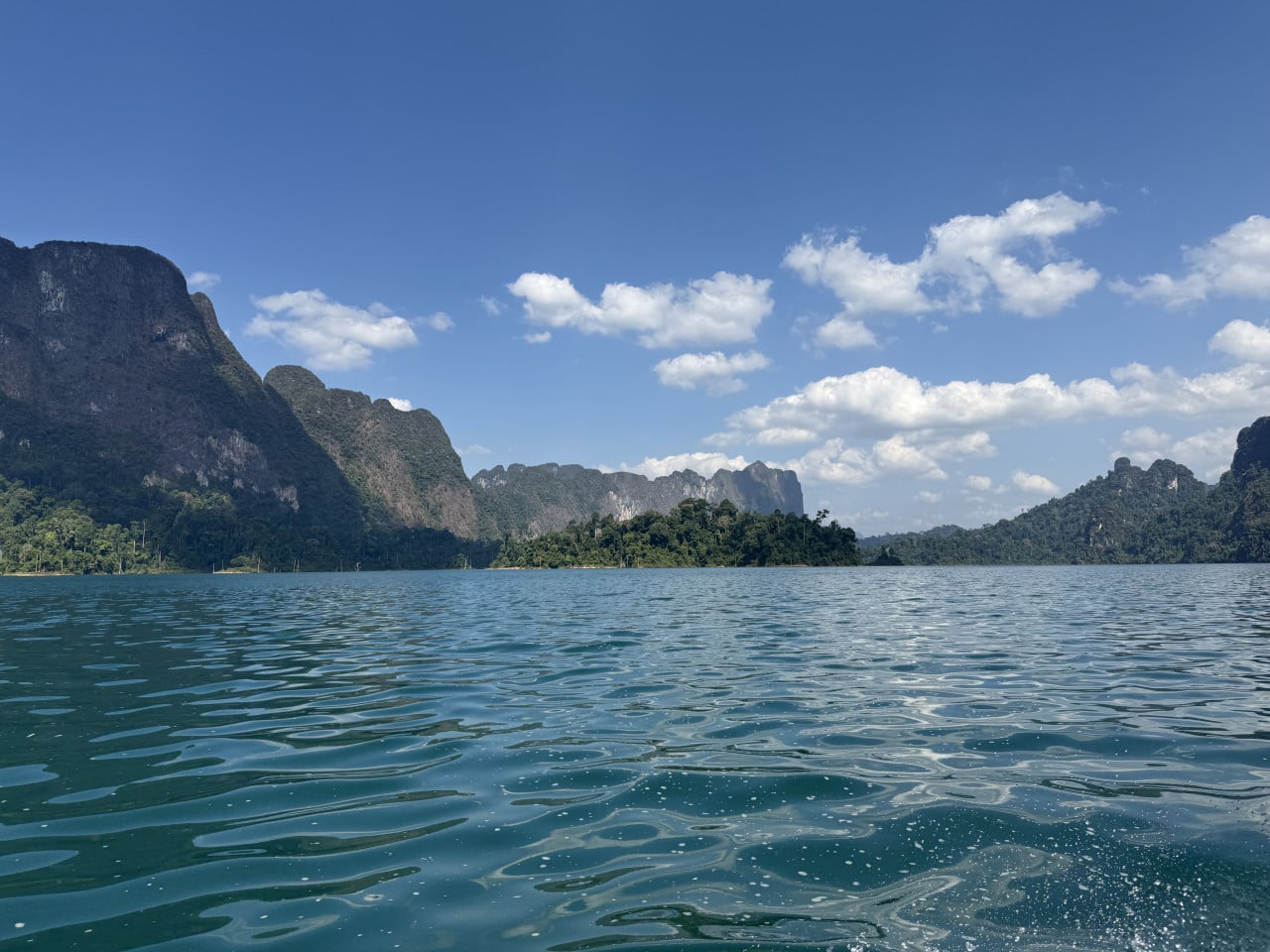
Limestone cliffs and Cheow Lan Lake
-
The option to stay overnight in floating bungalows
Doi Inthanon
-
Thailand's highest mountain (2,565 m)
-
Cooler climate, cloud forests, and waterfalls
-
Pagodas near the summit overlooking the surrounding landscape
Similan Islands
-
An archipelago in the Andaman Sea
-
World-famous diving sites
-
Open only during the season (November–May)
Fauna and flora
Thailand's fauna includes Asian elephants, Indochinese tigers (critically endangered), clouded leopards, gibbons, and macaques. Its seas are home to sea turtles, rays, and rich coral ecosystems. Birdwatching is a popular activity thanks to more than 1,000 bird species.
Environmental challenges
Thailand is dealing with several problems:
-
Deforestation – legal and illegal logging
-
Poaching – trade in endangered species
-
Plastic waste – especially in tourist areas and the sea
-
Mass tourism – overcrowding at popular destinations
The government is taking measures such as closing certain islands to allow them to recover – for example, Maya Bay on Koh Phi Phi was closed from 2018 to 2022 and now has a daily visitor limit. Similar restrictions apply in some national parks.
The most interesting places and regions in Thailand
Thailand offers incredible diversity – from the metropolitan chaos of Bangkok and the mountain temples of the north to the idyllic beaches of the south. Each region has its own distinct character and attracts a different type of traveler.
Bangkok
Thailand's capital is a city of contrasts. More than 10 million people live in its metropolitan area, and Bangkok is one of the most visited cities in the world.
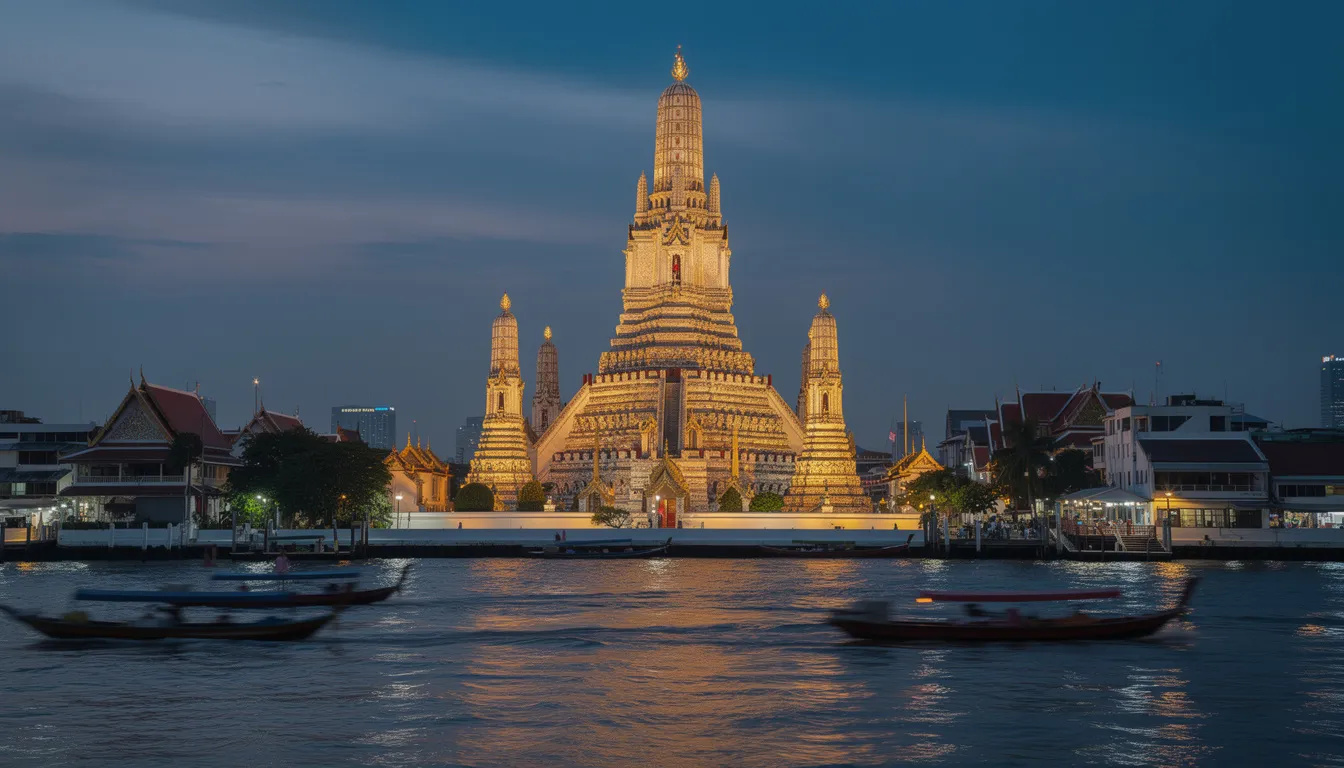
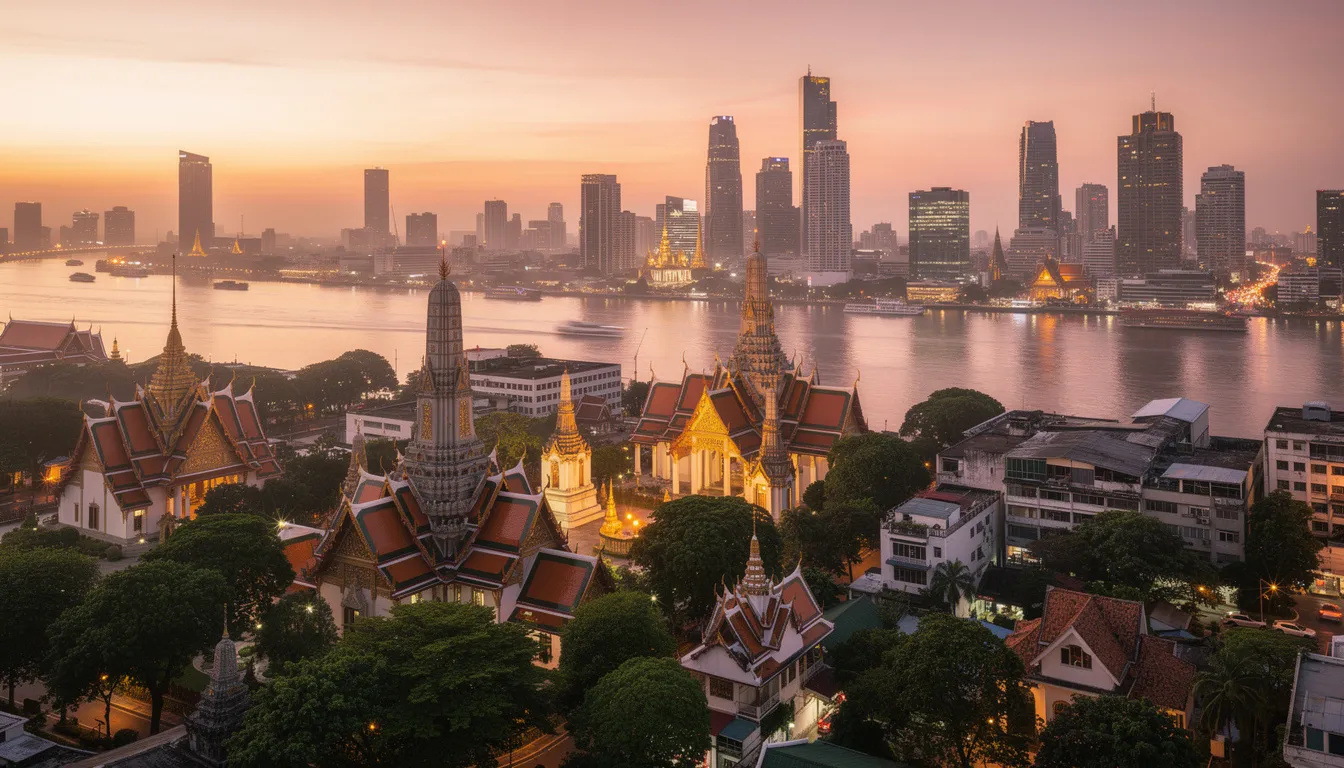
The image shows the golden Buddhist temple of Wat Arun, located on the banks of the Chao Phraya River in Bangkok. This iconic temple, considered one of the most beautiful in Thailand, is surrounded by calm water and greenery, creating a picturesque atmosphere.
Main sights:
-
Grand Palace and Wat Phra Kaew – the royal palace complex with the Temple of the Emerald Buddha, the most sacred place in the country
-
Wat Pho – a temple with a 46-meter-long reclining Buddha and a center of traditional Thai massage
-
Wat Arun – an iconic riverside temple with mosaic-covered towers
-
Chatuchak Market – one of the world's largest weekend markets, with thousands of stalls
Modern Bangkok:
The Sukhumvit Road area offers skyscrapers, luxury shopping malls (Siam Paragon, CentralWorld, MBK), and international restaurants. For nightlife, head to the Thonglor or RCA districts.
For backpackers, Khao San Road is iconic – a street full of hostels, bars, and travelers from around the world. Chinatown (Yaowarat) is a paradise for street food lovers.
A typical day in Bangkok: Visit temples in the morning, take an afternoon boat ride on the Chao Phraya, spend the evening at night markets, and finish at a rooftop bar overlooking the city. Expect heat, humidity, and traffic jams – allow plenty of time for getting around.
Northern Thailand: Chiang Mai, Chiang Rai, and the mountains
The north offers a completely different atmosphere from the tourist resorts of the south. It is a region of temples, mountains, hill tribes, and authentic Thai culture at a fraction of the price.
Chiang Mai
Thailand's second-largest city is the cultural center of the north. The historic center (Old City) is surrounded by walls and moats, and inside you will find hundreds of temples, including Wat Phra Singh and Wat Chedi Luang.
-
Night markets (Night Bazaar, Sunday Walking Street)
-
Proximity to national parks and waterfalls
-
Thai cooking, meditation, and massage courses
-
A popular destination for digital nomads and long-term stays
Chiang Rai
A quieter city closer to the borders with Laos and Myanmar. It is famous for its unique temples:
-
Wat Rong Khun (White Temple) – a surreal structure made of white plaster and mirrors
-
Wat Rong Suea Ten (Blue Temple) – a newer temple in an intense shade of blue
Pai and Mae Hong Son
Pai is a charming mountain town popular with backpackers and yoga enthusiasts. The surrounding area offers waterfalls, hot springs, and coffee plantations. Mae Hong Son is even more remote and authentic.
During the winter months (December–January), temperatures in the north can drop below 10 °C, which is unusual for Thailand – pack warm clothing.
The south and islands in the Andaman Sea: Phuket, Krabi, Khao Lak
The Andaman Coast offers dramatic scenery with limestone cliffs, turquoise water, and some of Asia's most beautiful beaches.
Phuket
Thailand's largest island is synonymous with beach vacations. It offers a wide range of experiences:
-
Patong Beach – the center of nightlife, with bars, restaurants, and crowds of tourists
-
Kata Noi, Bangtao, Surin – quieter beaches for families and couples
-
Big Buddha – a 45-meter-tall white marble statue on Nakkerd Hill overlooking the island
-
Old Phuket Town – colonial architecture, cafés, and street art
Krabi
The province with the most dramatic landscape:
-
Ao Nang – the main tourist center with access to the surrounding islands
-
Railay Beach – accessible only by boat, a paradise for rock climbers and lovers of peaceful beaches
-
Phi Phi Islands, Koh Lanta, Hong Islands – snorkeling and diving excursions
Khao Lak
A quieter alternative to Phuket, ideal for:
-
Families with children
-
Couples seeking peace and quiet
-
A starting point for the Similan Islands
-
Proximity to Khao Sok National Park
Average temperatures in the south remain around 30–33 °C throughout the year. During the monsoon season (May–October), the sea can be rough and some boat trips are canceled.
Islands in the Gulf of Thailand: Koh Samui, Koh Phangan, Koh Tao
The islands in the Gulf of Thailand have a different seasonal pattern from the Andaman Coast – the best weather is from January to April, while the heaviest rainfall occurs in October and November.
Koh Samui
Thailand's second-largest island offers a combination of resorts, beaches, and temples:
-
Chaweng Beach – the busiest beach, with nightlife
-
Lamai – a quieter alternative
-
Bophut – Fisherman's Village with boutique hotels and restaurants
-
Big Buddha – a 12-meter-tall statue on a small islet
Suitable for families, couples, and groups of friends.
Koh Phangan
Famous for the Full Moon Party on Haad Rin Beach – a monthly party with thousands of participants. Outside the party, however, the island is much quieter:
-
Northern bays (Sri Thanu, Haad Salad) – yoga communities and digital nomads
-
Natural beauty, waterfalls, and viewpoints
-
Thong Nai Pan – remote beaches in the east
Koh Tao
This small island is Thailand's diving center:
-
Dozens of diving schools
-
Affordable PADI certification courses
-
Excellent snorkeling directly from the beach
-
A peaceful atmosphere and fewer tourists than on the larger islands
A vacation in Thailand with a travel agency vs. independently
Thailand is one of those exotic destinations where both options work well – organized package tours and independent travel. The choice depends on your preferences, budget, and travel experience.
Vacation with a travel agency
Advantages:
-
Direct or charter flights during the season
-
Transfers and all logistics taken care of
-
A Czech-speaking representative on site
-
Guaranteed services and assistance in case of problems
-
A single price – you know in advance how much you will spend
-
Ideal for a first visit or a purely beach-focused vacation
Disadvantages:
-
Limited selection of hotels and destinations (mostly Phuket and Koh Samui)
-
Fixed dates, usually 7–14 days
-
Less flexibility in the itinerary
-
Often more expensive than planning independently
Independent travel
Advantages:
-
Freedom to choose your route and pace
-
The option to combine regions (Bangkok – north – south)
-
Longer stays at a reasonable price
-
More authentic experiences outside tourist bubbles
-
Often lower total costs
Disadvantages:
-
The need to plan and make reservations
-
Handling complications and changes without a representative
-
A language barrier outside tourist centers
-
Greater responsibility for your own safety
Scenario comparison
One-week stay in Phuket with a travel agency:
-
Package price (flight + hotel + breakfast): CZK 25,000–40,000
-
Food and activities at the destination: CZK 5,000–10,000
-
Total: CZK 30,000–50,000
Three-week independent trip (Bangkok – Chiang Mai – Krabi):
-
Airfare: CZK 15,000–25,000
-
Accommodation (21 nights): CZK 8,000–15,000
-
Transportation within the country: CZK 3,000–5,000
-
Food and activities: CZK 10,000–15,000
-
Total: CZK 36,000–60,000 for three weeks
Both approaches have their place. For a first visit and a relaxing vacation, a travel agency may be more convenient. For a deeper exploration of the country and longer stays, independent planning is worthwhile.
Accommodation in Thailand
In Thailand, you will find accommodation for every budget – from basic hostel beds to luxury resorts with private beaches.
Types of accommodation
-
Hostels – dormitory beds from 200–400 THB per night, shared spaces, ideal for solo travelers
-
Guesthouses – simple rooms from 300–800 THB, family atmosphere
-
Mid-range hotels – air conditioning, pool, breakfast, 800–2,000 THB
-
Beach bungalows – from simple huts to luxury villas
-
Resorts – all-inclusive comfort, 3,000+ THB, often with a private beach
-
Airbnb and villas – for groups and longer stays, with the option to cook for yourself
Price differences by region
|
Region |
Budget room |
Mid-range hotel |
Luxury resort |
|---|---|---|---|
|
Chiang Mai |
300–500 THB |
600–1,200 THB |
2,000+ THB |
|
Bangkok |
400–800 THB |
1,000–2,500 THB |
4,000+ THB |
|
Phuket |
500–1,000 THB |
1,500–3,000 THB |
5,000+ THB |
|
Koh Samui |
600–1,200 THB |
1,500–3,500 THB |
6,000+ THB |
Practical tips
-
Air conditioning is standard in Thailand, even in less expensive hotels (or at least a fan)
-
Wi-Fi is available virtually everywhere
-
Book in advance during peak season (December–February)
-
During Songkran (Thai New Year in April), prices are higher and hotels are full
-
Outside the peak season, you can often negotiate a discount directly on site
Thai cuisine and gastronomy
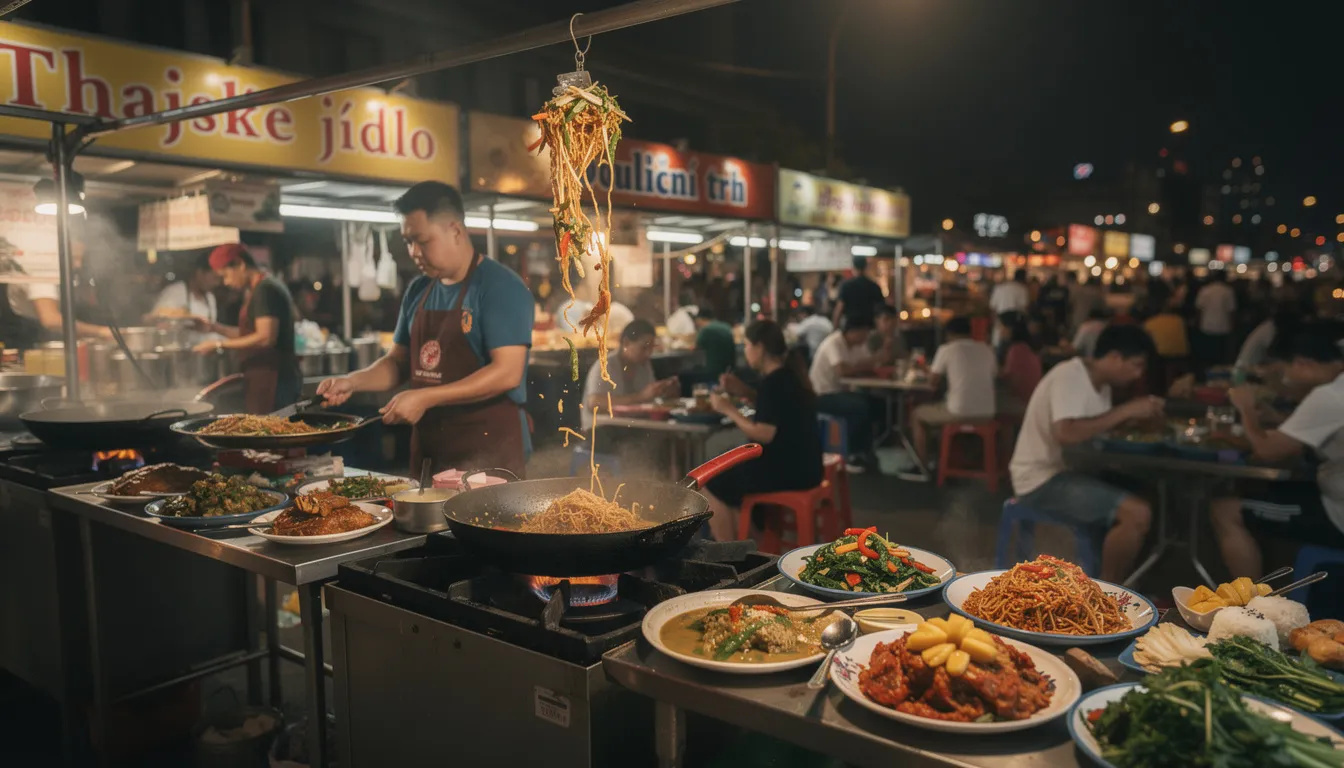
Thai cuisine is among the most highly regarded in the world. It is based on balancing four fundamental flavors: salty, sweet, sour, and spicy – sometimes with the addition of bitterness.
Iconic dishes
Pad Thai – stir-fried rice noodles with egg, tofu or shrimp, tamarind sauce, and peanuts
Tom Yum – a sour and spicy soup with shrimp or chicken, lemongrass, and galangal
Som Tam – a distinctly spicy papaya salad originating from Isan
Green and red curry – prepared with coconut milk, bamboo shoots, and basil
Massaman Curry – a milder curry with Persian influences, often made with beef and potatoes
Khao Pad – fried rice, a quick and ubiquitous dish
How to specify the level of spiciness
Thai food can be extremely spicy. Useful phrases:
-
Mai phet – not spicy
-
Phet nit noi – a little spicy
-
Phet mak – very spicy (for the brave)
Flavors vary by region – northern cuisine is milder, while Isan is known for intense spiciness.
Street food
Street food is the heart of Thai cuisine. It is safe, fresh, and incredibly inexpensive. Lines of local customers are a sign of quality – if Thai people eat there, it is usually good.
Street food tips:
-
Choose stalls with a high turnover
-
Check that the food is prepared fresh
-
Keep tissues and water handy
-
Increase the level of spiciness gradually
Vegetarian and vegan options
Thanks to Buddhism, vegetarianism is common in Thailand. Look for restaurants displaying the sign “เจ” (jay), which serve vegan Buddhist food. In tourist areas, you will also find Western-style vegetarian restaurants.
Alcohol in Thailand
Popular Thai beers include Singha, Chang, and Leo. Local SangSom rum is the basis of many cocktails. The legal age for purchasing alcohol is 20, and sales are prohibited during certain hours (2:00–5:00 p.m.) and on some holidays.
Imported alcohol and wine are significantly more expensive than in Europe.
Culture, religion, customs, and etiquette
Thailand is a country with a rich culture in which Buddhism, respect for the king, and the concept of “saving face” play key roles. Understanding local customs will help you avoid awkward situations and earn the respect of local people.
Basic rules of conduct
In temples:
-
Remove your shoes before entering
-
Cover your shoulders and knees
-
Do not point your feet toward the Buddha
-
Women must not touch monks
In society:
-
Never touch another person's head (it is considered sacred)
-
Do not point at people or sacred objects with your feet
-
Avoid public displays of anger – losing “face” is a serious matter
-
Criticism of the royal family is a criminal offense (including for foreigners)
Greetings and basic phrases
The traditional wai greeting involves pressing the palms together in front of the chest with a slight bow. The higher the hands and the deeper the bow, the greater the respect.
|
Phrase |
Pronunciation |
Meaning |
|---|---|---|
|
Hello |
Sawadee khrap/kaa |
khrap = men, kaa = women |
|
Thank you |
Khob khun khrap/kaa |
|
|
Yes/No |
Chai/Mai chai |
|
|
How much does it cost? |
Tao rai? |
|
|
Not spicy |
Mai phet |
Holidays and festivals
Songkran (April 13–15) – Thai New Year, celebrated by splashing water. The entire country turns into a water fight. It is a wonderful experience, but expect to get completely soaked.
Loi Krathong and Yi Peng (November) – floating small decorated baskets (krathongs) on the water and releasing lanterns into the sky. The celebrations are most beautiful in Chiang Mai and Sukhothai.
Makha Bucha, Visakha Bucha – Buddhist holidays commemorating events in the Buddha's life, during which alcohol sales are prohibited.
Respect for the king
Insulting the king and the royal family is a serious criminal offense in Thailand. Avoid any critical comments – including on social media or in private conversations held in public.
Safety, health, and practical advice
Thailand is considered a relatively safe country for tourists. The greatest risks are not crime, but transportation, nature, and health complications.
Road safety
Thailand has one of the highest road fatality rates in the world. If you plan to ride a scooter:
-
Have an international driving permit
-
Always wear a helmet (fines are common)
-
Do not ride at night or under the influence of alcohol
-
Remember that traffic drives on the left
-
Ride defensively – local drivers have a different driving style
Health and hygiene
Water: Never drink tap water. Use bottled or filtered water, and be cautious about ice in drinks outside tourist restaurants.
Food: Street food is generally safe if you choose stalls with a high turnover. Digestive problems are common during the first few days as your body adjusts to new bacteria.
Dengue fever: The main tropical threat transmitted by mosquitoes. Prevention:
-
Repellent containing DEET
-
Long sleeves and trousers after dark
-
If you develop a fever, joint pain, and a rash, see a doctor
Healthcare: Bangkok and other large cities have world-class private hospitals (Bangkok Hospital, Bumrungrad). However, prices without insurance are astronomical – travel insurance is absolutely essential.
Petty crime and scams
-
Pickpockets in tourist areas and on public transportation
-
Taxi and tuk-tuk scams (always insist on the meter or agree on the price in advance)
-
“Closed” attractions and offers of detours to jewelry stores – ignore them
-
Drugs are severely punished – even possession of a small amount can result in many years in prison
Areas of concern
Avoid traveling to the southern border provinces of Pattani, Yala, and Narathiwat, where conflict persists and the Ministry of Foreign Affairs advises against travel. The rest of the country is safe.
Thailand for business and commercial contacts
In addition to tourism, Thailand is important as a trading partner and regional hub for Southeast Asia. The country offers stable infrastructure, a skilled workforce, and a strategic location.
Business culture
Doing business in Thailand requires patience and respect for hierarchy:
-
An emphasis on building personal relationships before closing a deal
-
Formal conduct and politeness
-
An indirect communication style – a direct “no” is considered impolite
-
The importance of business cards (present them with both hands and with respect)
-
Punctuality is expected from foreign partners
Opportunities for Czech companies
Thailand is open to foreign investment in:
-
Mechanical engineering and industrial automation
-
Automotive supply chains
-
Medical devices and technologies
-
IT services and software development
-
Design and creative industries
Entering the market
Before entering the Thai market, it is advisable to:
-
Consult the Czech Ministry of Foreign Affairs and CzechTrade
-
Attend trade fairs and business missions
-
Obtain certifications and understand customs regulations
-
Consider working with a local partner (mandatory in some industries)
-
Monitor rapidly changing legislation
Contact details for diplomatic missions and chambers of commerce can be found on the Ministry of Foreign Affairs website. Before traveling for business, it is worthwhile to prepare for cultural differences and possibly take a short course in business etiquette.
Conclusion: how to enjoy Thailand fully and responsibly
Thailand is a country that offers something for everyone – from tropical beaches and ancient temples to vibrant cities, mountain villages, and rainforests. The combination of friendly people, excellent cuisine, affordable prices, and relatively easy travel makes it one of the most popular destinations in the world.
When planning your trip, consider:
-
Season – peak season (November–March) offers the best weather but higher prices
-
Region – Bangkok and the north for culture and temples, the south for beaches and diving
-
Travel style – a relaxing resort stay, a backpacking adventure, or a combination of both
-
Budget – Thailand can be extremely inexpensive or luxurious
Respect the local culture and nature. Avoid attractions that mistreat animals (elephant rides at tourist centers, photos with tigers), reduce your use of plastic, and choose ethical service providers. Sustainable tourism helps preserve the country's beauty for future generations.
Thailand is best experienced in person. From the chaotic streets of Bangkok and the quiet temples of Chiang Mai to the turquoise waters of the Andaman Sea – every corner of the country has its own charm. The Land of Smiles awaits.
Before you leave:
-
Check the current visa requirements on the Czech Ministry of Foreign Affairs website
-
Arrange comprehensive travel insurance
-
Learn a few basic phrases in Thai
-
And most importantly – let yourself be surprised