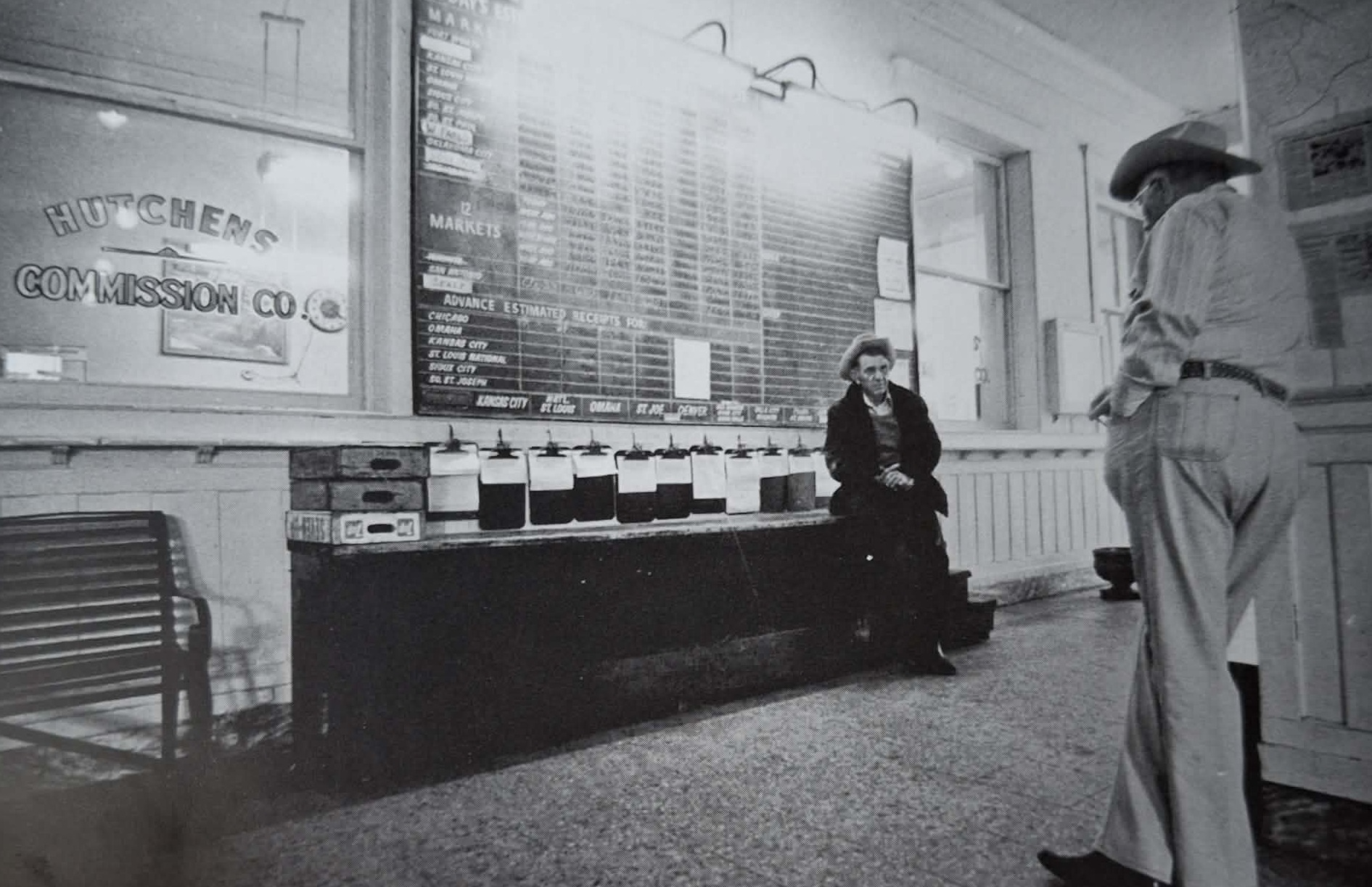
By the late 1970s, as livestock revenue continued to decline, the Livestock Exchange Building sometimes became a deserted place. In the opening photo, president Elmo Klingenberg checks the slowly moving market board on the wall behind resting stockyards manager Paul Talles.
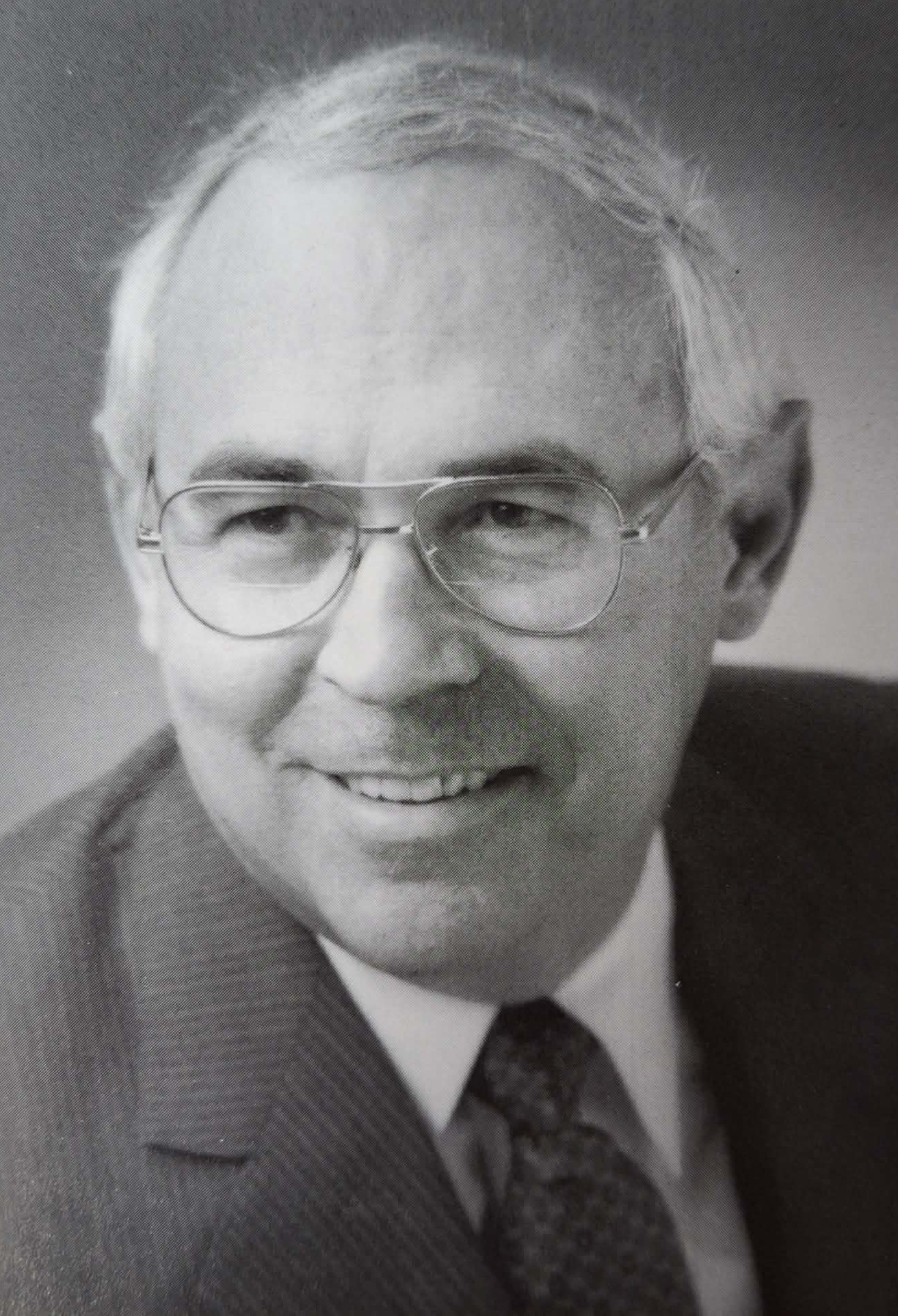
In 1981, United Stockyards decided to allow the five remaining commission companies to take over the Fort Worth Stockyards and lease the stockyards facilities. Gary Allen, former owner of the Foley-Allen Commission Company, became president of the newly reorganized stockyards. The five companies merged to form a single firm, which they named the Niles City Cattle Company, doing business as the Fort Worth Stockyards.
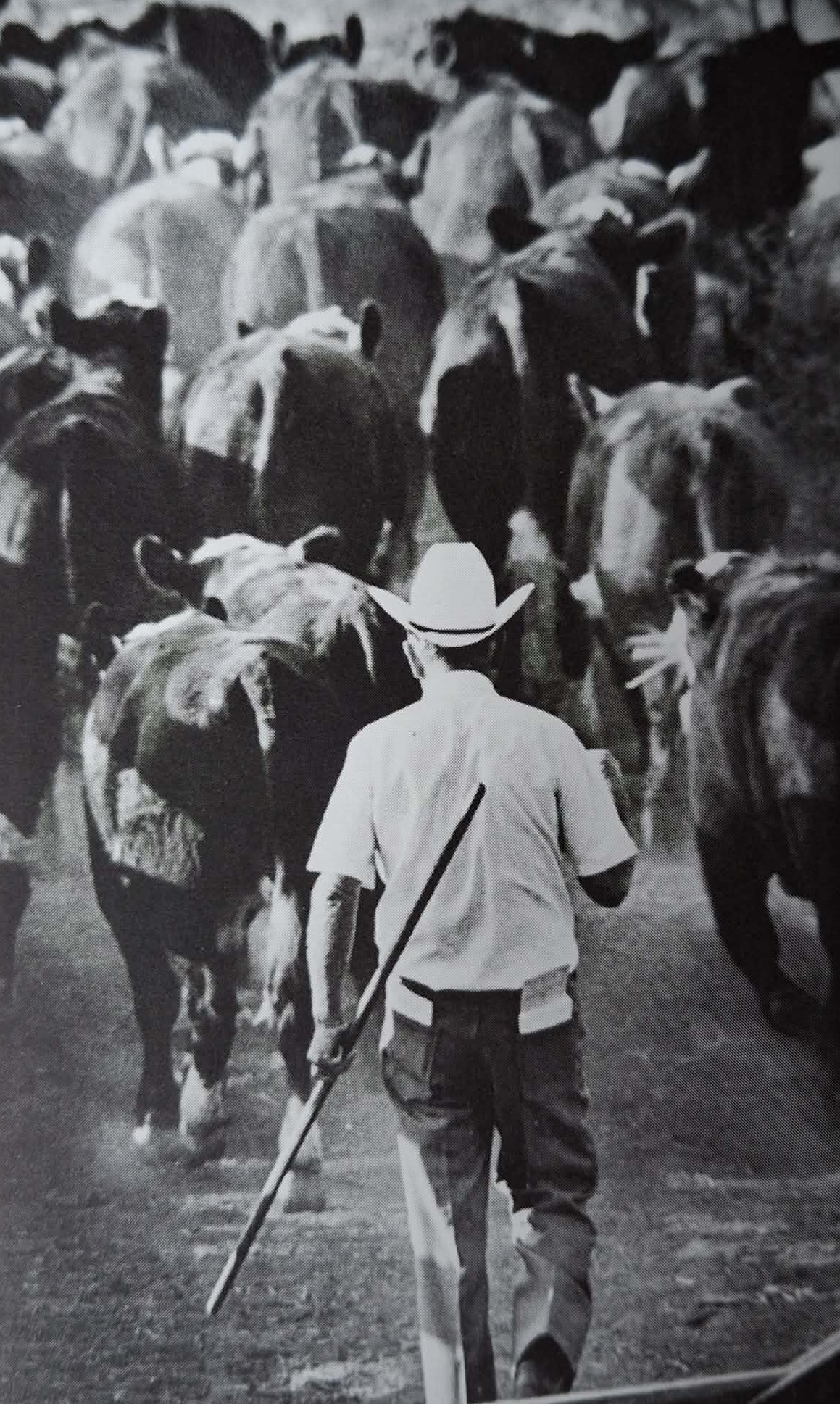
By the late 1980s, the Fort Worth Stockyards employed younger workers who drove animals through the alleys on motor scooters. Here in 1981, however, Leon Ralls—a stockyards fixture for several decades—does things the old-fashioned way: he drives the cattle onto the scale and then directs them into pens, where they wait for a new owner. That was the way Ralls knew.
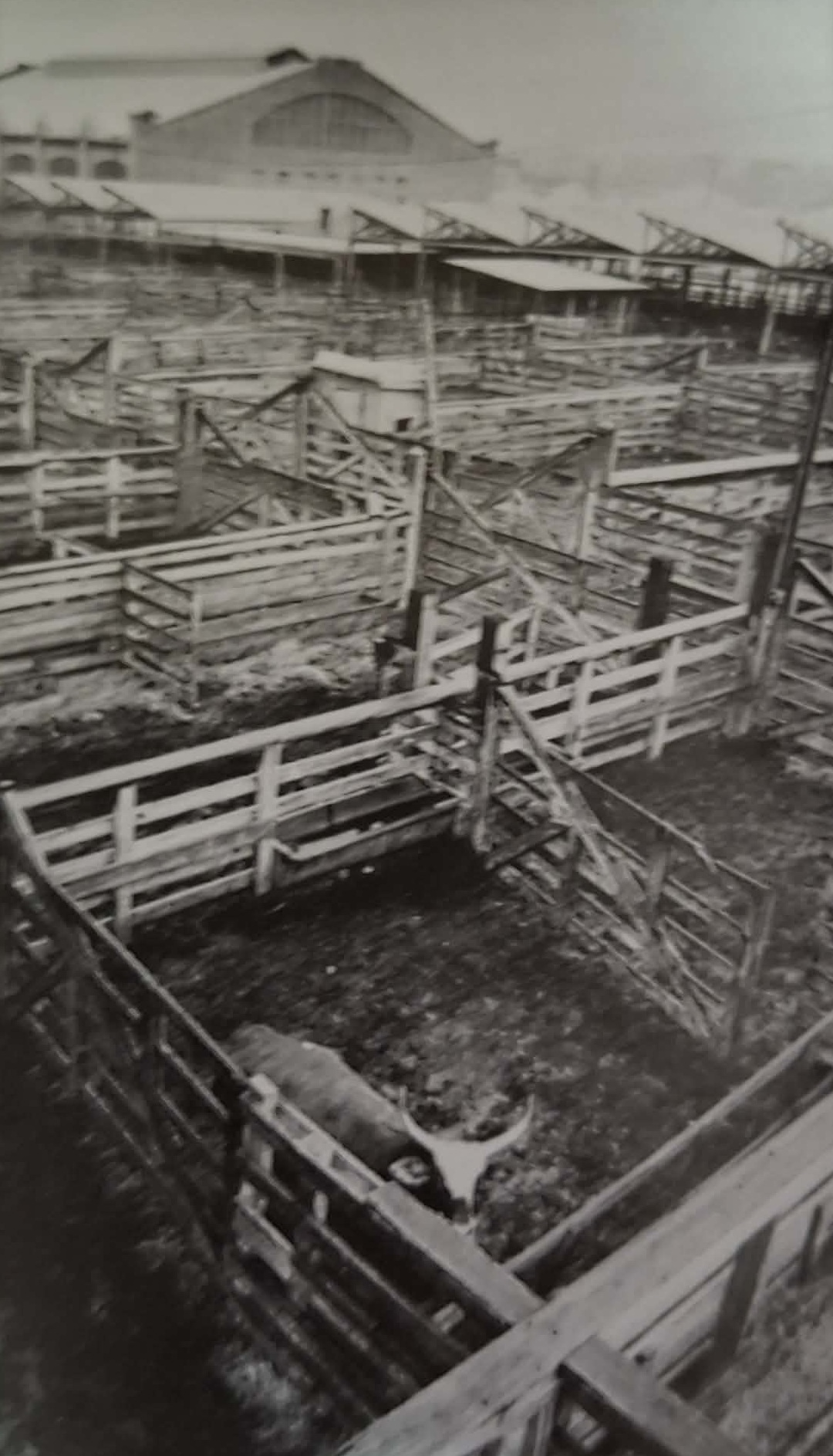
The Fort Worth Star-Telegram published this photograph in March 1982 to show just how empty the stockyards' pens really were. The only visible cow looks terribly lonely. Unfortunately, this scene became increasingly common in the hundreds of pens shown here, stretching north beyond the coliseum.
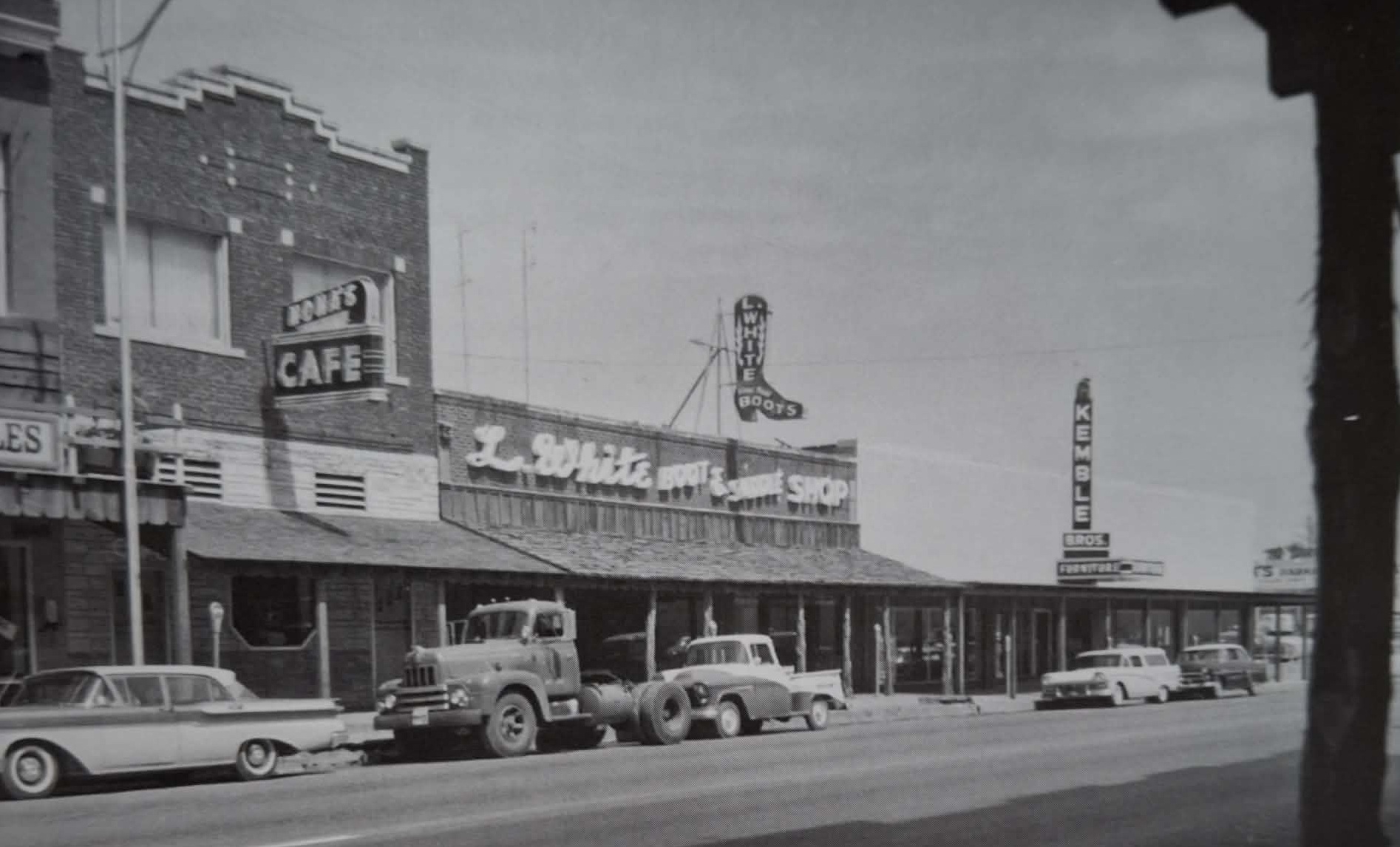
When the L. White Boot and Saddle Shop on North Main Street closed, Leddy Boots purchased the neon boot sign for its own use. The boot now glows at the northwest corner of North Main Street and Exchange Avenue with the words "Leddy Boots." Next to White's, Nona's Café fed stockyards workers in the 1950s. It, too, is gone.
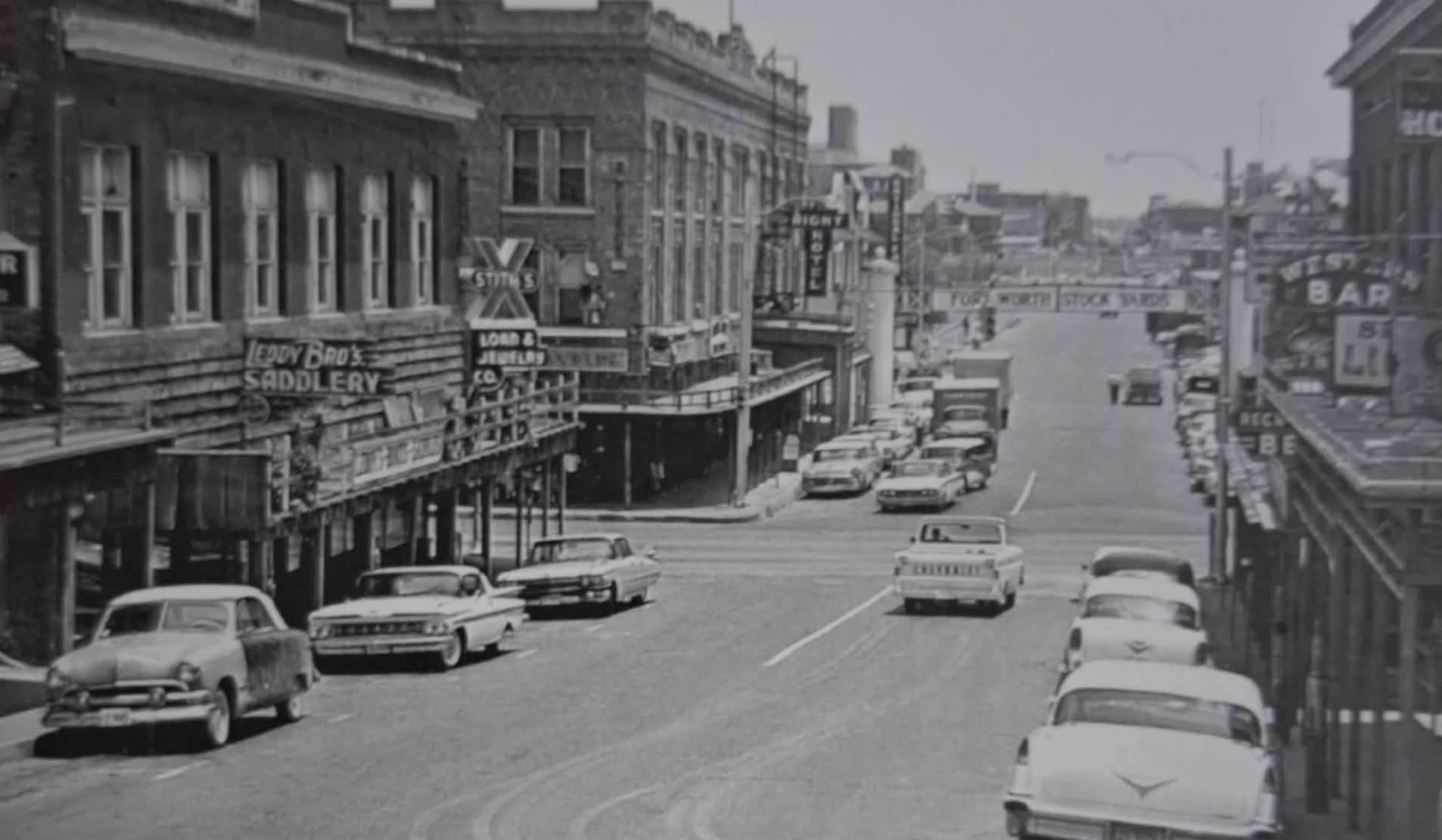
Notice that in this 1950s photograph of West Exchange Avenue, Stith's Jewelers occupies the northwest corner of North Main Street and Exchange Avenue. Leddy's had not yet expanded to the corner or acquired the large neon boot sign from White's. Except for the first block, most of East Exchange Avenue in the 1950s was devoted to livestock-related business, while West Exchange Avenue housed most of the bars. In the 21st century, Exchange Avenue on both sides of Main Street caters to tourists.
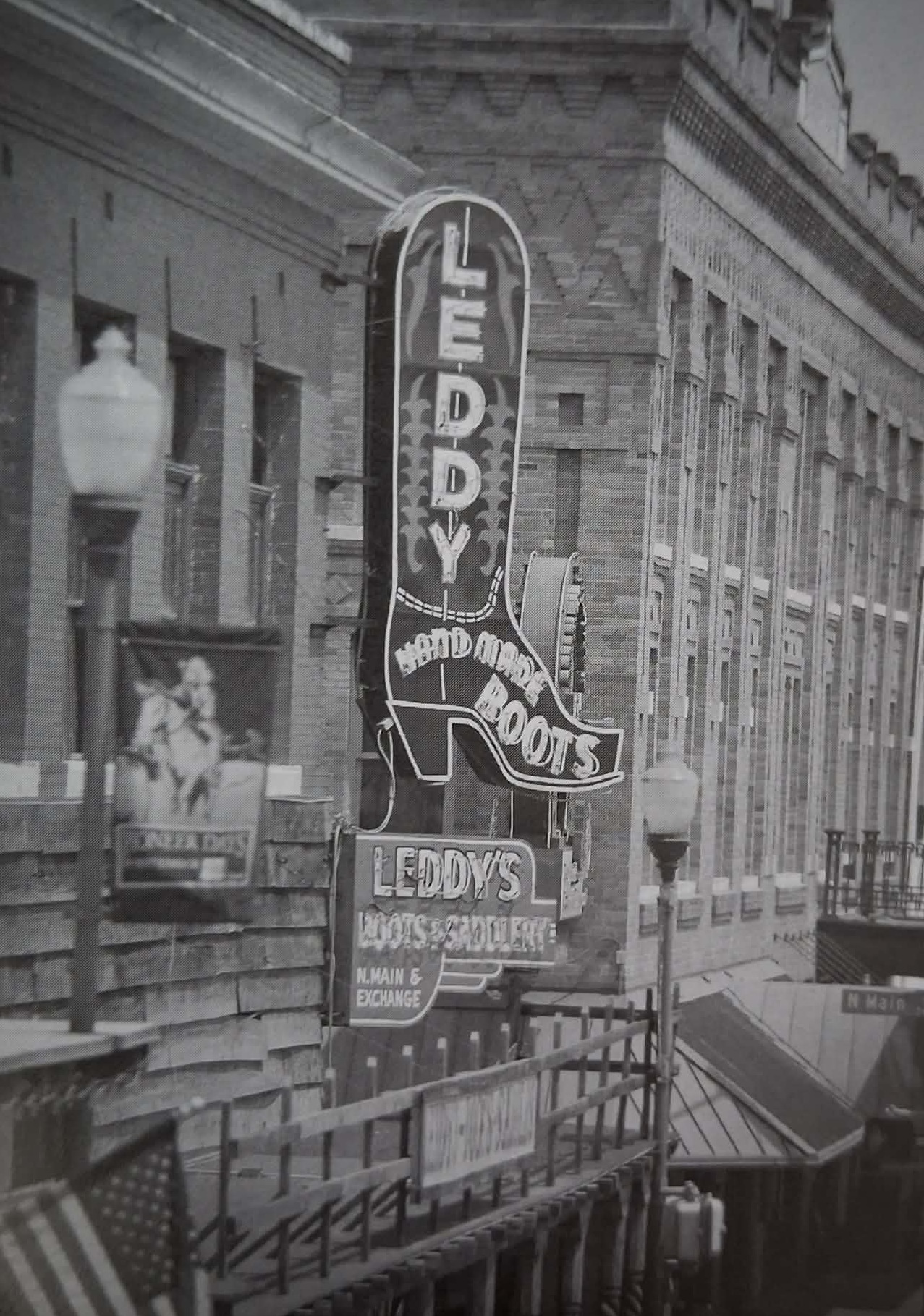
In 1941, the three Leddy brothers came to the Fort Worth Stockyards to make boots. They later added saddles and western wear. Leddy's once ranked among the world's largest manufacturers of handmade boots and saddles. If not everyone at the stockyards wears boots today, perhaps they should; boots and cattle once traveled many roads together throughout Texas, especially in Fort Worth.
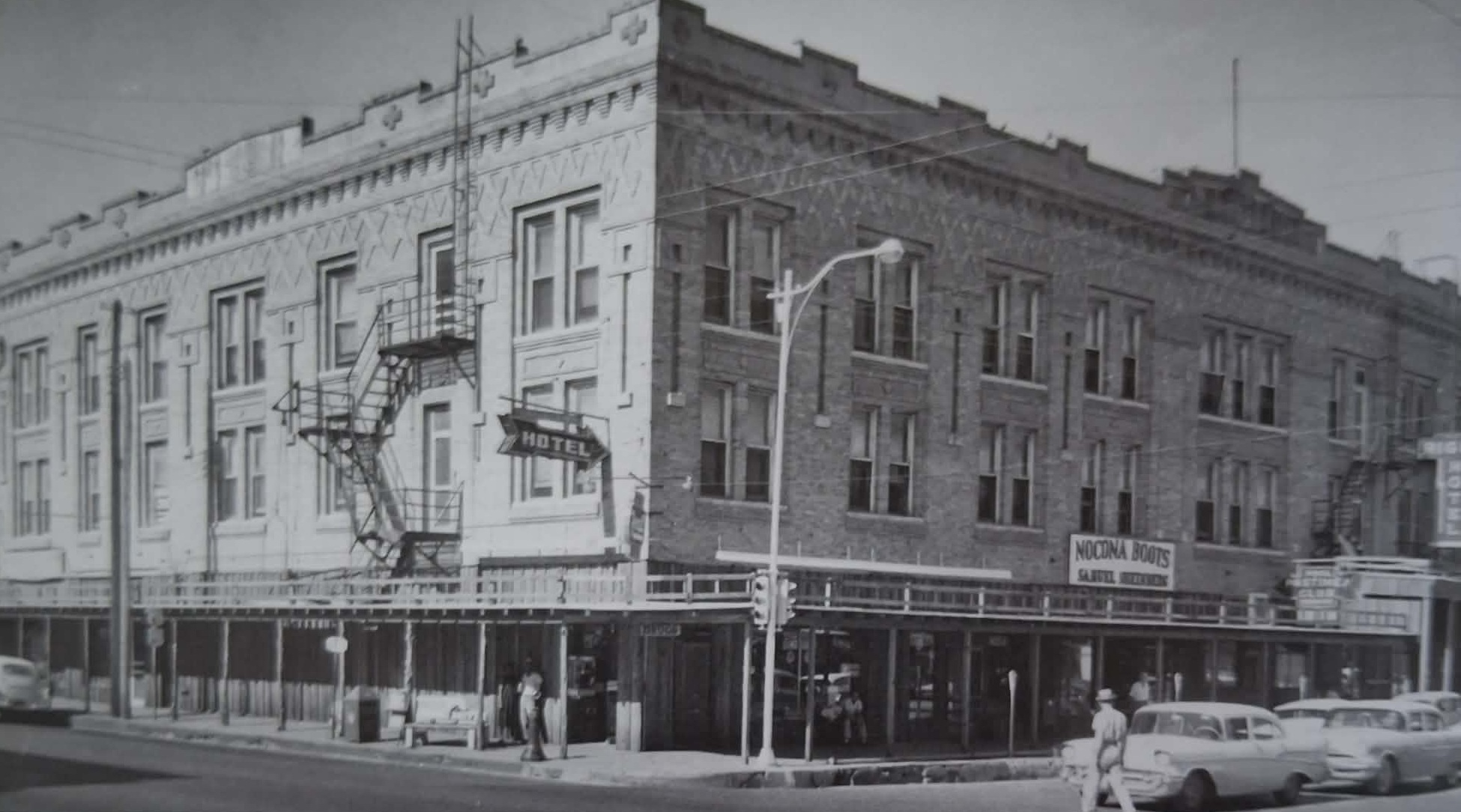
In this photograph from the 1950s, a sign reading "Pool Pastime Club" appears between Nocona Boots and the Right Hotel. The presence of a pool hall suggests that the stockyards area had become somewhat rough and run-down. Ladies did not accompany their husbands to the area when they conducted cattle business. It was a good time to visit downtown department stores instead, such as Leonard Brothers, Stripling's, Monnig's, and The Fair.
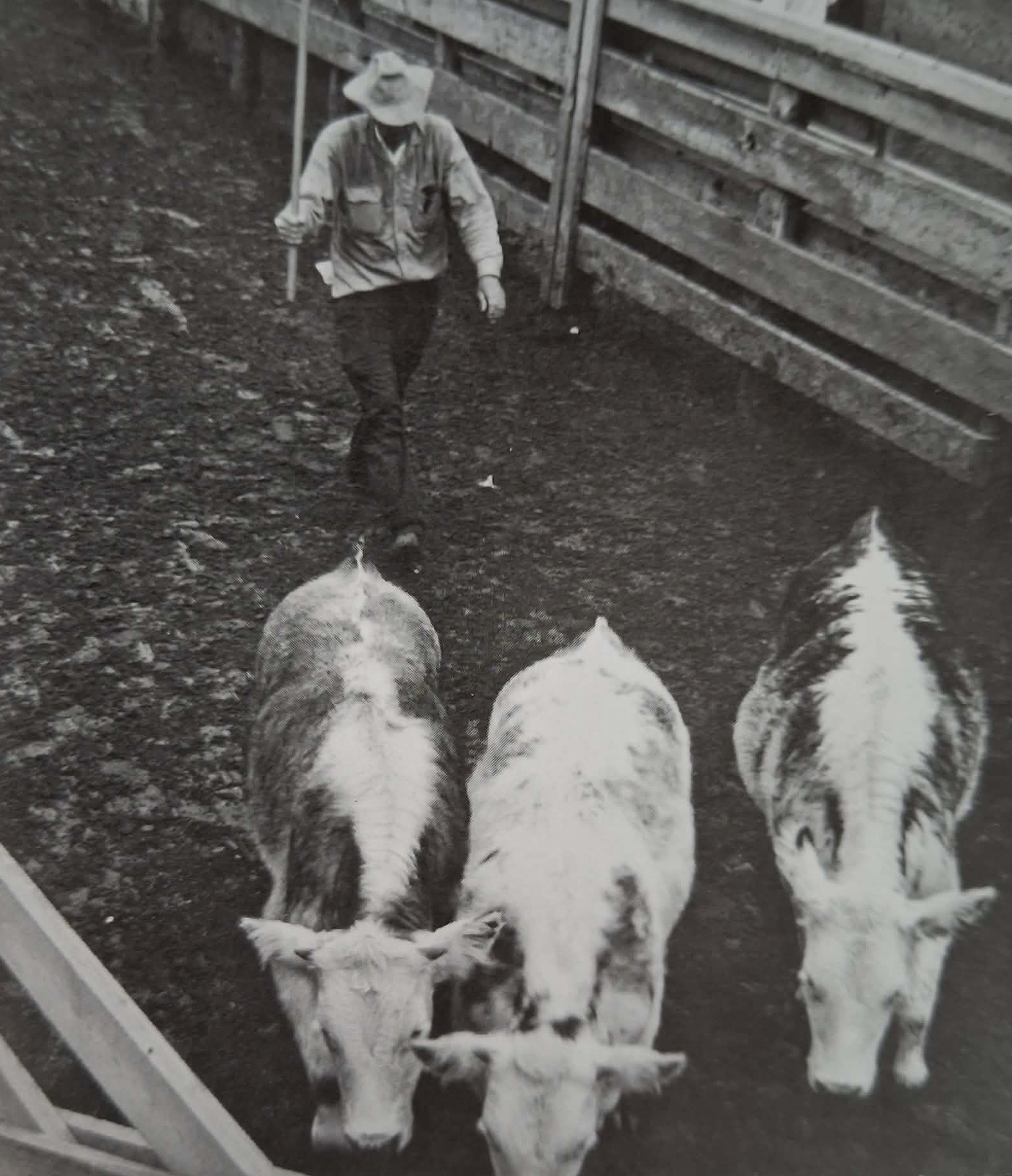
The man driving these three white-faced cattle blends in with the dirt and manure in the pen. In the early days, at the beginning of the 20th century, workers sometimes wore white shirts. That was no longer the case. The stockyards were a down-to-earth business; they were smelly and dirty. In fact, residents of north Fort Worth, many of whom worked at the stockyards or packing plants, became so accustomed to the smell of the stockyards that they hardly noticed it.