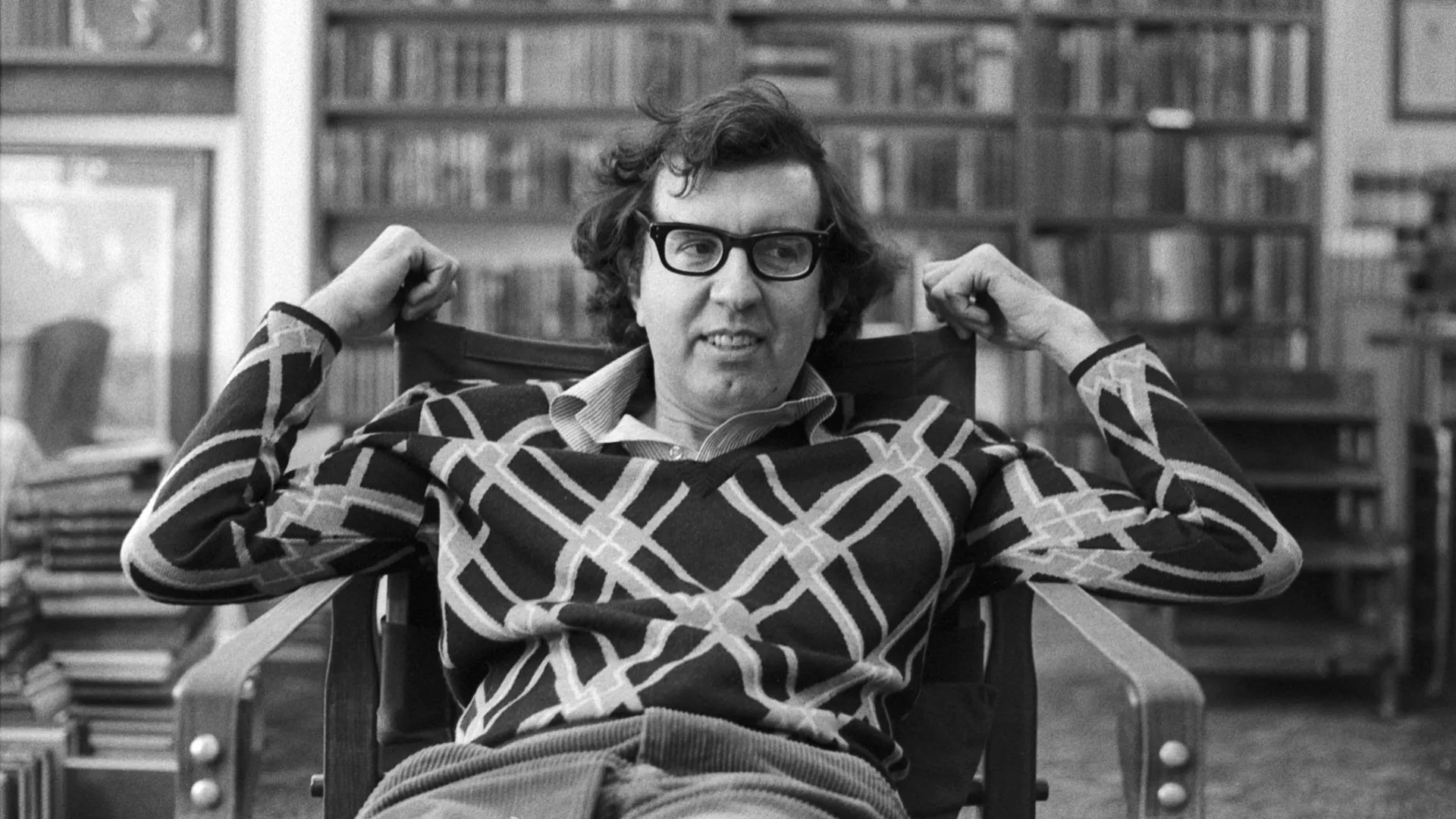
By many measures, Larry McMurtry is the greatest Texas writer. In 1961, when he was only 25, he wrote the novel Horseman, Pass By, which received widespread acclaim; two years later, it was made into the film Hud, starring Paul Newman. By the age of 30, he had published The Last Picture Show, which earned him even greater critical praise; the subsequent film launched Cybill Shepherd’s career. Another of his outstanding novels is Terms of Endearment; the film adaptation boosted sales of the book, with Jack Nicholson and Shirley MacLaine in the leading roles (although Nicholson’s character does not appear in the book). Many would agree that McMurtry’s best book is Lonesome Dove (Lonesome Dove), which won the Pulitzer Prize and became—at least for most Texans—the greatest television miniseries of all time.
McMurtry grew up on a ranch in Archer County, Texas, where approximately five people live per square mile. Many people know this, but few realize that another famous American writer owned land in Archer County. It was Mark Twain. He did not live there—in fact, he never set foot in Texas—but according to historical research, he owned land there for a time. It originally belonged to his wife, Olivia, who had a soft heart and lent money to a woman related to her by family ties so that she could buy land in Texas; she used the deed as collateral. The loan was never repaid, so Mrs. Twain eventually acquired the property. Twain inherited it after her death and sold it a year later, in 1905. This 320-acre parcel is still known among a few long-time locals as “Twain’s property.”
Now I will pause for a moment to tell you an interesting story about Twain and the land he owned in Archer County. One day, he received a letter from the Archer County clerk informing him that his property had been sold because of unpaid taxes. Twain had a man in Texas who was supposed to pay those taxes, but he failed to do so. Twain reclaimed the property for twice the amount of the taxes owed—$14.66. The whole affair made him very angry. In a letter to his friend William Dean Howells that has since become somewhat famous, he explained that the man in Texas who was supposed to handle the taxes had taken the money and run, so to speak. If Twain ever caught up with him, he wrote to Howells, the scoundrel would suffer on a biblical scale: “he will beg for brimstone, but in vain.” It is a beautifully worded threat that even the Mafia could be proud of.