

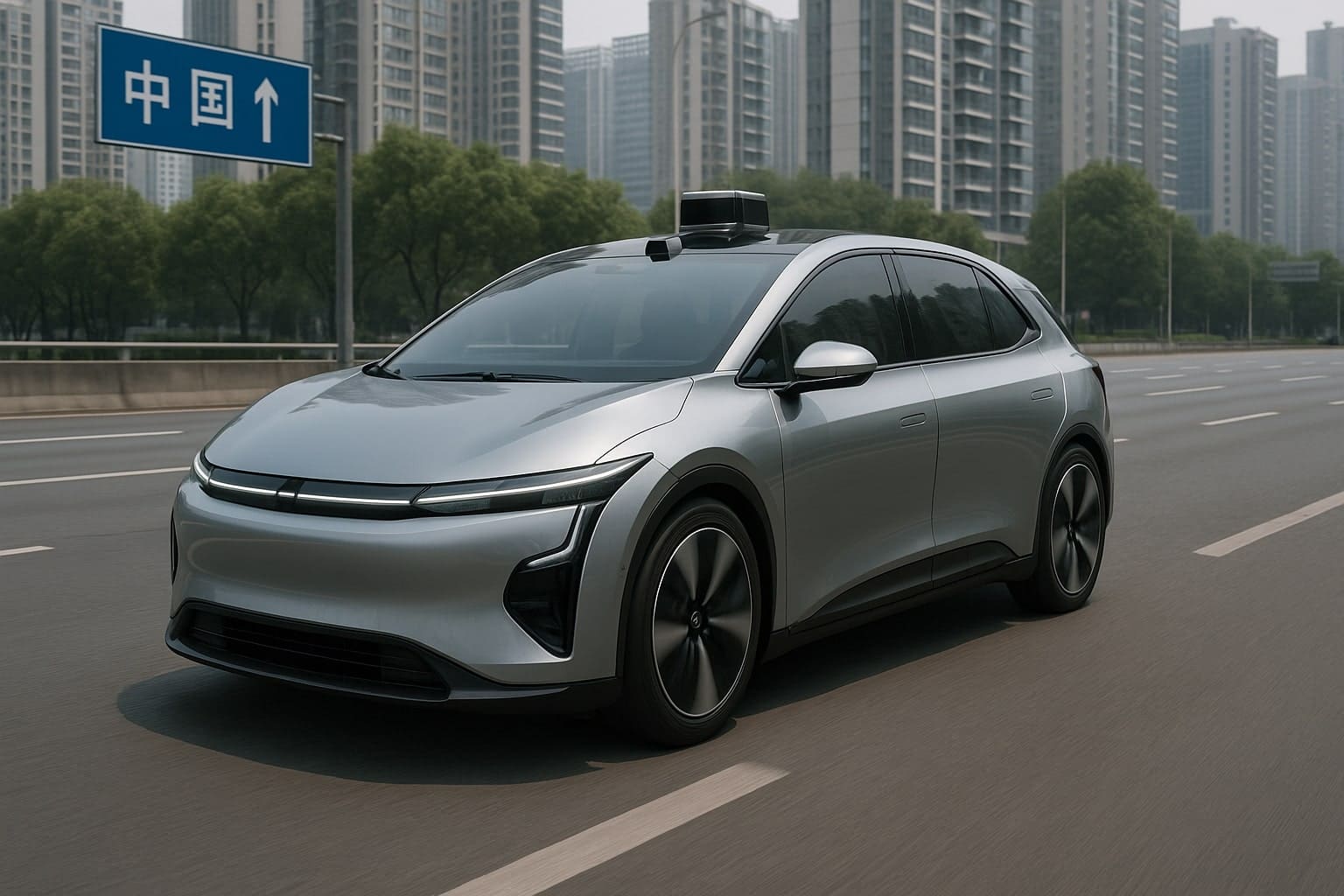
China Dominates the Autonomous Vehicle Market
China is rapidly becoming the global leader in autonomous vehicles, as demonstrated by major events such as Auto Shanghai in April this year. Models from domestic manufacturers were unveiled there that resembled smartphones more than traditional cars. For example, the premium Denza electric vehicle from BYD, a luxury sedan from Huawei, and a fleet of robotaxis from Pony.ai—all equipped with fast charging, facial recognition systems, and autonomous driving features. These vehicles are not merely showpieces; they demonstrate how China is outpacing the rest of the world in testing and deploying autonomous technologies. According to estimates by the China Society of Automotive Engineers, by 2030, one-fifth of new cars sold in China will be fully driverless, and 70% will have advanced driver-assistance systems. China is the world's largest automotive market and is testing more autonomous vehicles than anywhere else.
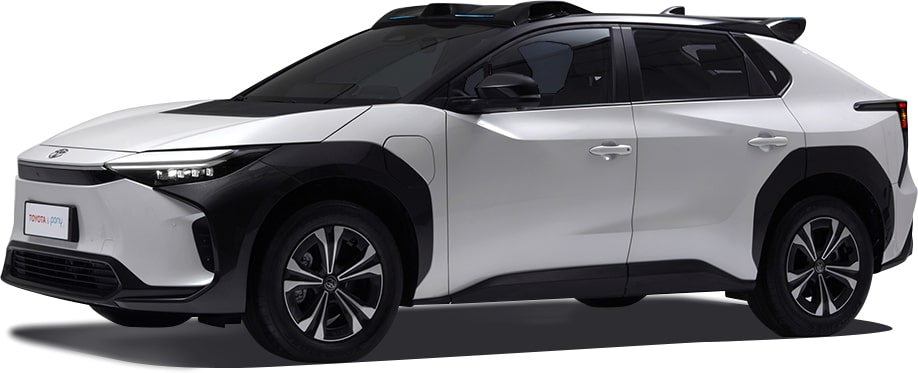
The Key to Success? Strong Government Support and Infrastructure
One of the main reasons for China's dominance is massive government support and investment in infrastructure. Autonomous vehicles (AVs) are considered a strategic industry, much like electric vehicles. Local governments in Beijing, Shanghai, and Shenzhen compete to establish pilot zones, provide research and development subsidies, expedite permits, and build roads adapted for driverless vehicles. This stands in stark contrast to the United States, where regulations depend on individual states and innovation is driven primarily by private companies, slowing down testing. According to Bill Russo, head of the Shanghai-based consulting firm Automobility, China's strong digital infrastructure—from high-speed telecommunications to smart traffic lights and charging stations—gives it an advantage. Even in remote mountainous areas at an elevation of 4,500 meters, you have a signal, while in Reno, Nevada, you can easily lose it.
Technological Innovation and Integration
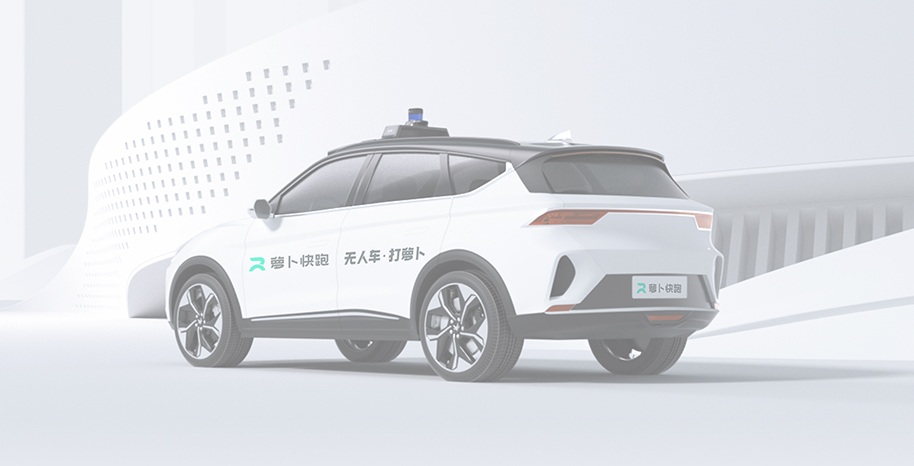
Chinese technology giants such as Baidu, Alibaba, and Huawei are deeply involved in the automotive industry. For example, Baidu is developing Apollo Go systems for robotaxis, Huawei supplies autonomous driving software and smart cockpits, and Alibaba is collaborating with XPeng on data centers for storing driving data. Last year, Xiaomi unveiled its first vehicle, the SU7, which integrates easily into its ecosystem of smart devices, from vacuum cleaners to air conditioners. More than half of the cars sold in China have Level 2 systems capable of steering and braking under certain conditions. Five companies operate 2,300 robotaxis across 30 cities in the country, more than in the US, where Waymo operates over 700 vehicles in five cities. These vehicles collect data from cameras, radars, and sensors, improving their performance through vast amounts of information about traffic and pedestrian behavior. China also has less stringent privacy rules, allowing data to be collected more quickly.
Public Acceptance on the Road Ahead
People in China are much more open to autonomous vehicles than people elsewhere. According to a 2023 survey, 85% of Chinese people are comfortable with autonomous driving without human supervision, compared with 39% in the US. Trust in artificial intelligence is high—72% of people trust it, compared with just 32% in the US. This makes it easier to deploy fleets for ride-sharing, deliveries, and logistics, where autonomous vehicles create the greatest economic value. For example, companies such as DeepWay and Neolix focus on autonomous freight transport due to the enormous e-commerce market. However, rapid growth brings risks. In March, a tragic accident involving a Xiaomi SU7 occurred in Anhui Province, where the driver took control from the autonomous system and killed three passengers. Regulators subsequently banned the use of terms such as "smart driving" in advertisements and tightened rules requiring systems to monitor drivers and detect when they take their hands off the steering wheel. Companies now discuss these features more cautiously and only when customers ask about them.
Global Expansion
China's autonomous vehicle market is not only growing domestically—companies are expanding into Southeast Asia, Europe, and the Middle East. For example, WeRide is collaborating with Uber in the United Arab Emirates on the region's first driverless robotaxi and launched a fleet of robobuses in Singapore this year. Baidu has deployed Apollo Go in Dubai and Abu Dhabi. According to estimates, China's autonomous vehicle market will reach a value of US$170.57 billion (approximately CZK 3.84 trillion) by 2033. Many regions will want to collaborate with China on modernizing their infrastructure so they can leapfrog Western mobility models that remain stuck in the 20th century. Although regulations are becoming stricter, China is moving toward resuming approvals of Level 3 systems by 2026, which will strengthen confidence and enable safer scaling. This trend shows how China is reshaping global mobility step by step.


