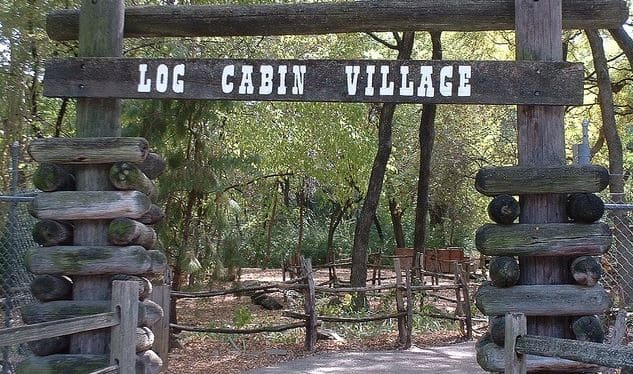
When I contacted Log Cabin Village to ask about its much-discussed ghost, my first thought was, “Methinks you protest too much.” Rena L. Lawrence, educator and collections manager at Log Cabin Village, quickly replied, writing: “Based on anecdotal reports, I can tell you that nothing strange has happened here for at least five years. If we had any ‘guests,’ I think they have already moved on. As for photographs, you are welcome to come and take pictures in publicly accessible areas whenever we are open. Admission is $4.50 for adults.”
She also sent me a file concerning reported paranormal phenomena, but added: Because we are a living history museum, we prefer to focus on 19th-century history and culture rather than reports of hauntings. As you can imagine, because we have buildings that are more than 150 years old, there is a great deal of speculation about paranormal activity. Most of what you read online or in current Fort Worth ghost guides consists of stories that were completely made up. Because discussing paranormal phenomena is not what we do, we neither confirm nor deny that the site is haunted. If we are being honest, we have to say that we simply do not know. Nevertheless, we limit such discussions because every time the subject comes up publicly, unethical paranormal groups—not the reputable ones—try to break in to investigate activity after closing time. That is why we prefer to stick to the history relevant to this site.
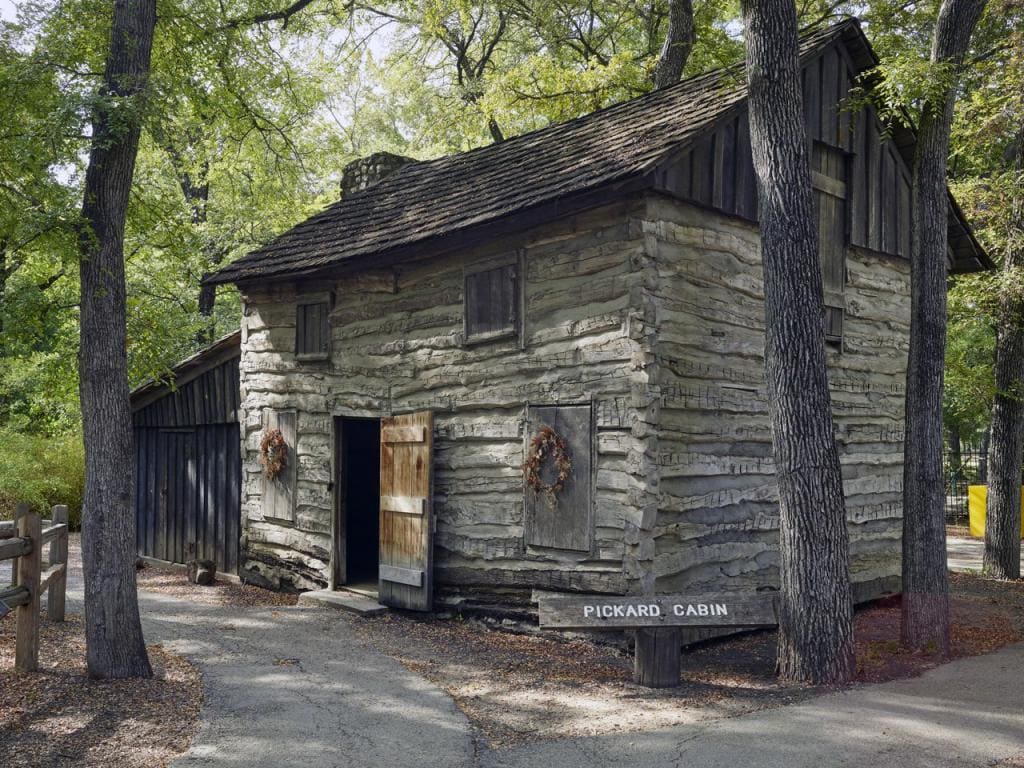
Point taken, but even so, when I visited this place near the Trinity River and downtown Fort Worth, I felt that something was lurking there. Of course, I would never attempt to break in after closing time; there is no need, because in my opinion, the presence of spirits can easily be felt at Log Cabin Village even during opening hours.
Among the reported ghostly experiences is one frequently told story from the upper floor of one of the cabins, where the scent of lilacs often wafts through the air. Some people say it is the perfume of a settler who was killed there. You may also hear doors slamming, and one account even speaks of an evil spirit resembling a man with a broken neck who screams and chases you out of the building (although, for the record, I do not believe in ‘evil’ spirits unless you yourself give off negative energy as a bad person).
Indeed, many stories, legends, and myths have been written or passed down orally about possible spirits at Log Cabin Village. As already mentioned, the village prefers to present itself as a living history museum rather than a haunted house, but the truth is that hauntings and ghost stories are popular and difficult to ignore.
Log Cabin Village is located across from the Fort Worth Zoo and contains original homes built around the turn of the 20th century. These homes were moved from their original locations, and some people believe that one or two ghosts came with them.
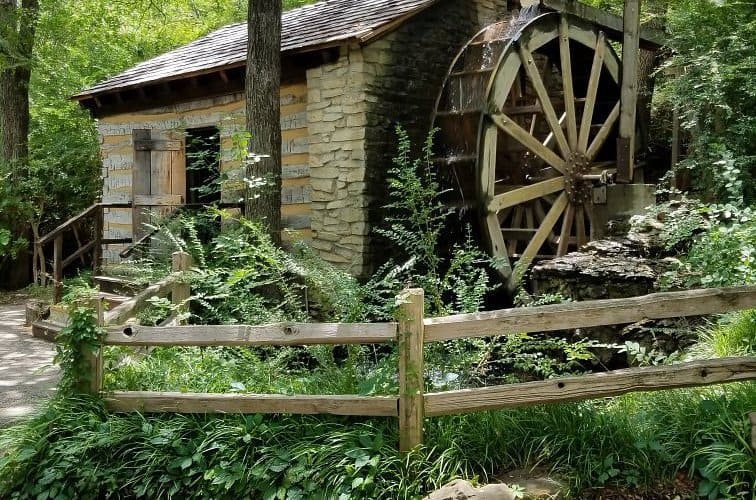
There is one story about a man who lost his wife and hired a nanny for his son. He later married the nanny, and they lived in one of the homes now located at Log Cabin Village. It is said that the nanny often wore lilac-scented perfume. Their residence was the Foster Cabin, which is said to be the site of a great deal of paranormal activity. It originally stood near the Brazos River in Milam County, Texas. This two-story house, owned by Harry Foster, was built between 1850 and 1854, and a great deal of enslaved labor was used in its construction. Foster’s wife died in the cabin, and some records show that Miss Jane Holt was added to the cabin’s list of residents, but she was no longer there by the next census.
Footsteps are often heard in the attic above the second floor, but whether they belong to someone who lived in the house or to another apparition remains unknown. This particular cabin also serves as the visitor center and gift shop, and more than a few visitors have said they saw a woman in her thirties or forties walking around upstairs in the cabin, wearing a long black skirt and a purple blouse.
Log Cabin Village was actually a project that began in the 1950s thanks to the Pioneer Texas Heritage Committee and members of the Tarrant County Historical Society. The members were interested in preserving 19th-century wooden structures that were disappearing too quickly from the Texas landscape, so they decided to create Log Cabin Village to preserve the culture and history of the period. Initially, only six mid-19th-century log homes were moved to the present site and restored during the 1950s and 1960s. The village was donated to the city of Fort Worth and opened to the public in 1966.
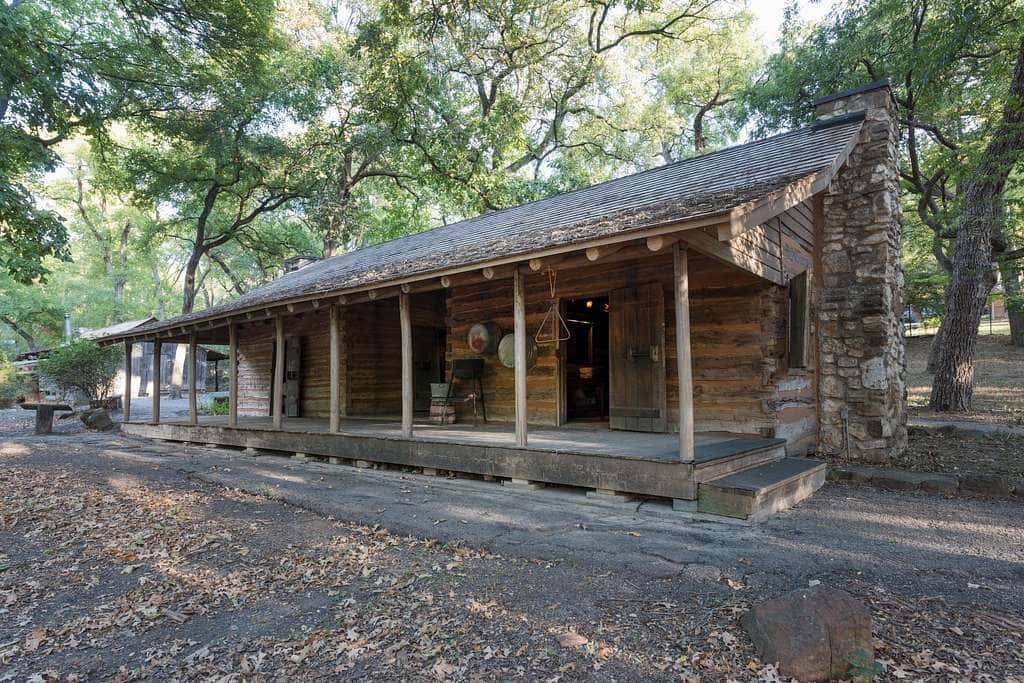
The cabins there, haunted or not, include the Foster Cabin from the 1850s, a plantation log house brought there in 1974, and the Marine School from the 1870s. In 2004, the village restored the Reynolds Smokehouse, which originally came from Azle, Texas.
Another fun thing about Log Cabin Village (besides looking for ghosts) is that it is a living history museum with authentic artifacts and a fascinating glimpse into life on the North Texas frontier. There are also excellent exhibits featuring a water-powered gristmill, a one-room schoolhouse, a blacksmith shop, and herb gardens. So in the end, who knows what you might discover there?
Because it is right across the street from the Fort Worth Zoo, it is worth mentioning that stories of hauntings also surround the zoo. Perhaps it is the ghost of an elephant keeper who was crushed by one of the elephants in the 1980s. According to reports, he can still be seen around the elephant and zebra areas. Another apparition, apparently recalling better times at the zoo, is a woman in a 19th-century white dress carrying a parasol, who walks back and forth near the zoo café.