

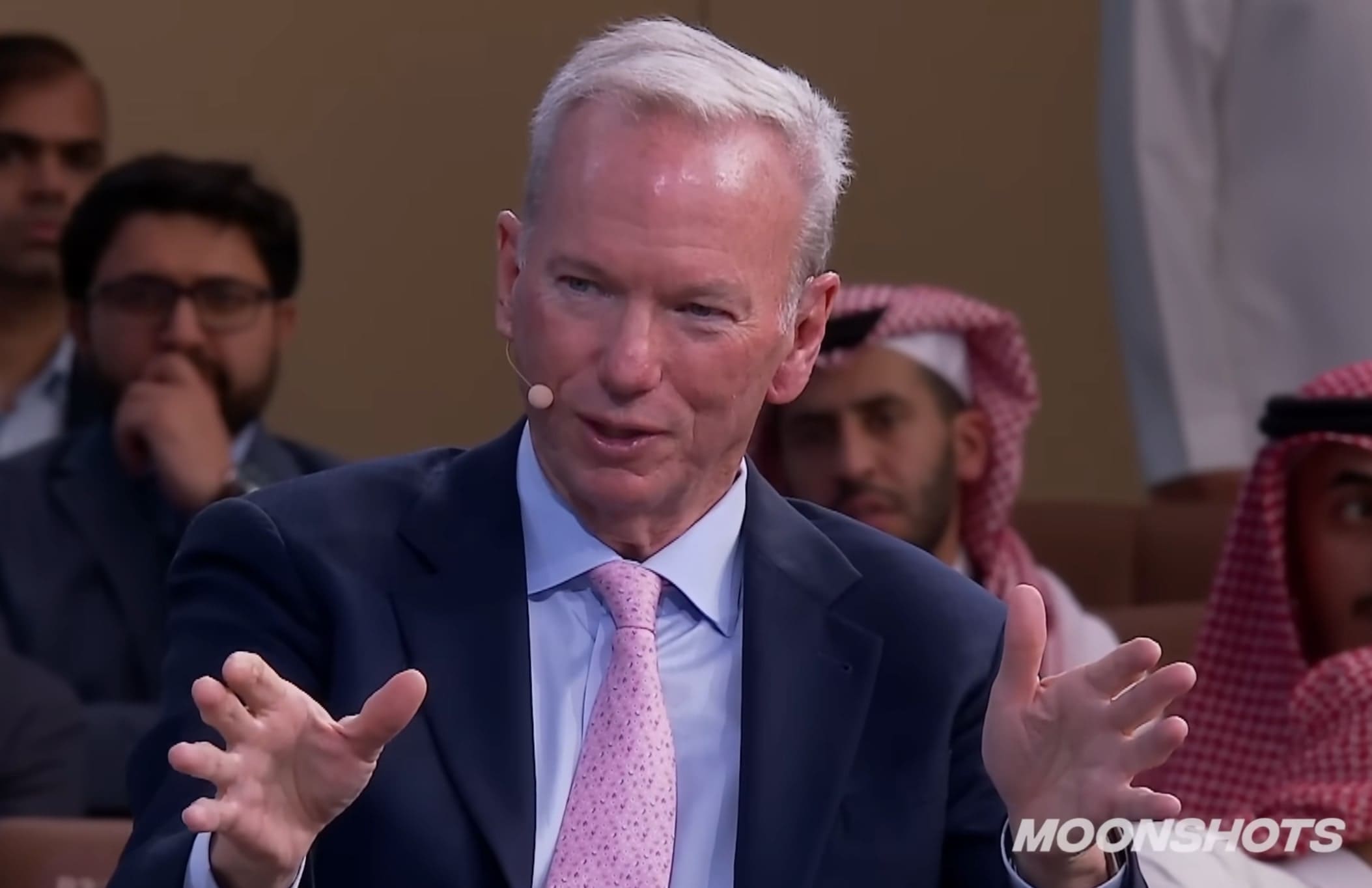
When artificial intelligence is discussed, big names from the tech world often come up. One of them is Eric Schmidt, who led Google as CEO from 2001 to 2015. Schmidt is now concerned that most governments around the world will start using Chinese artificial intelligence models, mainly because of their price. On the "Moonshots" podcast, he explained why this worries him. According to him, the largest models in the US are closed-source, meaning their code is not freely available, while in China the largest models are open-source and therefore free for everyone.
Schmidt sees this as a geopolitical problem. "Open source is free, and closed models are not free," he said. According to him, countries that do not have as much money as Western nations will end up using Chinese models not because they are better, but because they cost nothing. This could lead to a situation in which money and influence shift toward China. Schmidt now serves as a founding partner at Innovation Endeavours, a venture capital fund, and runs the aerospace startup Relativity Space. His net worth is estimated at nearly $50 billion.
The Popularity of Chinese Models
This year, there has been a lot of discussion about Chinese models such as DeepSeek and Alibaba's Qwen3. These models have grown in popularity, but they raise questions about data protection, national security, and whether the US is losing its lead. Schmidt warns that when countries choose these open models, they may become dependent on them. Supporters of open models argue that they enable rapid technological development because anyone can modify and distribute the code. On the other hand, those who prefer closed models argue that they are more secure because the code remains private.
The topic of "sovereign artificial intelligence" (sovereign AI) is now appearing in debates among tech leaders and politicians. The idea is for countries to maintain control over their technologies, data, and infrastructure. Schmidt is not the only one drawing attention to this. For example, Jensen Huang, CEO of Nvidia, said at a government summit in Dubai that if he were leading a developing country, the first thing he would do would be to encode that country's language and culture into its own large language model (LLM).
AI and Its Economic Impact According to Arthur Mensch
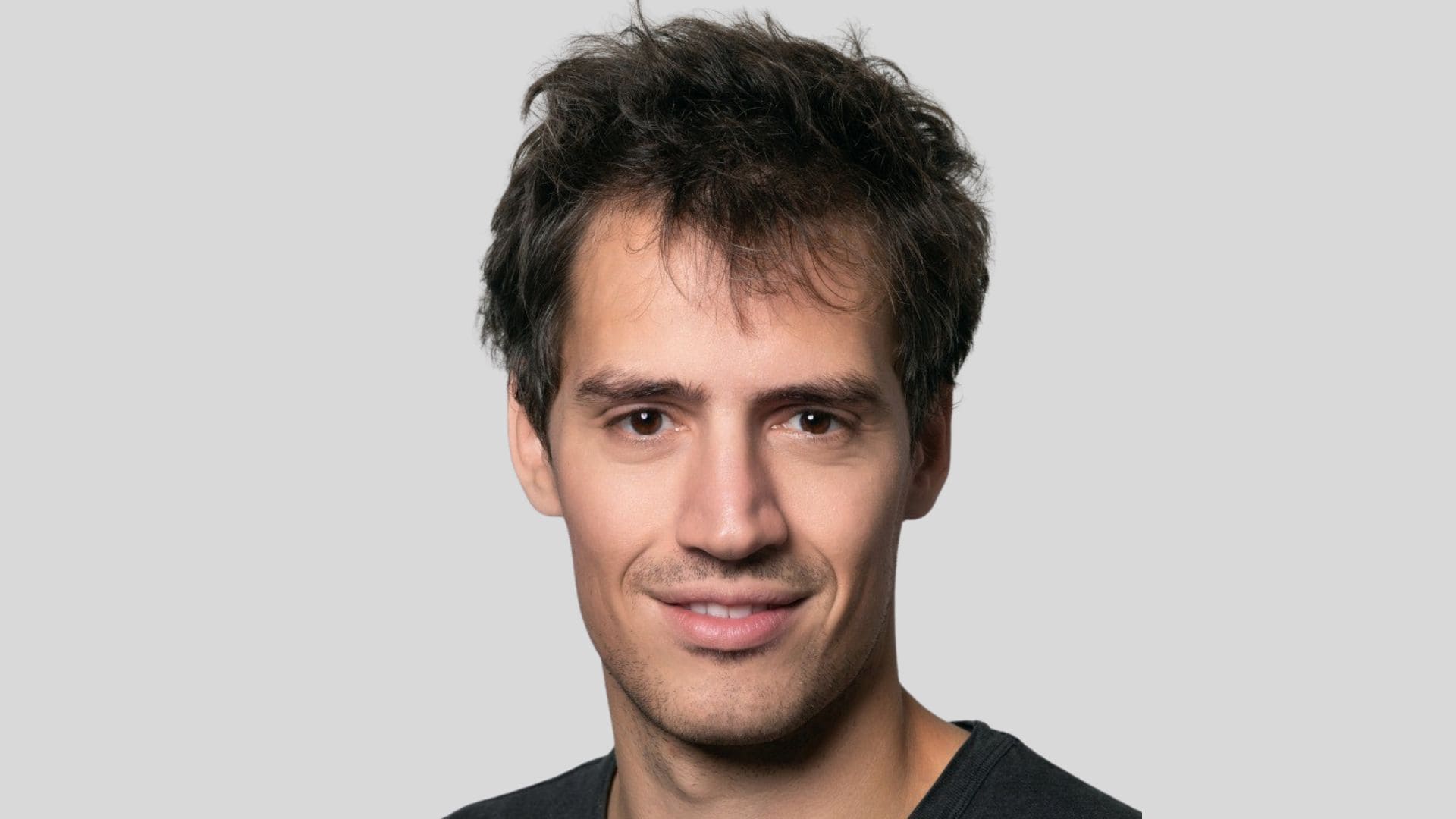
Arthur Mensch, CEO of the French startup Mistral, discussed the topic on the A16z podcast. According to him, artificial intelligence will affect every country's gross domestic product (GDP) by a double-digit percentage in the coming years. Mensch emphasizes that countries must build their own artificial intelligence infrastructure to prevent their money from flowing elsewhere.
He compares it to the arrival of electricity 100 years ago: "If you weren't building power plants back then, you were preparing to buy electricity from your neighbors, which ultimately isn't ideal because it creates dependency." Mensch adds that artificial intelligence is also a technology that produces content and can convey a country's values and culture, so it requires even greater involvement than electricity. Mistral, which Mensch co-founded in 2023 with former researchers from DeepMind and Meta, develops large language models and launched the "Le Chat" chatbot. It competes with companies such as OpenAI, Anthropic, and DeepSeek and claims that its models run faster than those of its rivals.
Mistral is one of Europe's most valuable startups—it was valued at $6.2 billion in June. Rather than selling the company, Mensch plans to take it public. He strongly advocates for open models and says that progress accelerated between 2010 and 2020 because laboratories built on the work of others. "That was somewhat lost with the first large language models from OpenAI," he explained. According to him, DeepSeek's Chinese model strengthened the open-model ecosystem.
Why Is It Important to Build Your Own AI Systems?
Mensch and Huang agree that every country needs a national artificial intelligence strategy because it will be used in many areas—from public services and agriculture to defense. Huang told government officials directly that countries should build their own capabilities to avoid dependency. Mensch sees artificial intelligence as something that will transform the economy in a way similar to electricity, but with a greater emphasis on cultural aspects.
Schmidt's warning underscores that the choice between open and closed models is not merely technical but also affects entire economies. Countries that opt for inexpensive Chinese solutions could lose control over their data and innovation. The issue concerns everyone—from large companies to small countries that want to keep pace with the world.
Sources: businessinsider.com and benzatine.com


