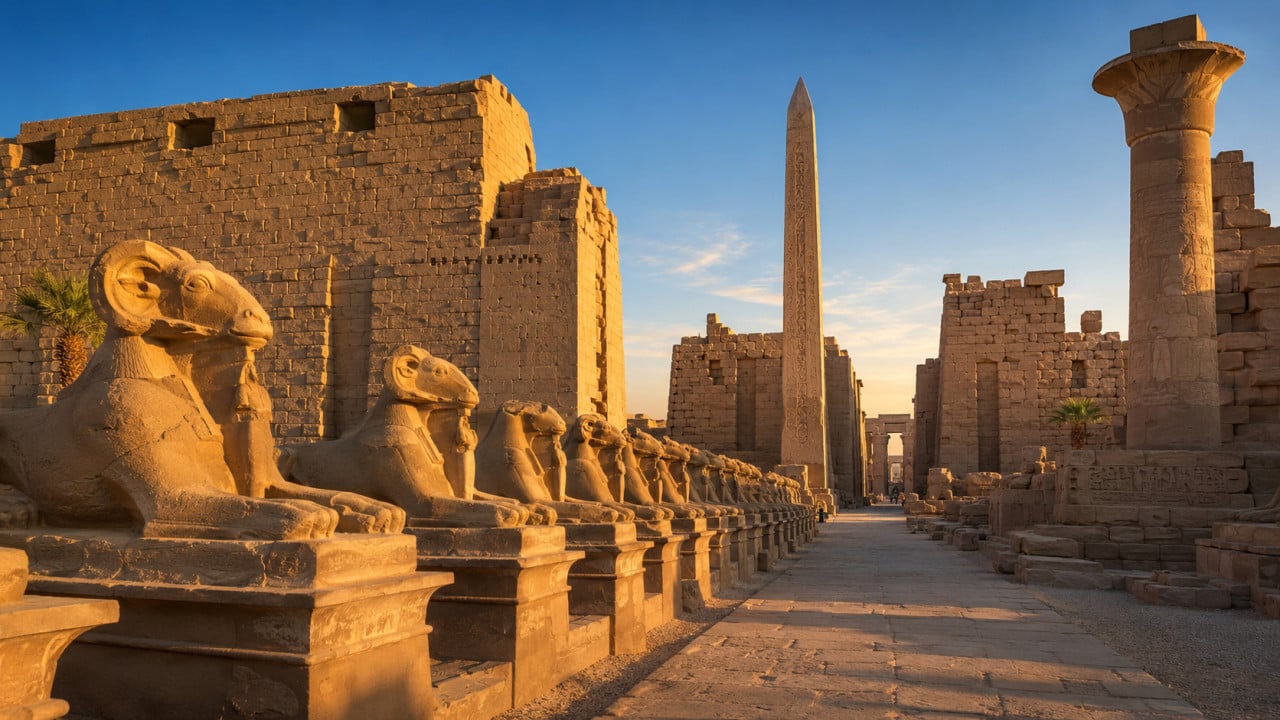
Karnak ranks among my personal top four monuments I visited in Egypt. It is a place where photographs may look impressive, but they still cannot capture the true scale of the entire complex. Only when you stand among the enormous columns, obelisks, and statues do you realize how monumental everything really is.
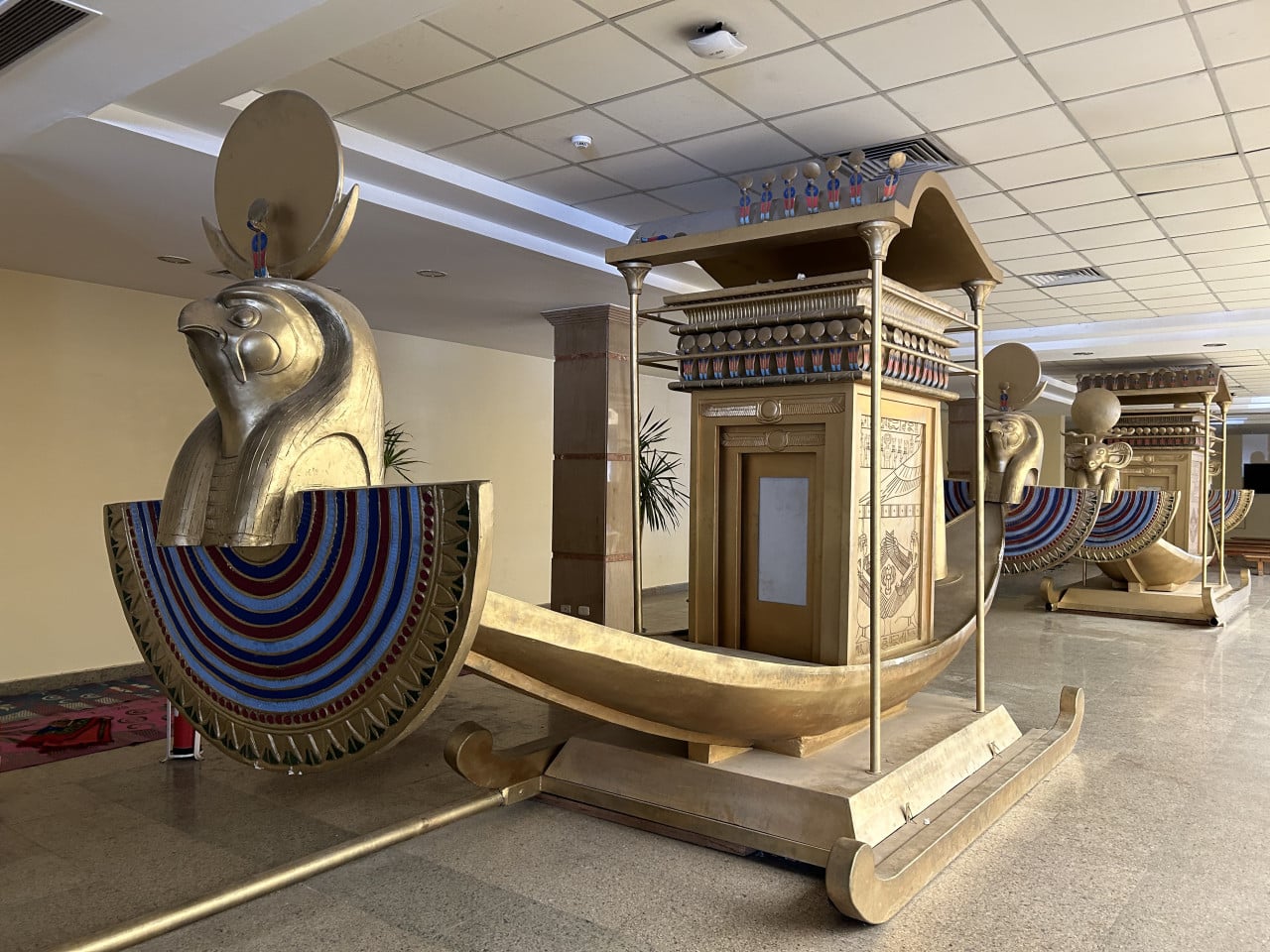
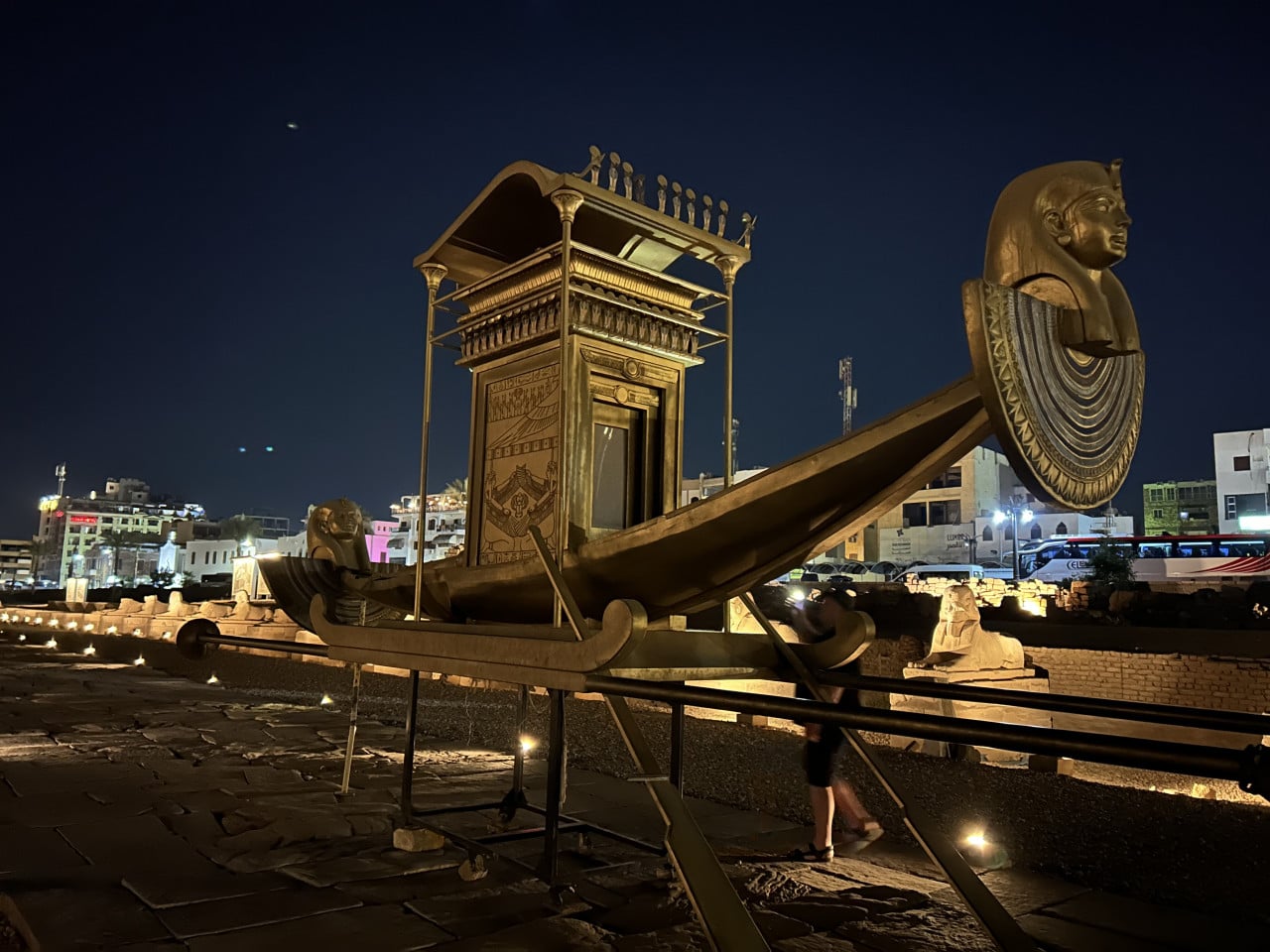
Sacred barques that looked like gondolas at first glance
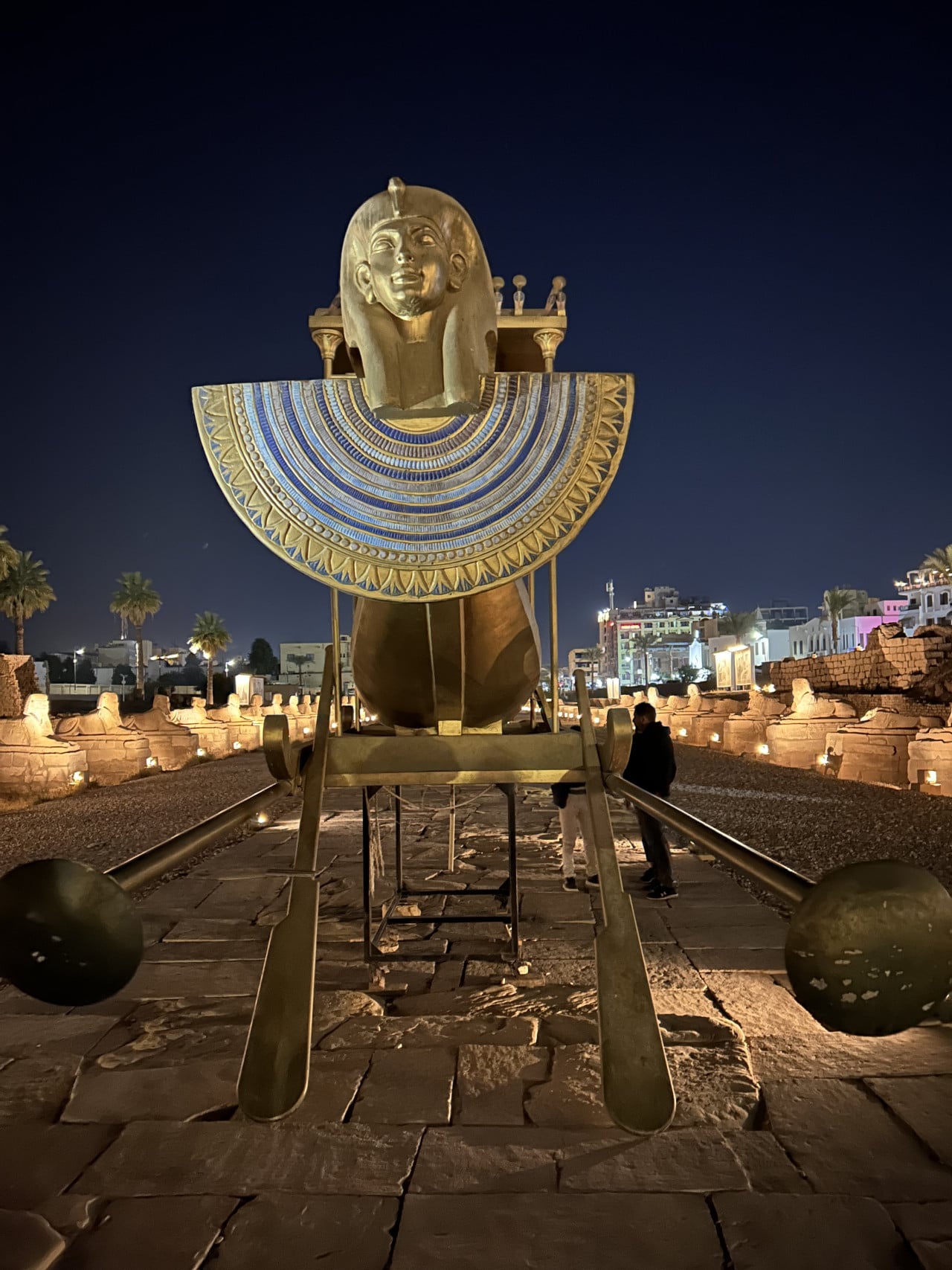
Before entering Karnak itself, we bought our tickets and walked through the visitor center, which felt a little like a small museum. Large models were on display there, and at first glance they reminded me of gondolas or unusual boats intended to transport pharaohs.
In reality, they were sacred barques. They were not primarily intended to transport pharaohs but carried concealed cult statues of the gods. Each of the principal Theban gods had their own barque—Amun's was decorated with ram heads, Mut's with crowned female heads, and the barque of the god Khonsu had falcon heads. During major religious festivals, priests carried them on their shoulders or placed them on actual boats sailing along the Nile. (University of Memphis)
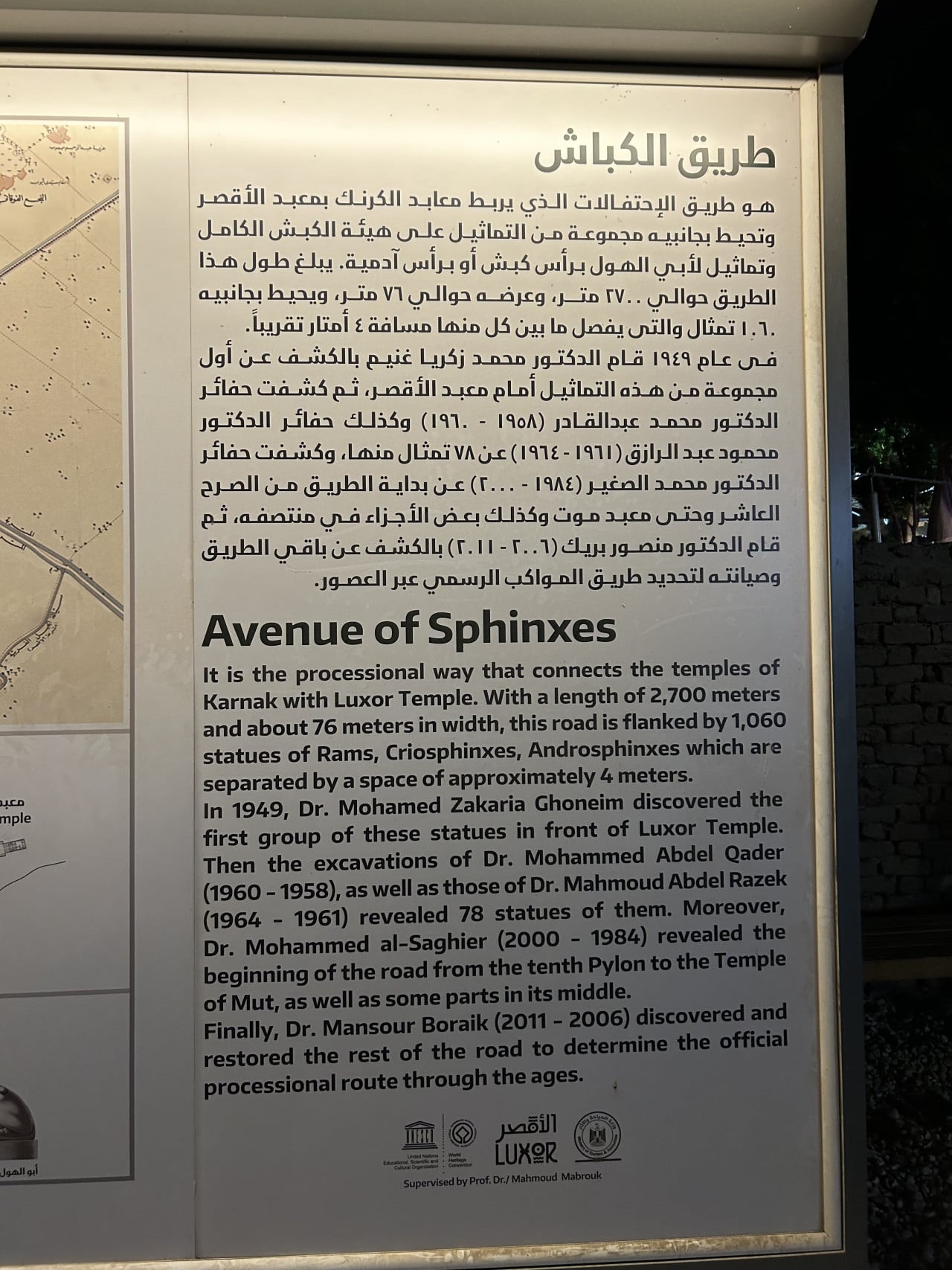
The most important of these festivals was the Festival of Opet. During it, the statues of Amun, Mut, and Khonsu traveled from Karnak to Luxor Temple. It was not merely a religious event but also a major public celebration during which the power of both the god and the pharaoh himself was symbolically renewed. Karnak and Luxor Temple were therefore connected by a long processional route lined with sphinxes. (Egypt's Monuments)
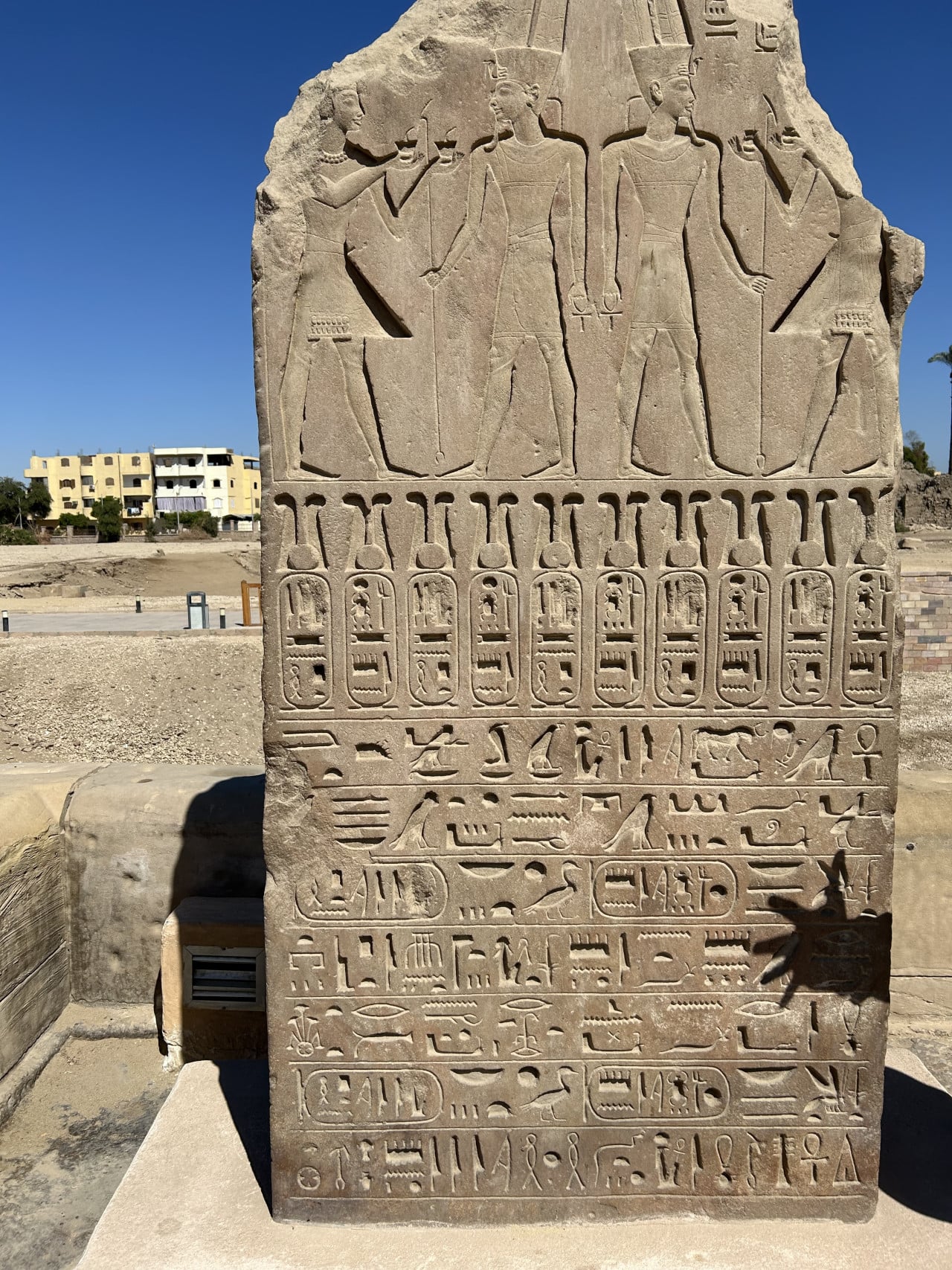
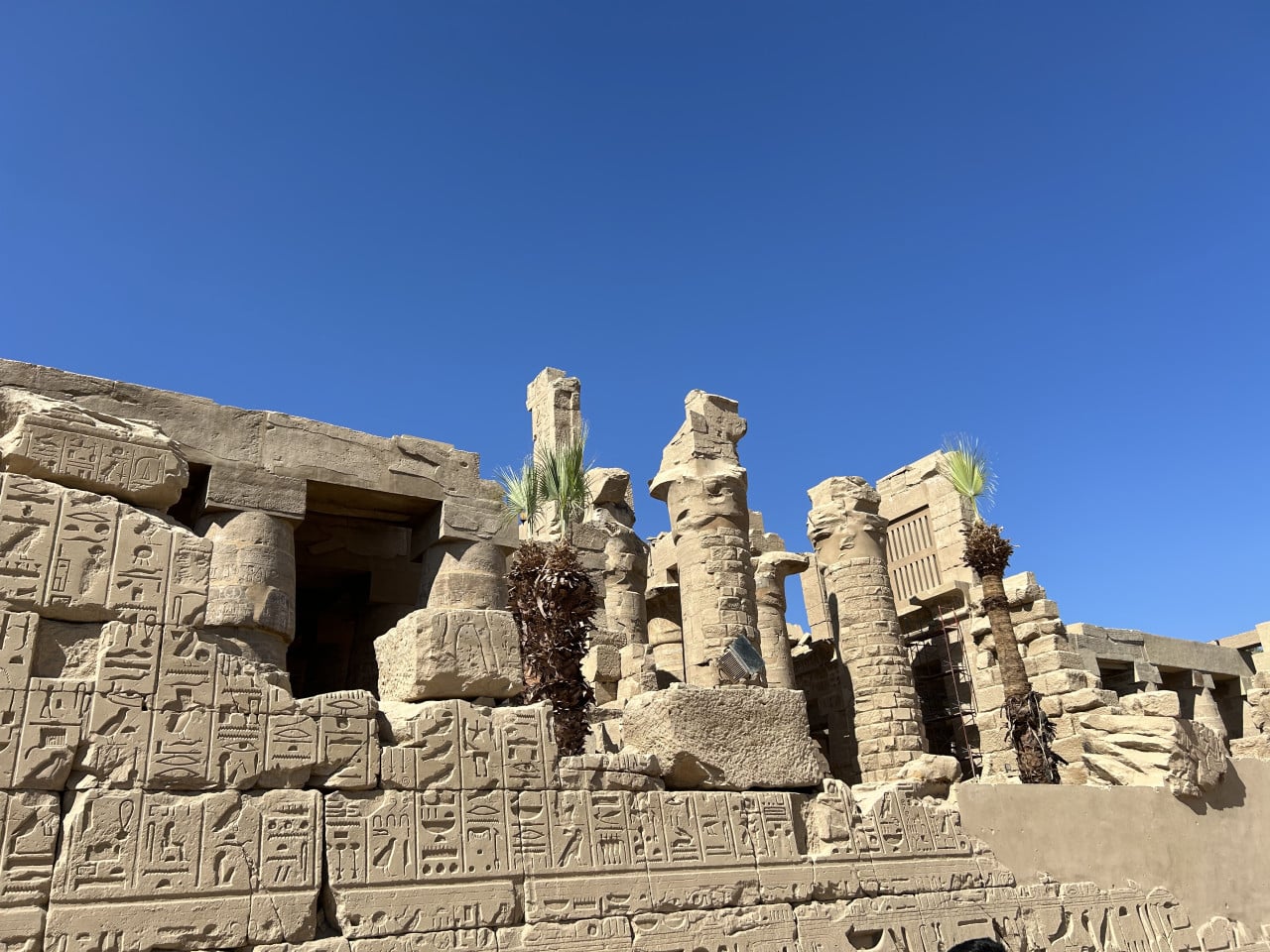
A large stone slab with hieroglyphs at the edge of Karnak
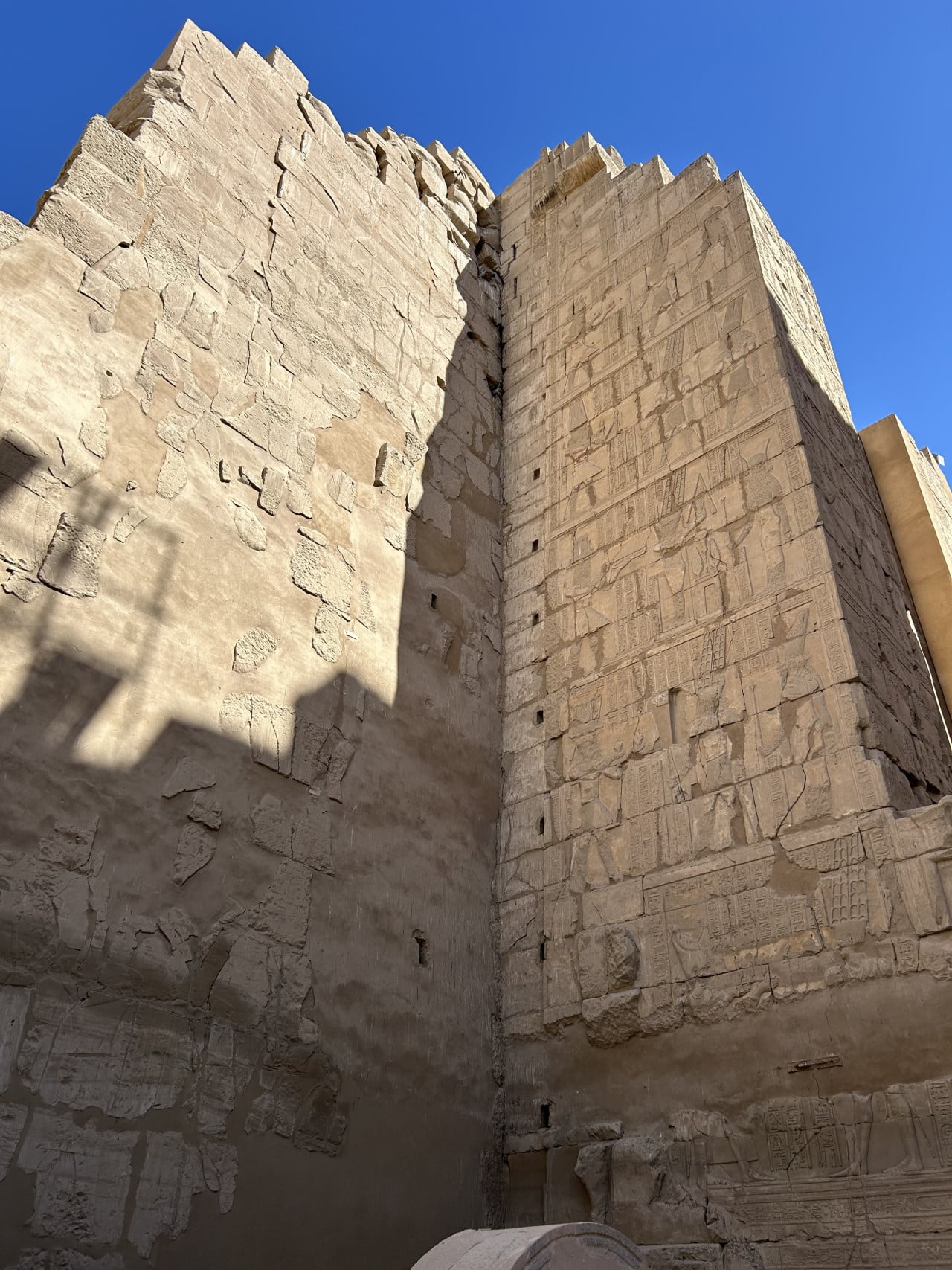
Right at the beginning, we came across a large stone stela covered with figures, cartouches, and rows of hieroglyphs. Based on the photograph, it is a stela of Pharaoh Seti II containing ten cartouches with his royal names and titles.
In the upper section, the ruler is depicted in a ritual encounter with deities. Beneath the scene are cartouches—oval frames in which the Egyptians wrote the names of kings—and below them the dedicatory and laudatory text continues. Put simply, it is not one continuous story but a combination of a religious scene, royal names, and declarations intended to show that the ruler governed with the approval of the gods and properly cared for their temple. (Facebook)
The hieroglyphs here were not merely decorative. They were part of royal propaganda while also carrying religious significance. The pharaoh had himself depicted making offerings because his task was to preserve maat—the proper order of the world and the balance between people, nature, and the gods.
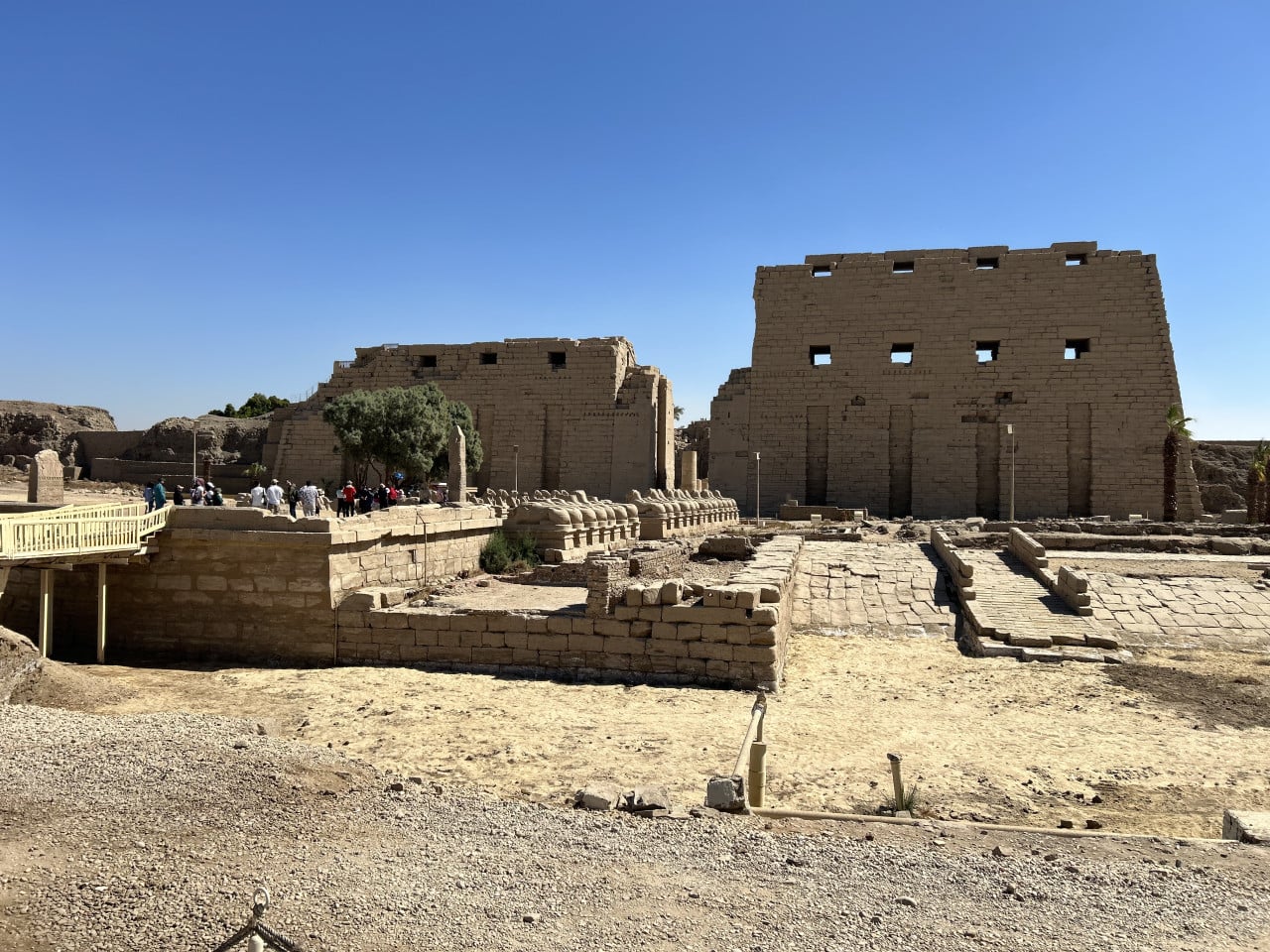
Avenue of ram-headed sphinxes
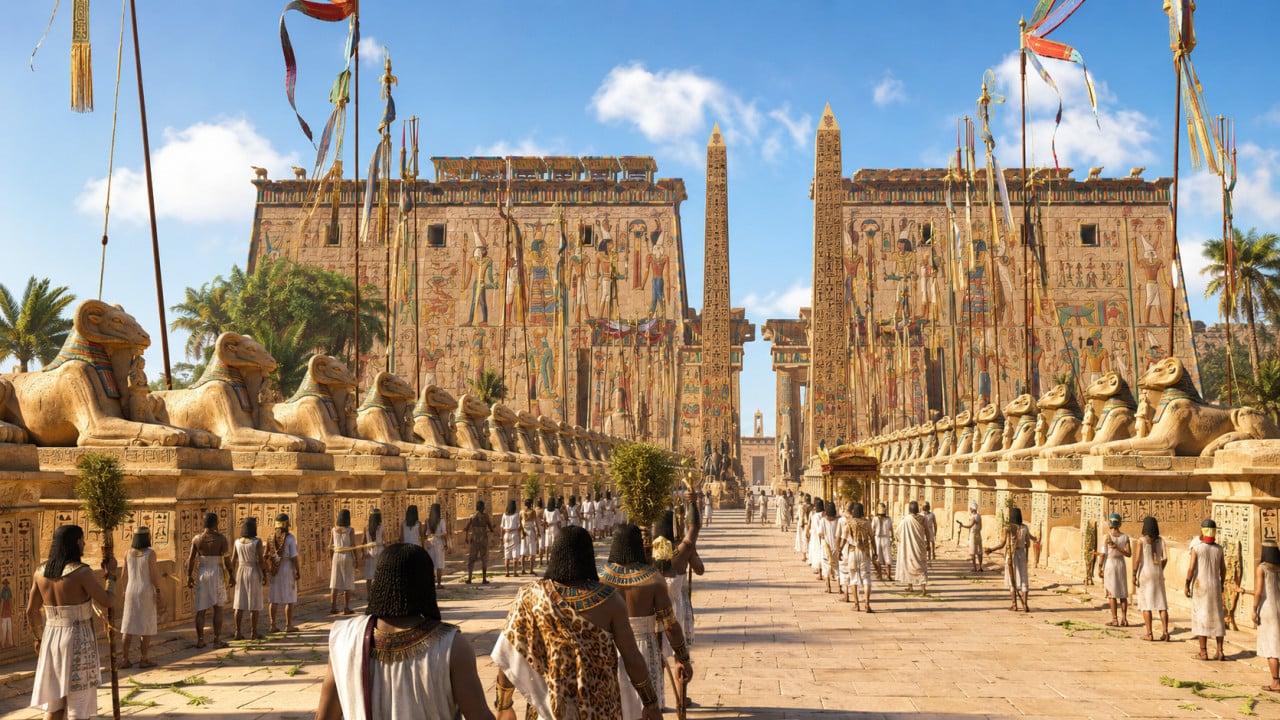
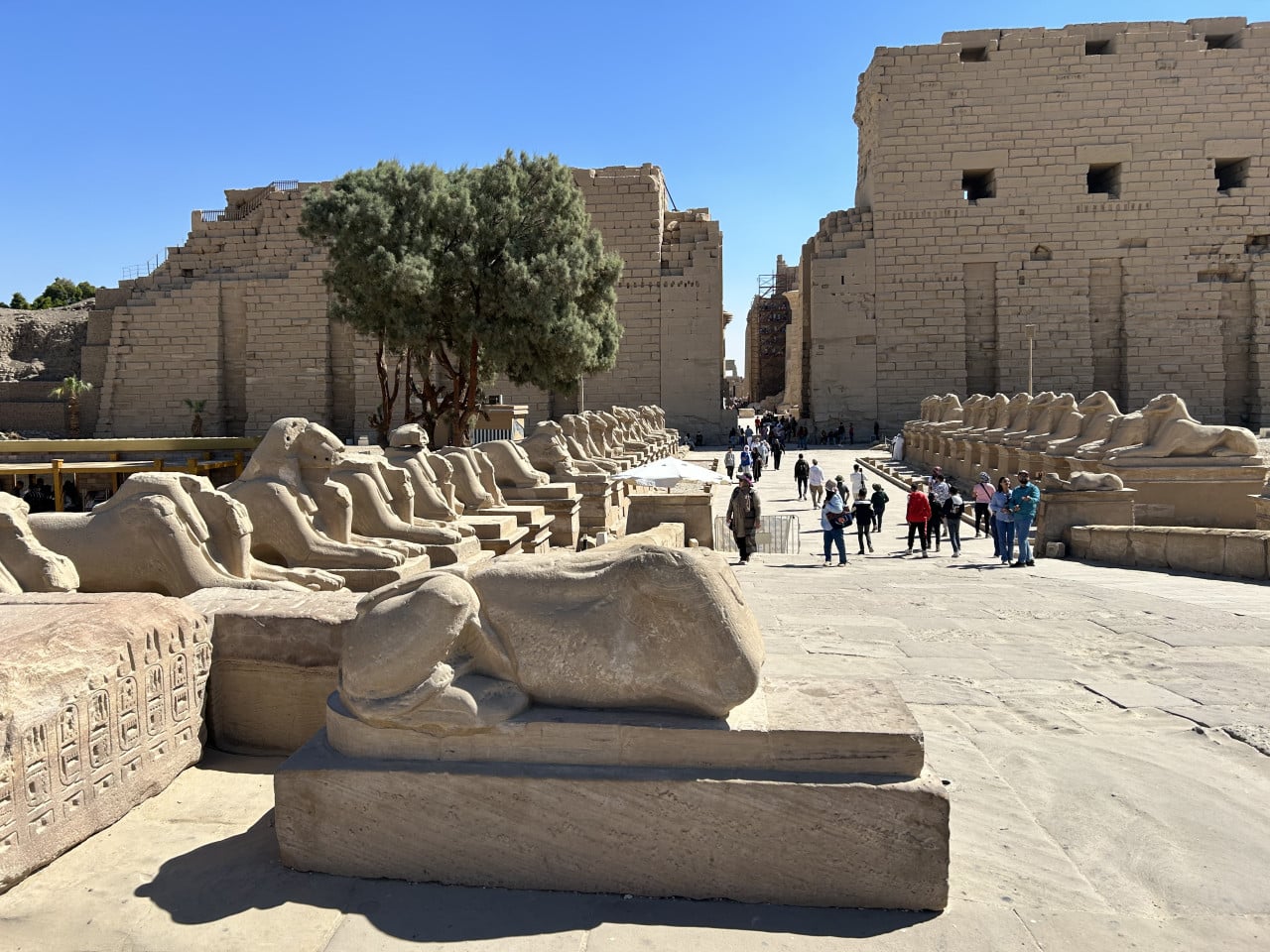
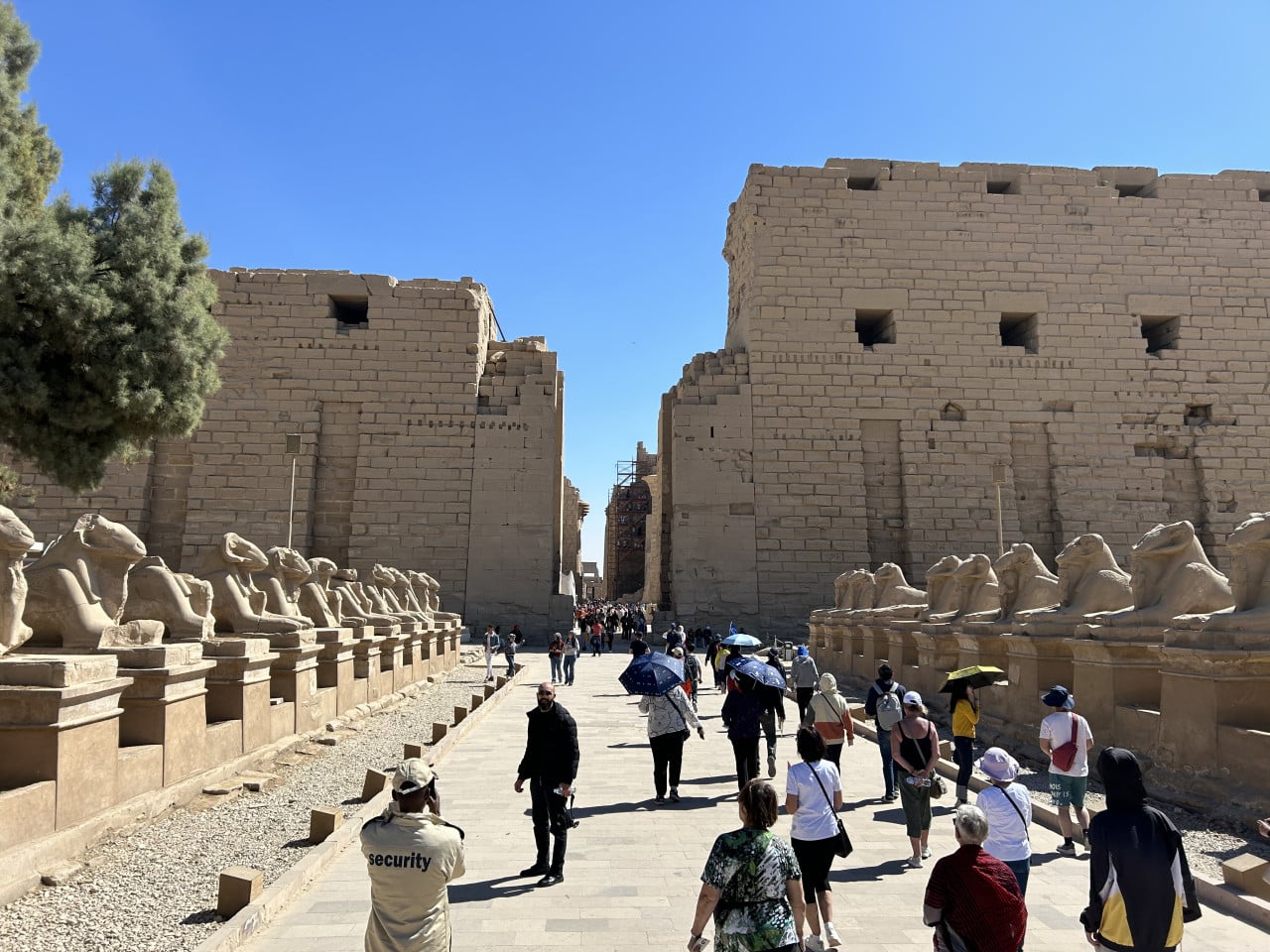
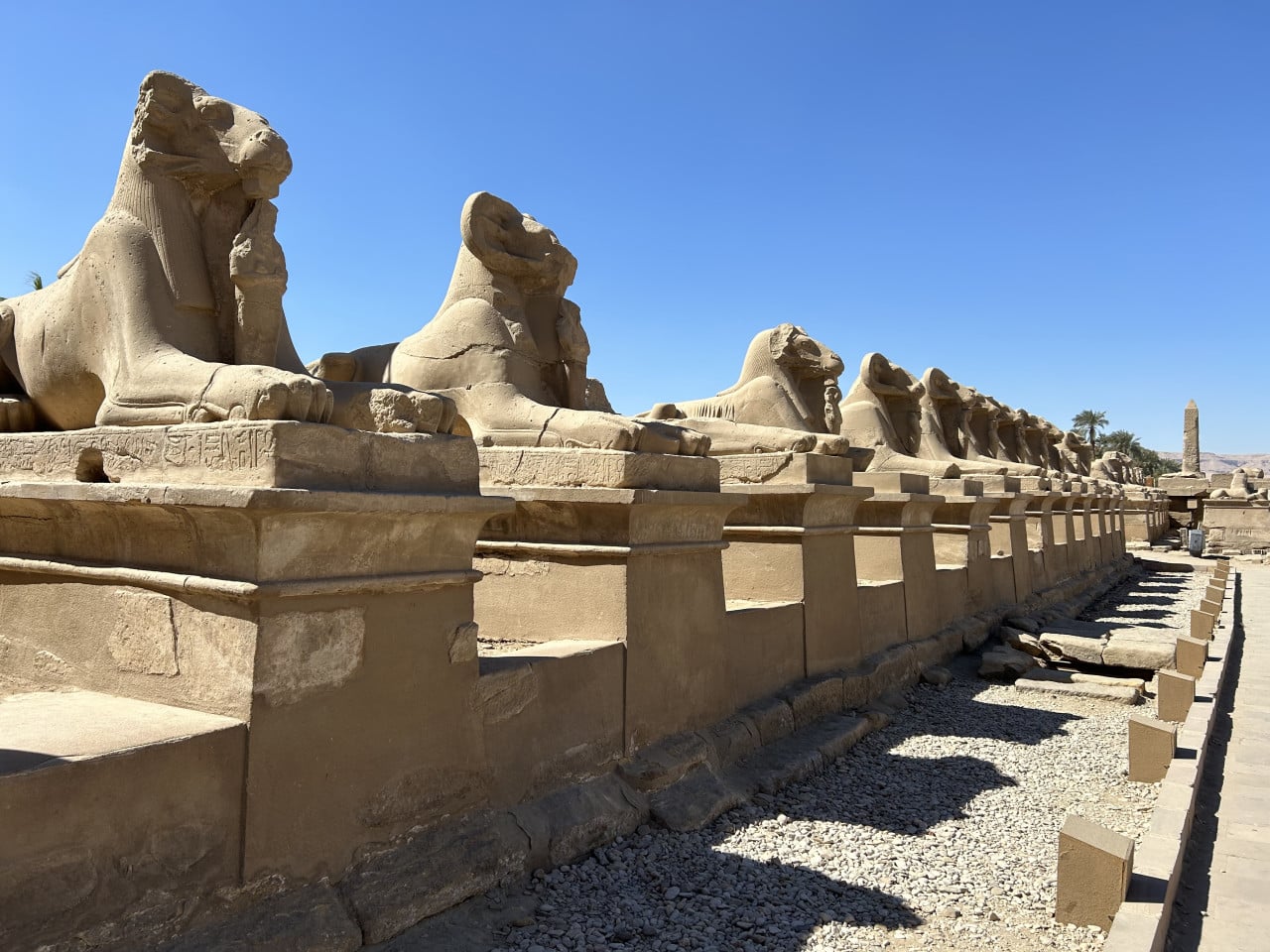
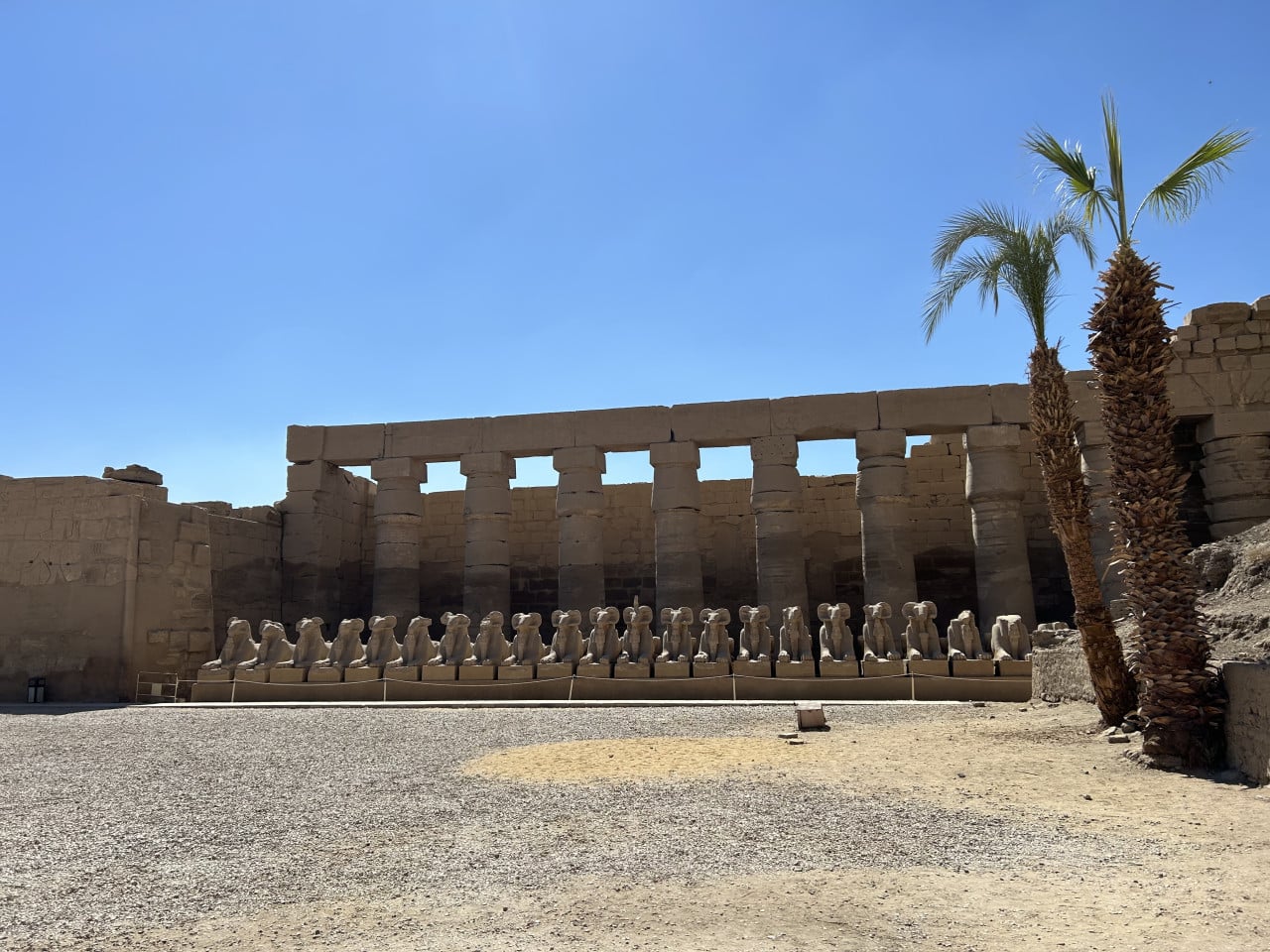
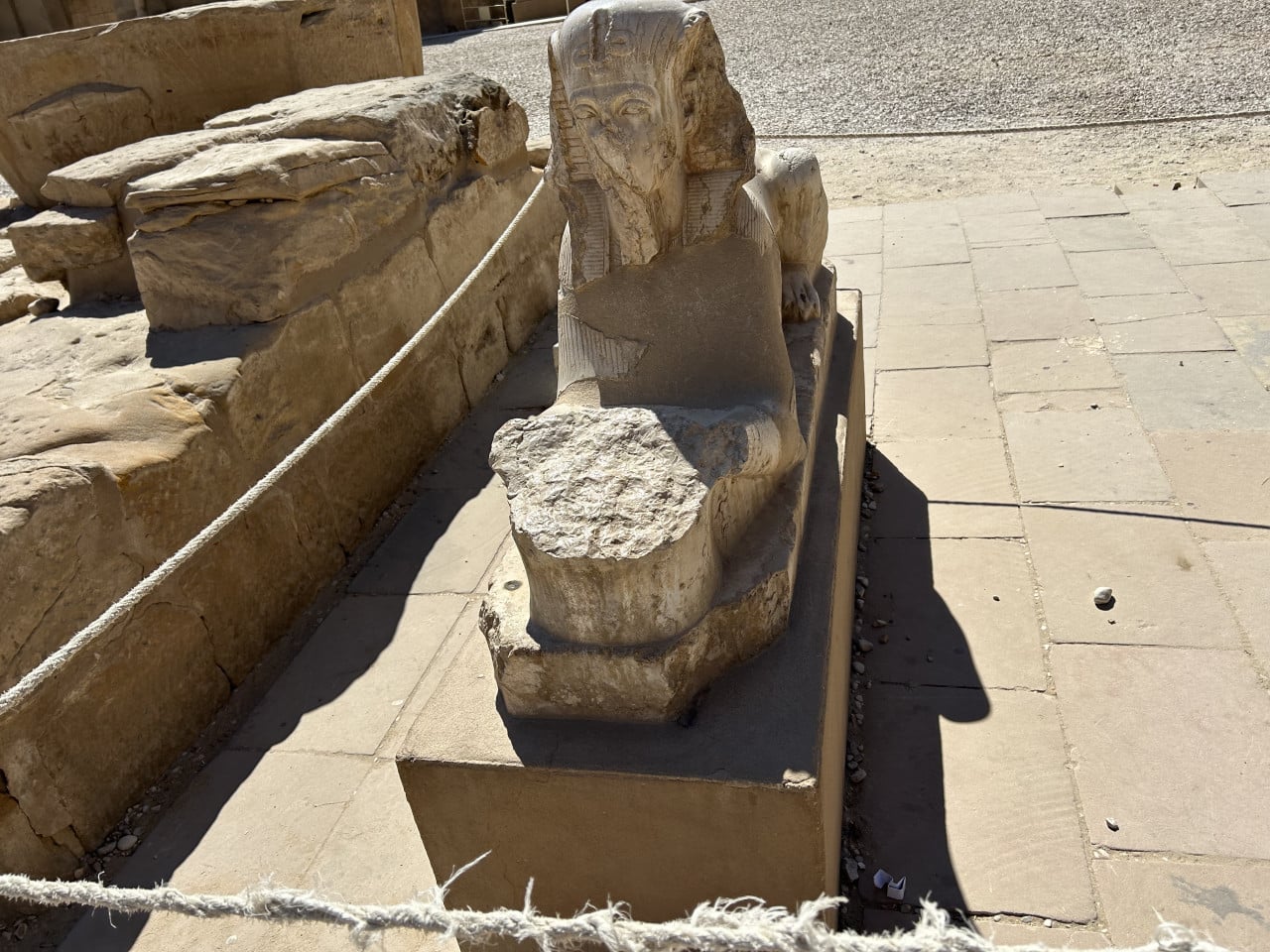
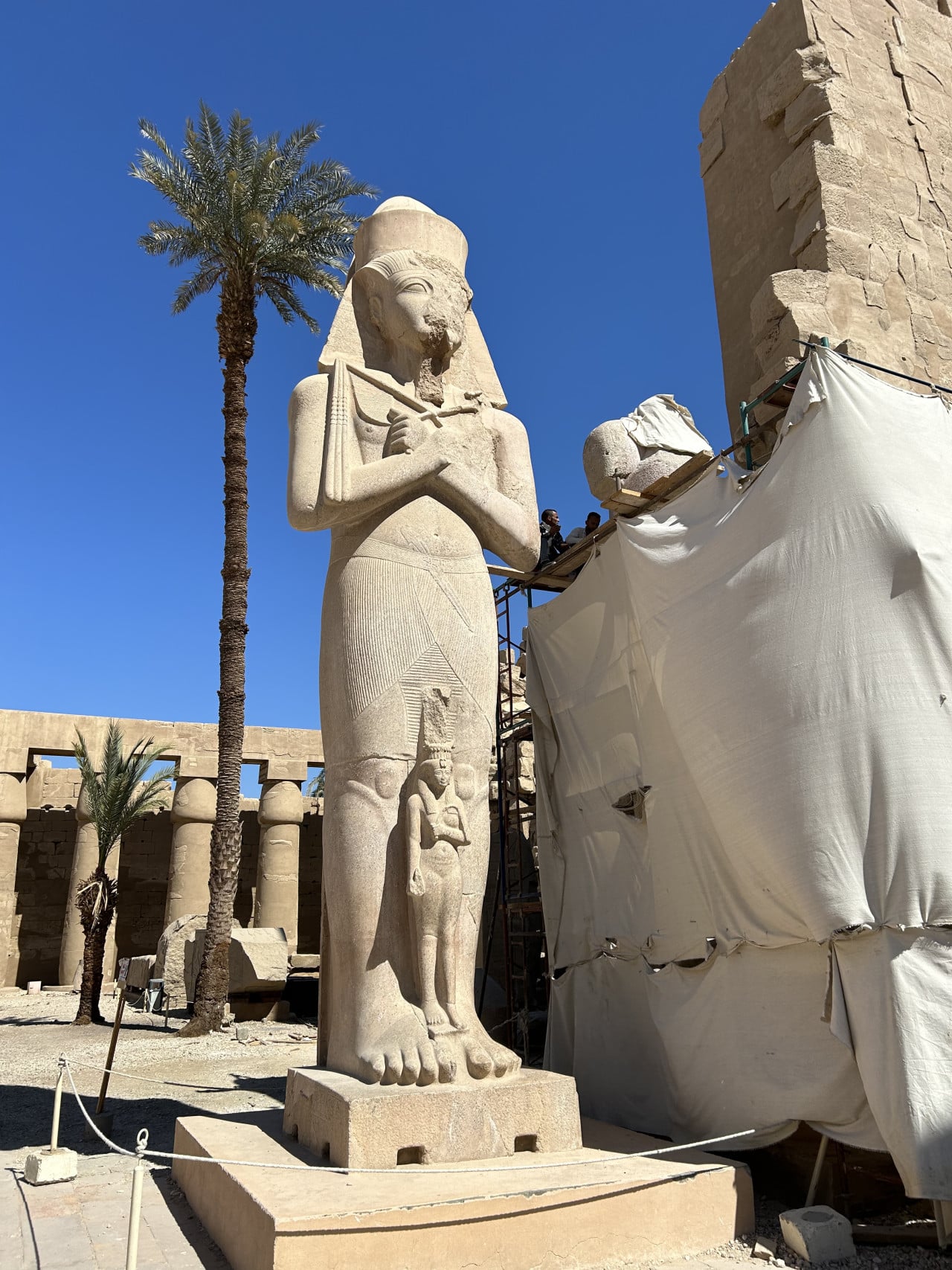
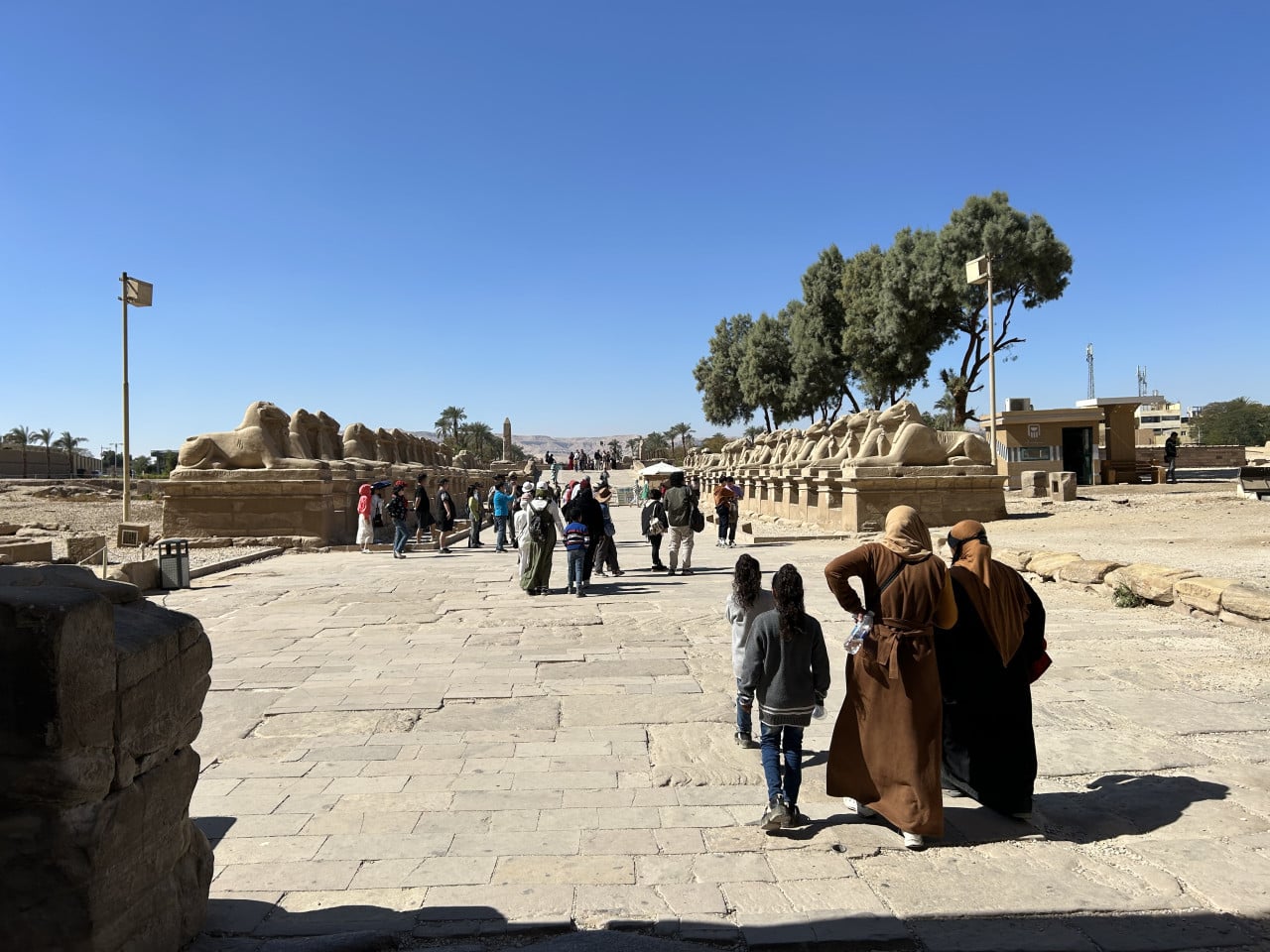
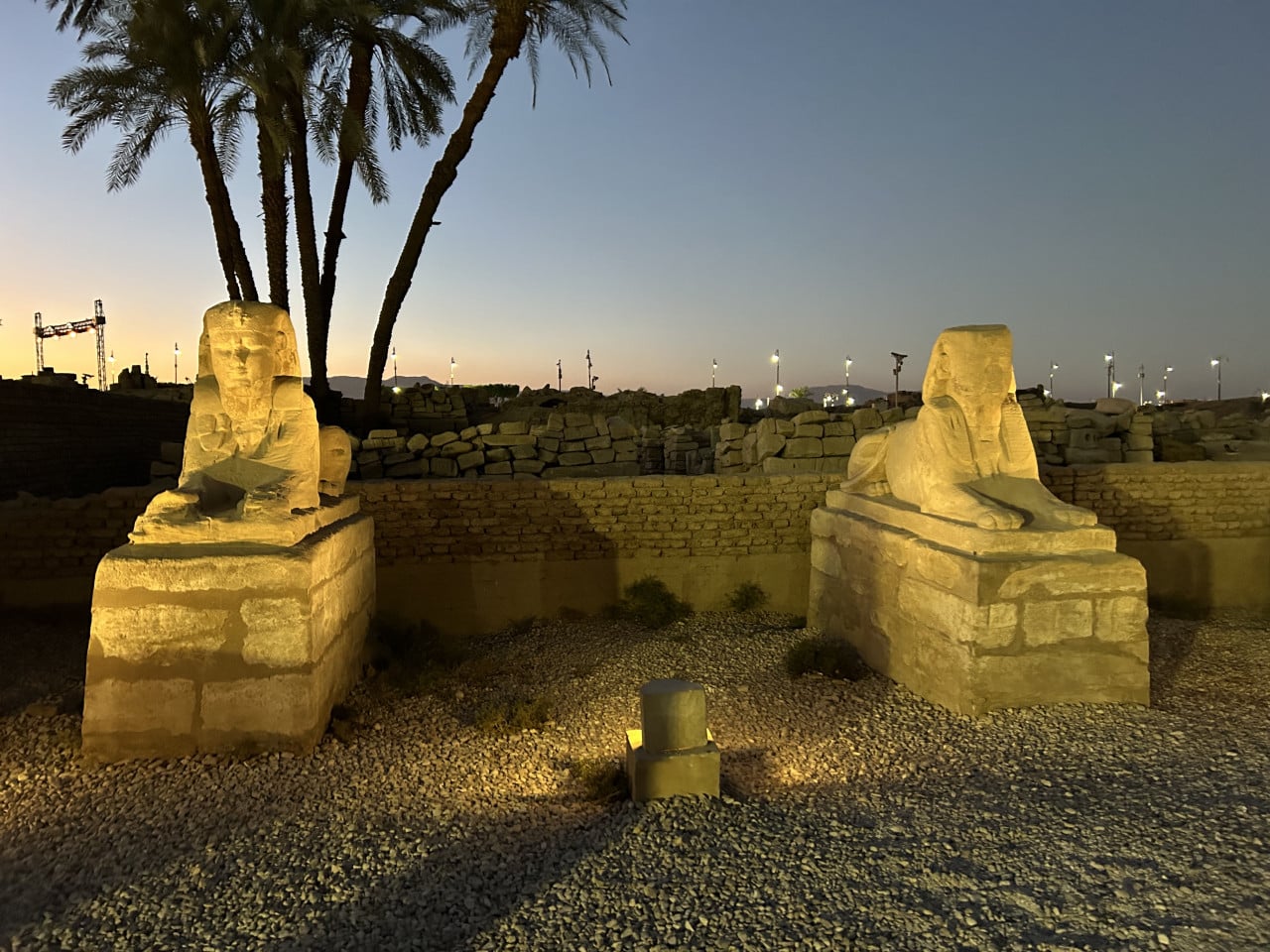
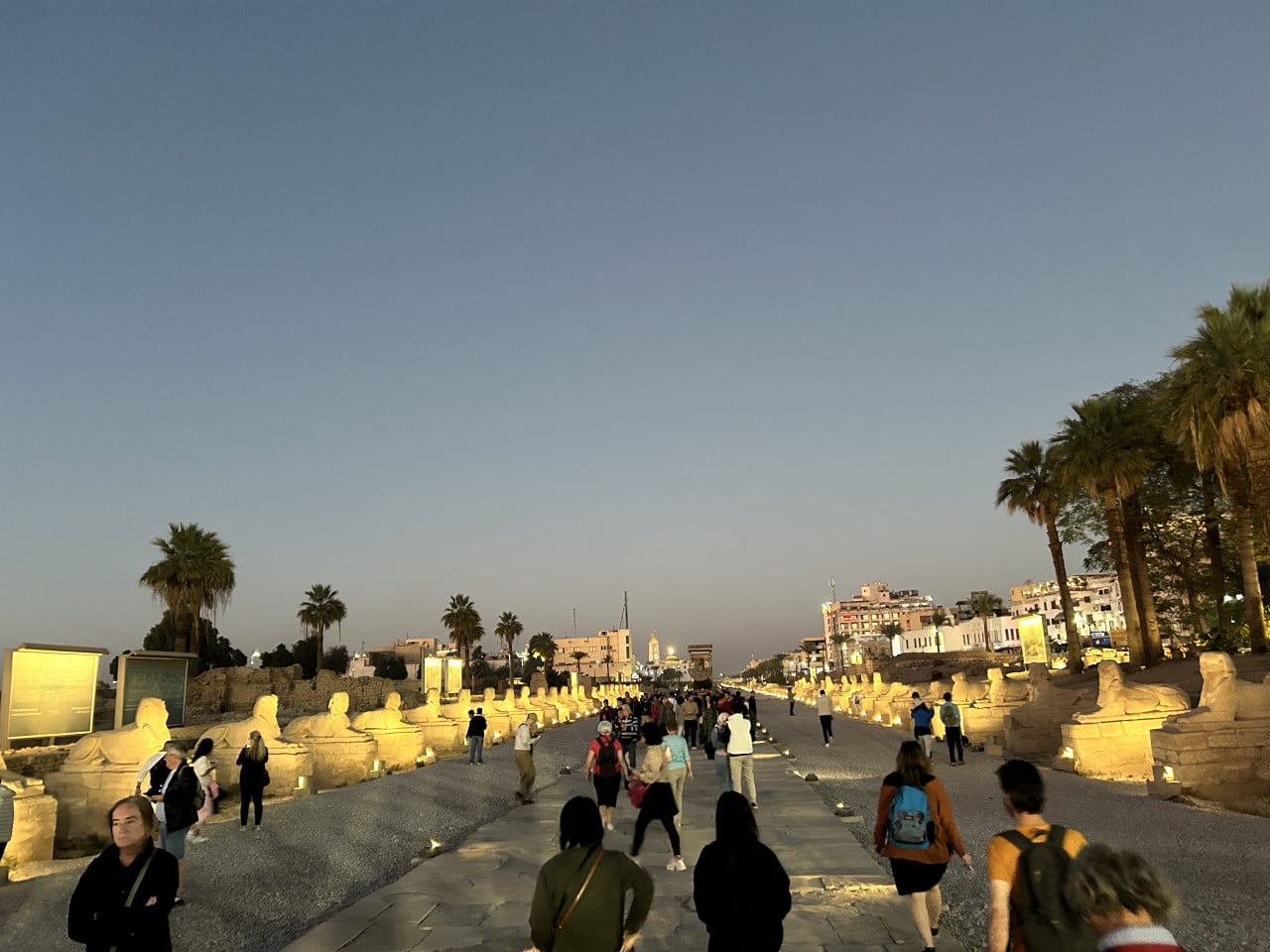
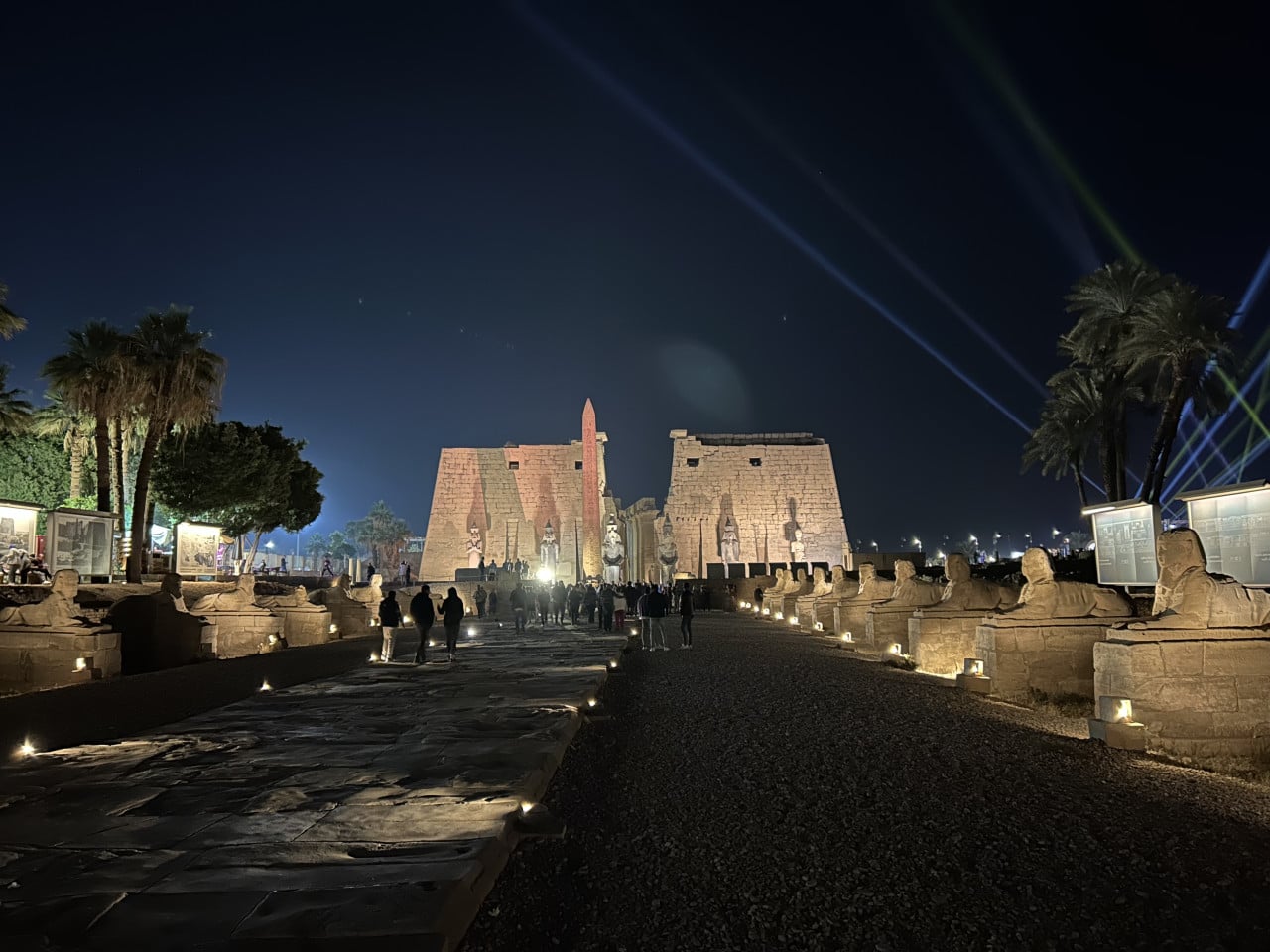
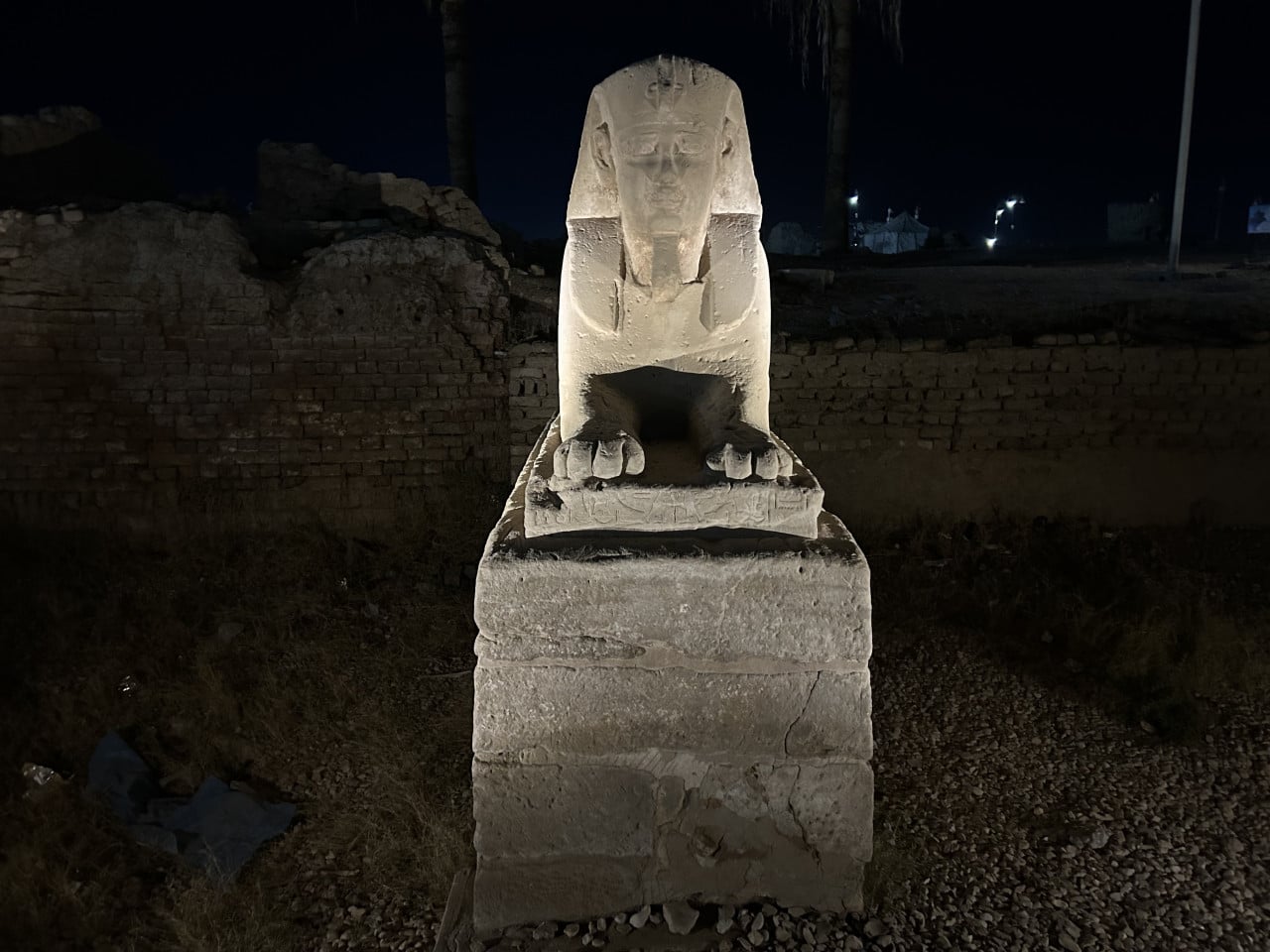
In front of the main entrance, a long row of statues awaited us, which I initially thought were small lions or sphinxes. In fact, they are called ram-headed sphinxes, or criosphinxes. They have the body of a lion but the head of a ram because the ram was one of the sacred animals of the god Amun.
Between the front paws of some of the sphinxes is also a small figure of the pharaoh. The symbolism is quite clear—the ruler stands under the protection of the powerful Amun. At the same time, the sphinxes guarded access to the temple and emphasized the sacred route along which priests carried the barques of the gods during festivals. They were therefore not merely decoration but an important part of religious processions. (University of Memphis)
There were truly a great many statues here, and the approach alone made it clear that you were entering an extraordinary place.
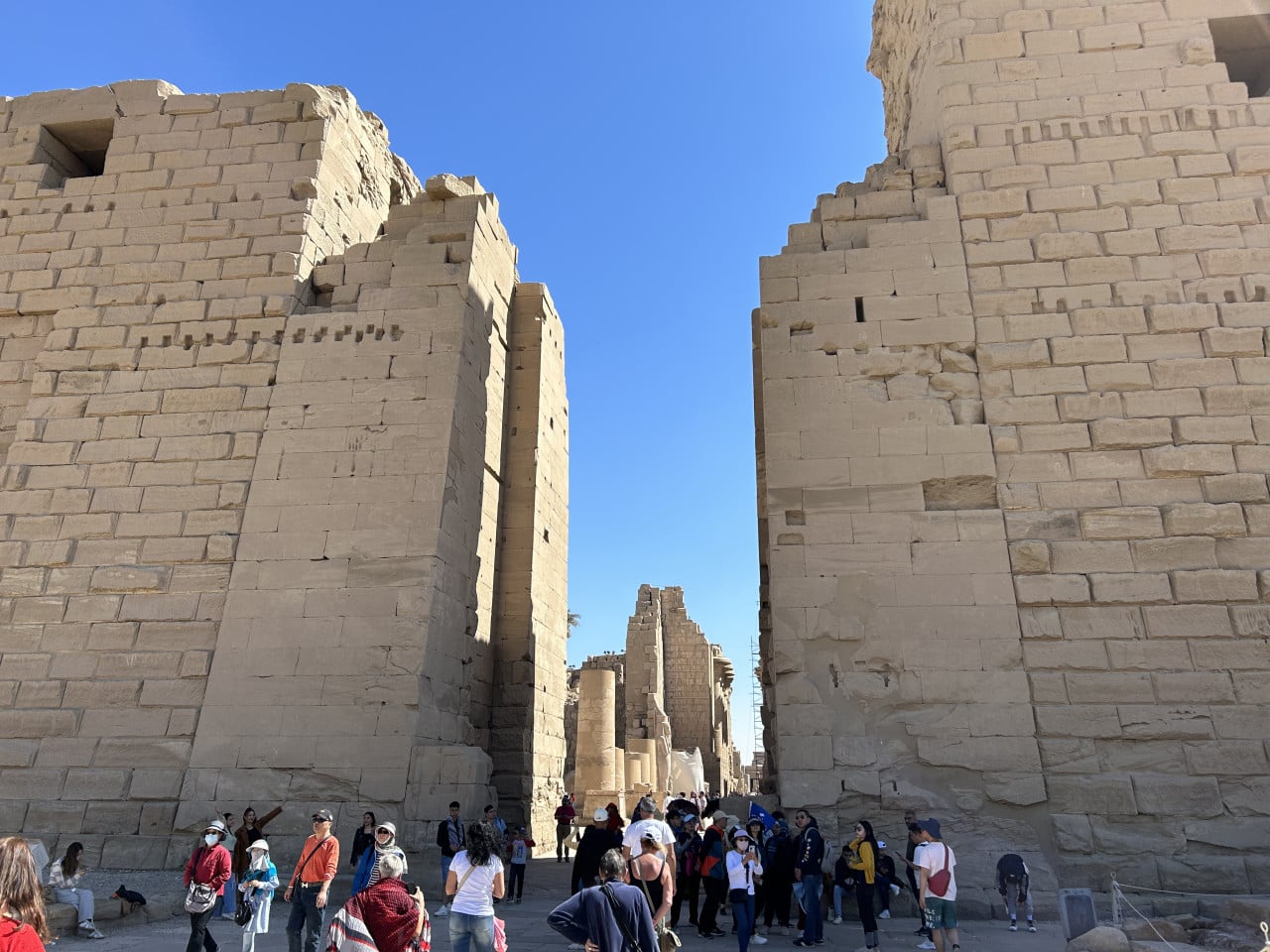
Karnak was not a single temple but an entire city of gods
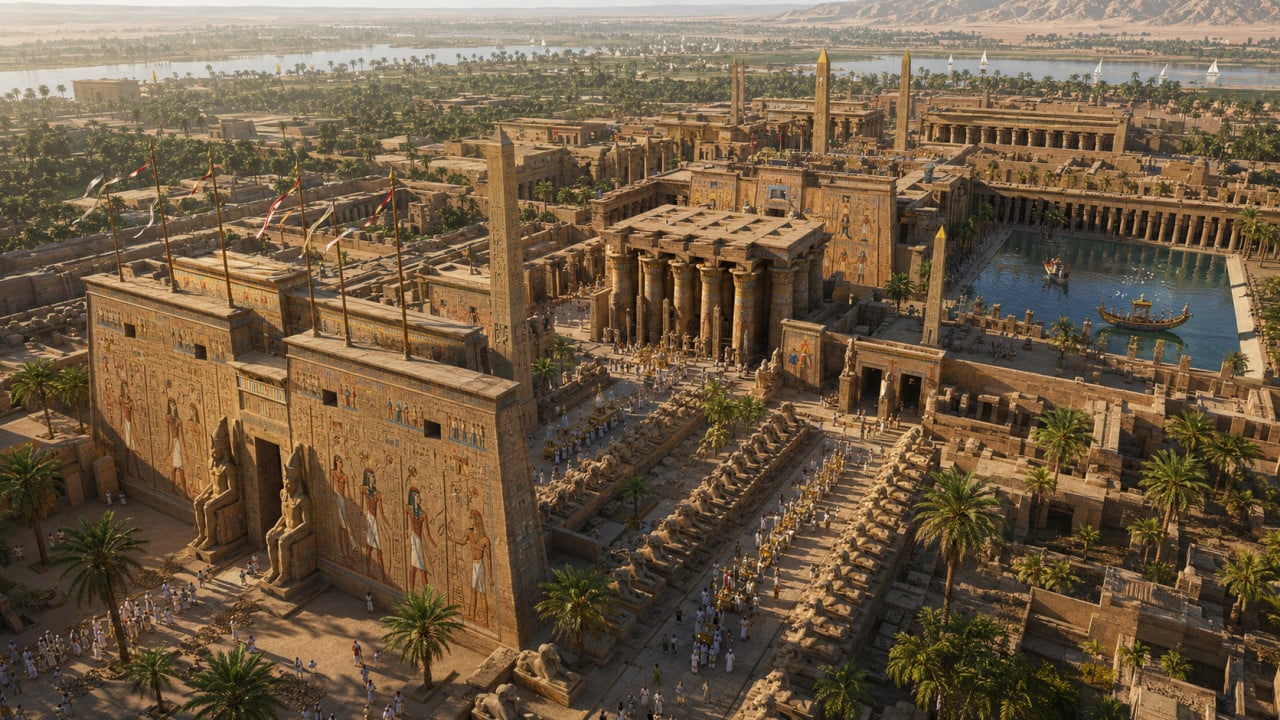
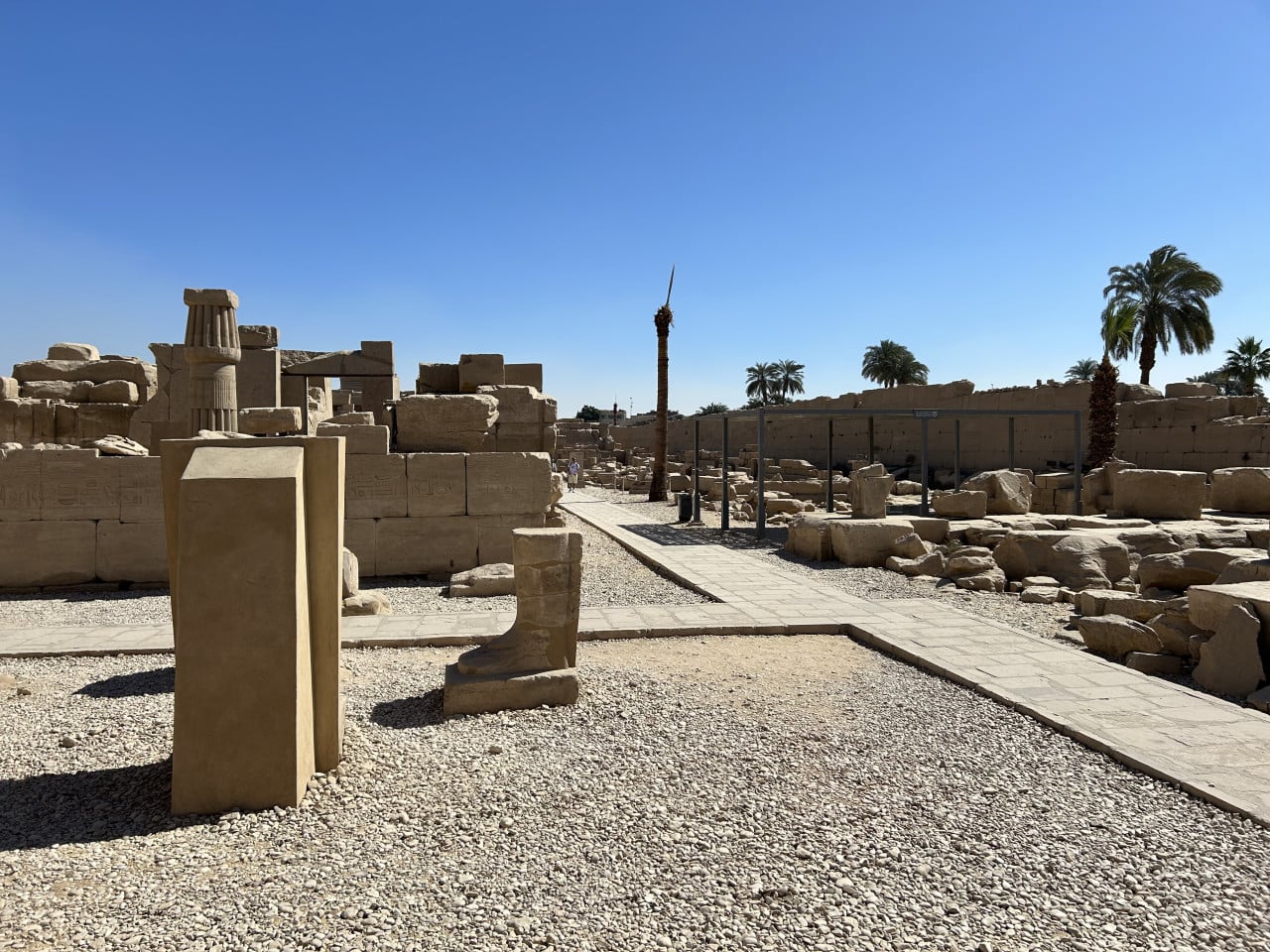
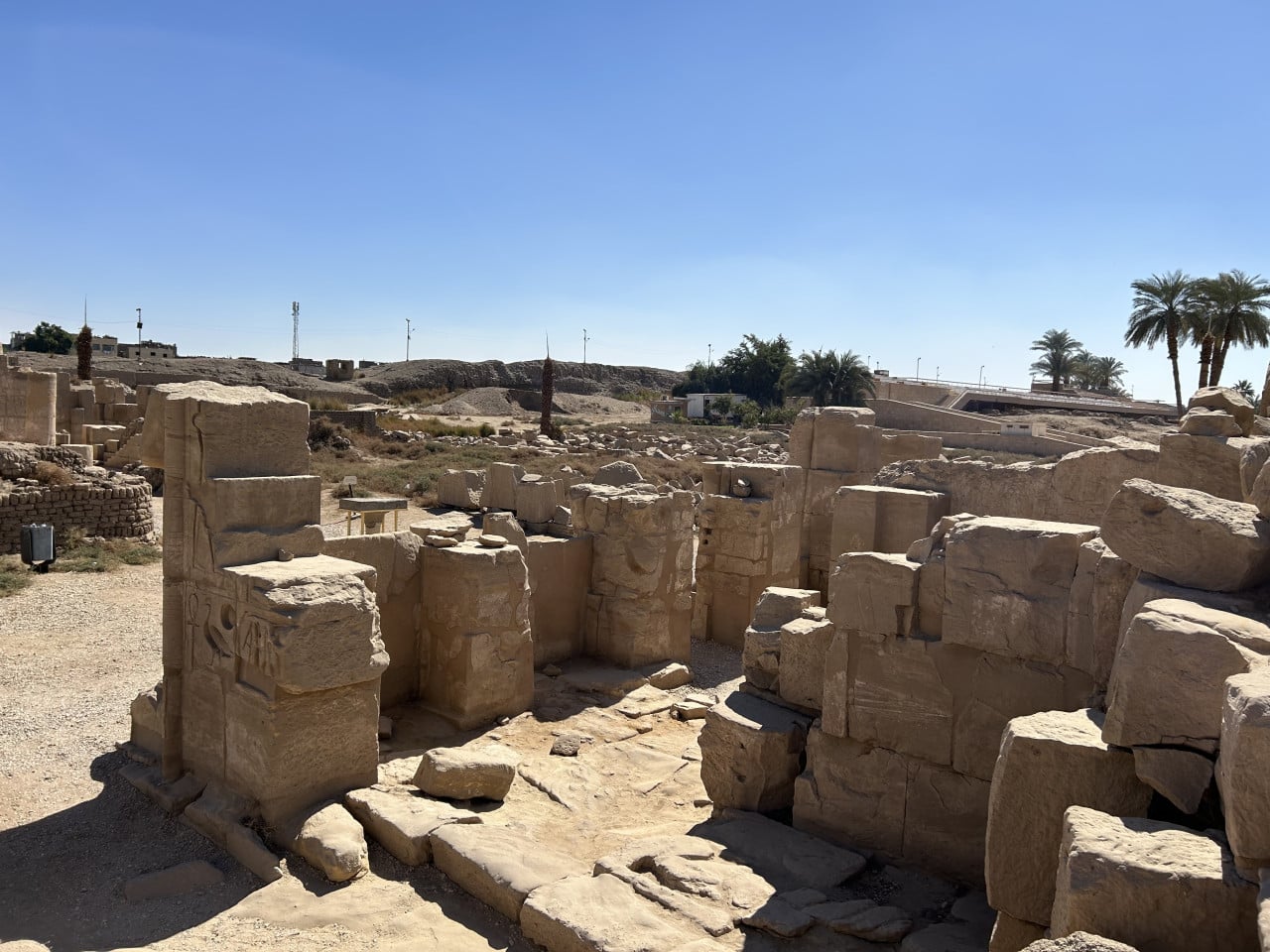
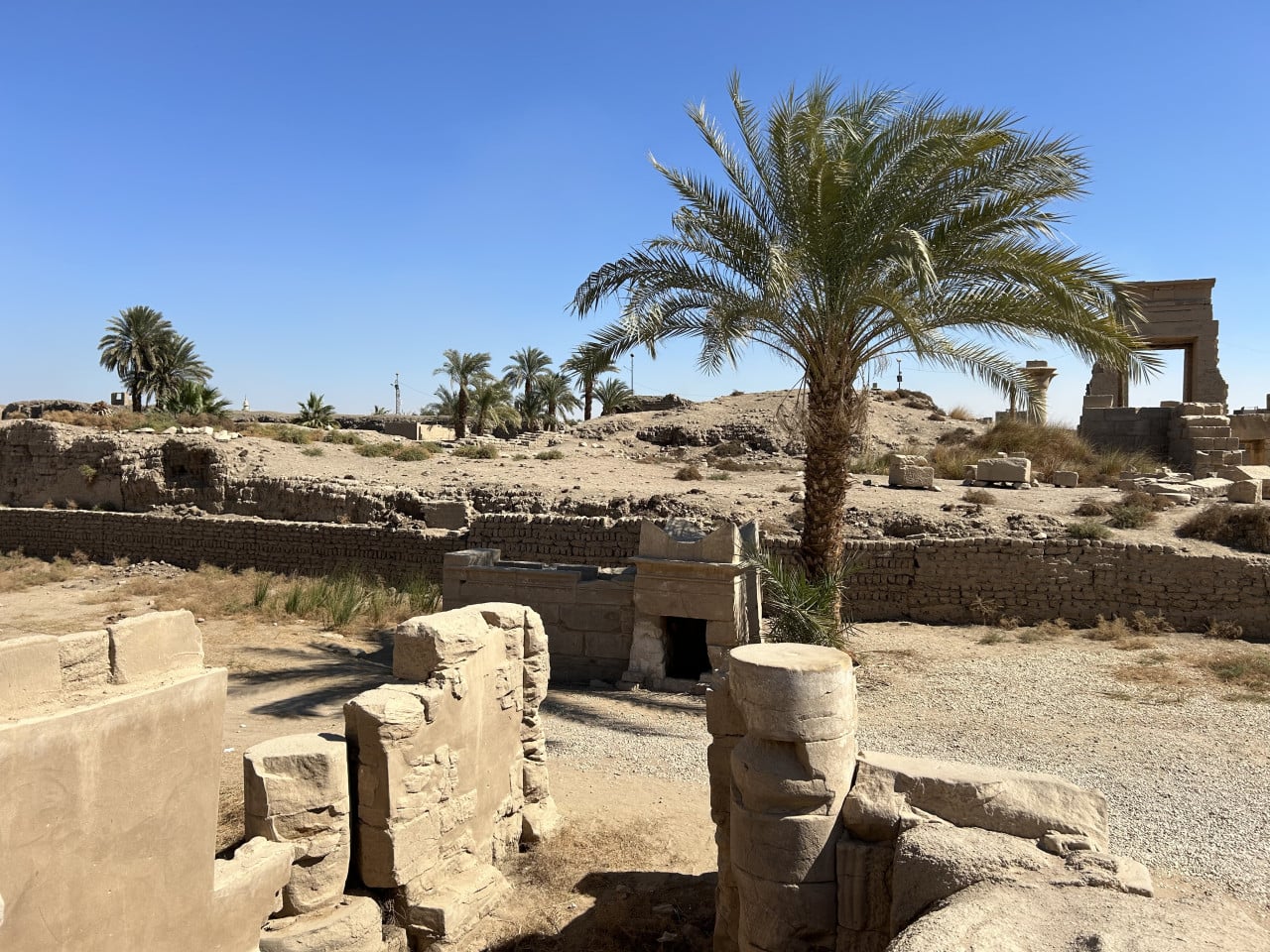
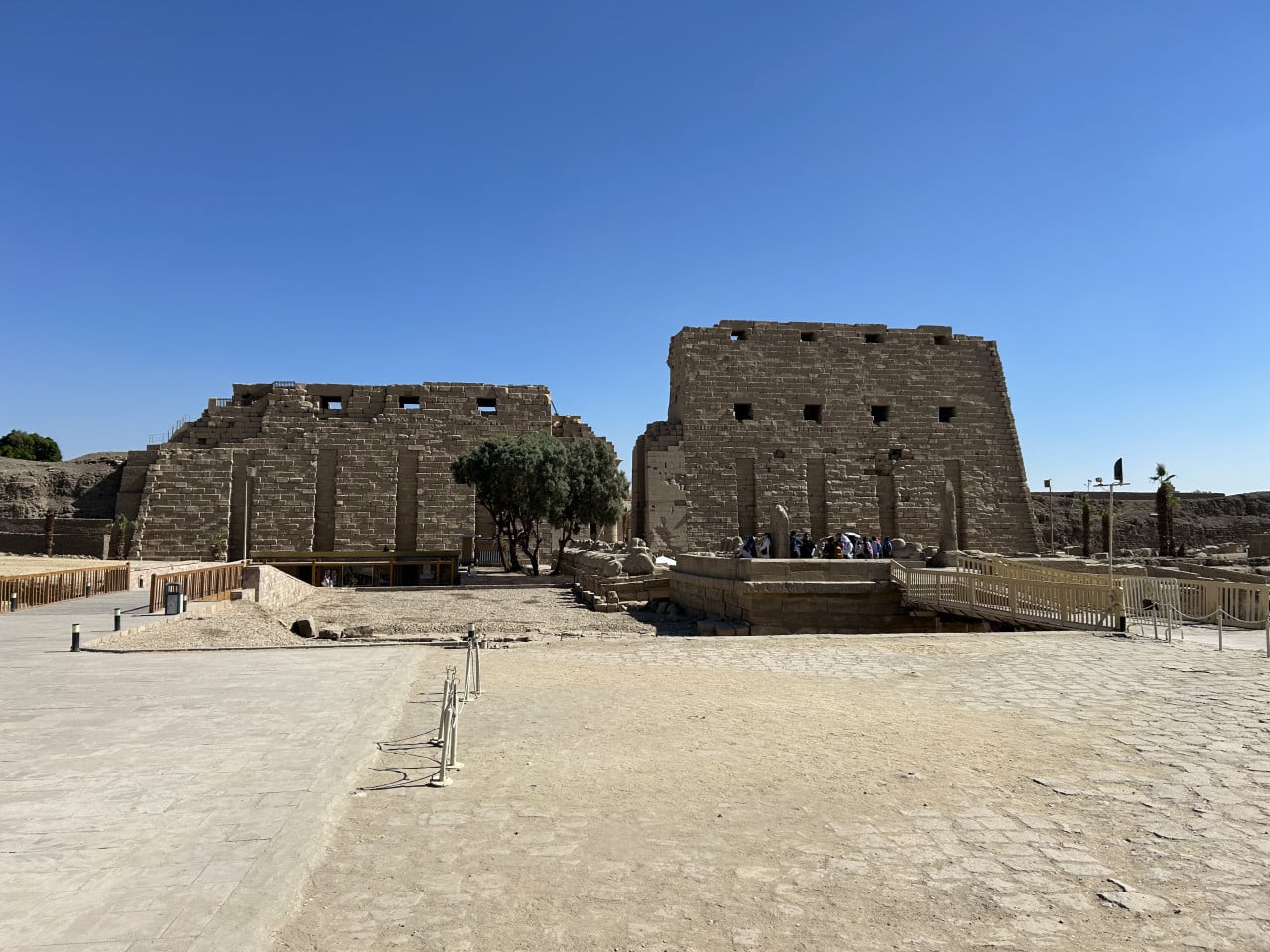
Karnak is commonly referred to as a temple, but it is actually an enormous complex of temples, chapels, courtyards, sanctuaries, obelisks, storerooms, workshops, and sacred lakes. In antiquity, the site was called Ipet-sut, which roughly means “The Most Select of Places.”
The first significant structures were built here as early as the Middle Kingdom, and subsequent pharaohs expanded the complex over approximately two thousand years. Every important ruler wanted to leave their own mark on Karnak—a new pylon, chapel, statue, obelisk, or series of inscriptions. That is why the entire site today feels somewhat like an enormous historical puzzle assembled by dozens of different rulers. (University of Memphis)
The most important section was dedicated to Amun-Re, the principal god of Thebes. Together with the goddess Mut and their son Khonsu, he formed the so-called Theban Triad. Karnak was neither a tomb nor a temple intended primarily for the dead. It was regarded as the earthly home of the god, where priests cared for his statue every day, dressed it, and brought it food, incense, and other offerings.
At the same time, it was an important political center. By building at Karnak, the pharaoh demonstrated his power, wealth, and, above all, his close relationship with Amun. The larger the monument he commissioned, the more emphatically he proclaimed that he had divine support.
The Great Hypostyle Hall and its forest of 134 columns
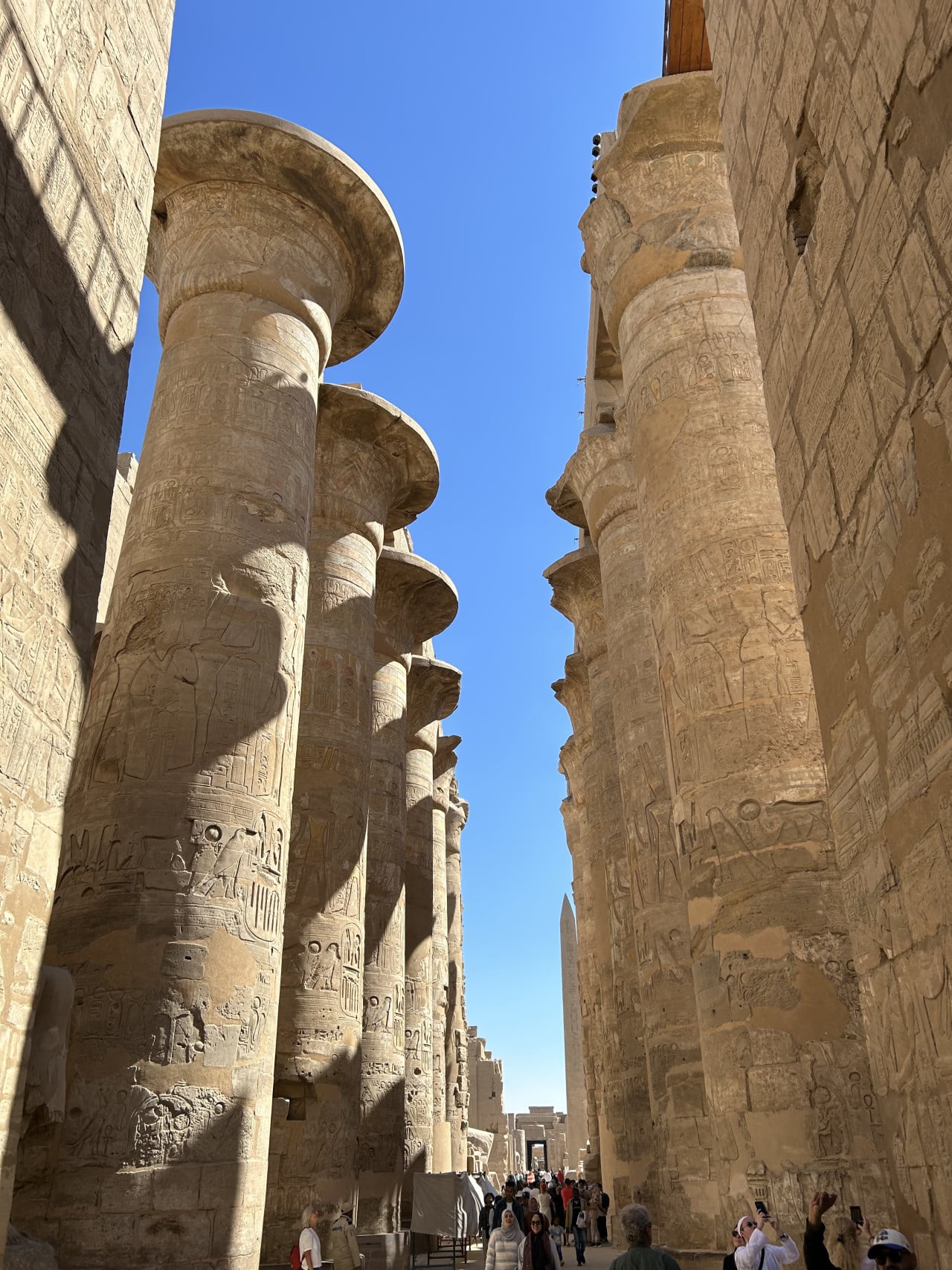
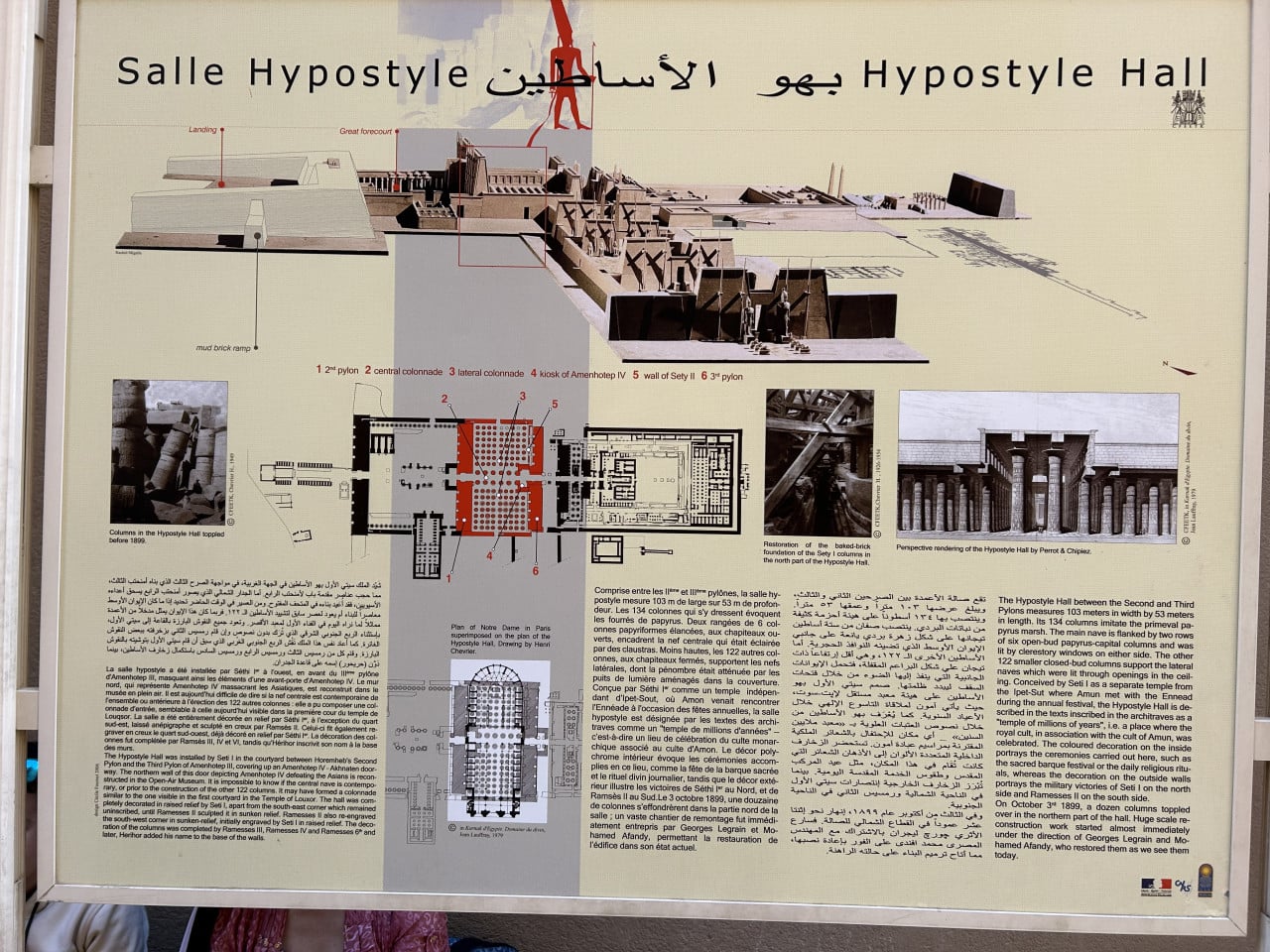
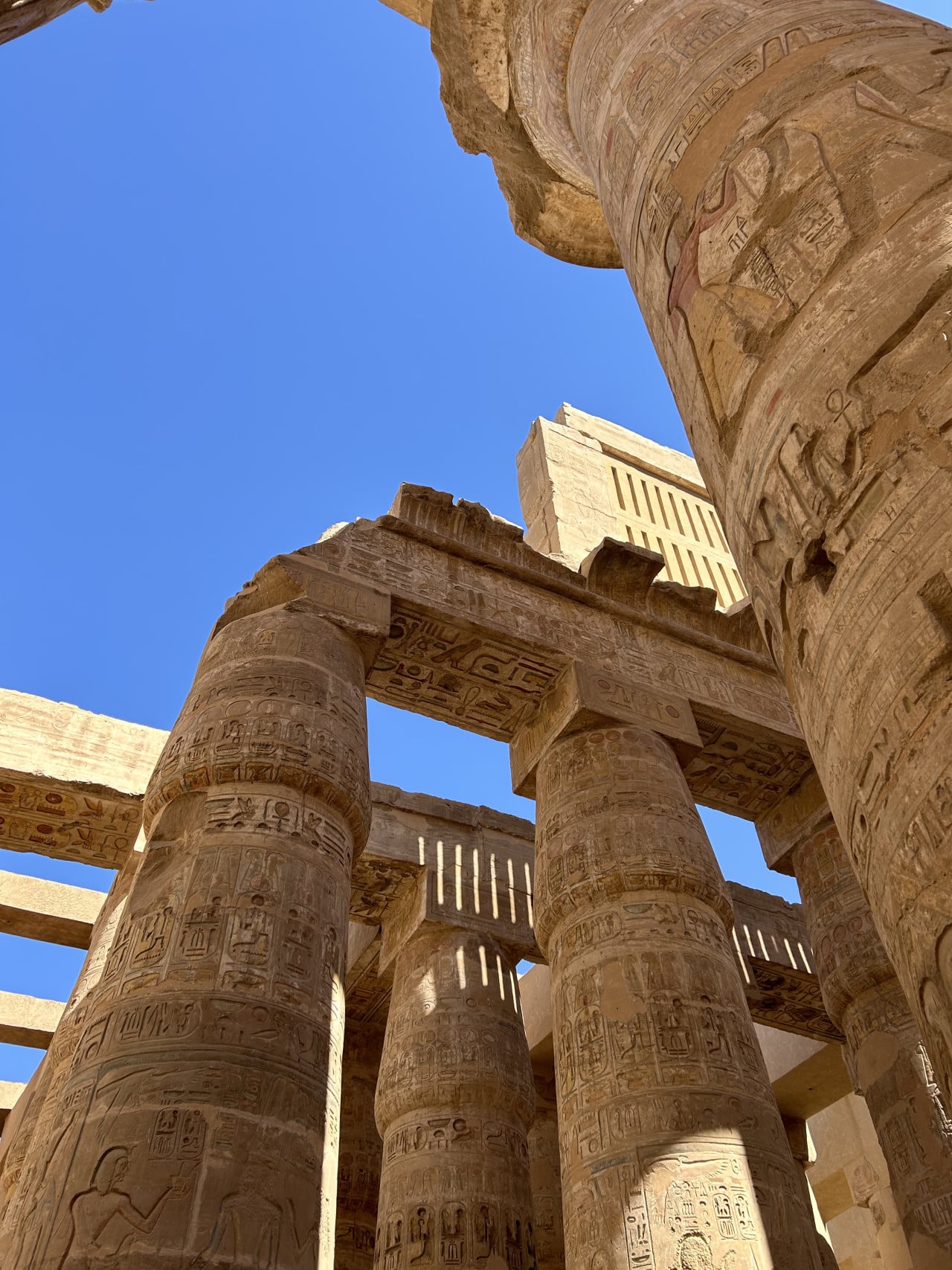
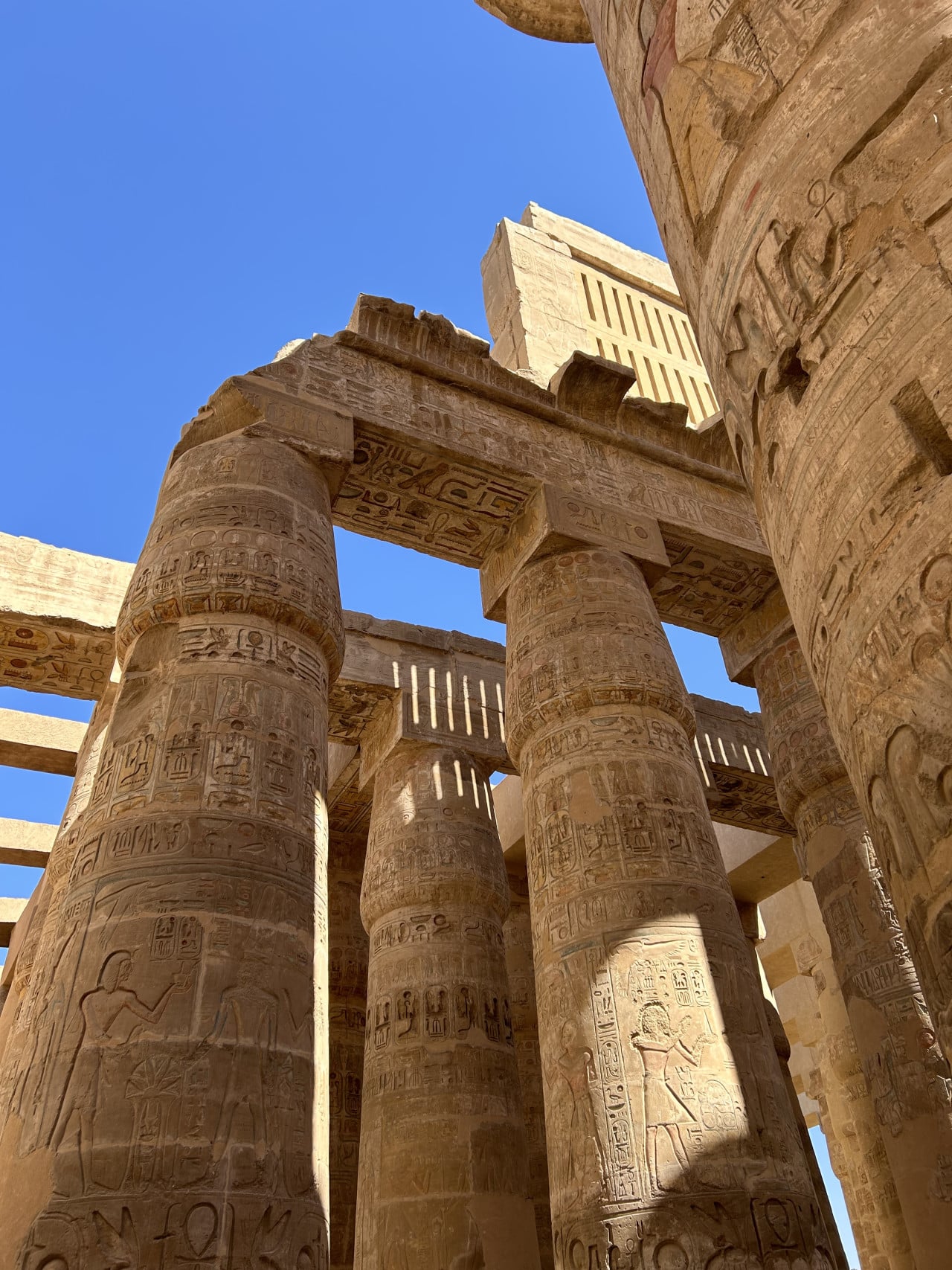
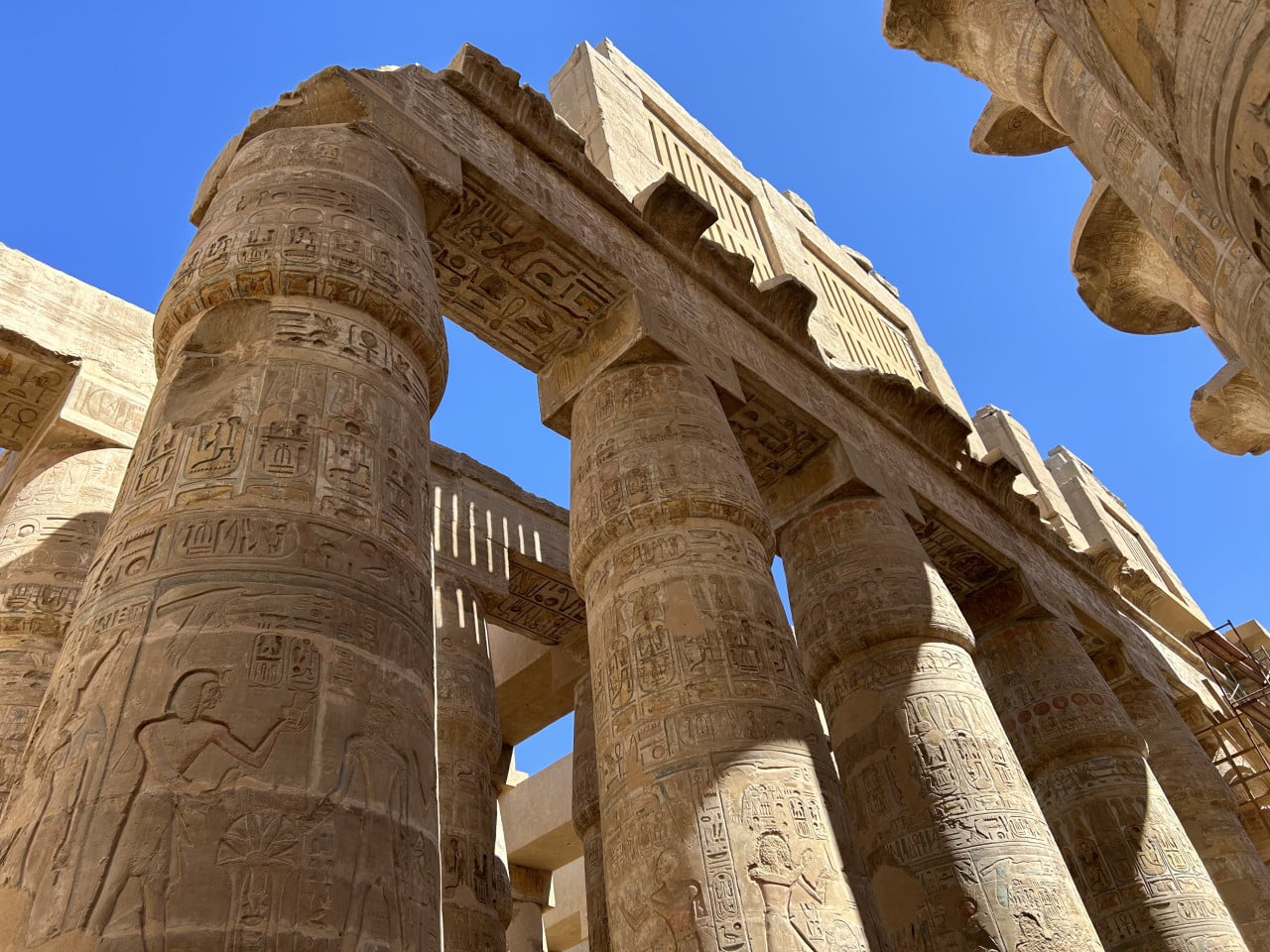
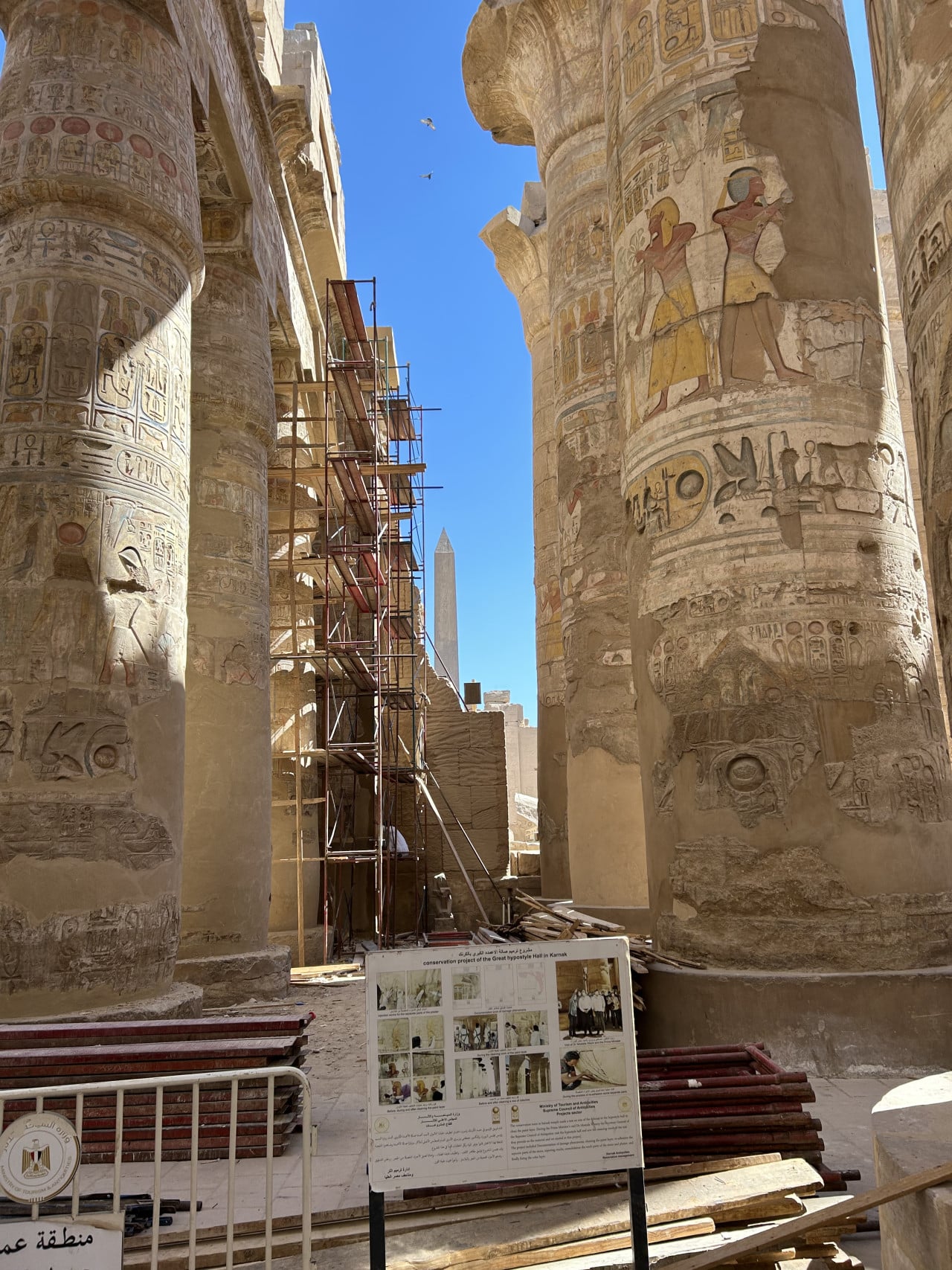
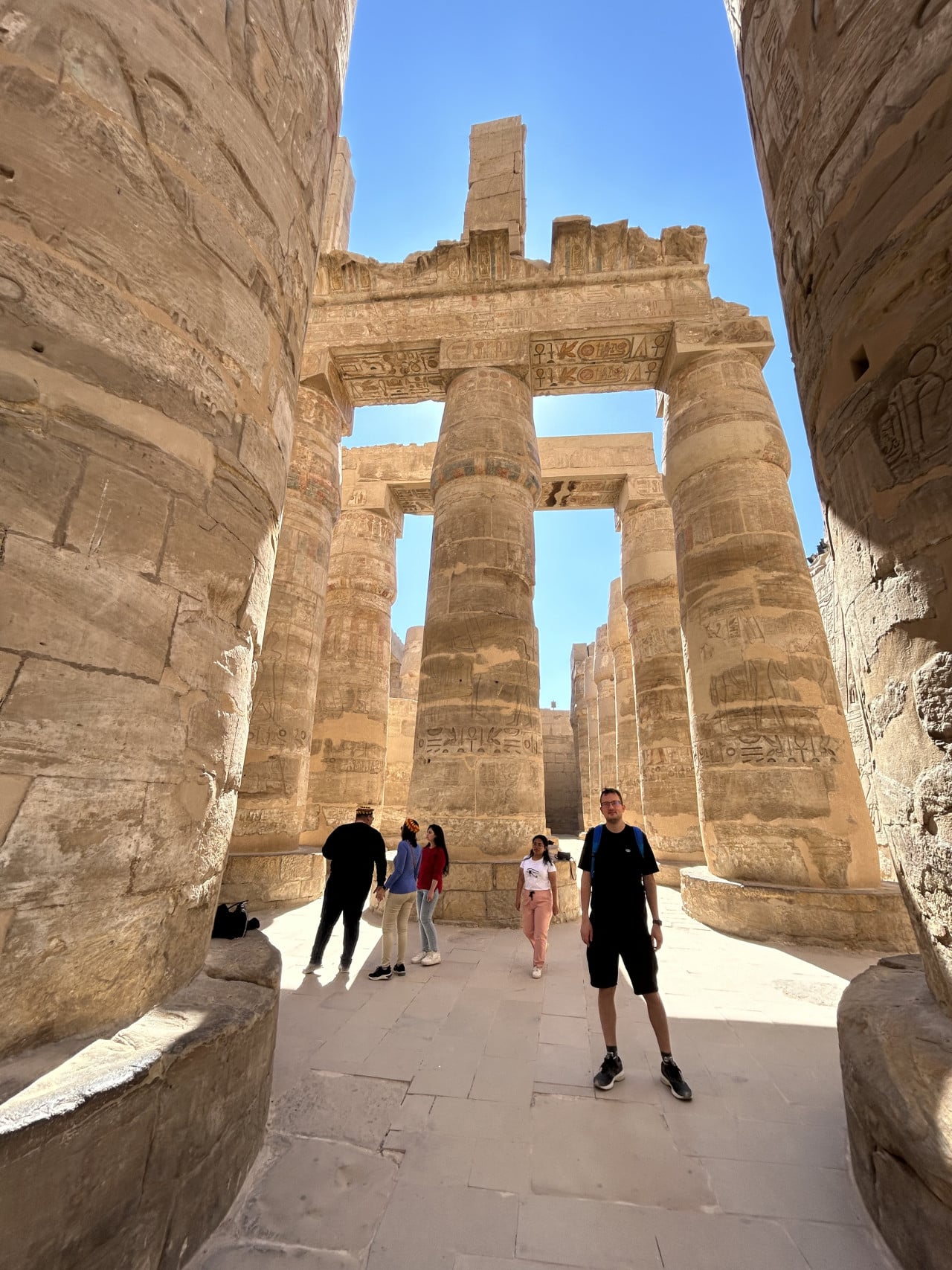
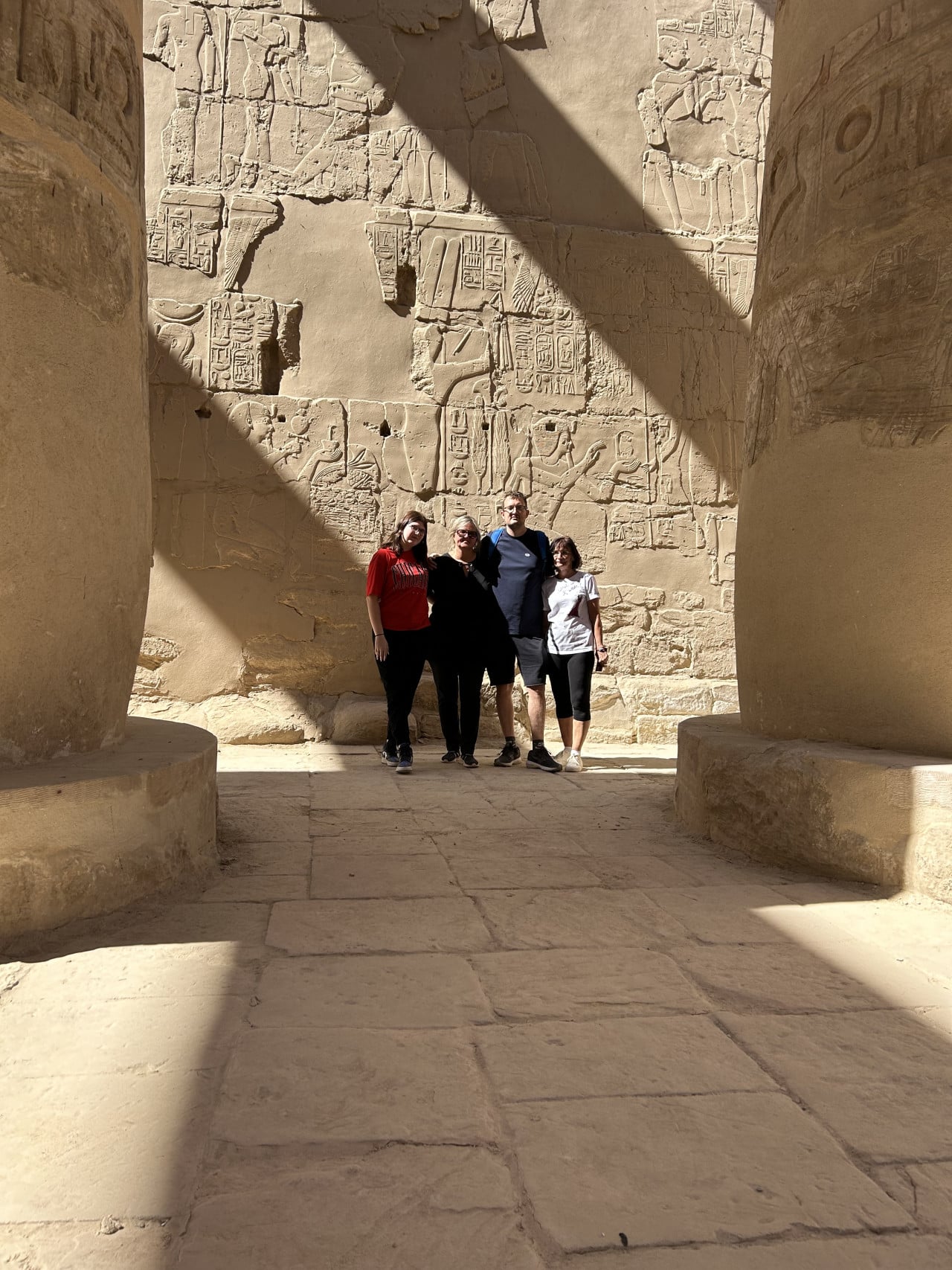
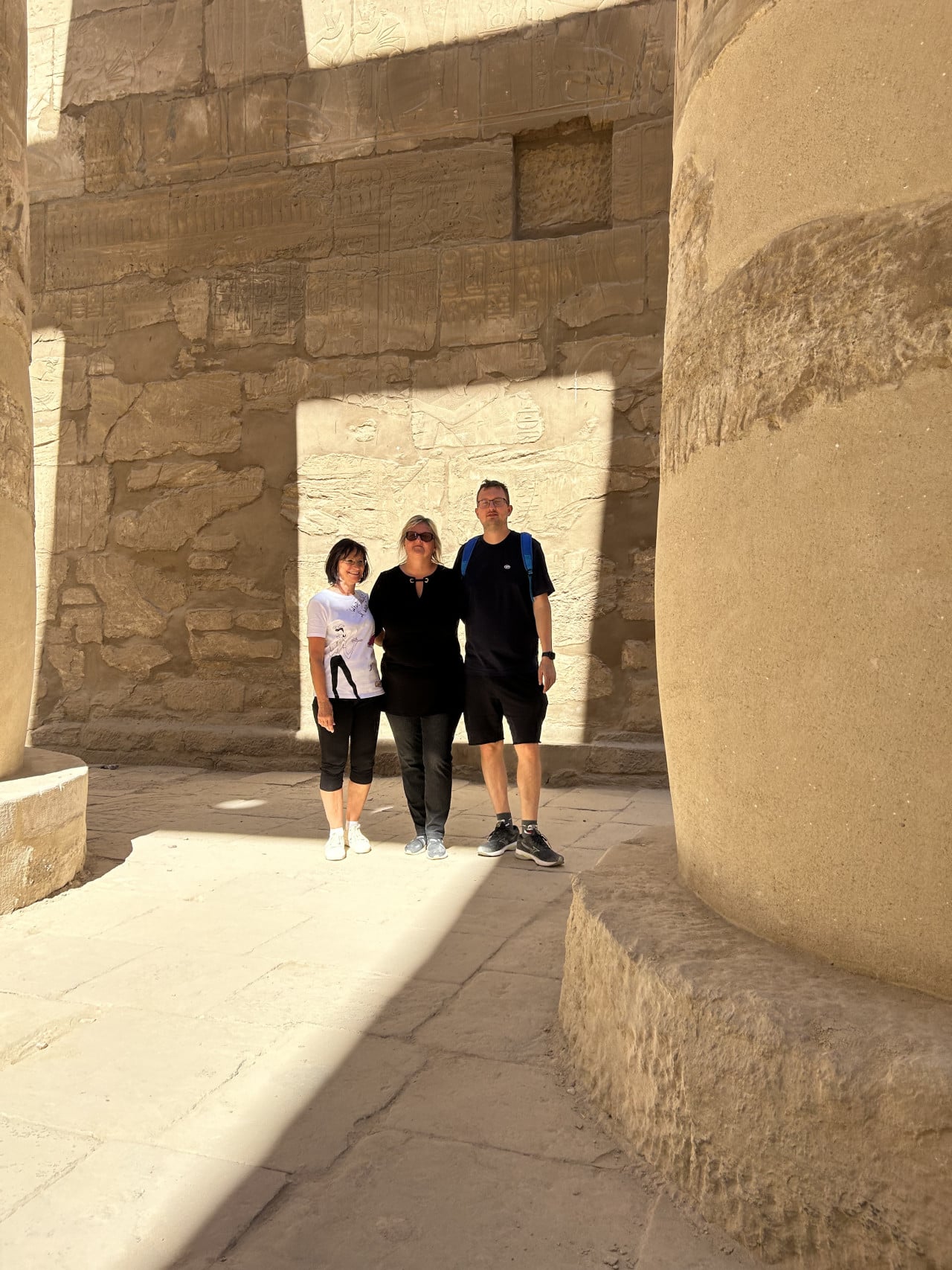
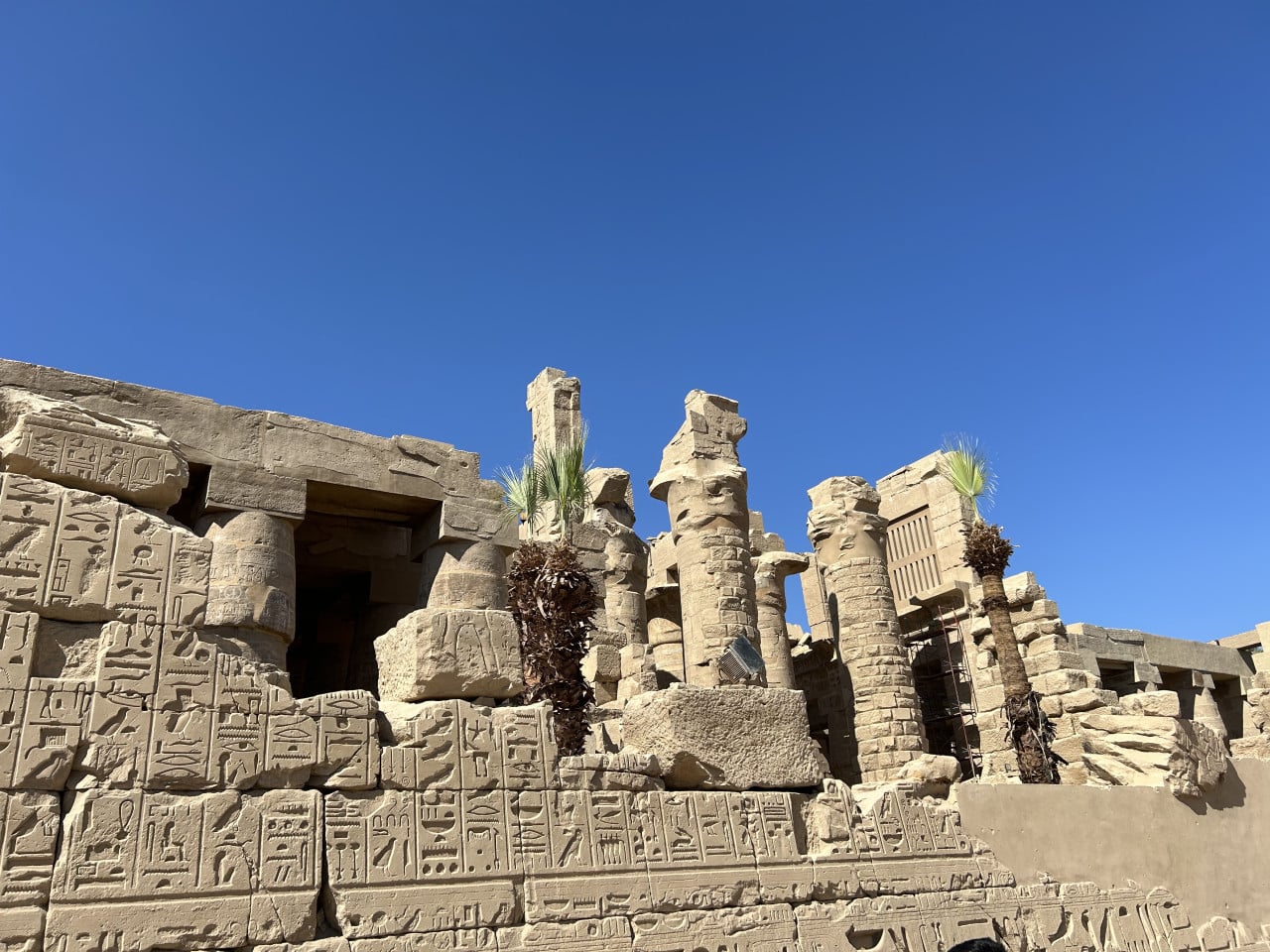
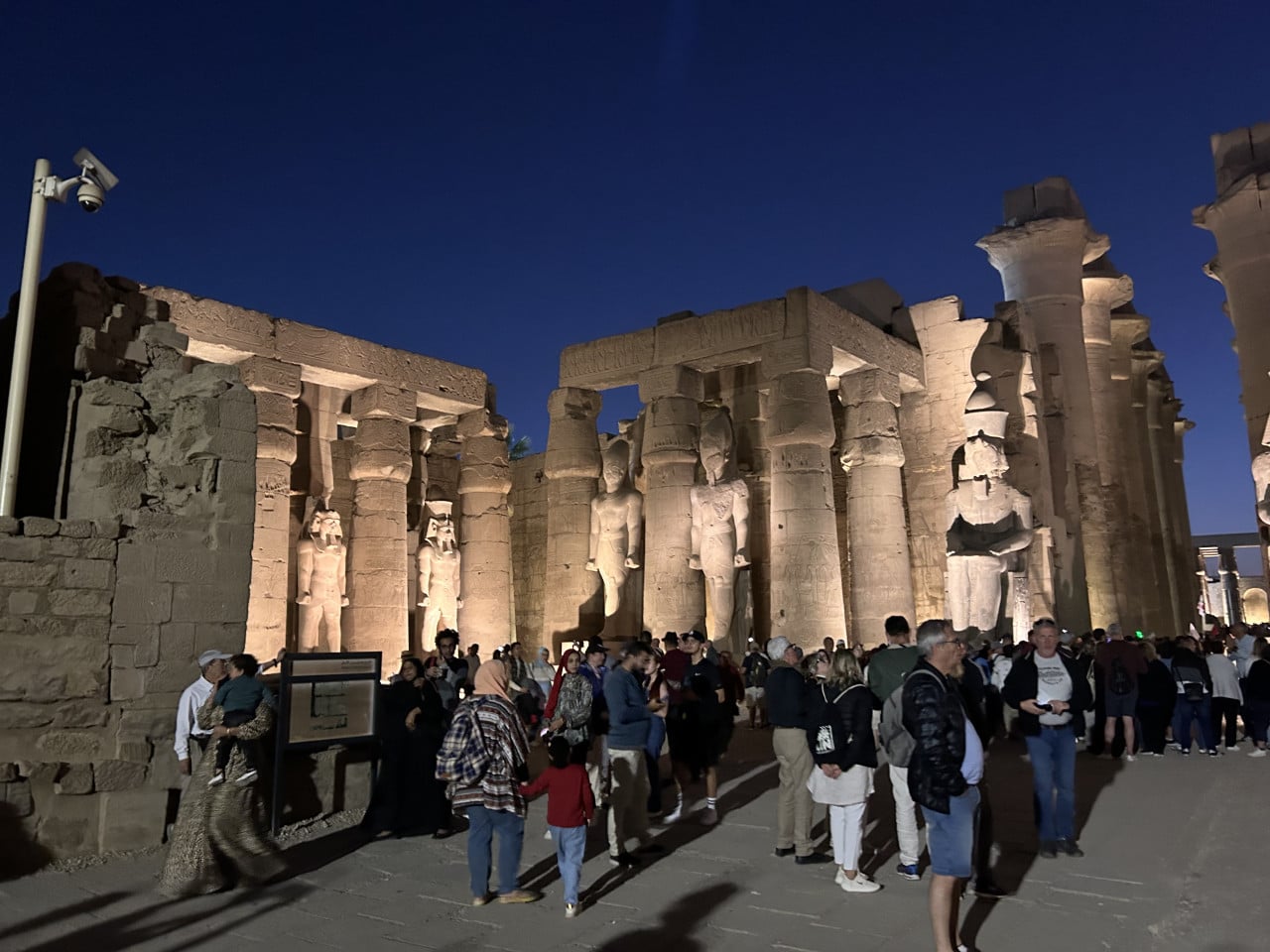
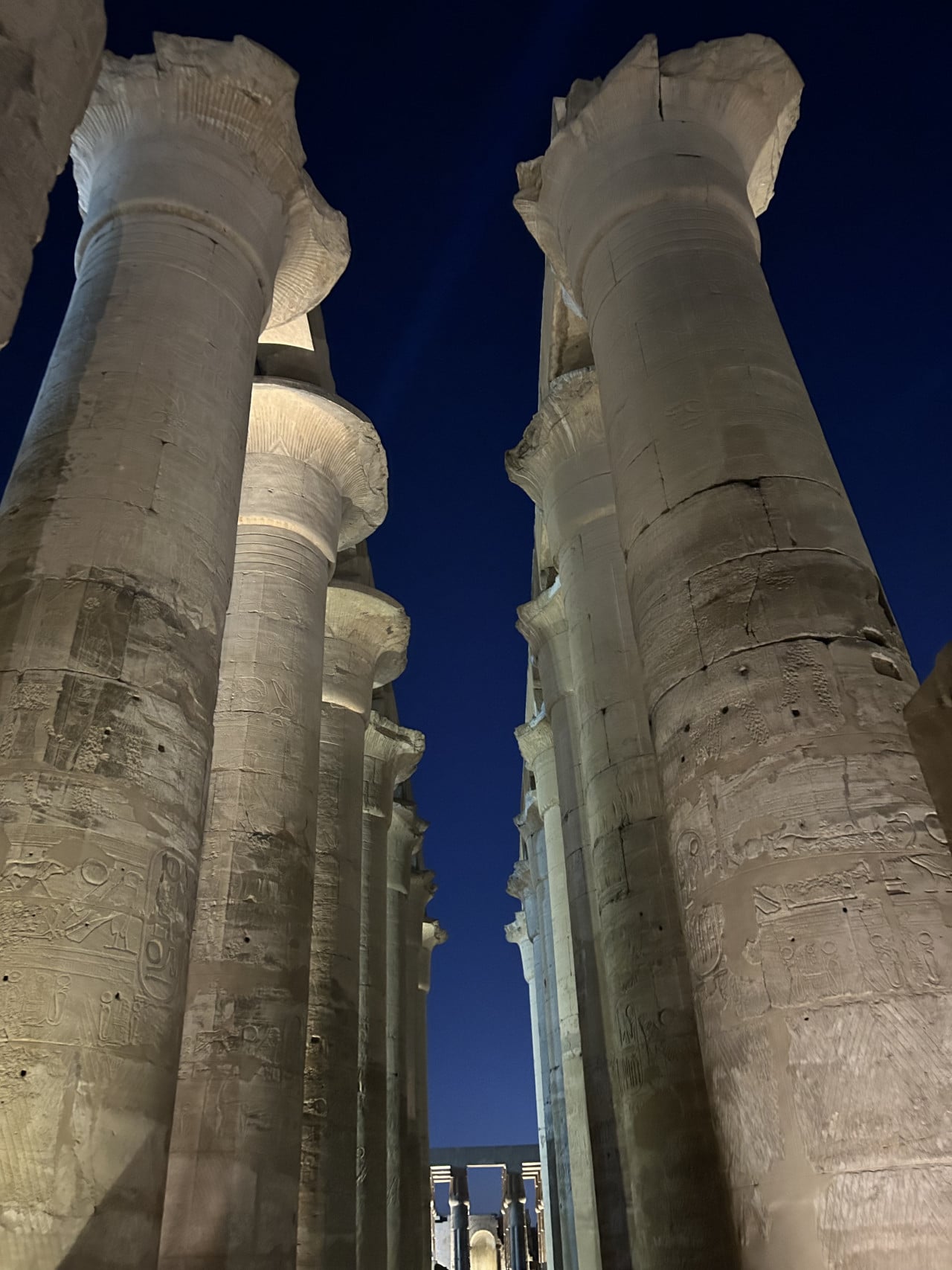
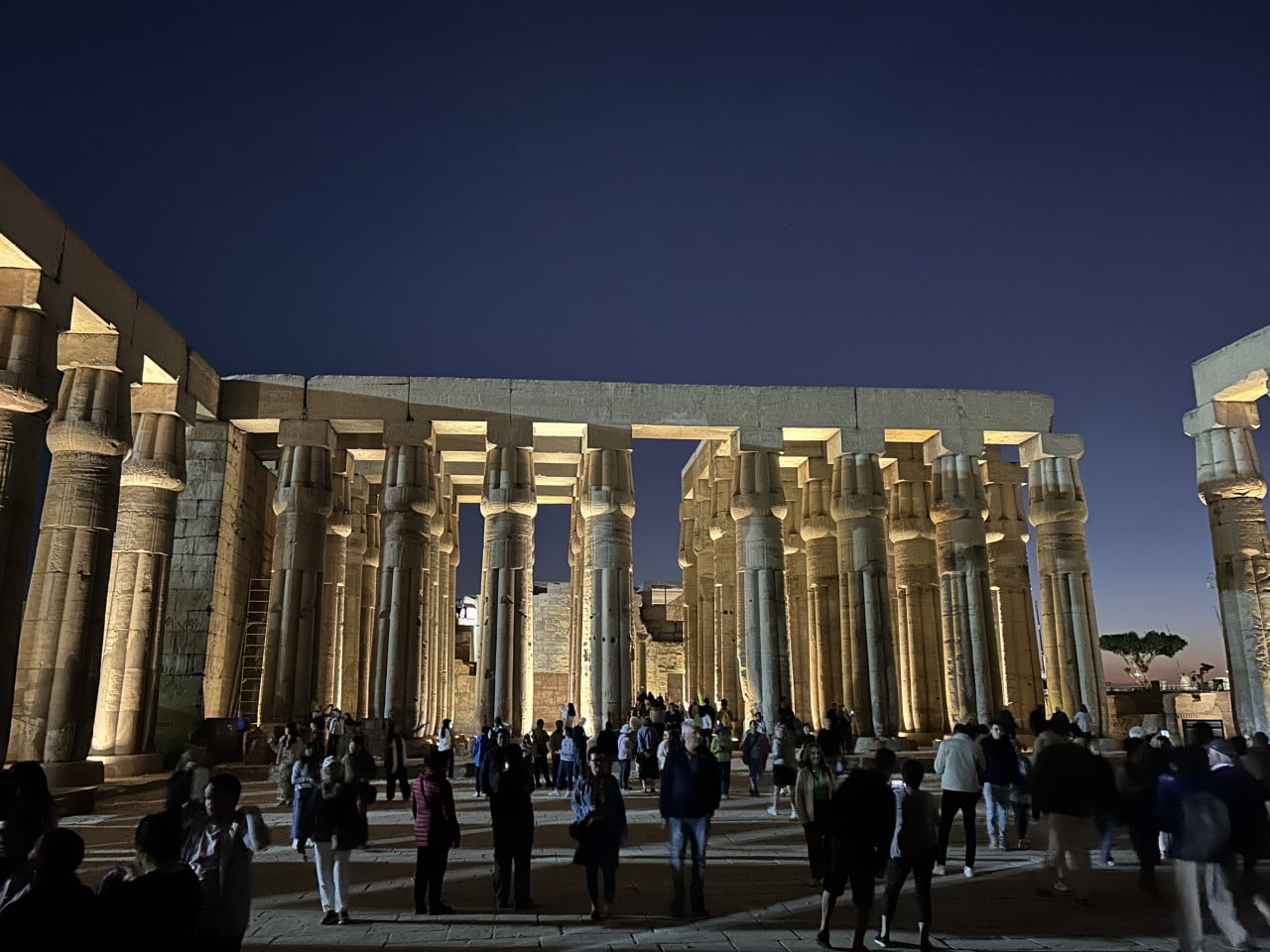
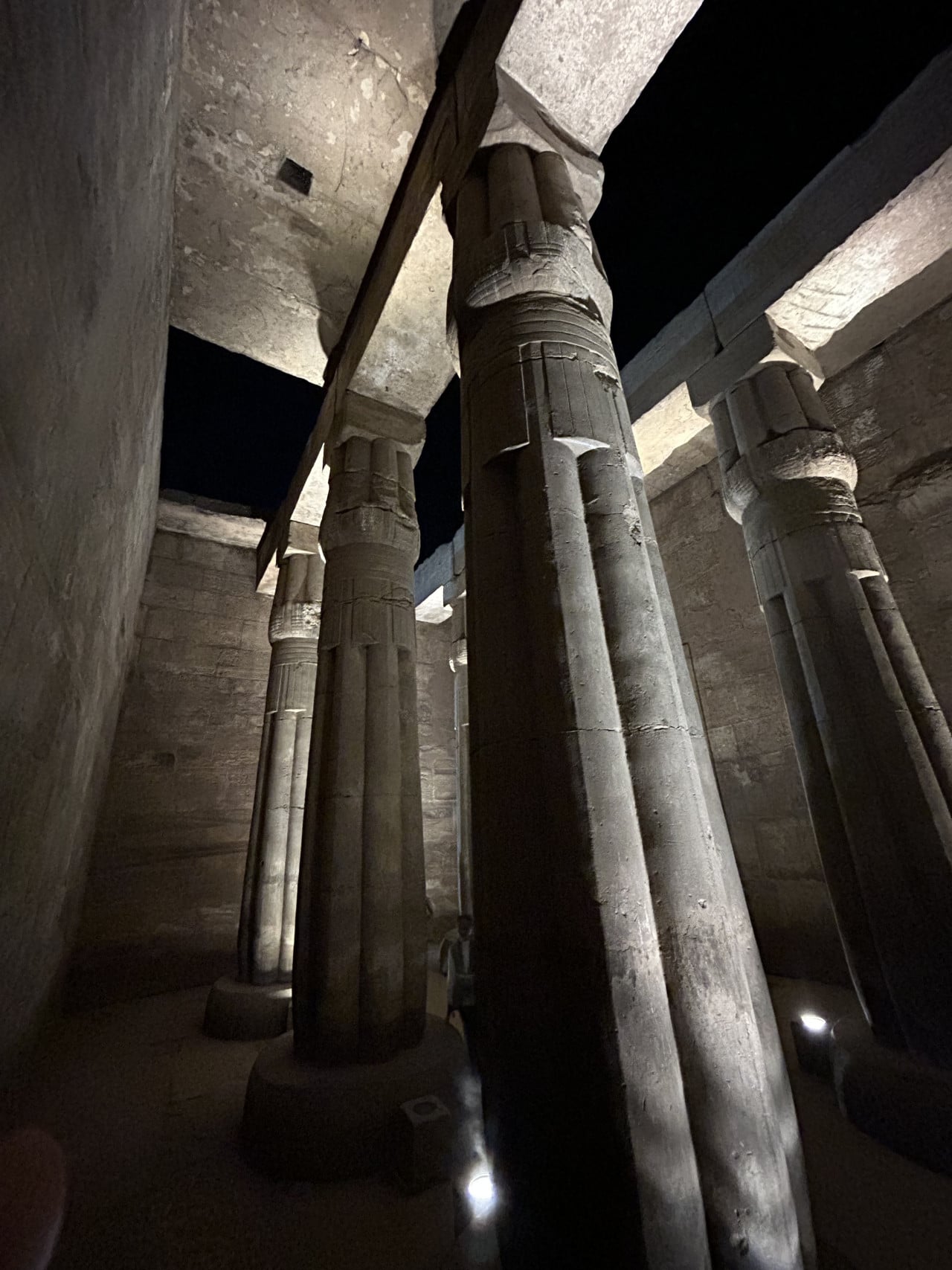
One of the most powerful experiences was the Great Hypostyle Hall. It looks immense in photographs, but the reality is on an entirely different level. You suddenly find yourself in a stone forest formed by 134 enormous columns, almost entirely covered with reliefs and hieroglyphs.
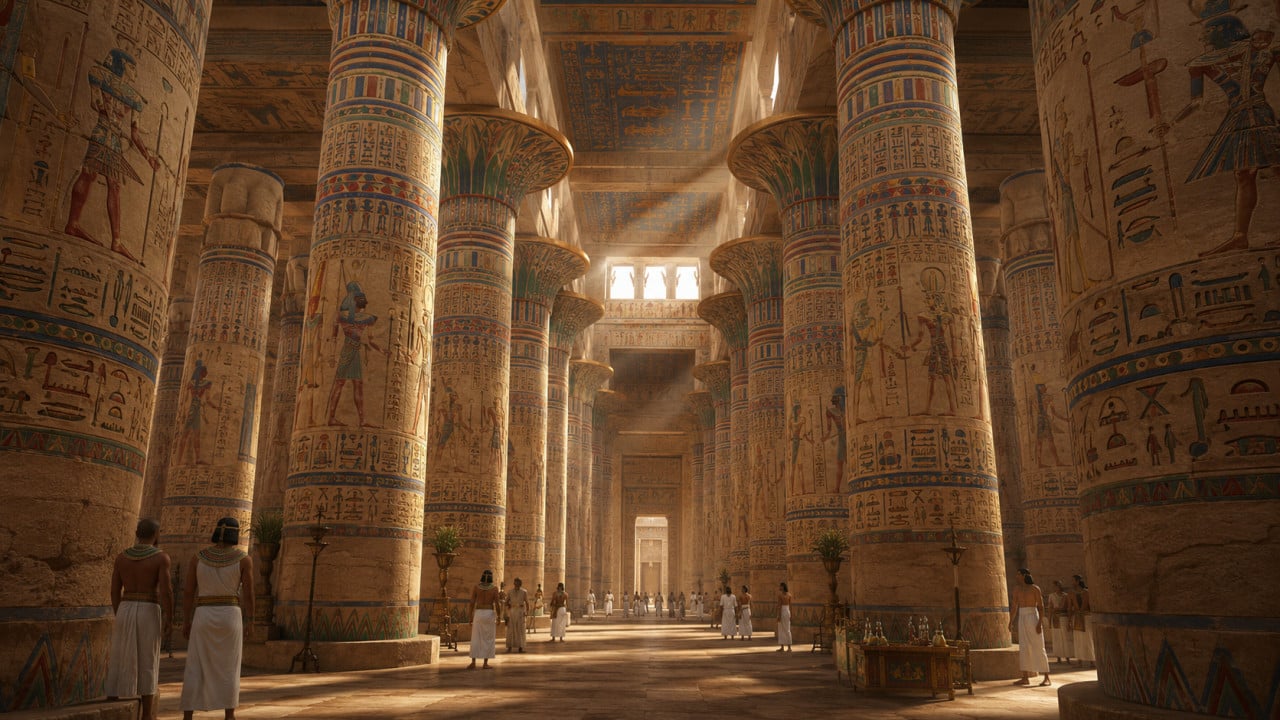
The twelve largest columns in the central nave reach a height of approximately 21 meters. The entire hall covers more than five thousand square meters. Its main section was built under Pharaoh Seti I and completed and decorated by his son Ramesses II. (Egypt's Monuments)
The columns were designed in the shape of papyrus stalks. Those in the center have open capitals resembling flowering papyrus, while the lower columns at the sides represent closed buds. Originally, the entire hall was roofed, and the reliefs and columns were vividly colored. Remnants of blue, red, and yellow paint can still be seen high above in some places. (University of Memphis)
This was where the enormous scale of the monuments compared with people was most apparent. Tourists beside the columns look almost like tiny figurines. Honestly, this is one of those places where it is worth stopping for a moment, putting the camera down, and simply looking around.
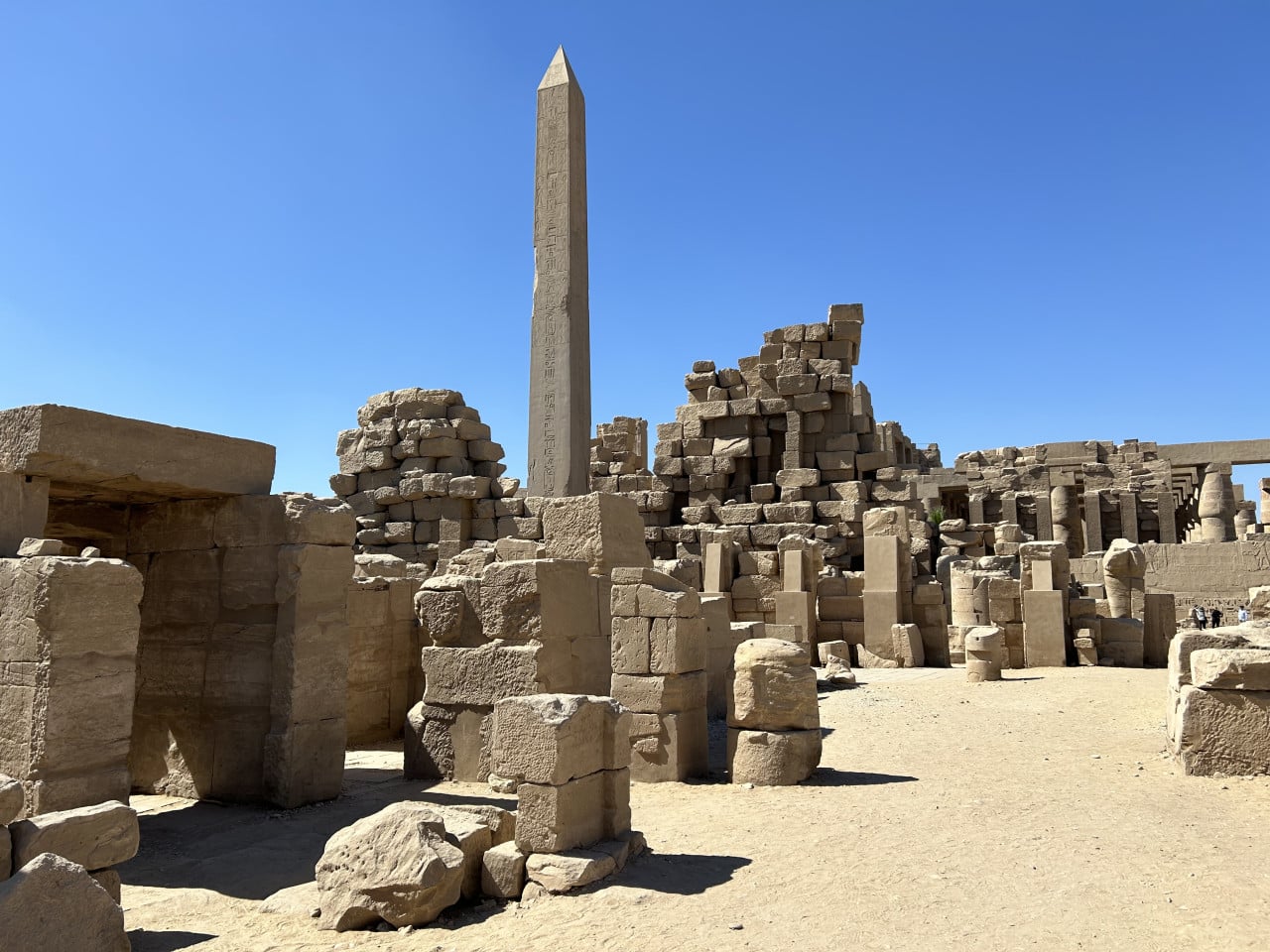
Queen Hatshepsut's obelisk
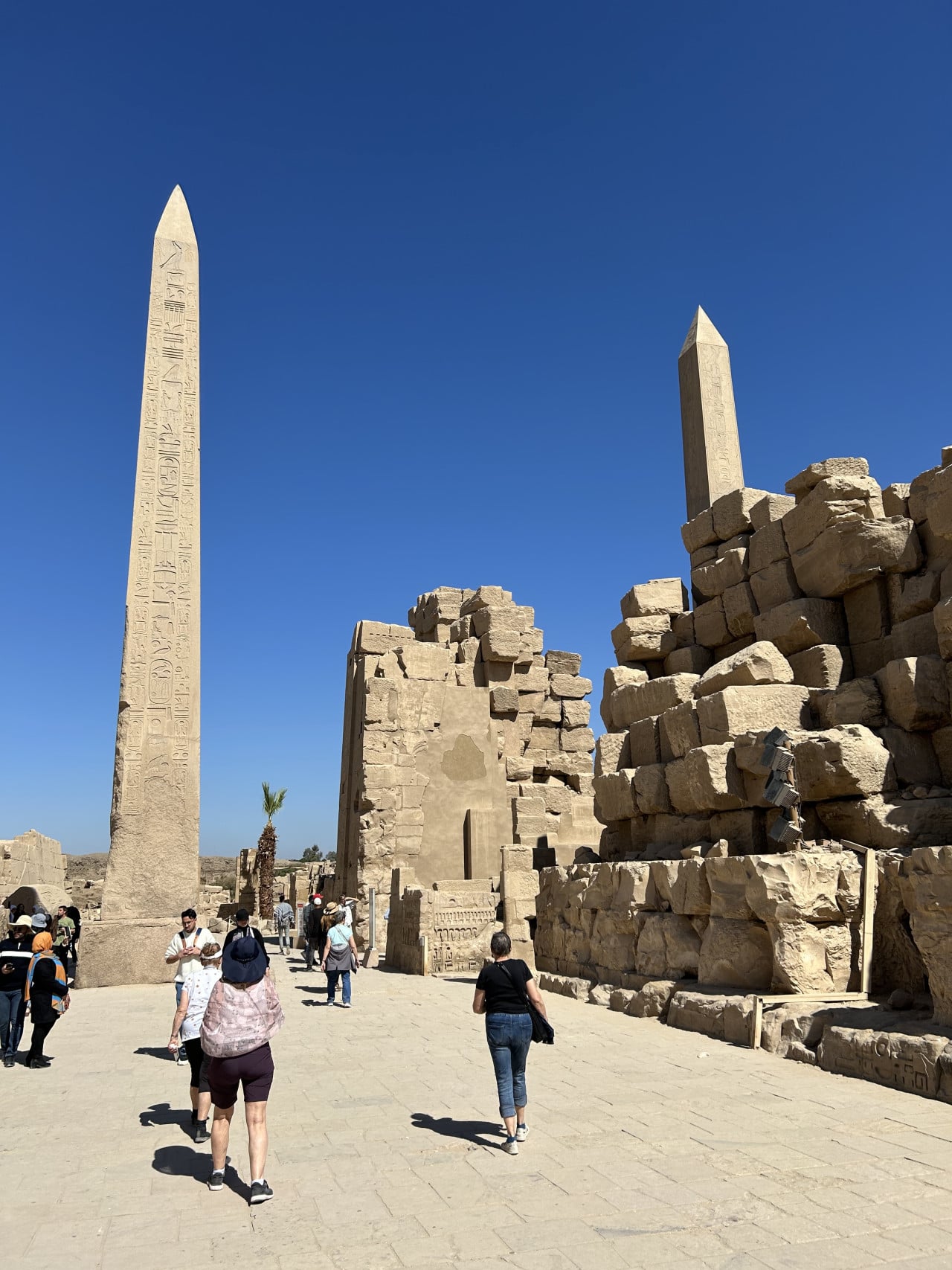
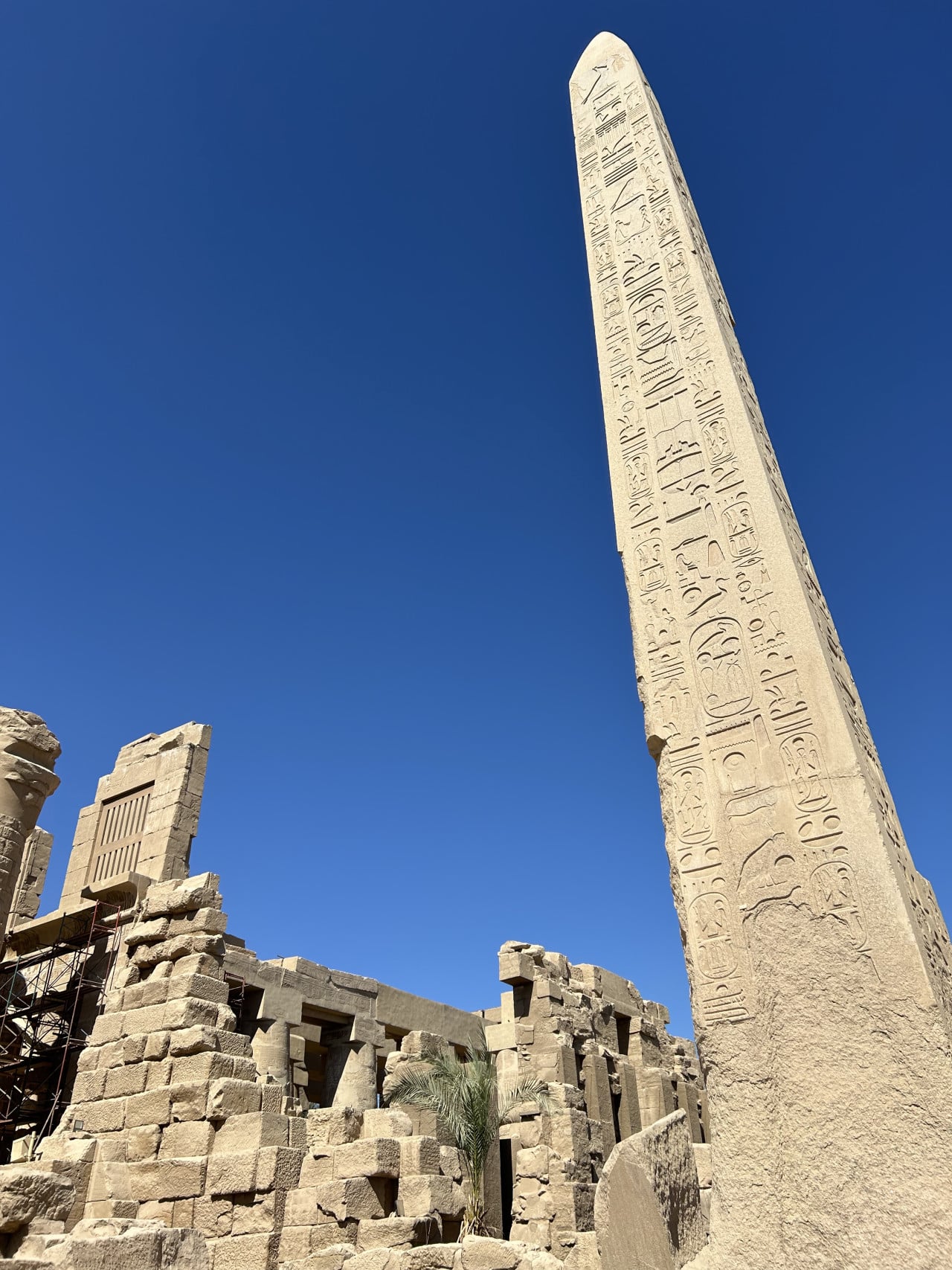
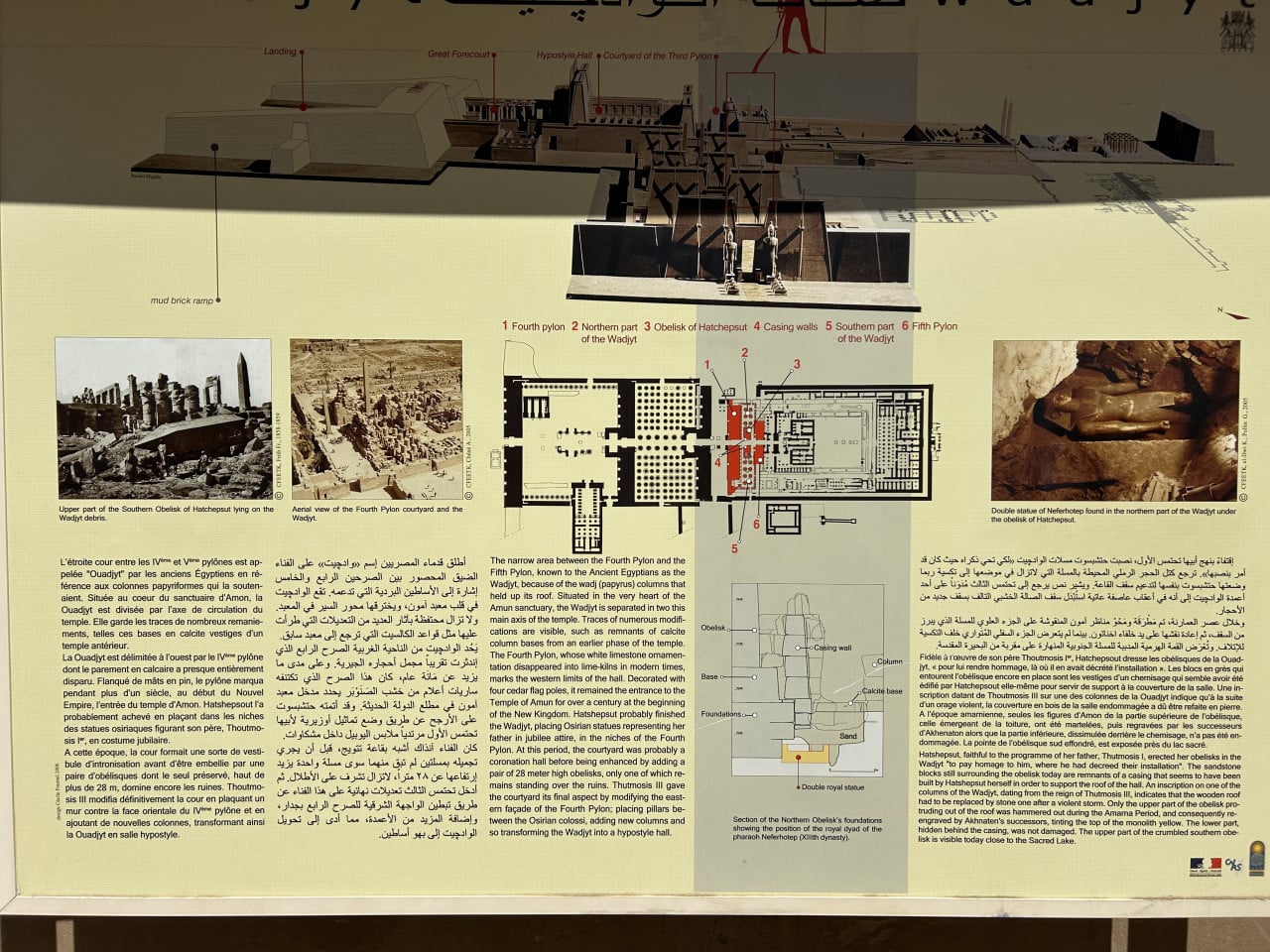
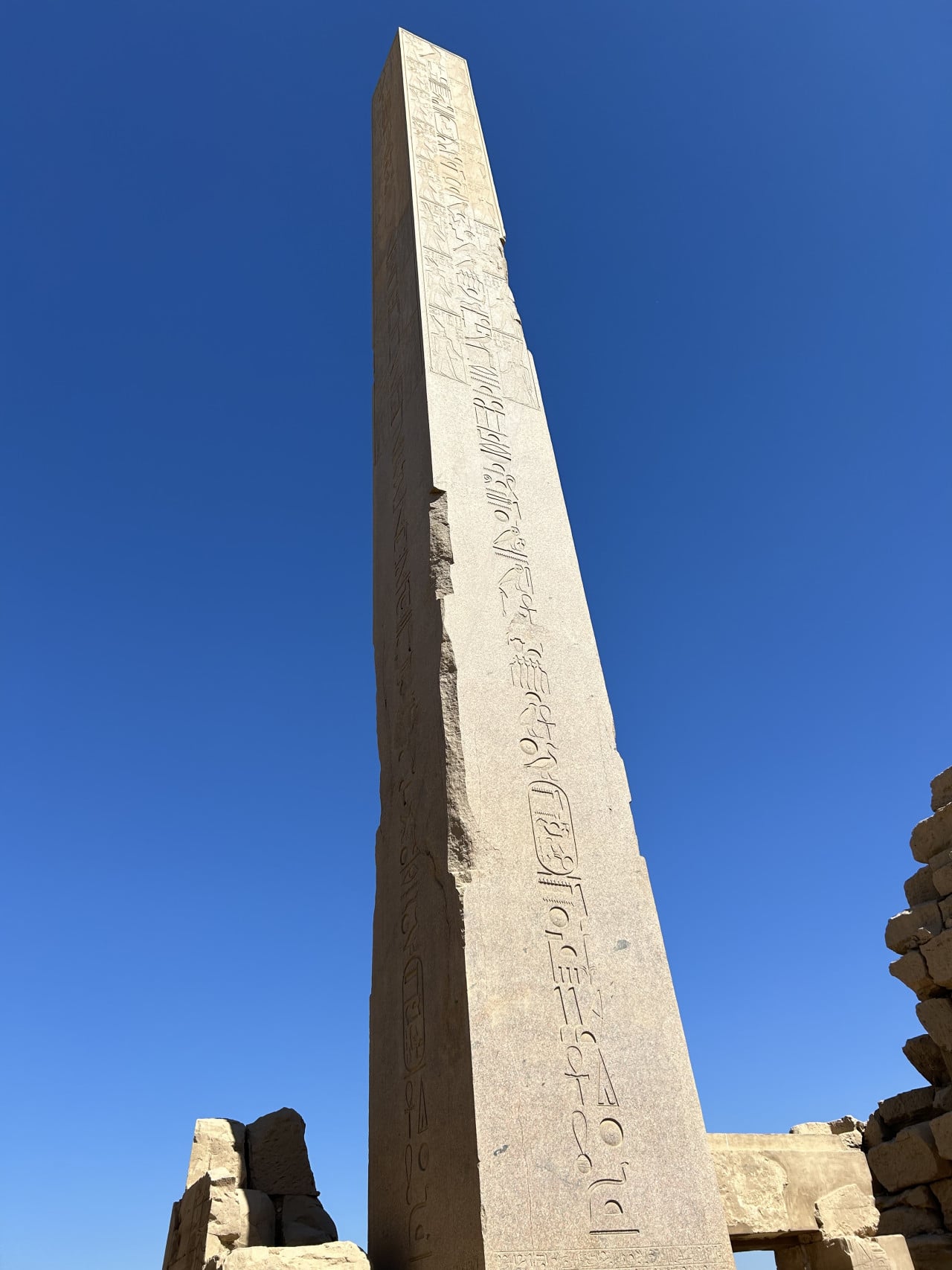
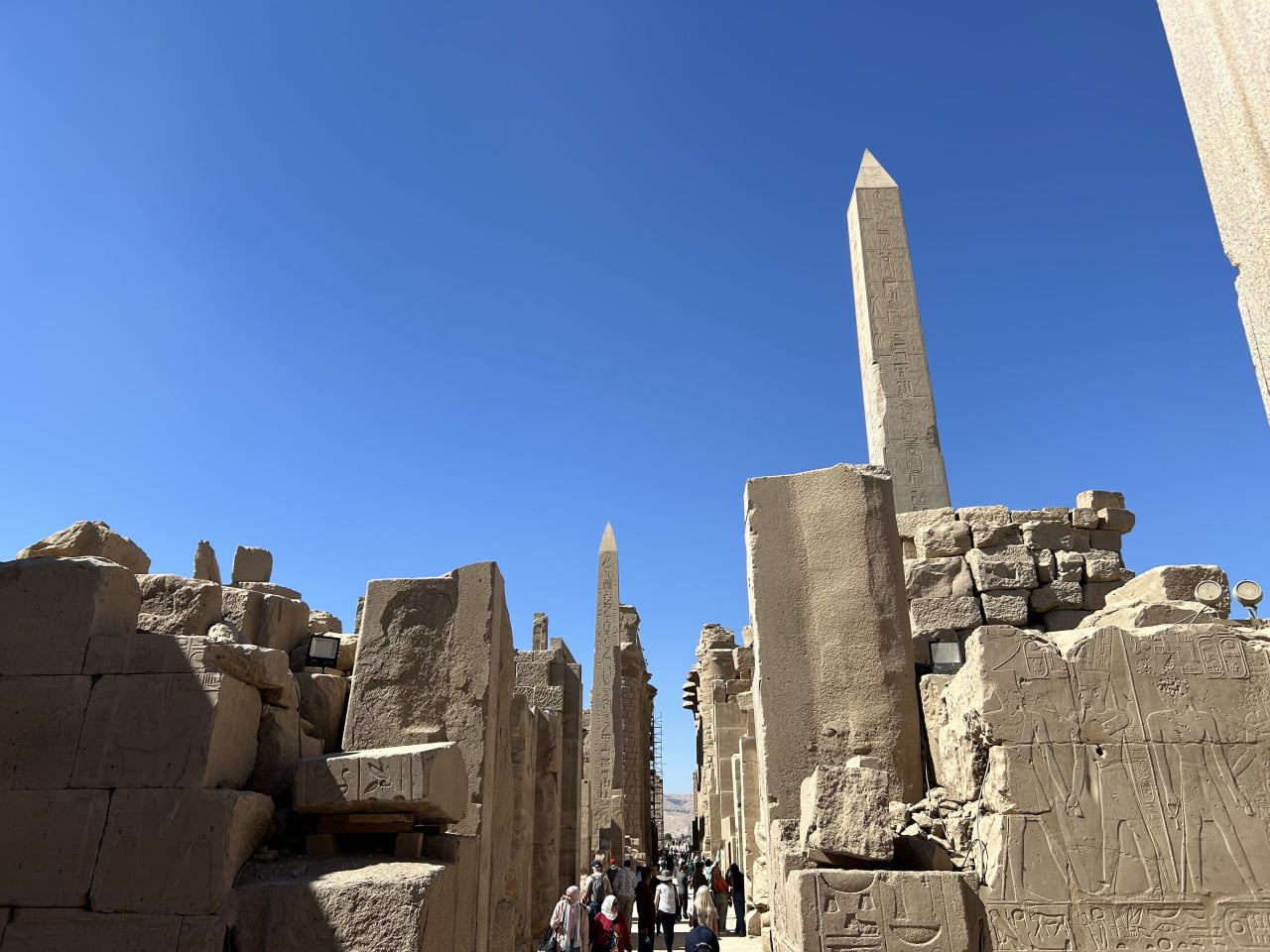
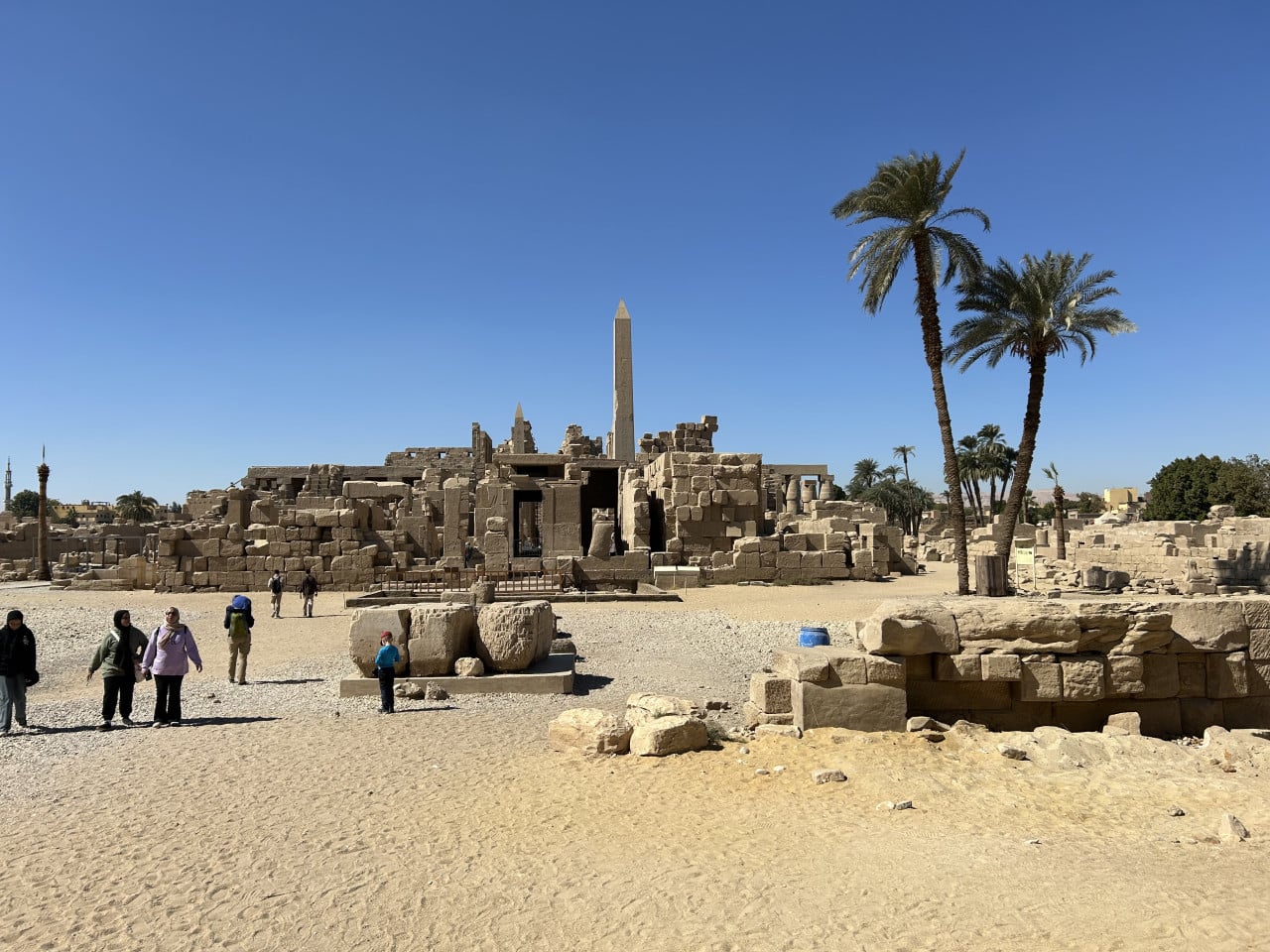
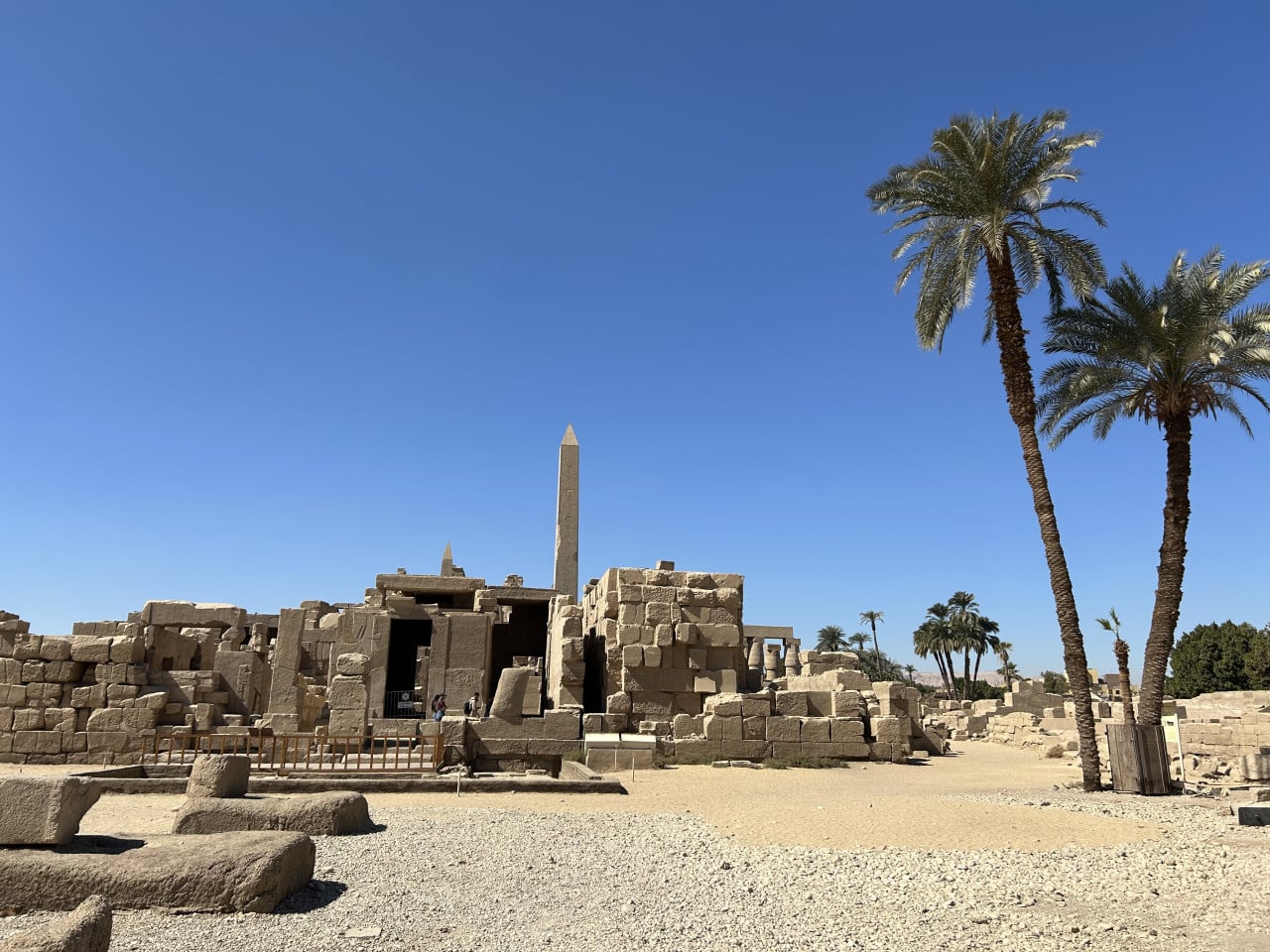
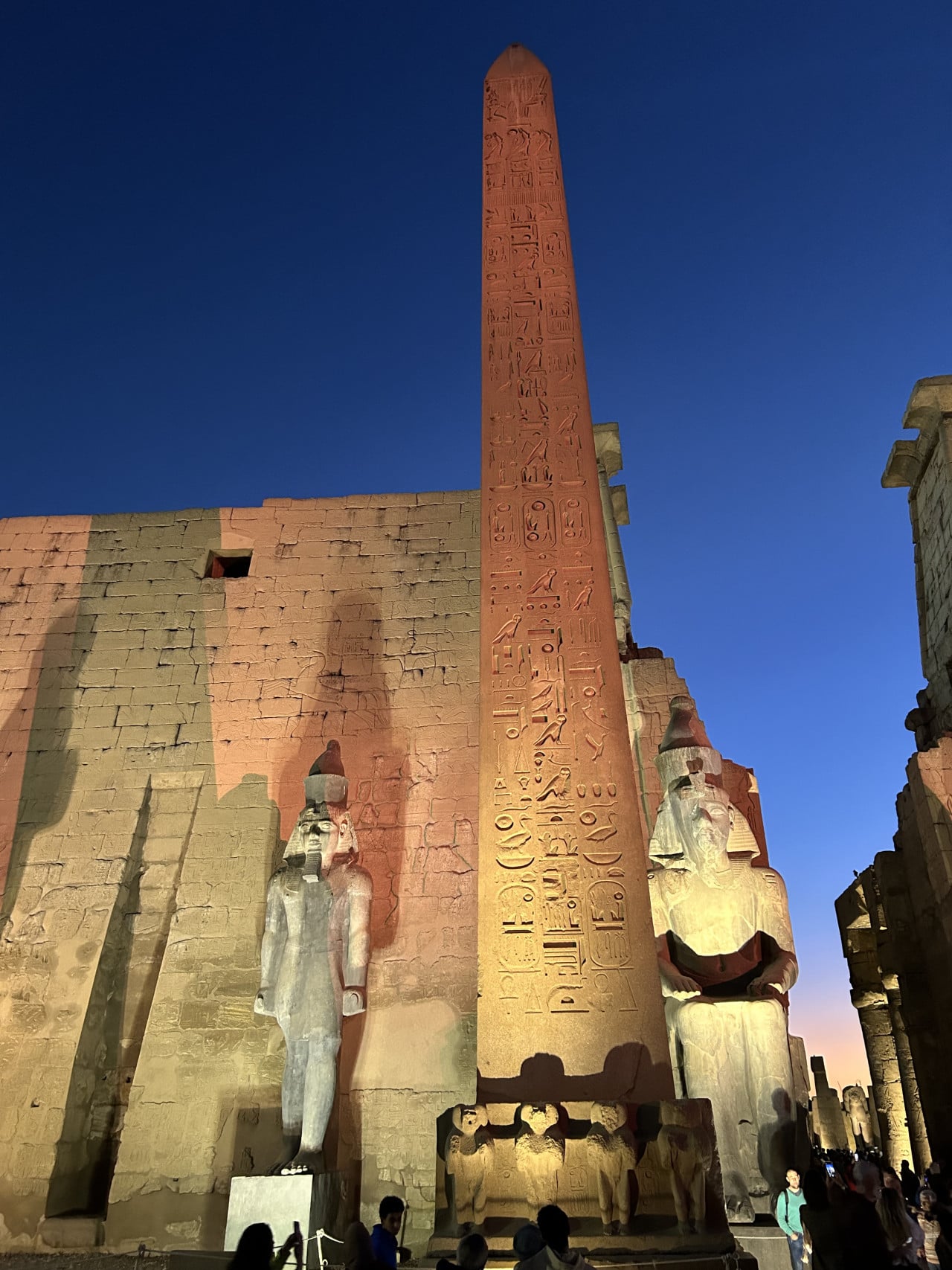
Another dominant feature of Karnak is an enormous obelisk. The most striking of the surviving obelisks was erected by Queen Hatshepsut, one of the best-known rulers of ancient Egypt. It was carved from a single piece of granite, stands almost 30 meters tall, and weighs more than 300 tons. (Egypt's Monuments)
The very idea that such a piece of stone was quarried, transported along the Nile, and erected without modern cranes is incredible. Obelisks were associated with the solar cult, and their tips originally caught the sunlight. Their inscriptions commemorated the ruler and their devotion to Amun.
Akh-menu—Thutmose III's unusual temple
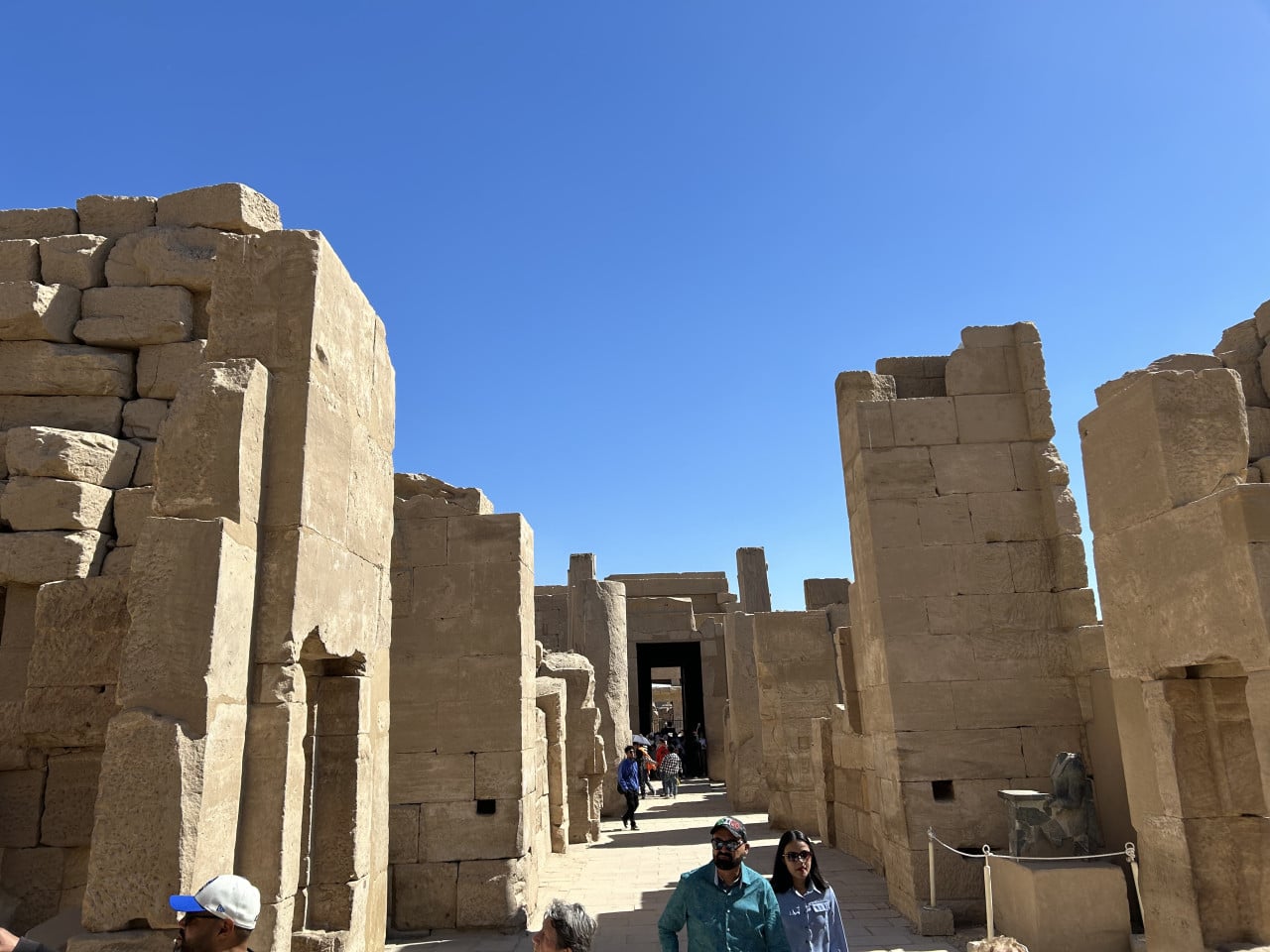
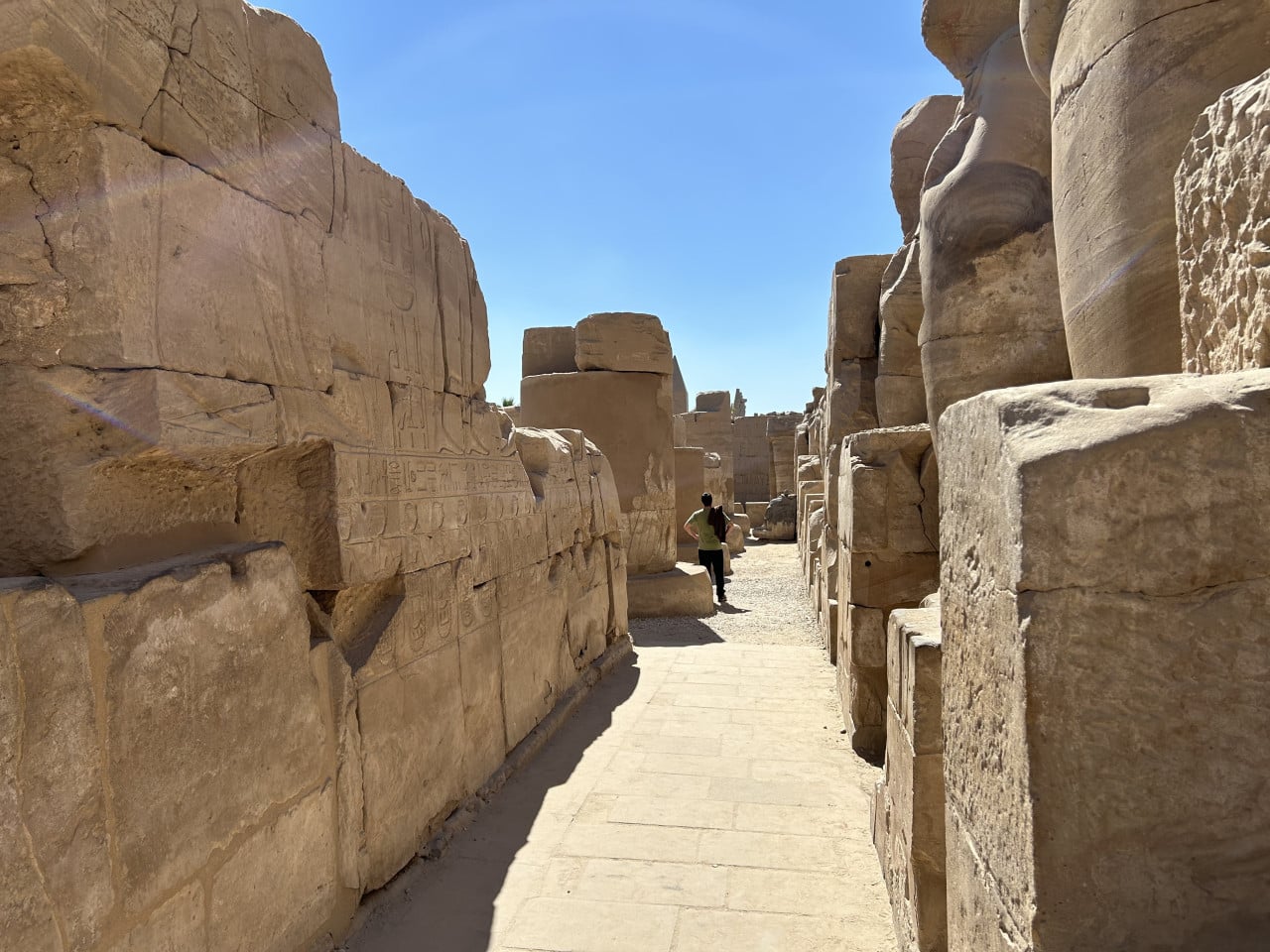
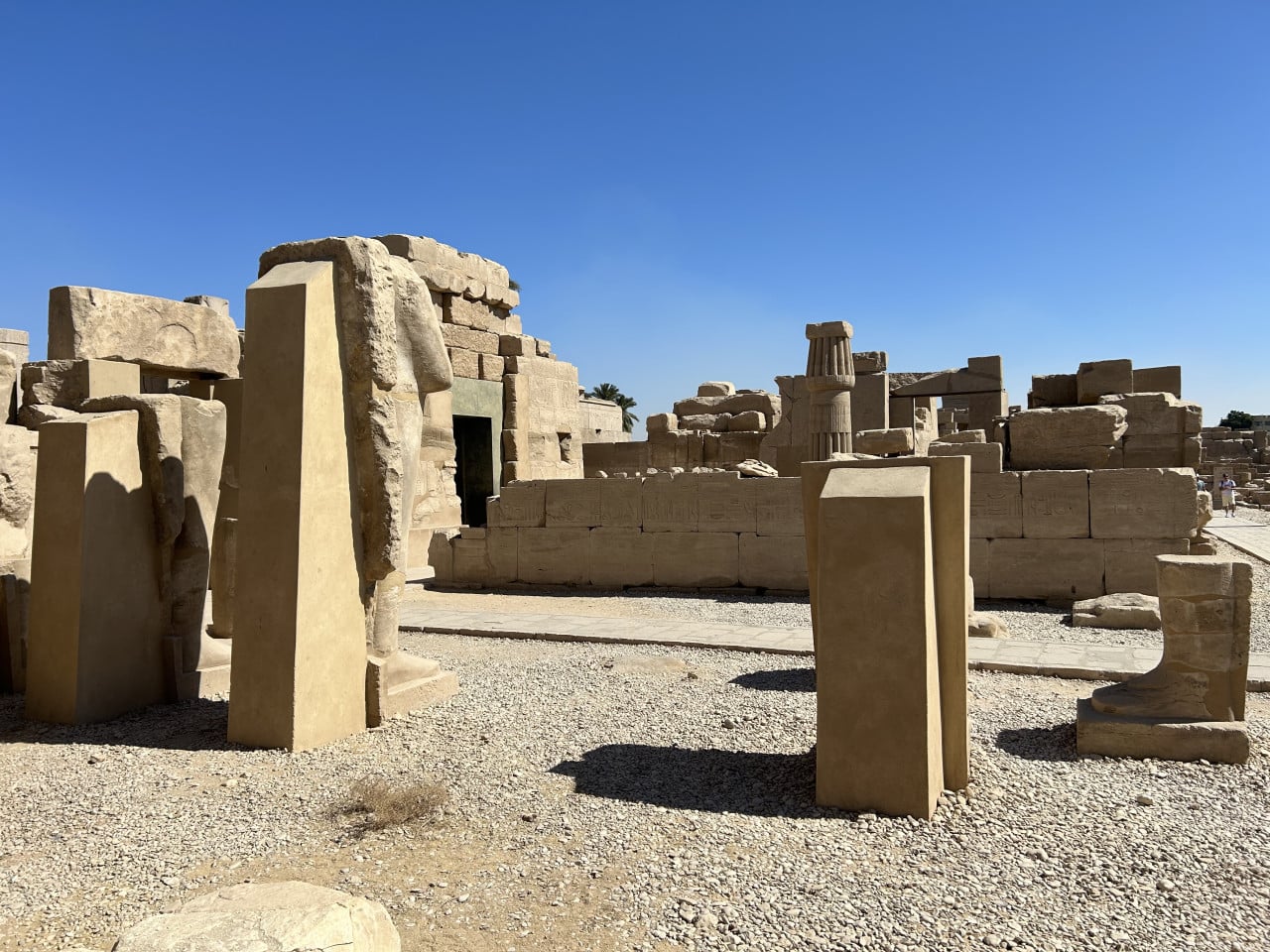
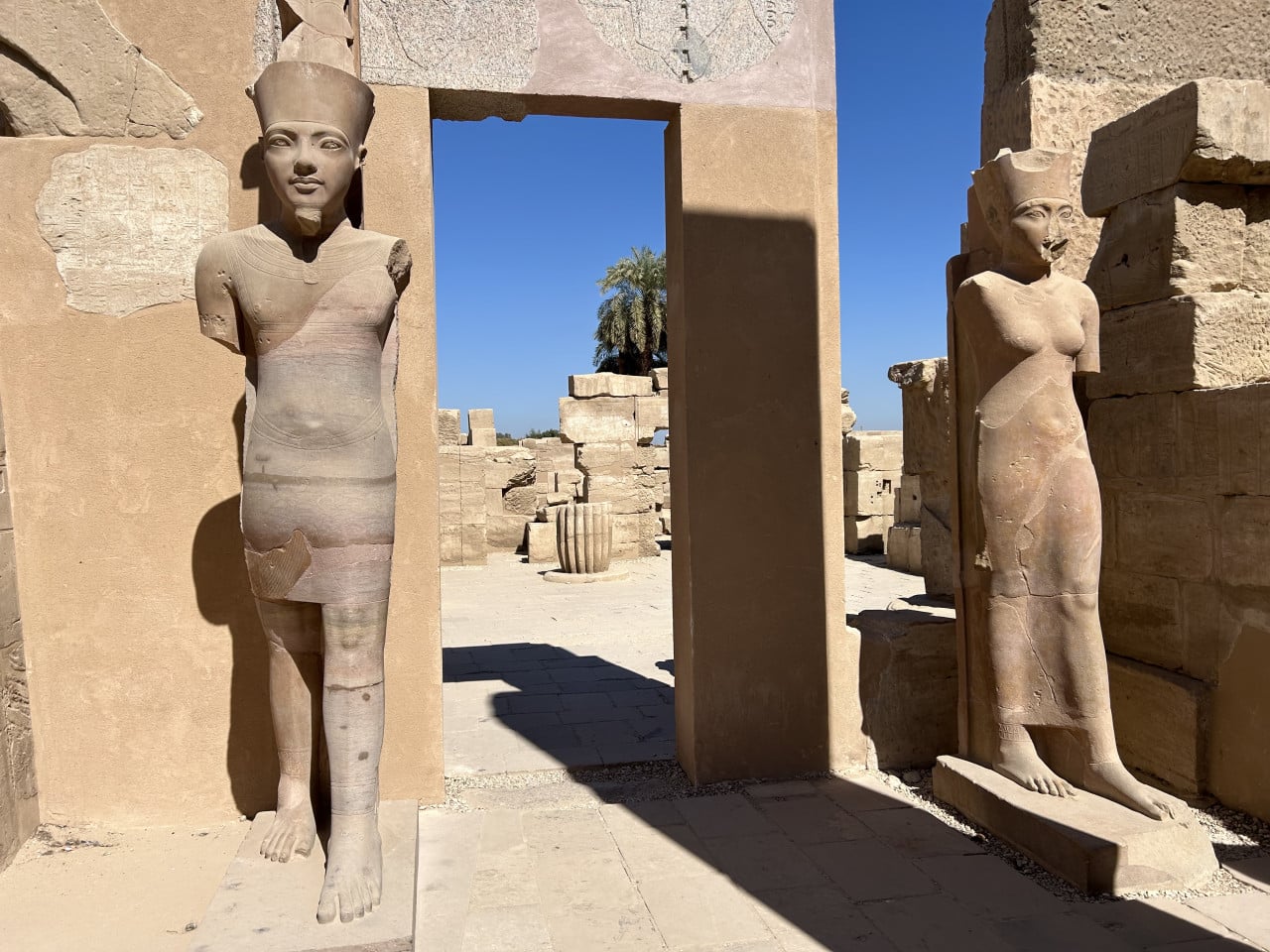
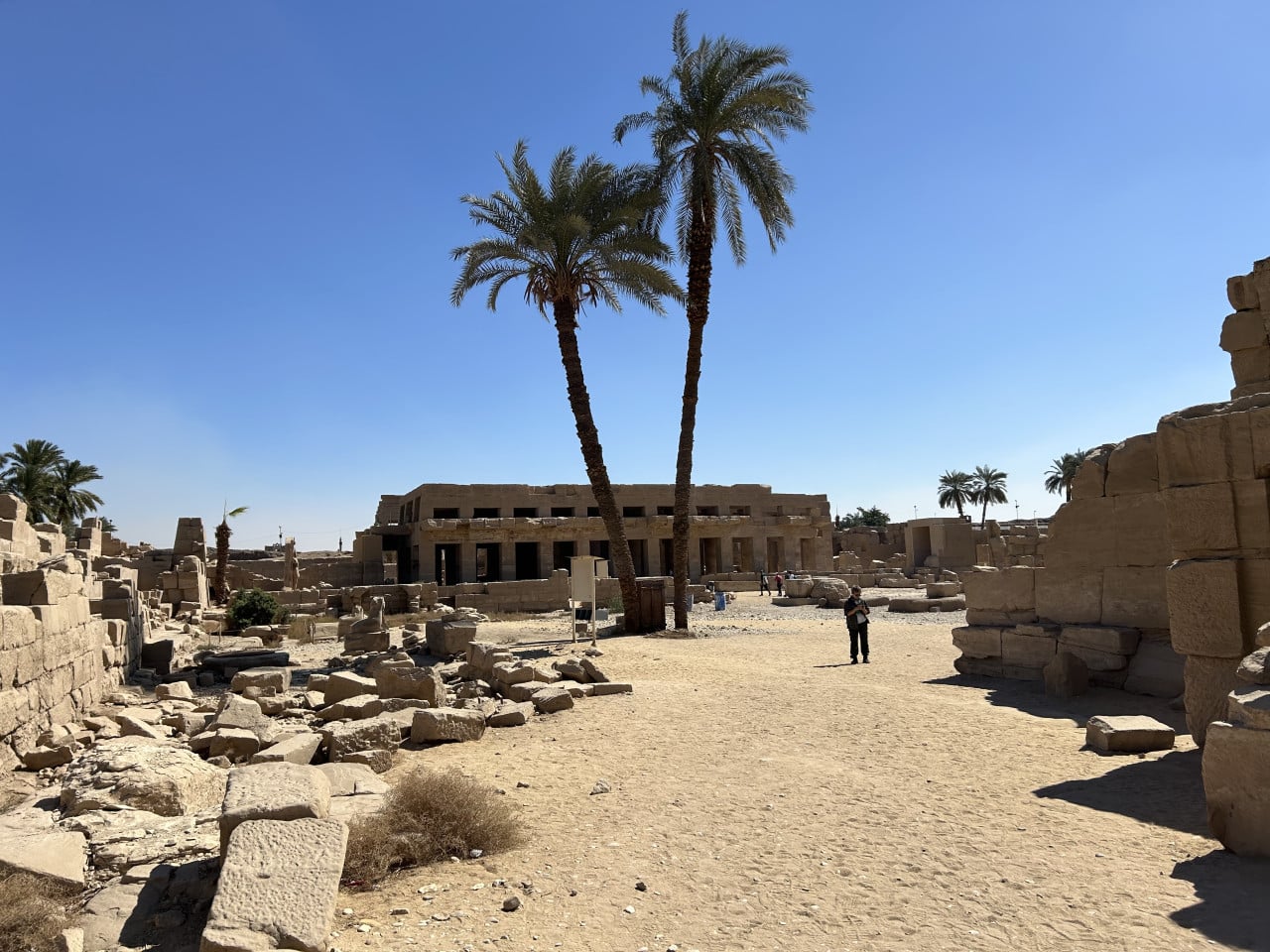
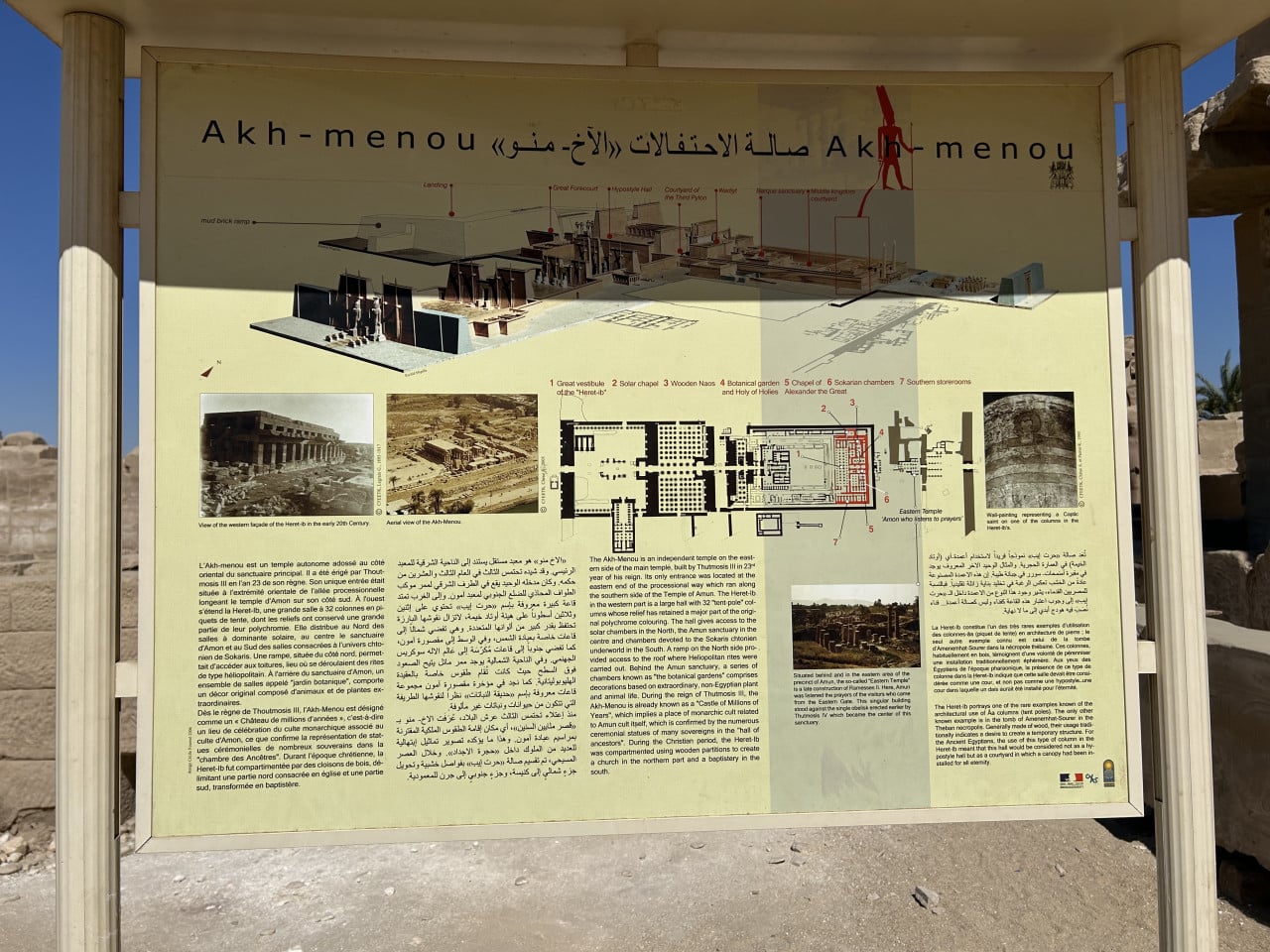
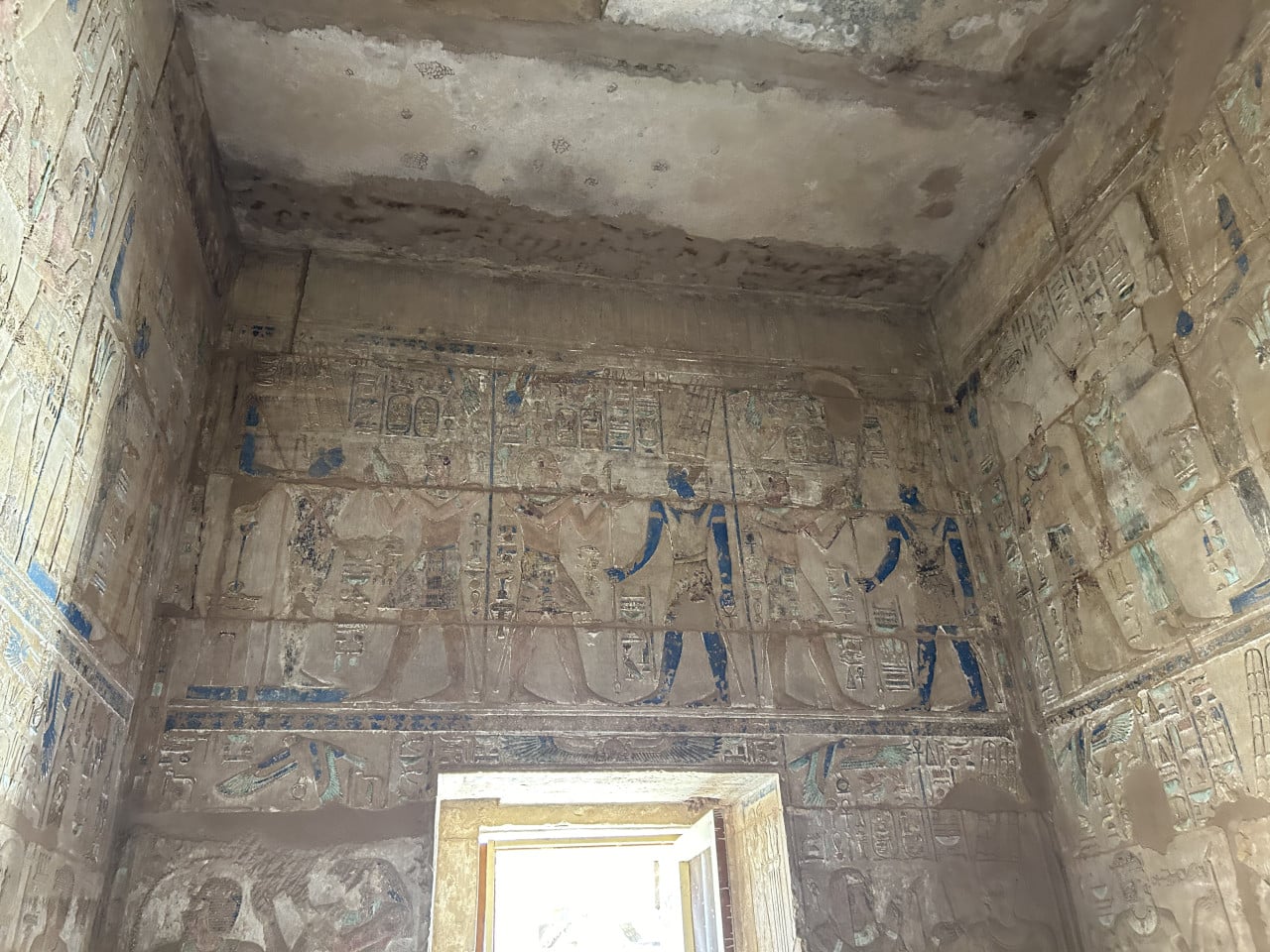
At the rear of the complex, we also reached Akh-menu, the festival temple of Pharaoh Thutmose III. He was one of Egypt's most successful military commanders and significantly expanded both Egypt's territory and wealth during his reign.
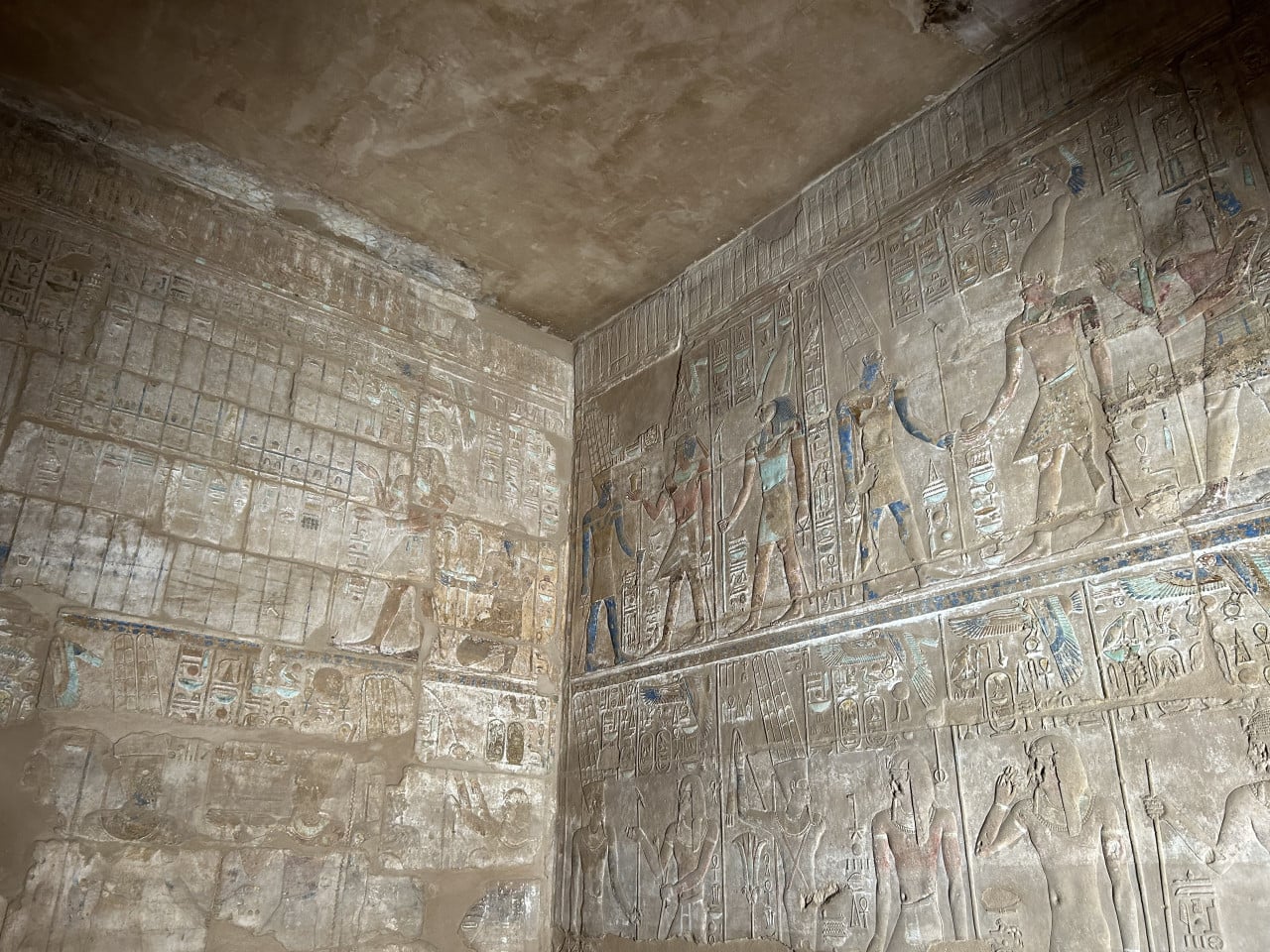
Akh-menu was associated with his royal jubilee, the cult of the ruler himself, the god Amun, and the veneration of royal ancestors. The so-called Hall of Ancestors originally depicted 61 earlier Egyptian kings to whom Thutmose III made offerings. (Digital Karnak)
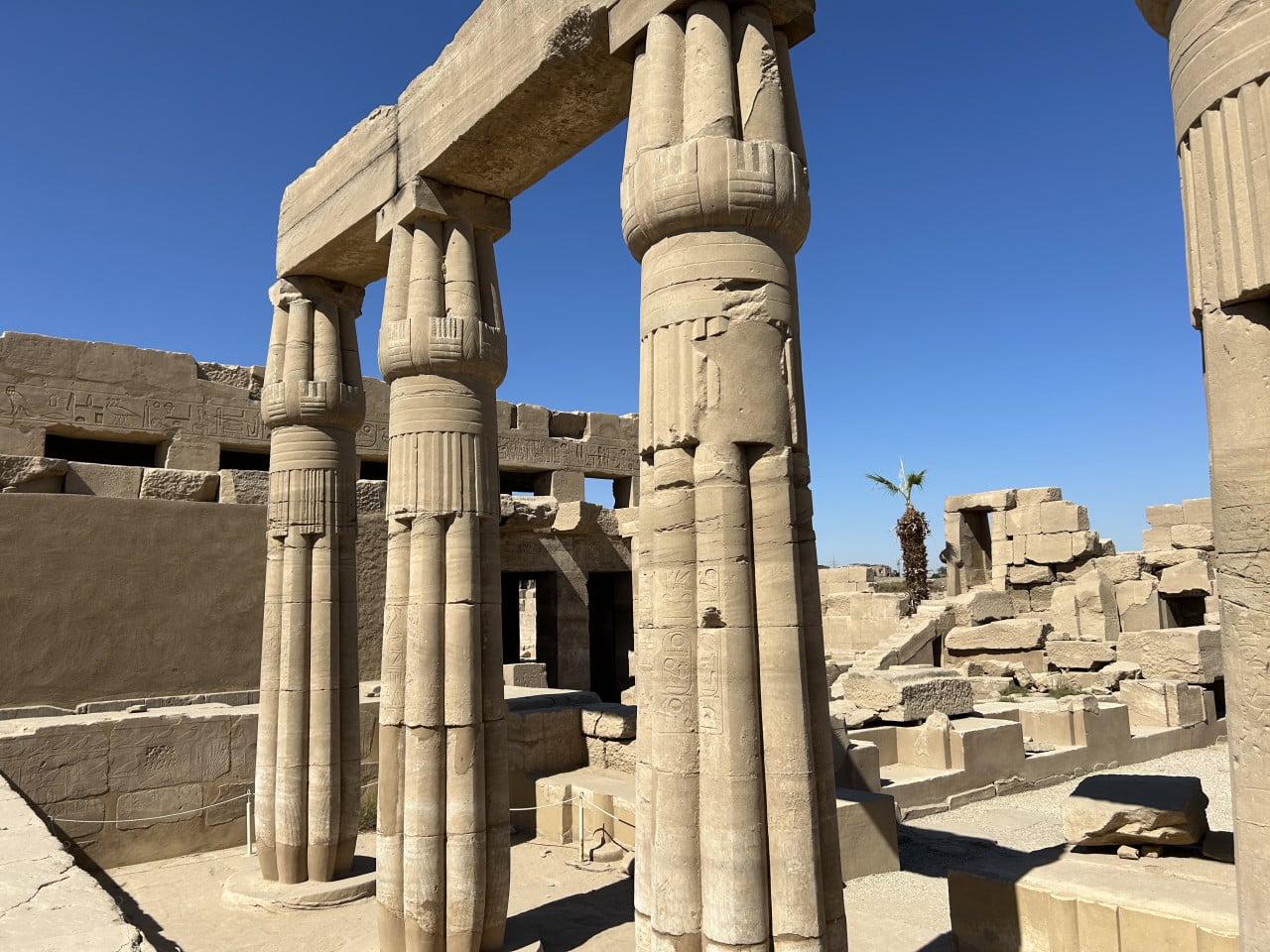
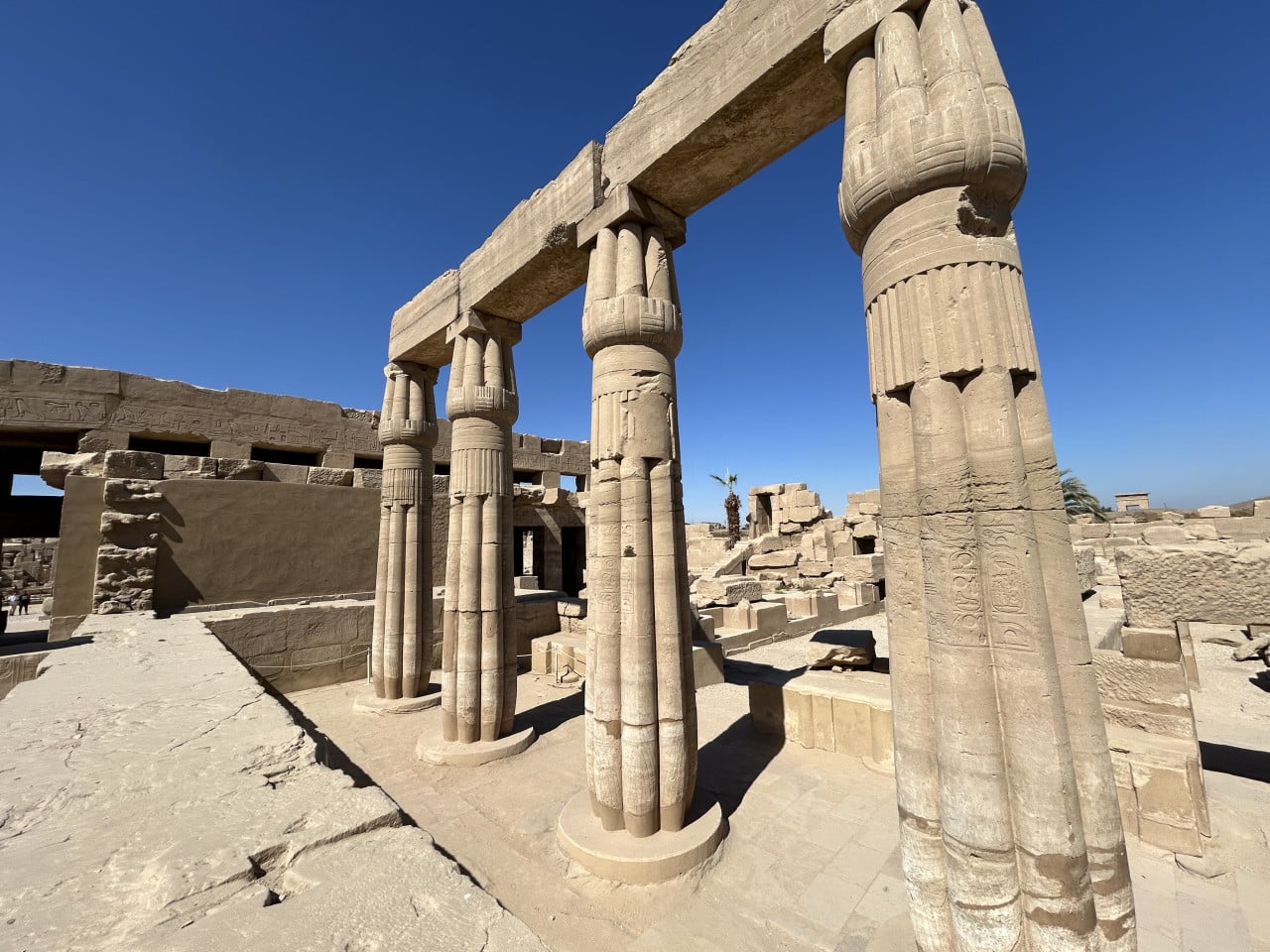
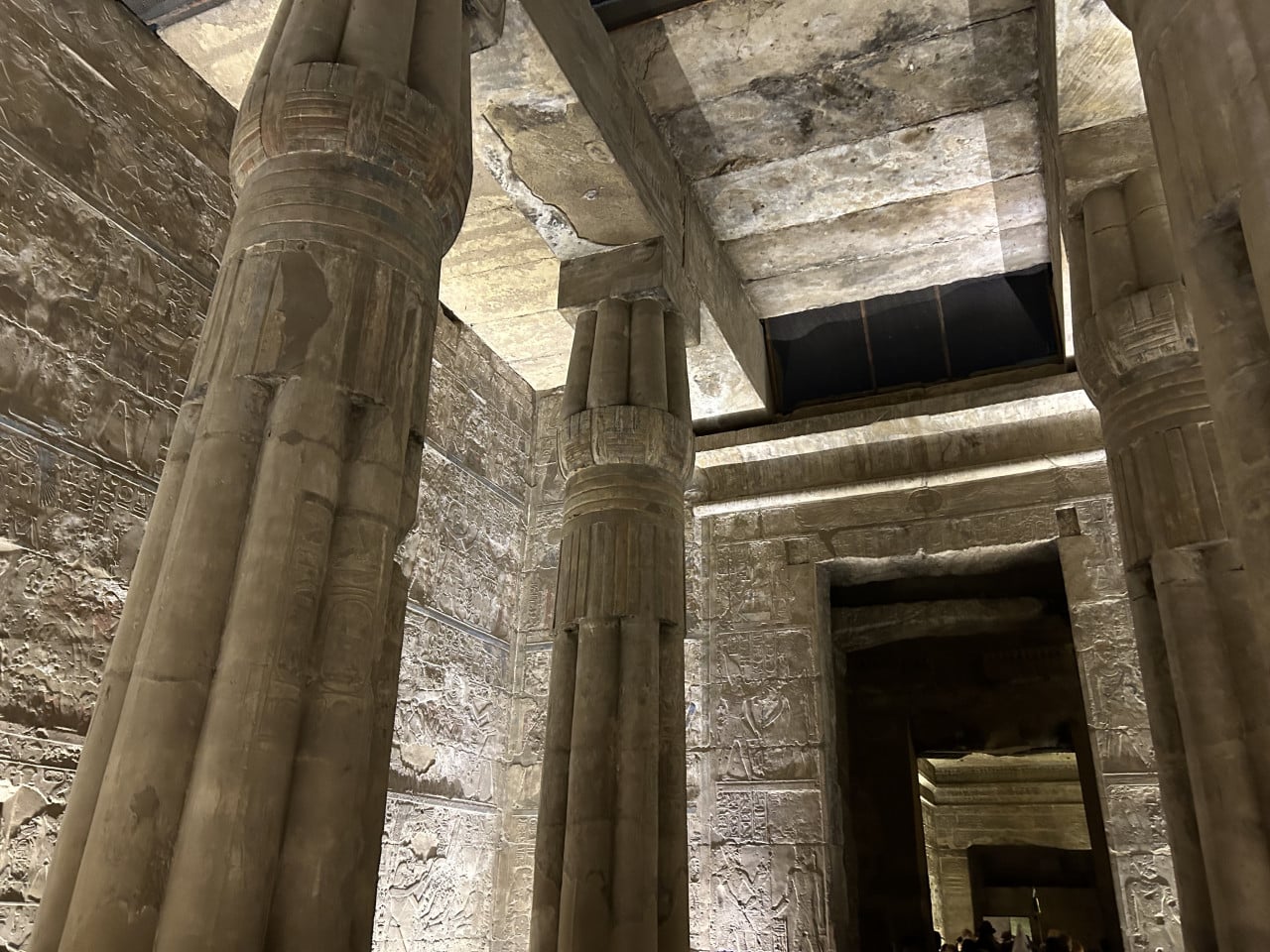
The columns here are particularly interesting. Unlike ordinary papyrus columns, they are designed to resemble wooden poles supporting a military tent. They probably referred to the numerous military campaigns of Thutmose III. The ceiling was originally blue and dotted with yellow stars, so it was intended to represent the sky. (Digital Karnak)
Akh-menu also included the so-called Botanical Chamber. Its walls depict unusual plants and animals that the ruler was said to have encountered during his foreign expeditions. In other sections, worship was devoted not only to Amun and the royal ancestors but also to solar gods and deities associated with the underworld, such as Sokar. (Digital Karnak)
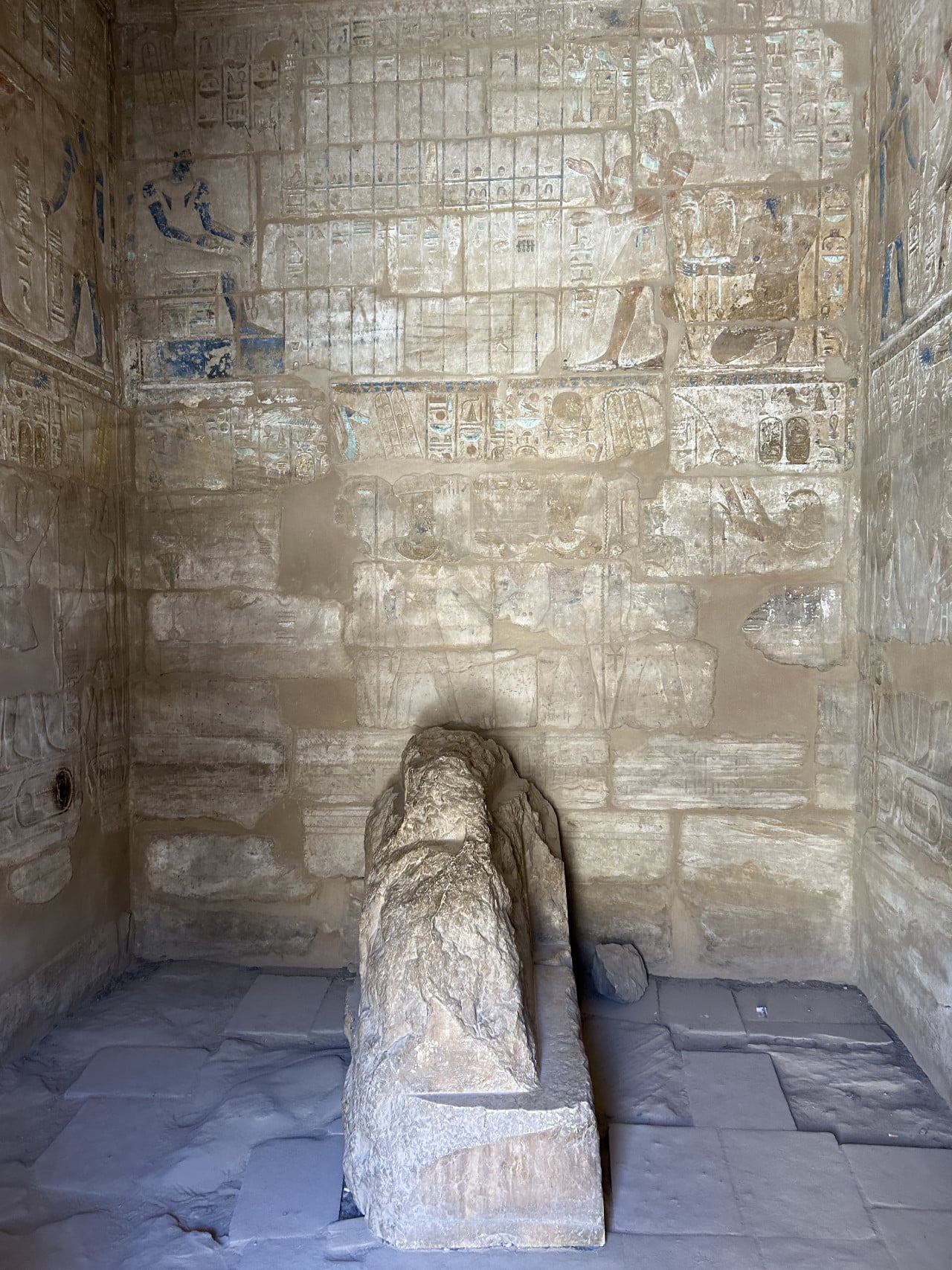
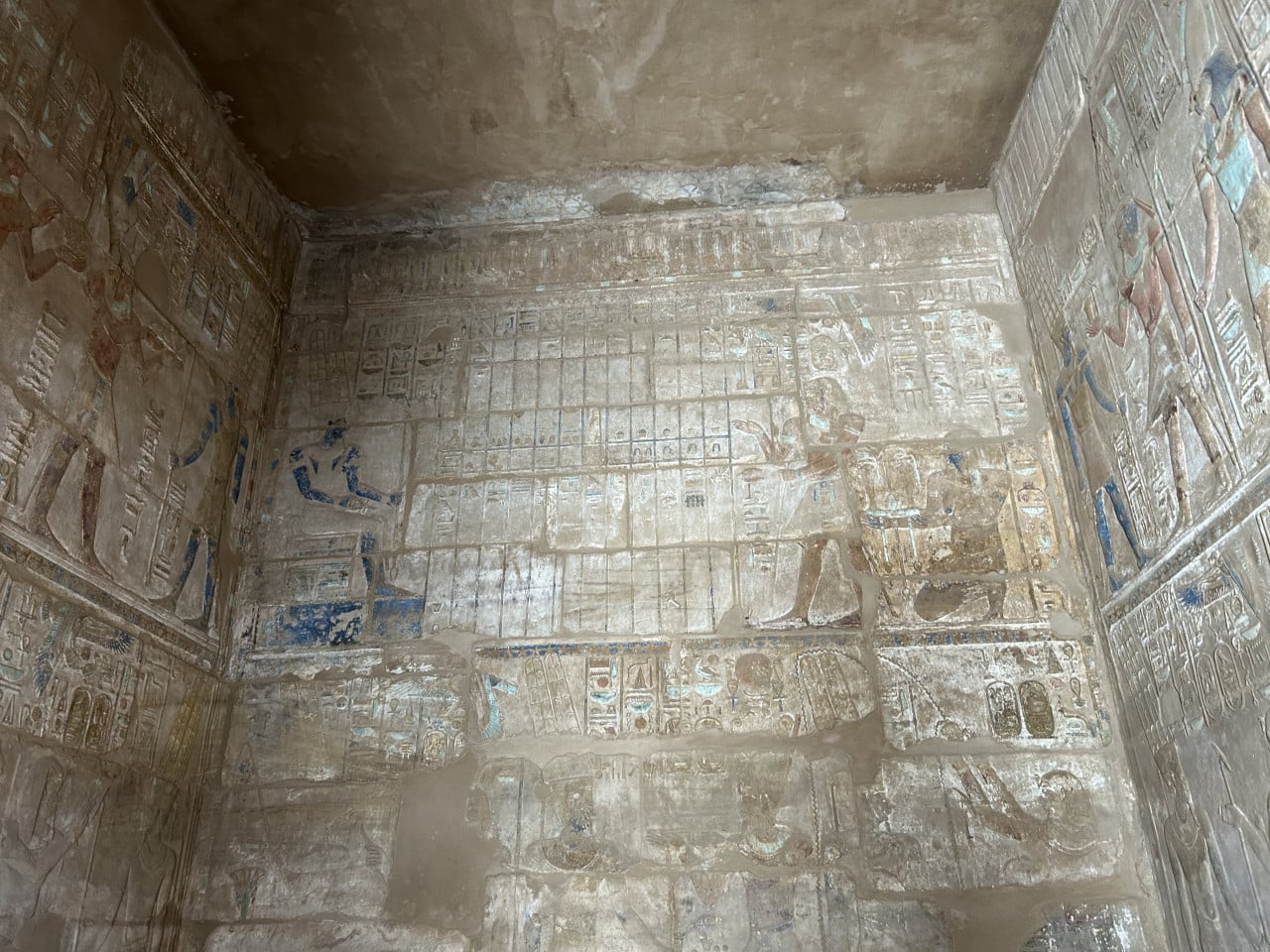
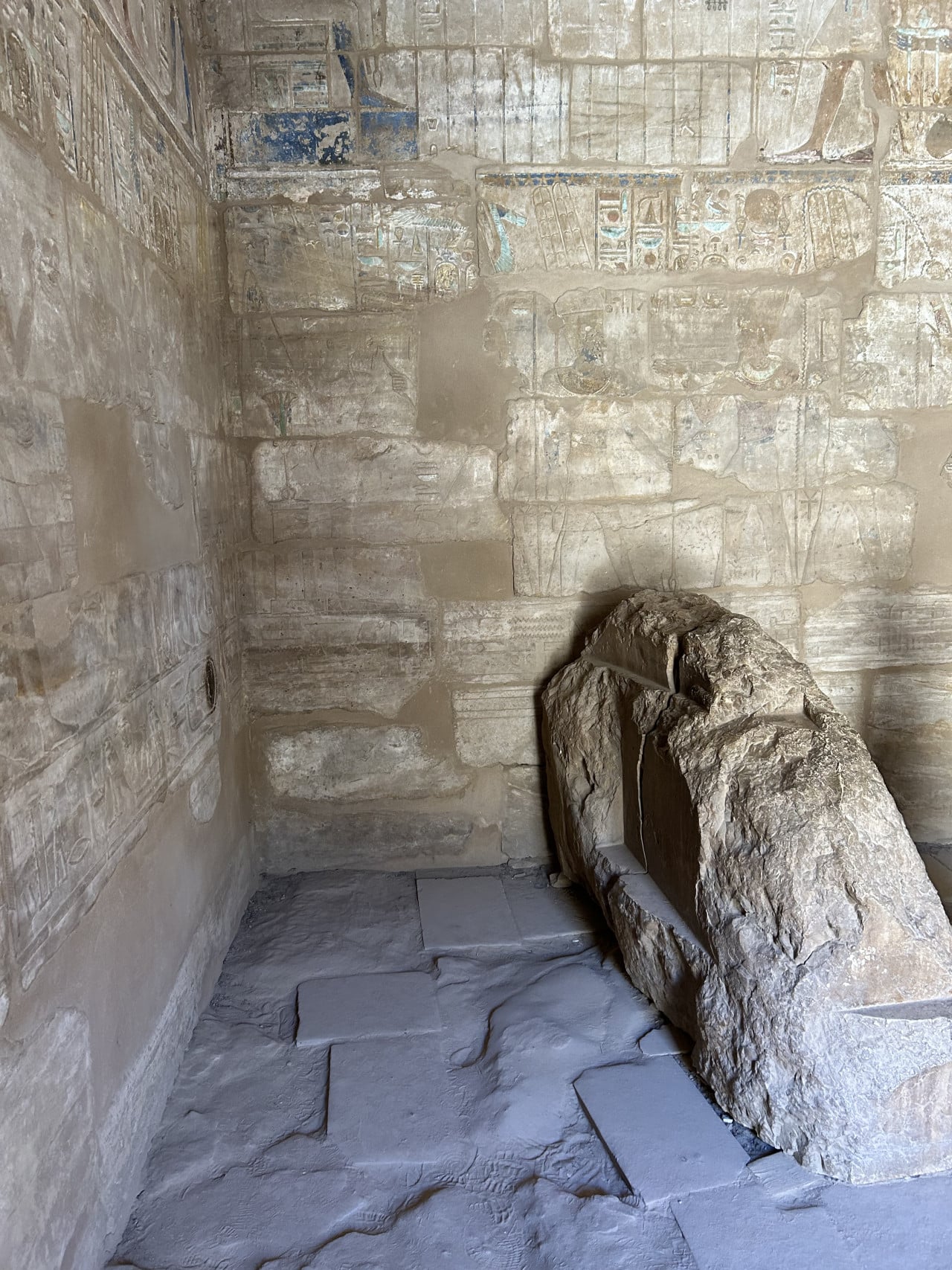
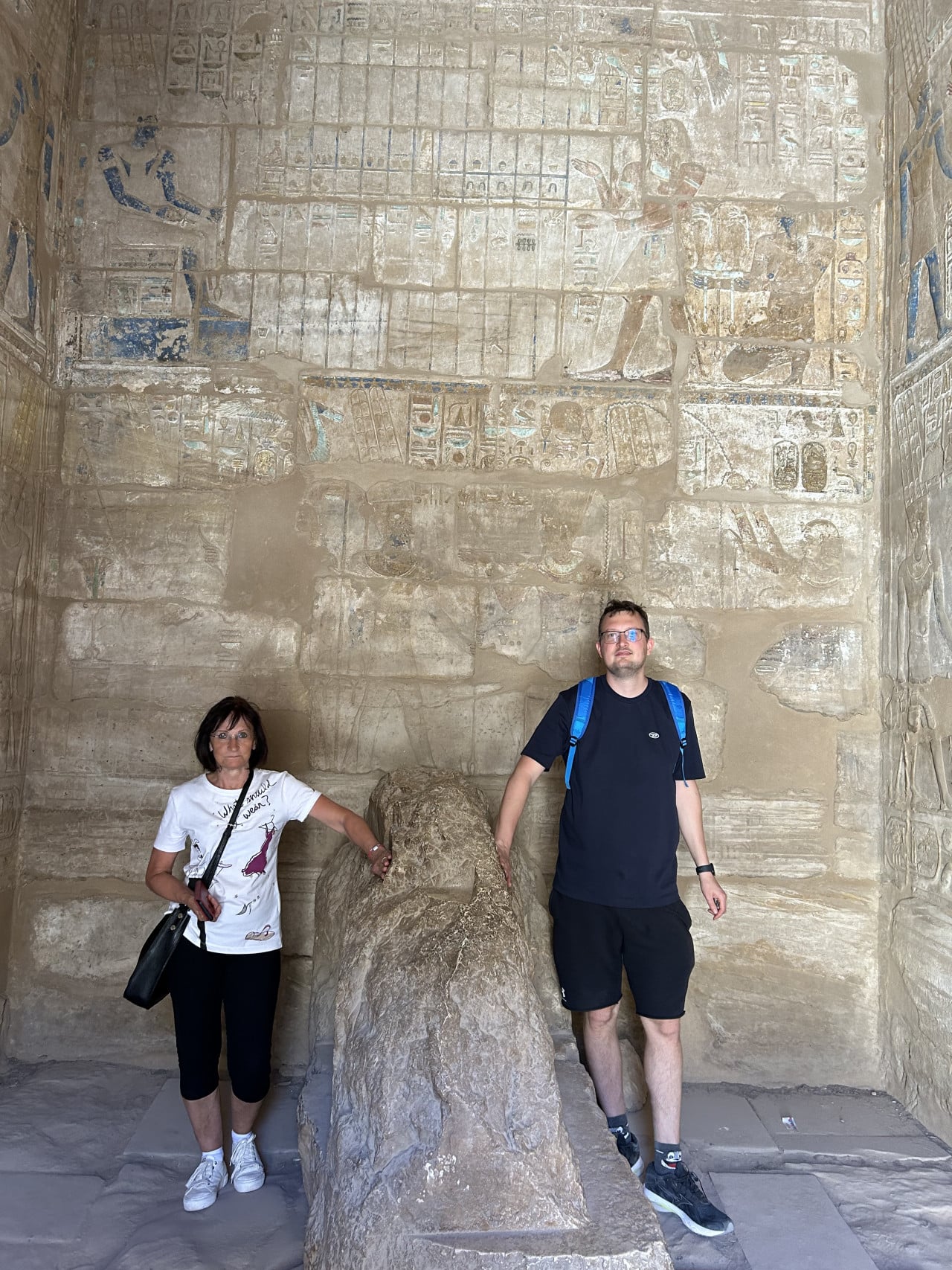
In one of the smaller rooms that still retained some of its color, we came across a badly damaged statue resembling a mummy lying on a stone bed. However, it was neither a sarcophagus nor actual remains. It was probably a cult image of the god Sokar, who was closely associated with Osiris and the concept of death and subsequent rebirth. Secret religious ceremonies took place in this part of Akh-menu and were intended to symbolically restore the god's body and preserve the eternal order of the world.
The large stone in the room
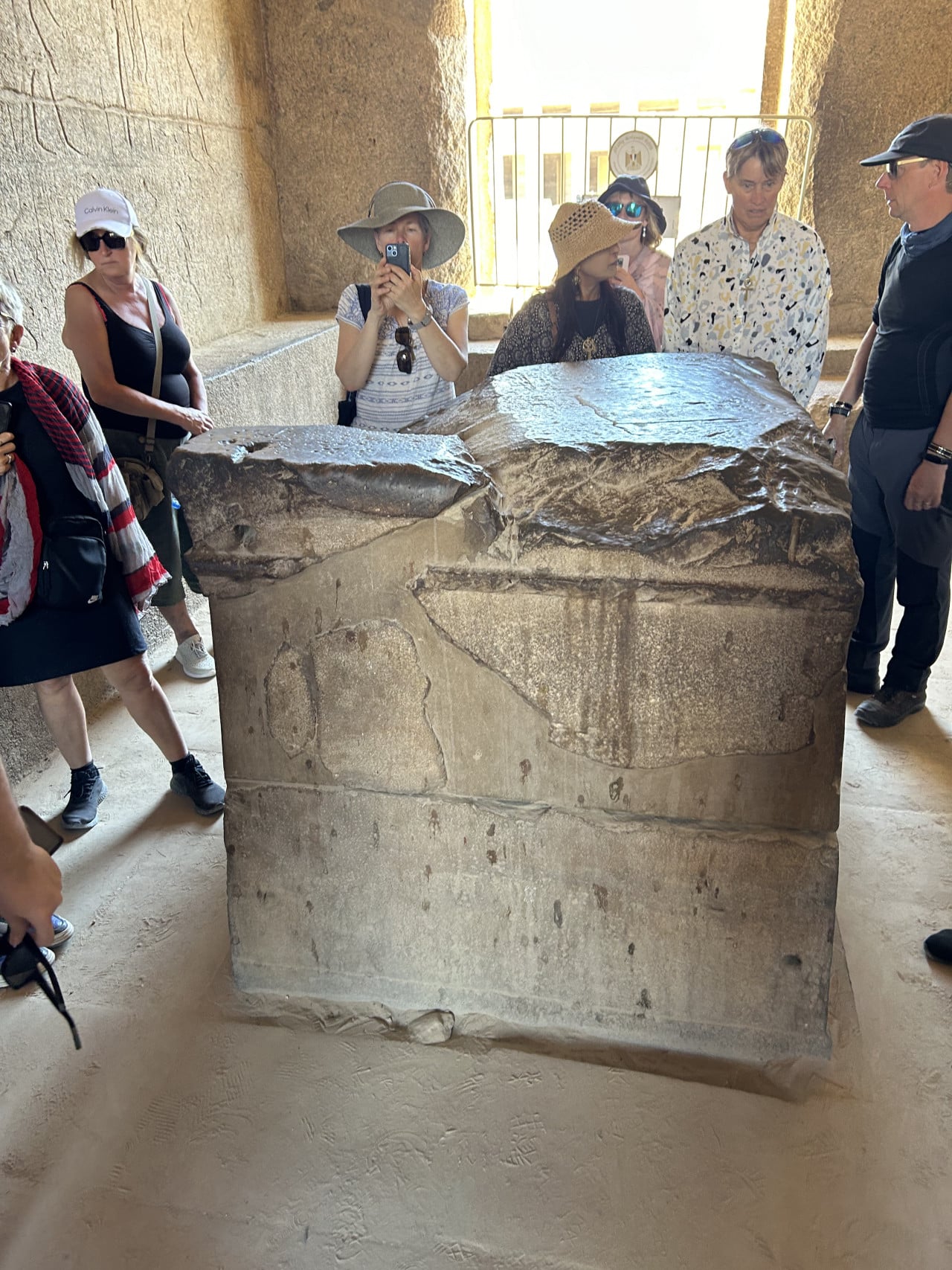
In one of the interior rooms, we saw a large stone block surrounded by several people. At first glance, it was not at all clear what purpose it might have served.
It was, however, a pedestal in the sanctuary of the sacred barque. The portable boat carrying the concealed statue of the god Amun was placed upon it. It was therefore neither a sarcophagus nor a stone intended for mummification but a kind of altar and resting place for the divine barque. (Digital Karnak)
The present granite sanctuary was built in the 4th century BC by the Macedonian ruler Philip III Arrhidaeus. He claimed that he had created a faithful copy of the older sanctuary of Thutmose III. It is interesting that even rulers who came many centuries after the great Egyptian pharaohs still respected the local religious traditions and had themselves depicted as their successors. (Digital Karnak)
The temple as an image of the creation of the world
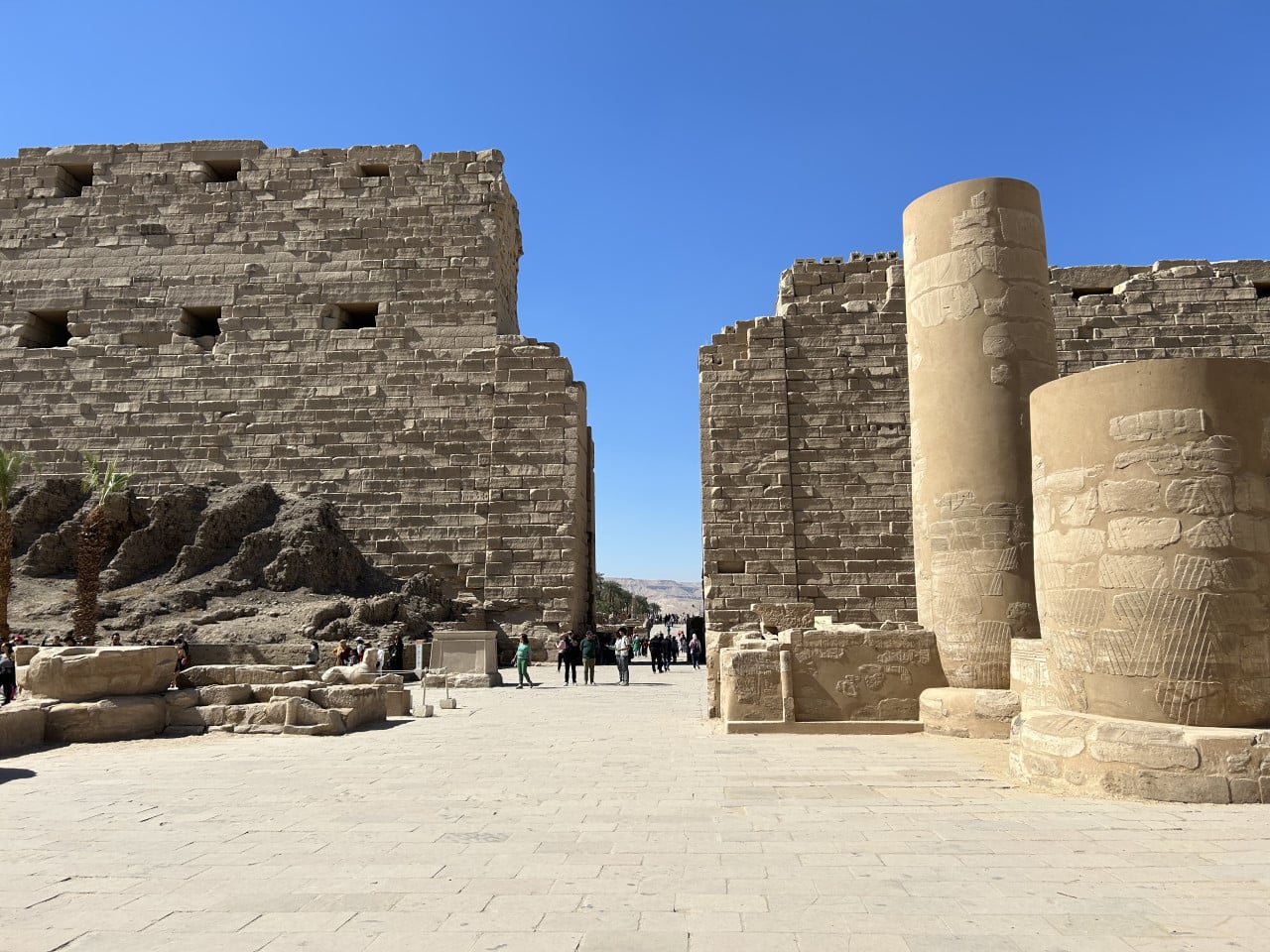
Karnak was not designed merely to look magnificent. The entire Egyptian temple was intended to represent the world at the moment of its creation.
The massive pylons symbolized the horizon above which the sun rises. The ceiling represented the sky, the papyrus and lotus columns the primordial marshes, and the floor gradually rose toward the innermost sanctuary, as though one were ascending the first mound that, according to Egyptian belief, emerged from the primordial waters. The deeper one entered the temple, the smaller, darker, and more sacred the rooms became. (Smarthistory)
This is also why Karnak feels different from typical historical ruins. It was not merely a collection of buildings. Every column, gateway, obelisk, and relief had its place in the religious image of the world.
Karnak at night
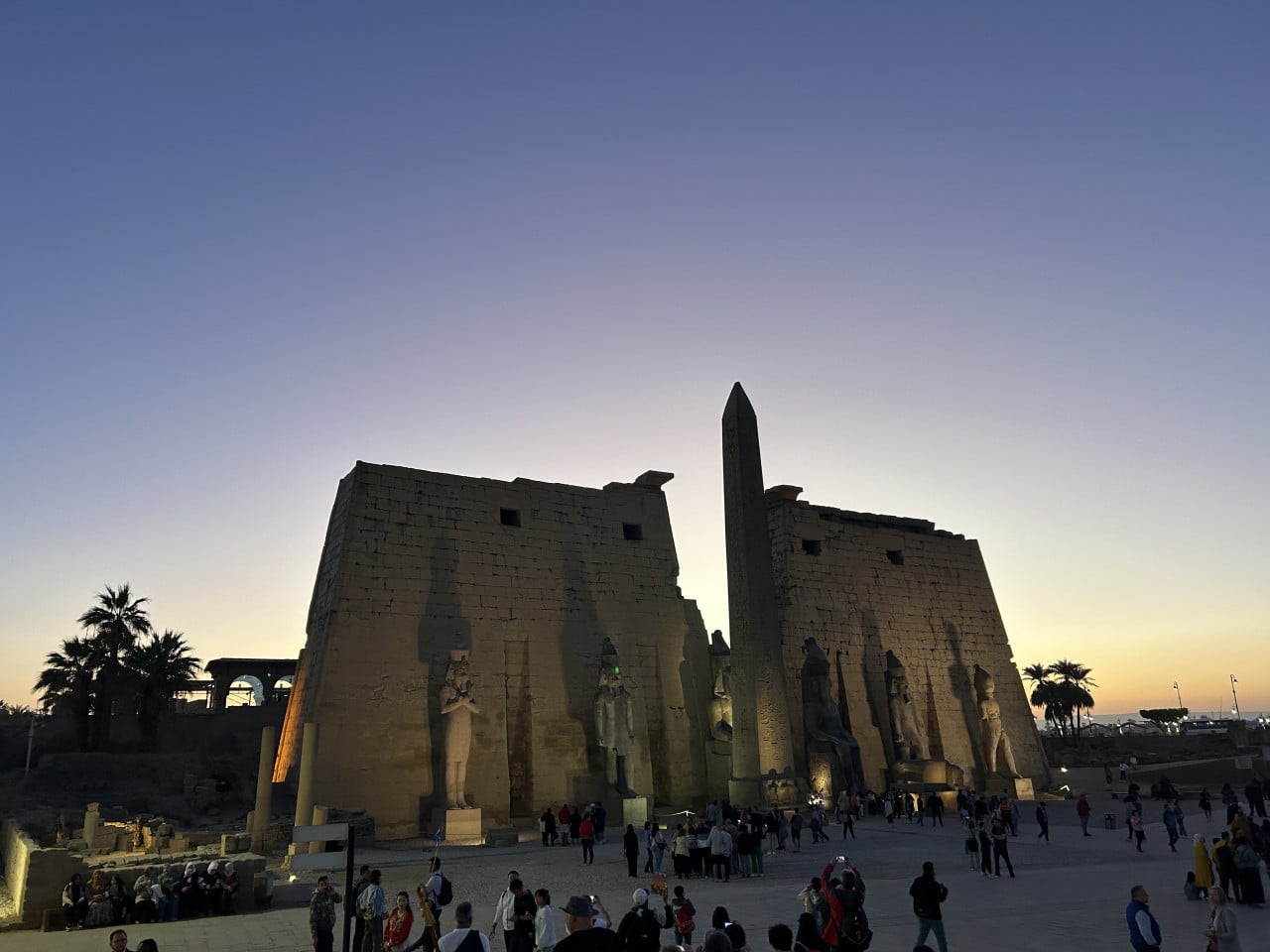
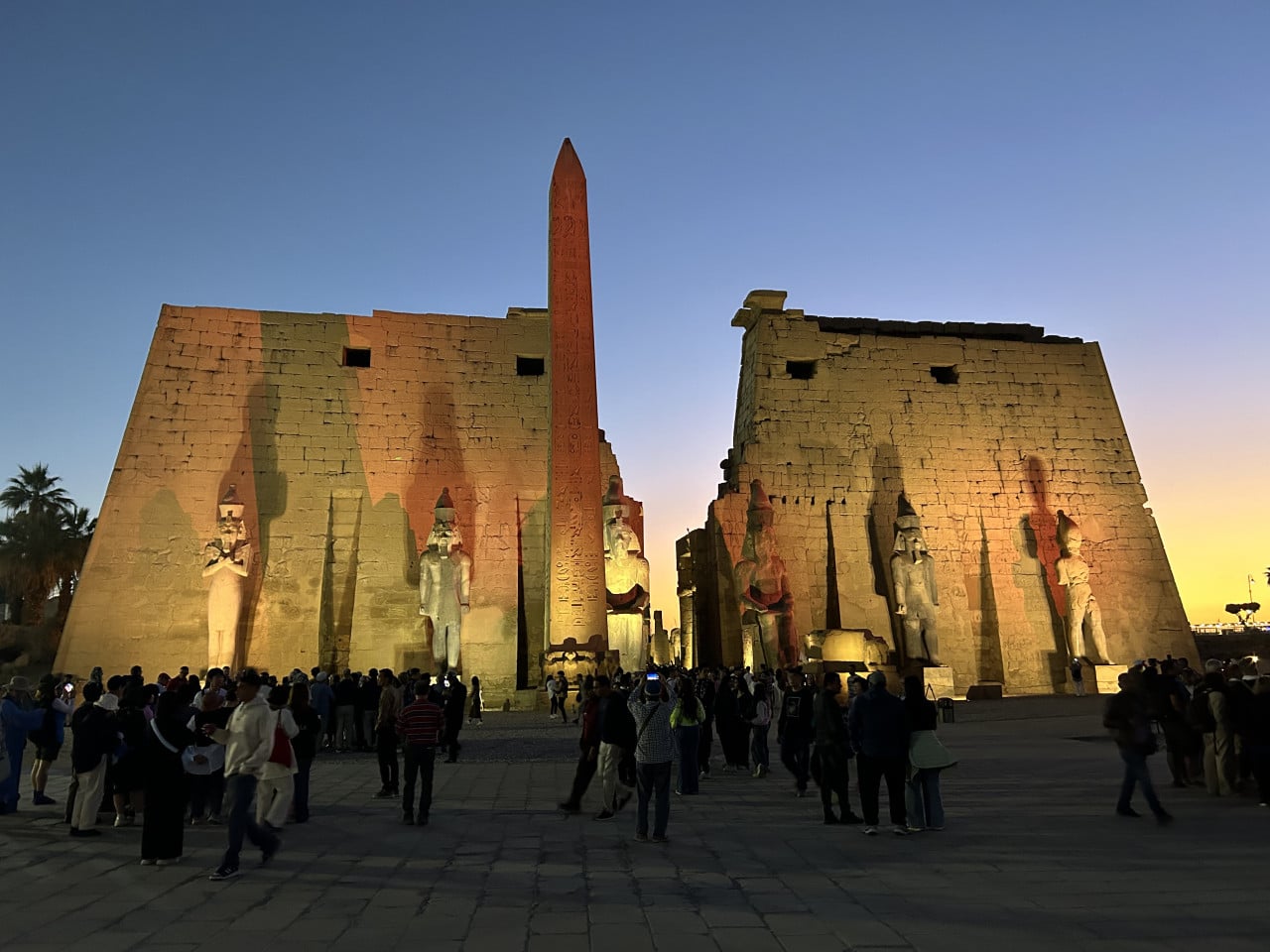
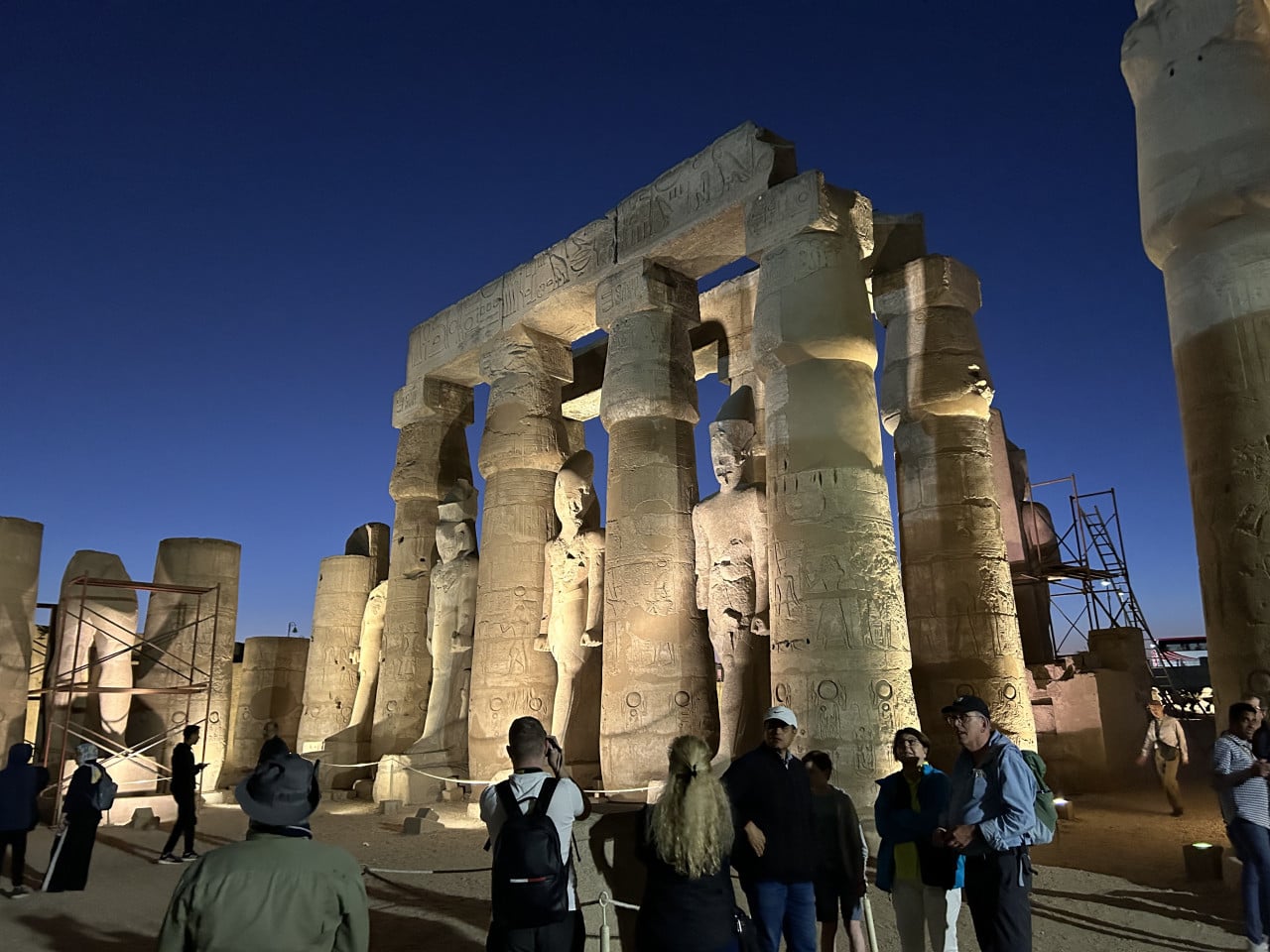
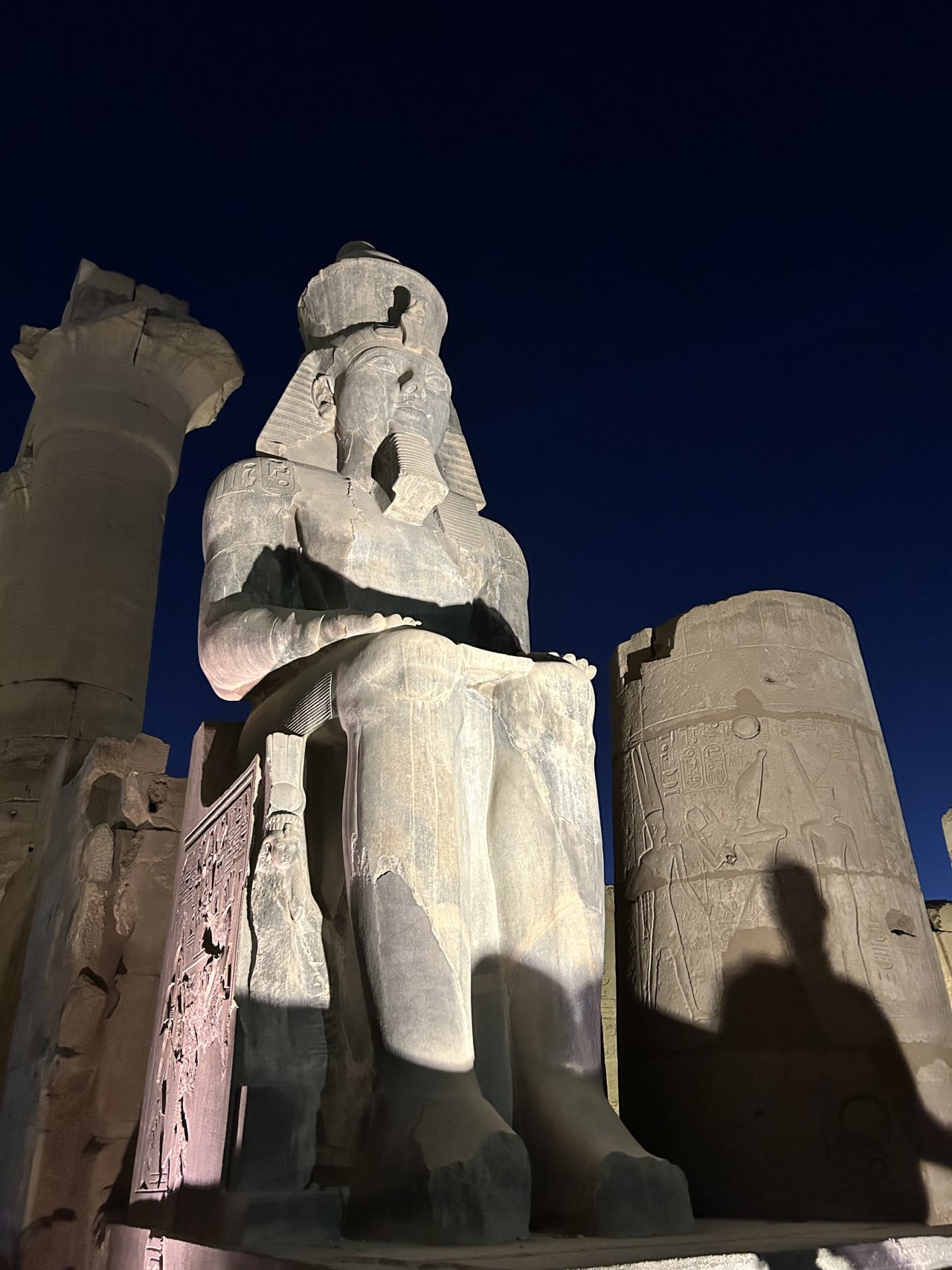
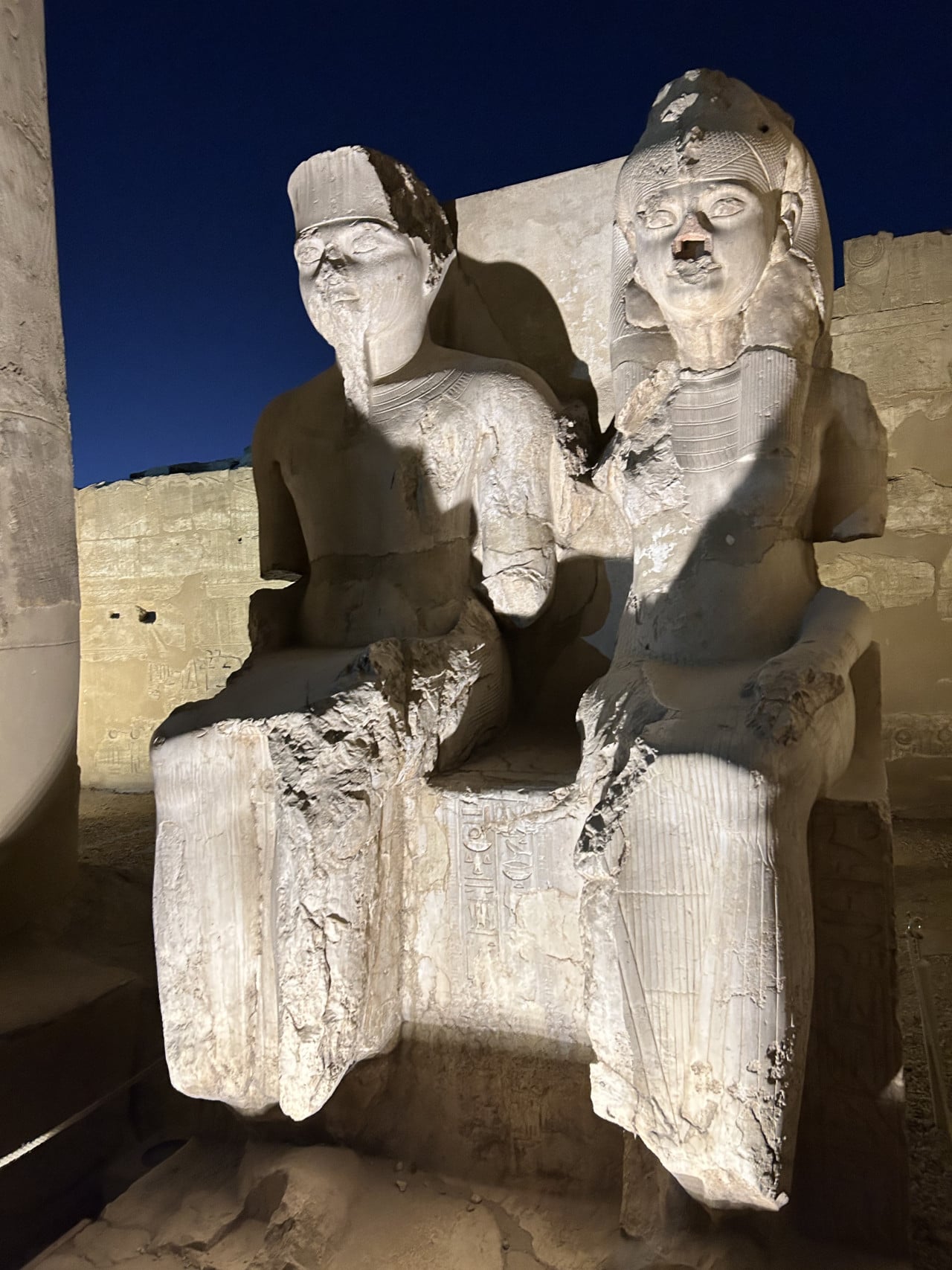
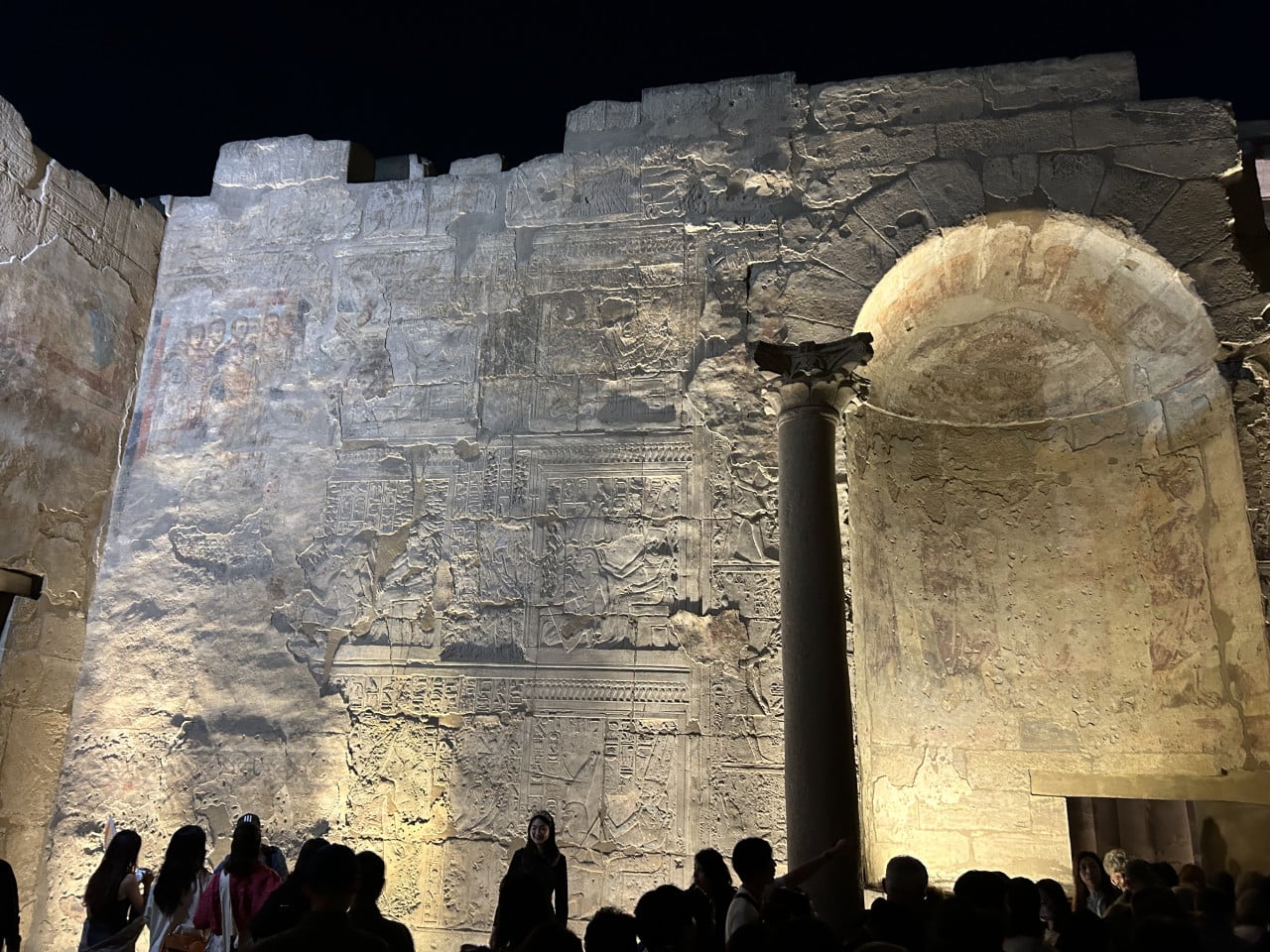
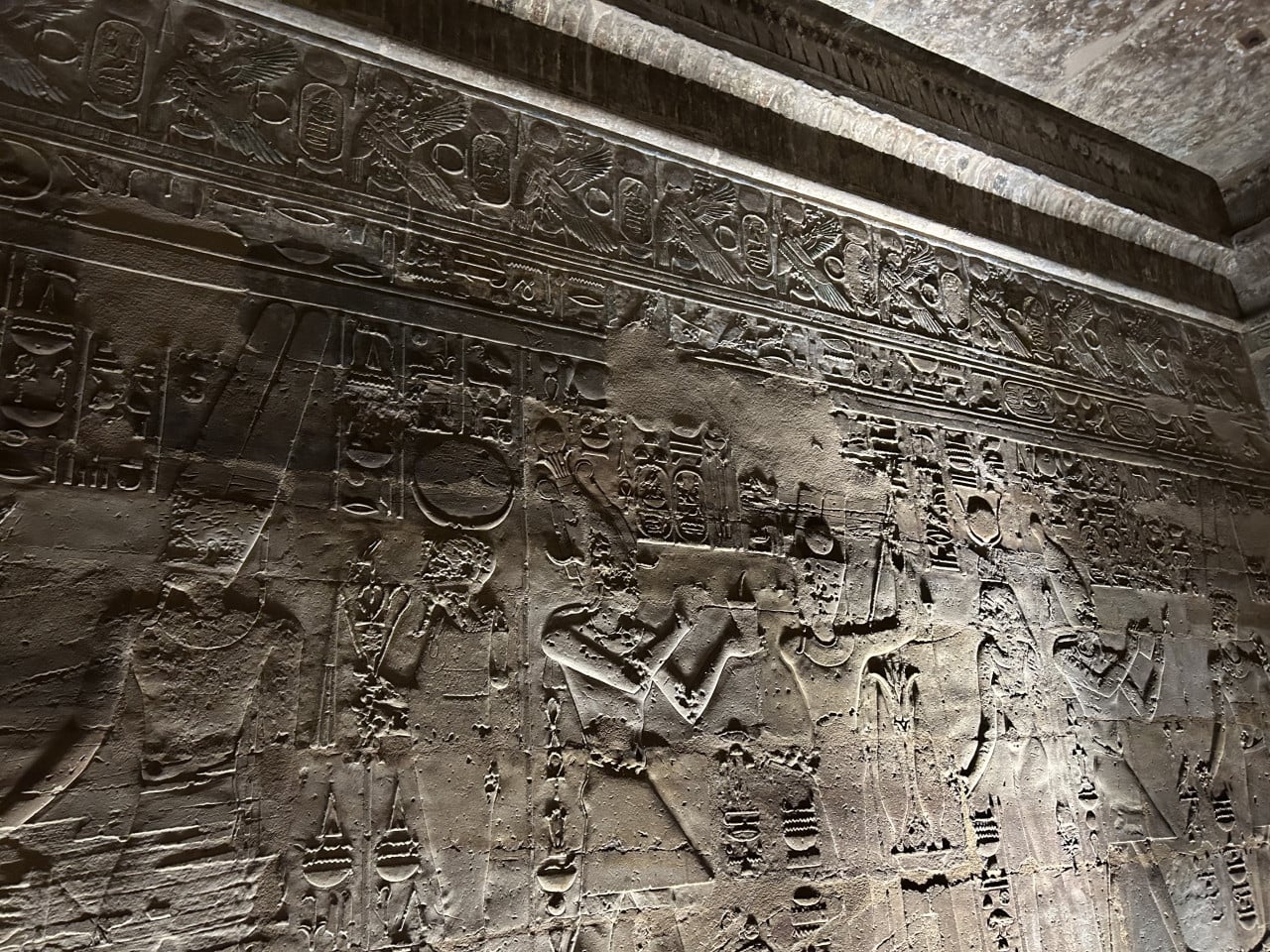
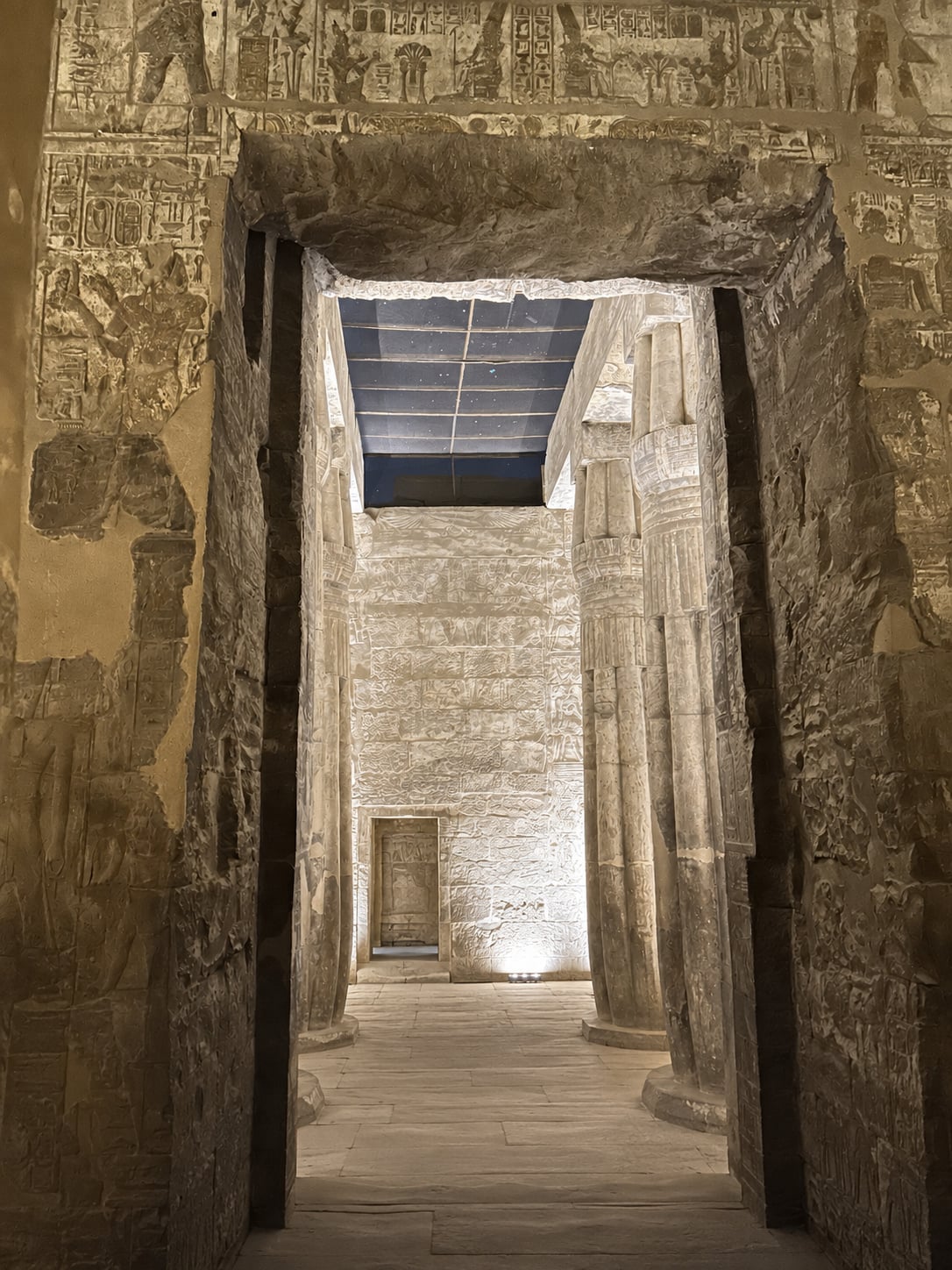
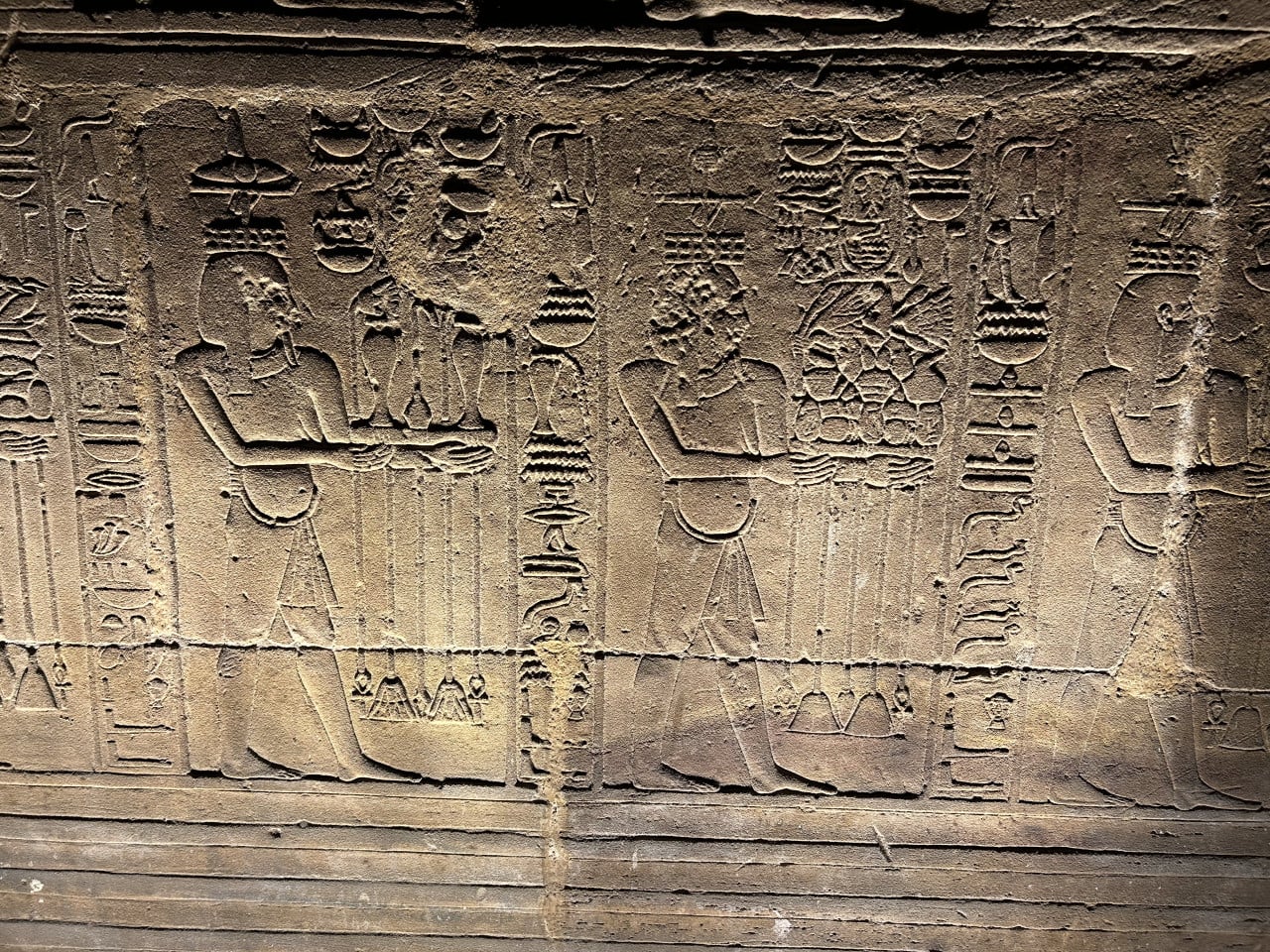
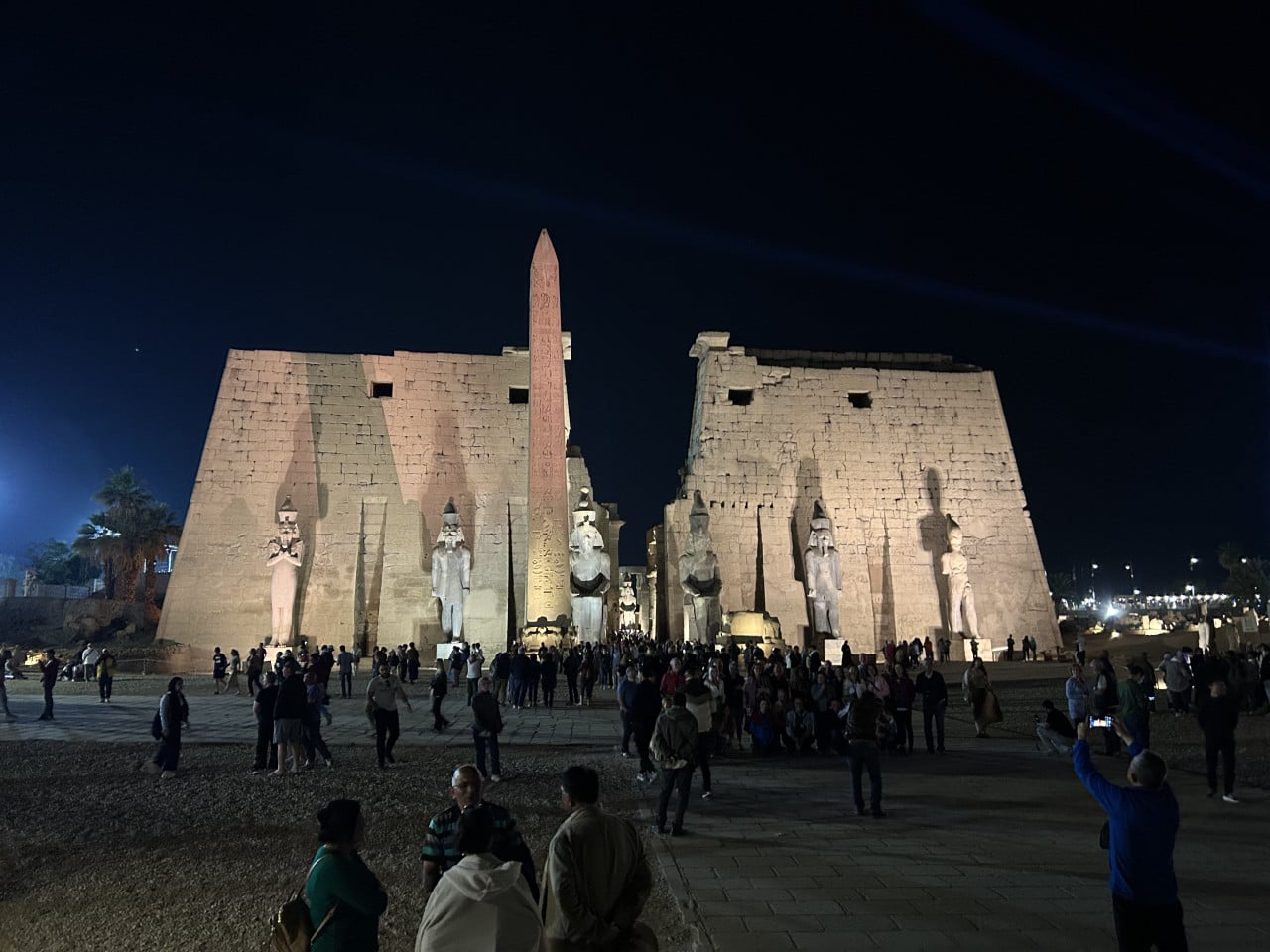
We also returned to Karnak in the evening, when the entire complex was illuminated. Although a daytime visit is irreplaceable because of the wealth of detail, the site takes on an entirely different atmosphere at night.
The illuminated columns emerge from the darkness, the hieroglyphs cast dramatic shadows, and the enormous stone structures appear even more mysterious than in daylight. During the day, you mainly admire the scale and abundance of detail, while in the evening you become far more aware of the atmosphere of the entire place.
I would therefore recommend seeing Karnak both ways. During the day, you can walk through its individual sections and examine the reliefs, obelisks, and statues. At night, the entire temple seems as though it has briefly awakened once again.
What did I think of Karnak?
Karnak is a place you never forget. Not only because of its size but also because of the many stories concealed on practically every wall.
What impressed me most was the Great Hypostyle Hall, the rows of ram-headed sphinxes, the obelisk, and the overall feeling of walking through a place built over many generations by Egypt's most powerful pharaohs. Each of them tried to surpass their predecessors and leave behind something that would endure through the ages.
And at Karnak, they succeeded. Even after thousands of years, you stand here among enormous monuments, look upward, and wonder how anything like this could ever have been created. That is precisely why Karnak is one of my favorite monuments in all of Egypt.