The Valley of the Kings is one of my favorite places in Egypt. It is exactly the kind of destination where you know in advance that you will see something historically significant, but only once you arrive do you begin to realize how incredible the entire place really is.
We reached Luxor during a cruise along the Nile. From the ship, we continued by bus to the west bank of the river, where the Valley of the Kings is located. We set off at sunrise, which ultimately proved to be the ideal time. Not only because of the more pleasant temperature, but also because of what we saw along the way.
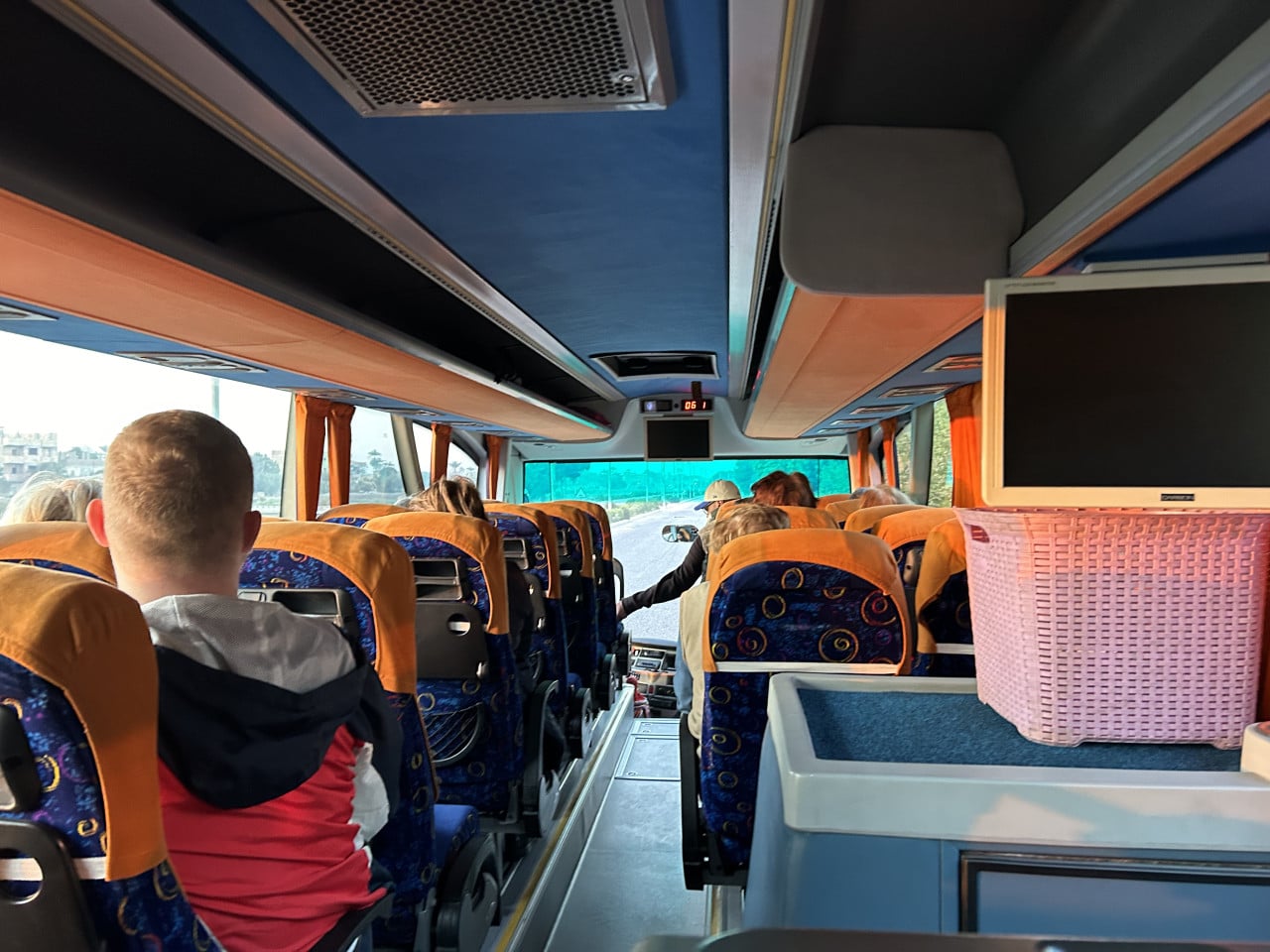
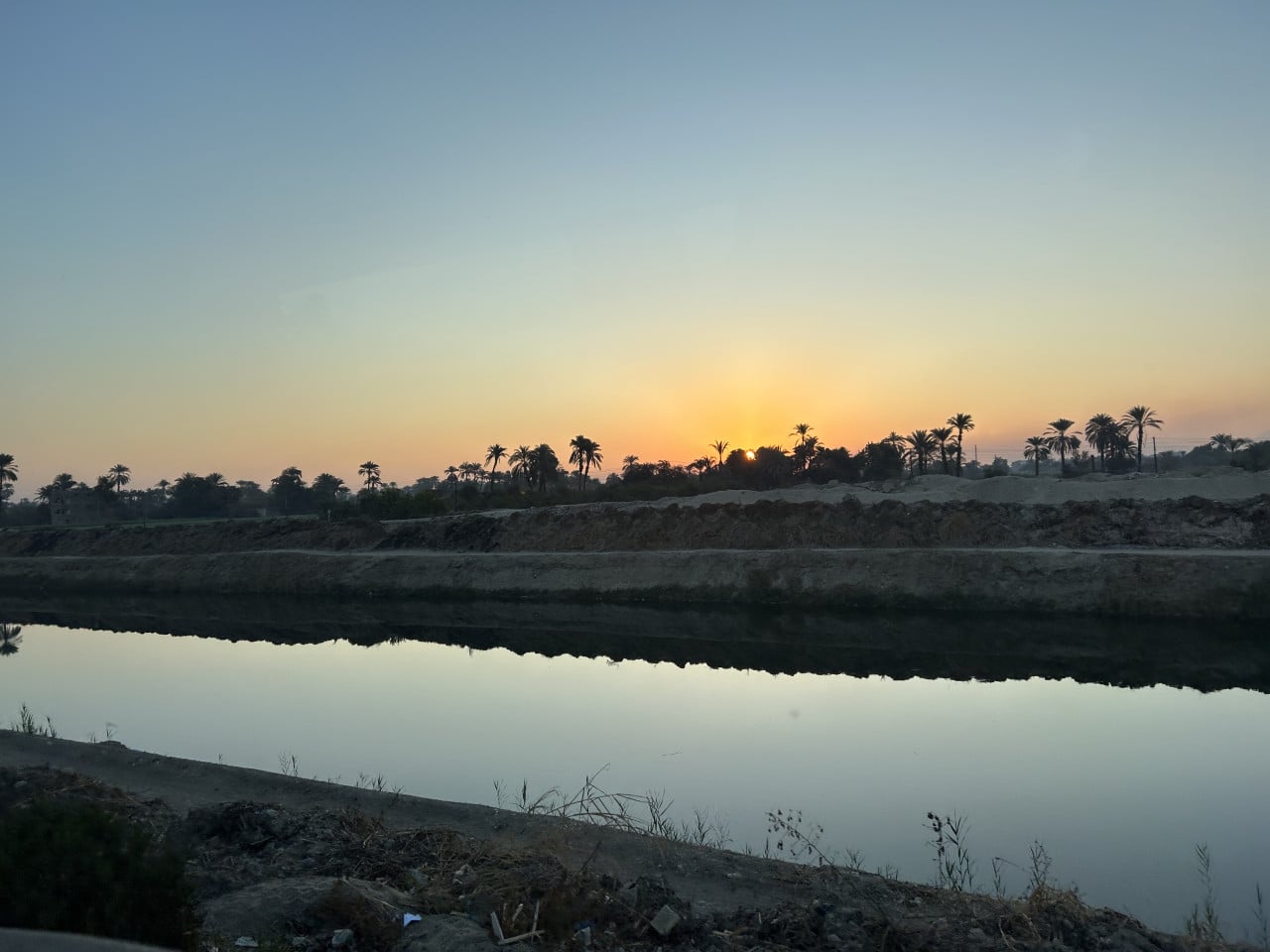
Balloons over Luxor and the journey to the Valley of the Kings
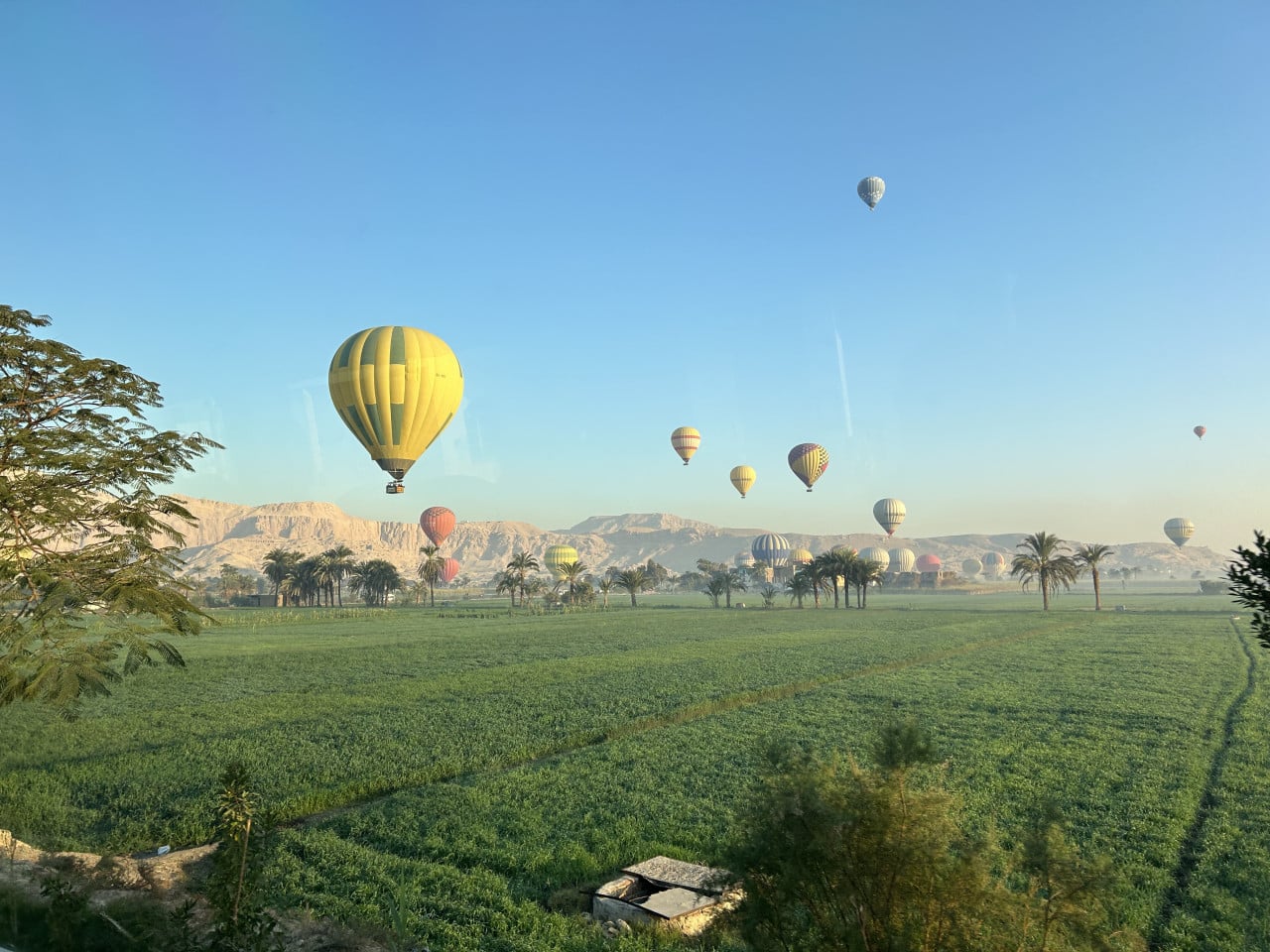
While riding on the bus, we noticed dozens of hot-air balloons flying over green fields, palm trees, and desert mountains. At first, I thought it was some kind of special event or festival. In fact, however, early-morning balloon flights are one of the most popular tourist attractions in Luxor.
Flights take place mainly early in the morning, when the wind tends to be calmer and it is also possible to watch the sunrise over the Nile. A flight usually lasts about 45 minutes, and from above you can see not only the Valley of the Kings, but also the Temple of Queen Hatshepsut, the surrounding necropolises, villages, and the green belt of land around the Nile. The Egyptian Tourism Authority ranks an early-morning balloon flight among the main experiences available in Luxor. (Experience Egypt)
When you see so many balloons in the air at once, it almost feels like Cappadocia in Turkey. I would definitely like to try such a flight on one of my future visits. The view of the desert, the Nile, and the ancient temples must be completely different from above than from the ground.
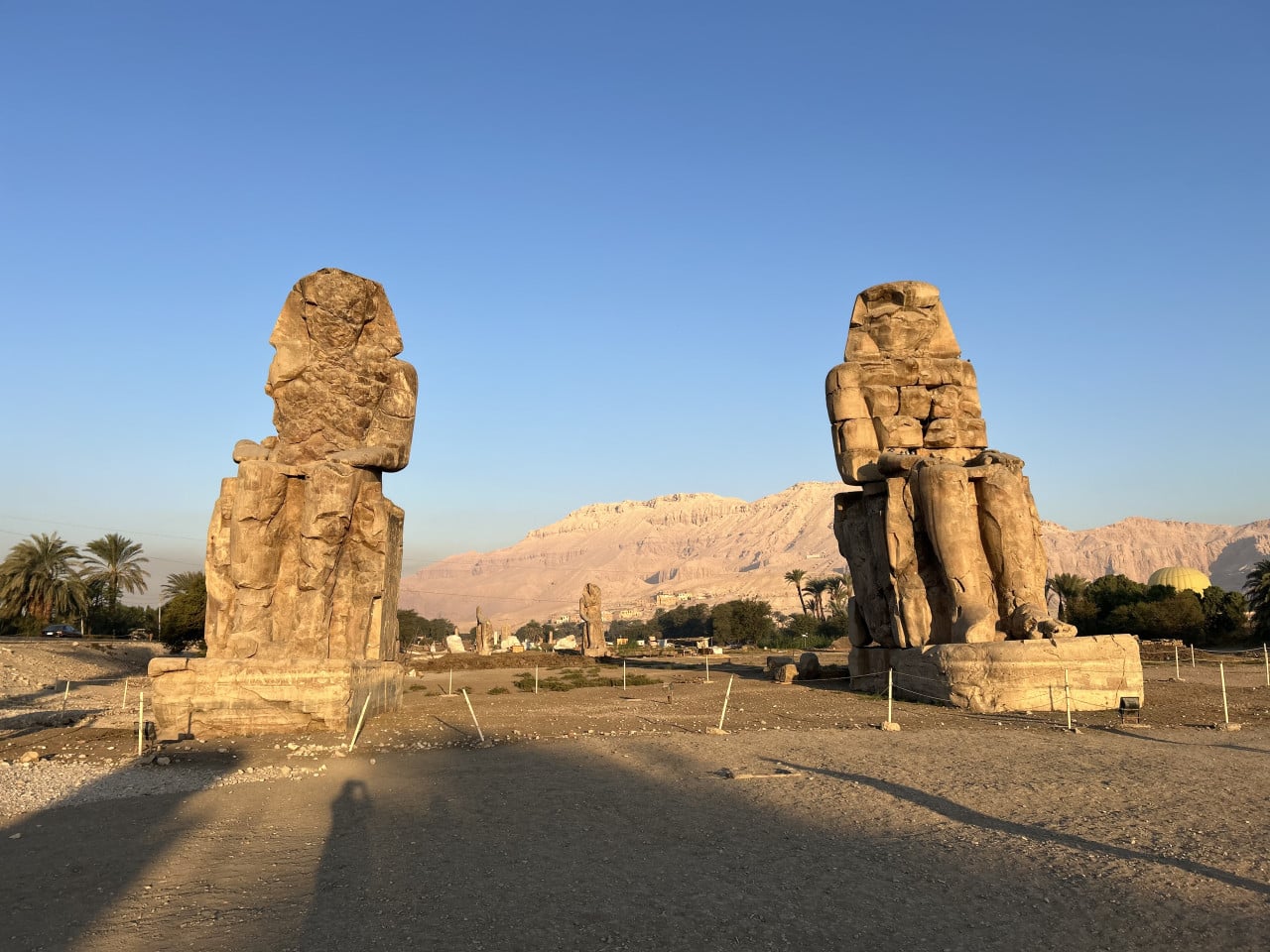
The Colossi of Memnon: enormous statues that once “sang”
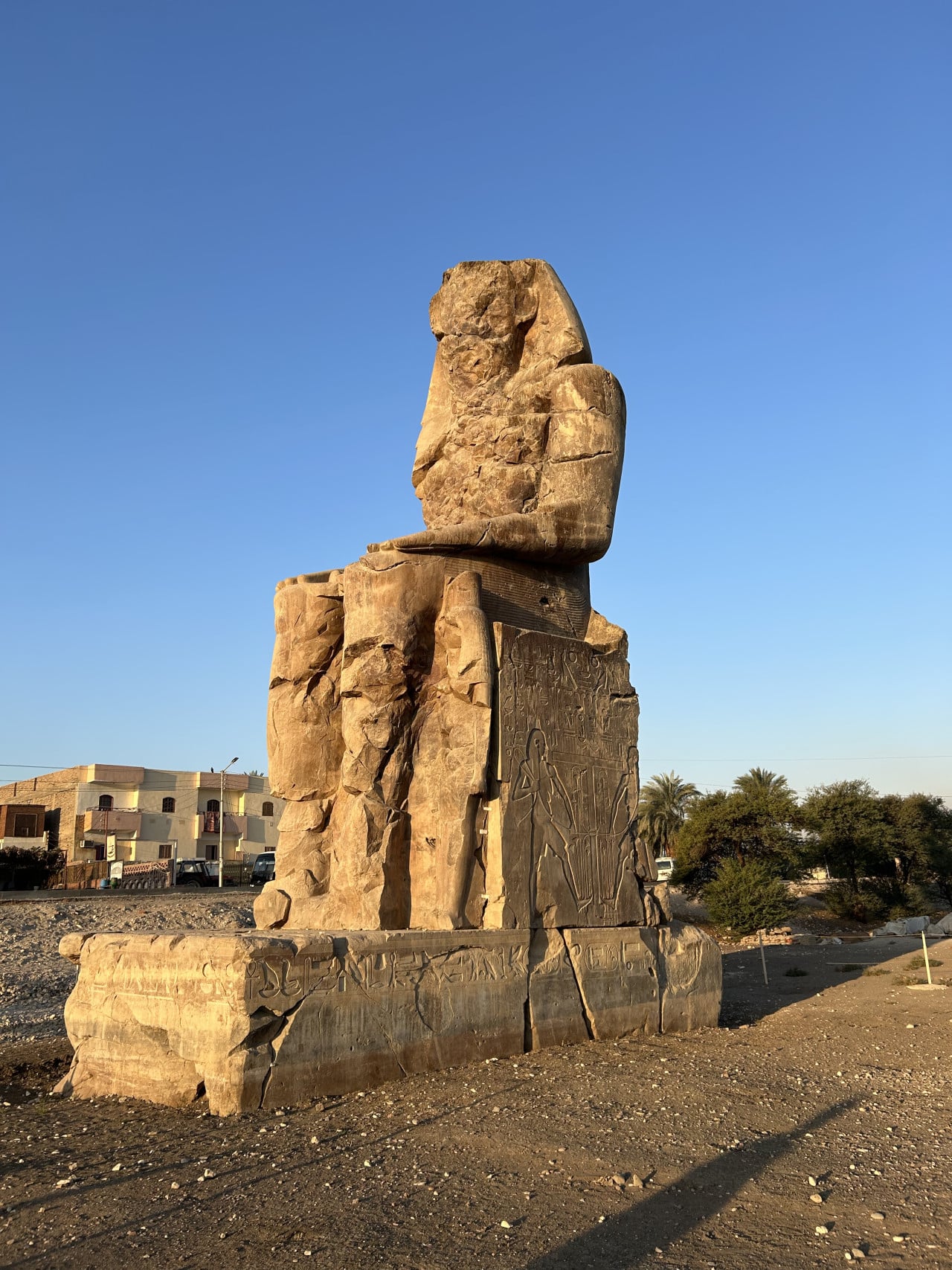
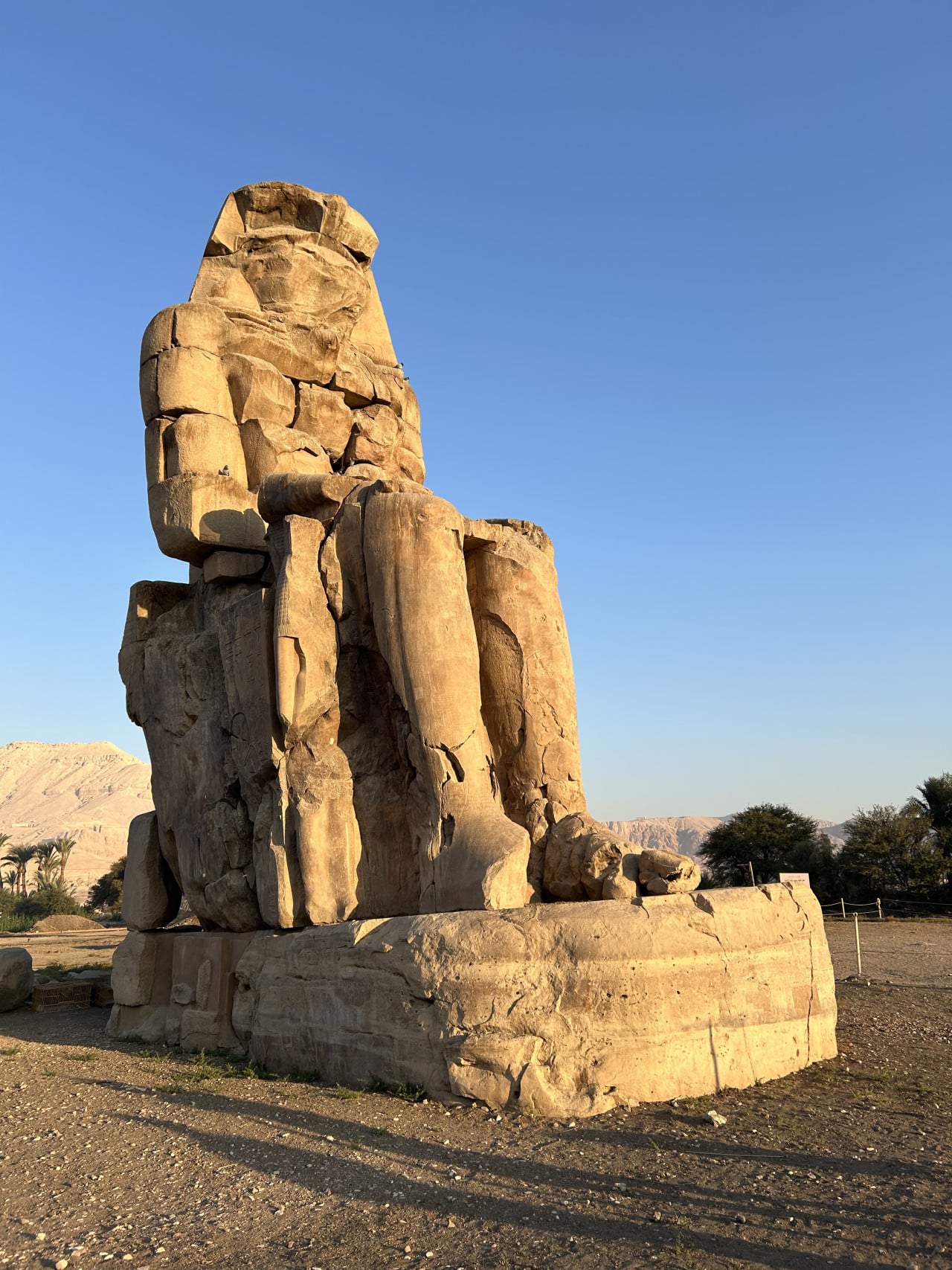
Along the way, we passed two enormous stone statues. They are the Colossi of Memnon, which depict Pharaoh Amenhotep III. Each statue is approximately 18 meters tall and originally stood in front of the entrance to his enormous mortuary temple.
The temple itself was one of the largest in Egypt in its day, but most of it gradually collapsed or was dismantled. The pair of seated statues remained in place and are now among the best-known monuments on Luxor’s west bank. (Wikipedia)
Interestingly, the name Colossi of Memnon does not come from ancient Egypt at all. The Greeks associated one of the statues with the mythical hero Memnon. After an earthquake in 27 BC, a strange sound resembling a blow, a snapping string, or singing was reportedly heard from the northern statue in the morning.
It was probably caused by the stone warming up and the morning moisture evaporating from its cracks. At the time, however, people believed that the statue was greeting Memnon’s mother, the goddess of the dawn. When it was later repaired during the Roman period, the “singing” reportedly disappeared. (Wikipedia)
Why the pharaohs chose to be buried here
The Valley of the Kings lies on the west bank of the Nile. This was no coincidence. The ancient Egyptians associated the west with death and the afterlife because every evening the sun sets in the west and thus symbolically dies. It is then reborn in the east.
For this reason, a large part of the Theban burial grounds was established on the western side of the river, while the city of the living and the most important temples stood mainly on the eastern bank. (Egyptian Monuments)
The pharaohs of the New Kingdom were buried here from approximately the 16th to the 11th century BC. Unlike the rulers of the Old Kingdom, they no longer built conspicuous pyramids, which were easy targets for robbers. Instead, long corridors and burial chambers were carved deep into the rock.
As we now know, however, even that did not save most of the tombs from thieves.
Arrival directly in the Valley of the Kings
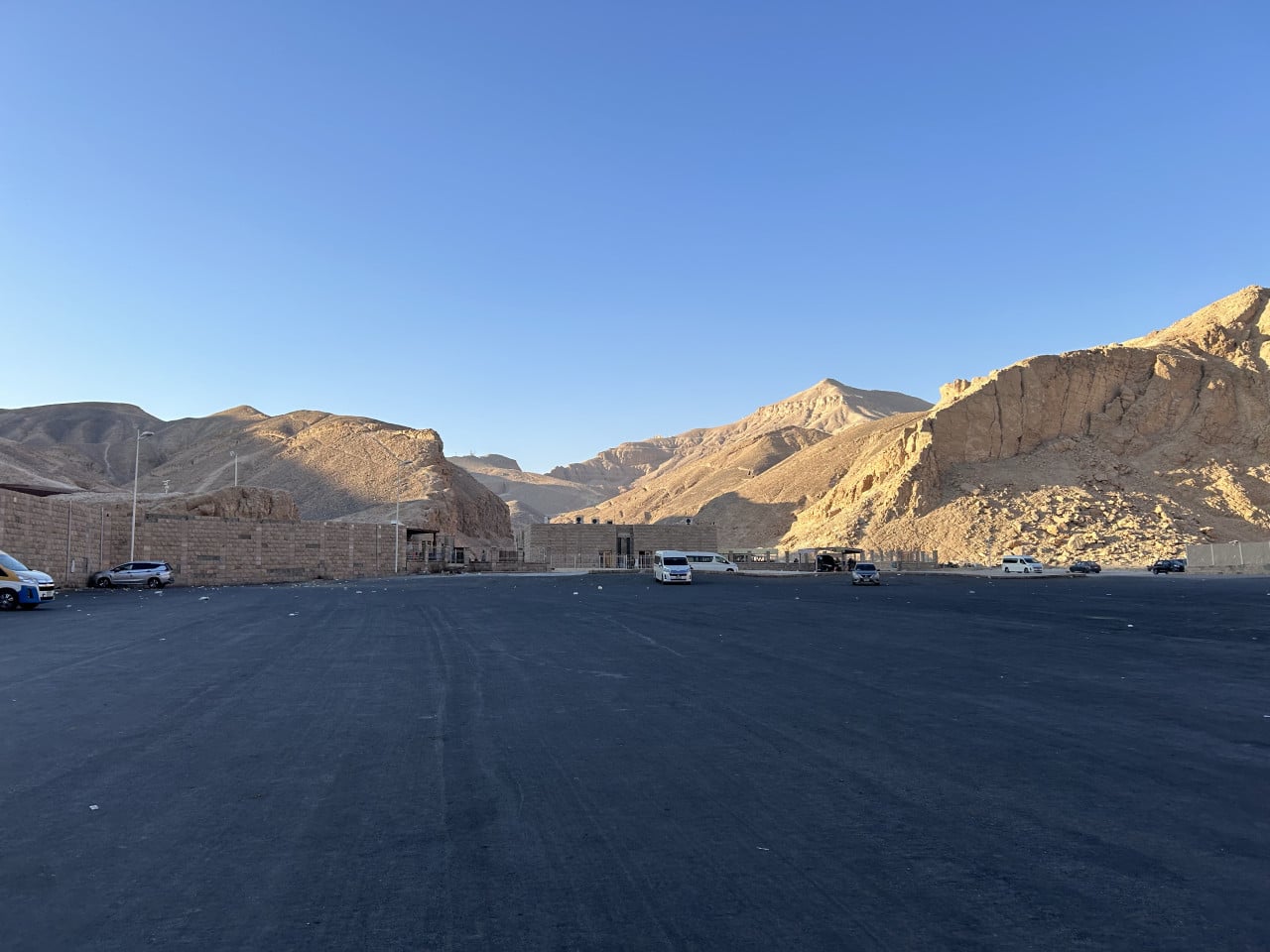
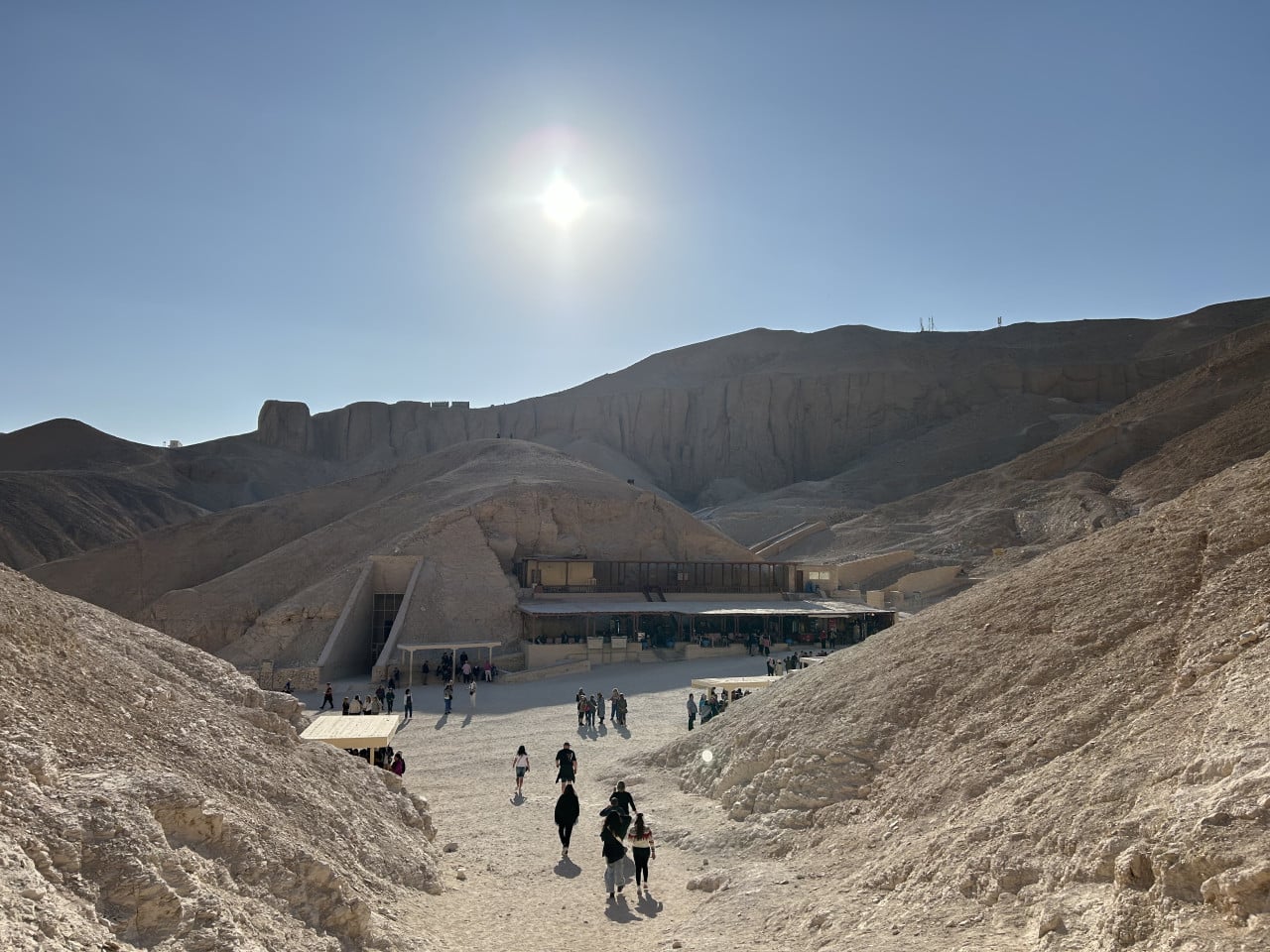
After stopping at the Colossi of Memnon, we continued toward the mountains. At first, we traveled along a standard paved road, which later gave way to a dustier and more barren landscape. The closer we came to the Valley of the Kings, the less greenery there was around us.
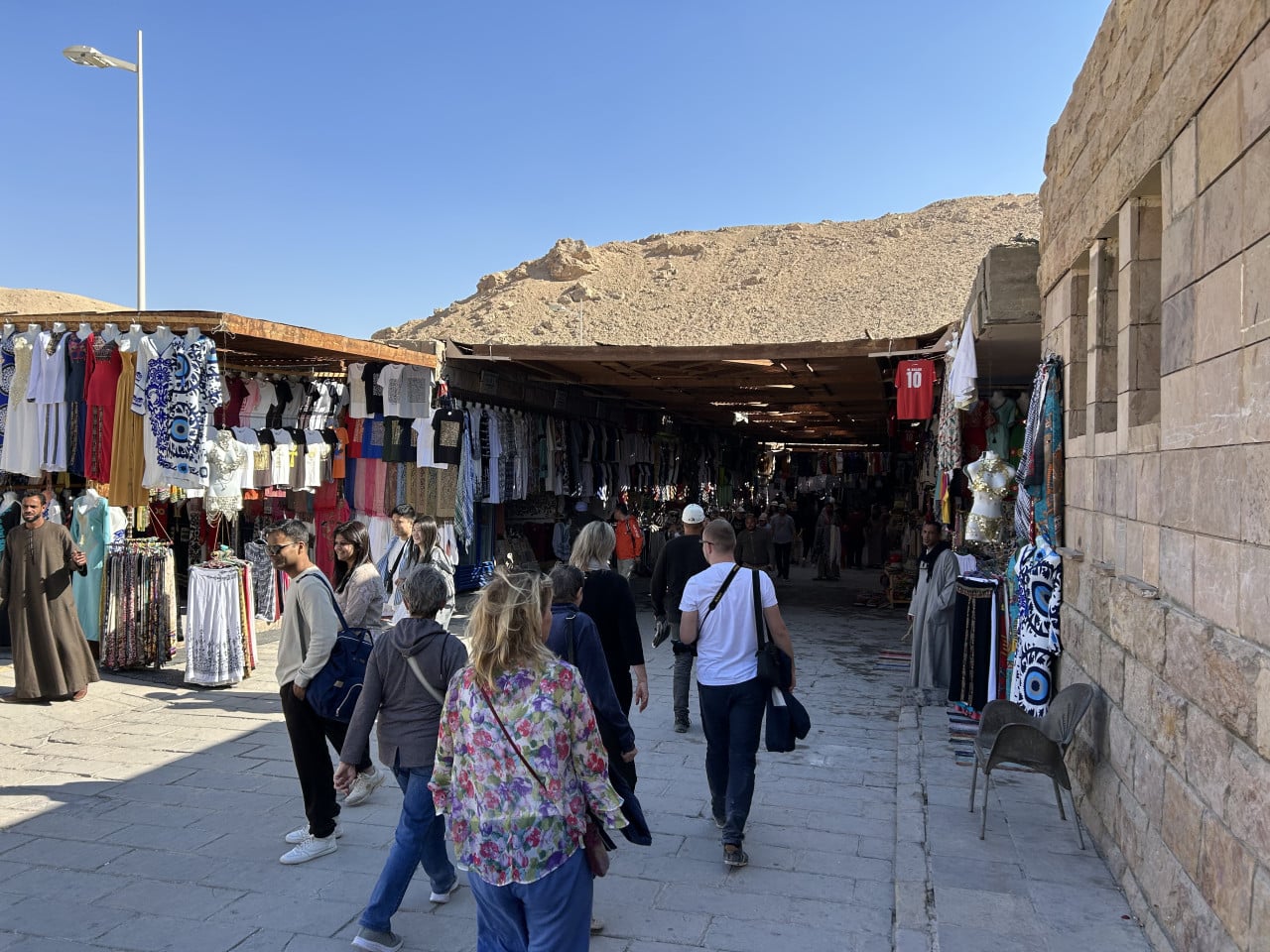
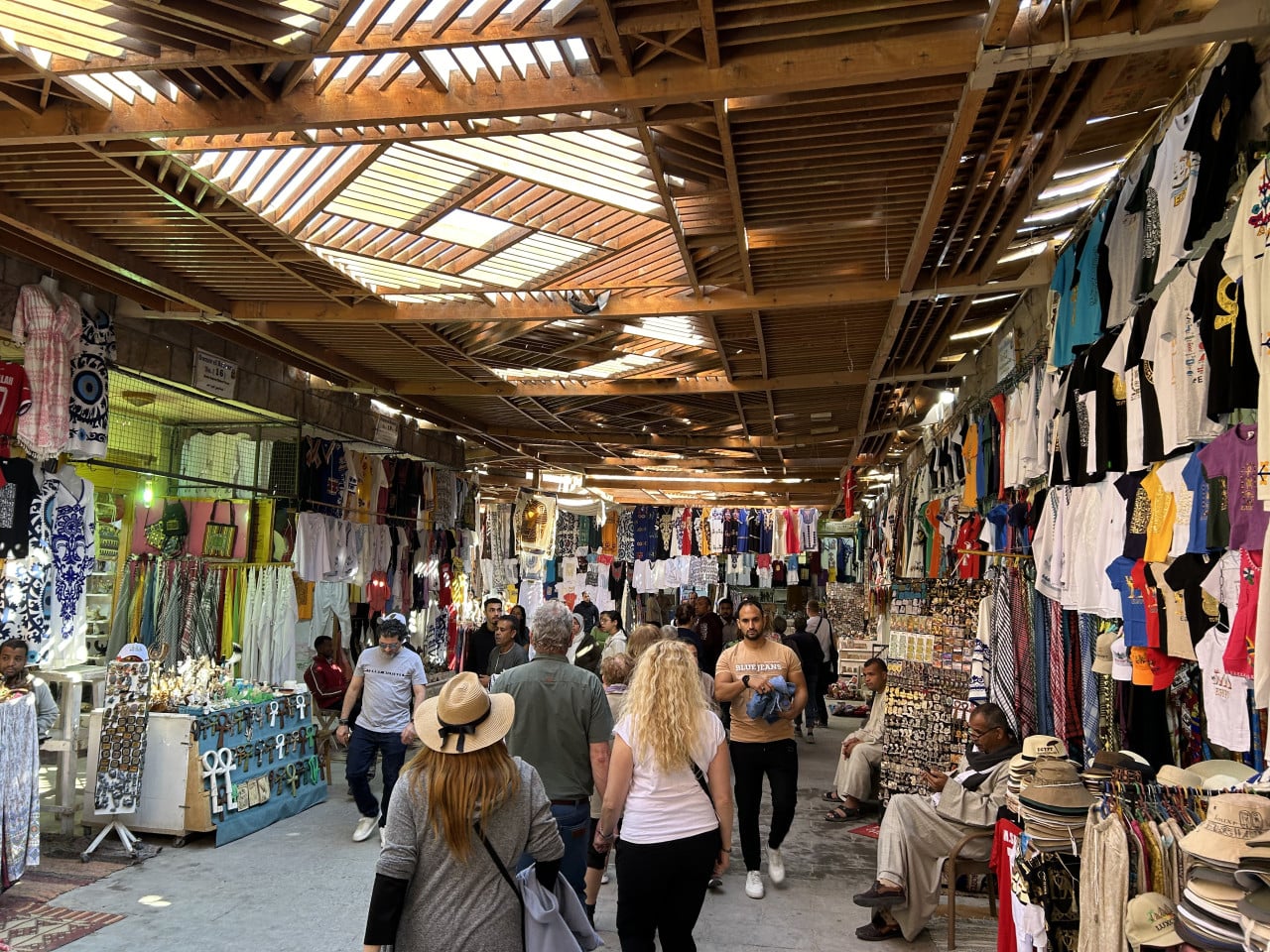
The entrance area itself has already been adapted for tourists. There are ticket offices, ticket checks, small souvenir shops, and, of course, local vendors trying to sell practically anything. From scarves, statuettes, and papyri to all kinds of replicas of ancient Egyptian objects.
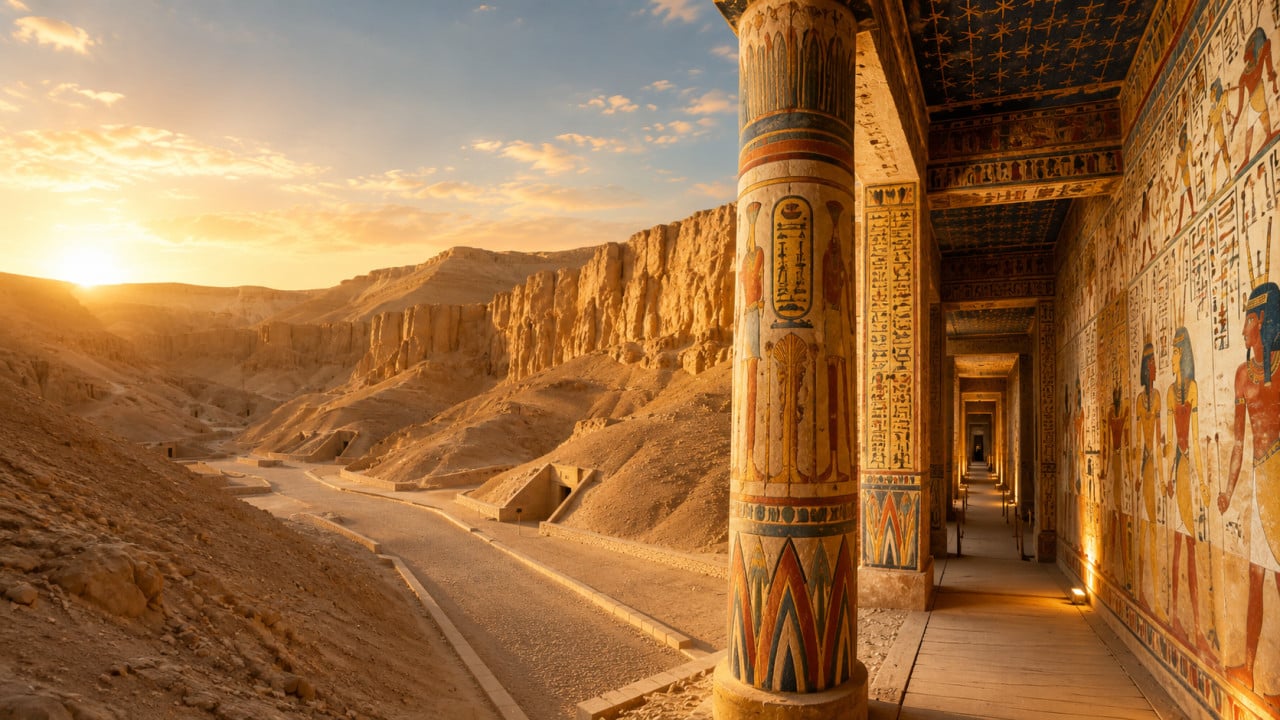
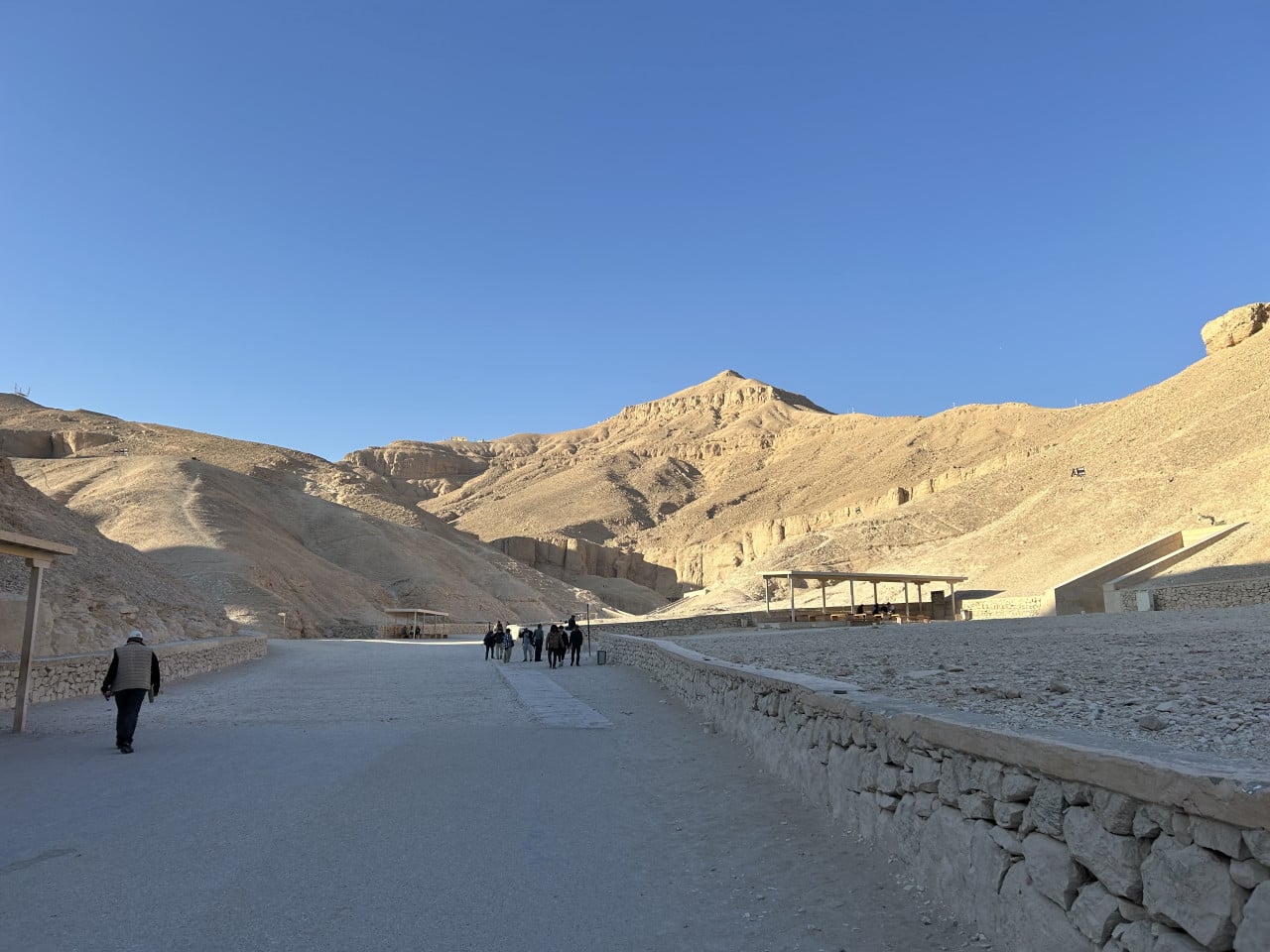
From the parking lot, you continue toward the individual tombs. From the outside, the entire valley looks rather inconspicuous. You mainly see bare rocks, sand, and a few entrances in the hillside. This makes the contrast all the greater when you step inside and colorful paintings more than three thousand years old appear before you.
How many tombs are there in the Valley of the Kings?
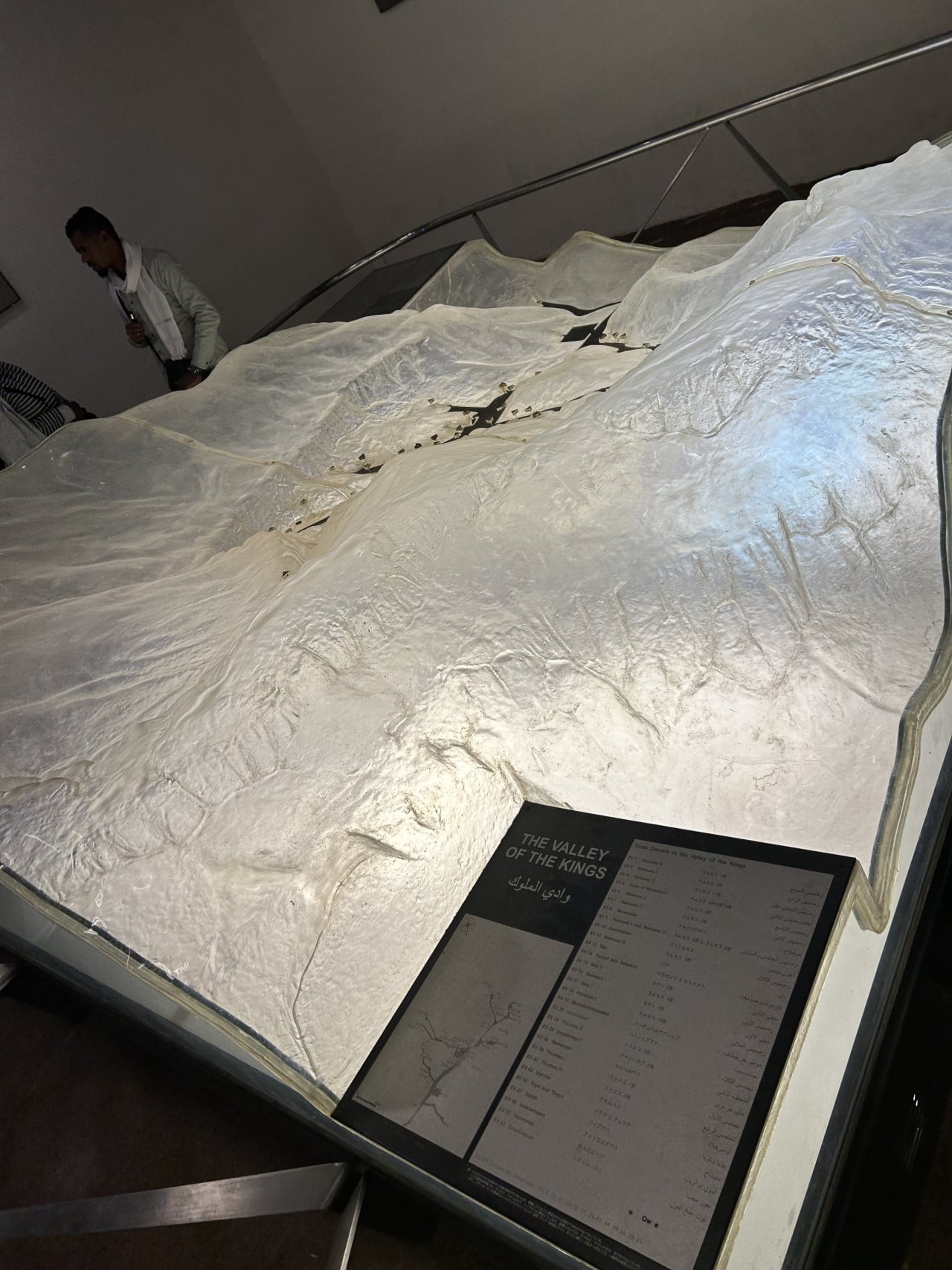
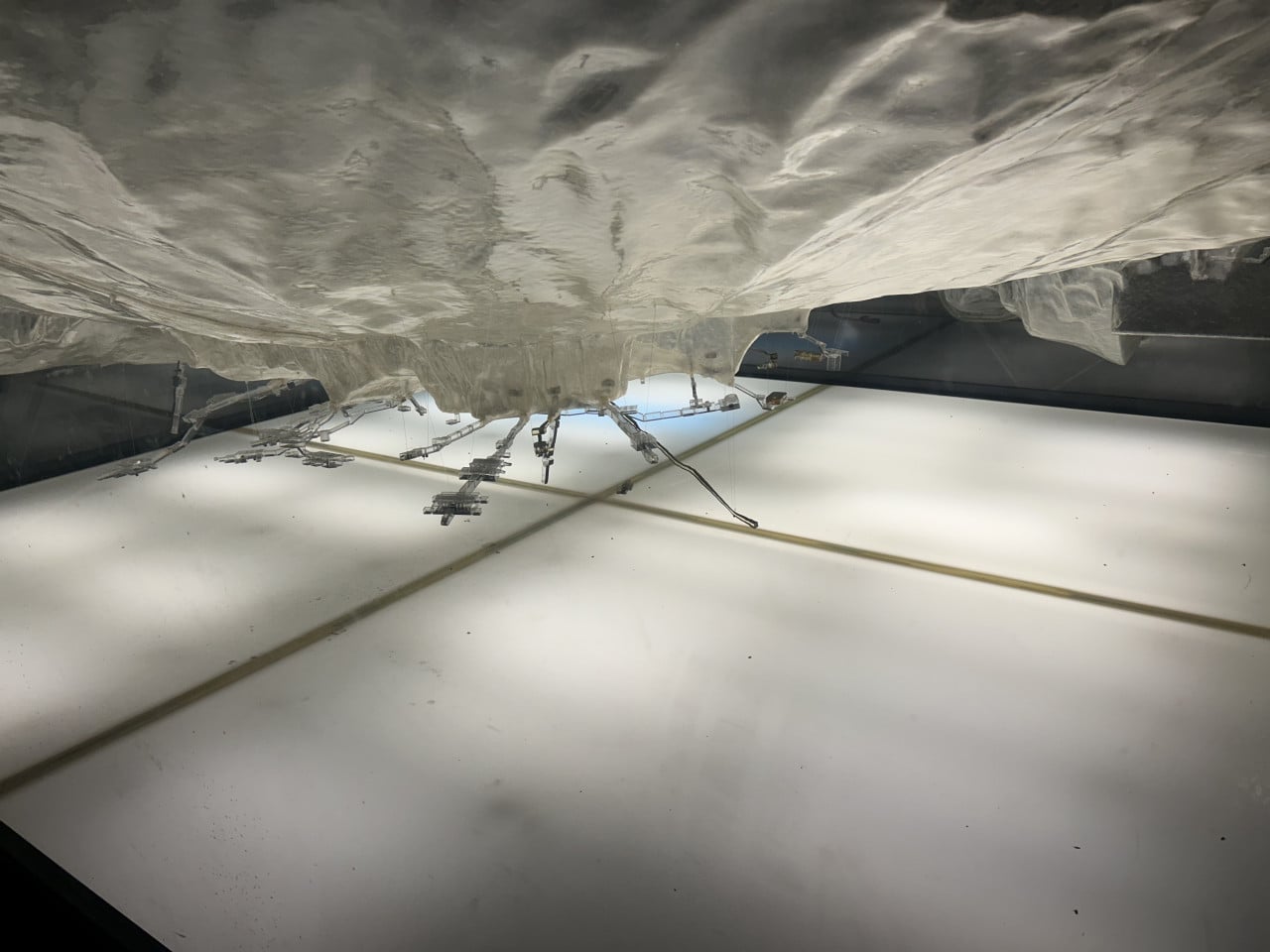
Before visiting the tombs themselves, we stopped at an exhibition that included a large three-dimensional model of the entire Valley of the Kings. It clearly showed that the individual tombs are not merely small rooms carved next to one another.
Underground, there are long corridors, stairways, shafts, side chambers, and burial halls. Some tombs extend tens or even hundreds of meters into the rock, and in places the individual complexes come close to one another.
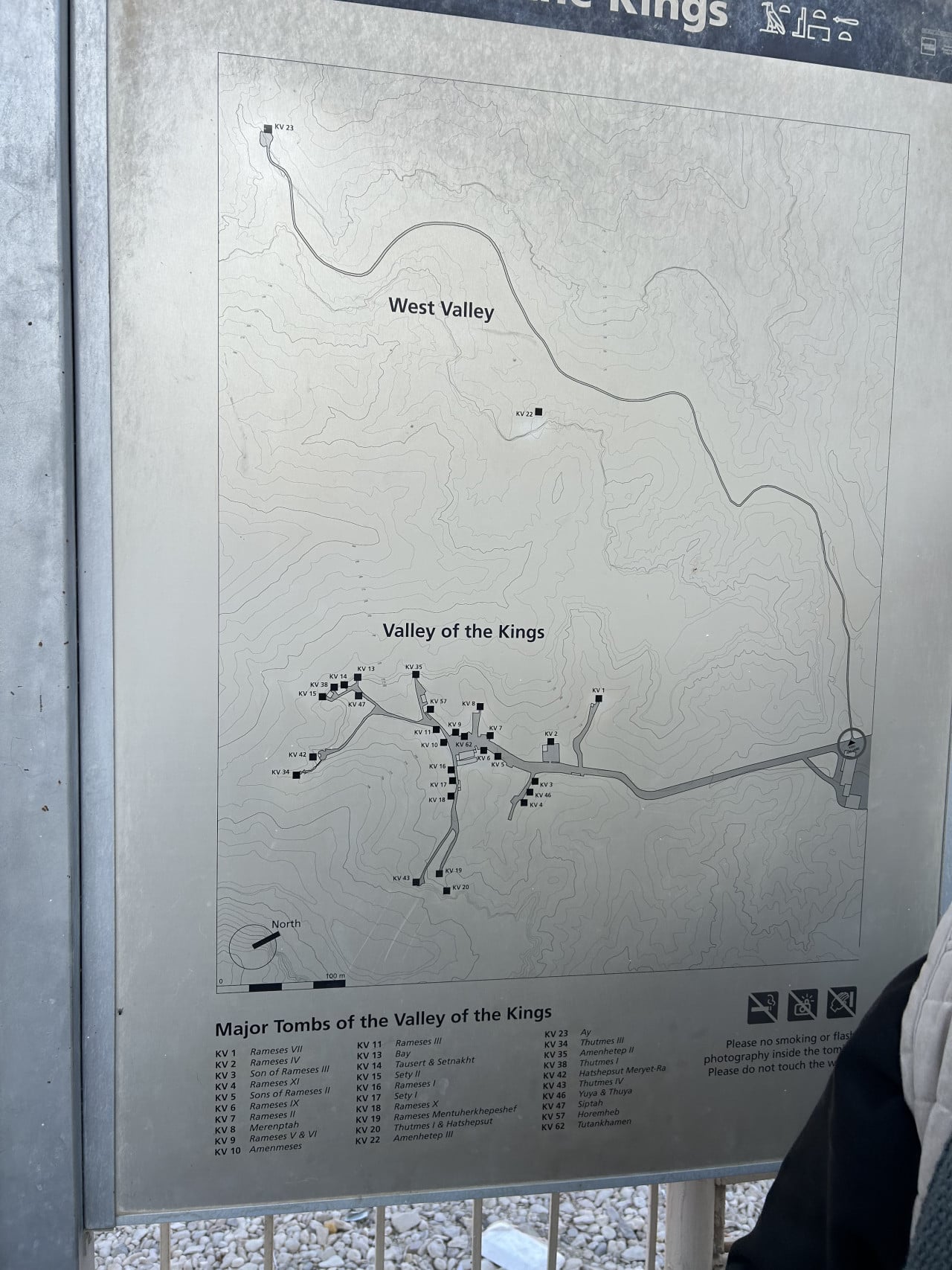
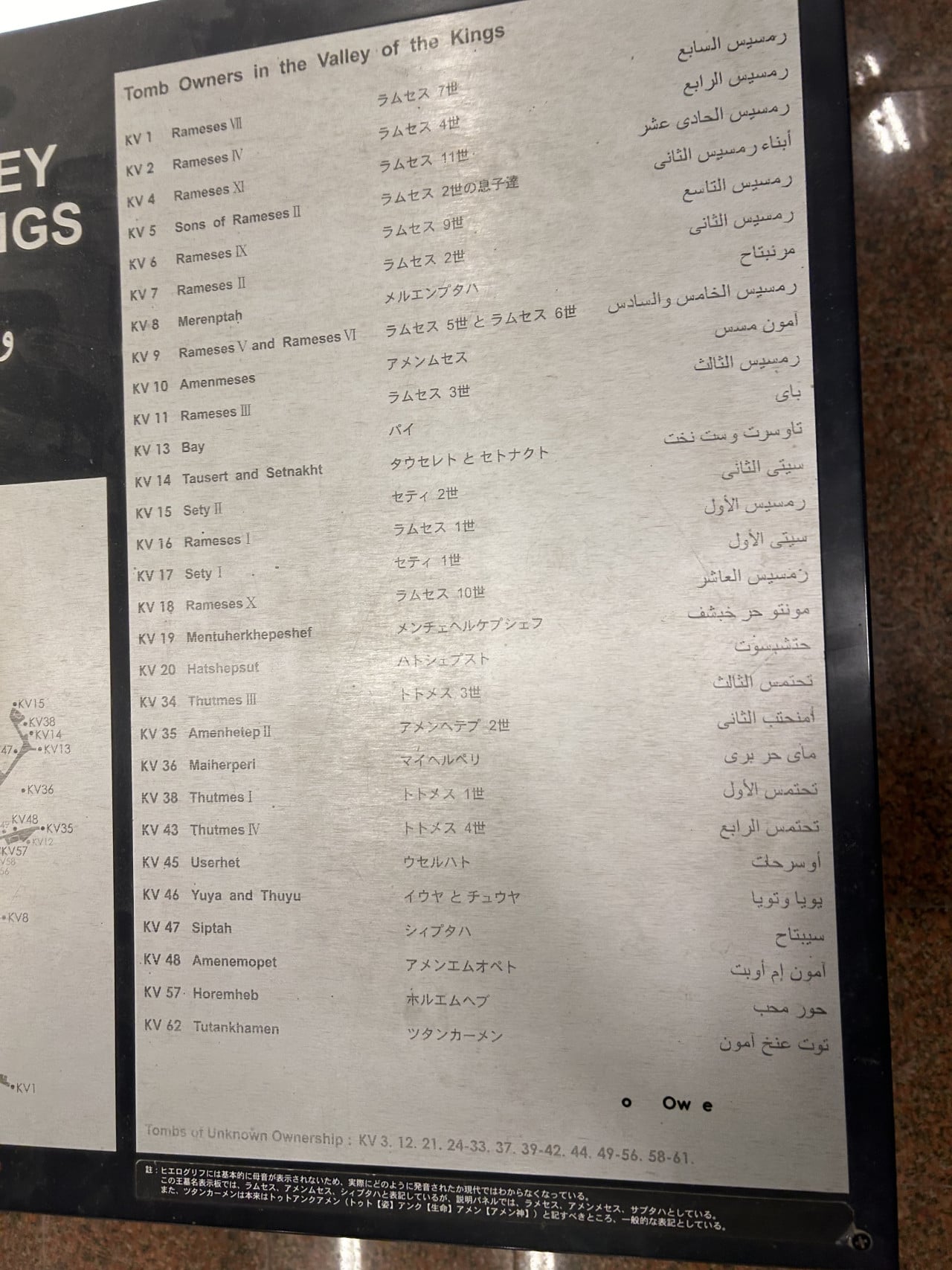
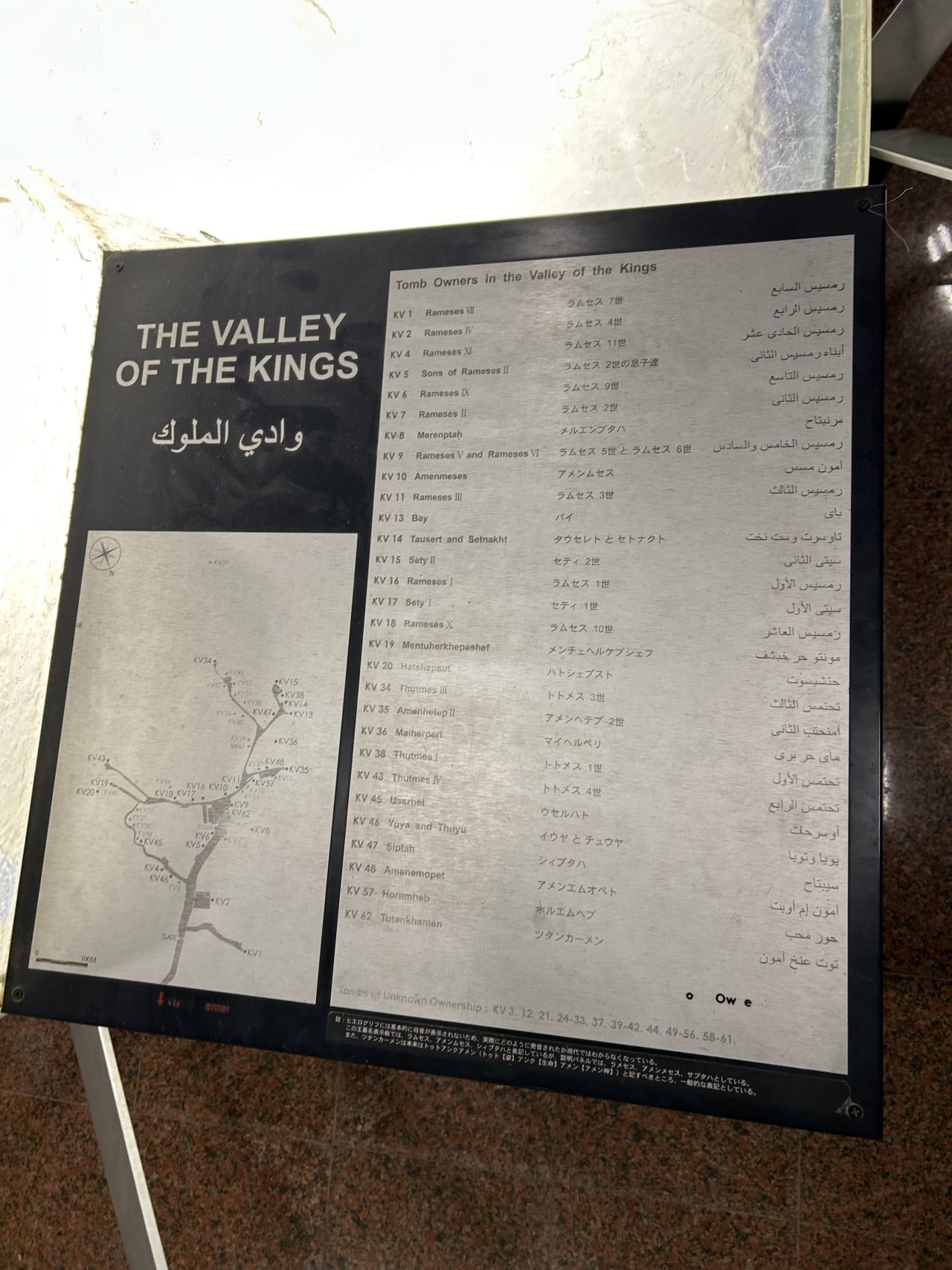
The Egyptian Ministry states that more than sixty tombs have been discovered in the Valley of the Kings, along with approximately twenty additional unfinished shafts and spaces. Not all of them belonged to pharaohs. Some were intended for members of royal families or high-ranking officials, while others served as storage areas for burial equipment. (Egyptian Monuments)
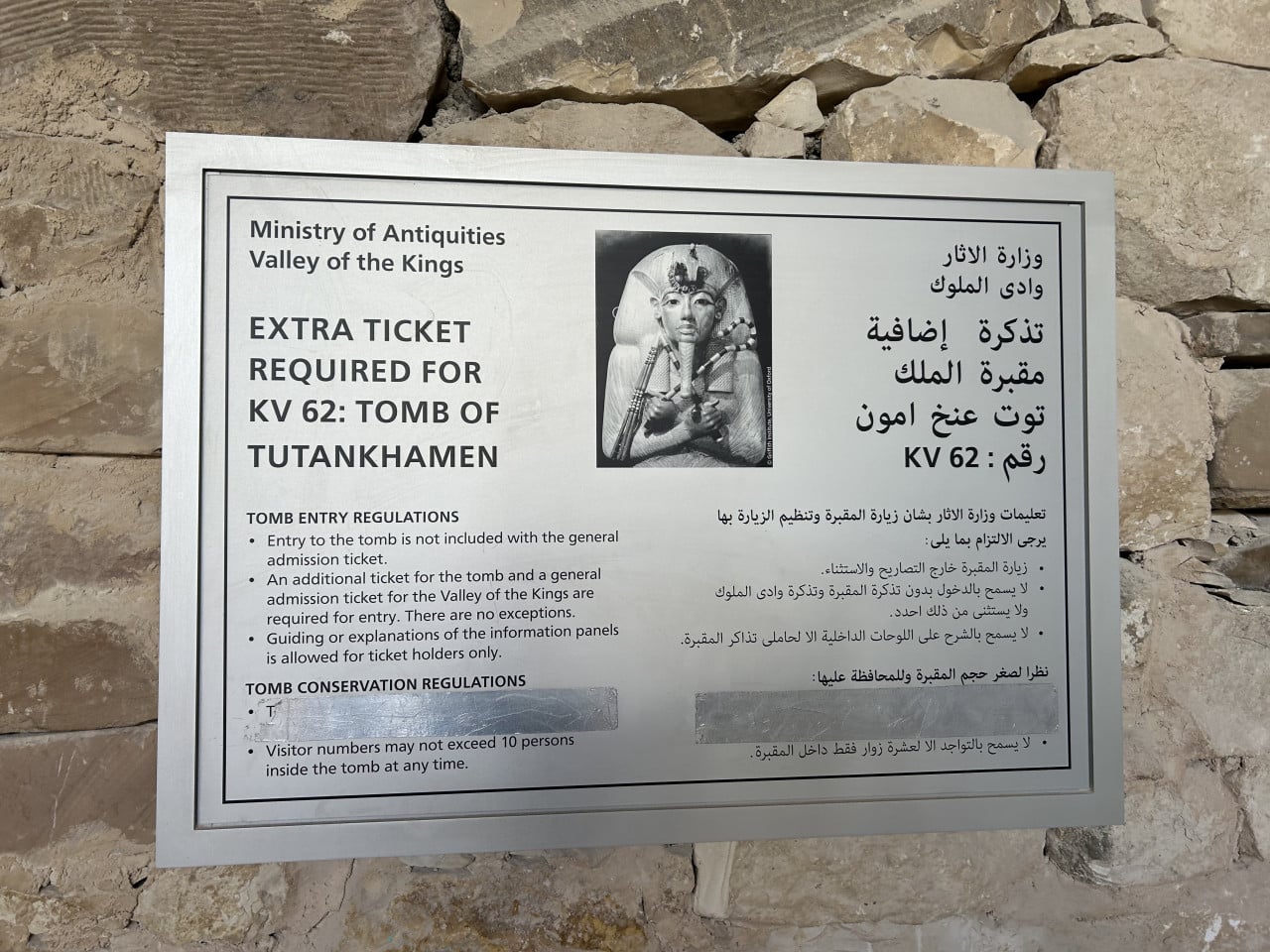
Only some of them are open to the public at any given time. The open tombs are rotated to regulate visitor numbers and protect the delicate paintings from humidity, dust, and carbon dioxide. A standard ticket usually allows visitors to choose several regularly open tombs, while Tutankhamun’s tomb, the tomb of Seti I, and the shared tomb of Ramesses V and VI, for example, tend to require separate admission. The specific selection may change depending on restoration work. (Egyptra Travel)
And are there still other undiscovered tombs? In my opinion, it would almost be surprising if there were not. Archaeological work in the area is still ongoing, and new discoveries continue to be made today. In 2025, for example, the tomb of Pharaoh Thutmose II was confirmed in the wider area of western Thebes. The tomb had already been damaged by floods in antiquity, and its contents were probably moved elsewhere, but it was nevertheless the first confirmed discovery of a royal tomb in more than a hundred years. (Egyptian Monuments)
Tomb of Merenptah KV8
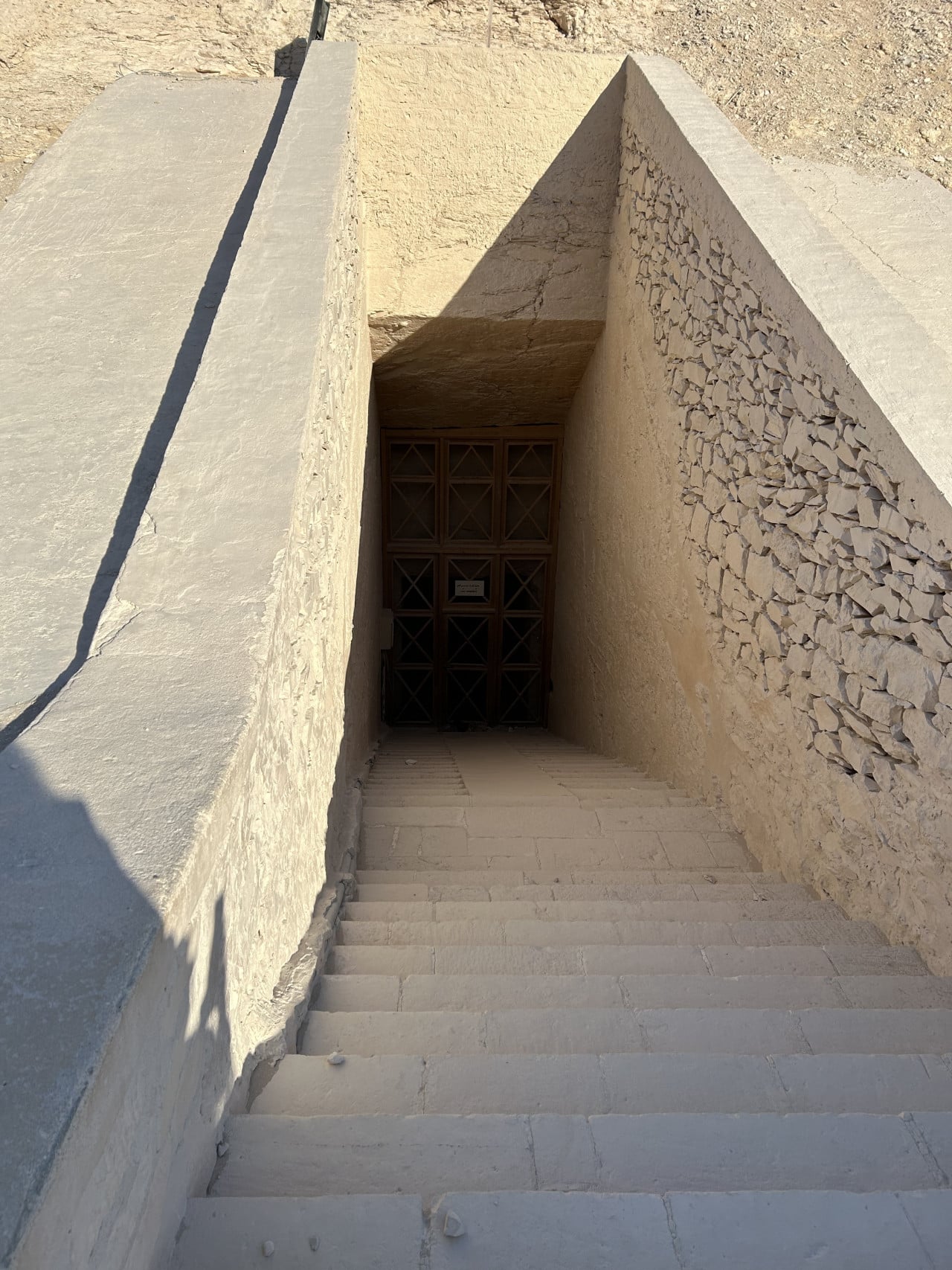
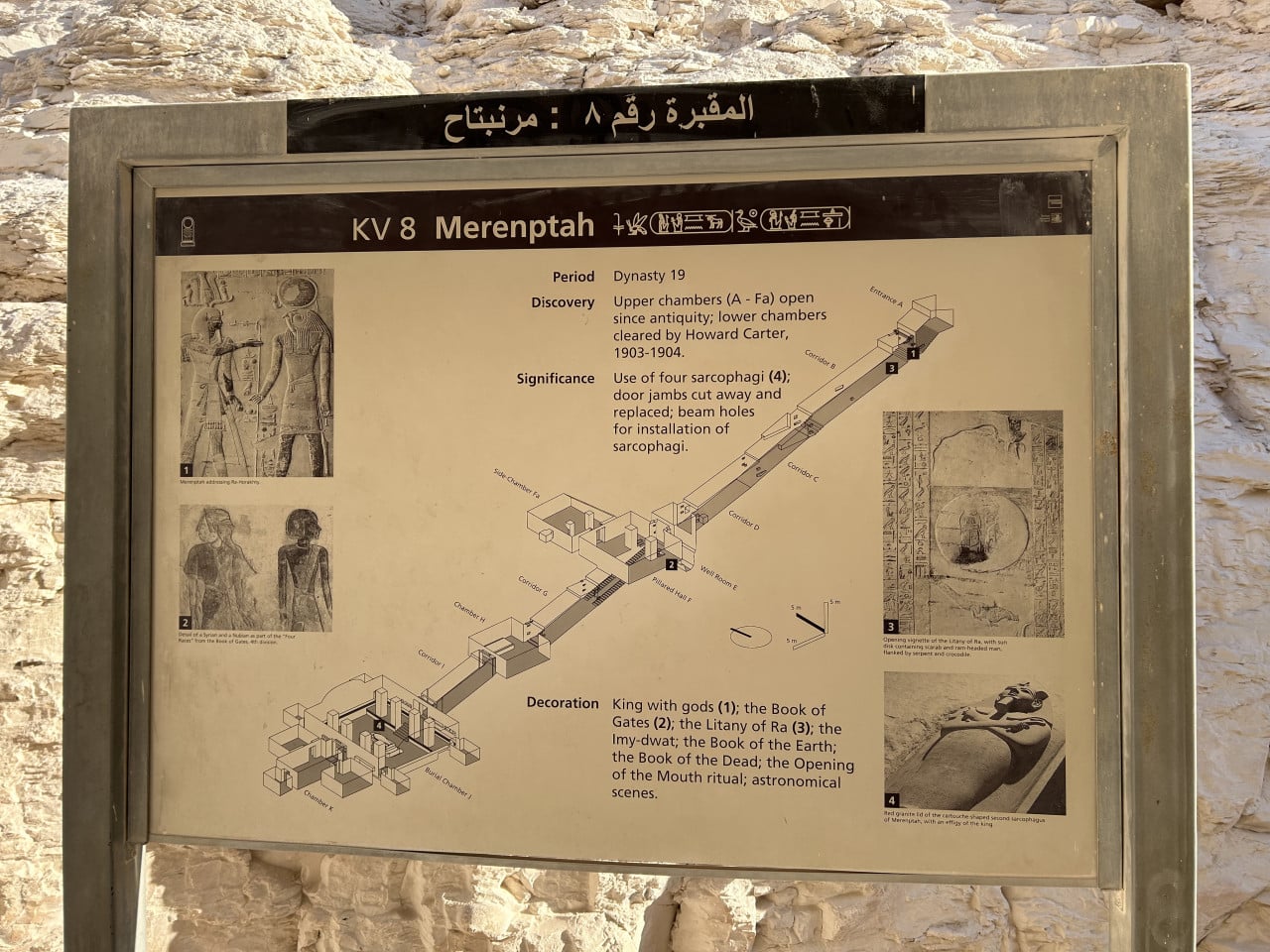
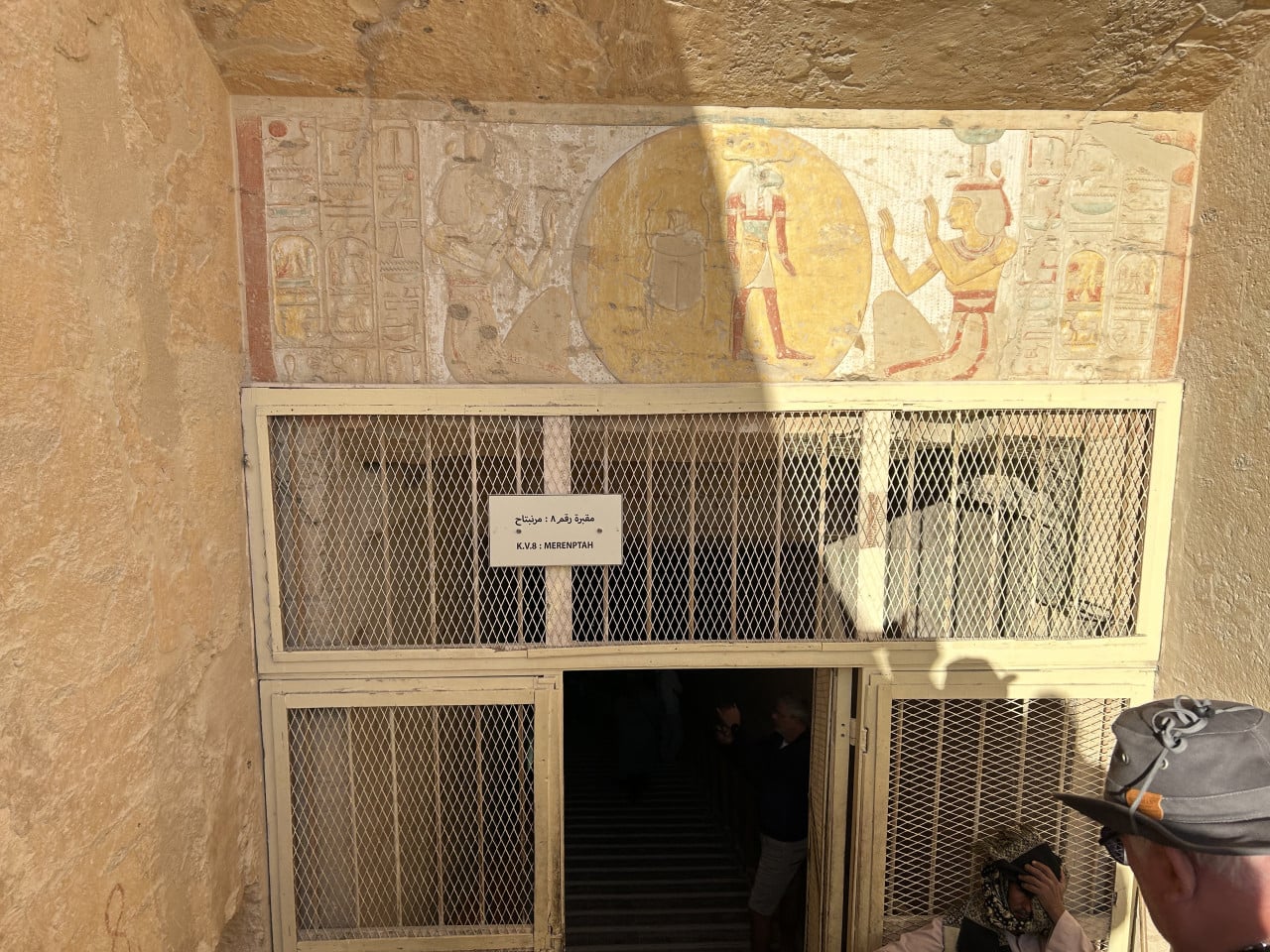
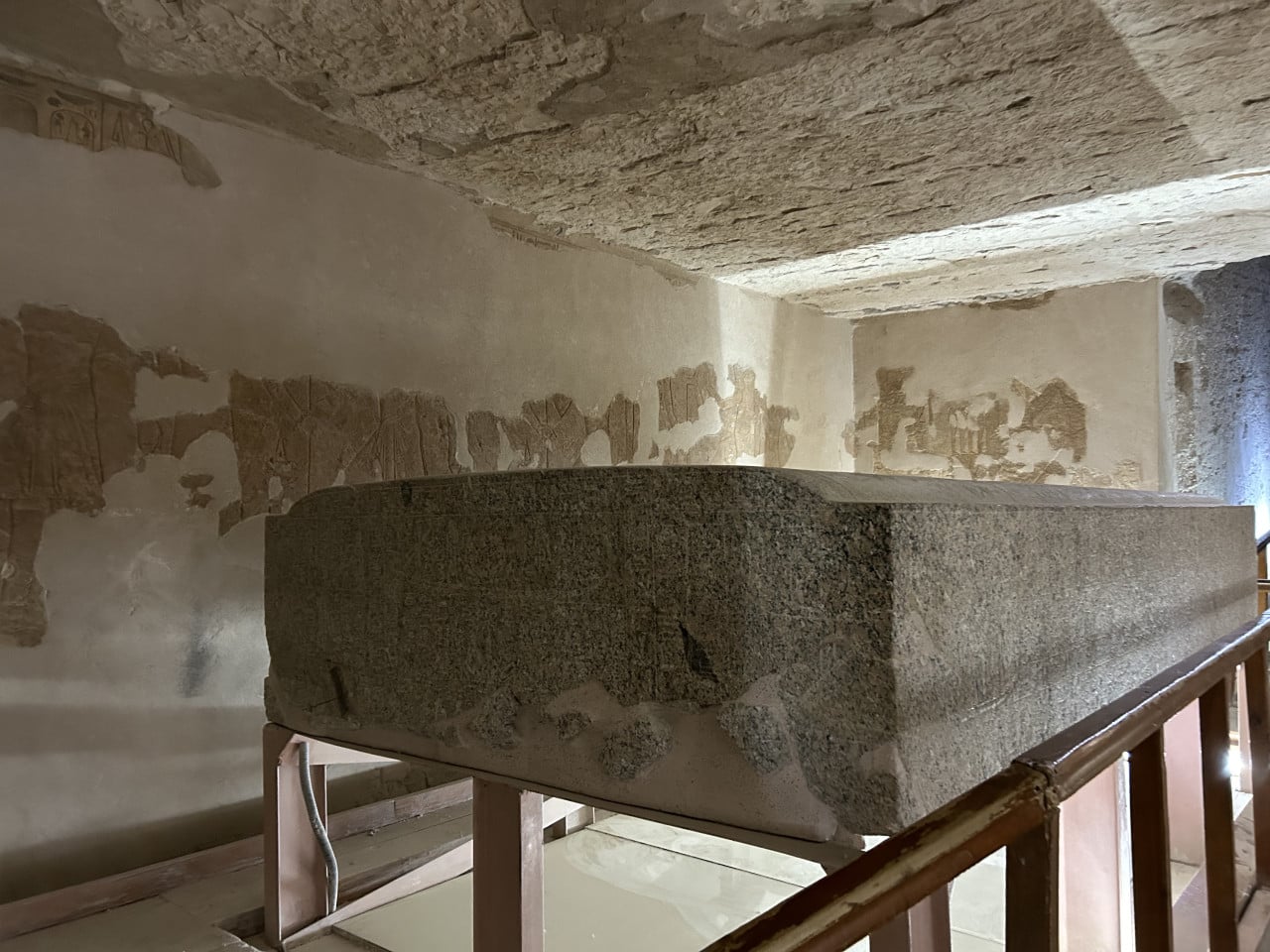
The first tomb we visited was KV8, which belonged to Pharaoh Merenptah.
Merenptah was the thirteenth son of the famous Ramesses II. Because his father reigned for an exceptionally long time and several older heirs died before him, Merenptah did not ascend the throne until he was relatively old. He ruled for approximately eleven years around the turn of the 13th and 12th centuries BC.
Although his reign was not particularly long, he had to face an attack by a coalition of Libyans and the so-called Sea Peoples in the Nile Delta. He also suppressed a rebellion in Nubia. The famous Merenptah Stele, sometimes called the Israel Stele, dates from his reign and contains the oldest known written reference to Israel. (NMEC)
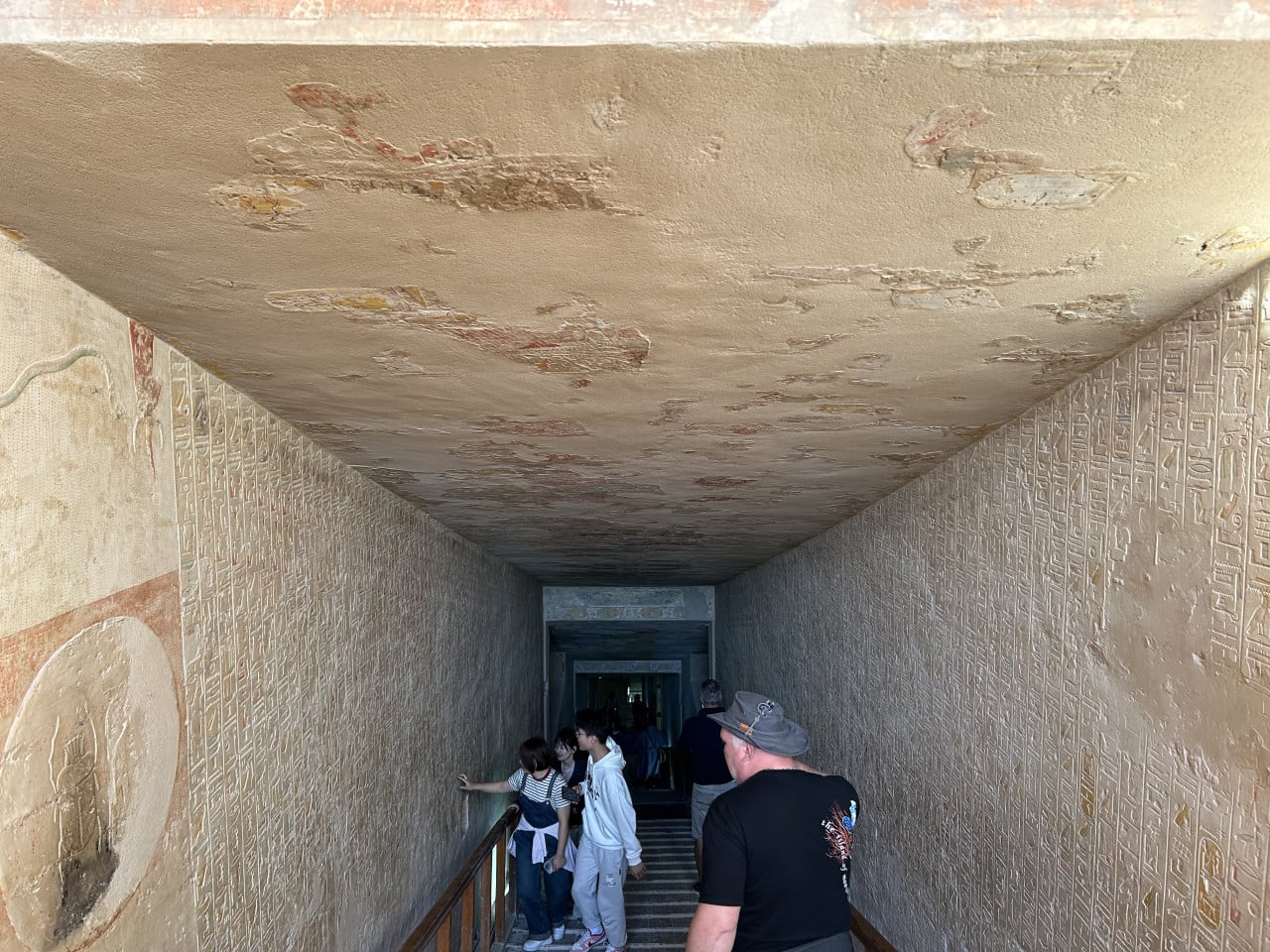
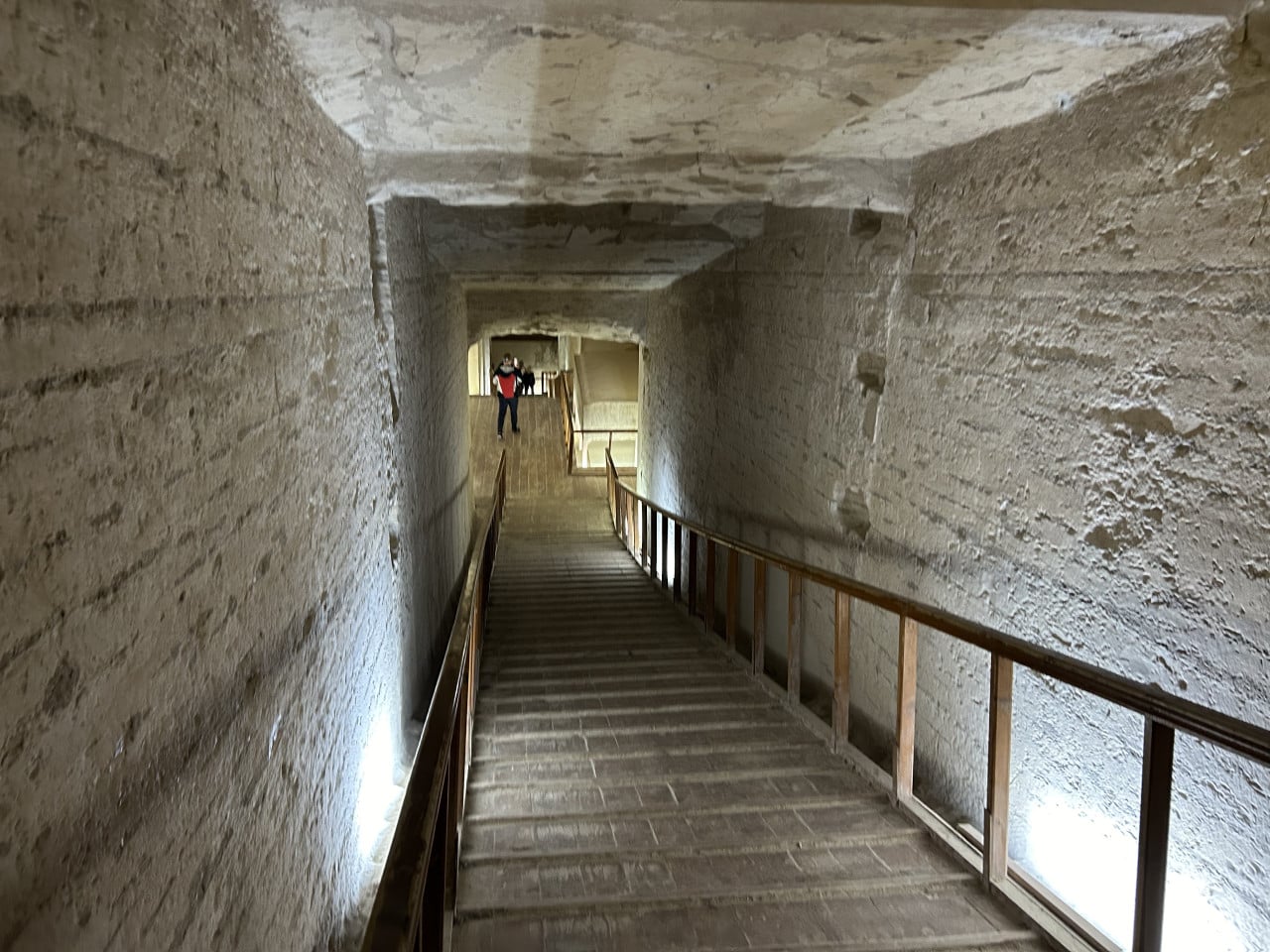
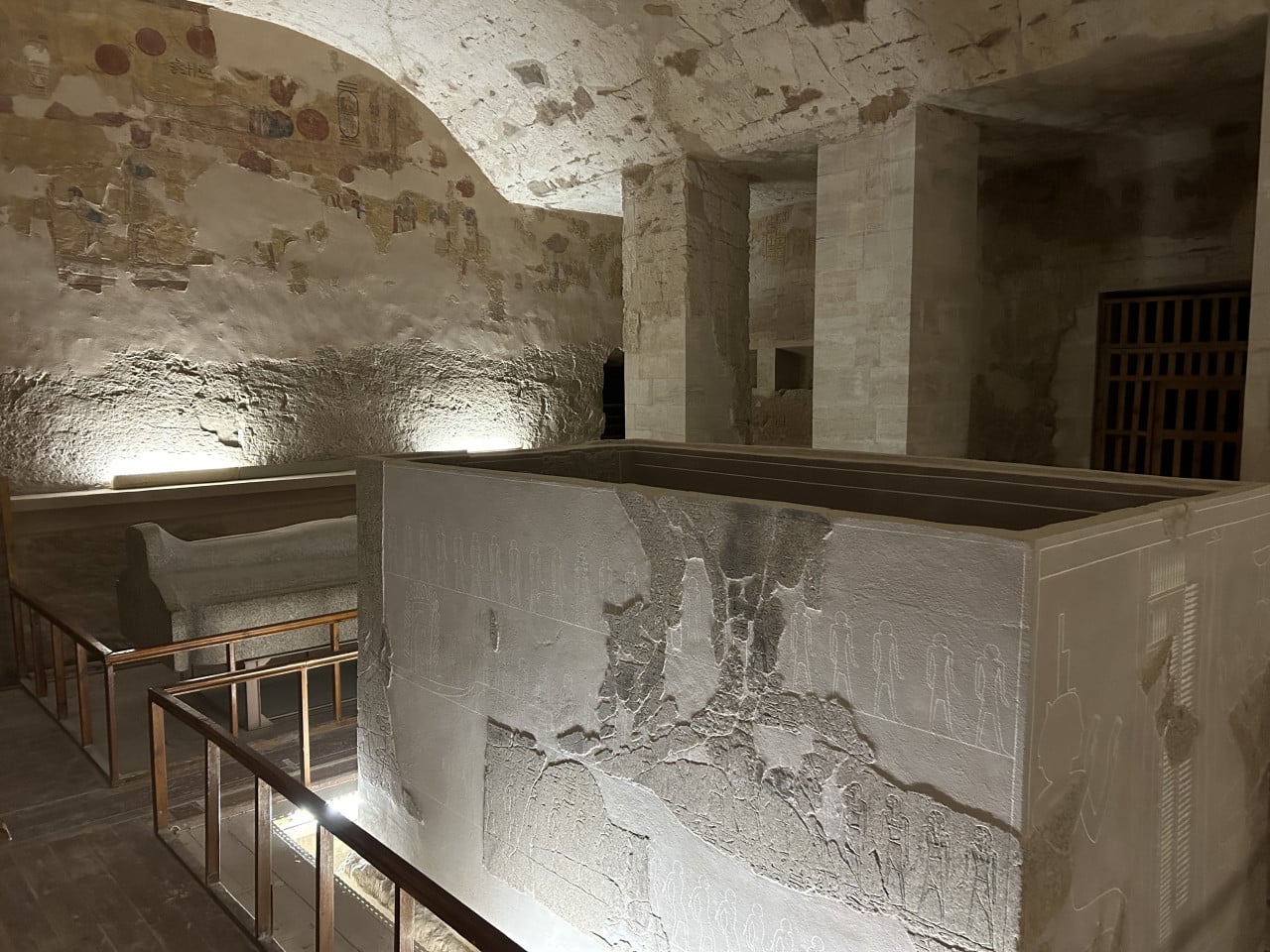
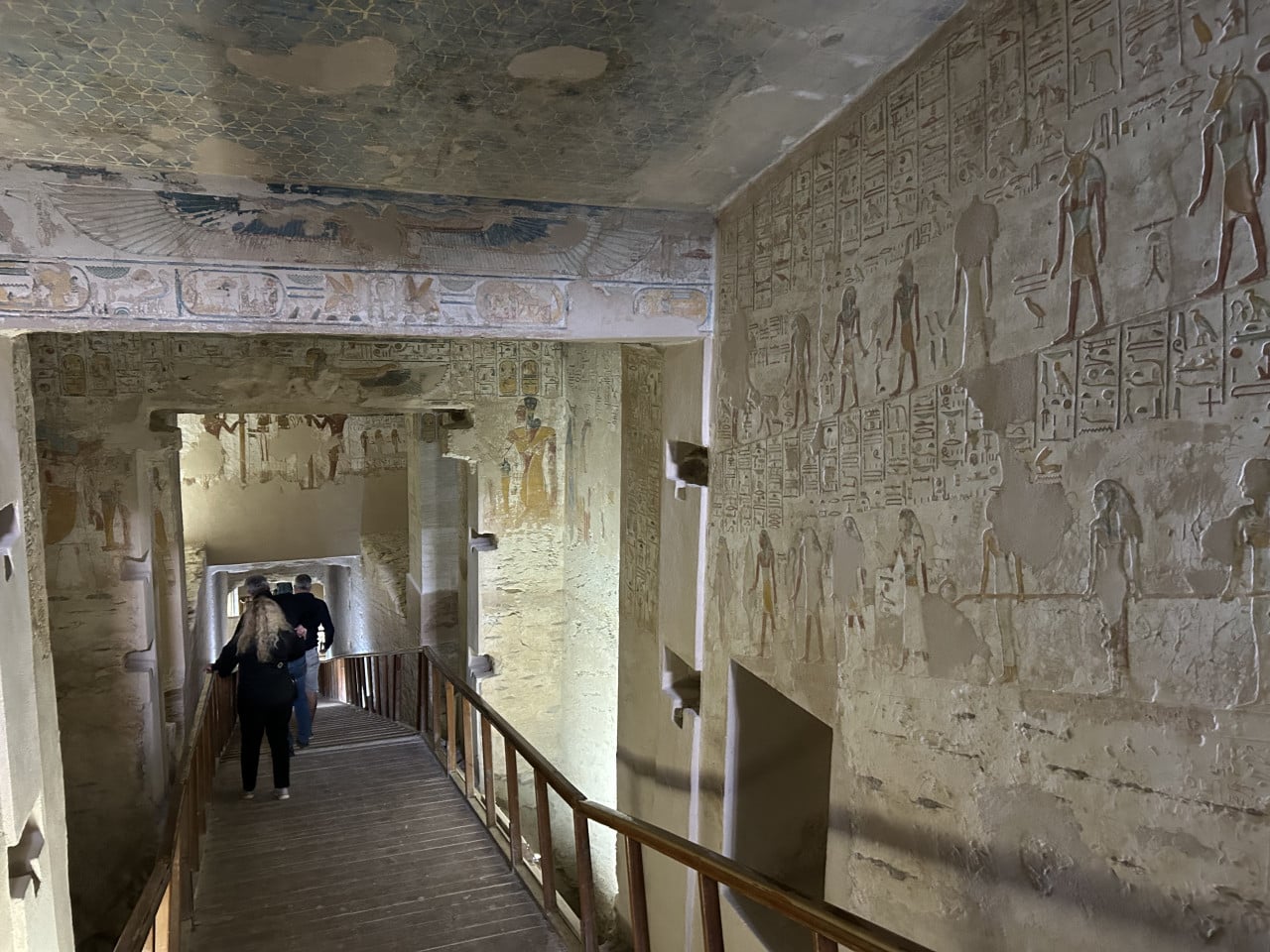
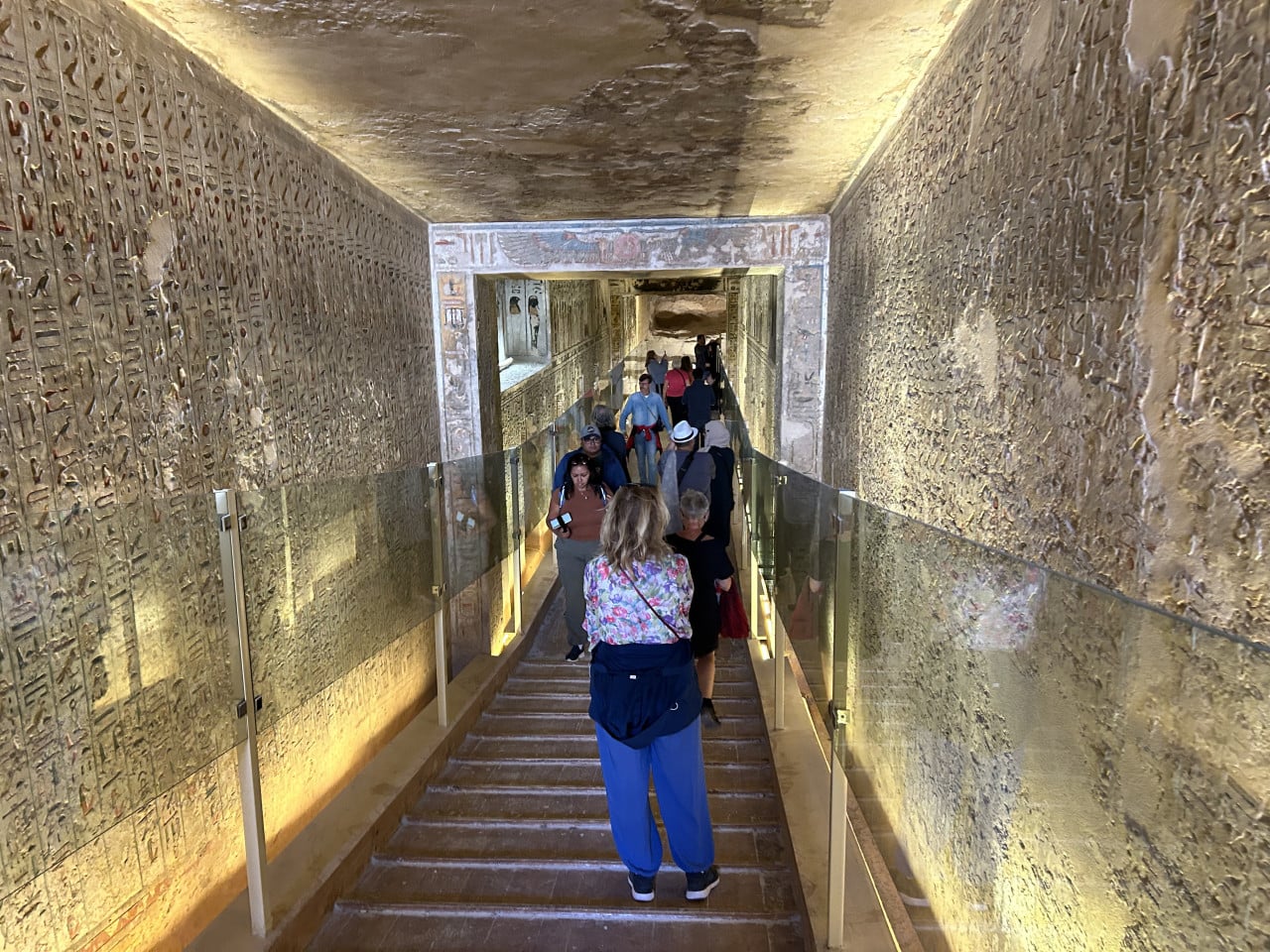
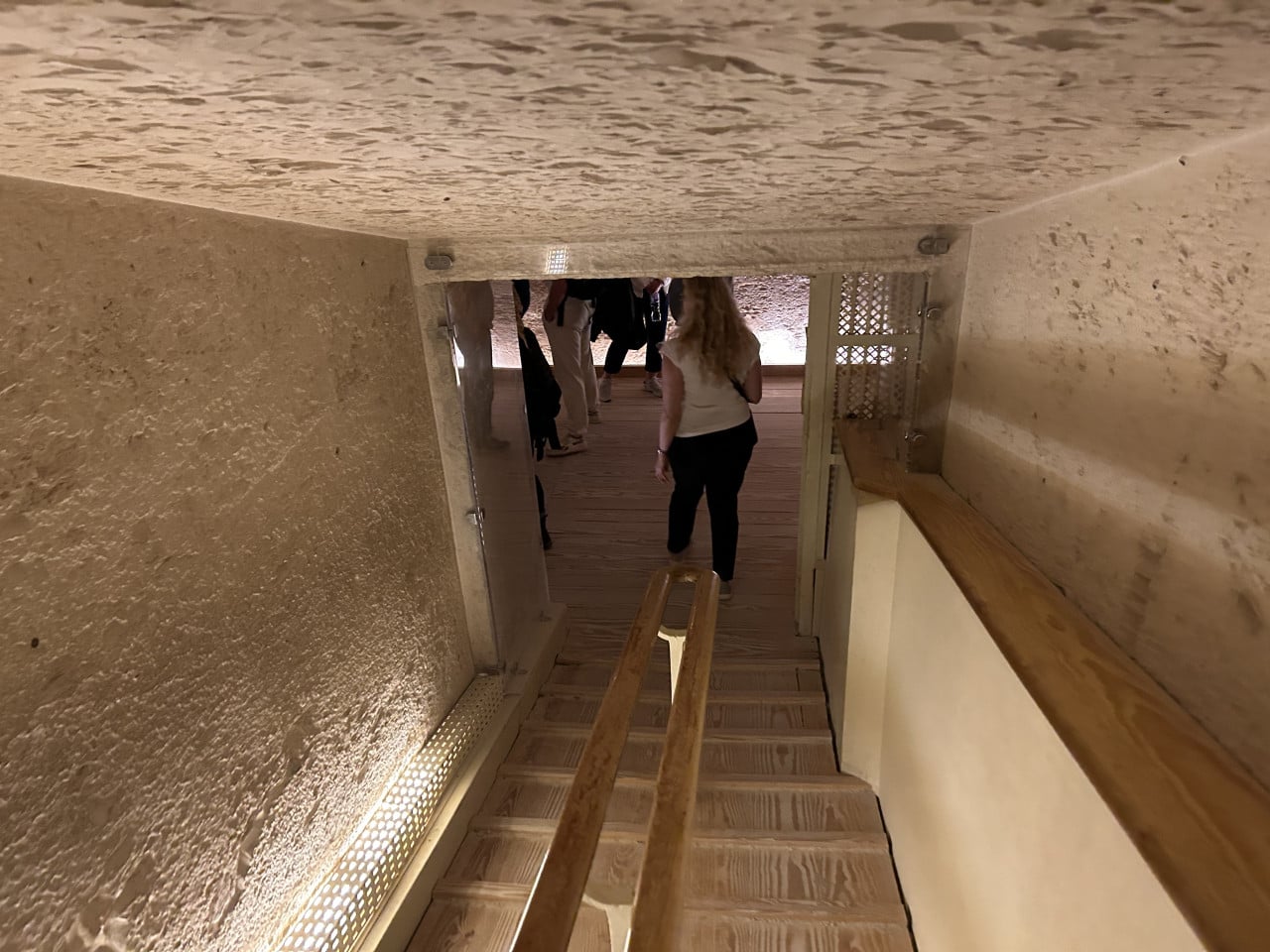
The tomb itself is truly extensive. A long descending corridor leads to the burial chamber, and the entire space feels far more monumental than the inconspicuous entrance suggests.
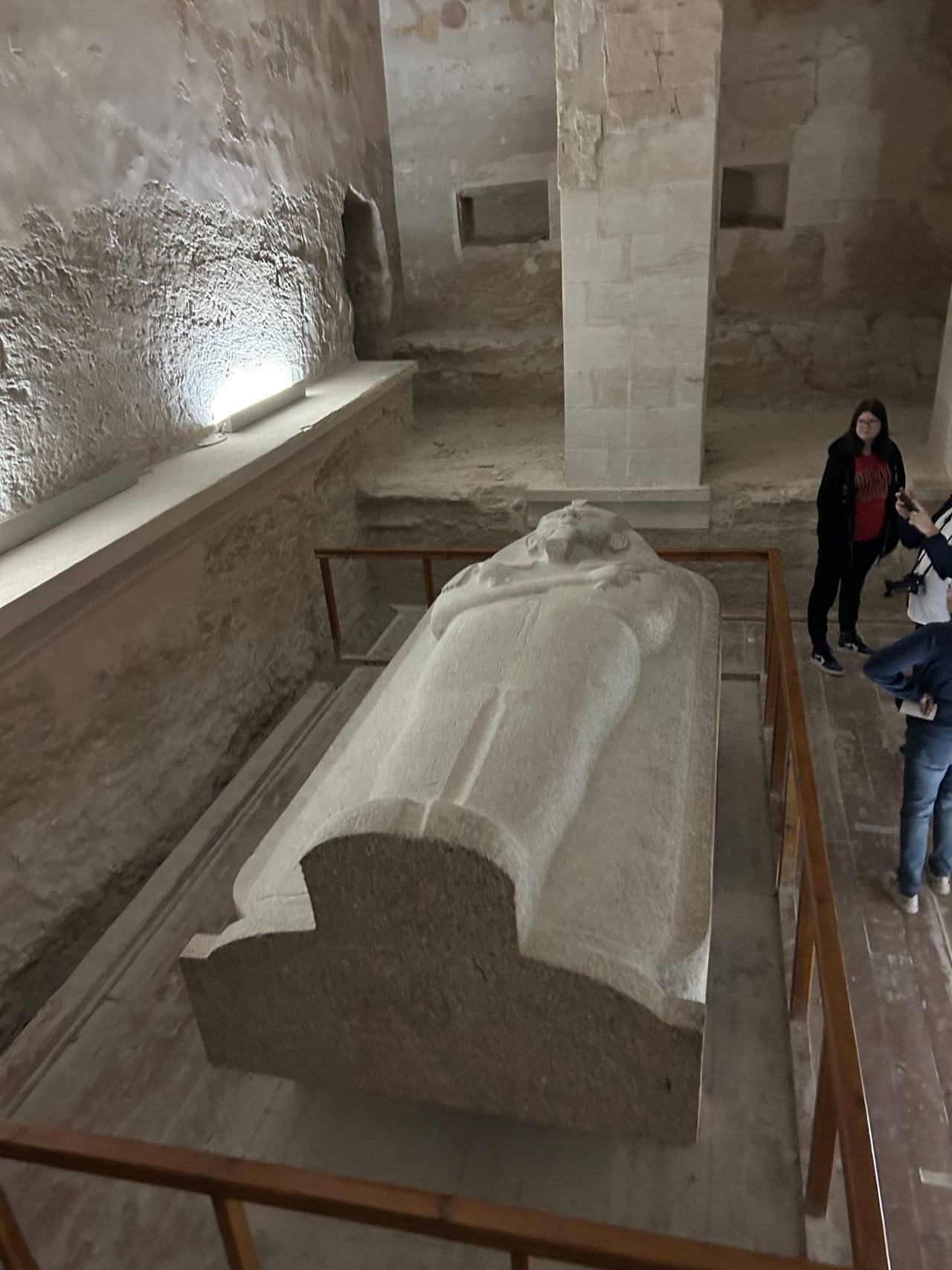
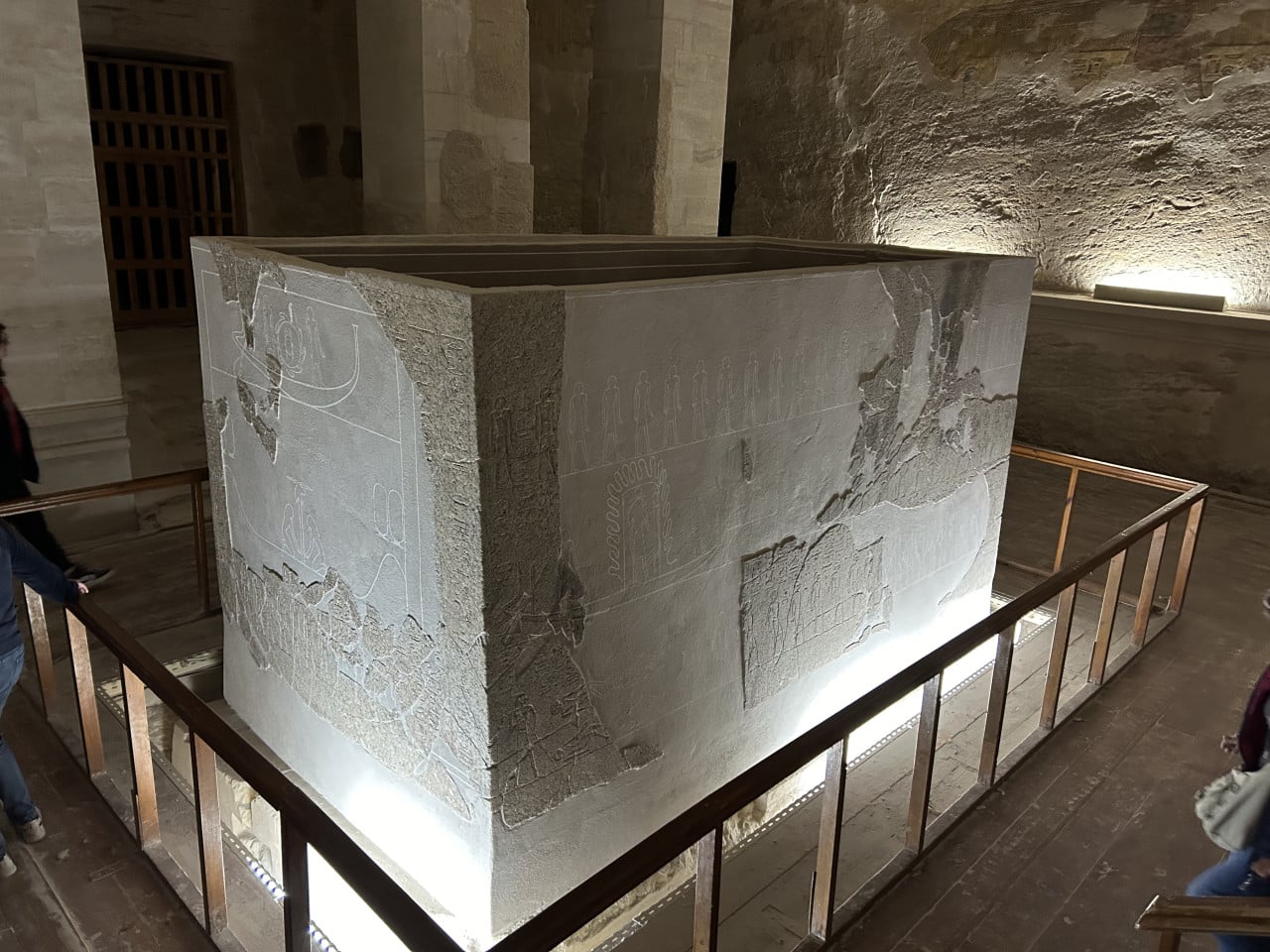
Merenptah was to be placed inside as many as four nested stone sarcophagi. The largest was so enormous that the builders had to remove parts of the door jambs to transport it and then rebuild them afterward. This is a good illustration of the immense amount of work and resources the Egyptians devoted to preparing a ruler for the afterlife. (thebanmappingproject.com)
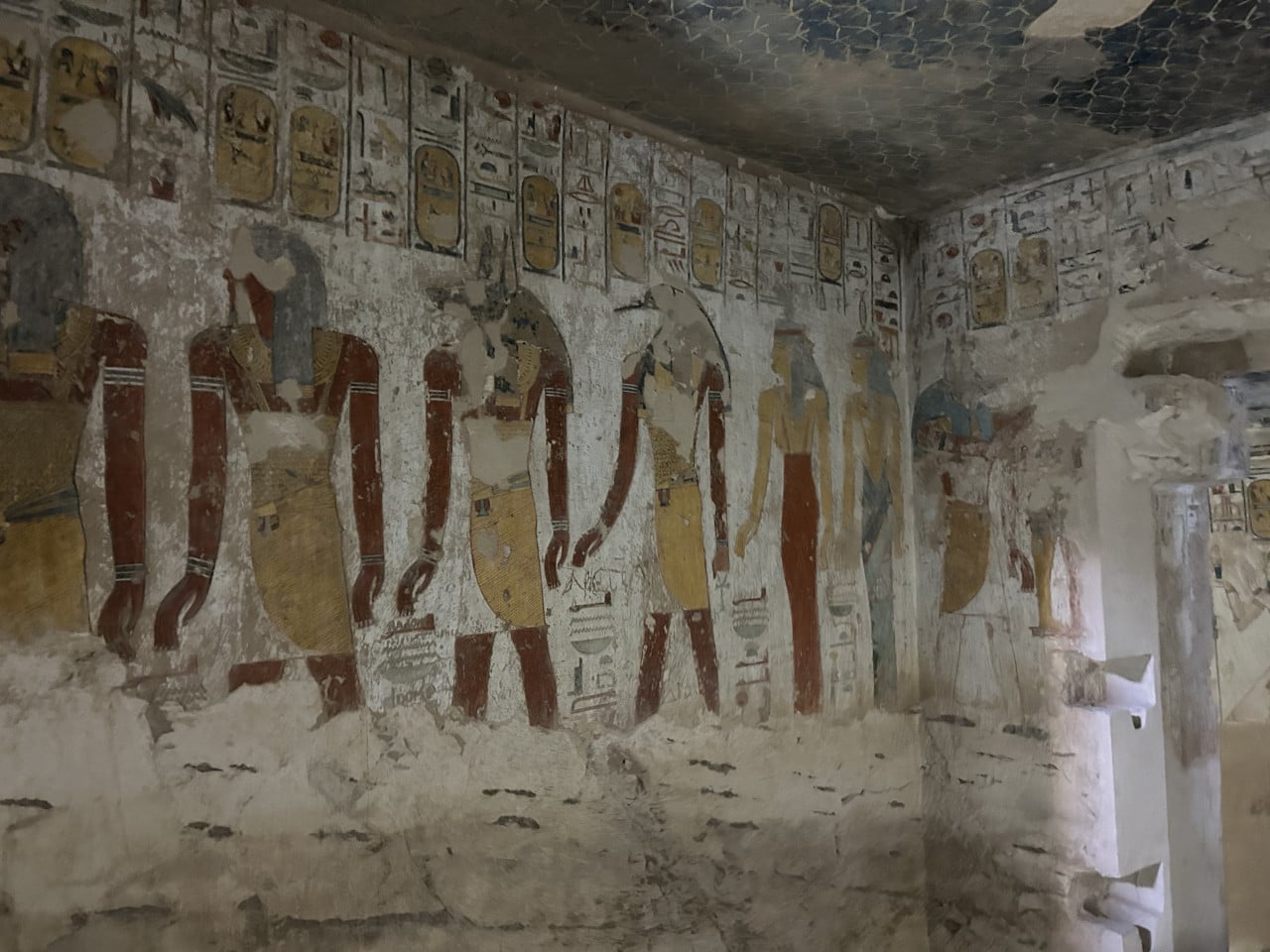
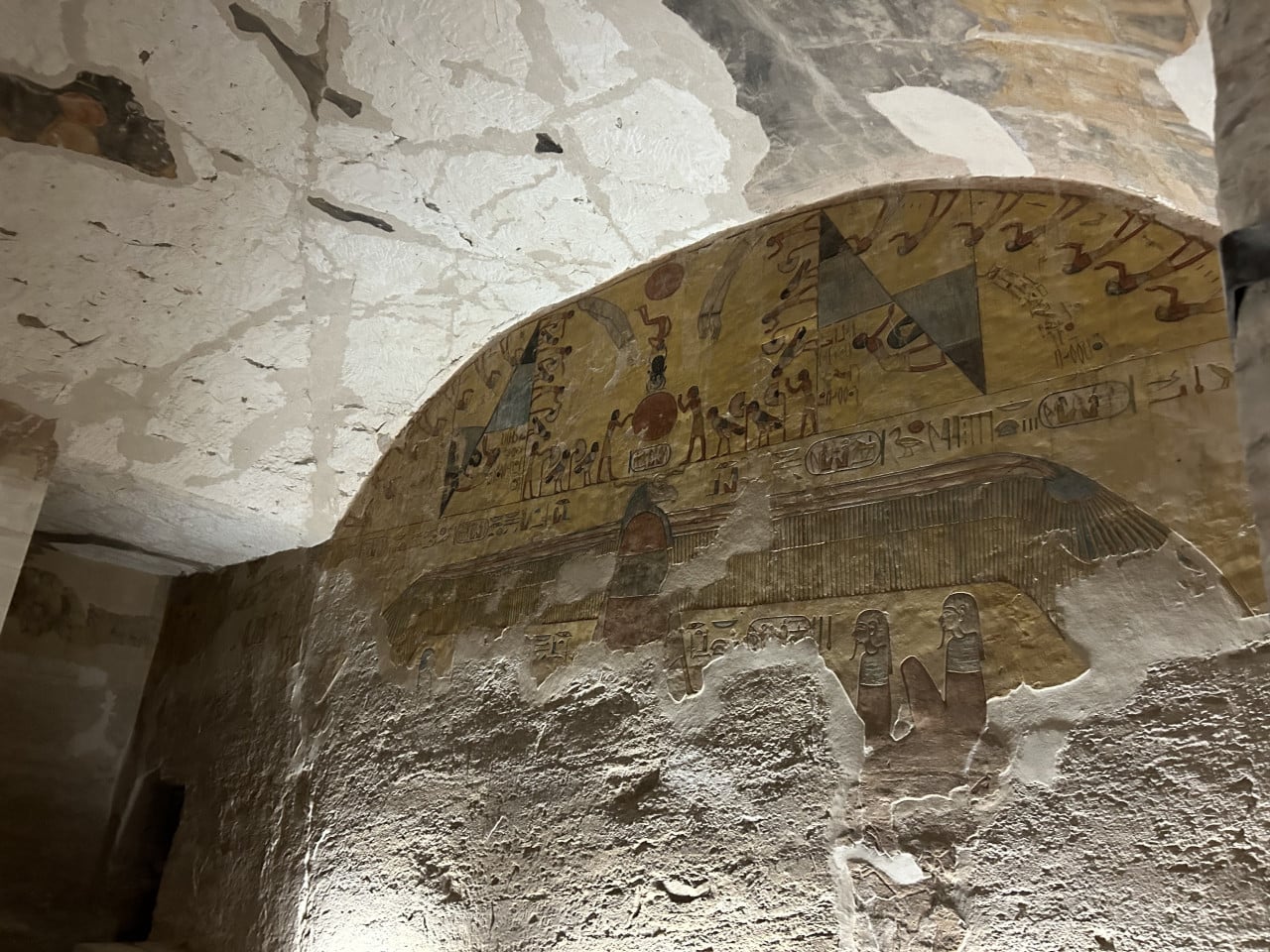
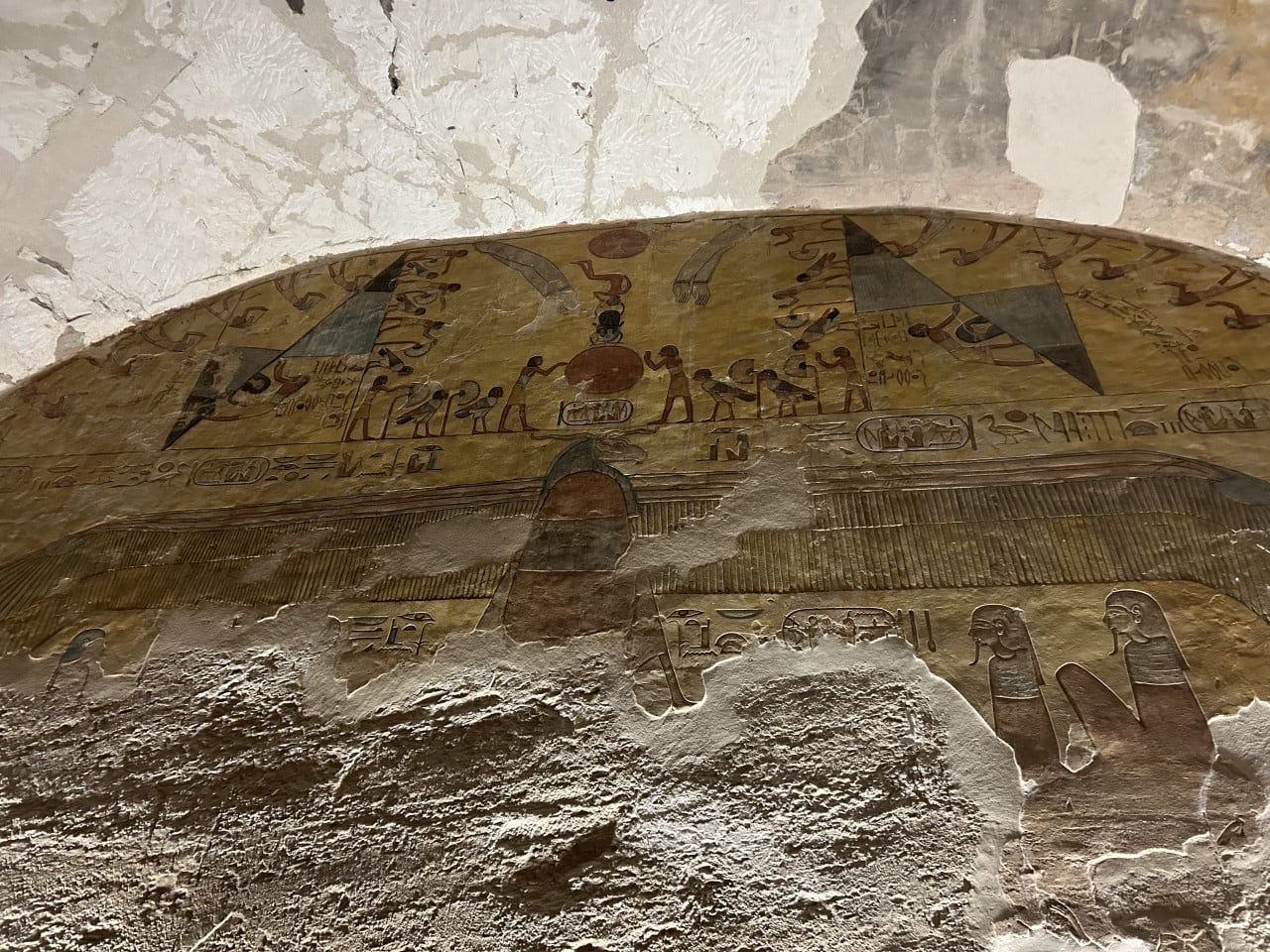
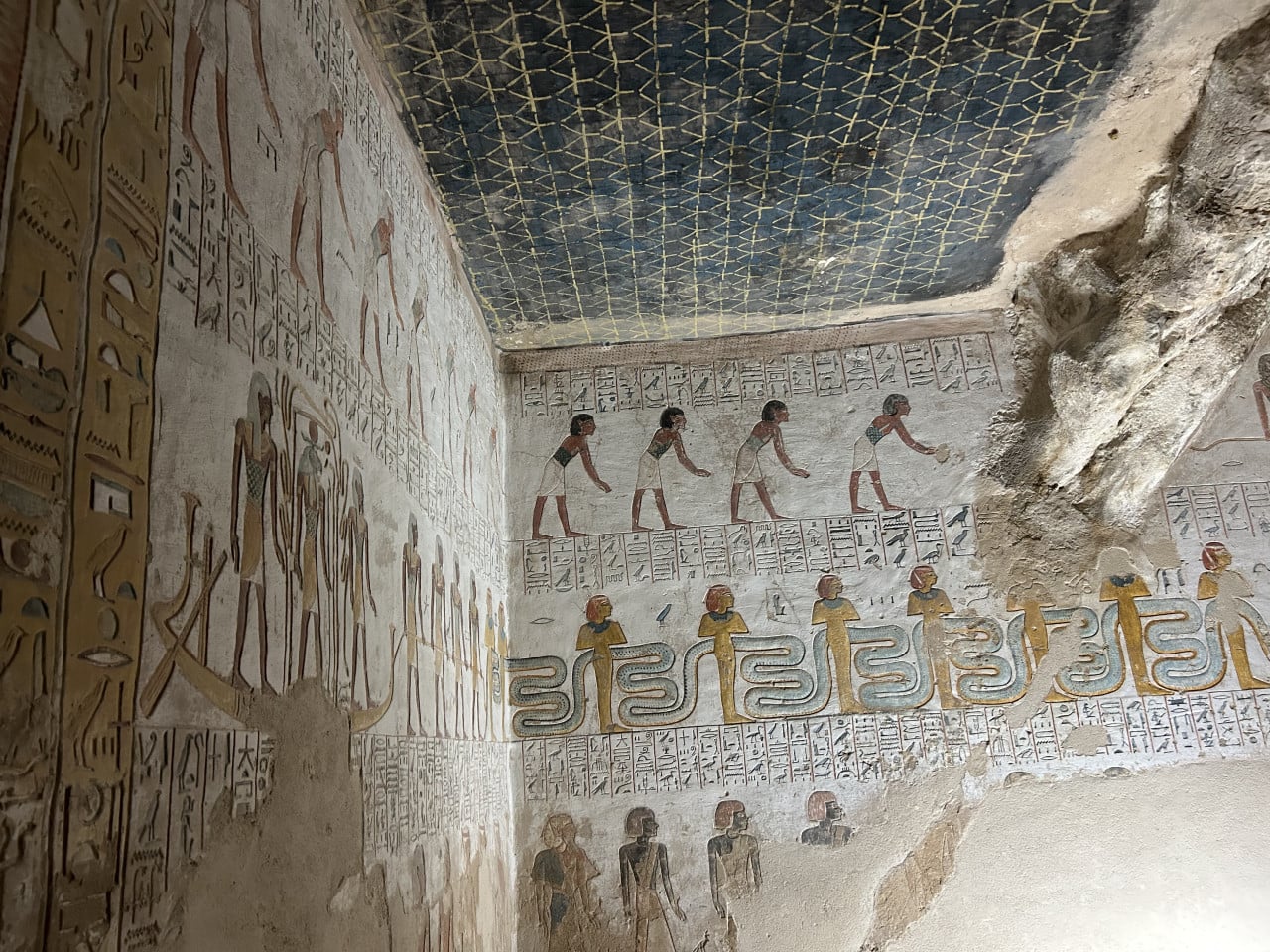
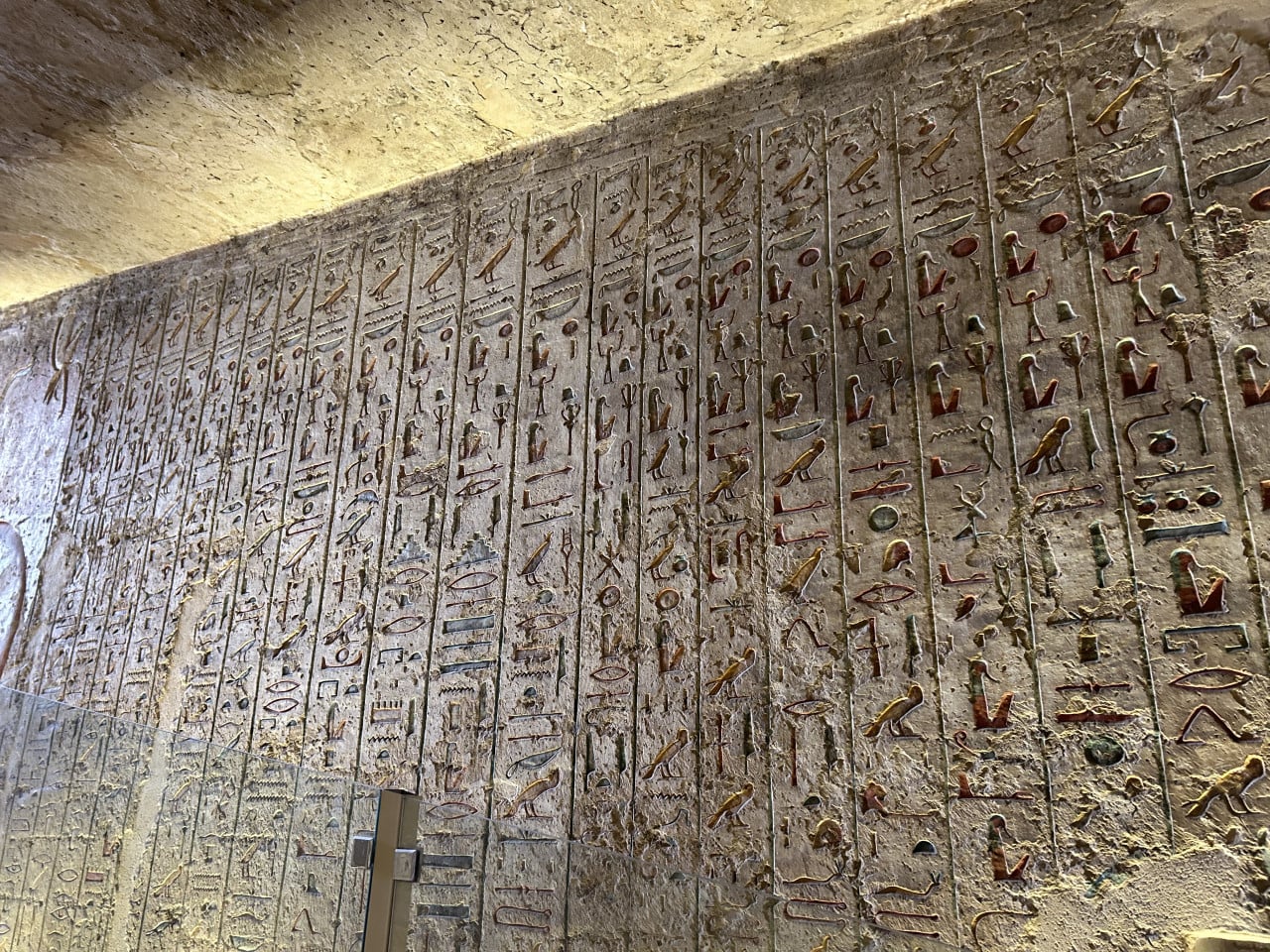
The walls feature reliefs, hieroglyphs, and scenes from religious texts intended to help the pharaoh pass safely through the underworld. They were therefore not paintings of everyday life in the modern sense. The individual figures of gods, solar boats, and rituals had specific magical and religious meanings.
Unfortunately, the tomb was looted and also damaged several times by flash floods. Merenptah’s mummy is no longer there. To protect it, ancient priests moved it to the tomb of Amenhotep II, designated KV35, where it was found in 1898. Today, it is housed in the National Museum of Egyptian Civilization in Cairo. (NMEC)
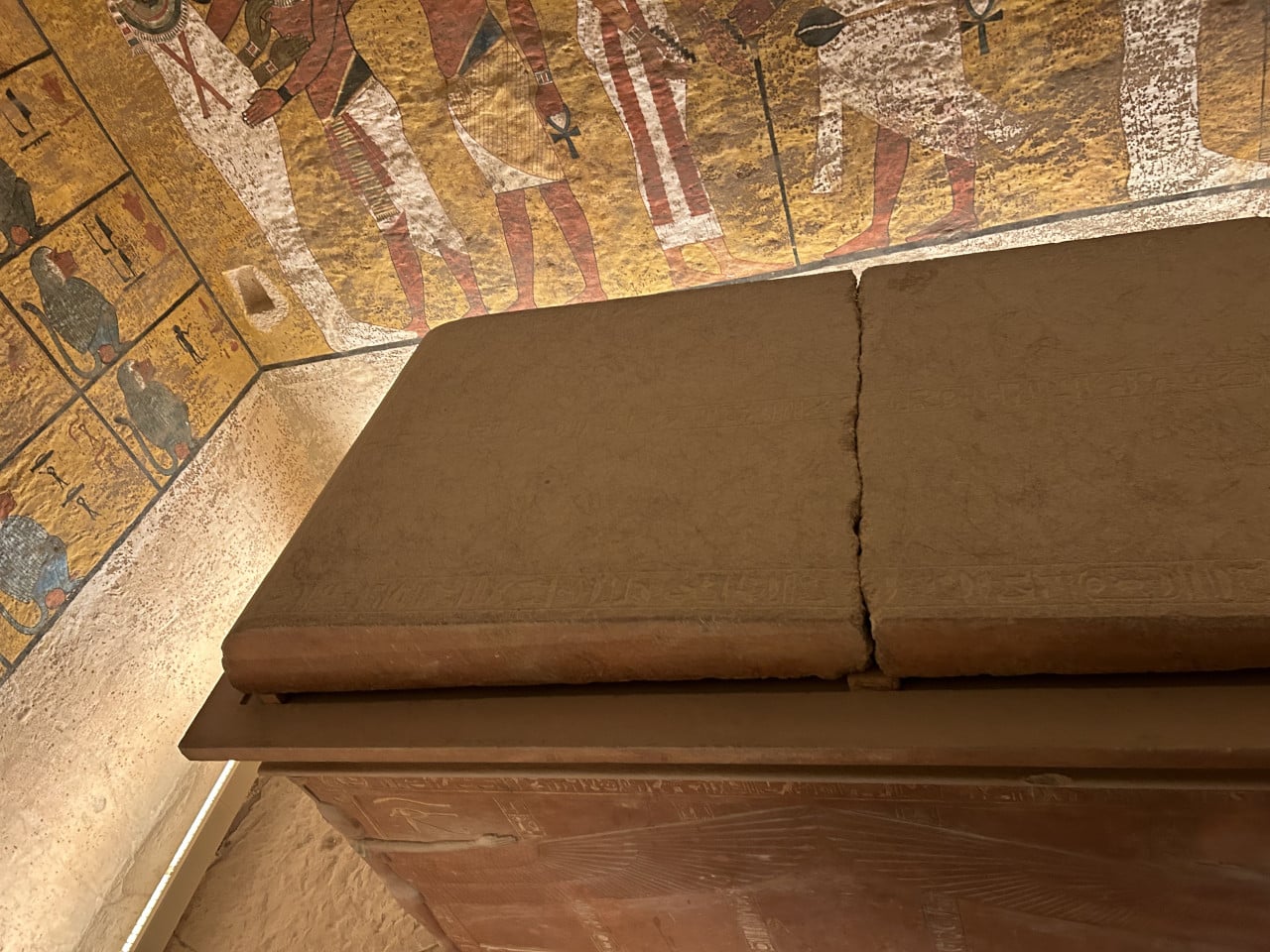
In KV8 itself, however, we were able to see enormous stone sections of the sarcophagus. Only when you stand next to them do you realize how difficult it must have been to transport something like that deep underground without modern machinery.
Tomb of Ramesses III KV11
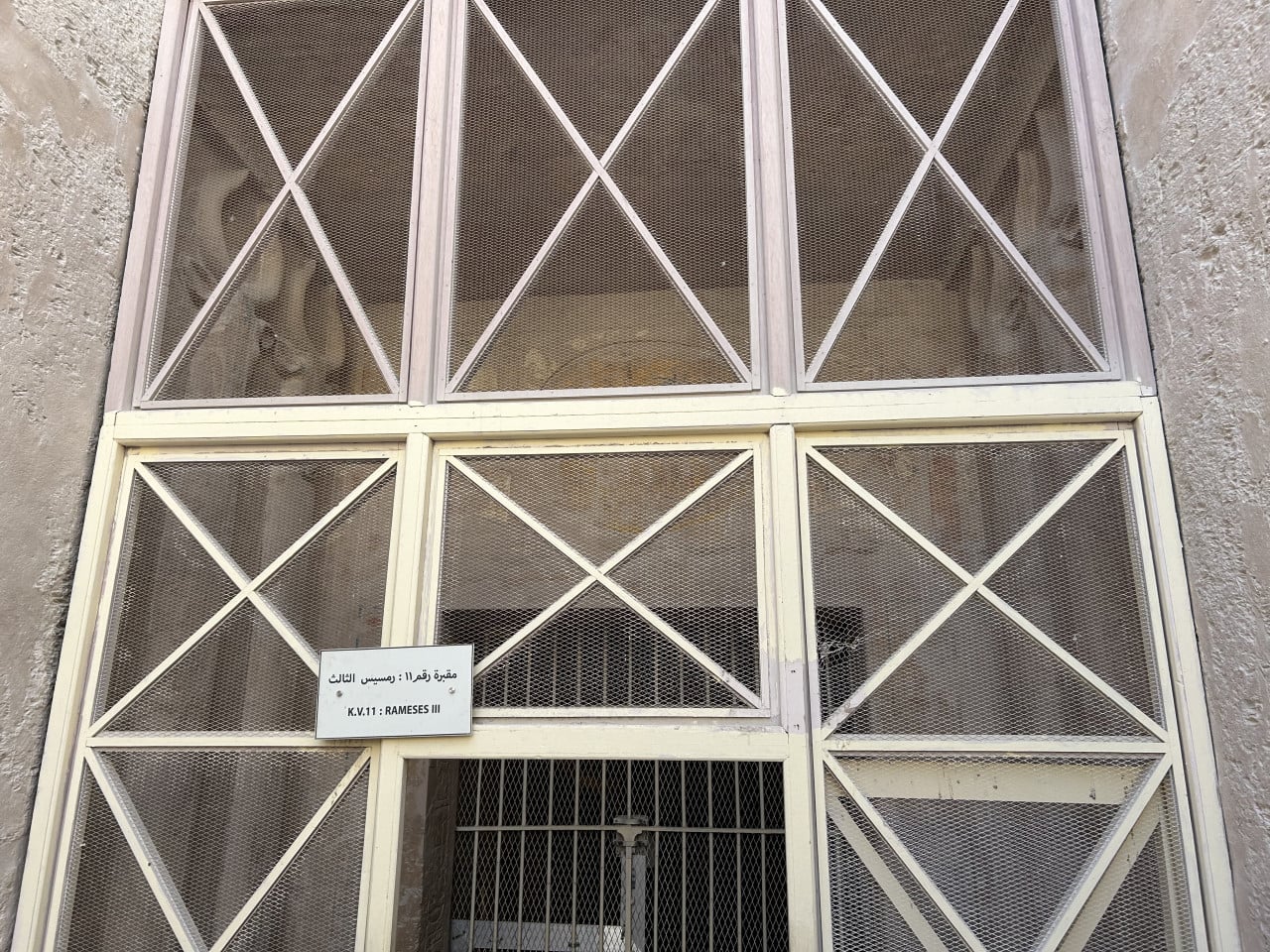
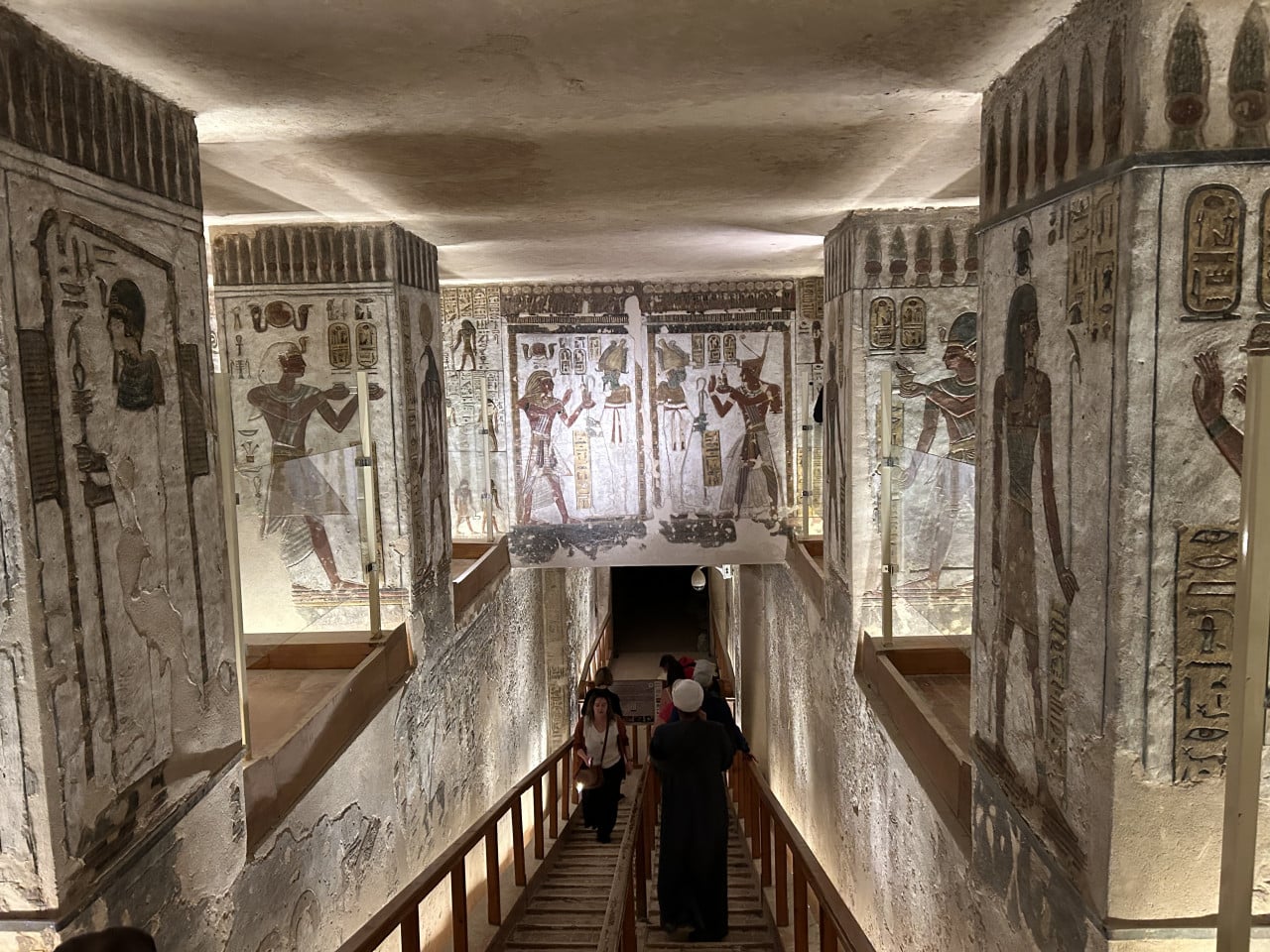
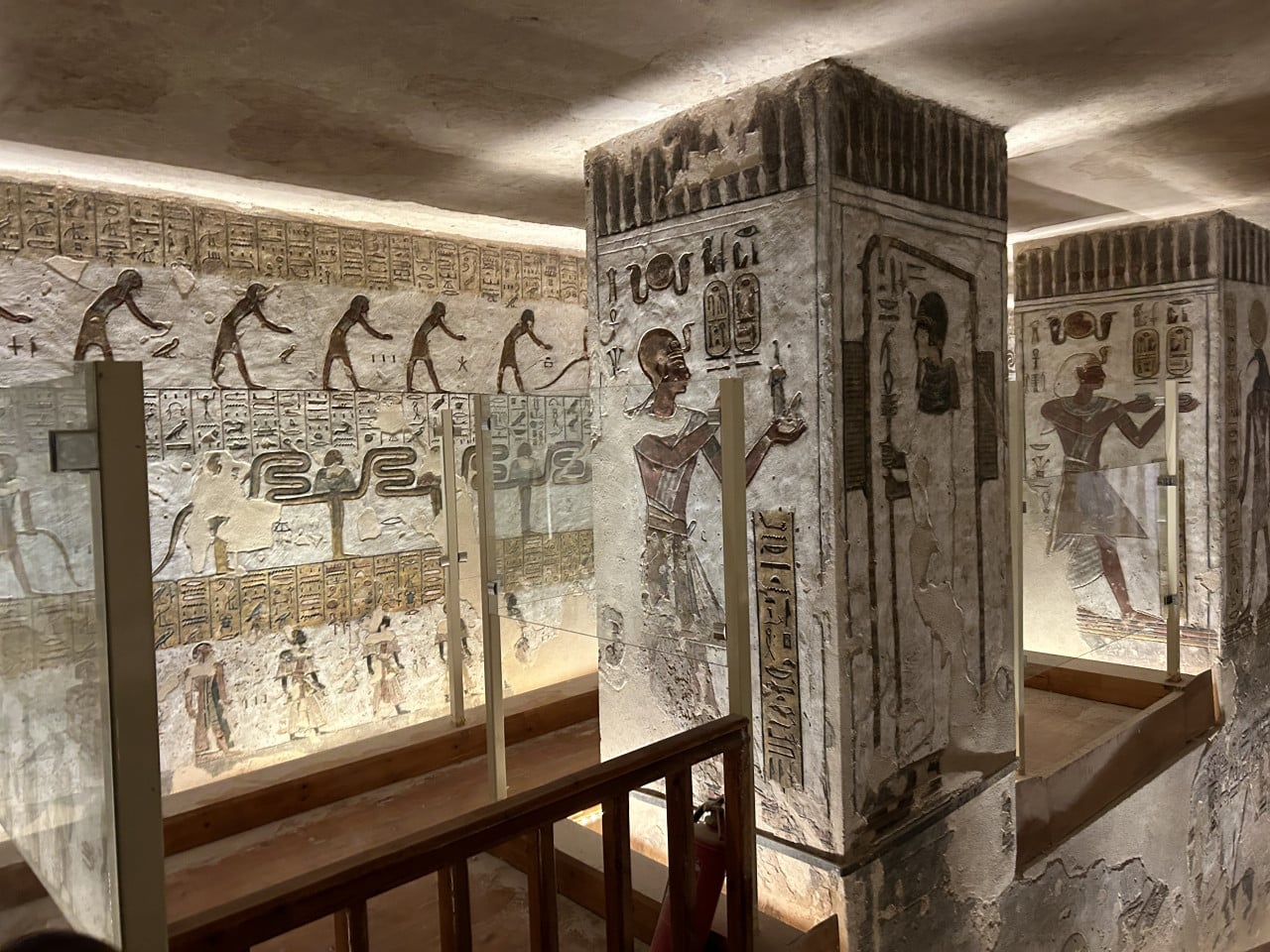
After visiting Merenptah’s tomb, we continued to the tomb of Ramesses III, designated KV11. I liked this one even more.
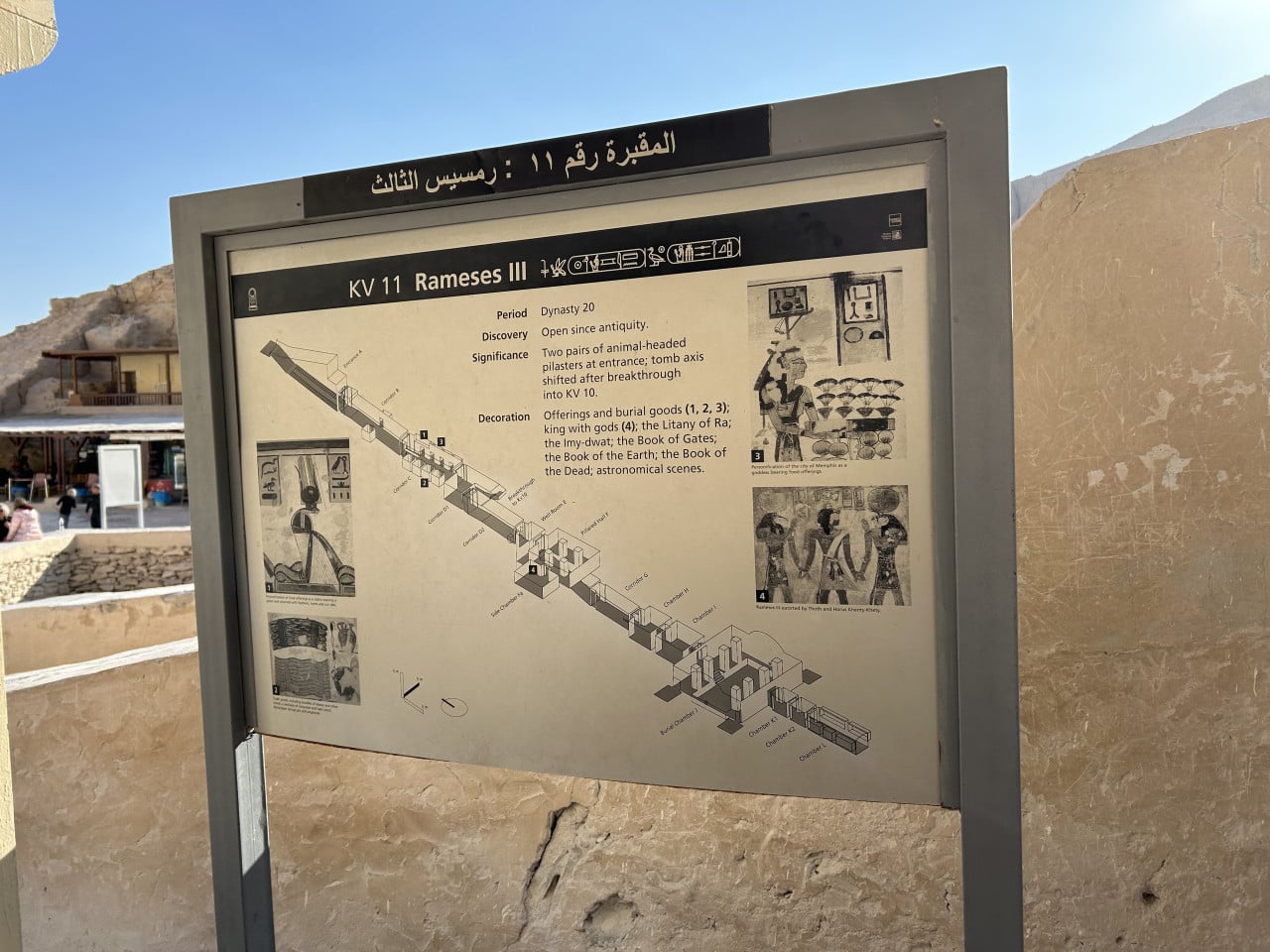
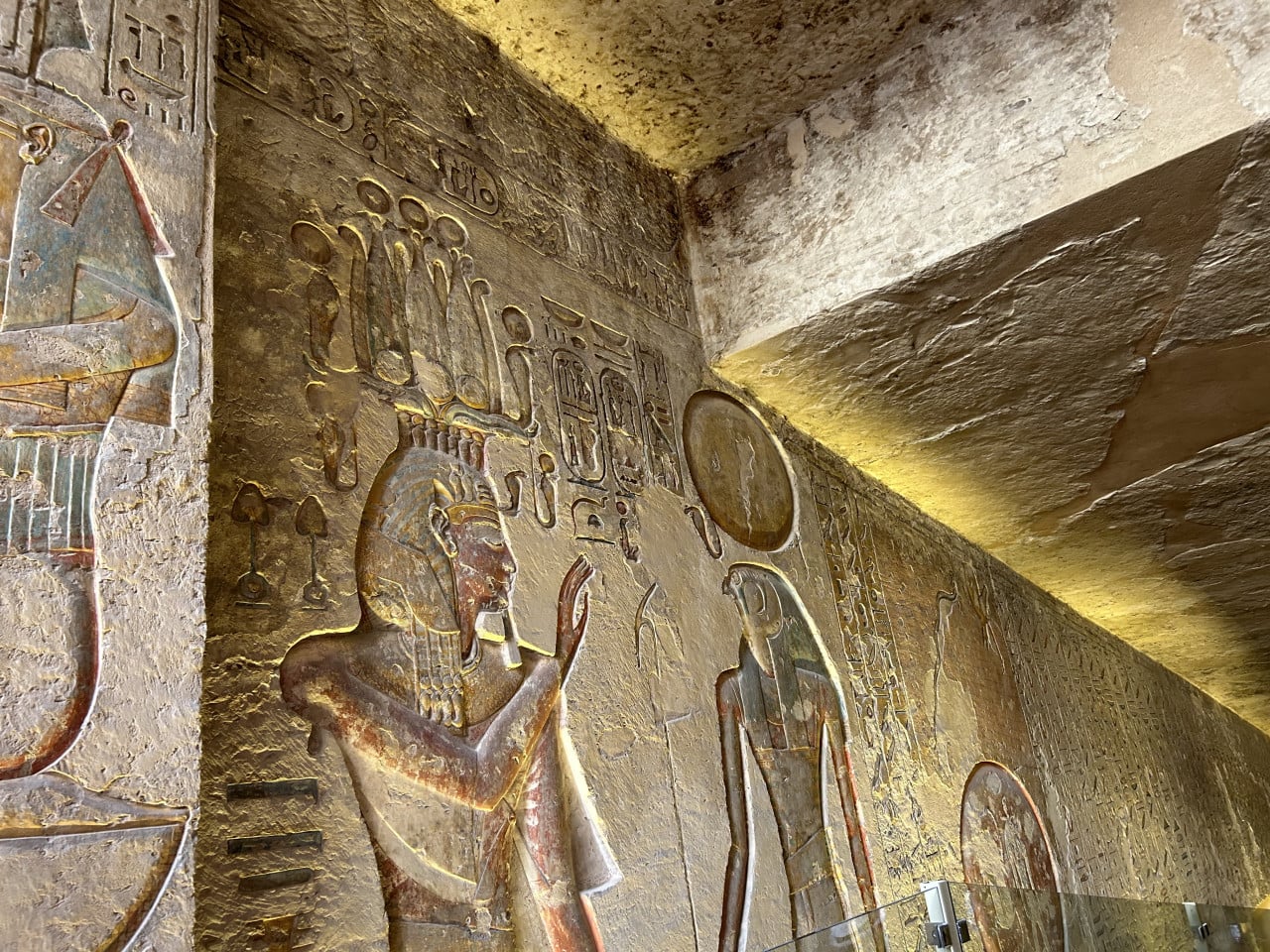
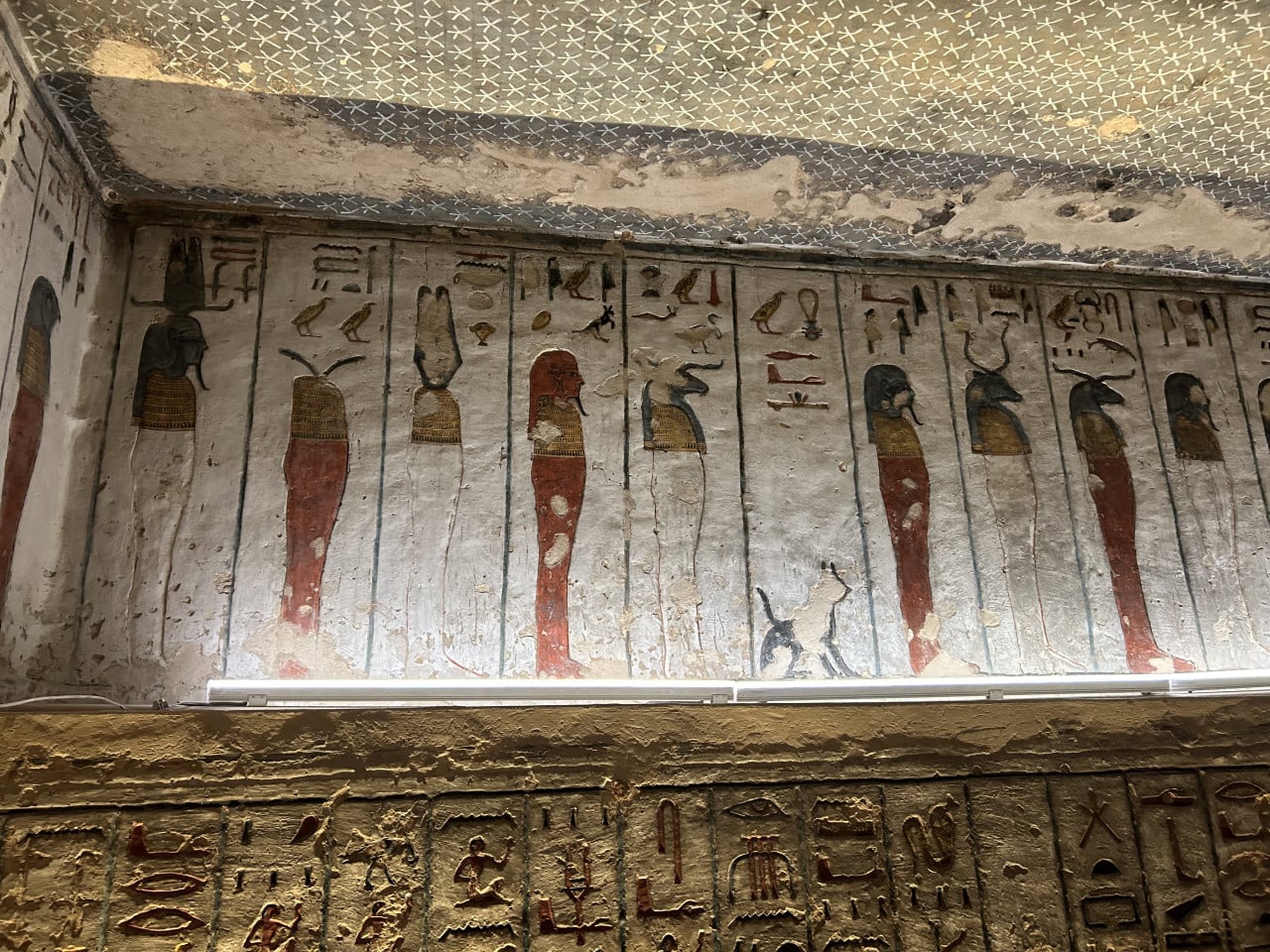
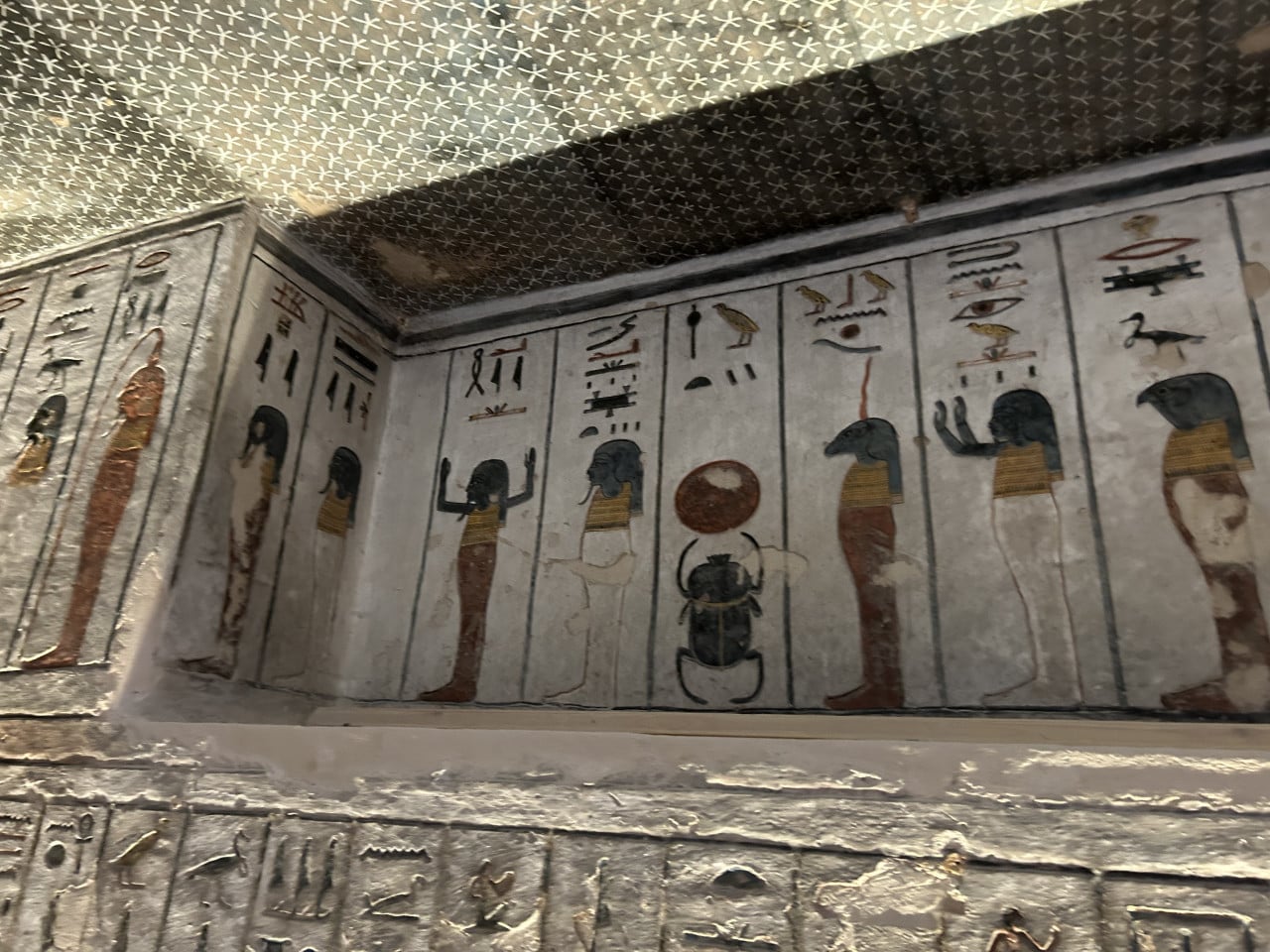
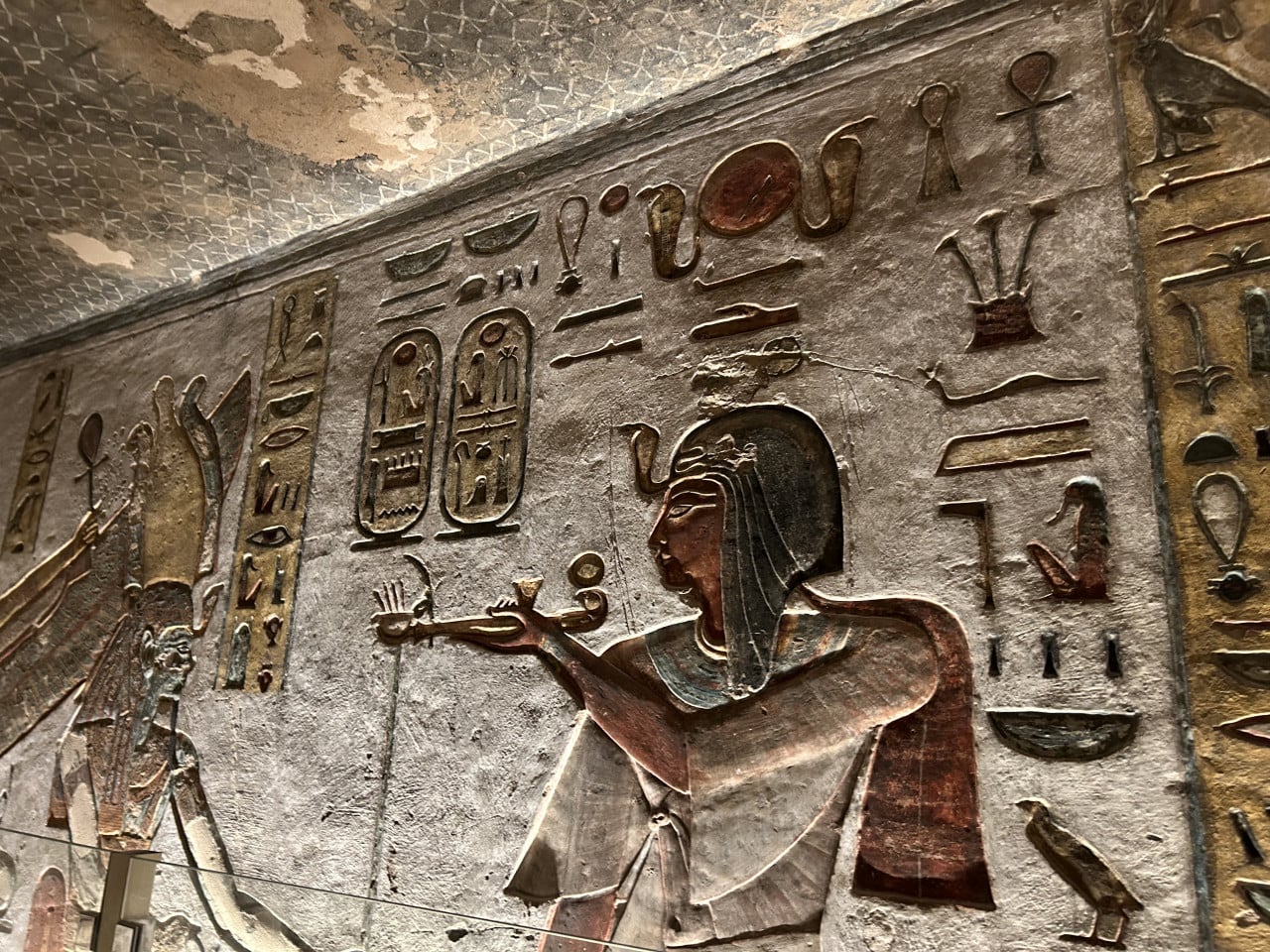
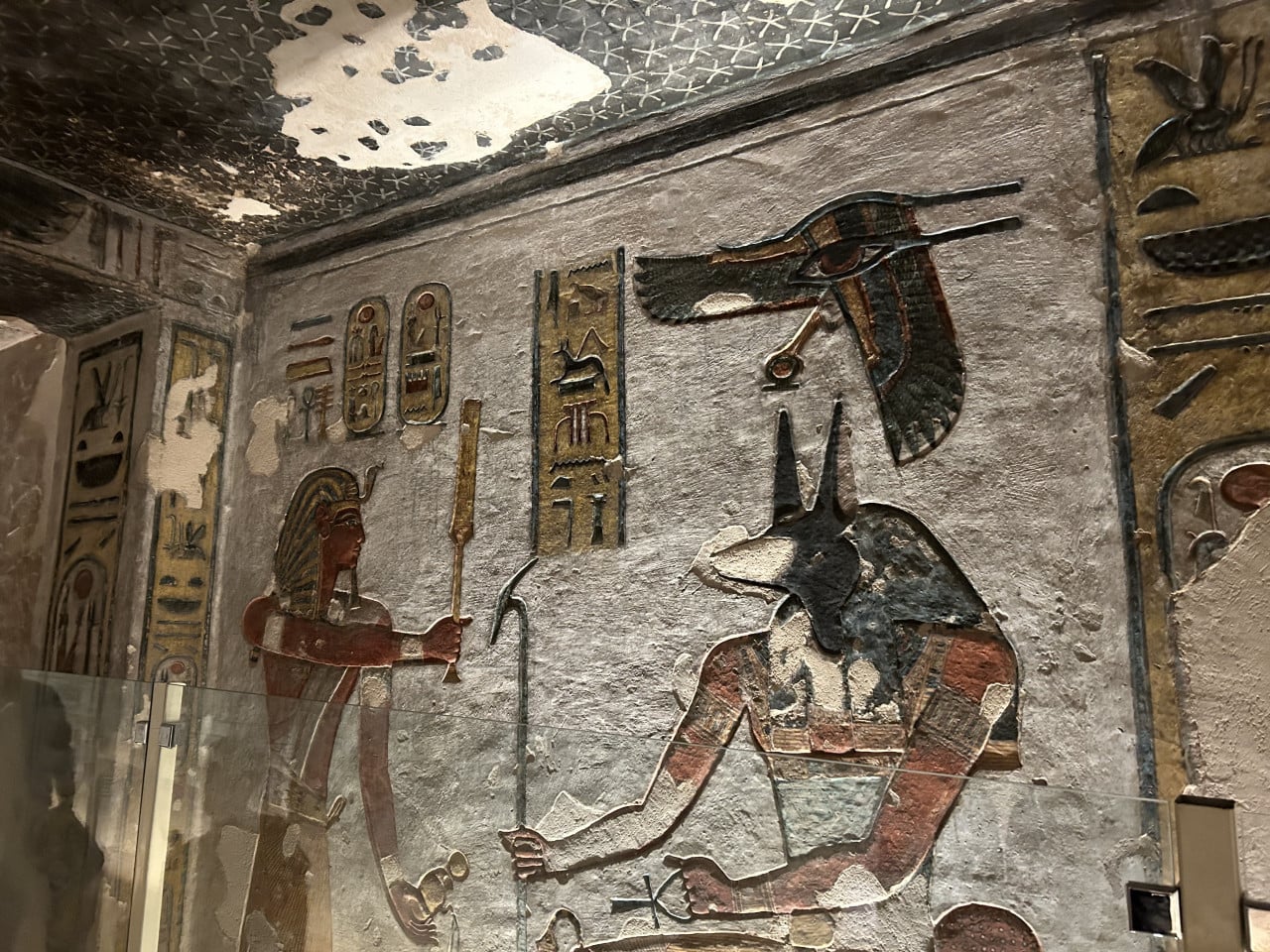
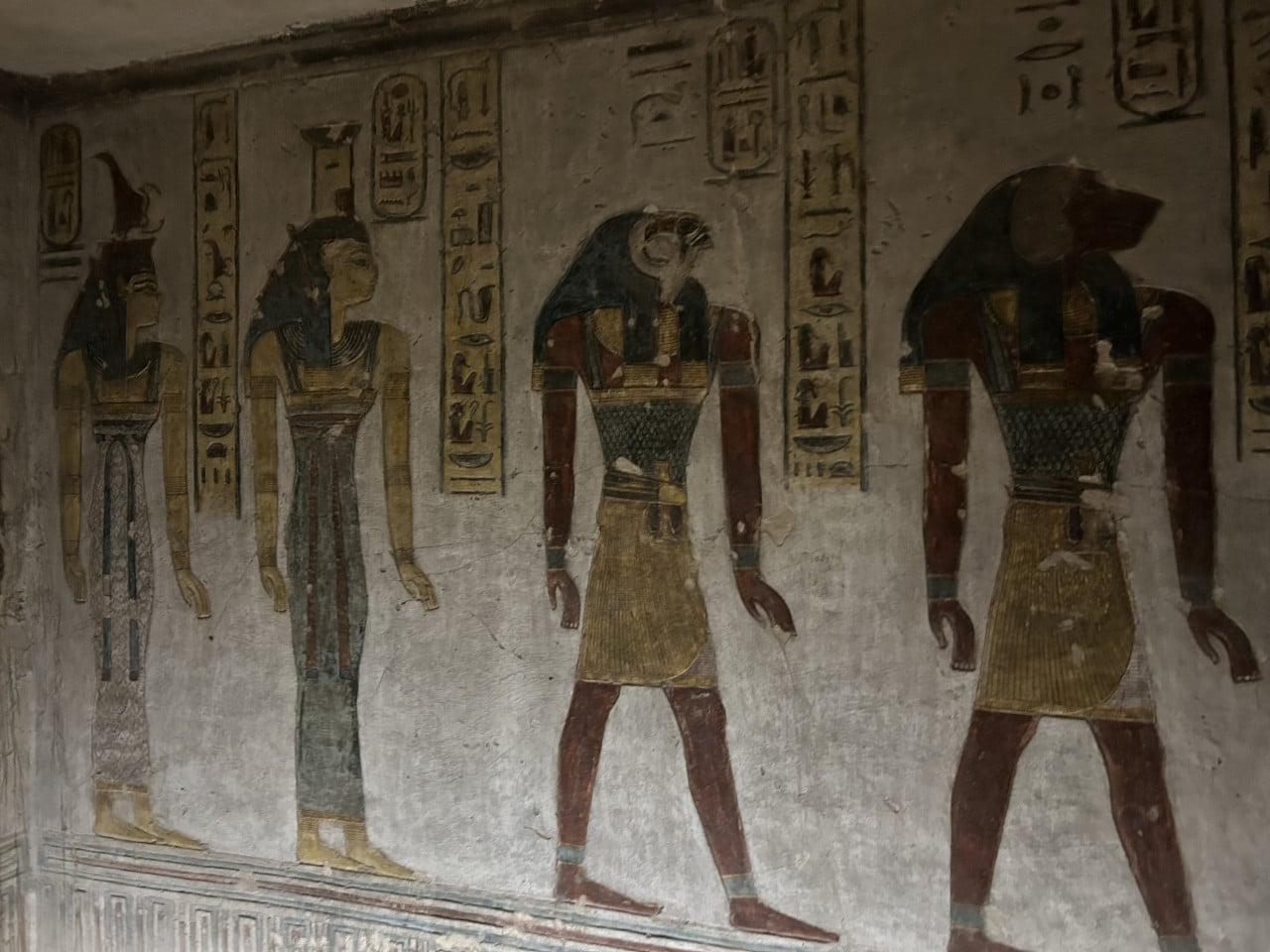
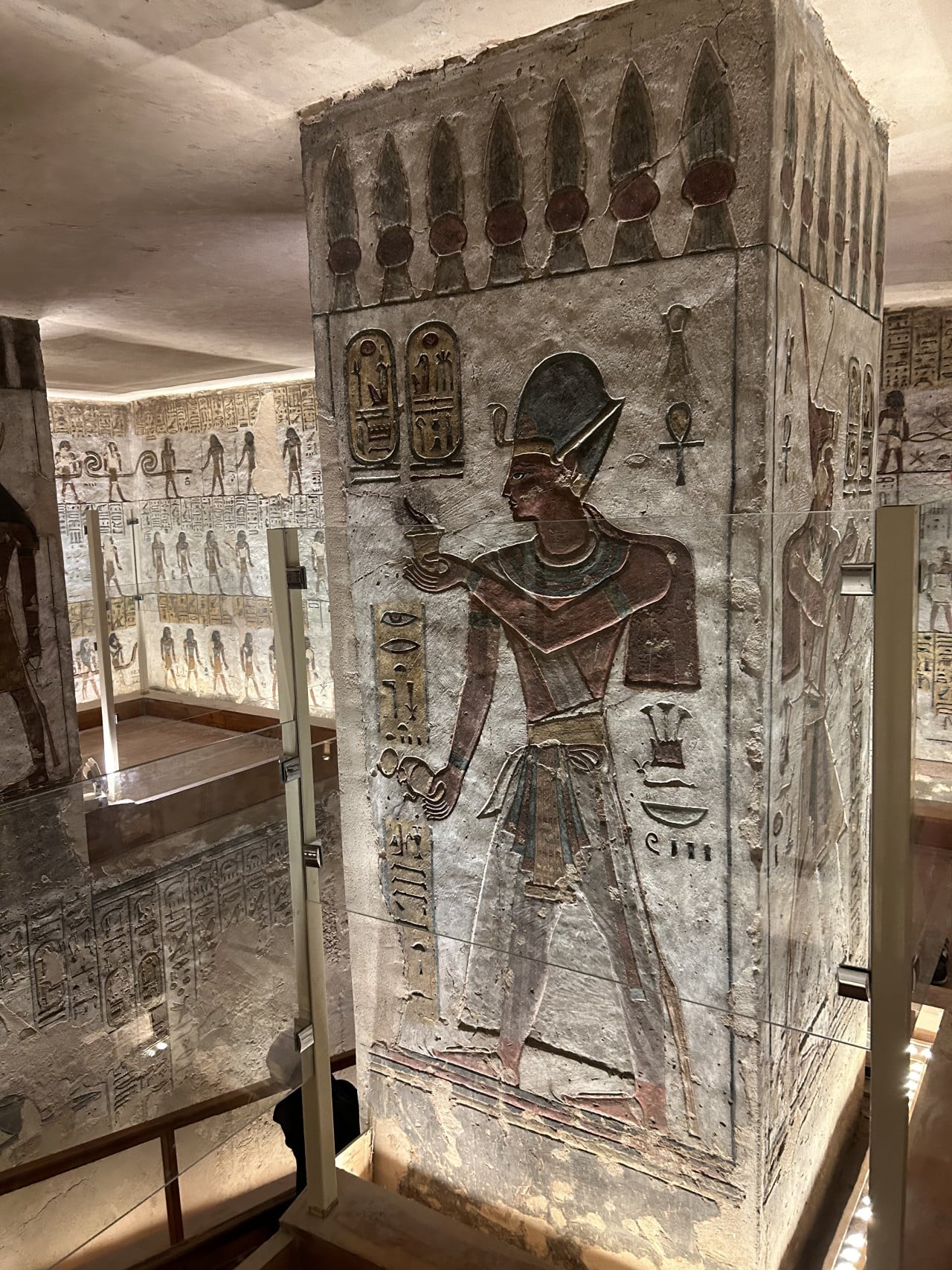
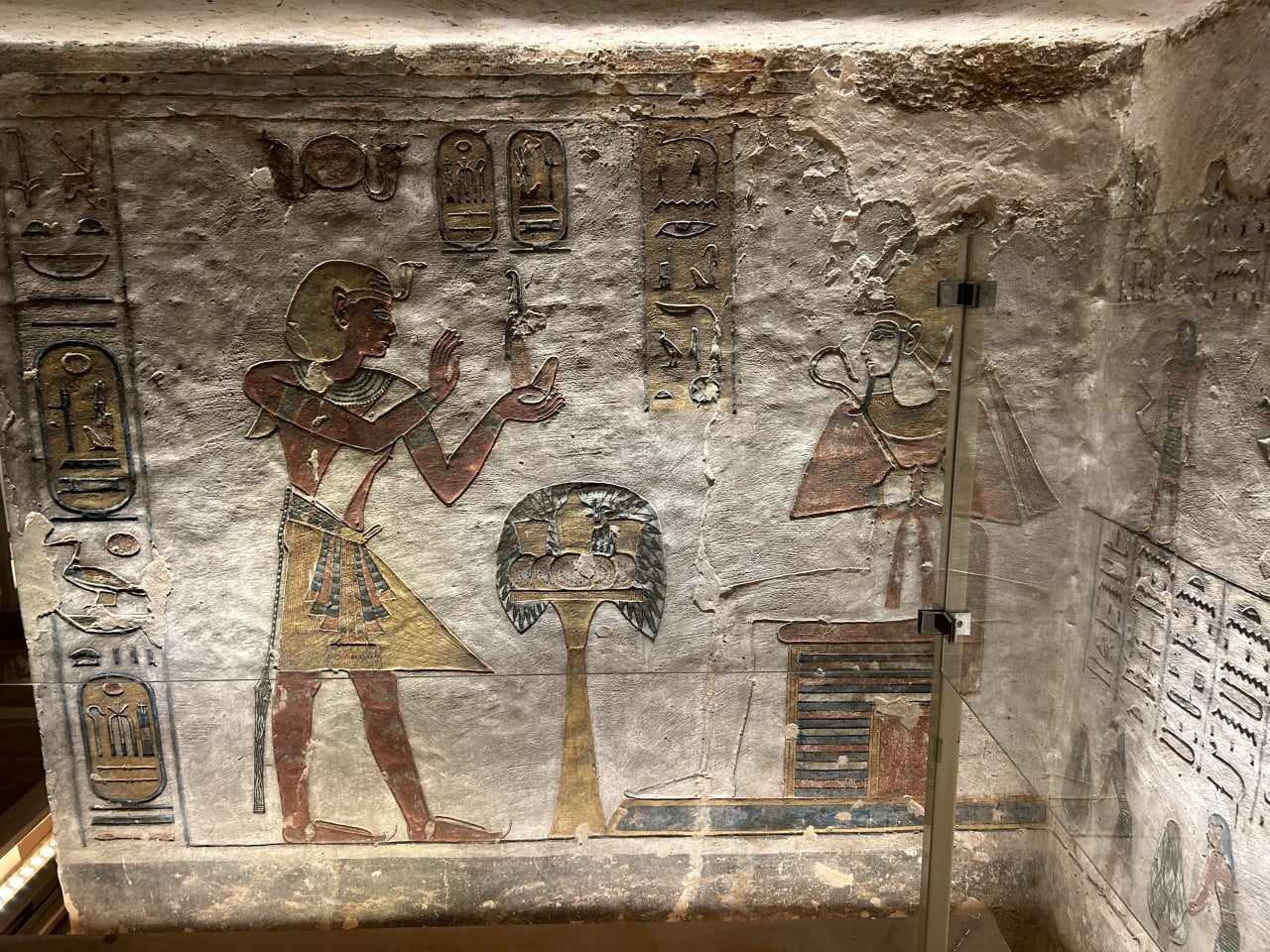
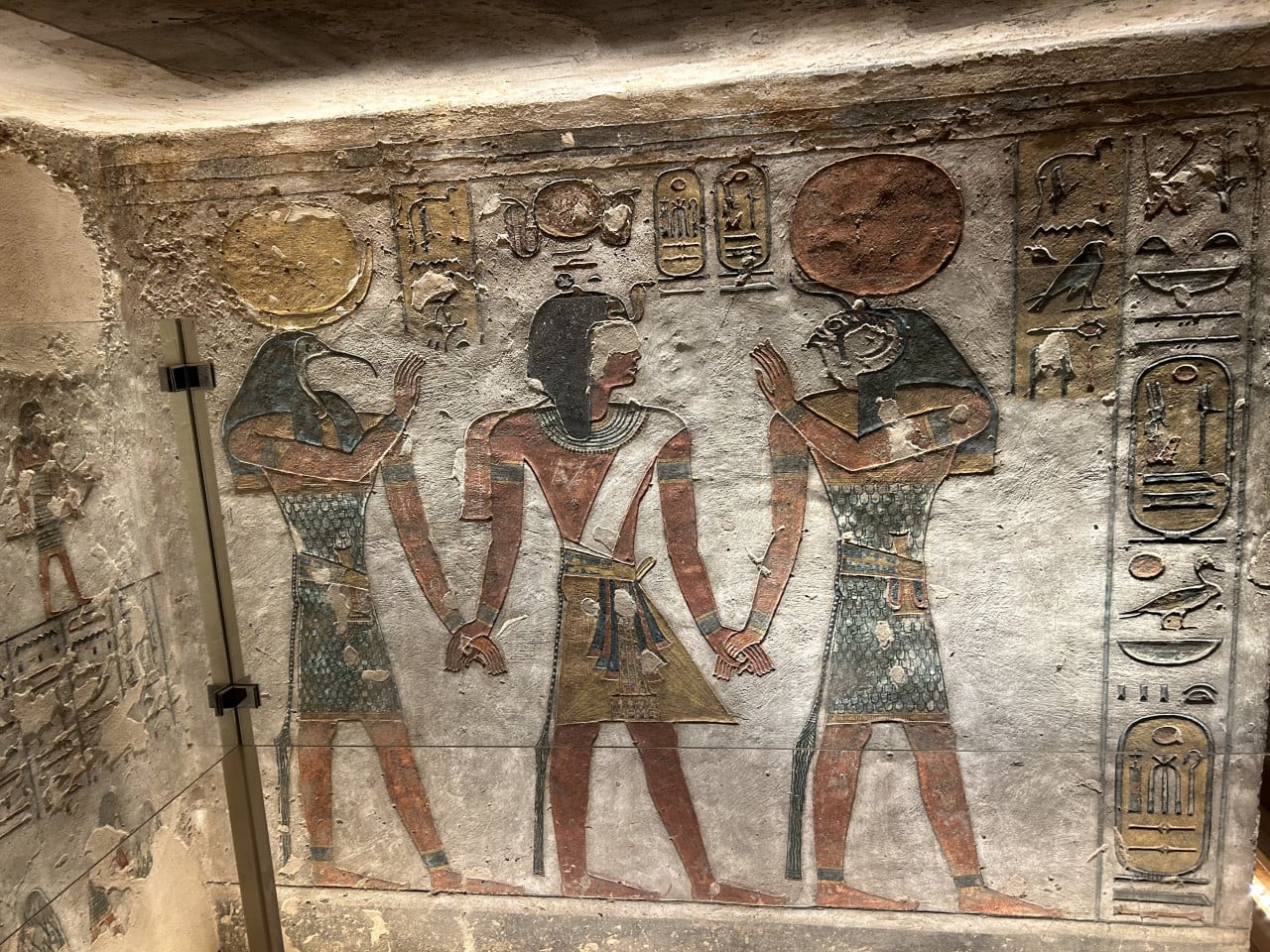
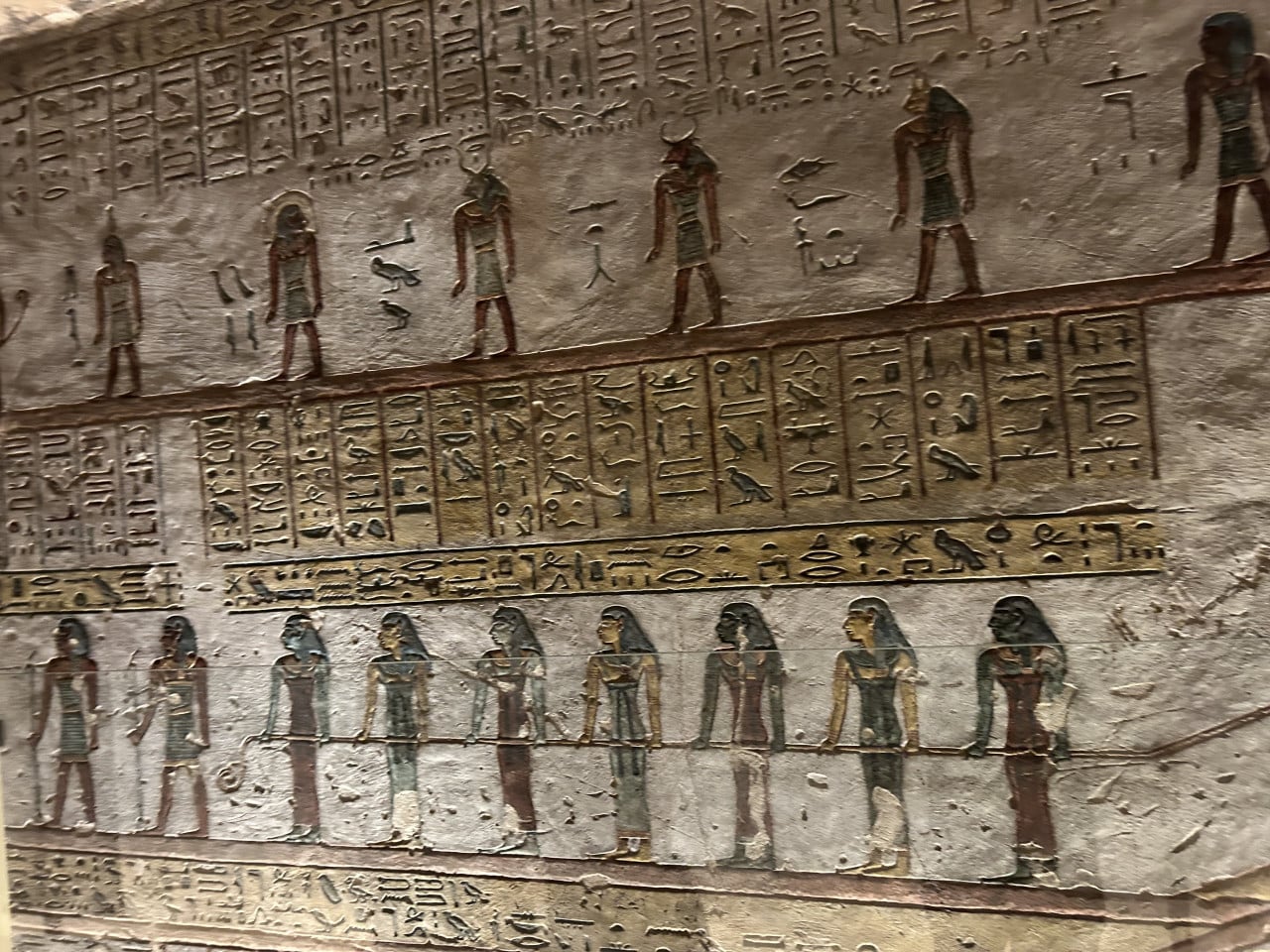
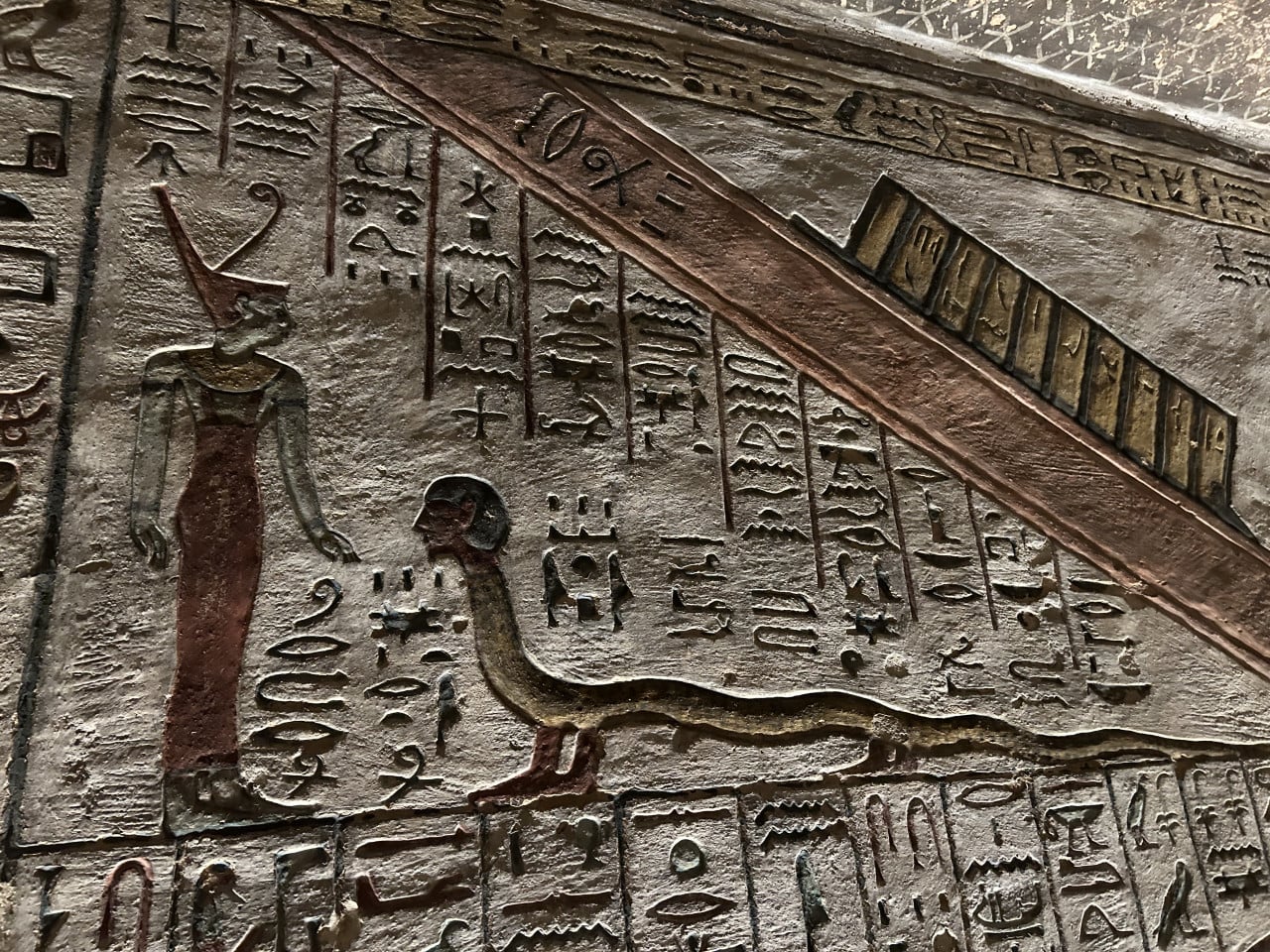
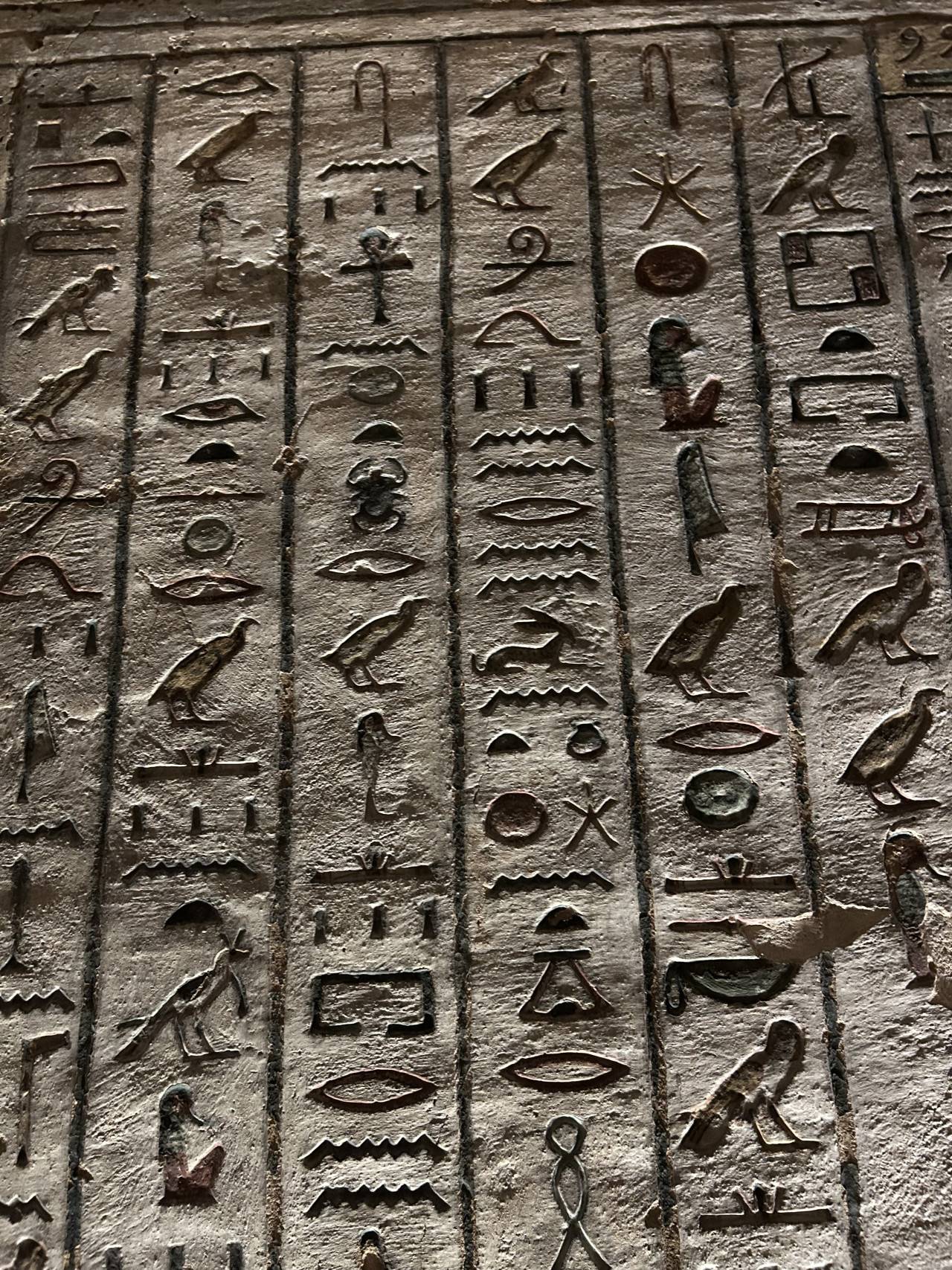
It was more colorful, more paintings and inscriptions remained on the walls, and overall it appeared better preserved. The red, blue, yellow, and black pigments are still surprisingly vivid in some places. When you realize that you are looking at original colors more than three thousand years old, it is a truly strange feeling.
Ramesses III is often regarded as the last great warrior pharaoh of the New Kingdom. During his approximately thirty-two-year reign, he faced attacks by the Libyans and the Sea Peoples and had his military successes depicted on the walls of his mortuary temple at Medinet Habu. Although he defended Egypt, the prolonged wars drained the country economically. His reign also produced the first known written record of a workers’ protest, when the craftsmen of Deir el-Medina did not receive their grain rations on time. (Egyptian Monuments)
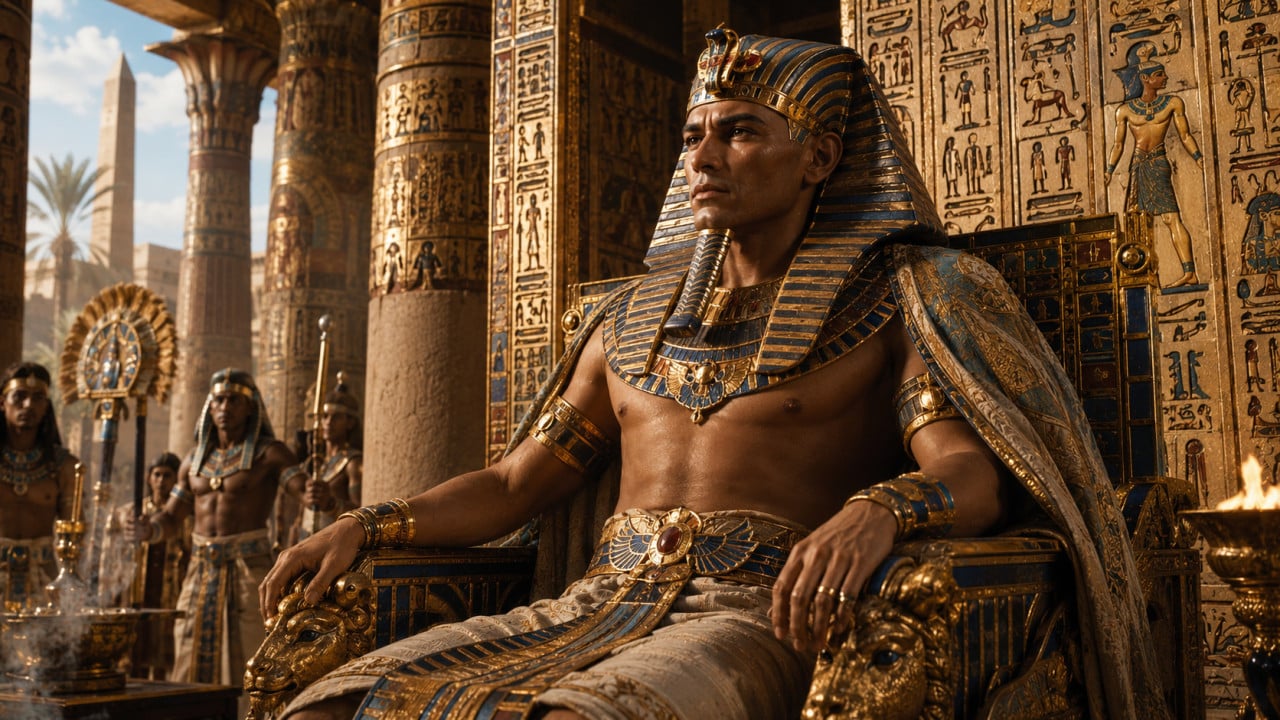
The end of his life was also interesting. Members of the royal harem allegedly attempted to remove the pharaoh and place Prince Pentawer on the throne. For a long time, it was unclear whether the assassination attempt had succeeded. However, a modern CT scan of the mummy revealed a deep cut across the neck that severed the trachea, esophagus, and blood vessels. Ramesses III was therefore almost certainly murdered during the so-called Harem Conspiracy. (BMJ)
The tomb itself also has an interesting story. It was originally begun by Ramesses’s father, Setnakhte. While excavating, however, the workers accidentally broke through into the older tomb KV10, so the direction of the new tomb had to be changed. Setnakhte was eventually buried elsewhere, and the complex was completed by Ramesses III.
KV11 is also sometimes called the Tomb of the Harpers after its famous paintings of musicians. Its decoration consists of scenes from the Book of Gates, the Amduat, the Book of the Dead, and other texts describing the journey of the sun and the deceased ruler through the nocturnal underworld.
You will no longer find the original sarcophagus in the tomb. It was removed in the early 19th century and is now divided between two European museums. The lower section is in the Louvre in Paris, while the lid, weighing approximately seven tons, is in the Fitzwilliam Museum in Cambridge. (collections.louvre.fr)
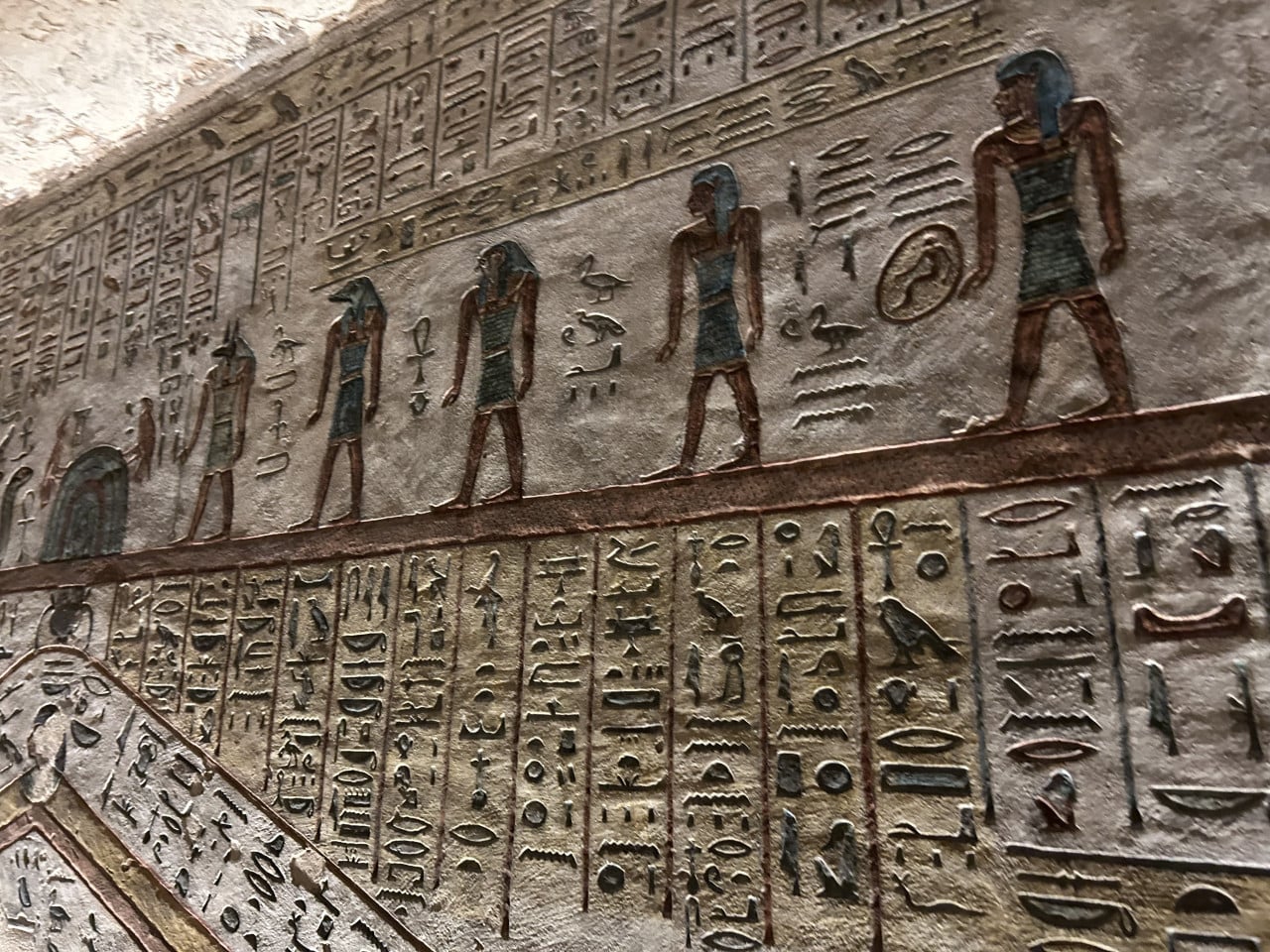
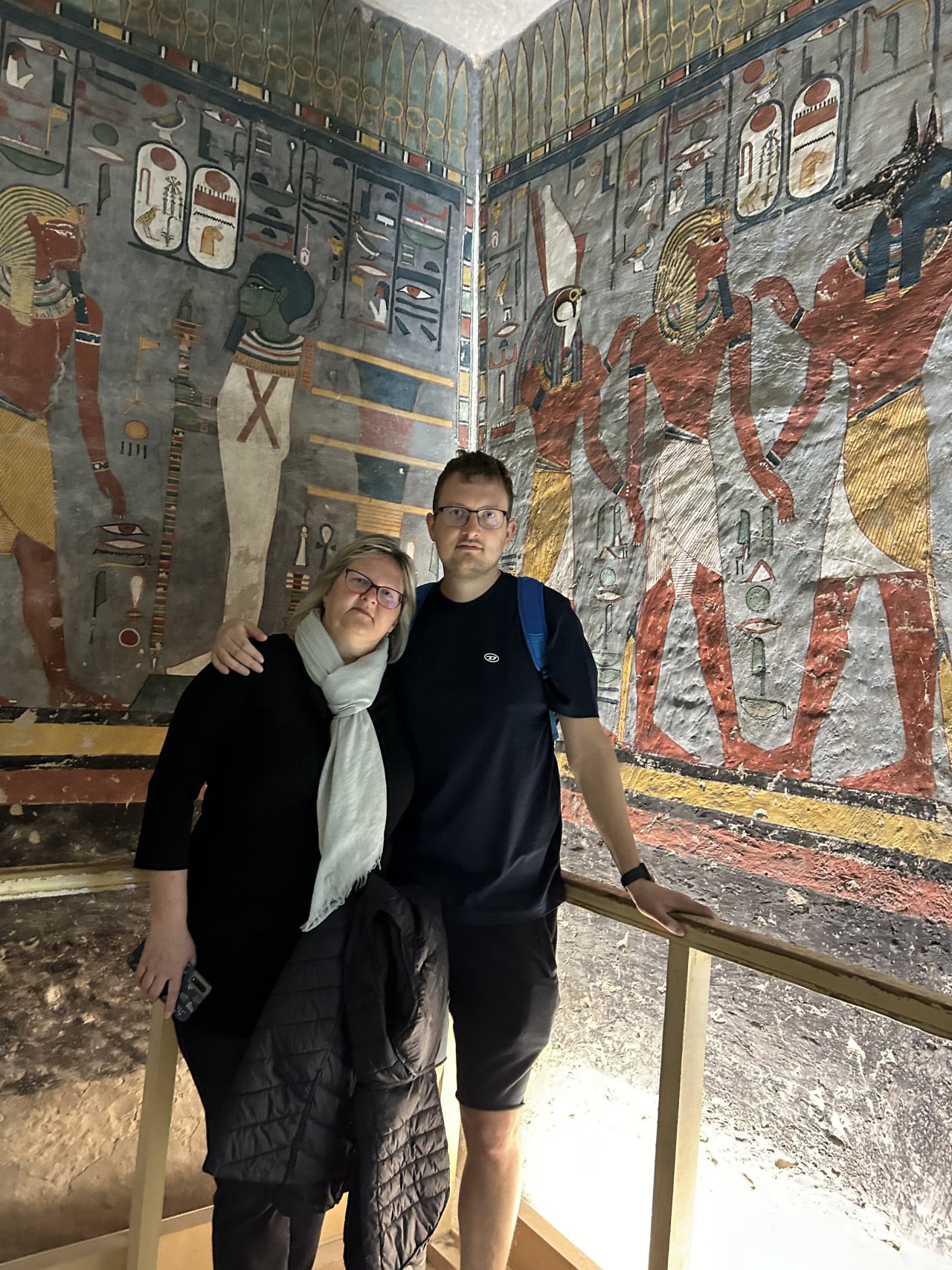
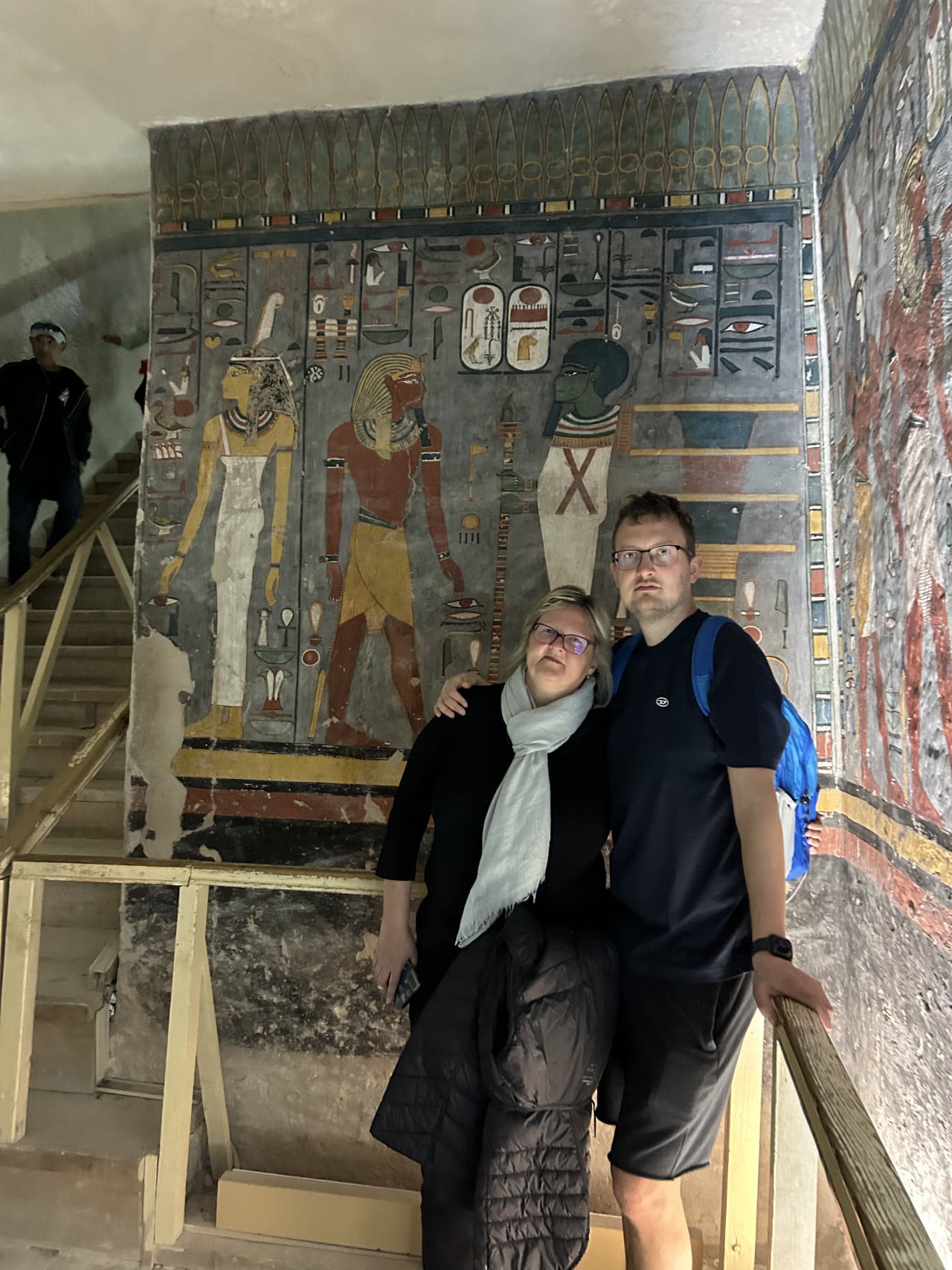
Tomb of Ramesses I KV16
The next tomb we visited was KV16, which belonged to Ramesses I.
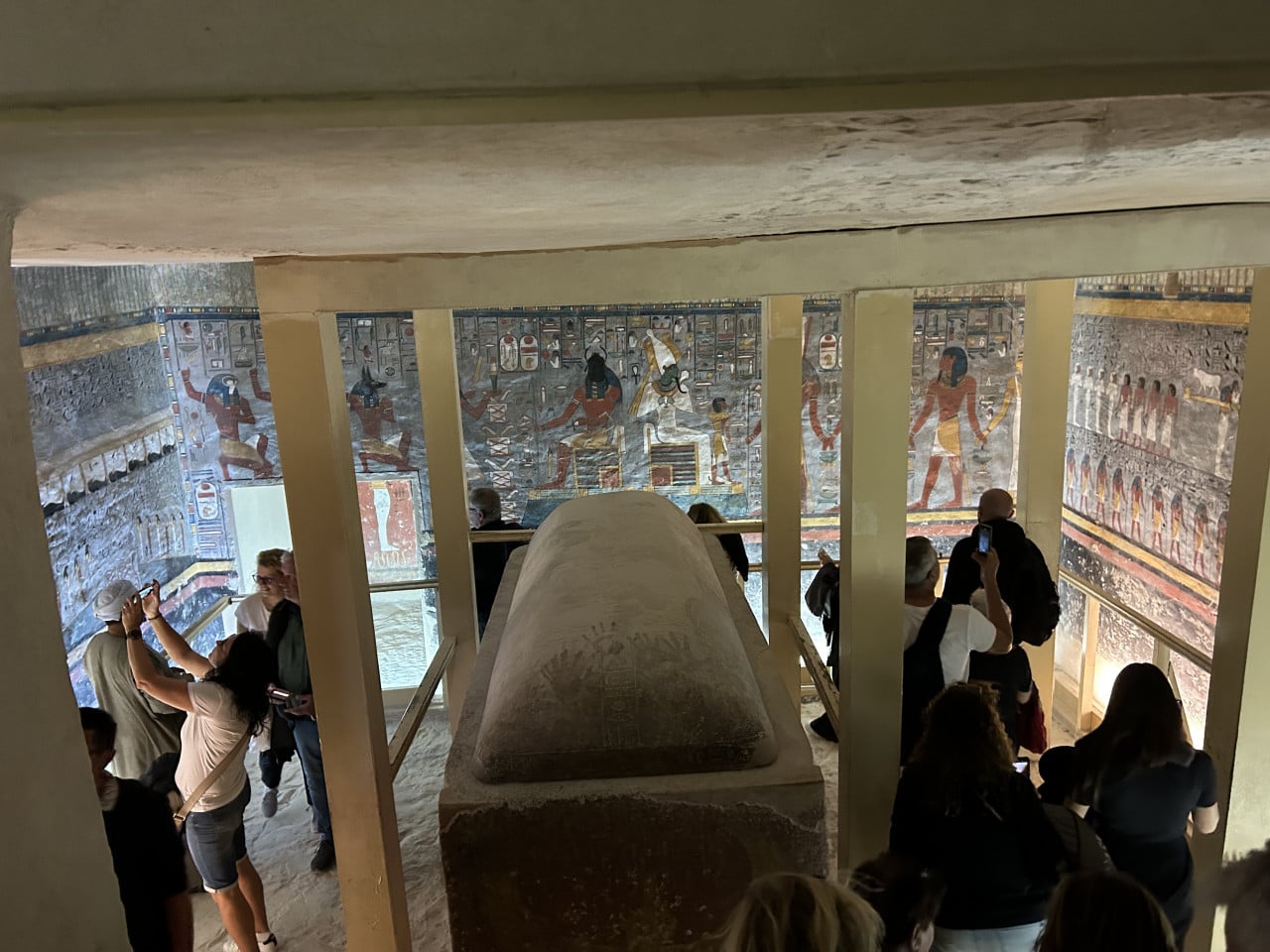
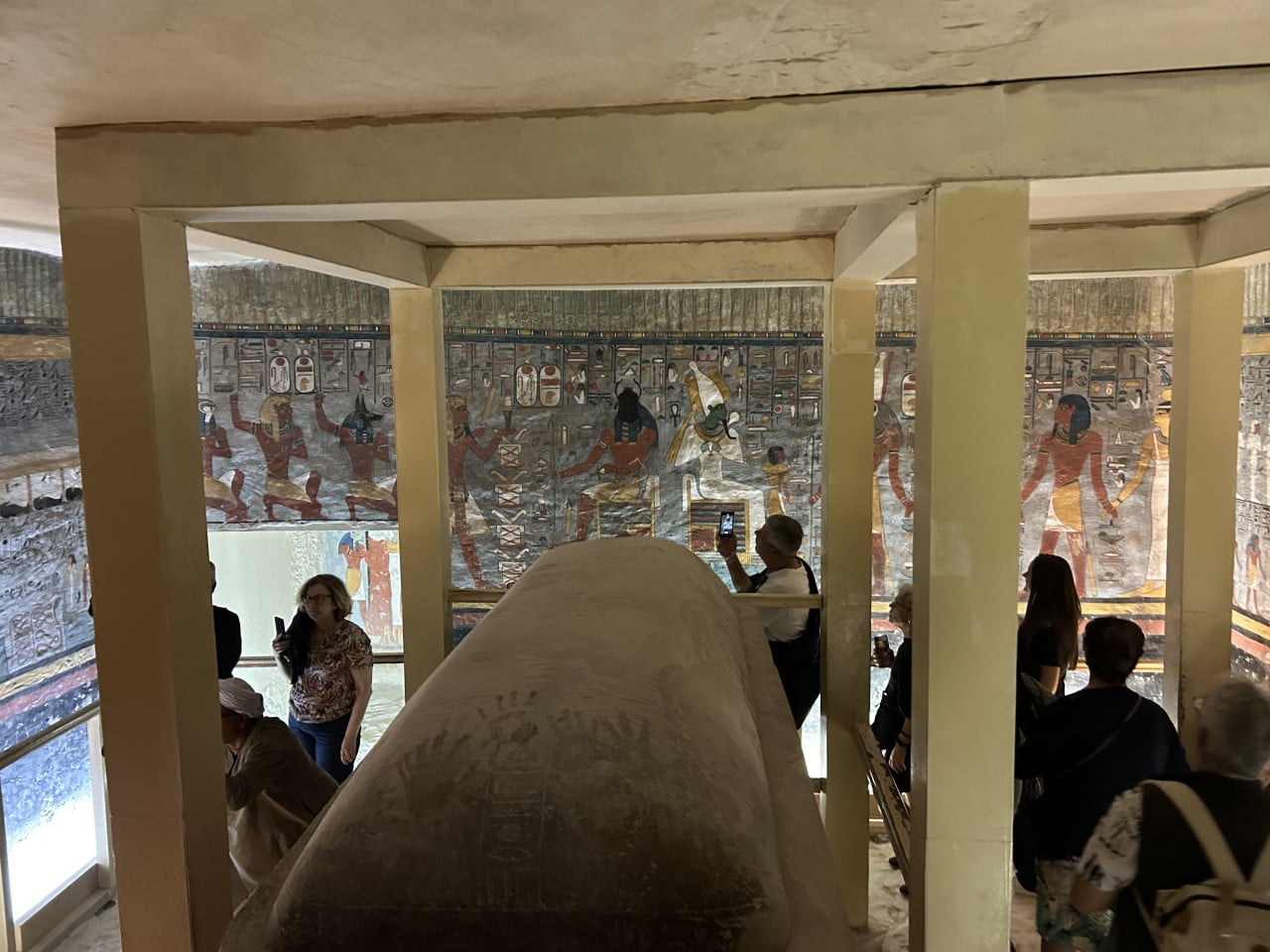
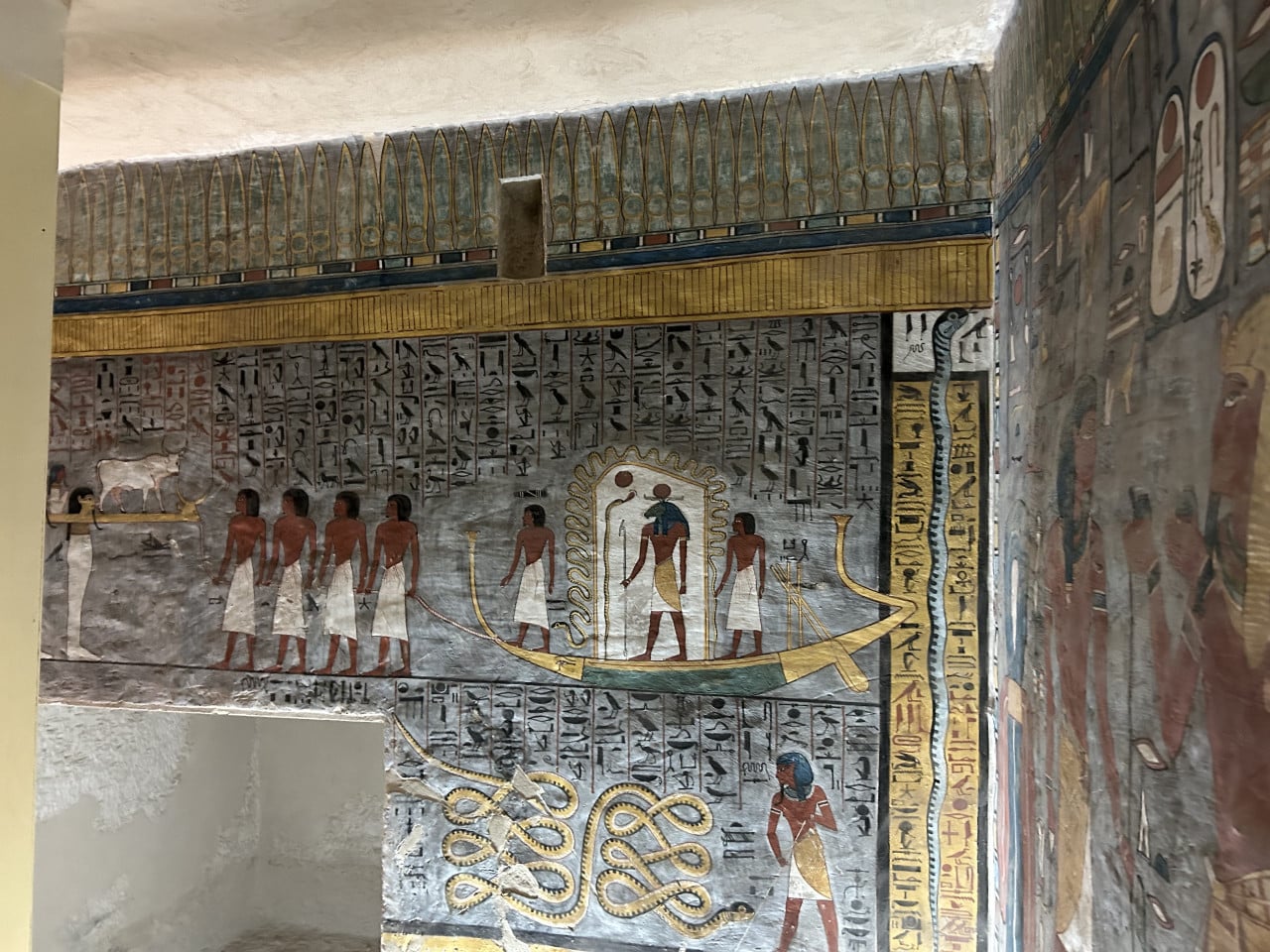
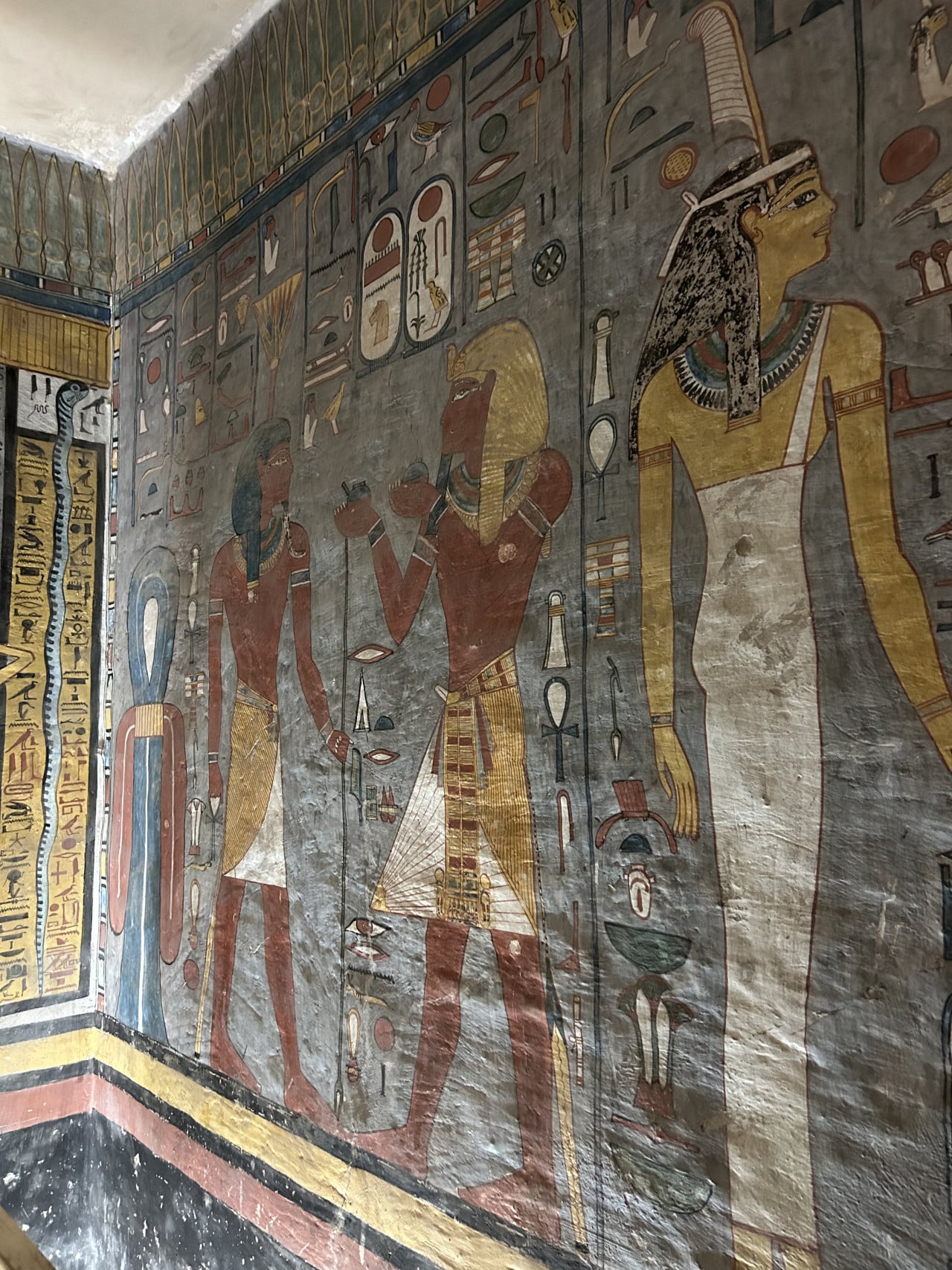
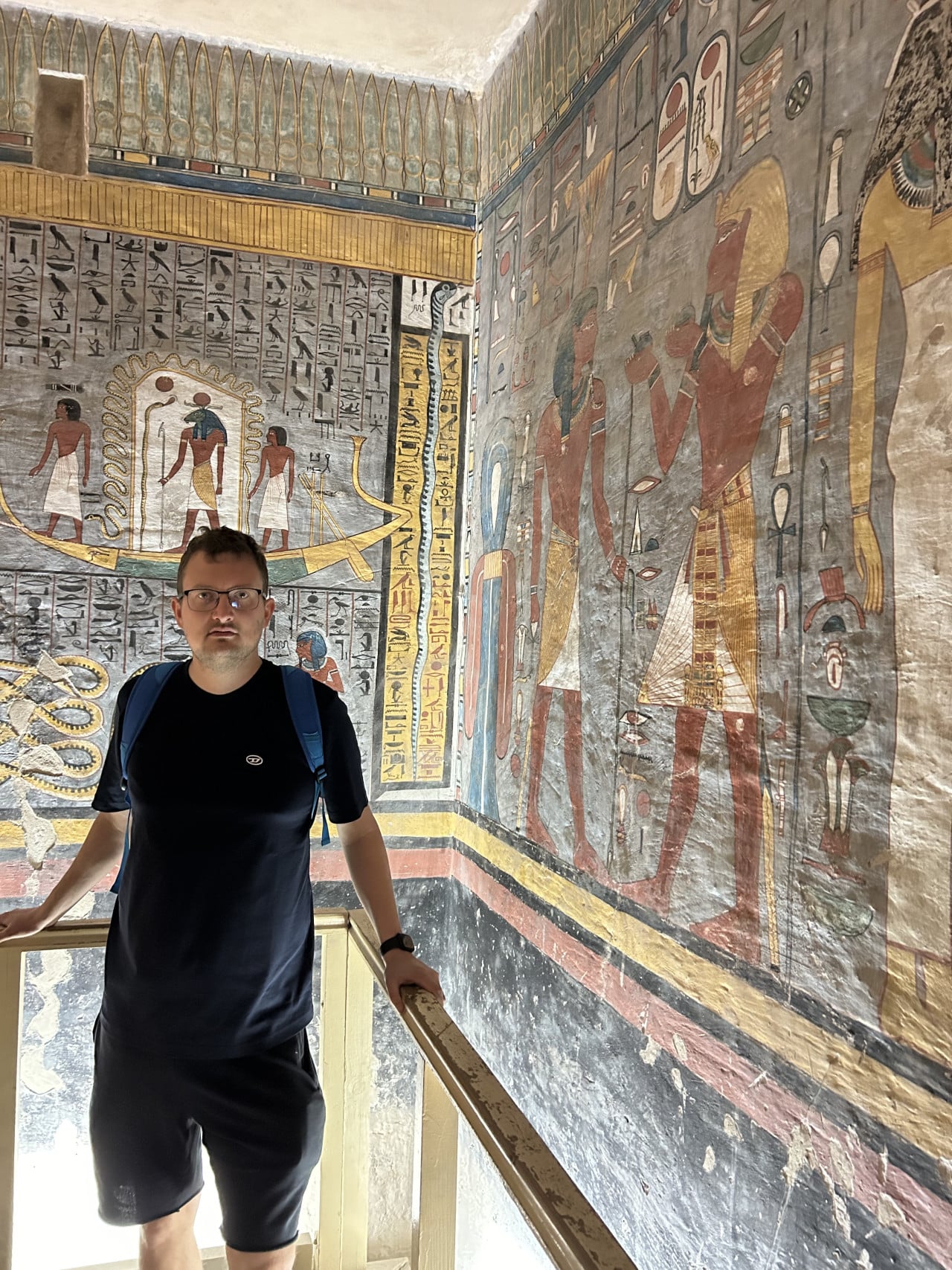
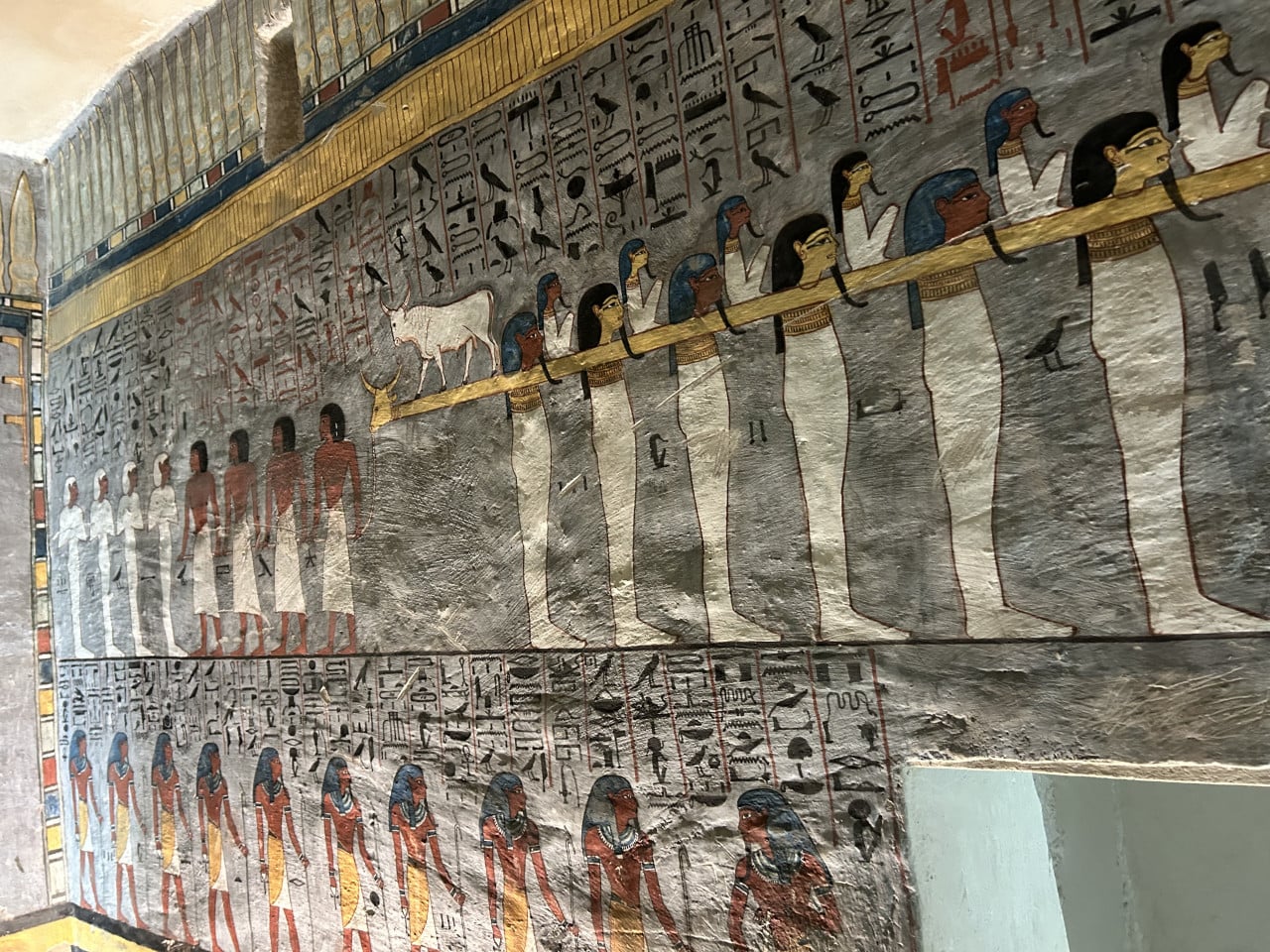
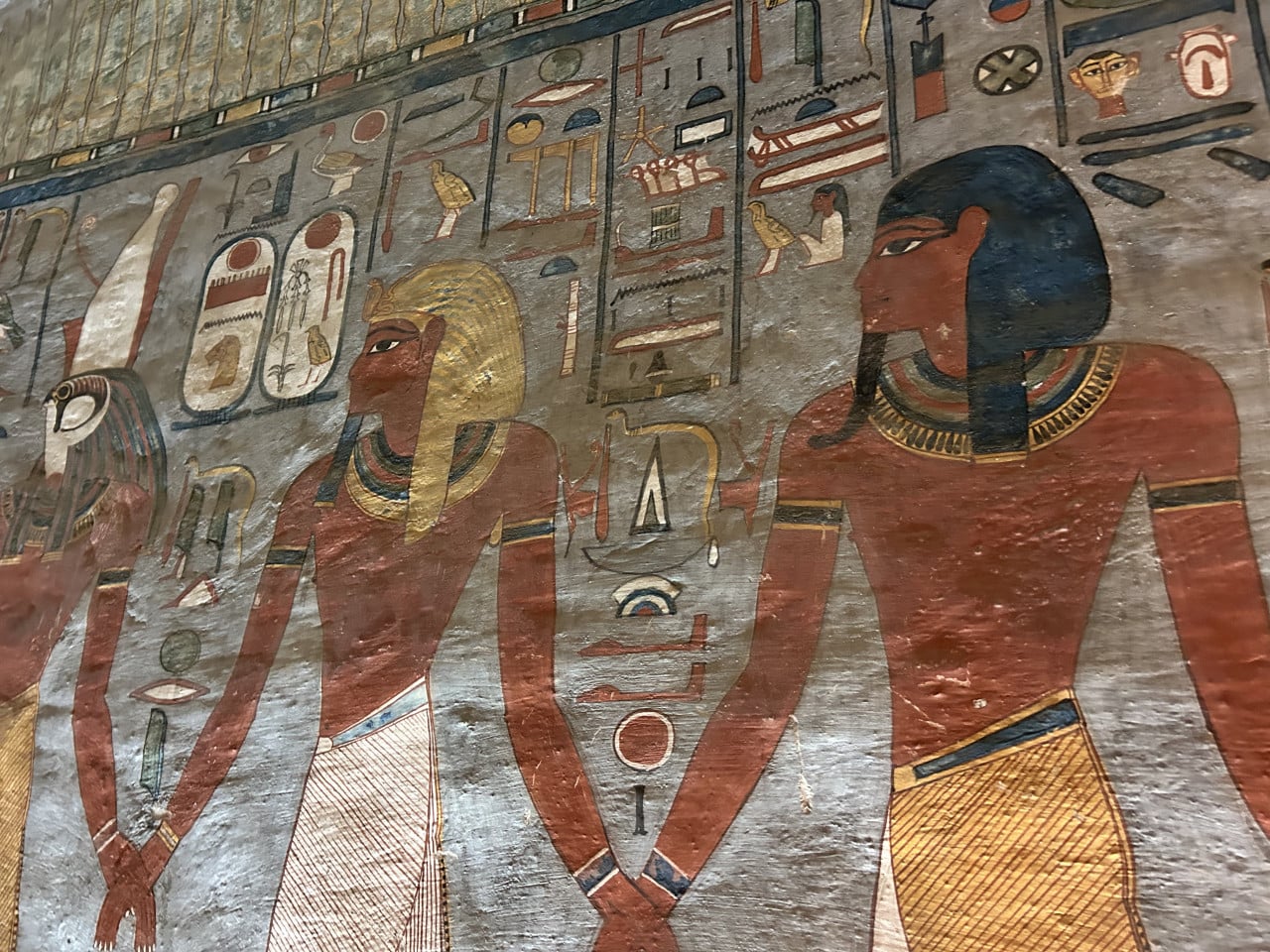
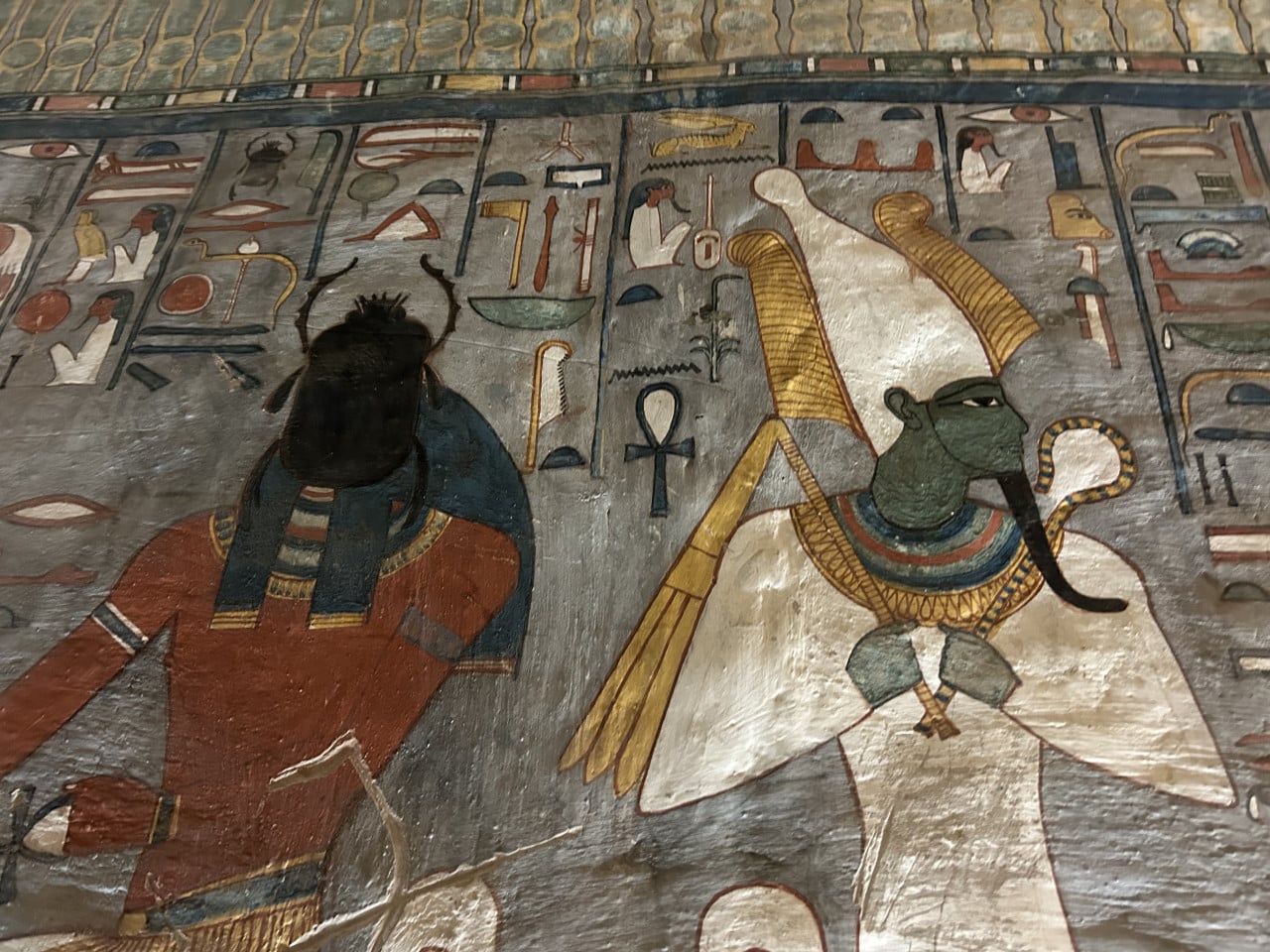
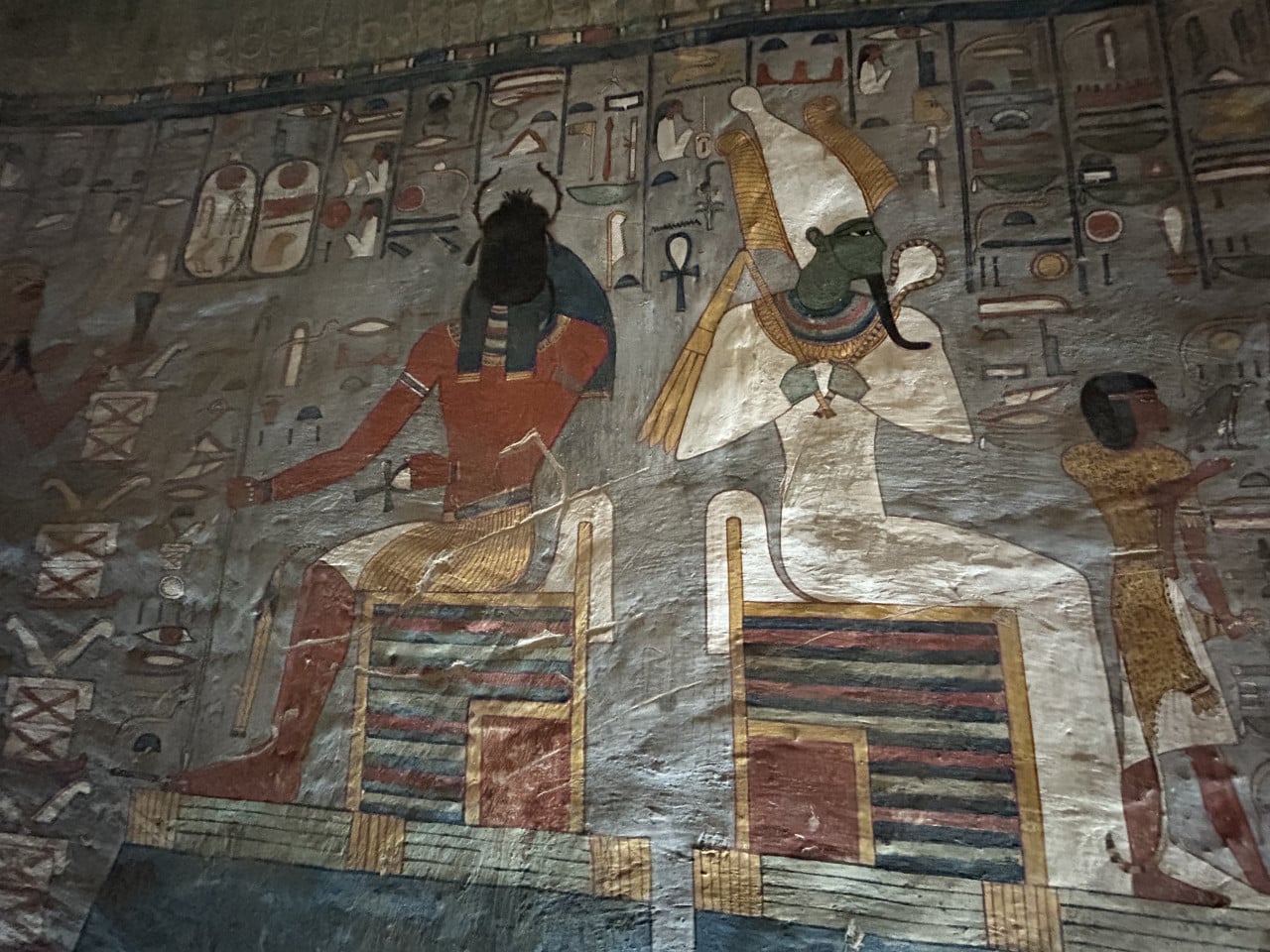
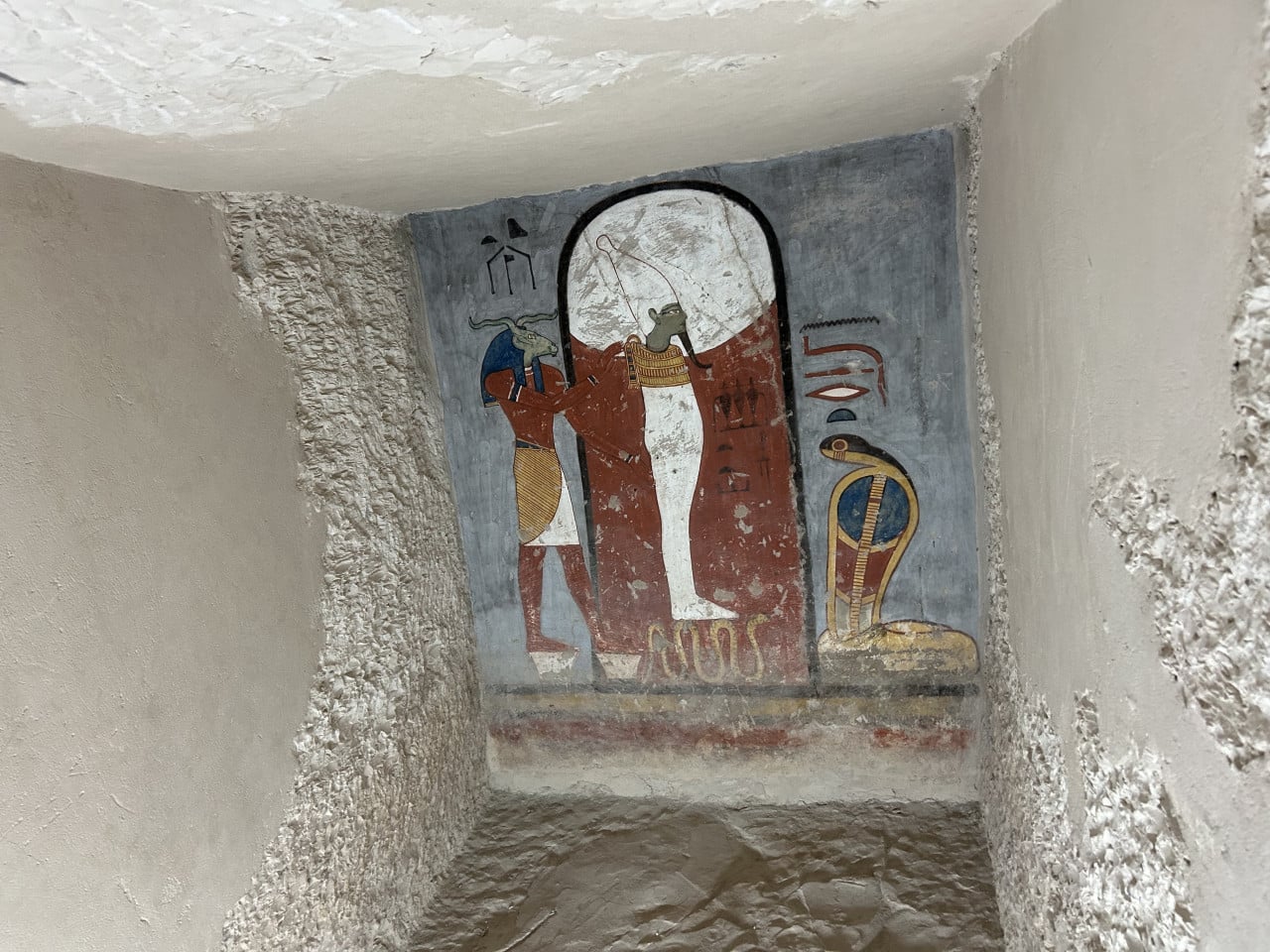
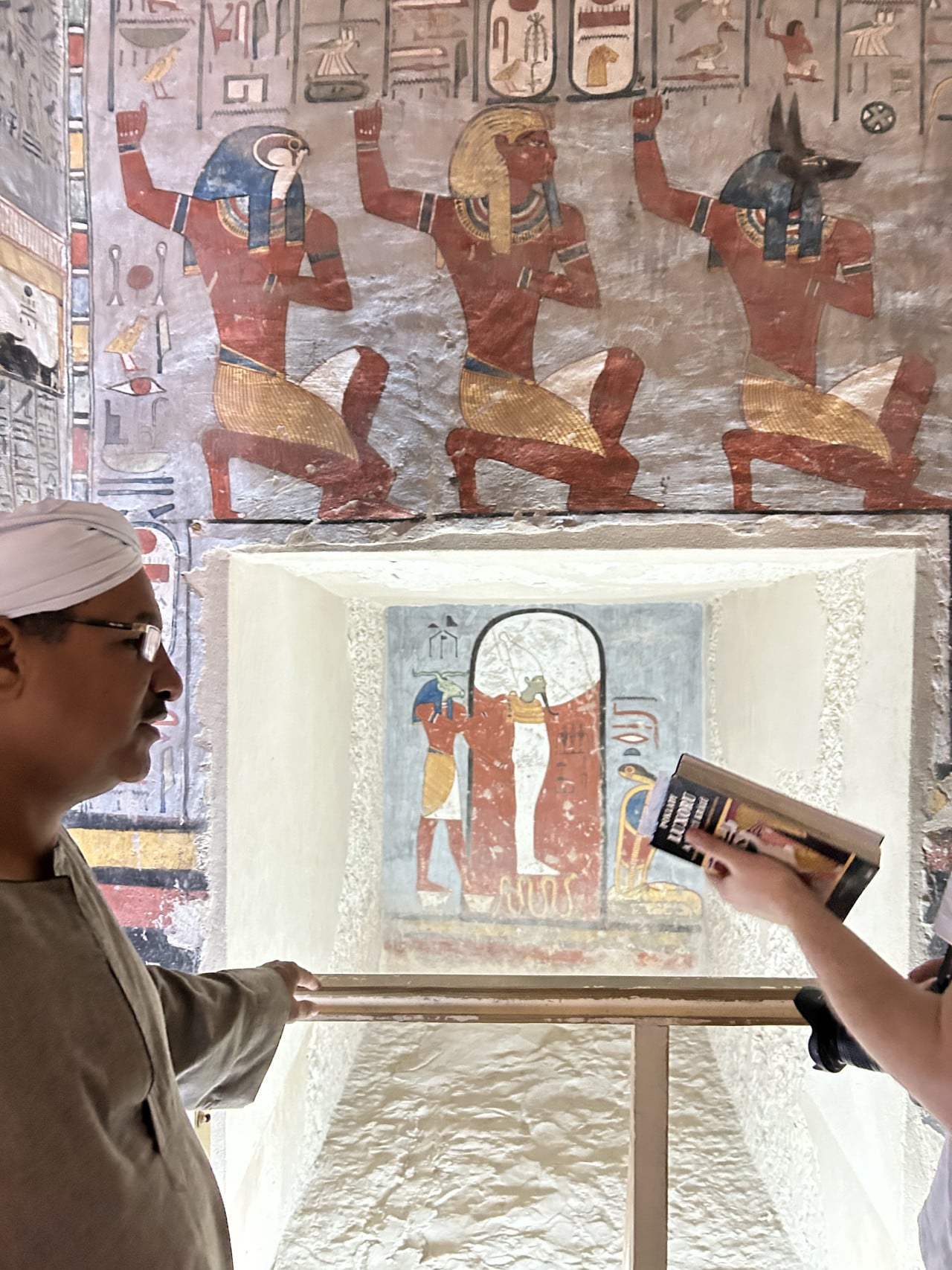
This tomb was also beautifully colorful. The surviving figures of gods and the pharaoh, along with the hieroglyphic inscriptions, still retain their vivid original shades. Of all the tombs we visited, those of Ramesses I and Ramesses III probably impressed me the most visually.
Ramesses I was not among the rulers who reigned for many decades. His original name was Paramessu, and during the reign of Pharaoh Horemheb he served as a prominent soldier, general, and high-ranking official. Horemheb had no heir of his own, so he chose Paramessu as his successor. His accession to the throne marked the beginning of the 19th Dynasty, which was later made famous by Seti I and Ramesses II. (Egyptian Monuments)
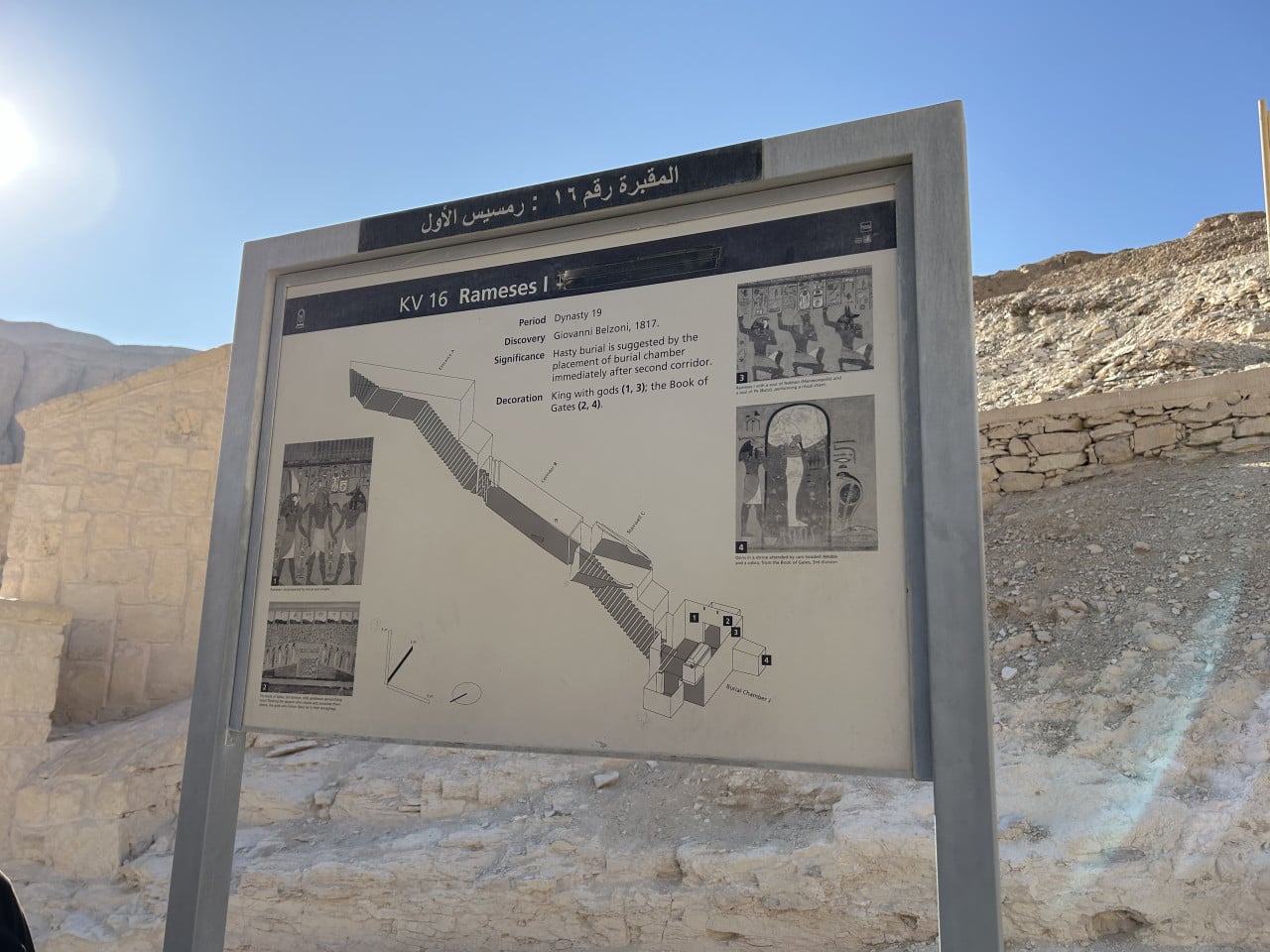
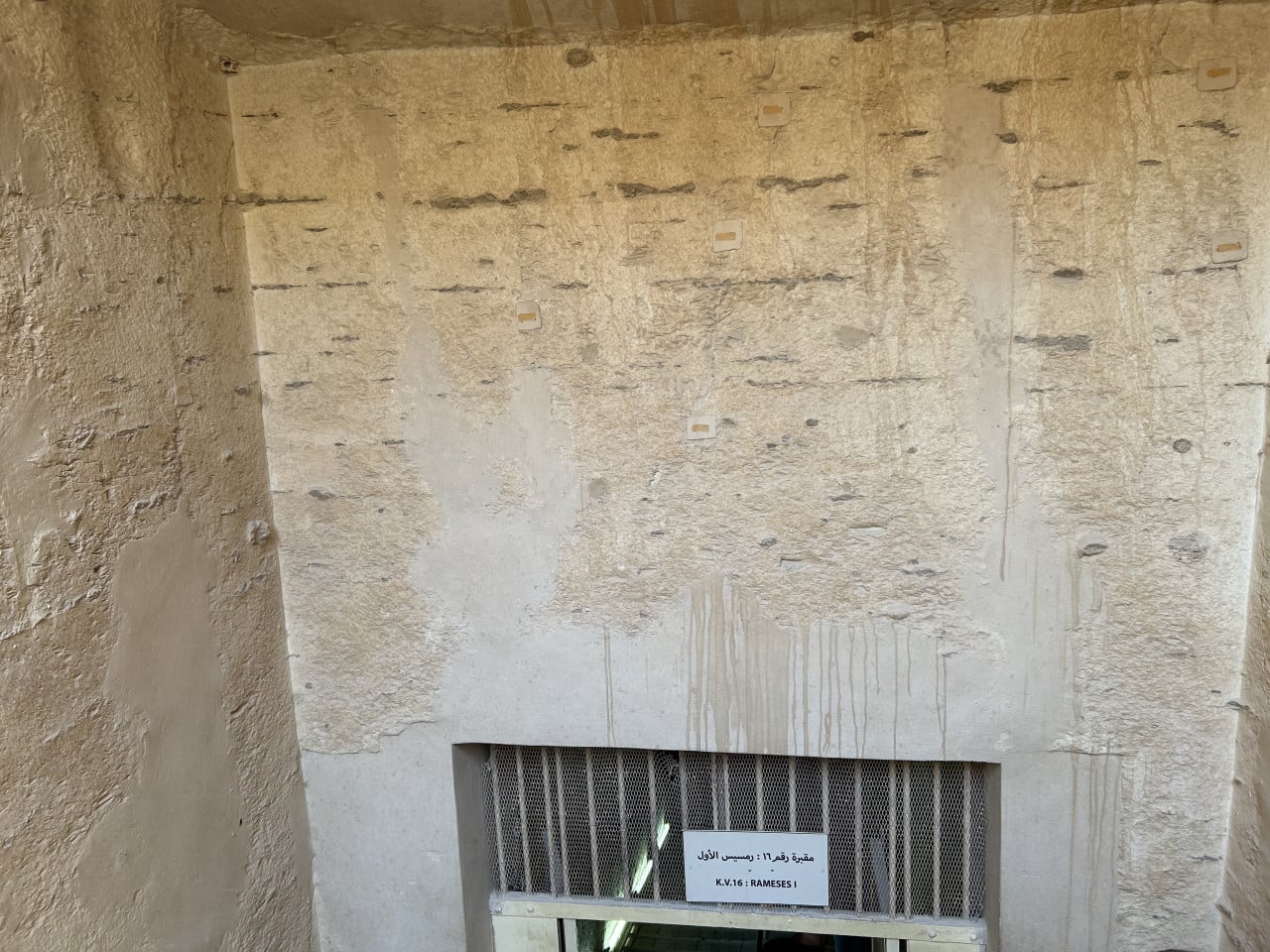
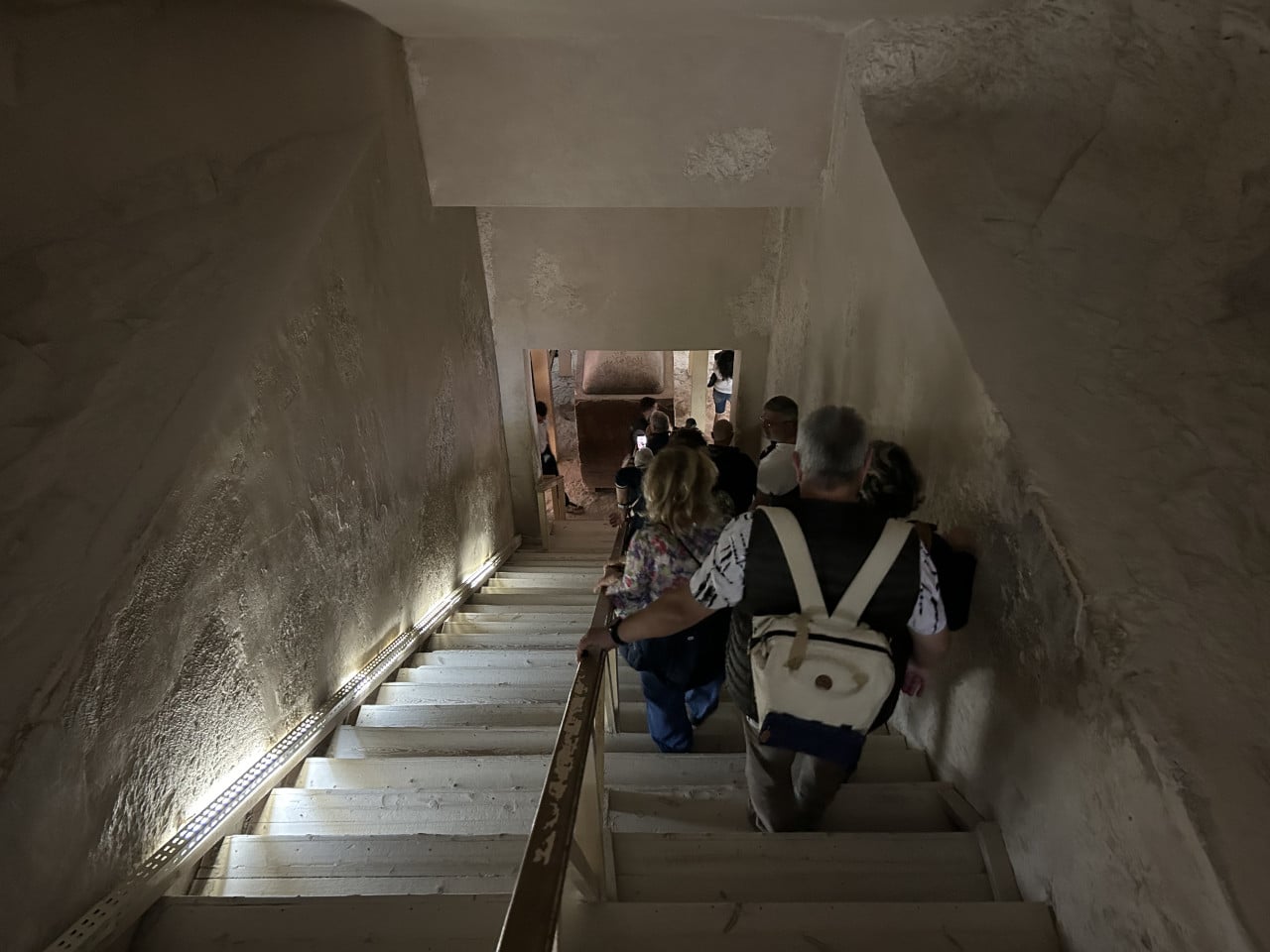
Ramesses I, however, probably ruled for only a little over a year. Because of his short reign, the tomb had to be completed very quickly. It is therefore relatively small and only around thirty meters long. The main burial chamber, however, is decorated with very vivid scenes from the Book of Gates.
In modern times, it was discovered in October 1817 by the Italian traveler and explorer Giovanni Battista Belzoni. The tomb’s short length is also an advantage for today’s visitors. You do not have to make a long descent, yet you still reach a beautifully decorated burial chamber.
Tutankhamun’s tomb KV62
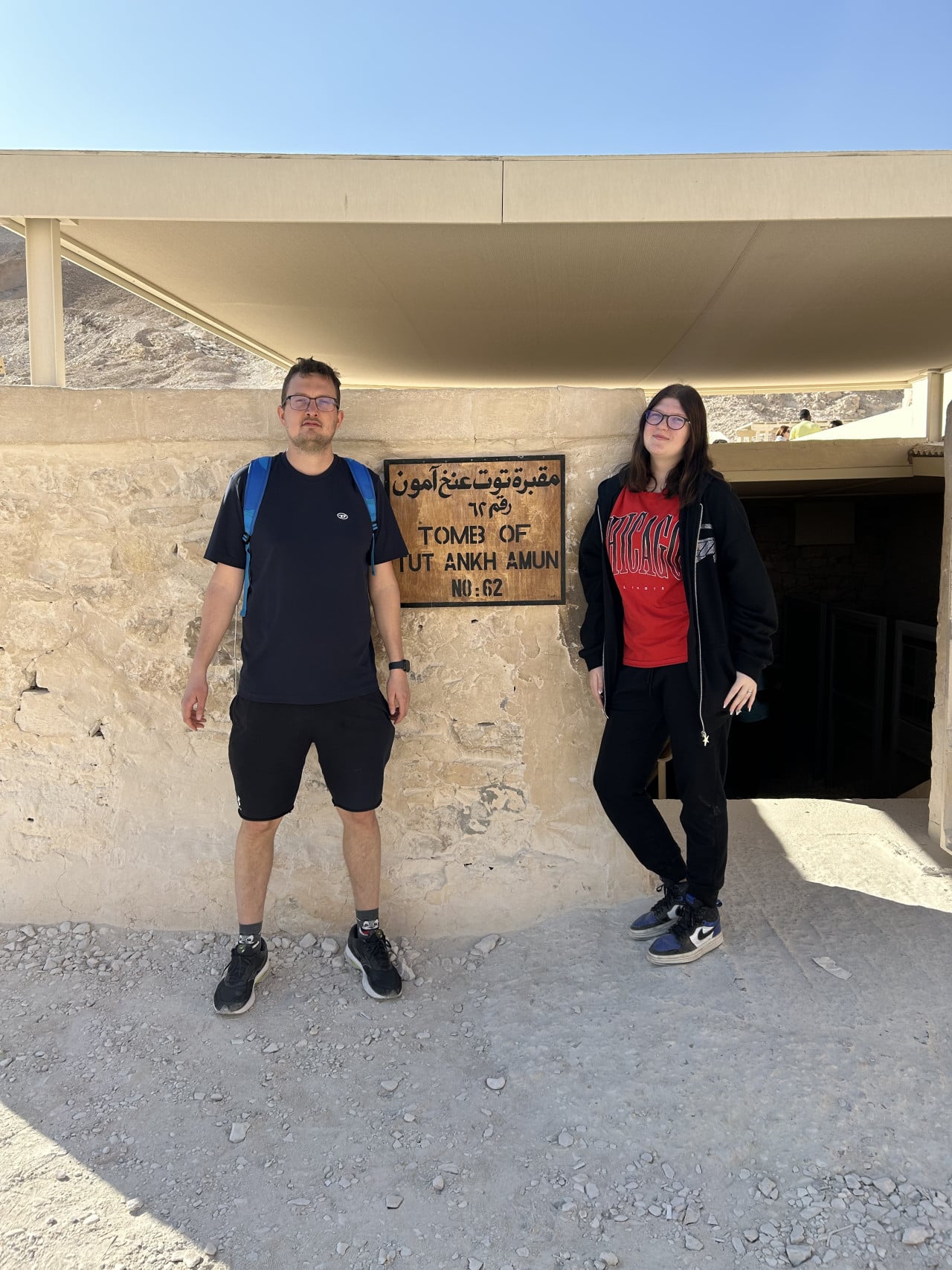
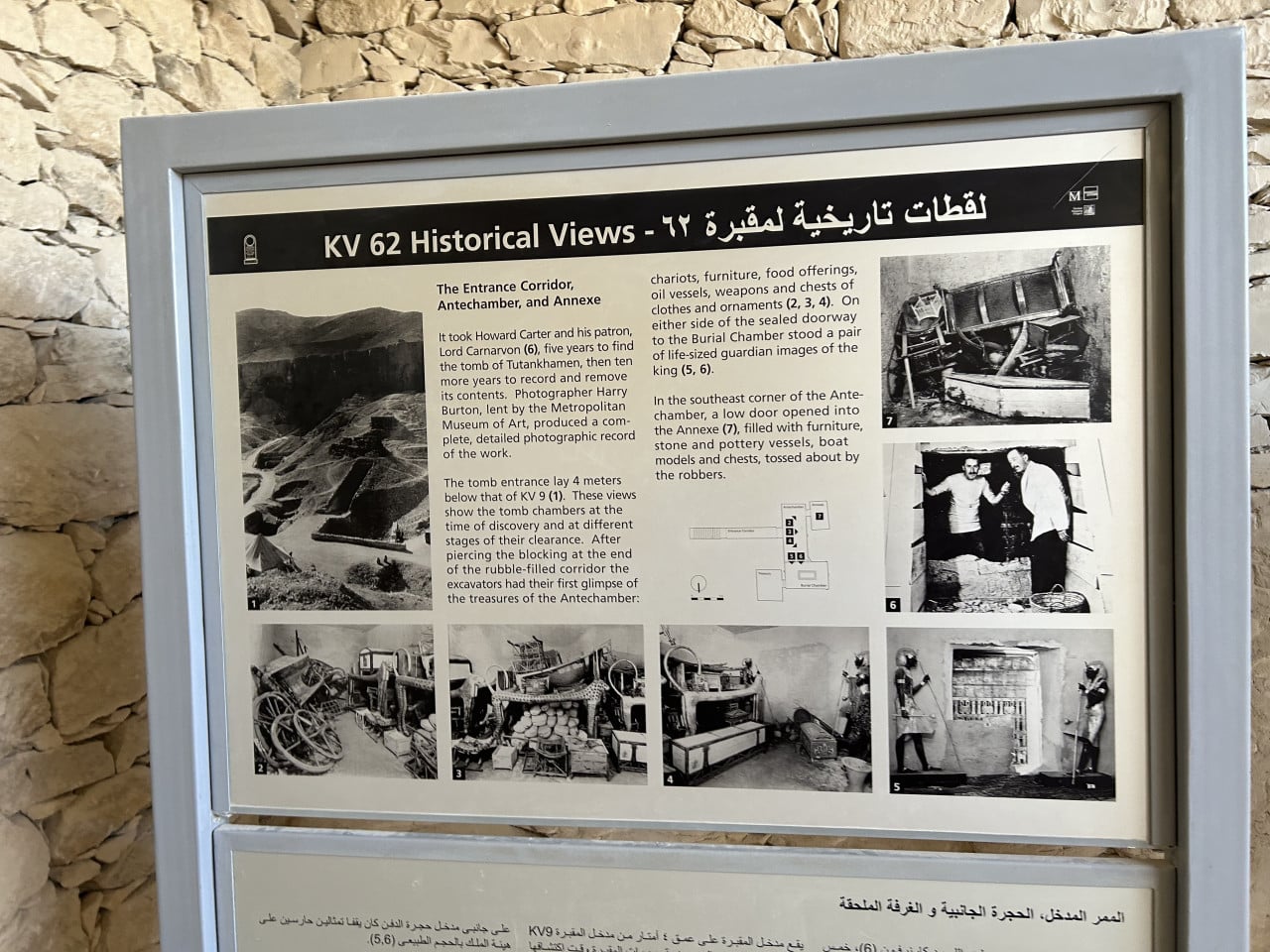
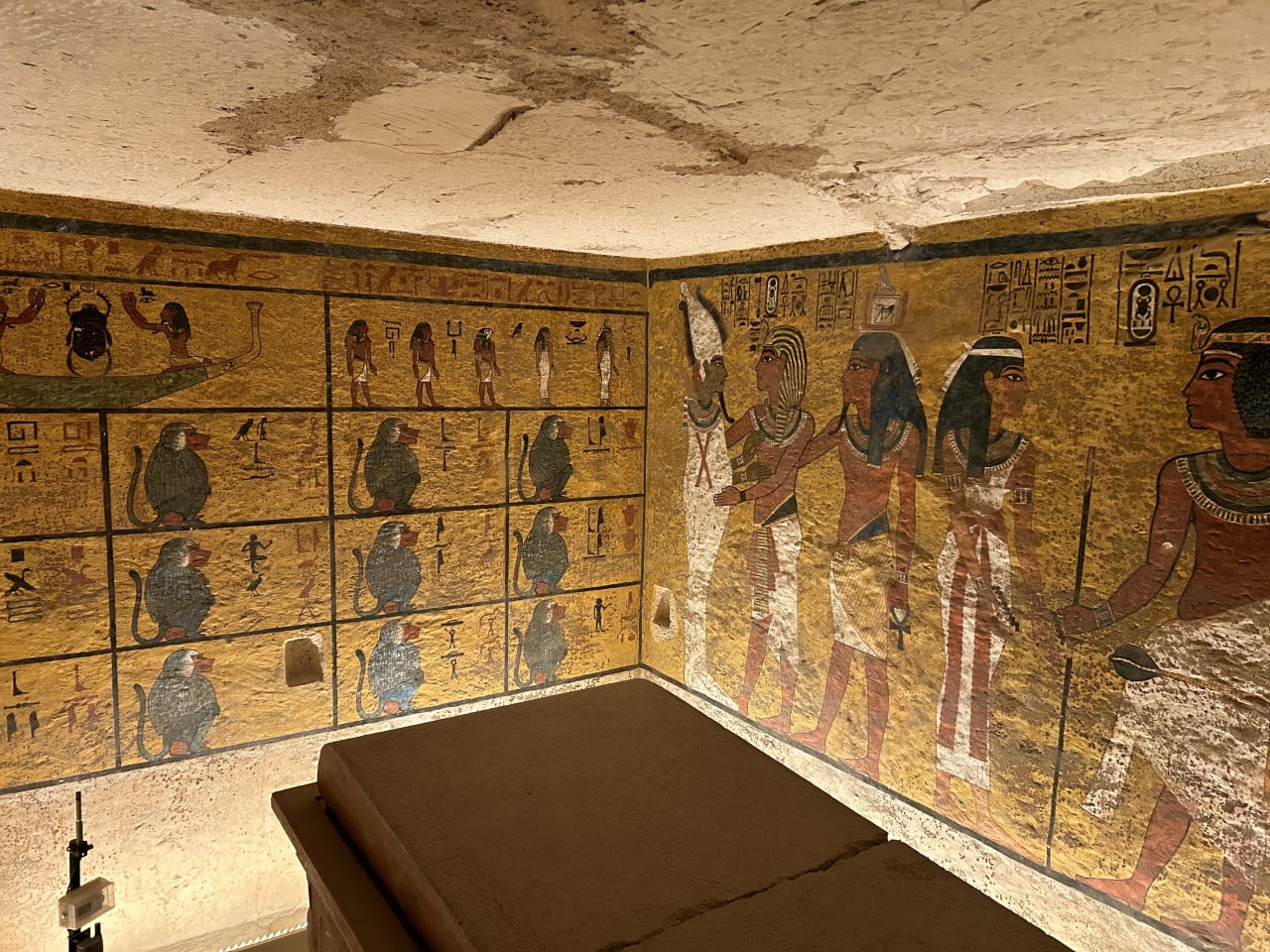
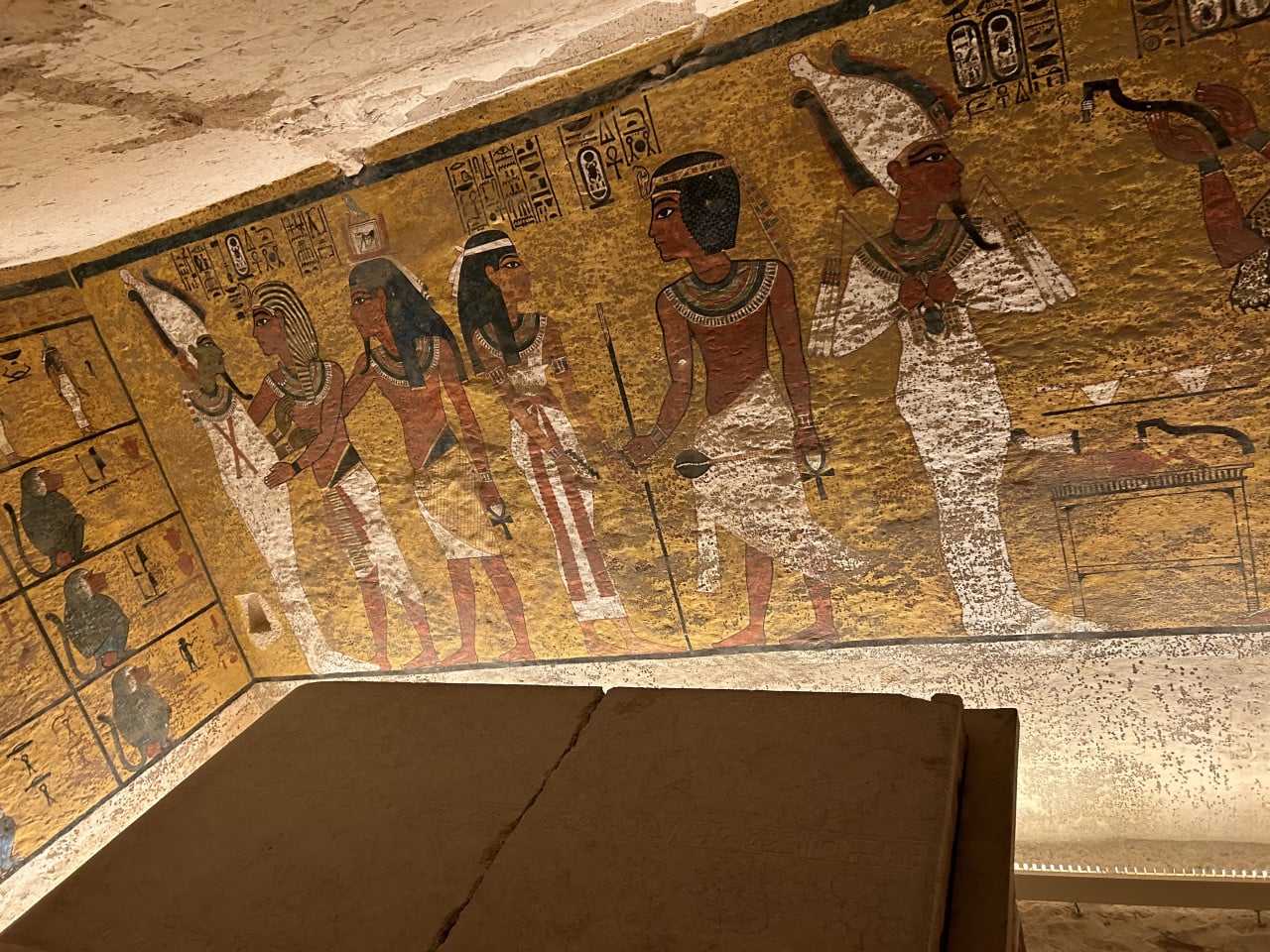
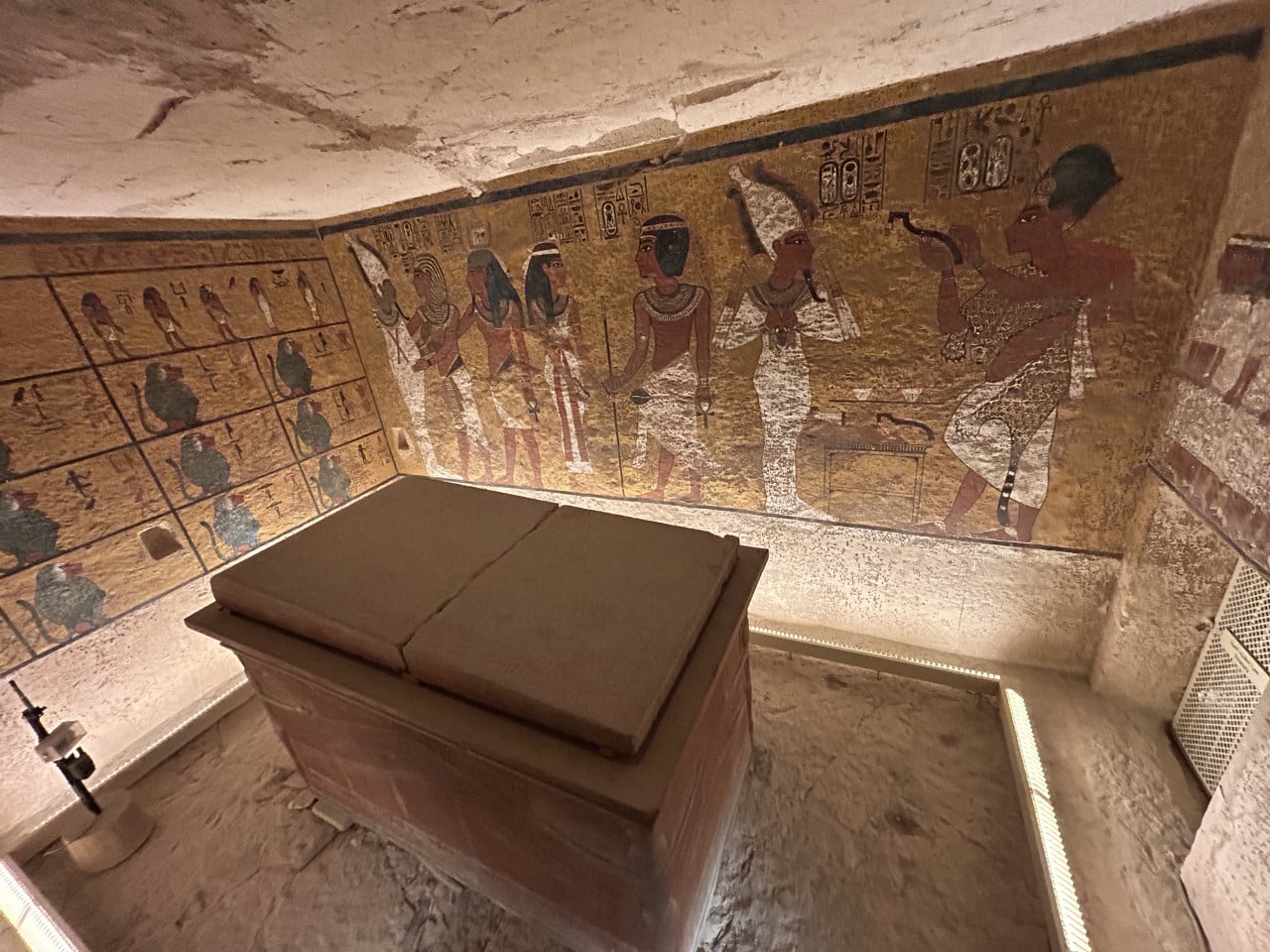
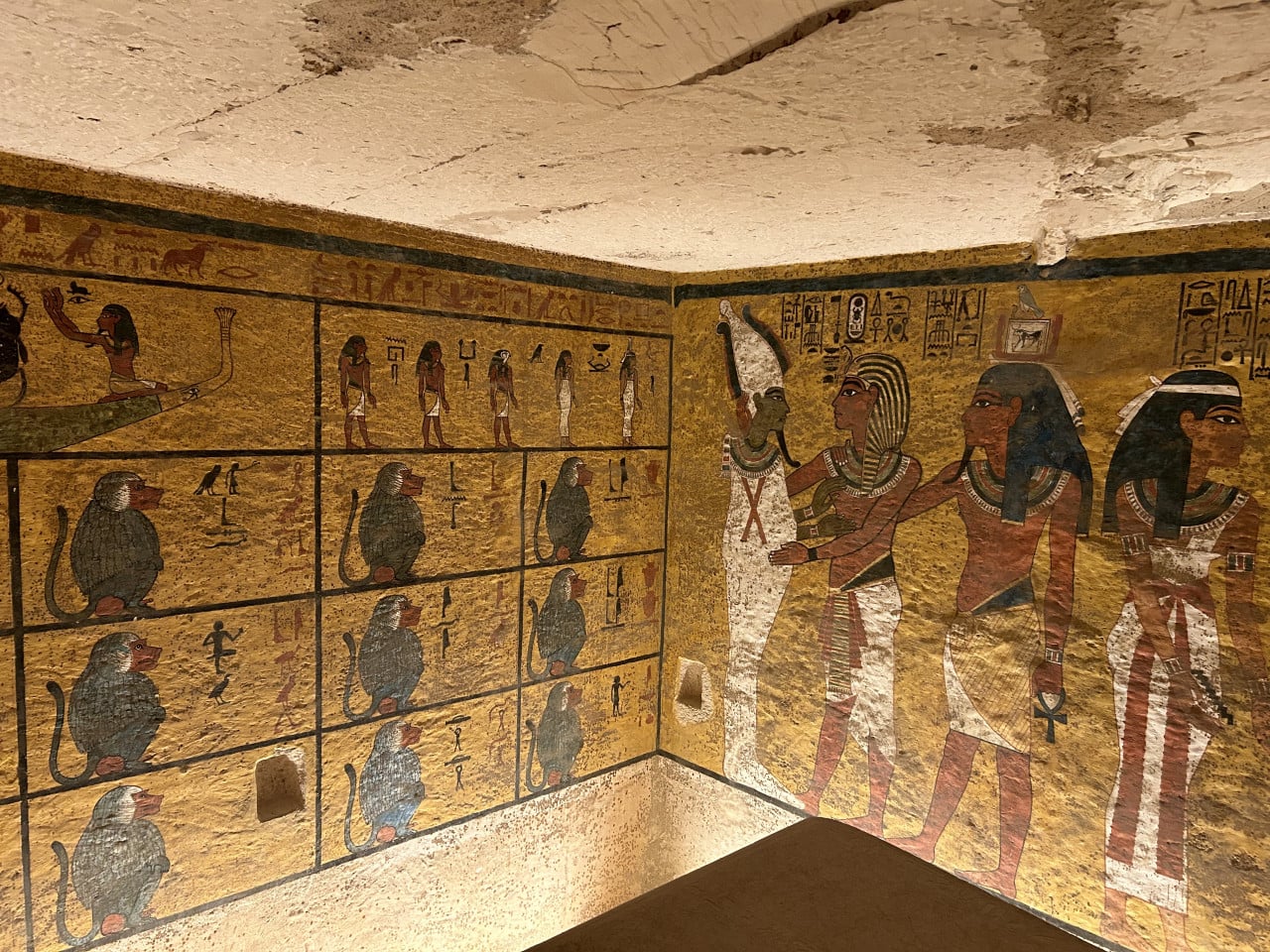
Finally, we reached what is probably the most famous tomb in the world—Tutankhamun’s tomb, designated KV62.
From a historical perspective, Tutankhamun himself was not the most important ruler of Egypt. He ascended the throne while still a child and died at approximately nineteen years of age. He ruled only briefly and did not have time to wage enormous wars or build monuments comparable to those of Ramesses II.
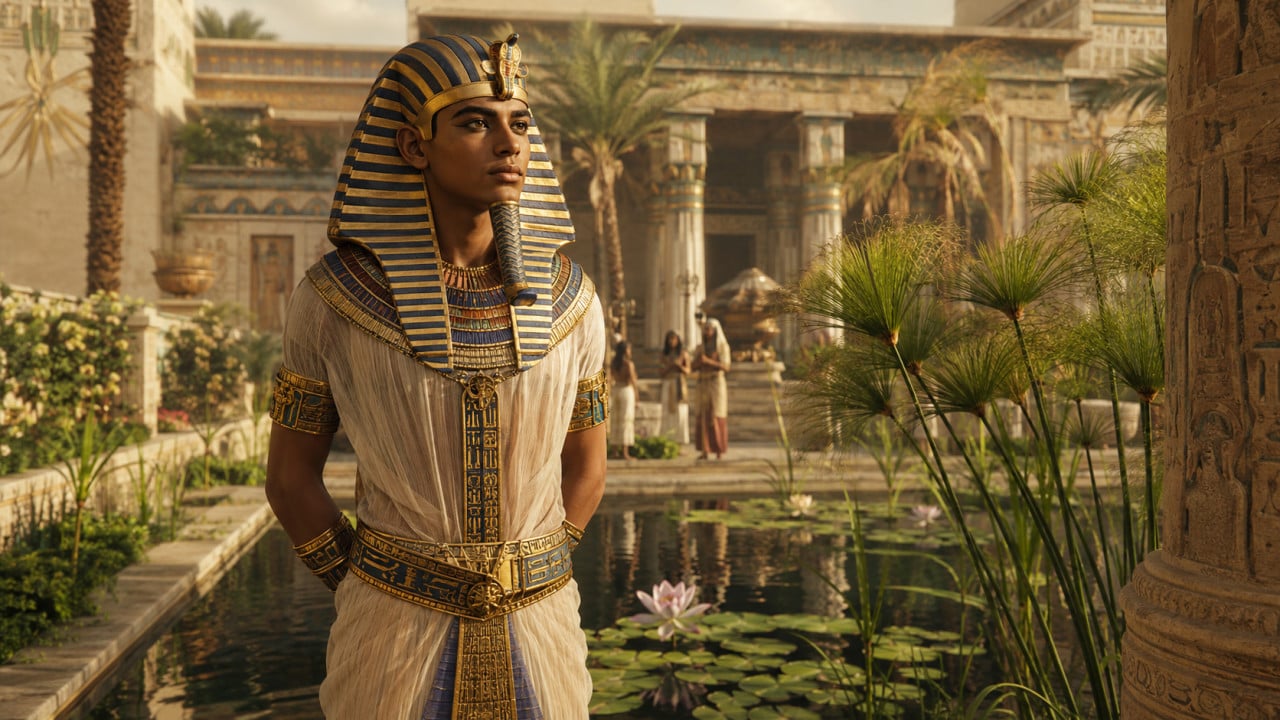
His worldwide fame arose only more than three thousand years after his death.
Tutankhamun’s tomb is relatively small compared with the other royal tombs. It was probably not originally being prepared for him, and after his unexpected death everything had to be completed very quickly. Its inconspicuous nature, however, may have helped robbers almost completely overlook it.
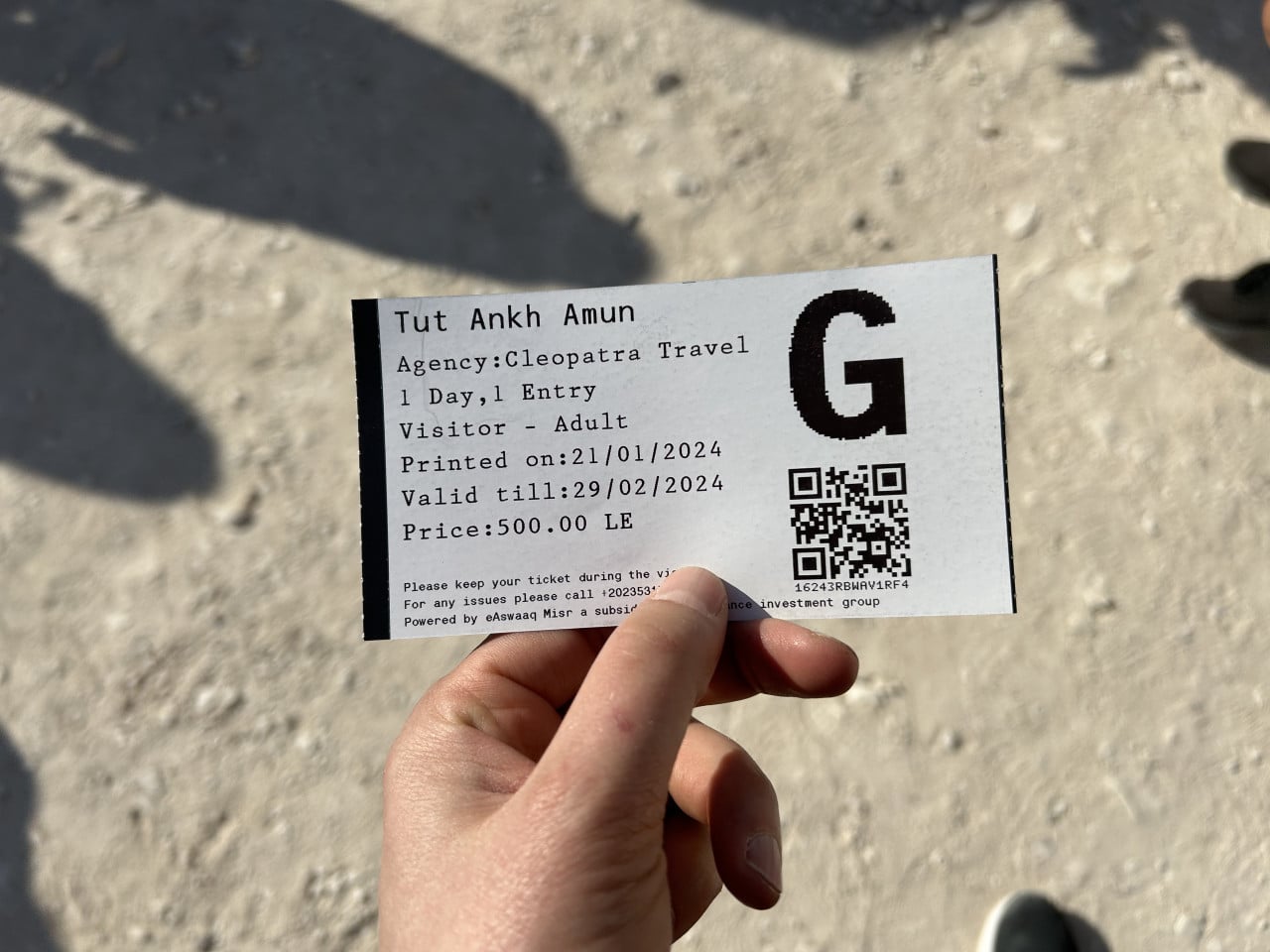
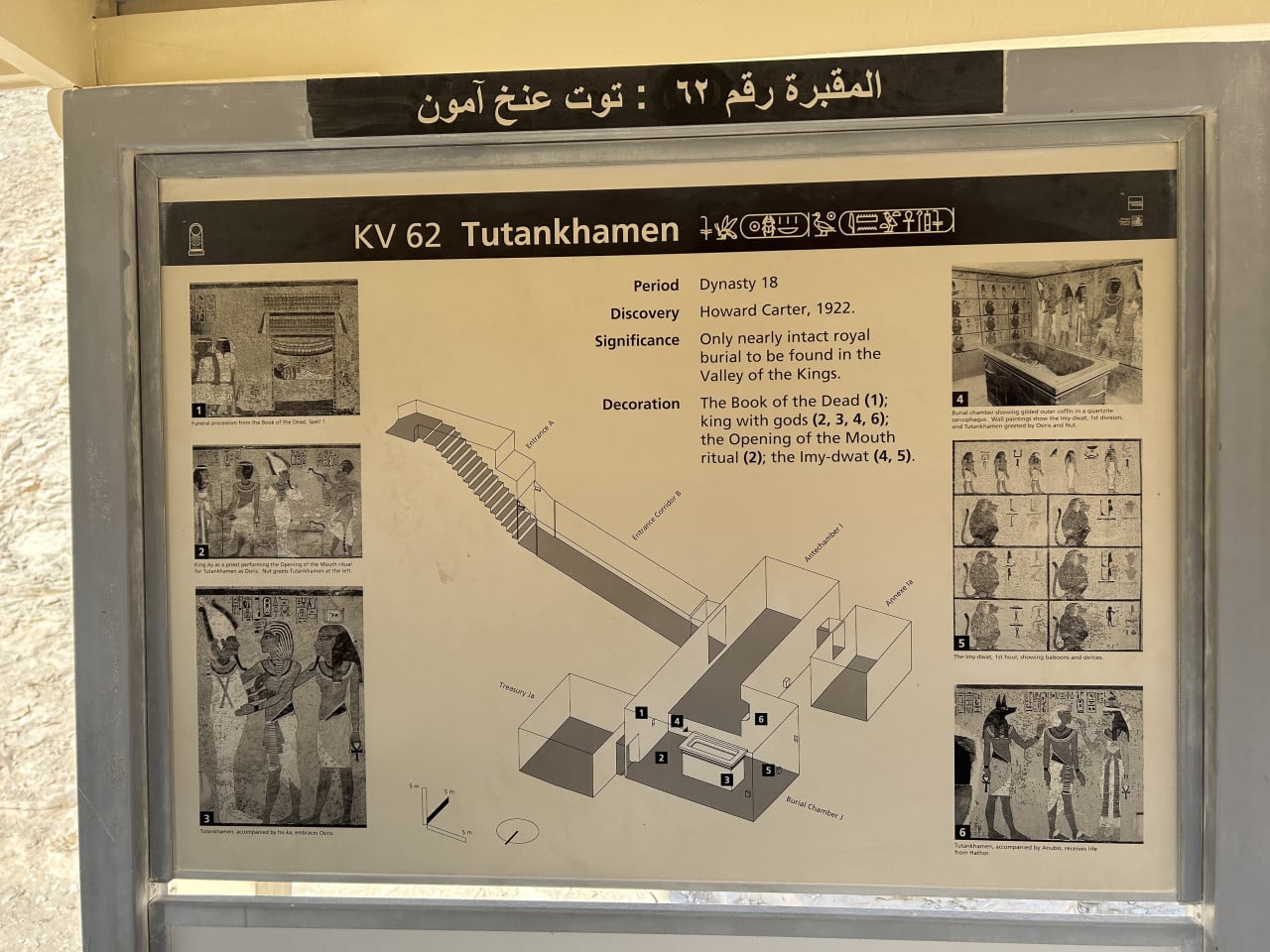
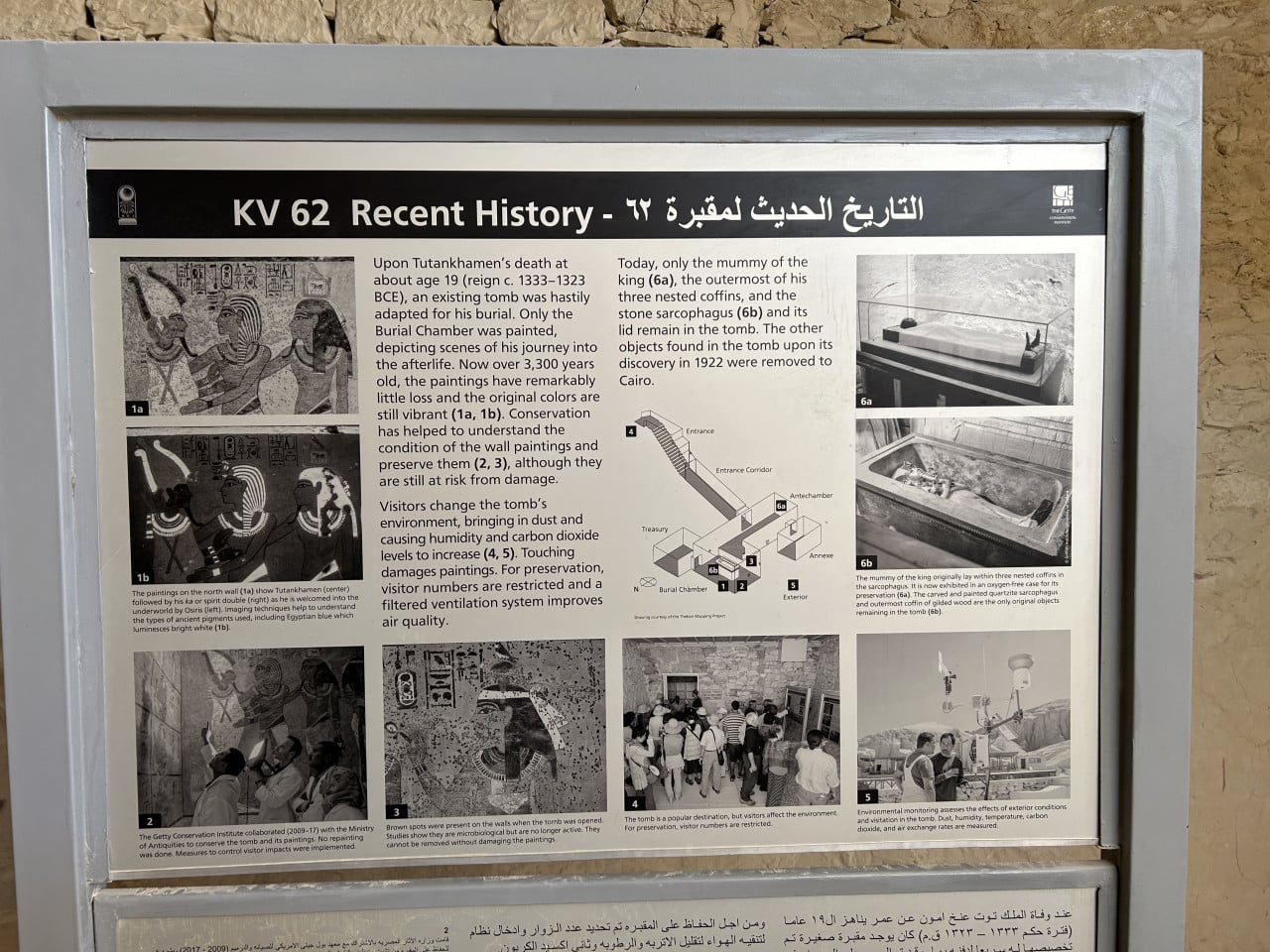
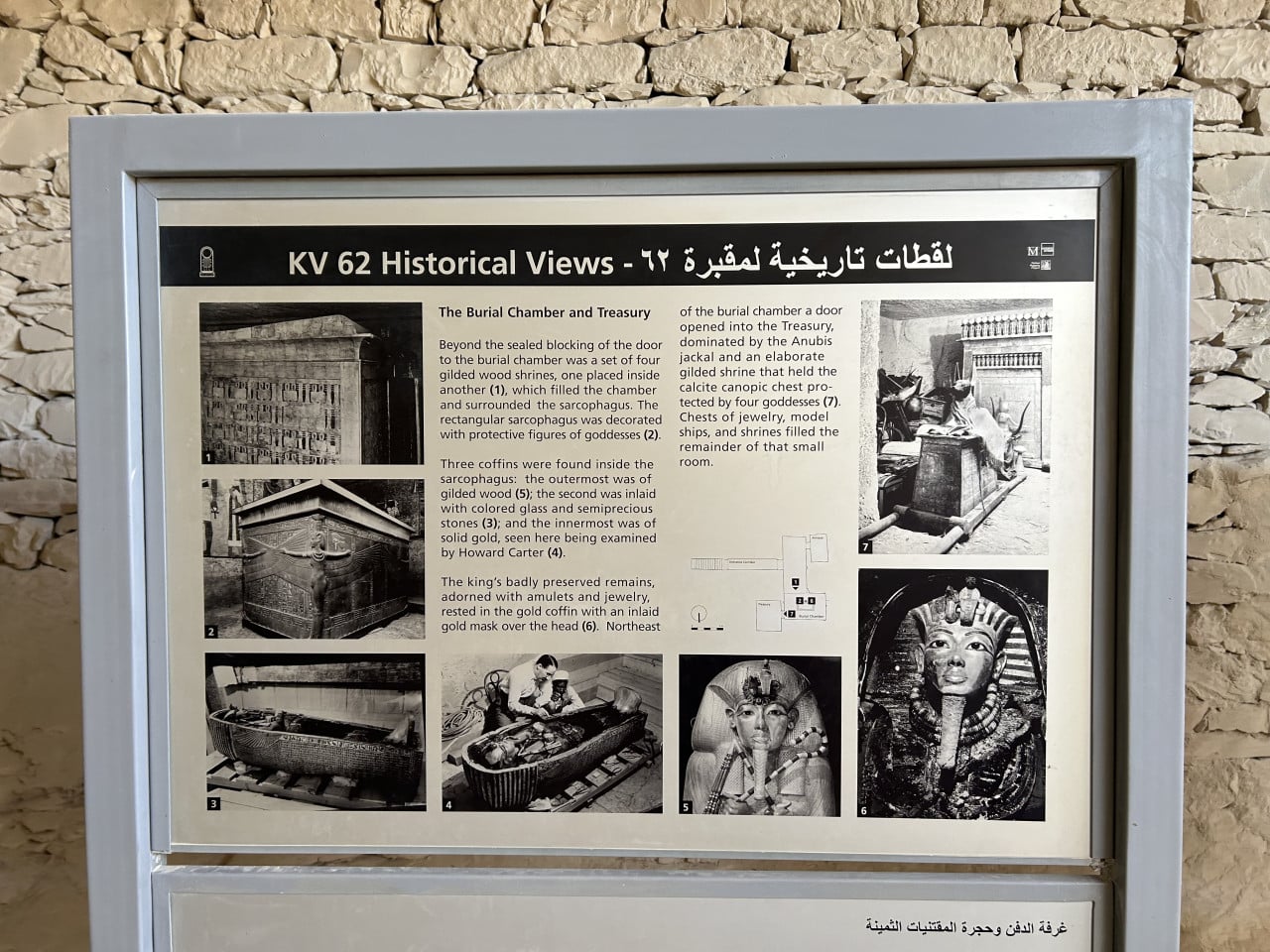
How Howard Carter discovered Tutankhamun’s tomb
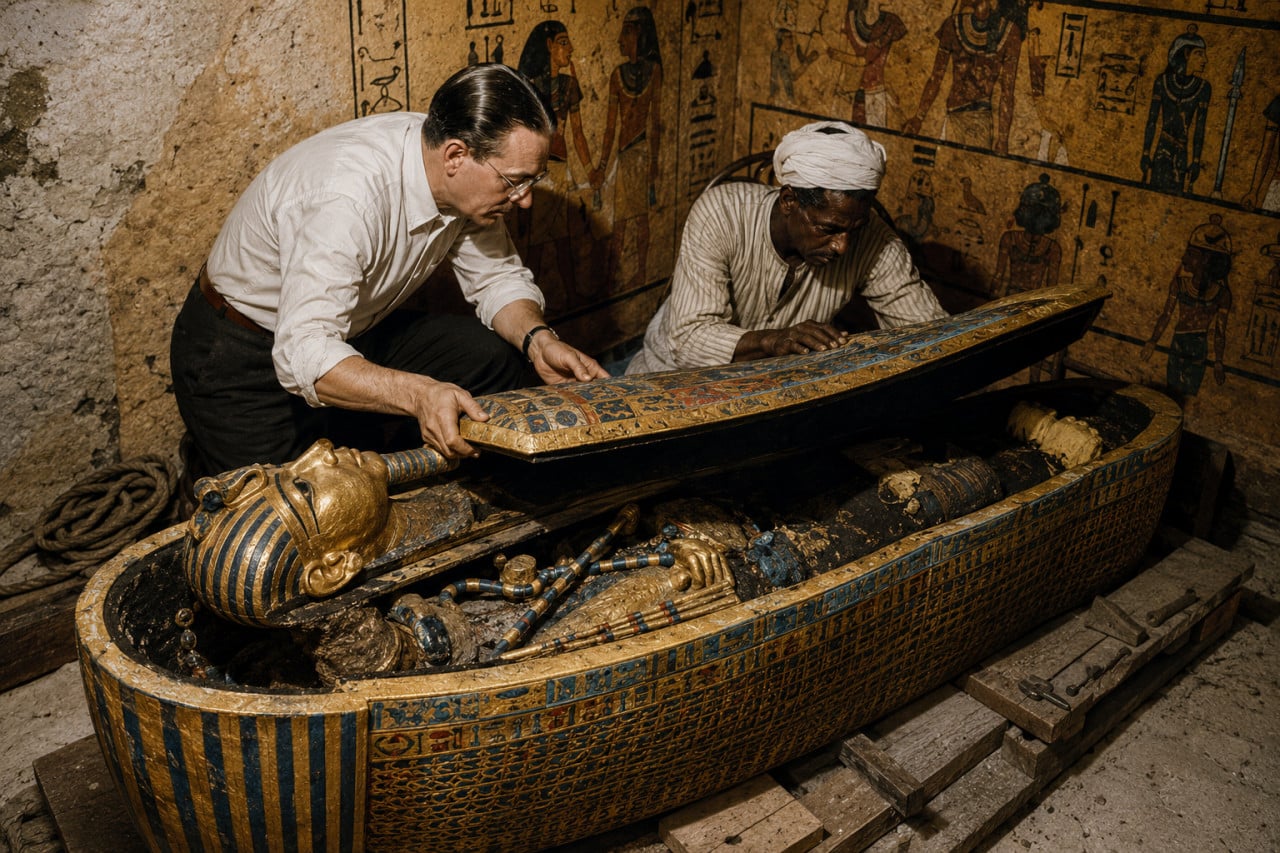
British archaeologist Howard Carter searched for Tutankhamun’s tomb for several years. His excavations were financed by Lord Carnarvon, who was gradually running out of patience and money. The 1922 season was apparently to be one of Carter’s final opportunities to continue his research.
Carter was convinced that there must still be an undiscovered royal tomb in the Valley of the Kings. He focused on an area near the tomb of Ramesses VI that was partially covered by the remains of ancient workers’ huts.
On November 4, 1922, members of the Egyptian work crew came across the first step carved into the rock. Once it was uncovered, an entire staircase and a sealed entrance bearing ancient seals appeared. The following day, Carter sent Carnarvon a telegram saying that he had finally made an extraordinary discovery. (griffith.ox.ac.uk)
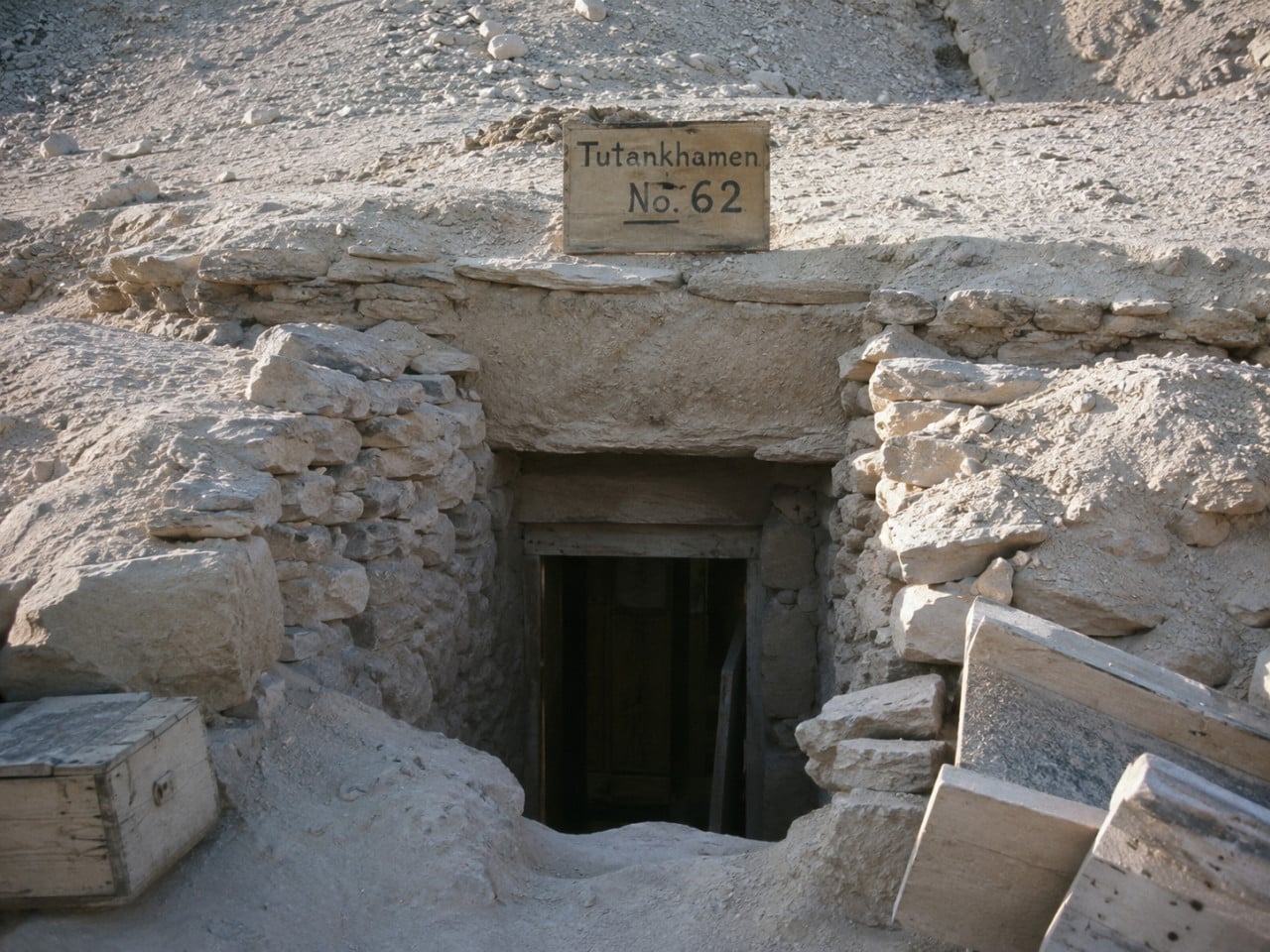
The excavations were then temporarily halted and the entrance secured again so that Lord Carnarvon could travel from England. On November 26, Carter made a small opening in the second sealed doorway and shone a candle inside.
When Carnarvon asked whether he could see anything, Carter is said to have replied with the famous words: “Yes, wonderful things.”
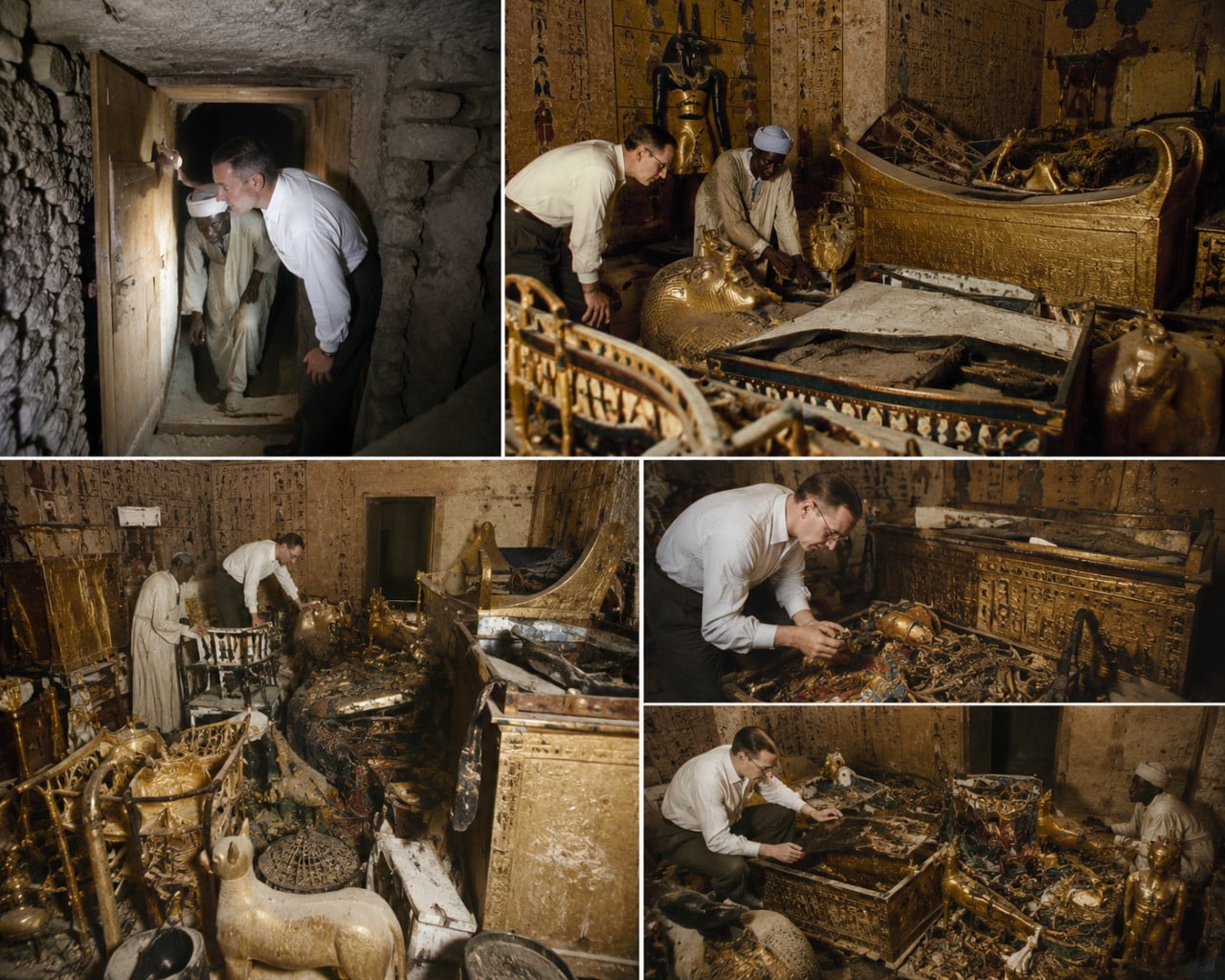
Behind the wall was a room filled with couches, chests, chariots, statues, vessels, weapons, and objects covered in gold. This was not yet the burial chamber itself, but merely the antechamber. Documenting, conserving, and removing the more than five thousand objects discovered took approximately ten years. (resources.metmuseum.org)
Tutankhamun is still in his tomb
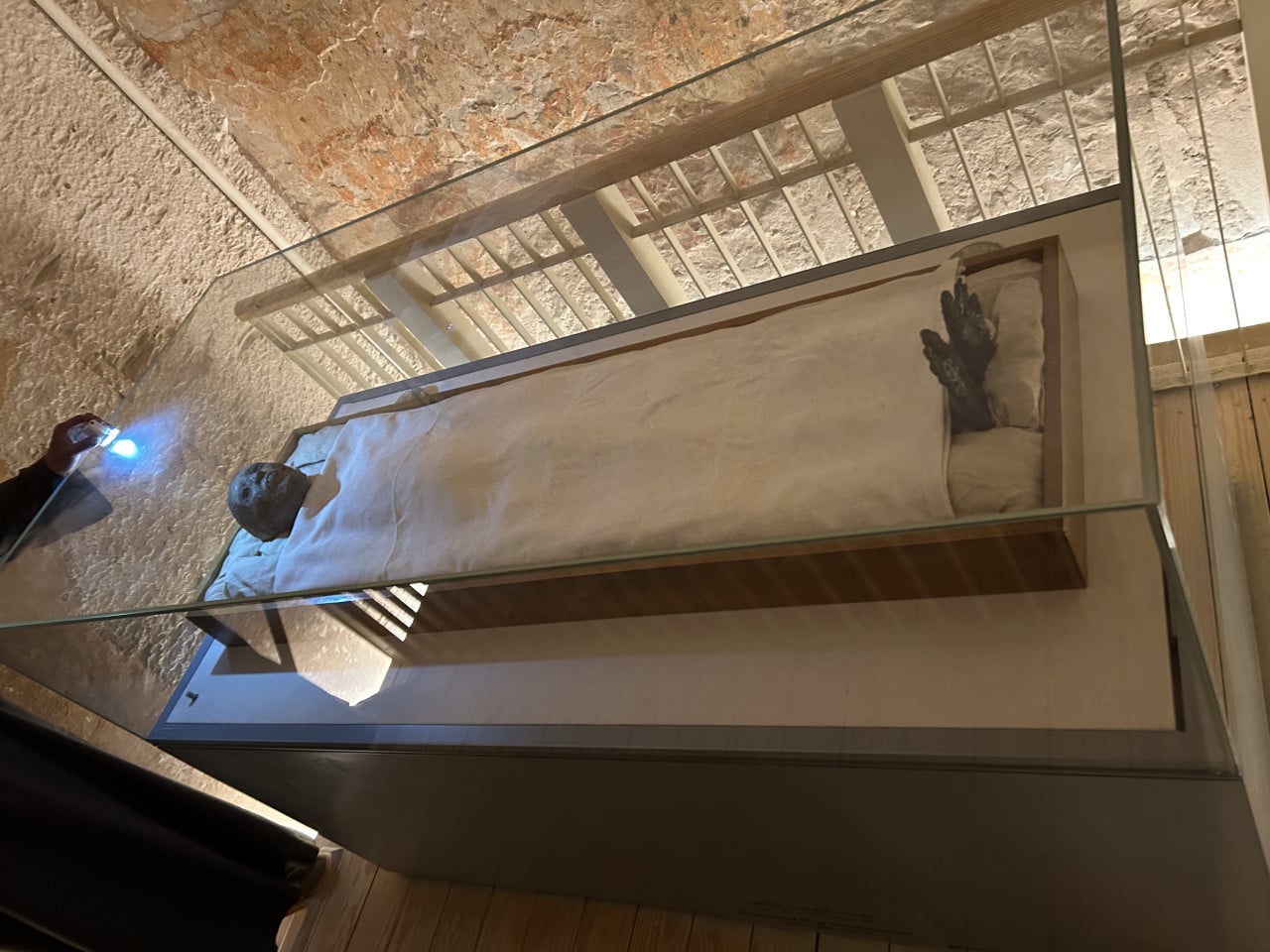
KV62 was the only tomb where we saw the ruler’s mummy itself. Tutankhamun remains in a glass display case directly inside his original tomb.
This may be an even more powerful experience than all the paintings and hieroglyphs. Suddenly, you are not merely looking at an empty sarcophagus or an image of someone who lived thousands of years ago. You are looking directly at his actual body.
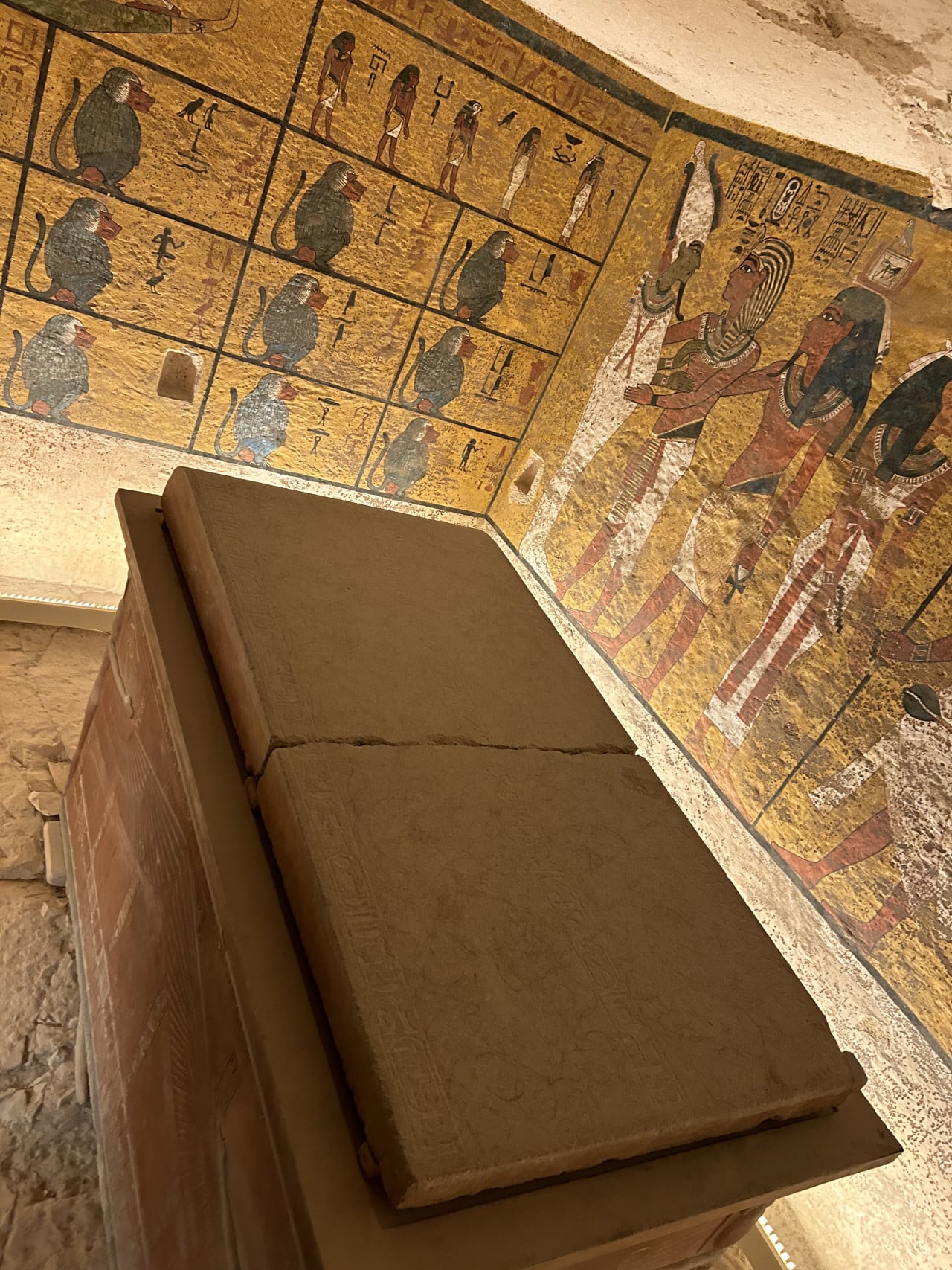
The stone sarcophagus, one of the coffins, and part of the original decoration also remain in the tomb. Most of the objects discovered there were gradually transported to Cairo.
For the first time, more than five thousand artifacts belonging to Tutankhamun are now displayed together in the new Grand Egyptian Museum near the pyramids of Giza. They include the famous golden mask, coffins, throne, chariots, jewelry, statues, weapons, clothing, sandals, and everyday objects that, according to the beliefs of the time, the ruler would need in the afterlife. (Gem)
It is somewhat ironic that a relatively insignificant young pharaoh is now probably the best-known ruler of ancient Egypt. All it took was for his tomb to remain slightly better hidden than the others.
The statuette I should have bought
When we finished touring the tombs, we walked back past the local vendors and souvenir shops.
That was where one small statuette caught my attention. It was chipped, dirty, and looked genuinely old at first glance. It was neither perfect nor shiny like ordinary tourist souvenirs. Quite the opposite. It looked as though someone had actually dug it out of the ground. I did not even find it among the regular souvenirs for sale, but at the back, in an area only the shopkeeper could access, while we were negotiating the price of something else.
The shopkeeper, of course, told me that it had been found during some excavations in the sand. It could have been a complete fairy tale, and honestly, I think it probably was. On the other hand, that only made me even more interested in it.
At first, he wanted the equivalent of approximately one hundred dollars for it. The usual bargaining followed, and we gradually got down to only a fraction of the original price. In the end, the shopkeeper followed me all the way to the bus and kept trying to sell it to me.
I really wanted it. I could imagine it at home, perhaps above the fireplace, and I liked it precisely because of how old and imperfect it looked.
My mother and the others who were there with us, however, tried to persuade me not to buy it. They argued that if it did happen to be a genuine antiquity, I could have problems when leaving Egypt.
And they were right that exporting genuine Egyptian archaeological objects is prohibited. Egyptian law forbids trade in archaeological cultural heritage, and naturally, it cannot be exported from the country without the appropriate permit. (UNESCO Documentation)
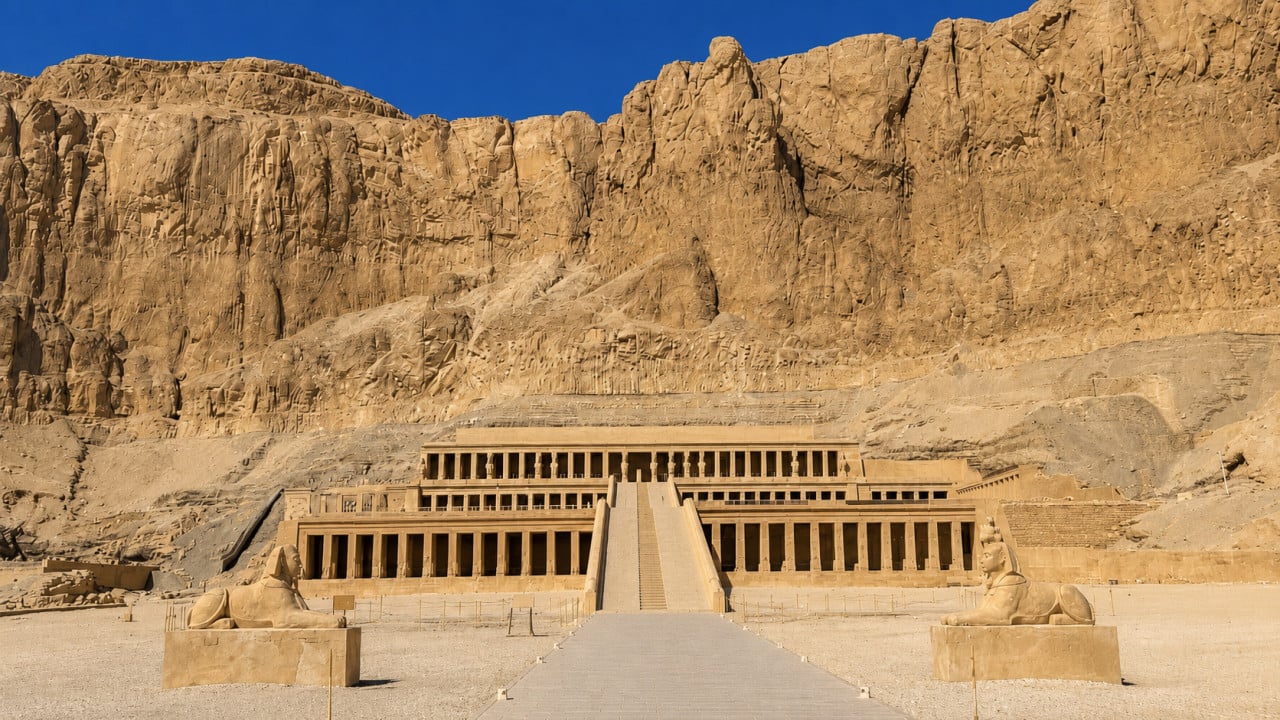
It was most likely a modern replica that had been left in the sand for a while to make it look more convincing. At that point, however, we were already hurrying back to the bus and then continued to the Temple of Queen Hatshepsut. There was no time to think about it for long.
In the end, I did not buy it.
And I still regret it a little to this day. Not because I believe it was a genuine archaeological find. I regret it simply because I really liked it and still remember it today.
When I return to the Valley of the Kings, I will definitely try to find the same vendor. Perhaps he will still have it. And if not, maybe he will have another one that he has “discovered during excavations” in the meantime.
This time, I would probably buy it—of course, only as a souvenir and ideally with a receipt as well.
Which other tombs are worth visiting?
We saw four tombs during our visit, but the selection is much larger. It mainly depends on which ones are currently open and whether you want to pay extra for any special admissions.
The tomb of Seti I, KV17, is considered one of the most beautiful. It is among the longest, deepest, and most richly decorated tombs in the entire valley. Admission tends to be relatively expensive, but if you are interested in the original paintings and have enough time for your visit, it is probably worth it. (Egyptian Monuments)
KV9 of Ramesses V and Ramesses VI is also very interesting. It is known for its long, colorful corridors and magnificent astronomical ceiling in the burial chamber. This tomb also indirectly helped preserve Tutankhamun’s tomb. Debris and workers’ huts created during its construction gradually covered the entrance to KV62. (Egyptian Monuments)
Other frequently recommended tombs include KV2 of Ramesses IV, KV6 of Ramesses IX, and the smaller KV1 of Ramesses VII. They feature vivid paintings and are generally not as impressive as the tomb of Seti I.
Since 2025, the extensive tomb of Amenhotep III in the western part of the valley has also been accessible again following a long restoration. It is located somewhat away from the main tourist route, and it is a good idea to check its current accessibility in advance. (AP News)
It is therefore best to check which tombs are open on the day before purchasing your tickets. I definitely would not try to visit as many as possible simply to tick them off a list. After several tombs, the individual scenes may begin to blur together and you may no longer notice the details.
It is better to choose several different tombs, explore them at a relaxed pace, and pay attention to how their size, architecture, and decoration changed.
What did I think of the Valley of the Kings?
I definitely recommend the Valley of the Kings. It is one of those places that makes a trip to Luxor worthwhile, even if you otherwise plan mainly to relax by the sea.
In photographs, the tombs may look like yet more ancient corridors with hieroglyphs. In reality, however, they have an incredible atmosphere. You walk through a space that was built more than three thousand years ago as the pharaoh’s secret passage into the afterlife. On the walls, you can still see the colors applied by the original craftsmen.
We had limited time for our visit because we then continued to the Temple of Queen Hatshepsut. Next time, I would set aside much more time for the Valley of the Kings. I would like to see more tombs, examine their paintings in greater detail, and perhaps fly over the entire area in a balloon.
And, of course, check whether that chipped statuette is still waiting there for me.