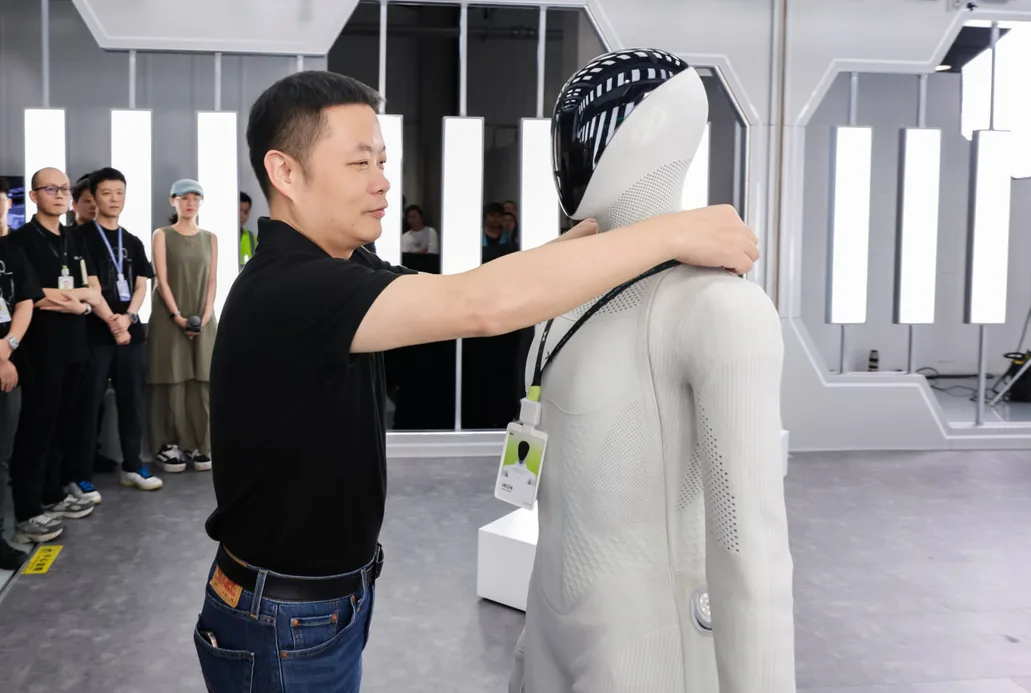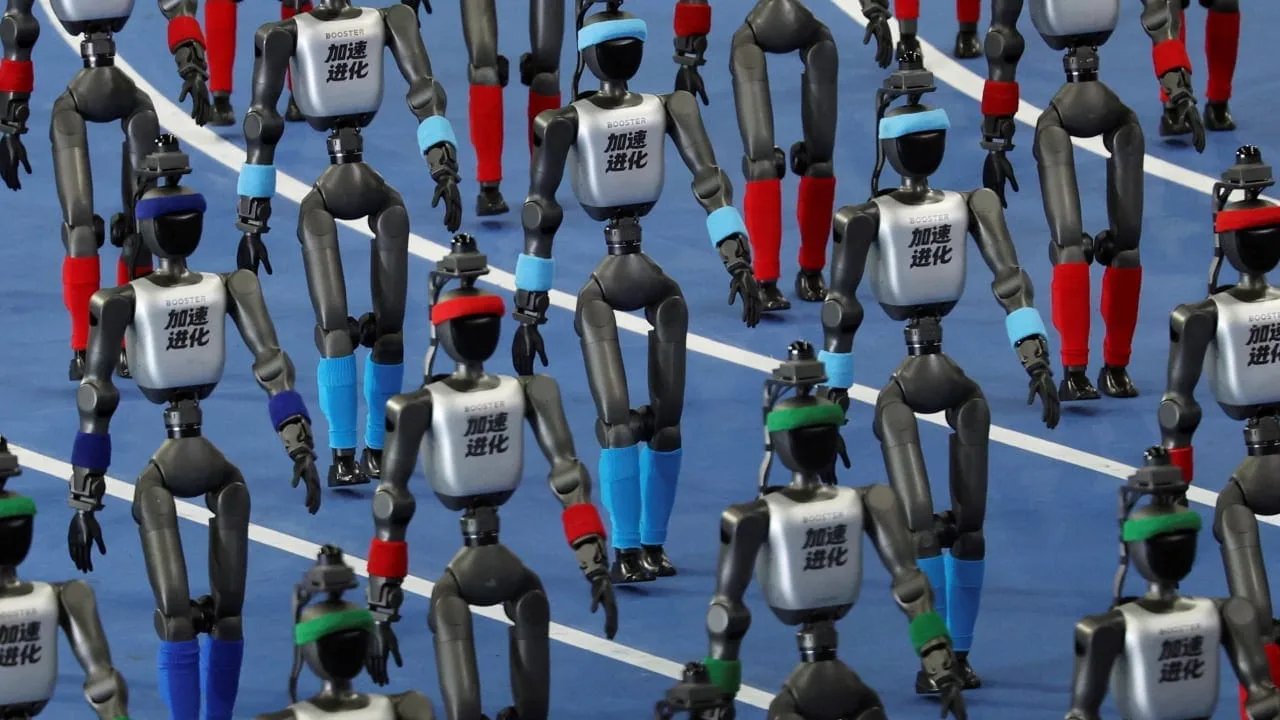
Humanoid robots are set to change our everyday lives much like smartphones did. These machines on two legs, which look and move like humans, are now going through a phase in which they are evolving from strange novelties into everyday tools. According to analysts at Morgan Stanley, the robotics market could exceed $5 trillion (approximately CZK 115 trillion) by 2050. Around 1 billion of these robots are expected to be in circulation worldwide. This represents a huge change in how we work, live, and interact with technology. They are already appearing in the real world, for example in pilot projects across various industries.
Rapidly falling prices
Just like smartphones, which initially cost a fortune and then became cheaper, humanoid robots are undergoing a rapid decline in price. According to a report by Bain & Company, the cost of producing one such robot fell by more than 40% between 2022 and 2024. At the same time, labor costs in the European Union rose by 5% from 2023 to 2024. This makes robots attractive to companies looking for ways to save money and streamline operations wherever possible.
The first models for ordinary consumers are already appearing on the market. For example, the NEO robot from 1X is designed as a personal assistant and household companion. Pre-orders have opened, and the first units are expected to arrive in homes in 2026. The price is $20,000 (approximately CZK 460,000), or customers can pay $499 per month (approximately CZK 11,500). That is still quite a lot for now, but it is reminiscent of the first expensive mobile phones, which soon became affordable for everyone thanks to mass production.
The first robots are also appearing here in the Czech Republic. For example, Alza has acquired robots from Unitree Robotics for presentations and sells others on its website.
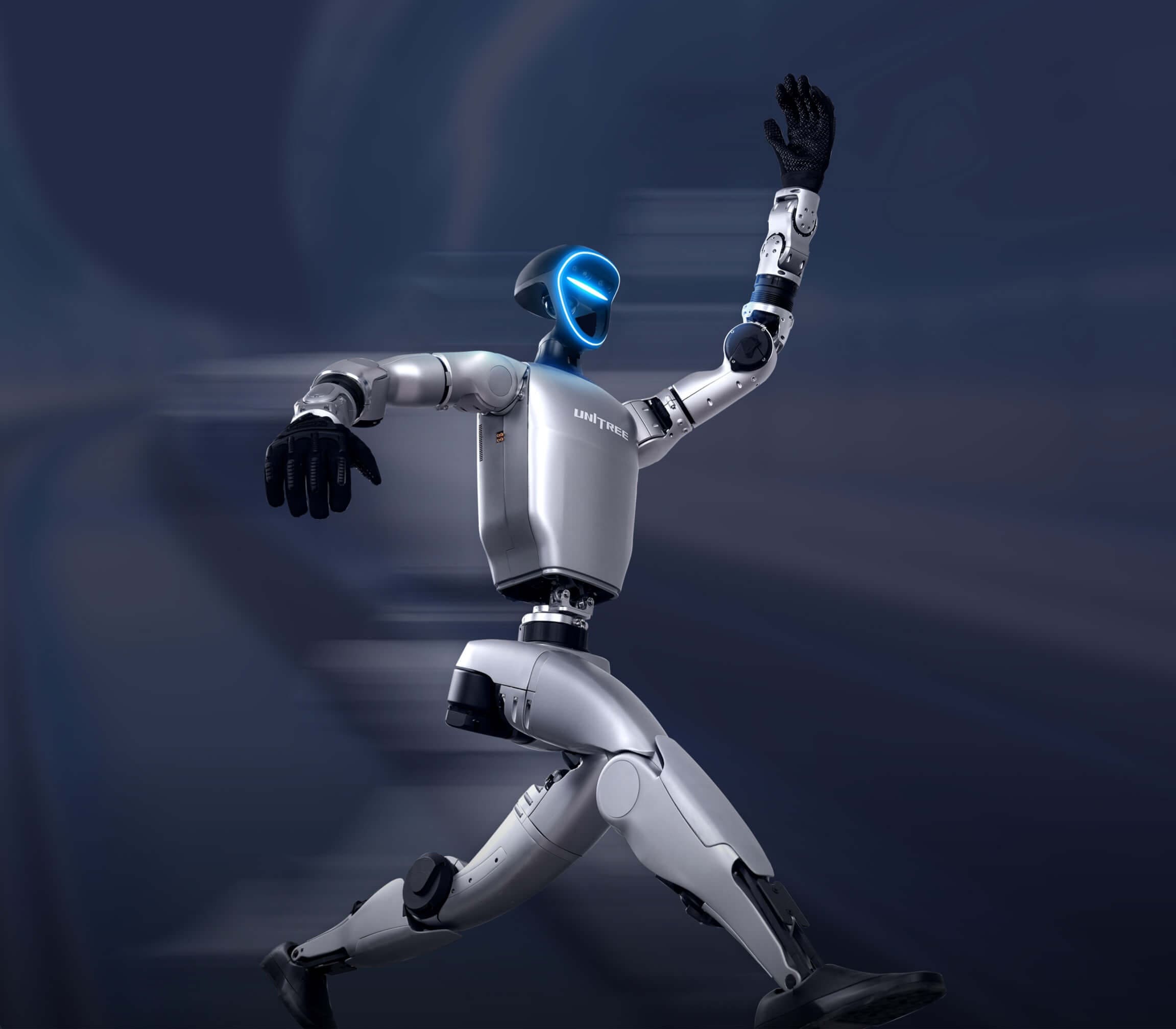
Humanoid robots are attractive to companies because of their greater efficiency, reduced risk of workplace injuries, predictable costs, and competitive advantage. They will not be limited to factories—they will soon appear in the service sector as well. Imagine arriving at a hotel in a few years and being greeted by a humanoid robot, or robots delivering equipment in hospitals. Just as self-service checkouts in stores have become part of everyday life, these robots will also blend into the background of modern services.
Life with constant assistance
Smartphones made us "always connected," but humanoid robots could make us "always assisted." This means they will help us with everyday tasks and challenges. Questions are emerging about how to integrate them into the workplace—will they be mere tools, assistants, or full-fledged colleagues? How should workflows be adapted so that humans and robots can work together smoothly and simultaneously?
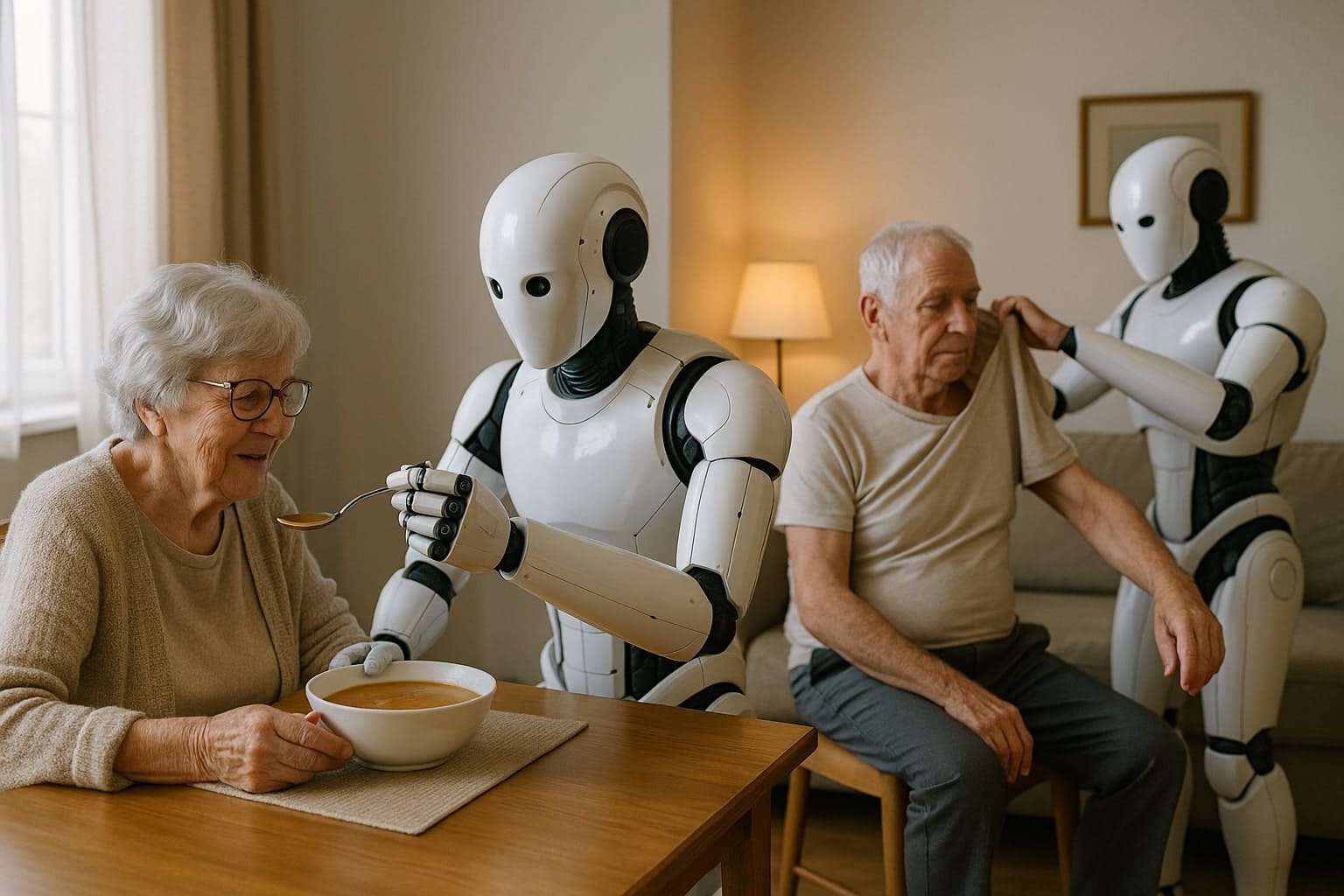
Humanoid robots will not be limited to a single function, much like mobile phones, which evolved from telephones into multimodal devices with cameras, navigation, digital wallets, and entertainment. They may affect our attention, relationships, and work-life balance, particularly in areas such as elder care, privacy, and security.
Today, we view humanoid robots with skepticism, just as we once viewed the first mobile phones or personal computers. They were clumsy, expensive, and imperfect. But once they reached the point of widespread adoption, they became ubiquitous. Robots are now at this stage—expensive, imperfect, and occasionally awkward. Within ten years, however, they could be everywhere. The question is not whether, but how quickly it will happen.
Source: techradar.com