

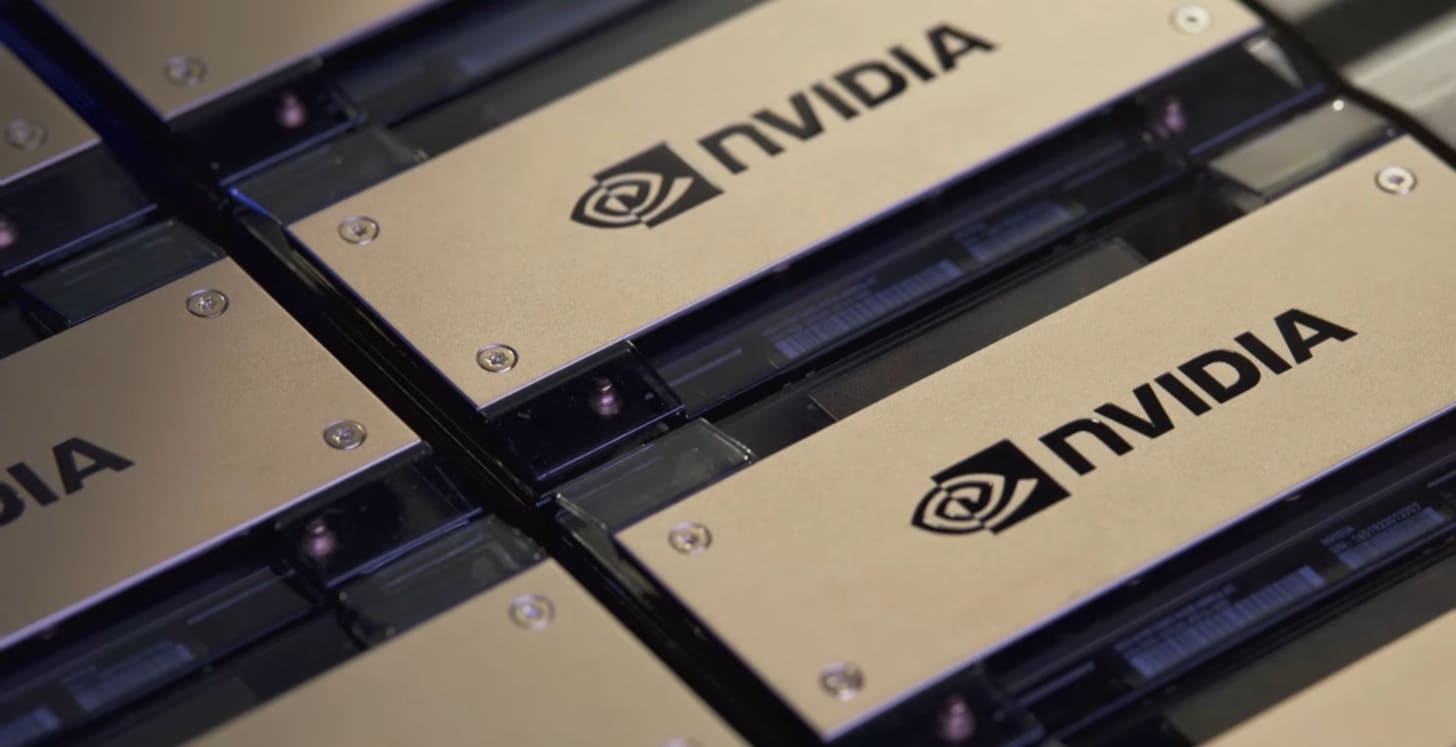
Whether you are an ordinary person interested in technology or just browsing the latest news, the topic of artificial intelligence (AI) is everywhere today. Major Chinese companies such as Alibaba and ByteDance want to create super-smart models, but they cannot buy the necessary components domestically because of U.S. rules. So how do they do it? They are moving their work abroad, specifically to Southeast Asia. These companies use data centers in Singapore and Malaysia to gain access to Nvidia chips.
U.S. Controls and Chinese Needs
It all began because of tensions between the U.S. and China in the technology sector. The U.S. government, particularly under current President Trump, imposed strict rules on the export of advanced Nvidia chips to China. In April 2025, restrictions on the H200 chip were tightened, meaning Chinese companies could not purchase these components directly. These chips are essential for training large language models (LLMs), the smart systems capable of chatting or generating text like humans.
Alibaba and ByteDance, two corporate giants, did not accept this situation. Instead, they began looking for solutions outside China. According to reports from May 2025, the Trump administration repealed an earlier Biden-era rule that would have prohibited such circumvention. It is now legal for Chinese companies to rent computing capacity from foreign data center operators, even if those centers use Nvidia chips. This means companies like Alibaba do not have to buy the chips—they simply "borrow" them remotely.
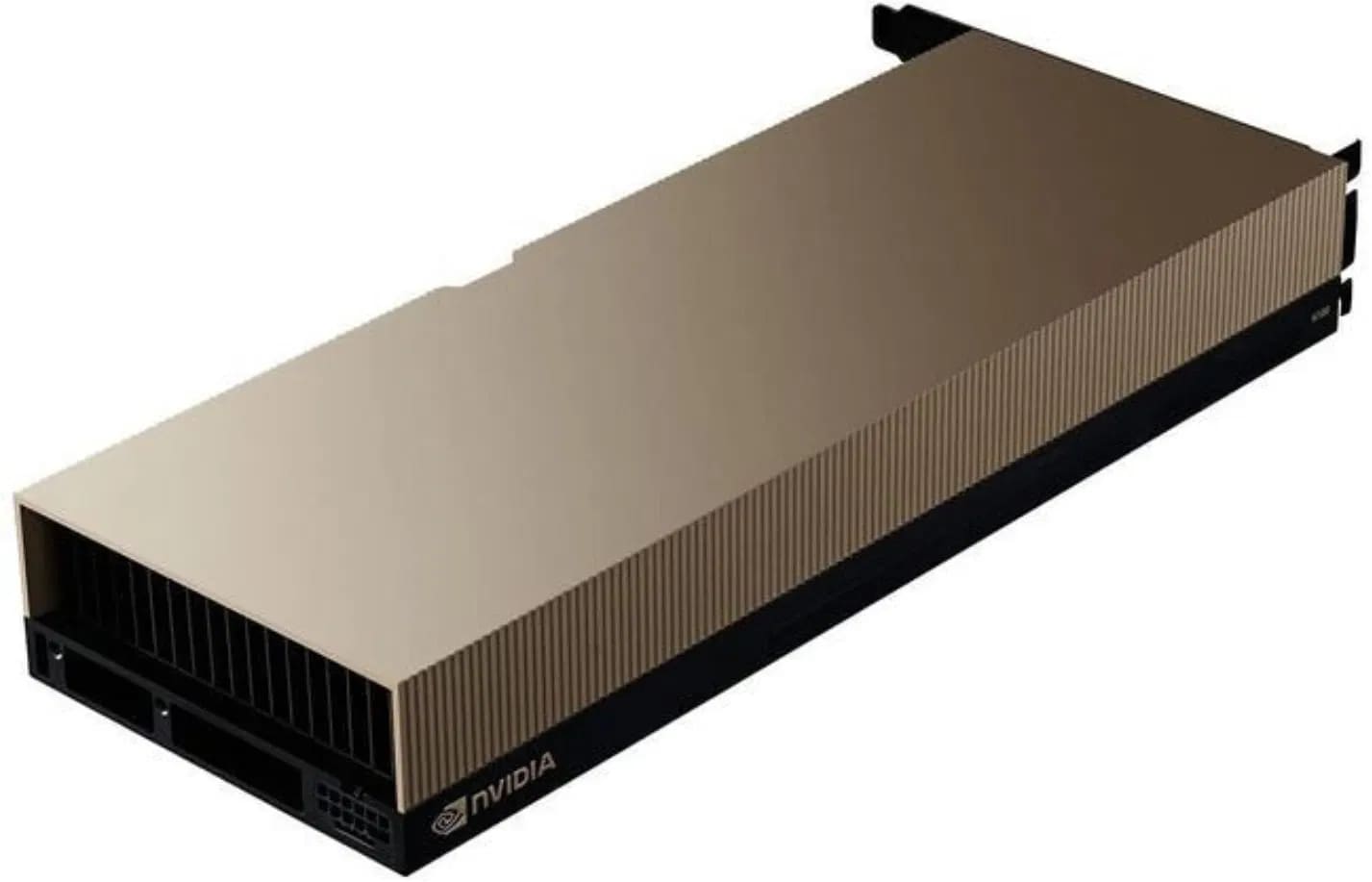 NVIDIA H200
How Model Training Abroad Works
Let's break it down with some examples. Alibaba is working on the Qwen model, its version of an advanced AI system. ByteDance, meanwhile, is developing Doubao, which has ranked among the world's best models according to benchmarks. These models require enormous computing power for training—which means processing vast amounts of data so they can "learn" how to operate. In China, companies have Huawei chips that are sufficient for routine tasks such as inference (when a model is already running and answering questions), but they are not powerful enough for intensive training.
That is why they are turning to data centers in Singapore and Malaysia. Operators there have reported increased demand from Chinese companies since April 2025. The companies rent time on Nvidia accelerators, train their models there, and then transfer the finished model "weights" (the learned parameters) back to China. They then run them on domestic chips. It is a clever workaround—training takes place on cutting-edge hardware, while the final deployment is legal at home.
One important point: Chinese companies cannot take users' private data out of the country. Therefore, any model fine-tuning based on Chinese data must remain within China. This limits what can be done abroad, but it is sufficient for basic training.
The Exception Called DeepSeek
Not all companies are taking the same path. DeepSeek, a company headquartered in Shanghai, is different. Before the U.S. restrictions were introduced, it purchased large quantities of Nvidia chips and now uses them directly in China to train its models. It is also collaborating with Huawei on the development of new Chinese chips. Huawei engineers are even stationed at DeepSeek's headquarters in Hangzhou to help optimize hardware for future generations of AI.
This collaboration is helping China reduce its dependence on foreign technology. DeepSeek is thus testing the limits of U.S. restrictions and helping domestic companies such as Huawei improve their chips so that they may one day fully replace Nvidia.
Impact on the Global AI Landscape
This shift of activities to Southeast Asia means that Chinese companies remain competitive. Their models, such as Qwen and Doubao, achieve performance comparable to those from Western laboratories, including OpenAI. At the same time, this is increasing demand for data centers in Singapore and Malaysia, where a great deal of computing power is now concentrated. Chinese AI continues to develop at an increasingly rapid pace, despite geopolitical obstacles.


