
Elon Musk's company xAI has announced that it plans to build a solar farm right next to its Colossus data center in Memphis. The project is set to occupy 35.6 hectares of land to the west and south of the data center. According to estimates, the farm could generate around 30 megawatts of electricity. That sounds promising, but in reality, it would cover only about 10% of the estimated 300 megawatts consumed by Colossus.
xAI is working on the project with a developer that plans to use a vacant 55-hectare plot owned by the same owner as the Colossus site. The company informed local planners in Memphis of the plan last week. Colossus is one of the world's largest centers for training artificial intelligence models, and its energy demands are enormous.
Criticism over gas turbines and pollution
xAI is facing sharp criticism for operating more than 400 megawatts of gas turbines without the necessary permits. According to the Southern Environmental Law Center, which is working with the NAACP, the company operates at least 35 turbines that emit more than 2,000 tons of nitrogen oxides annually. These emissions contribute to smog formation and cause respiratory problems.
Local authorities have permitted xAI to operate only 15 turbines until January 2027, but the company has more. xAI claims that it is using the turbines only temporarily until it secures additional energy sources. In Mississippi, where it is building Colossus 2, the company has already installed 59 turbines, 18 of which are designated as temporary and are not monitored for pollution by regulators.
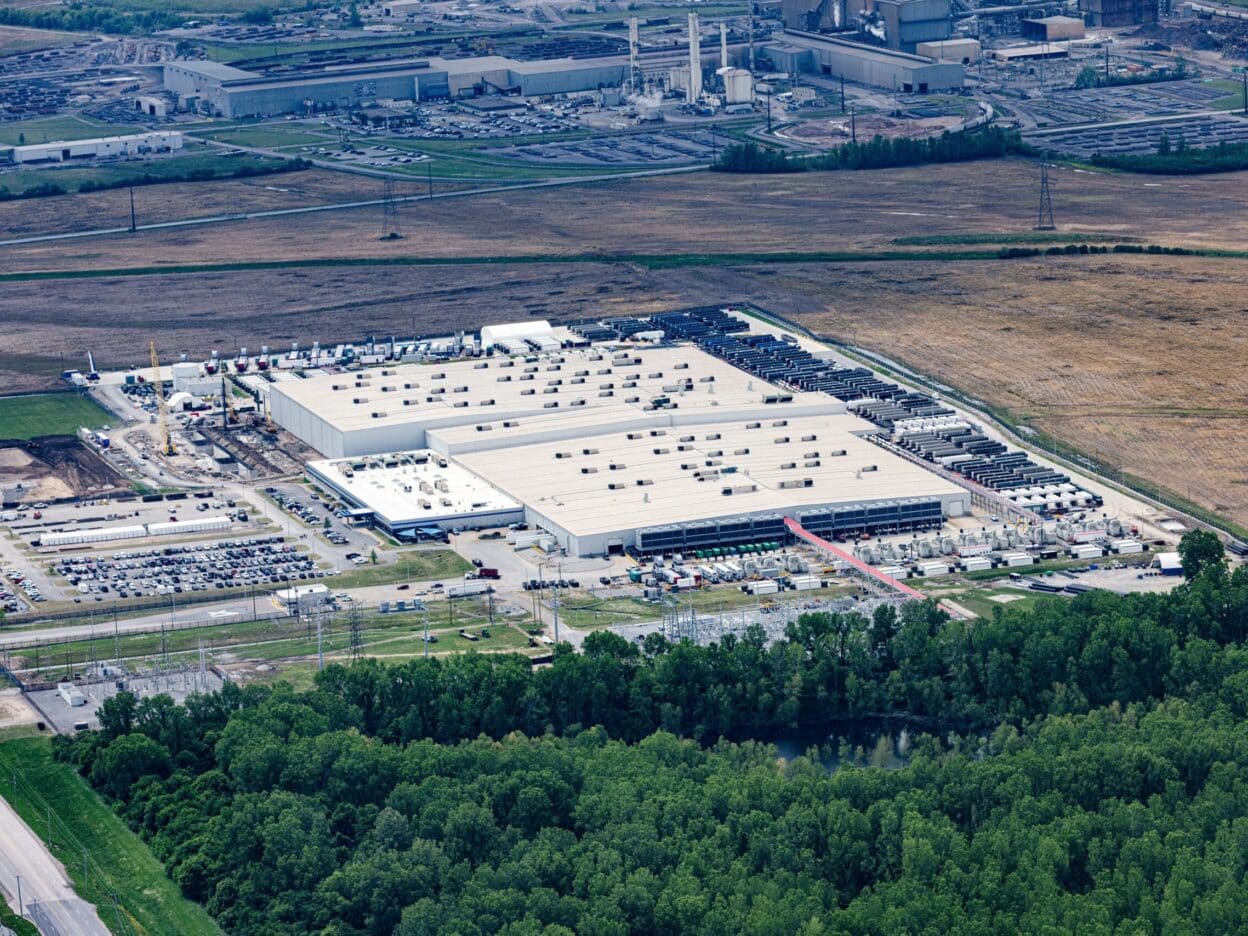
This situation has the greatest impact on residents of Boxtown, a predominantly Black neighborhood near the data center. Researchers from the University of Tennessee found that after Colossus began operating, the maximum concentration of nitrogen dioxide in the surrounding area increased by 79%. Local activists have reported more asthma attacks and breathing difficulties since the facility began operating.
People in Boxtown are experiencing the direct health effects of the pollution. The gas turbines are operating without proper permits, increasing emissions that are concentrated in this area with less political power. It is an example of how environmental costs fall on communities that have the fewest means to defend themselves.
Another solar project
Back in September, xAI announced a larger 100-megawatt solar farm paired with 100 megawatts of battery capacity for continuous operation. This project could cover about a third of Colossus's needs. Developer Seven States Power Corporation received $439 million (approximately CZK 10.1 billion) for the project from the U.S. Department of Agriculture, including $414 million (approximately CZK 9.5 billion) in the form of an interest-free loan.
This taxpayer support is helping finance the green component, while Boxtown residents suffer from pollution caused by the gas turbines. It gives xAI time to keep the facility running, even though the solar farm will not be completed immediately.
Challenges for AI
Training advanced artificial intelligence models requires enormous amounts of computing power, which means continuous consumption of 300 megawatts specifically for the Colossus facility. No power plant in Tennessee is prepared for such a load, so xAI installed turbines and began operations even without all the required permits.
The new 30-megawatt solar farm on 35.6 hectares is only a small part of the solution. While the company announces green projects, the turbines continue to operate and pollute the environment. Boxtown residents are paying the real price for training Grok models, while xAI uses solar panels to manage its image.
This approach—operating first and announcing green plans later—is common among many artificial intelligence companies facing the same clean energy constraints.
Sources: techcrunch.com and winsomemarketing.com