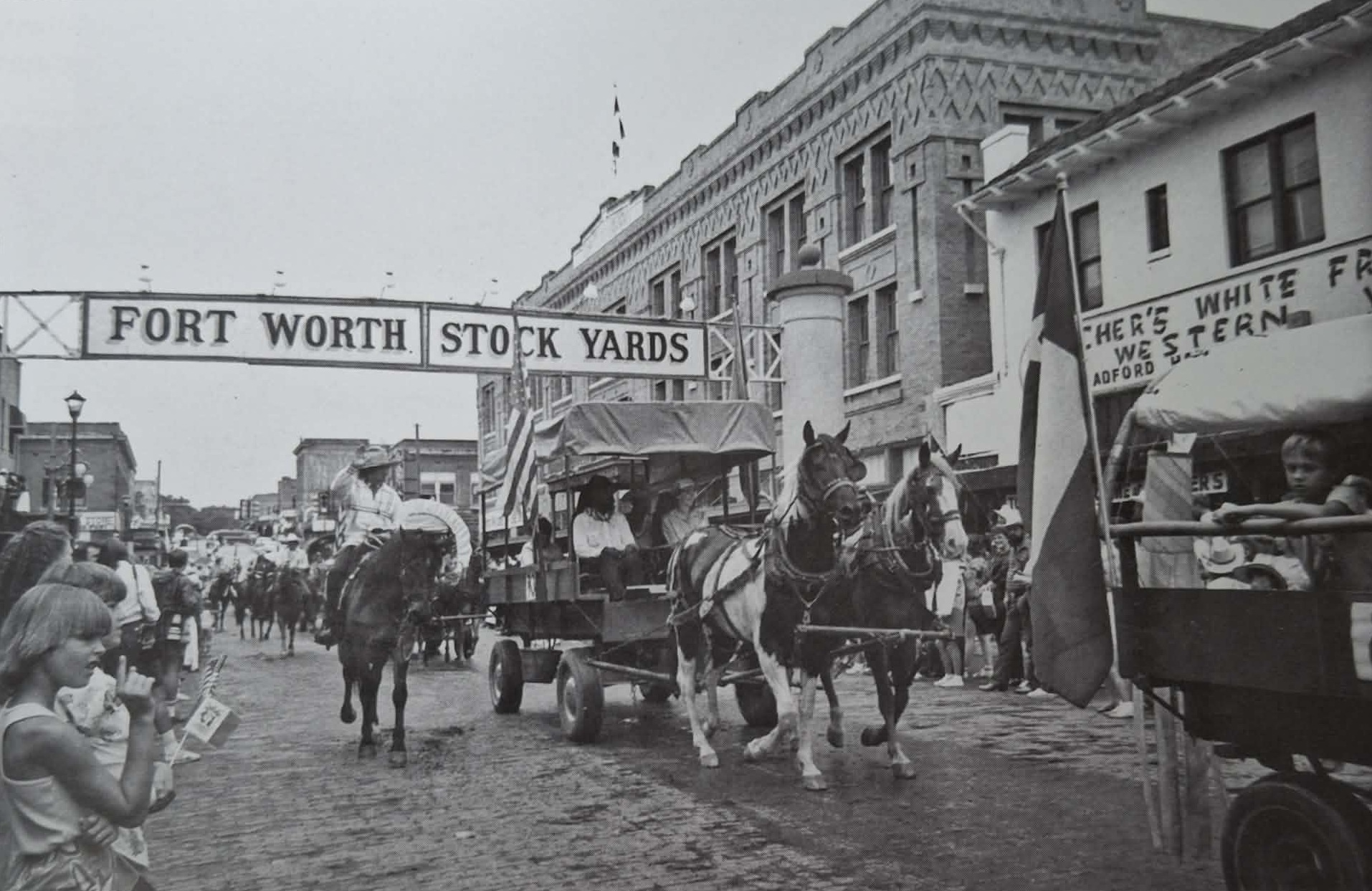
During the statewide 150th anniversary celebrations, when Texas celebrated its 150th birthday, a wagon train slowly traveled through the Lone Star State. The journey began in the spring and passed within 160 kilometers of every town so that residents could see the train and its participants. The train ended its journey on July 4, 1986, at the Fort Worth Stockyards, as shown in the opening photograph.
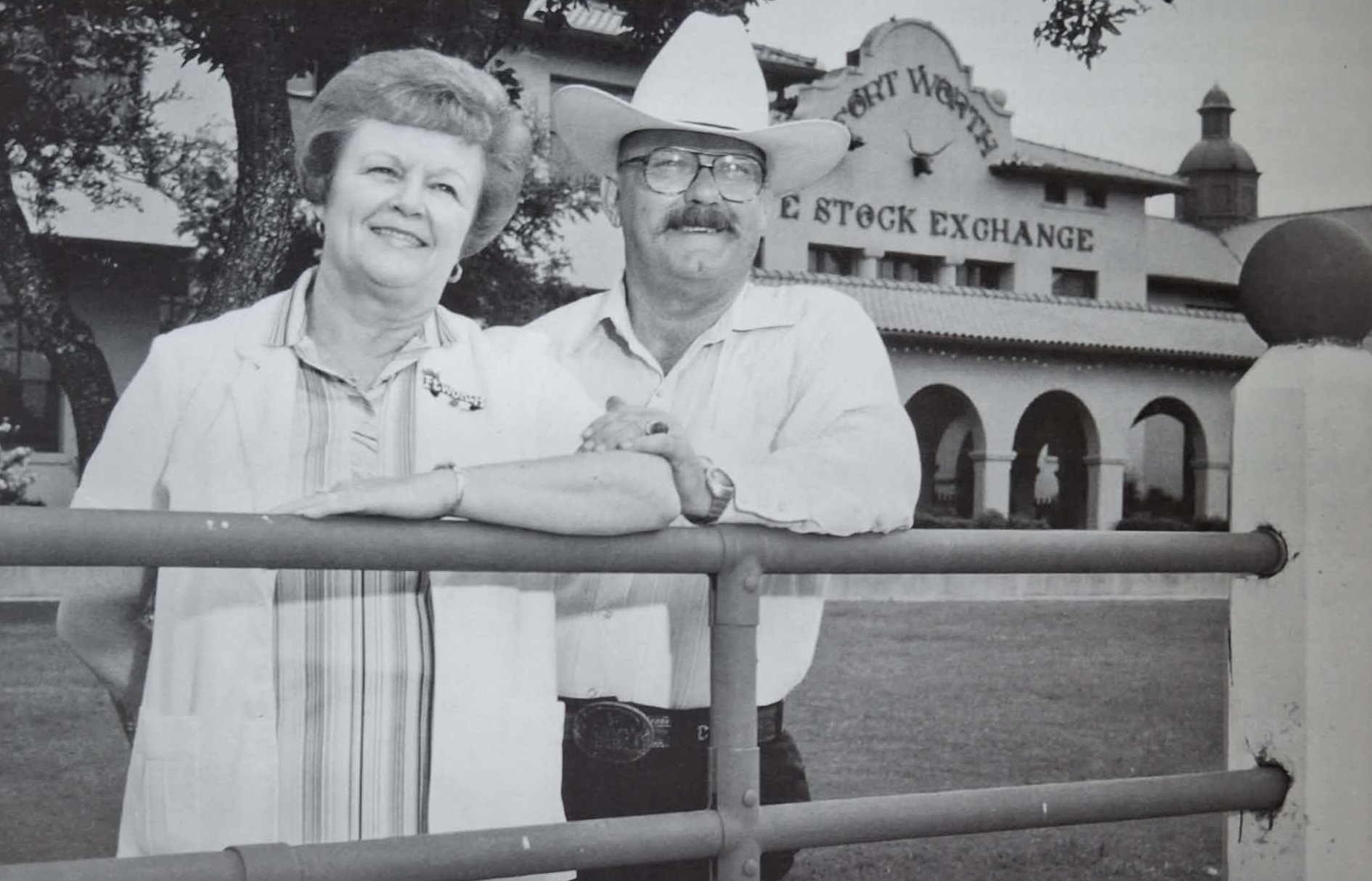
Charlie and Sue McCafferty were the "mother" and "father" of the North Fort Worth Historical Society. Charlie McCafferty helped establish the historical society after witnessing the historic Niles City Hall being demolished for a parking lot in 1976. His wife Sue, red-haired and determined, served as chairwoman. For many years, she fought Fort Worth City Hall for grants and programs to preserve and restore the stockyards area.
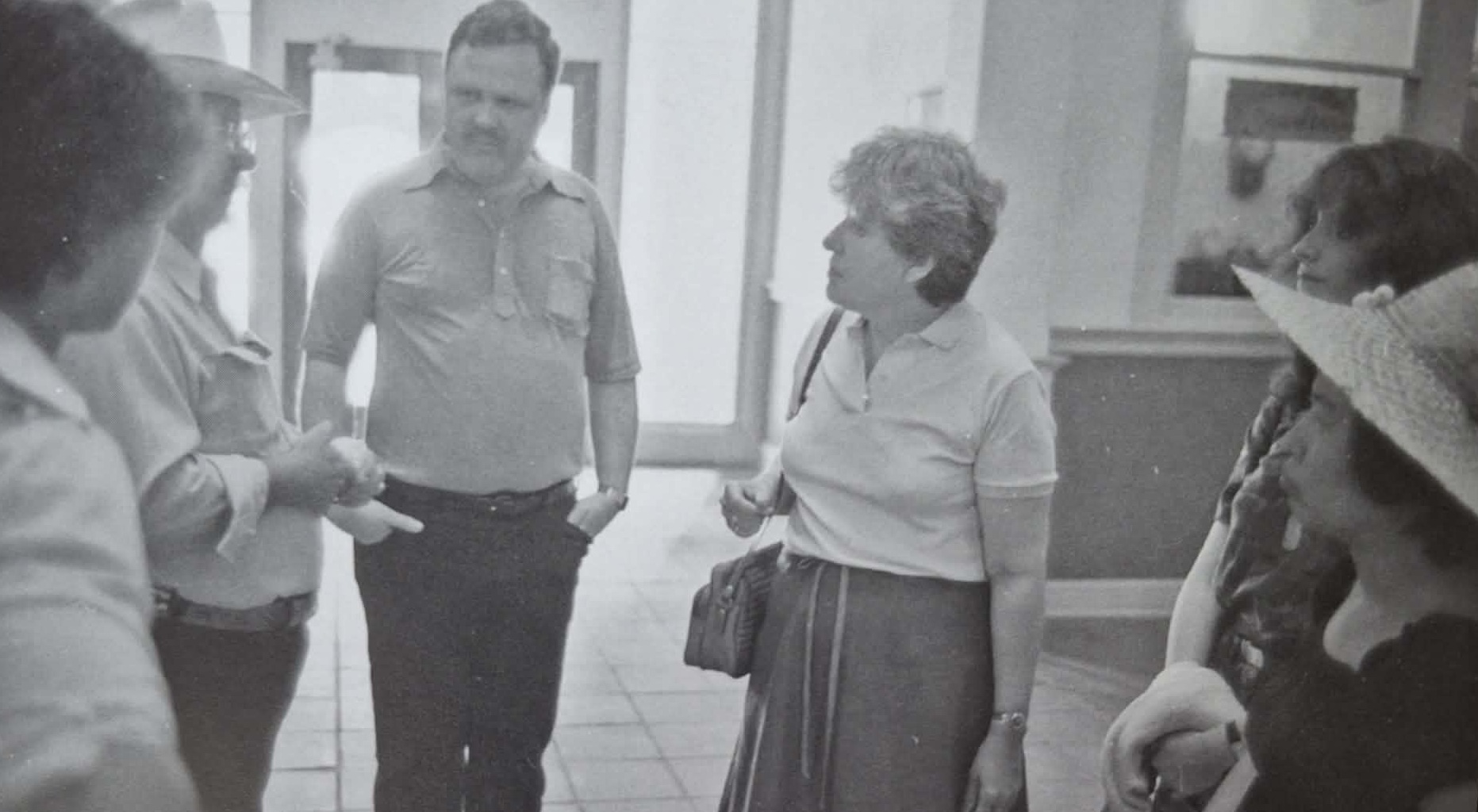
In the 1970s and 1980s, Charlie McCafferty, second from the left in a hat and a former firefighter, gave people free tours of the stockyards simply as a courtesy. His father worked for many years as weighmaster for the Fort Worth Stockyards. Charlie has since passed away, but trained guides from the stockyards visitor center now lead hour-long tours.
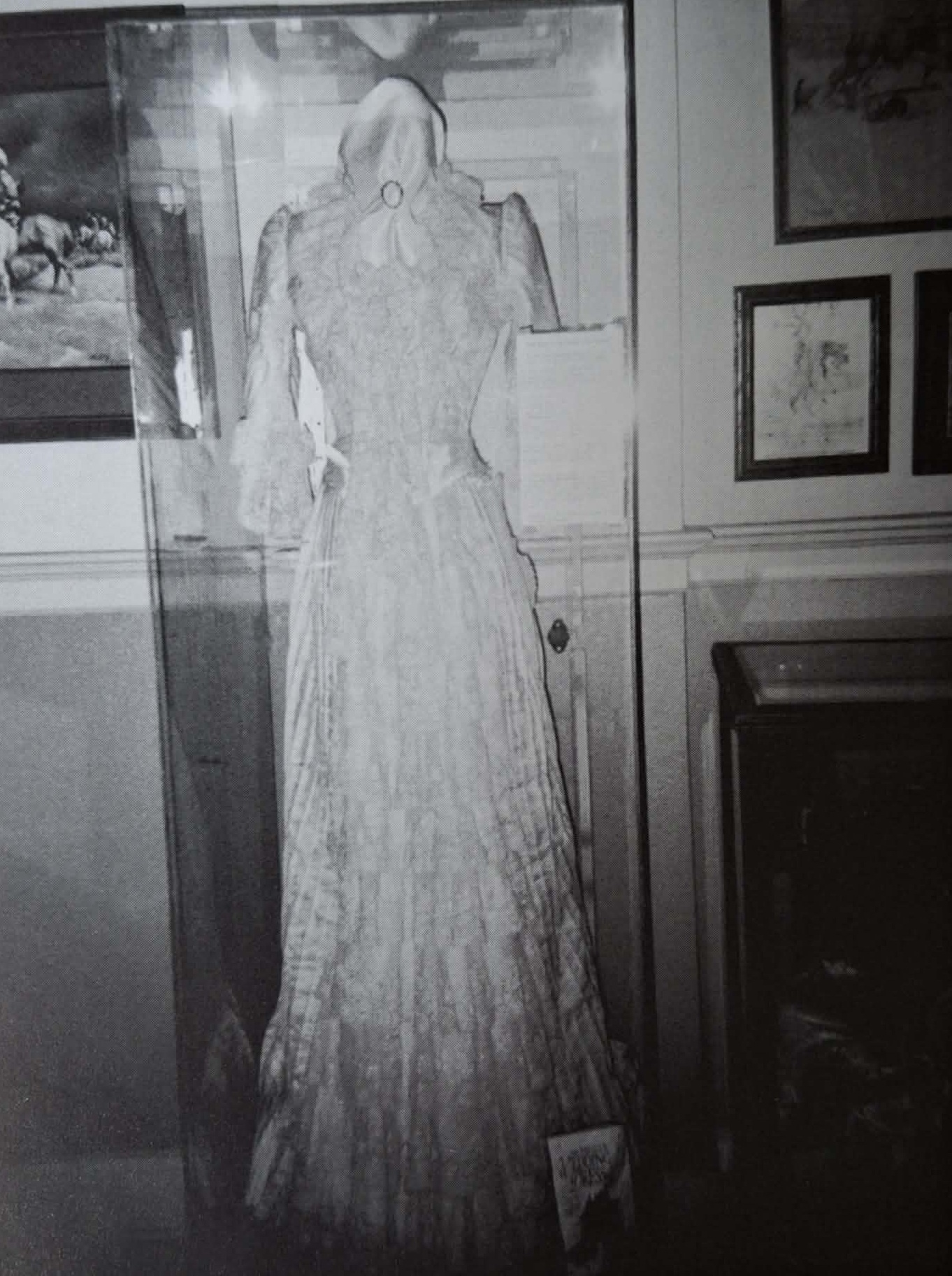
The "unlucky wedding dress" is on display at the North Fort Worth Historical Society museum. The first bride to wear the dress was married in 1886. The groom left in 1889 to prospect for gold in Oregon and never returned. Their daughter also planned to wear it, but her fiancé died four days before the wedding while traveling home from World War I. The original bride's granddaughter also wore it, and her husband died a year after the wedding. In addition, a woman who merely put the dress on for a historic house tour later suffered from a mysterious illness.
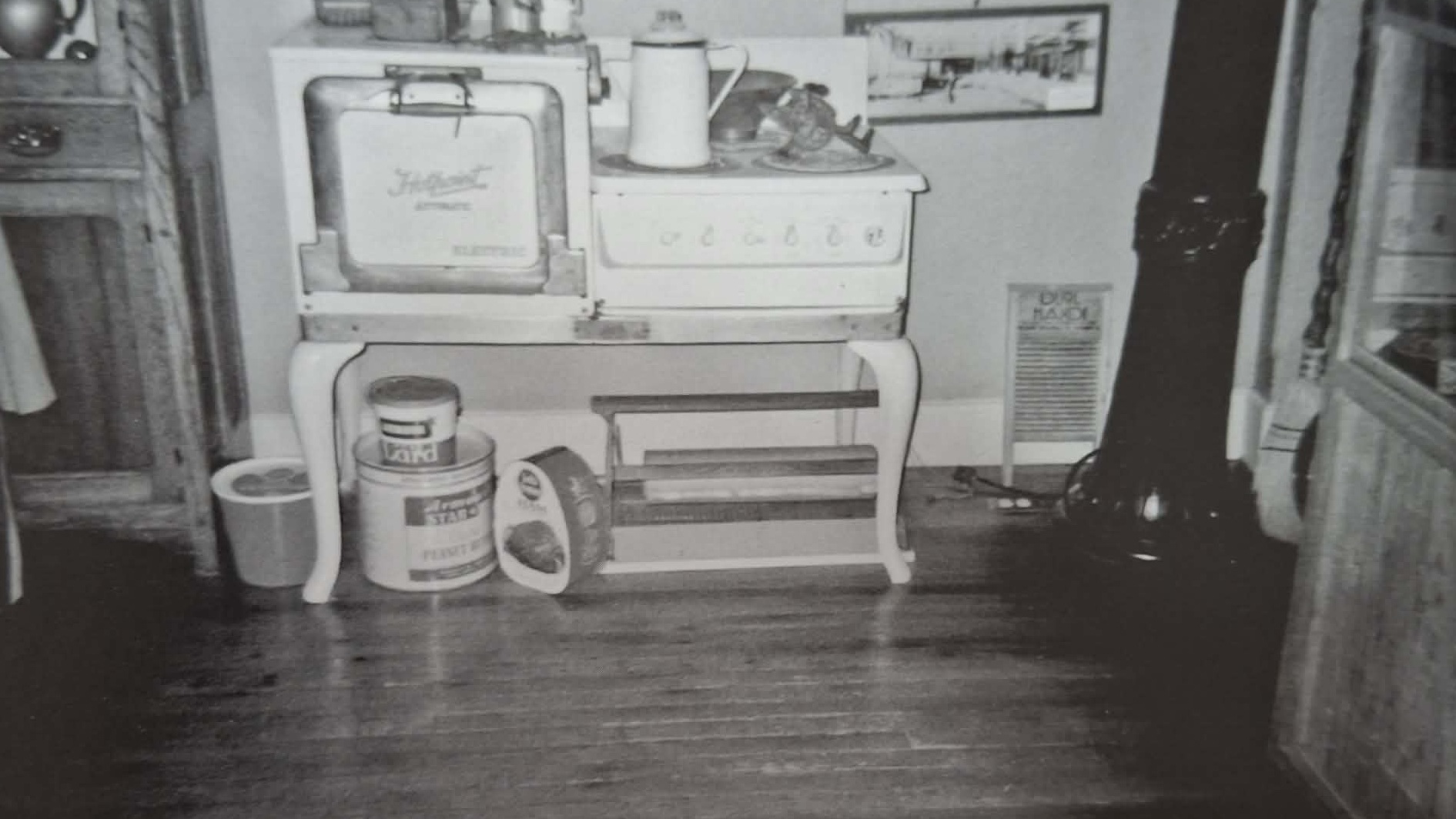
Women used stoves like this one in the early 20th century. The North Fort Worth Historical Society museum primarily displays artifacts from the West, including items related to the Fort Worth Stockyards.
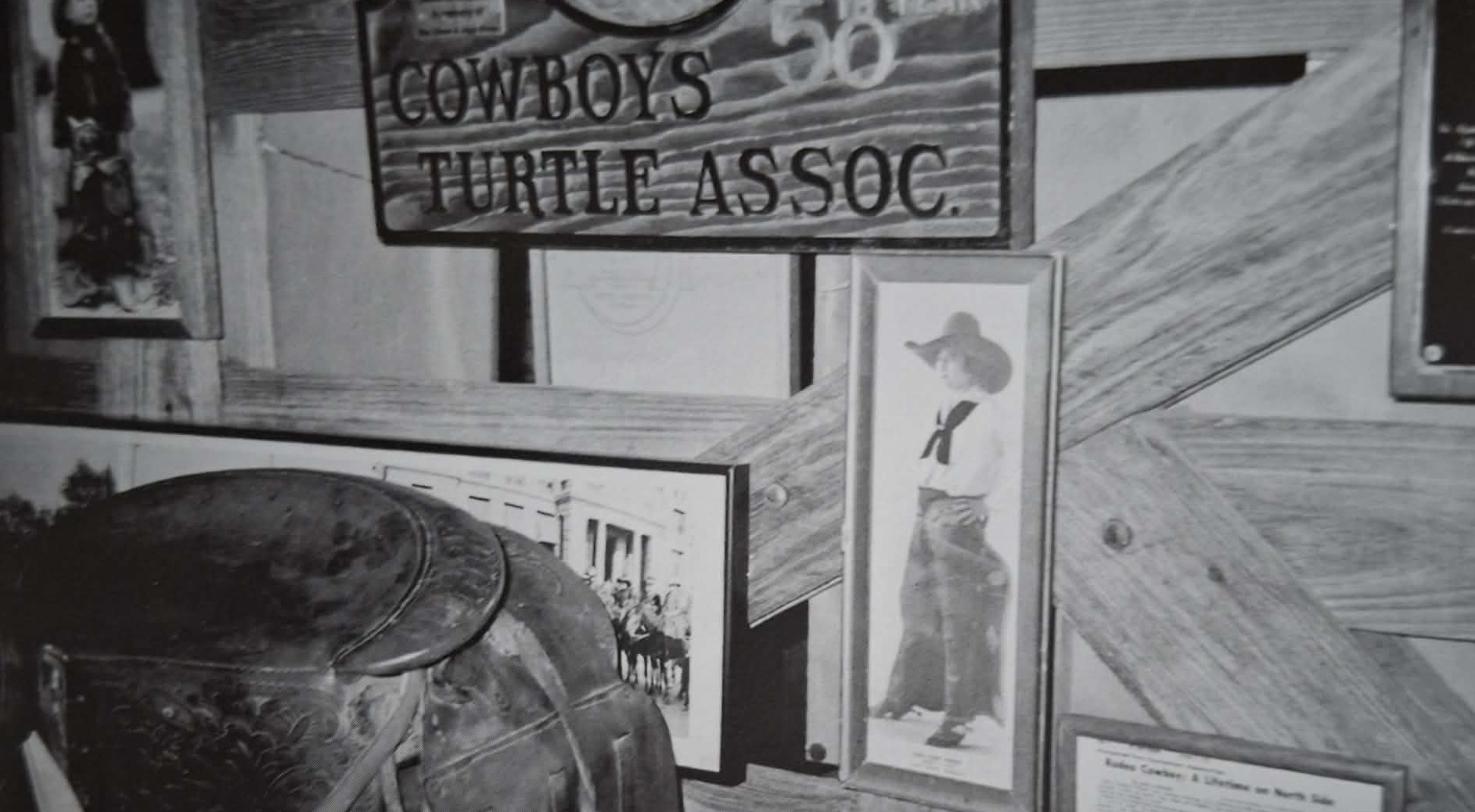
An exhibit in the museum pays tribute to the Cowboys Turtle Association (CTA), the original name of the Rodeo Cowboys Association. In March 1937, during the annual Southwestern Exposition and Fat Stock Show and Rodeo, cowboys elected officers, and the CTA became an official organization representing rodeo cowboys. The following year, they held their first annual convention in Fort Worth. Ten years later, the organization became the Rodeo Cowboys Association.
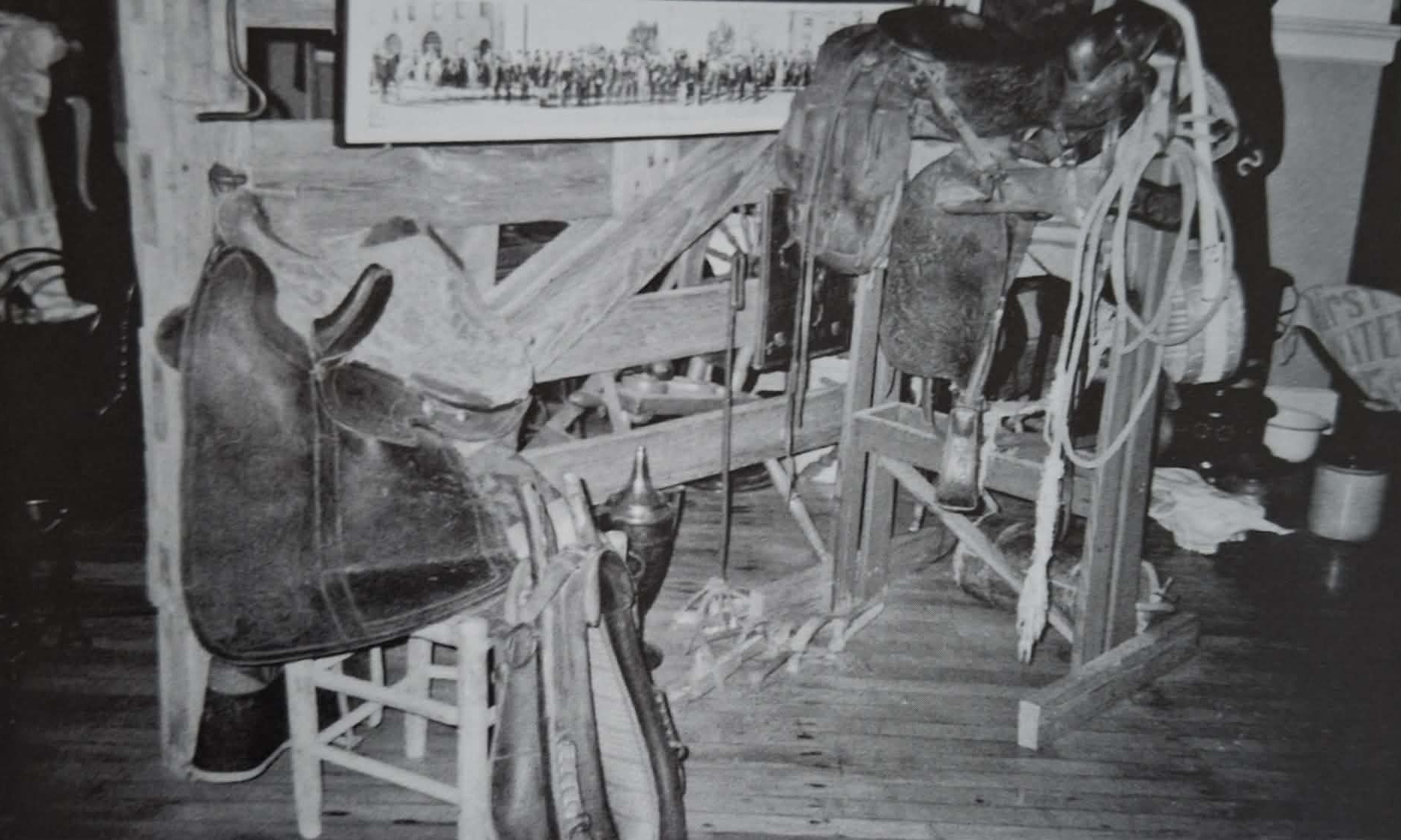
This saddle exhibit in the North Fort Worth Historical Society museum shows much of the gear a cowboy needed on the trail, such as a canteen, lasso, saddlebags, and spurs. Admission to the museum is free, and only a small donation is requested. Volunteers work to keep it open so that visitors can appreciate the immense historical heritage that the Fort Worth Stockyards National Historic District has brought to the city of Fort Worth.
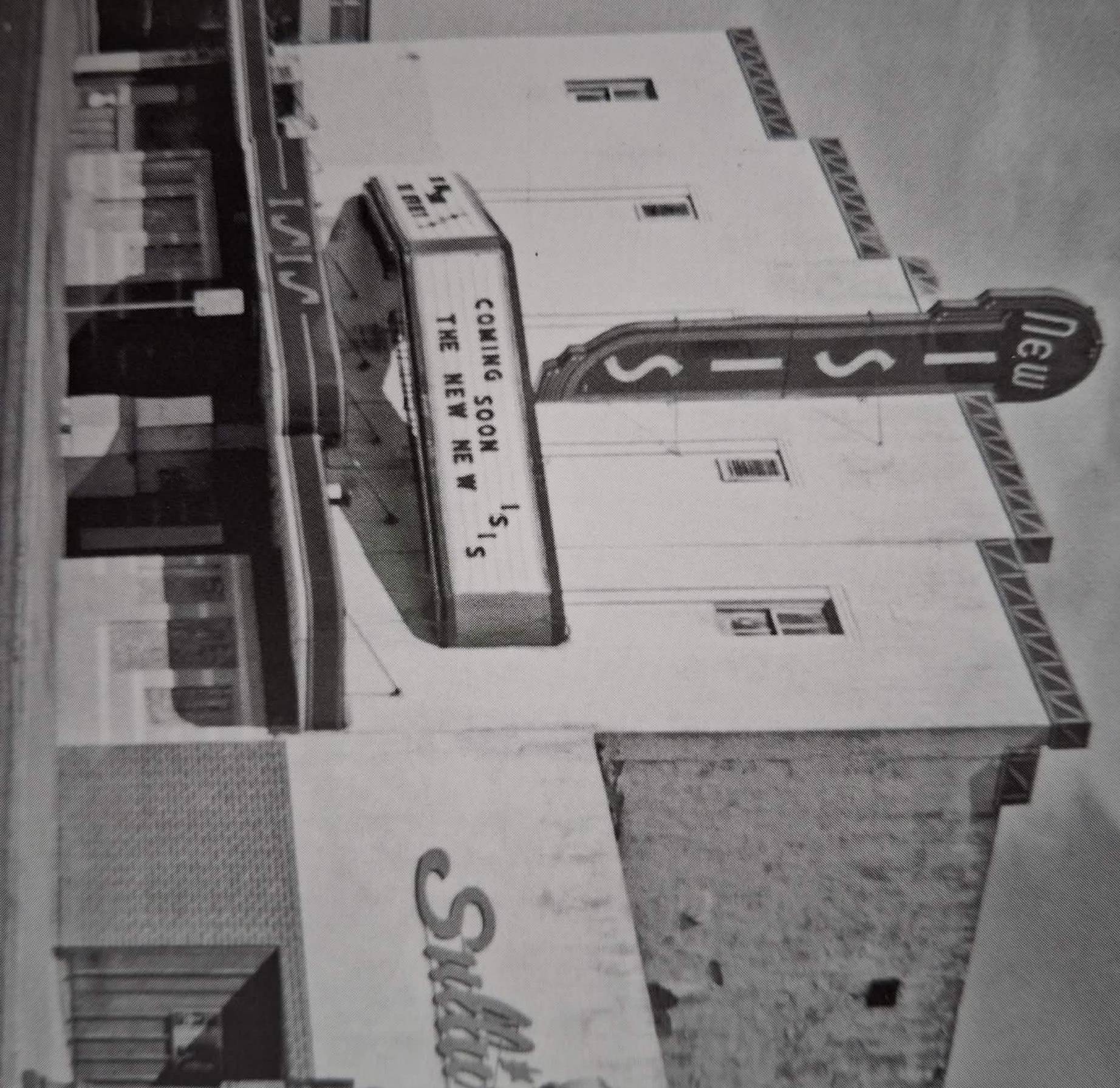
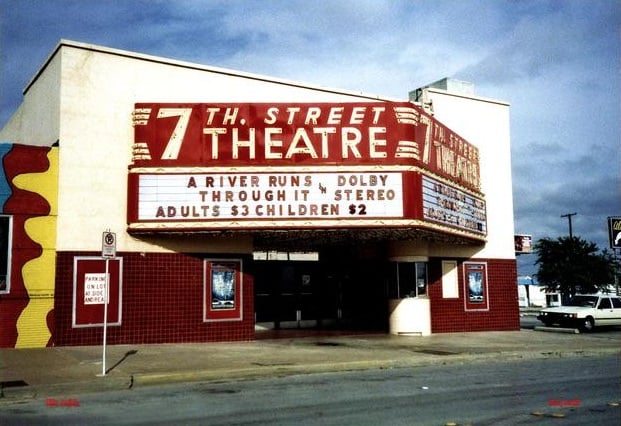
Just half a block south of the famous intersection of North Main Street and Exchange Avenue stands the now-vacant New Isis movie theater. Louis Tidball, a North Fort Worth banker, took over a medicine show in the stockyards when its owner was unable to repay a loan. The show included screening films in a tent, so Tidball continued doing so in an attempt to recover his money. It went quite well. In 1913, he constructed a building for showing films and named it the Isis Theater. When it burned down in 1935, he rebuilt it and named the new movie theater the New Isis.