The Livestock Boom Years
After two large meatpacking companies, Armour and Swift, joined the Fort Worth Stockyards Company, built their two modern meatpacking plants, and collaborated on the construction of the Livestock Exchange Building in 1903 and the North Side Coliseum in 1908, the only direction for Fort Worth's economy was up. Because these two meatpacking companies could buy all the animals brought to the stockyards and promptly pay the producers, business flourished.
The Fort Worth Stockyards Company owned not only the stockyards and buildings, but also a bank, a townsite development company, a newspaper, a livestock loan company, and the Belt Railroad, which brought livestock into the stockyards. The company sold land to businesses or families flocking to the area.
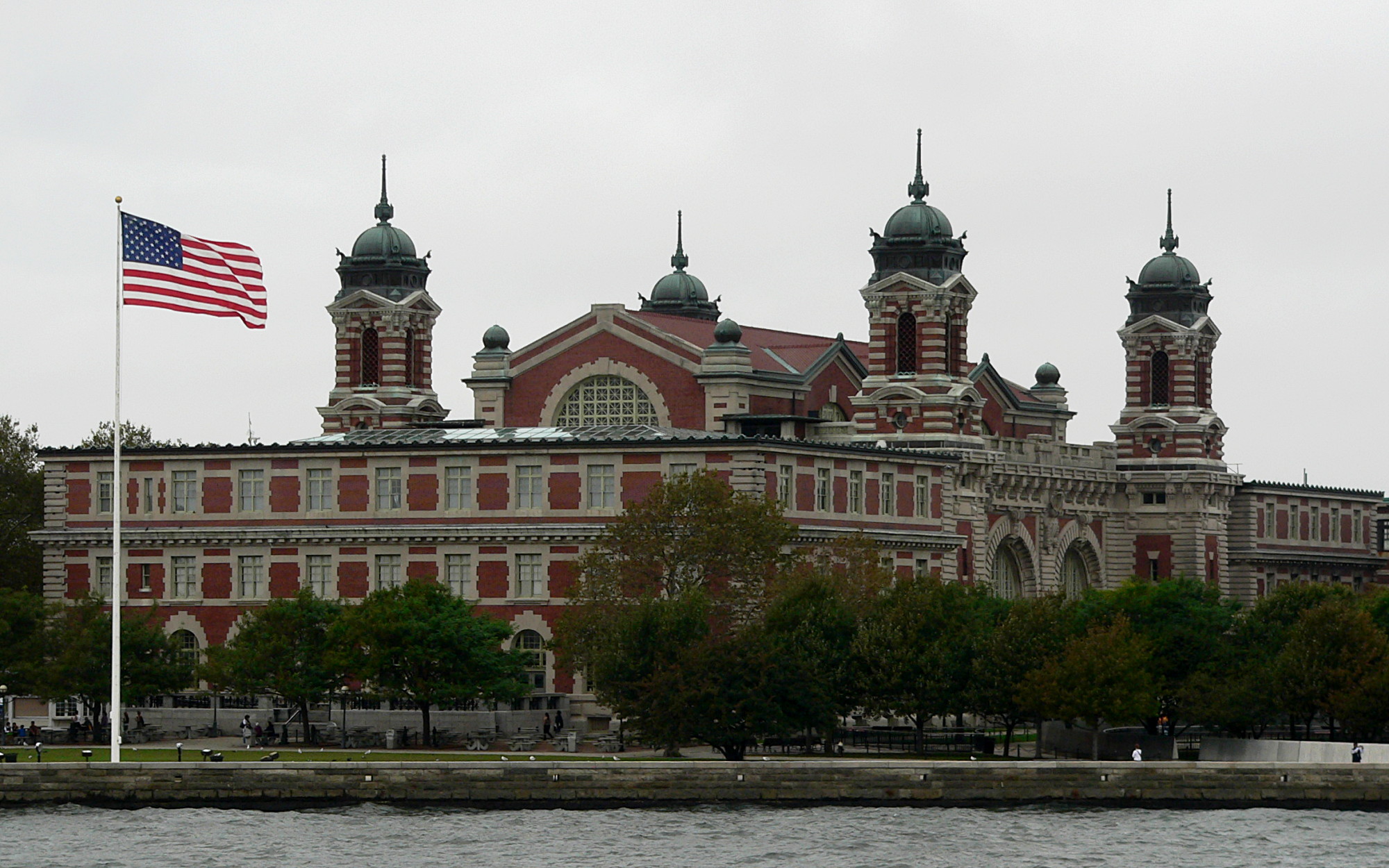
Fortunately for Fort Worth and the stockyards, their expansion came during one of the decades of “new immigration,” when more immigrants could come to America thanks to cheaper ship fares and Ellis Island welcoming them in New York. They came from Central or Eastern Europe: Poles, Greeks, Italians, Serbs, Russians, Czechs, and others who traveled directly to Fort Worth's North Side and the stockyards area to find work. Most large cities experienced similar growth.
By the end of the first decade of the 20th century, Fort Worth's population had tripled from 25,000 to 75,000 residents. Part of this boom came when Fort Worth annexed North Fort Worth, the area north of downtown near the stockyards. Fort Worth's founders left the stockyards complex itself outside the city limits (and its tax base) in hopes of attracting more industry. Unfortunately, not enough industry developed, so the City of Fort Worth attempted to annex the stockyards in 1911. To block this, Fort Worth Stockyards officials incorporated their own city, creating Niles City. It was called “the richest little city in the USA” because of the $30 million worth of commerce within its boundaries.
“The Wall Street of the West” is what people proudly called East Exchange Avenue, primarily because of the Fort Worth Livestock Exchange (or the stockyards themselves). The Livestock Exchange's role was to oversee its own market and regulate the various groups that traded there. Unfortunately, the Texas Legislature outlawed the exchange in 1907 as part of antitrust legislation, but the stockyards continued to generate tremendous economic progress for Fort Worth and West Texas through activities in the Livestock Exchange Building. This Texas historical marker recognizes their success.
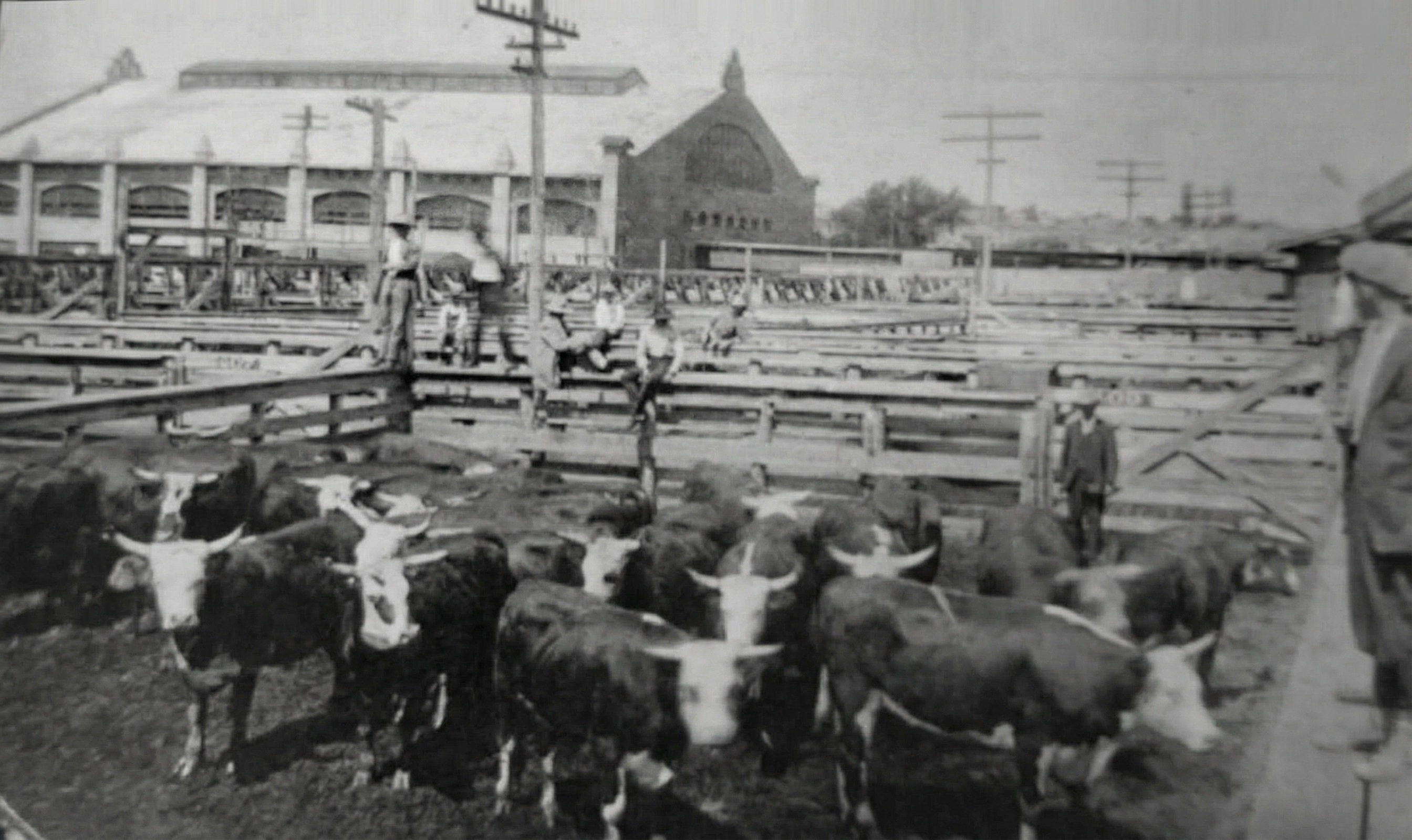
These pens are located behind and northeast of the coliseum, directly behind the Livestock Exchange Building. The cattle still show signs of longhorn ancestry. Notice the boy on the right wearing a cap and with his trouser legs tucked into his boots. Stockyards workers did not necessarily dress like cowboys. In fact, with all the mud they had to trudge through, this young man was smart to tuck in his trouser legs.
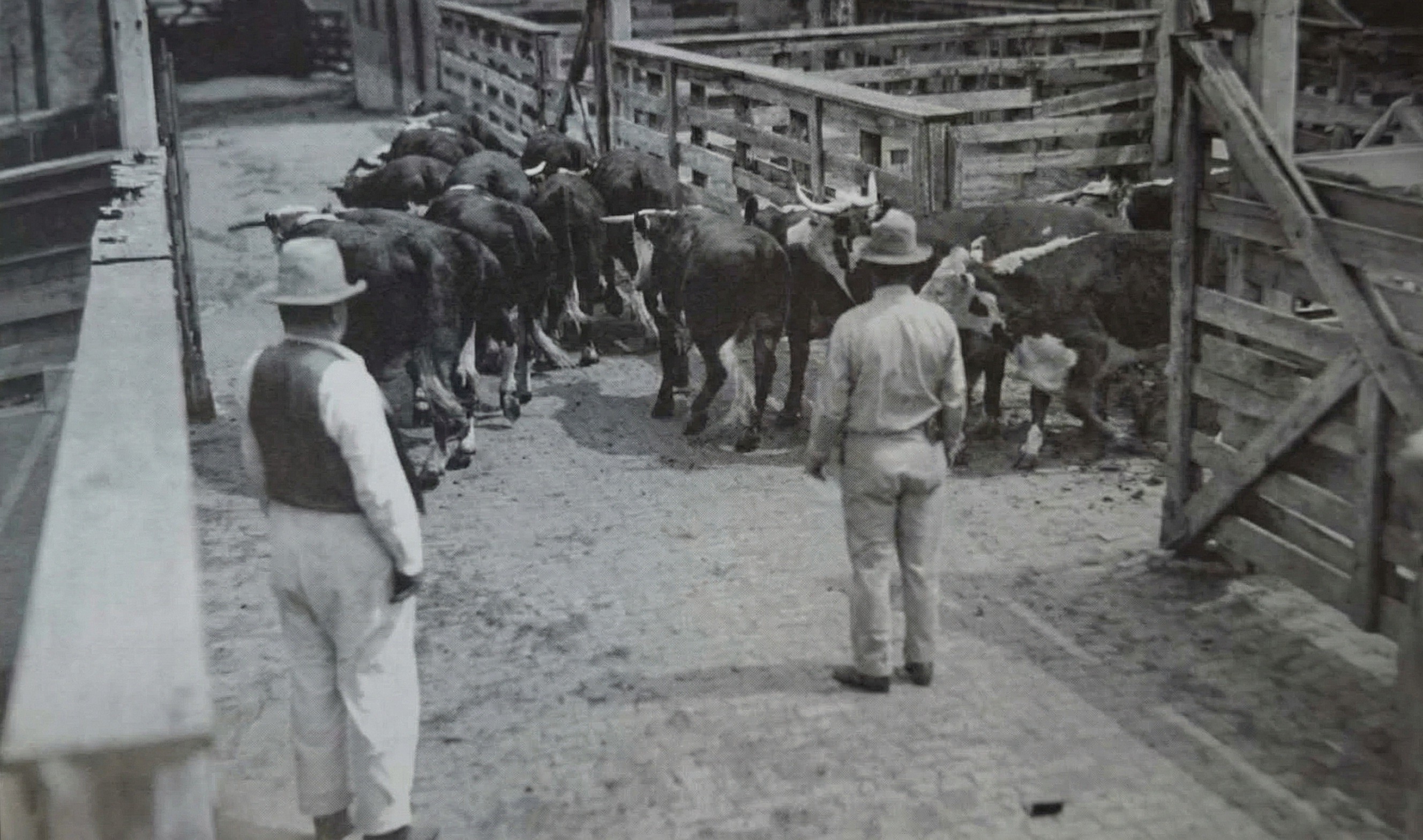
The man on the left wearing a Hoss Cartwright-style hat watches as the cattle are led out of the pen and driven down the alley to the scale. The alley was paved with bricks made in Thurber, a mining community about 80 miles due west of Fort Worth. Many new immigrants worked in the coal mines, and some of them came to Fort Worth to work at the stockyards after the mines closed.
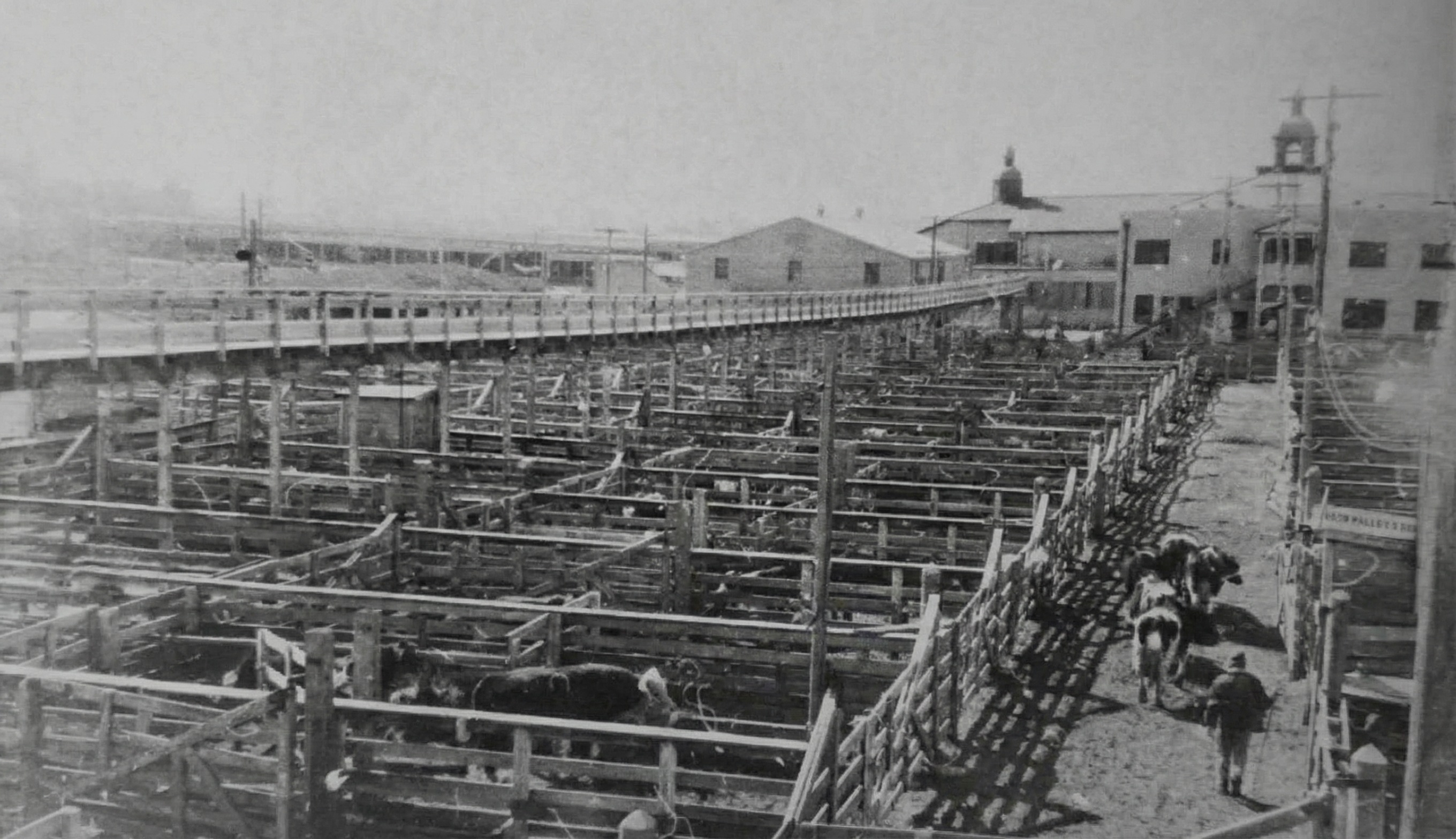
Hundreds of small wooden pens stretched north behind the Livestock Exchange Building. Notice the elevated wooden walkway that allowed stockyards workers to walk above the pens to the exchange building at the rear of the photograph. Workers drove the cattle to the scales using the alley on the right.
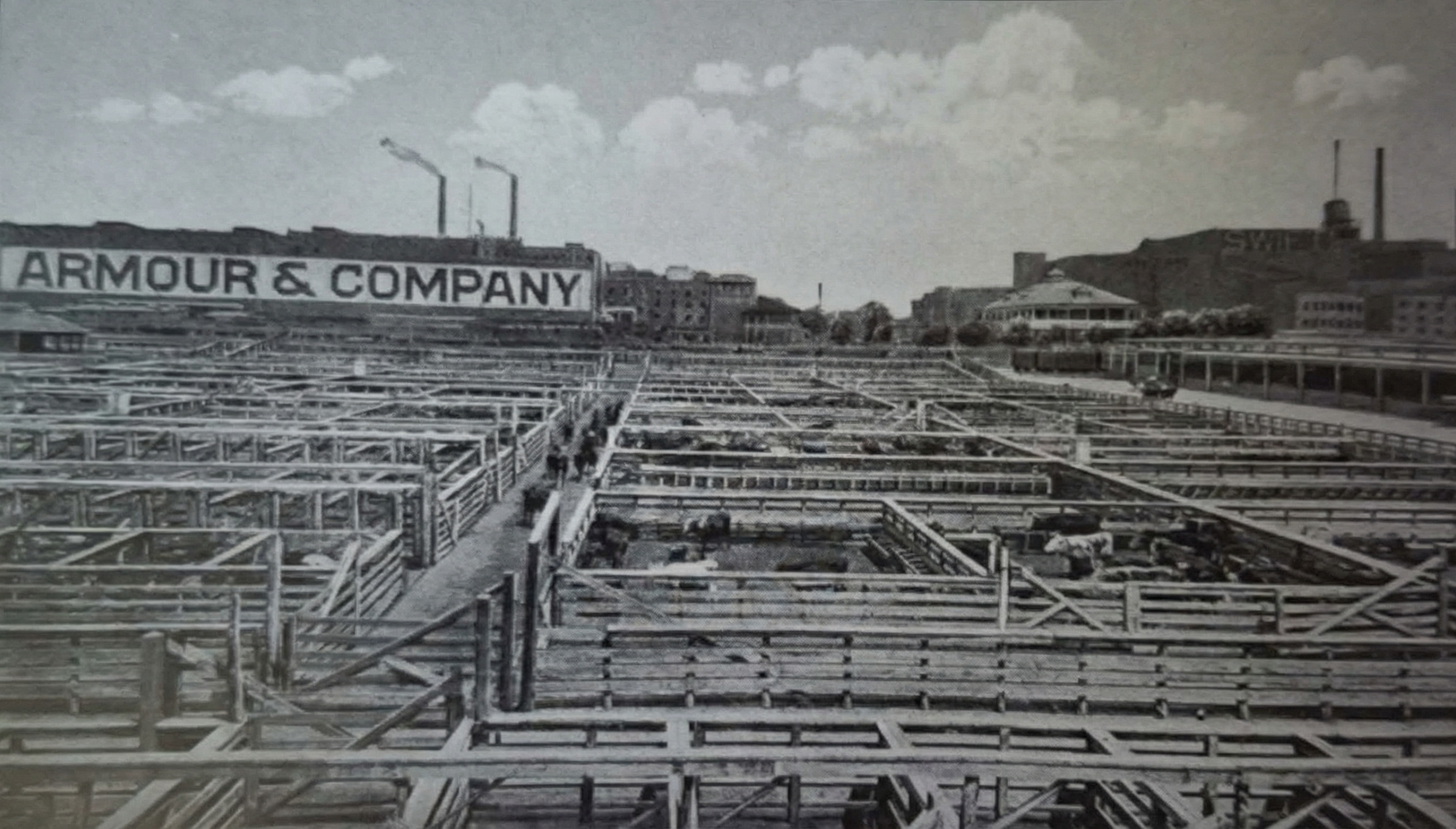
These full pens in front of Armour and Company attest to the flourishing stockyards business in Fort Worth in the early 20th century. In fact, the pens are located directly east of the Livestock Exchange Building. Railroad tracks lie between the pens and Armour's office building and meatpacking facilities. Swift's office building can be seen on the right.
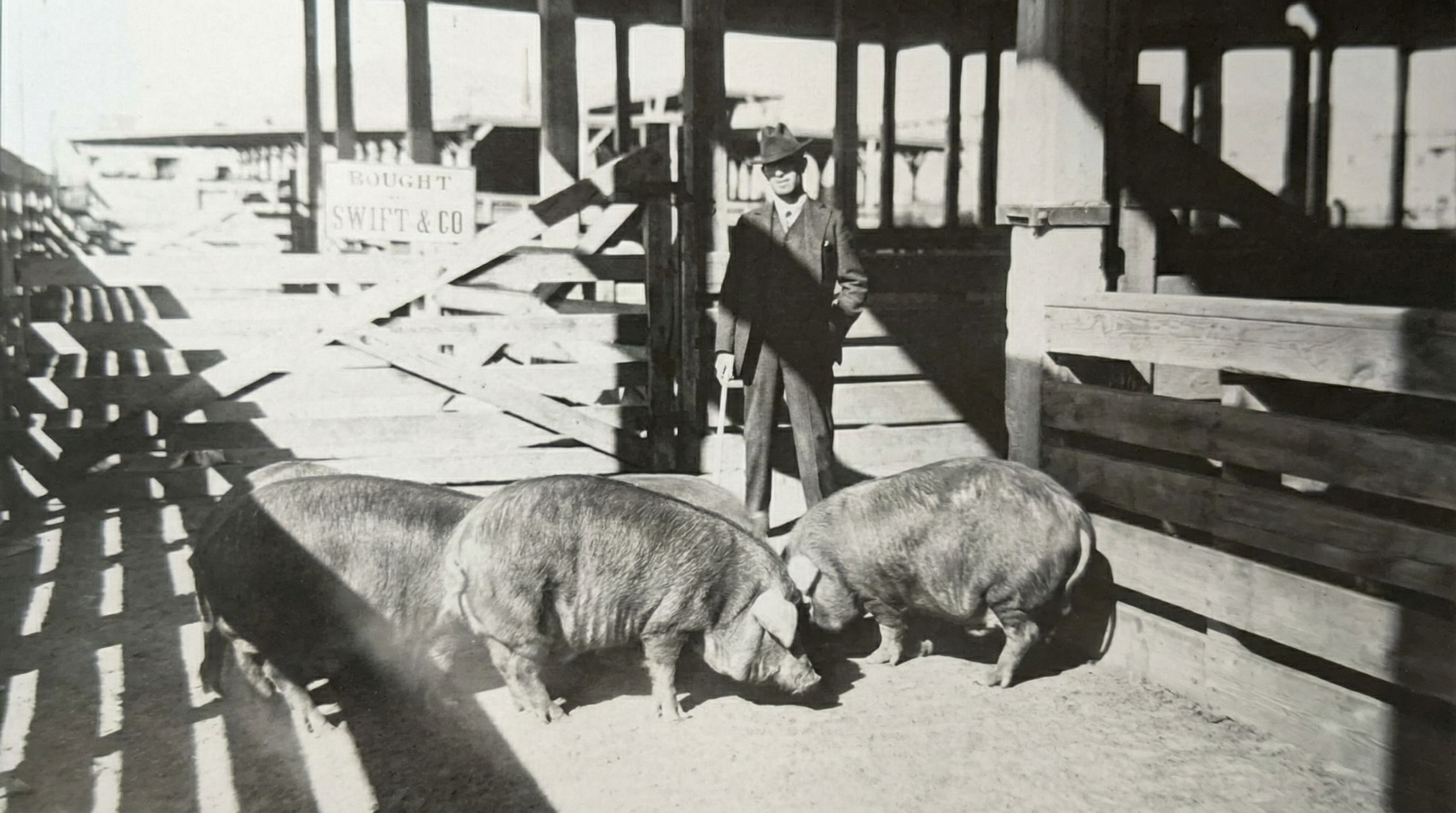
Swift and Company purchased this pen of five pigs. In the early 1900s, families ate more pork than beef. Both companies, Armour and Swift, were accustomed to larger shipments of pigs at their Midwestern plants and were disappointed by the smaller number of pigs in Fort Worth. Shipments of cattle, and later sheep, predominated.
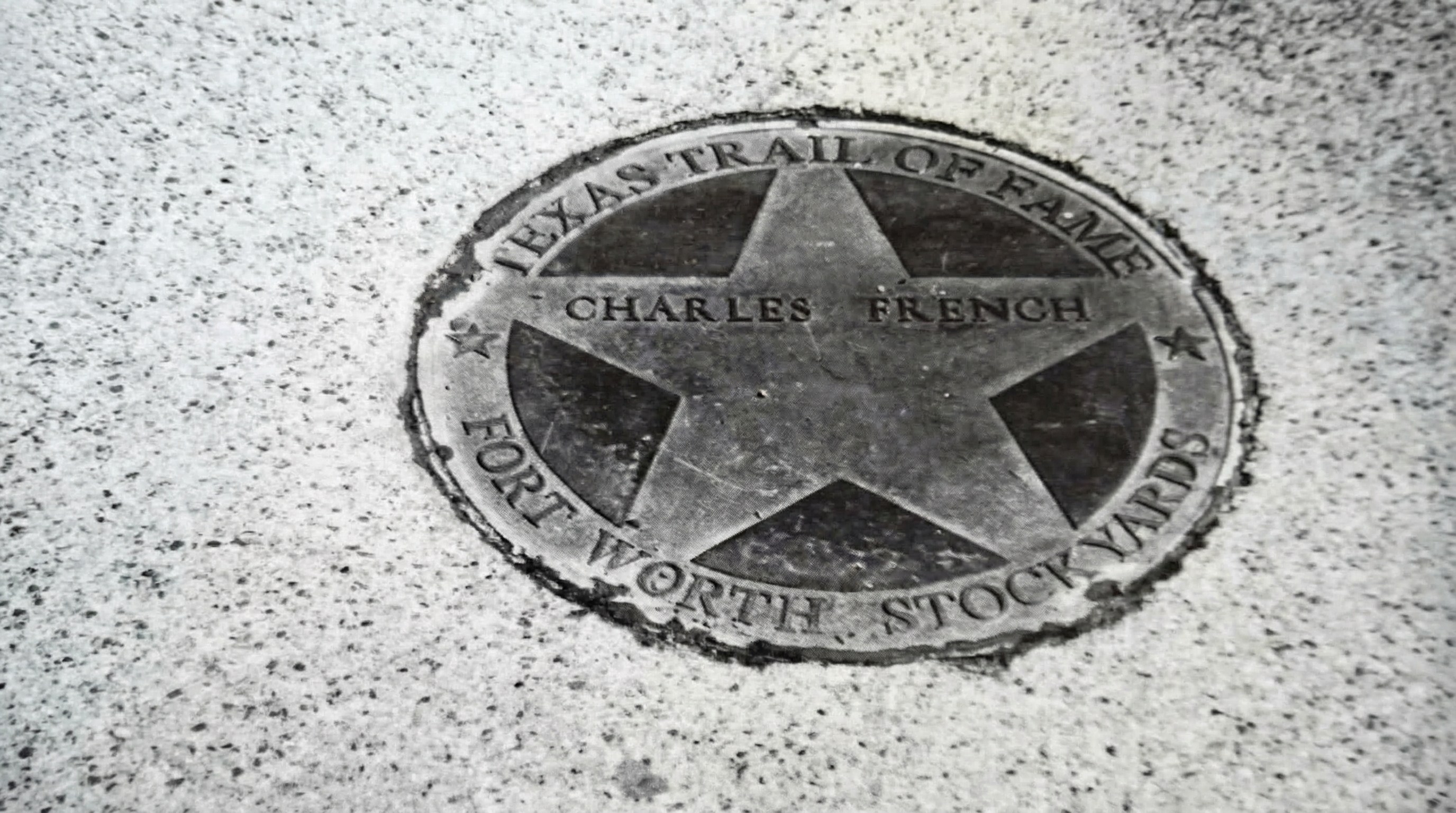
Charles French served as the stockyards' promotional agent and helped organize the first Fat Stock Show in 1896. In 1908, he launched a campaign to increase pig shipments by organizing boys' pig-raising clubs throughout Texas. Businessmen from small towns helped each young man buy a sow, and the young man agreed to repay the cost by selling two litters of pigs to the Fort Worth Stockyards once they had grown.