


Razer, the well-known gaming equipment manufacturer, entered the world of artificial intelligence (AI) with ambitious plans at CES 2026. CEO Min-Liang Tan spoke with The Verge's Nilay Patel about how AI is changing gaming. At the same time, he admitted that users could fall in love with the holographic AI assistant Project Ava, but the company definitely does not plan to encourage that. Let's take a look at the details Tan mentioned and why they attracted so much attention.
Project Ava: A holographic assistant on your desk
Project Ava is a concept for a holographic AI companion that looks like an anime character inside a container on a desk. Tan explained that the Razer team built a holographic projector to create a physical representation of a character capable of holding a conversation. It was inspired by sci-fi elements such as Cortana from the game Halo. Ava is powered by xAI's Grok model, which Tan praised for its excellent conversational abilities. The company is taking $20 (about CZK 460) as a reservation fee, but Tan emphasized that this is not a full-fledged preorder—the character specifications and final AI model have not yet been finalized.
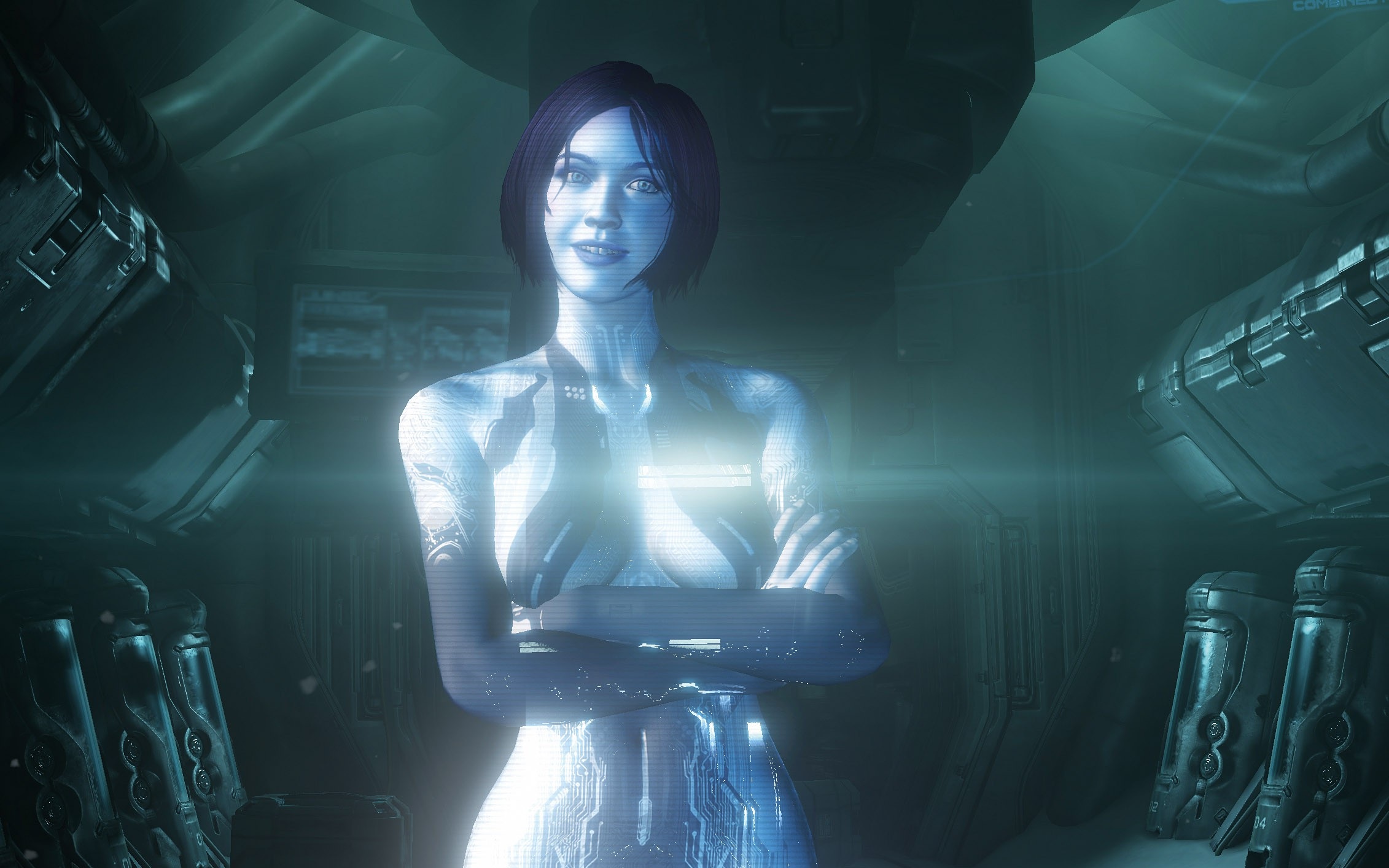
Tan admitted that Ava could lead to emotional attachments, similar to the sense of loss people feel after finishing a favorite game. But he added: "That is definitely not something we want the product to be geared toward." The company is planning a developer kit phase to gather feedback and ensure safety. Another question addressed the risks and mental health issues associated with chatbots, but Tan replied that they are working with model providers on safeguards such as software limits.
Collaboration with Grok AI
Why Grok? Tan said they chose it because of its excellent conversational AI, but Razer is open to multiple models—Ava is intended to be a multi-model platform. This means you could switch to another AI, such as ChatGPT or Gemini. Tan was asked about the controversies surrounding Grok, which has faced criticism for generating deepfake pornography. Tan responded cautiously: "I don't have enough information to comment on that," emphasizing that they are focused on conversational quality.
Tan spoke about trust and safety as priorities. The company wants to gather feedback from the community and gaming partners to improve Ava. He noted that interactions with NPCs (non-player characters) in games are improving thanks to AI, but it must be done responsibly. "We're in the early days," he said, comparing it to Tamagotchi—virtual companions have been around for a long time, but AI adds a new dimension.
AI is a tool for game developers
Tan focused on how AI helps game developers, not just players. Razer is investing $600 million (about CZK 13.8 billion) in AI and will hire 150 engineers. According to him, gamers hate "generative AI slop"—poorly generated content with errors, such as extra fingers on a character's hand. But AI can also help with game testing (QA), which accounts for 30–40% of costs and causes delays.
Razer is developing QA companion, a tool that helps human testers automatically report bugs, such as graphical or performance issues, through systems like Jira. Tan said: "We want AI to help create better games rather than replace human creativity." This also applies to other products, such as the Project Motoko headset with cameras and microphones, which uses ChatGPT for assistance with tasks such as navigating an airport or helping while gaming.
Razer's AI plans
Tan acknowledged the problems caused by rising RAM and GPU prices due to AI demand, which is affecting the prices of Razer laptops. "It's a volatile situation," he said, adding that he hopes prices will stabilize. The company has 2,000 employees, a flat structure, and a focus on gamers—"for gamers, by gamers." It makes decisions based on feedback from the community, social media, and game developers.
When asked whether gamers are afraid of AI, Tan agreed that no one wants poor-quality content or higher hardware prices. But he believes AI will bring better experiences, such as smarter NPCs and faster game development. Razer is planning an ecosystem in which AI follows users across devices with persistent memory, but Tan emphasized openness and value for customers.
Tan's remarks suggest that the future of gaming will be full of innovation, but the company must address the community's concerns to succeed.
You can listen to the full interview here:
Source: theverge.com


