In this cemetery, no color stood out except for the orange floral arrangements. The site was also home to the Berachah Home and Cemetery beginning in 1894. During our visit, we experienced several equipment malfunctions, and therefore we feel that this place near the University of Texas at Arlington campus holds a deep inner sadness.
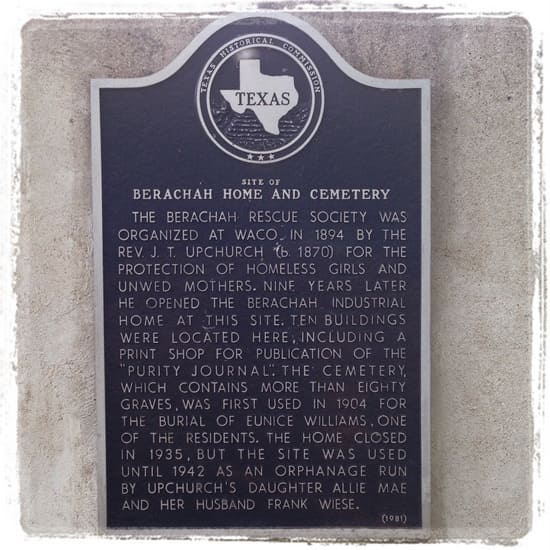
The Texas Historical Commission plaque states that the Berachah Rescue Society was founded in Waco in 1894 by the Reverend J. T. Upchurch (born 1870) to protect homeless girls and unmarried mothers. Nine years later, he opened the Berachah Industrial Home at this location. There were ten buildings here, including a printing shop that published the magazine “Purity.” The cemetery, which contains more than eighty graves, was first used in 1904 for the burial of Eunice Williams, one of the residents. The home closed in 1935, but the site continued to serve as an orphanage until 1942, operated by Upchurch’s daughter Allie Mae and her husband, Frank Wiese.
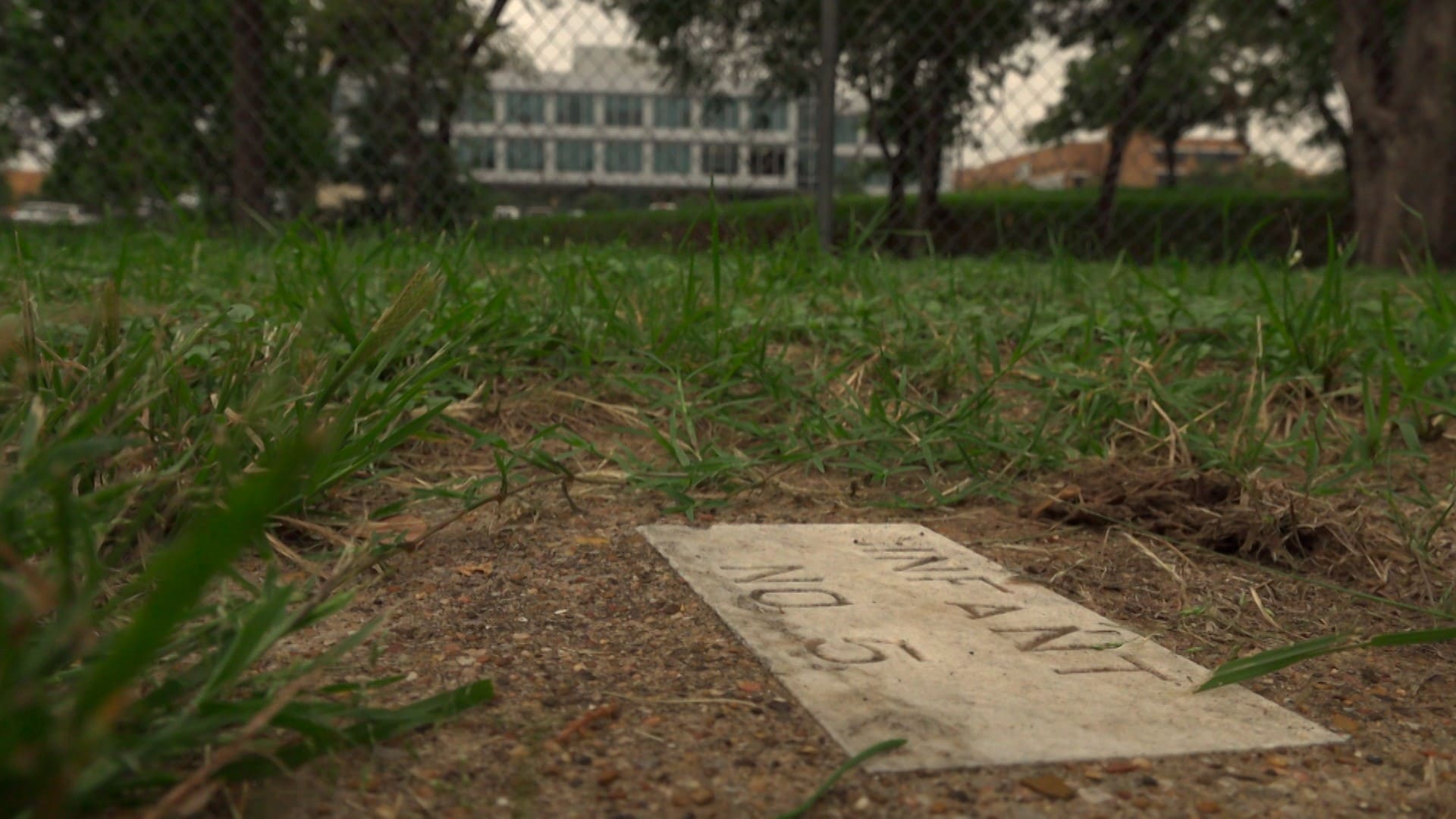
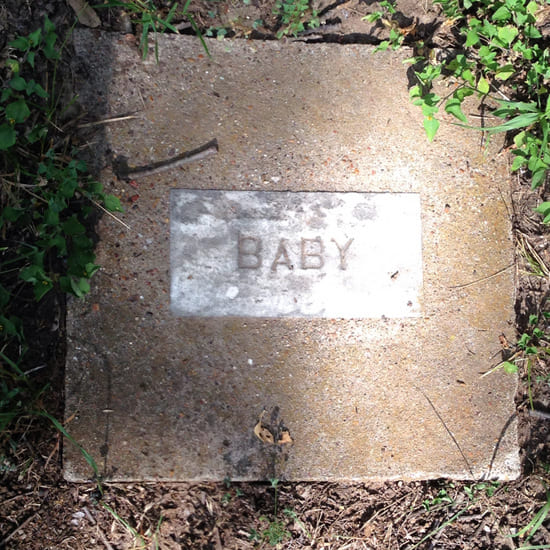
We began walking through the well-maintained cemetery, where rows of infant gravestones covered the ground. According to a newspaper report, legend has it that if you are near the cemetery at night during a full moon, you can hear the cries of the children buried there.
The rules for the women who came to live here required them to attend church on Sundays and to keep their children for one year before they could place them for adoption. During the rescue society’s first seventeen years, records show that as many as a thousand women and children passed through its doors. While the cemetery now occupies only about 1.2 hectares of land (12,000 m2), the original site covered a total of 10.9 hectares (109,000 m2), including a girls’ dormitory, nursery, maternity ward and infirmary, chapel, and hall. Skills were taught in the laundry, printing shop, and industrial building, as the home’s goal was for the women to leave and return to society, where they could lead productive lives.
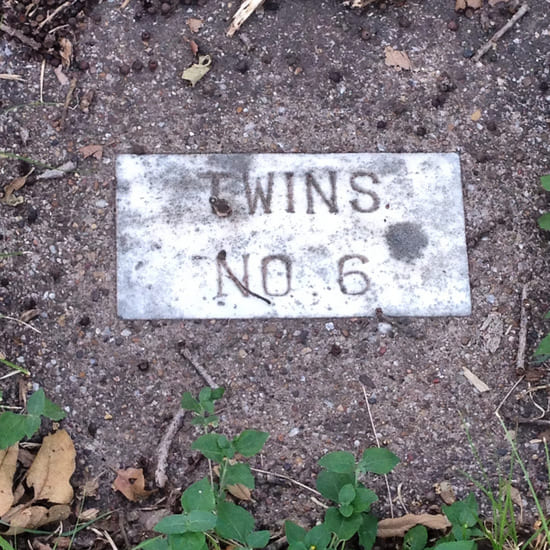
Because many children were born here at the time, it is no surprise that this cemetery for infants was established. Even now, as it lies among many mature oak trees, it is easy to imagine someone watching you from a hidden spot inside or outside the cemetery fence. Children from the home also fell victim to outbreaks of influenza and measles in 1914, though in small numbers, and of course some (even twins, as several graves attest) were stillborn or died later for various reasons. Some of these roughly eighty infants had names, but many are marked only as “Infant Number.” There are also many unmarked graves.
As you walk through the cemetery, you will feel the sadness in the air just as I did. To the trained eye, the remains of buildings that once belonged to the home may still be visible—and they are somewhat eerie as well.
Ghost hunters have reported hearing footsteps and, in one case, seeing a shadowy figure peering out from behind the trees. This does not surprise me, because the Lost Cemetery of Infants has a heavy energy that is sorrowful and difficult to shake off even after leaving.
As a side note: because the home stood on the site where the UTA (University of Texas at Arlington) campus is now located, there are some interesting ghost stories associated with several fraternity houses in the area. One particular story I investigated concerns a ghost—often called Mary—who appears in the Publications building and was reportedly recorded by a security camera at night.