

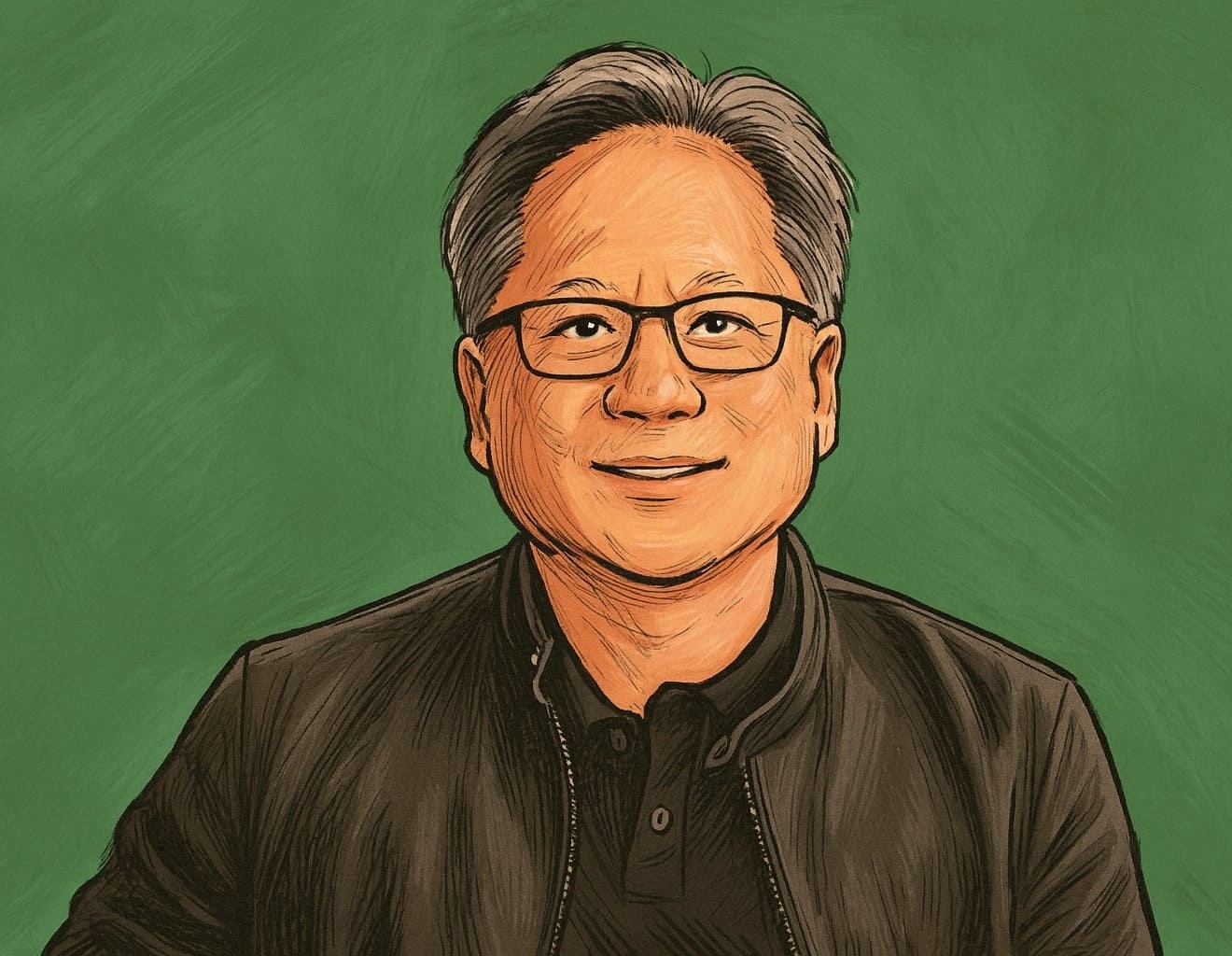
Jensen Huang, CEO of Nvidia, said during an interview on the sidelines of the Financial Times summit on the future of artificial intelligence that China will win the AI race. According to him, Western countries, including the United States, are hindering their progress with excessive cynicism and overregulation. By contrast, China offers lower energy costs thanks to government subsidies, giving an advantage to local companies using Chinese AI chips. Huang made the remarks in a context where the United States is restricting exports of advanced technologies to China, while China has banned their purchase for government contracts.
Huang later clarified his remarks in a statement on X. He wrote that China is only nanoseconds behind America in AI. According to him, it is crucial for America to win by moving forward quickly and attracting developers around the world. The clarification came several hours after the Financial Times interview was published, in which Huang described how China supports its industry with energy subsidies while the West introduces new AI rules that could result in greater regulation across individual U.S. states.
A statement from NVIDIA CEO Jensen Huang. pic.twitter.com/Exwx54OYJV
— NVIDIA Newsroom (@nvidianewsroom) November 5, 2025
Trump's Policy and Nvidia Chips
President Donald Trump recently confirmed a ban on the sale of Nvidia's most advanced AI chips to China. According to reports from The Wall Street Journal, Trump had originally intended to discuss Huang's request for permission to sell a new generation of chips to China, but senior officials opposed it. In an interview with CBS's 60 Minutes and in comments to reporters aboard Air Force One, Trump said that the most advanced chips, such as Nvidia's Blackwell, should be reserved exclusively for American customers. Specifically, he stated: "The most advanced ones, we will not give those to anyone other than the United States."
This position comes after Trump's meeting with Chinese President Xi Jinping in South Korea, where trade talks had been expected. However, no concessions were made regarding chips. Huang had already met with Trump in July, when Nvidia's efforts to ease the restrictions appeared likely to succeed. Under the plan, Nvidia and rival AMD were to pay the U.S. government 15% of their Chinese revenue from sales of modified AI processors for the local market. China subsequently blocked Nvidia's chips over a national security review, reducing Nvidia's share of the Chinese market to zero.
China's Advantages and Challenges for the U.S.
Huang has previously warned that American AI models are not far ahead of Chinese ones and called for broader access to Nvidia's chips worldwide. According to him, China benefits from lower energy costs, which reduce expenses for developers using domestic chips. This contrasts with regulations in the U.S., where states are introducing new AI rules that could lead to greater restrictions. Huang stressed that America must keep developers dependent on its leading AI chips to remain at the forefront.
Last week, Nvidia reached a historic milestone as the first company with a market value of $5 trillion (approximately CZK 117.5 trillion at an exchange rate of CZK 23.5 per USD). Huang also mentioned that Nvidia plans to invest up to $100 billion (approximately CZK 2.35 trillion) in OpenAI. The investment is an effort by Nvidia to strengthen its position in AI while facing restrictions in the Chinese market. In a recent interview with Sunday Morning Futures, Huang spoke about moving chip manufacturing back to America, which is connected to Trump's tariffs and efforts to launch a new "industrial revolution."
Meeting Between Trump and Xi Jinping
Donald Trump's meeting with Xi Jinping in South Korea at the end of October raised expectations regarding trade but brought no changes to chip policy. Trump met with Xi ahead of bilateral talks at Gimhae Air Base in Busan. According to reports, Trump expressed concern about Hungary's purchase of Russian oil, but remained tough on China in the context of AI. Huang was in South Korea at the time, but there is no mention of his direct involvement in the talks.
Nvidia faces pressure from Beijing, which is promoting domestic alternatives to American chips. Experts speculate that China is using Nvidia's access to its market as leverage in trade negotiations to secure better access to advanced semiconductors.
Sources: cnbc.com and foxbusiness.com


