

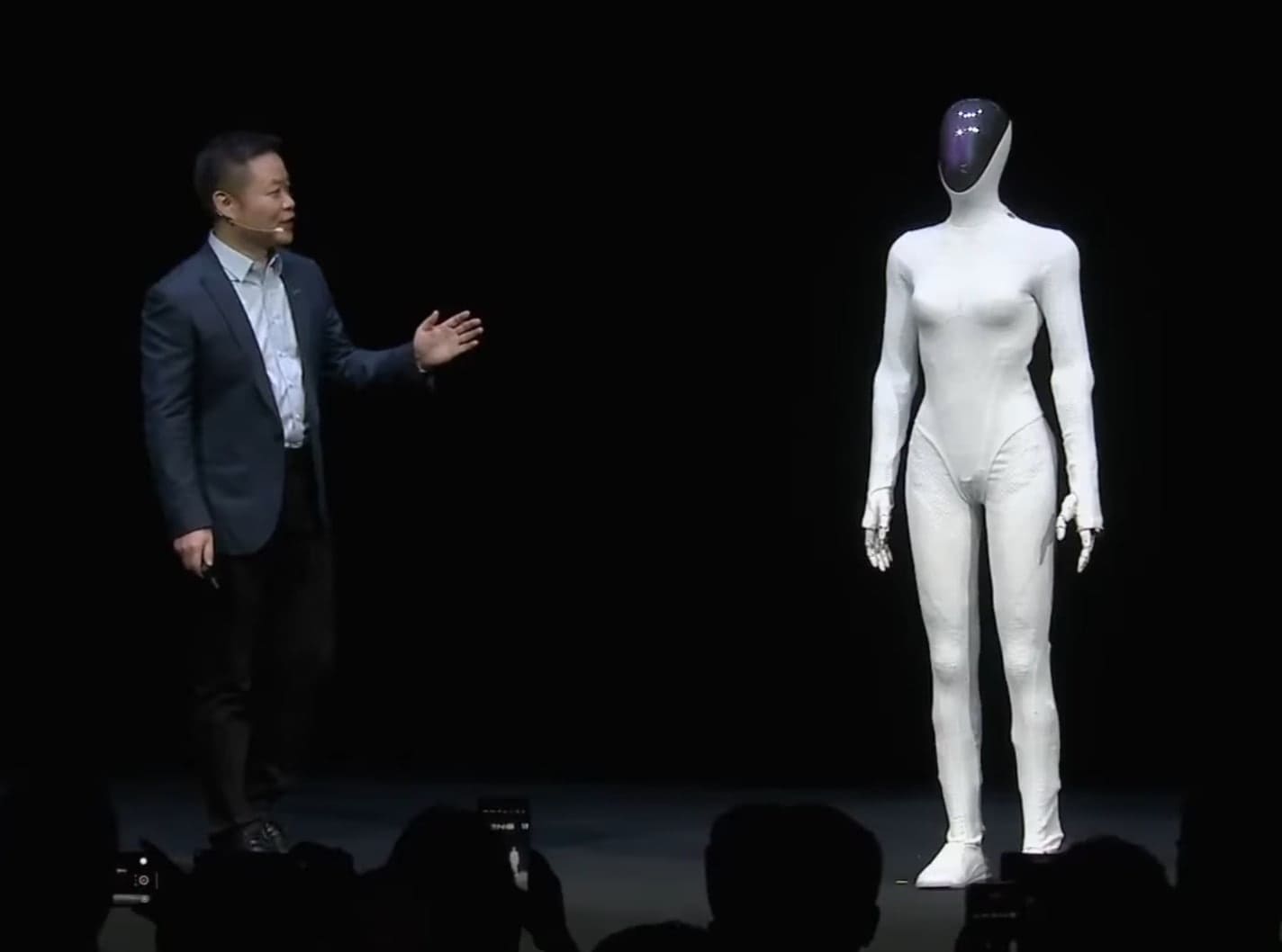
Chinese company Xpeng, known for manufacturing electric vehicles, unveiled its new humanoid robot named Iron at its AI Day event in Guangzhou on November 5, 2025. The robot attracted attention with its extremely smooth and natural movements, which looked so realistic that company representatives had to cut the robot open on stage to prove that there was no person hidden inside. Iron moves with the grace of a model on a catwalk, bends, gestures, and even dances, sparking debates among spectators about whether it really was a machine or an actor in disguise.
The Iron robot is designed to look as human as possible, with the option to choose different body shapes, genders, and even hairstyles. Its appearance is slightly unsettling, as Xpeng's CEO himself admitted, because it approaches the so-called uncanny valley, where machines become too similar to humans. The company initially plans to deploy Iron as an office guide, sales assistant, or shopping mall guide, and later in homes as well.
Technical details
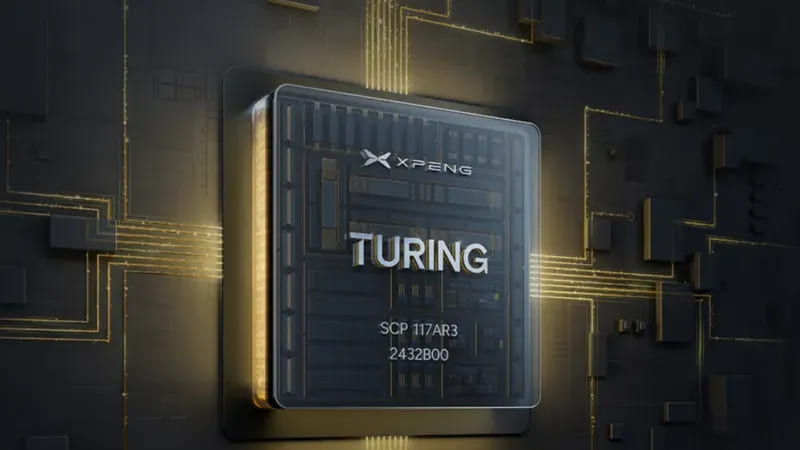
Iron has 82 degrees of freedom, including 22 in each hand, allowing it to perform complex and precise movements such as manipulating objects or making subtle gestures. Its spine is biomimetic, mimicking the human spine, with artificial muscles and soft synthetic skin that ensure fluid movement. The robot is powered by three of Xpeng's proprietary Turing AI chips, which provide up to 2,250 TOPS (trillion operations per second), enabling rapid real-time data processing for autonomous decision-making.
A key component is a new multimodal AI system called VLT (short for Vision-Language-Task), which serves as the robot's "brain." This system combines three large models: VLT for perception, decision-making, and autonomous actions in the real world, VLA (Vision-Language-Action), adopted from Xpeng's autonomous vehicle technology and expanded to control the robot's 82 joints, and VLM (Vision-Language-Model), also derived from automotive AI. As a result, Iron can translate visual input directly into physical responses without needing to convert it into language.
The robot is equipped with an all-solid-state battery for safety and long operating life, making it suitable for long-term deployment. Xpeng emphasizes that Iron is not intended for factory work due to labor costs in China, but rather for interactive roles where it can collect data for further AI training.
Mass production plans
Alongside the Iron robot, Xpeng announced the launch of robotaxis next year as part of its strategy toward smart mobility. Humanoid robots such as Iron are expected to enter mass production in 2026, with the goal of commercial deployment. The company expects to sell more robots than cars over the next decade and sees them as a key business. Xpeng's CEO claims that the company has been developing this technology for longer than Tesla, although it has remained silent about it until now.
Iron represents Xpeng's shift from quadruped robots to humanoid robots, which are better able to collect data from human environments for advanced learning. This robot places Xpeng in competition with companies such as Tesla with its Optimus and Google DeepMind in the global race for embodied intelligence.
Sources: cnbc.com and livescience.com


