

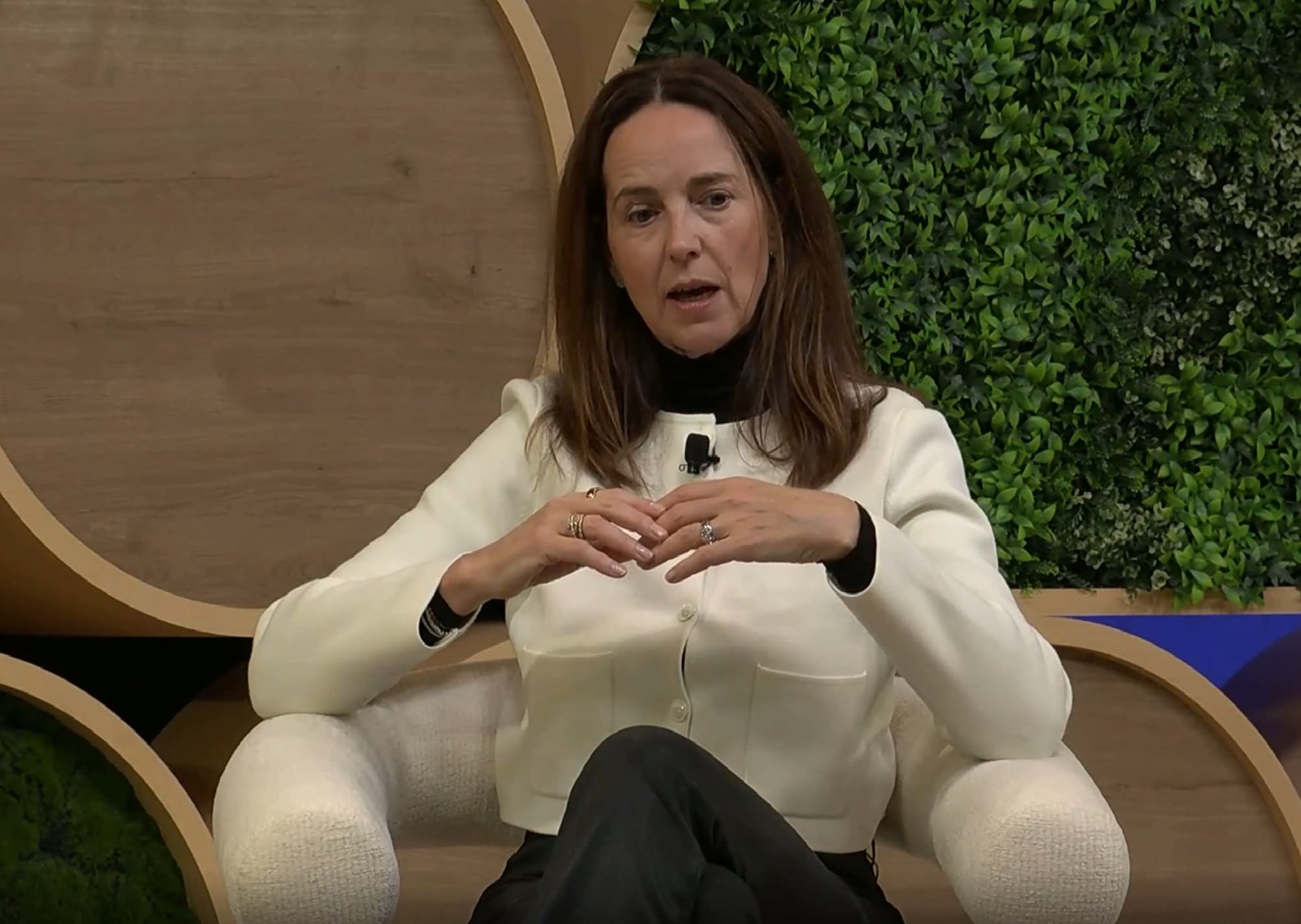
OpenAI Chief Financial Officer Sarah Friar spoke at The Wall Street Journal’s Tech Live conference, where she said the company would welcome federal government support for financing future data center deals. According to her, the government could provide guarantees that would make financing easier, as it does in other strategic sectors. The idea came in connection with OpenAI’s enormous plans for AI infrastructure spending, which could reach as much as $1 trillion (approximately CZK 23 trillion at the current exchange rate) over five years. Friar emphasized the need to create an ecosystem of banks, private equity, and potentially government support to increase debt capacity.
No IPO on the Horizon, for Now
Sarah Friar made it clear that going public, or an IPO (initial public offering), is not on the agenda in the near future. OpenAI is currently focused on rapid growth and research and development rather than immediate profitability. According to her, the company’s restructuring, which includes relocating to California, is unrelated to preparations for a public offering. Friar said OpenAI could reach break-even relatively quickly, but its priority lies elsewhere—in investing in technology.
Following Friar’s remarks, OpenAI CEO Sam Altman also spoke out, clarifying that the company is neither seeking nor has government guarantees for its data centers. Altman emphasized that OpenAI opposes government bailouts for private companies. Friar herself later explained that her remarks were not intended as a request for a direct government guarantee of OpenAI’s obligations. This position comes as investors assess the sustainability of massive AI spending, including OpenAI’s substantial losses.
Questions About Sustainability
At the conference, Friar also addressed investors’ concerns about the long-term stability of the AI investment boom. OpenAI faces questions due to its substantial losses and ambitious spending plans. Nevertheless, Friar expressed optimism that the company could quickly reach the break-even point while continuing to expand. The entire discussion took place during an interview with WSJ editor Sarah Krouse and was supported by details from Berber Jin’s reporting.
Sources: theinformation.com and wsj.com


