Why Today’s Humanoid Robots Won’t Learn Dexterity
Rodney Brooks, founder of Rethink Robotics and Robust.AI, explains in his article why today’s humanoid robots will not achieve human-level dexterity. It all began in 1961, when Heinrich Ernst introduced a robotic hand controlled by MIT’s TX-0 computer in his doctoral dissertation. With support from Claude Shannon and Marvin Minsky, the hand picked up and stacked blocks. Since then, industrial robots with simple end effectors, such as parallel-jaw grippers, have been used in factories around the world.
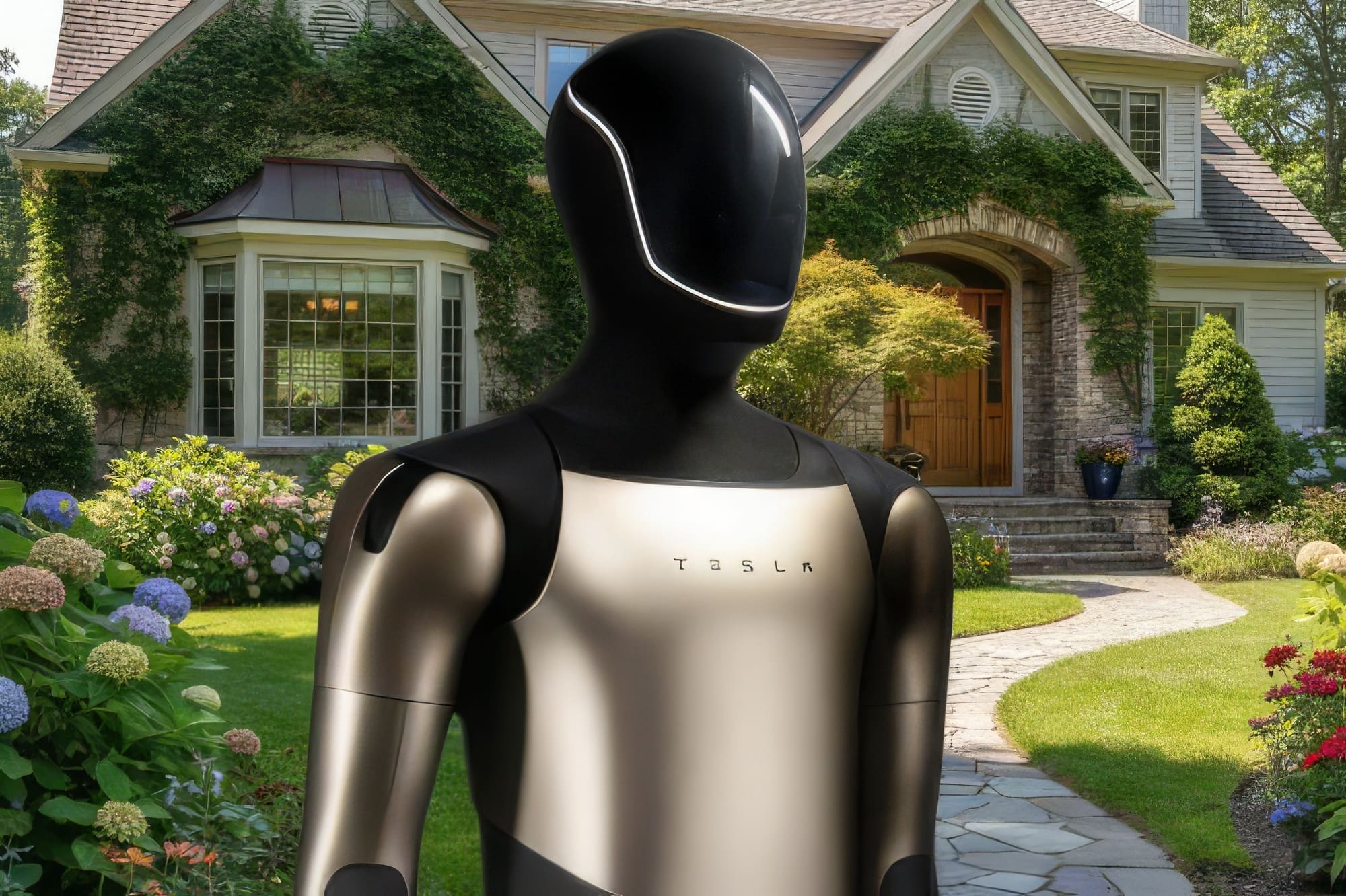
Today’s humanoid robots, such as Tesla’s Optimus or Figure’s models, promise to replace people in manual jobs. Figure’s CEO plans to create a general-purpose robot capable of performing millions of tasks instead of using specialized machines. Tesla expects Optimus to generate $30 trillion (approximately CZK 690 trillion). Brooks, however, warns that these ideas are pure fantasy because robots lack key elements of human dexterity.
The Problem with Learning from Videos
Current learning methods rely on watching videos of people manipulating objects. Figure and Tesla collect data from cameras mounted on helmets and backpacks as workers fold T-shirts or pick up objects. This approach ignores force and tactile feedback, which are essential to human dexterity. Brooks cites Roland Johansson of Umeå University, whose experiments show that a person without sensitivity in their fingertips takes four times longer to complete a simple task, such as lighting a match.
The human hand has about 17,000 mechanoreceptors in its hairless skin, with 1,000 at the tip of each finger. These receptors detect pressure, vibration, and slippage. Robotic hands, such as those made by Schunk, offer more than 1,000 variants of parallel grippers, but none are sufficiently robust for articulated fingers. Brooks mentions Benjie Holson, who designed “Olympic Games” for humanoids featuring tasks such as folding a shirt with an inside-out sleeve or cleaning peanut butter off a hand—tasks that robots cannot perform.
Safety and Future Challenges
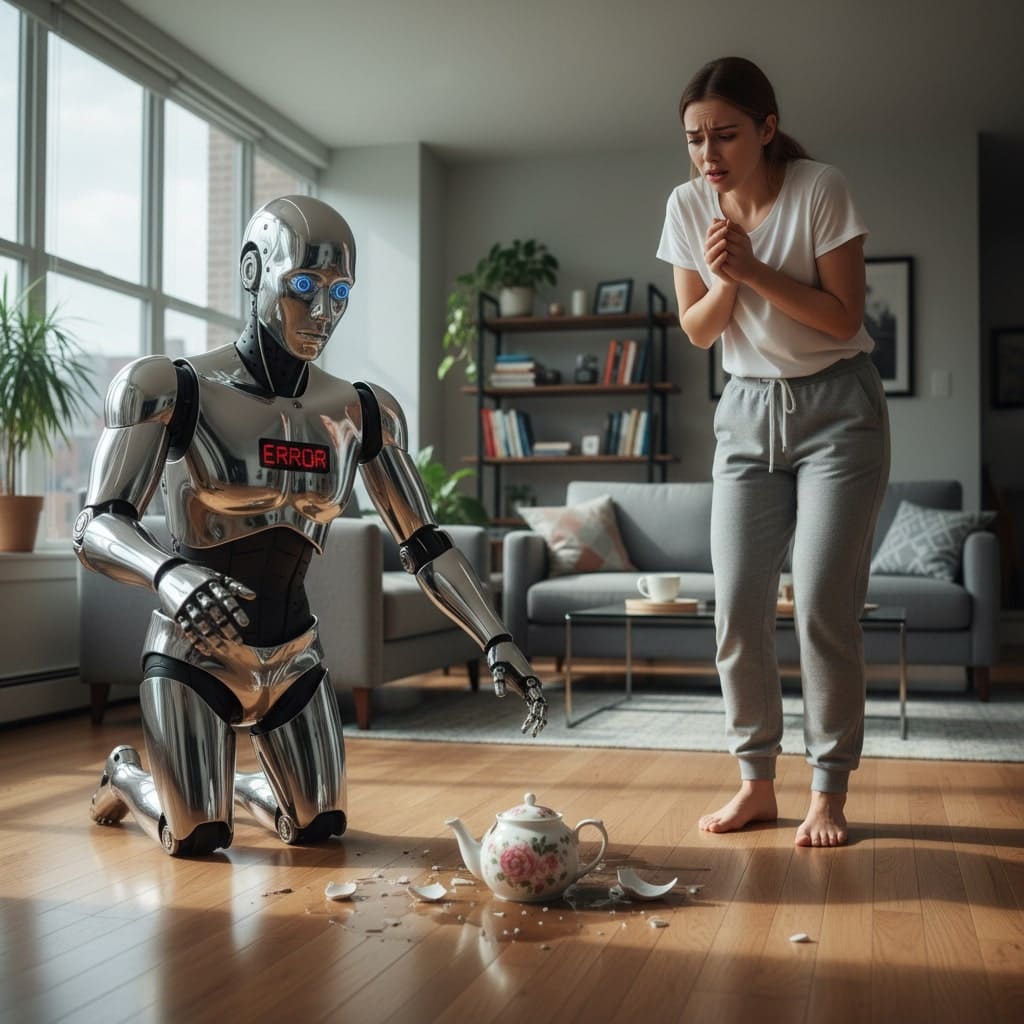
Brooks highlights safety risks. Today’s humanoid robots, such as Boston Dynamics’ ATLAS or Honda’s ASIMO, walk stiffly using a zero-moment point (ZMP) algorithm, making them dangerous to nearby people. If they fall, they can cause serious injuries due to their high mass and energy. For full deployment in homes or factories, robots need a safe way to walk, which current models lack.
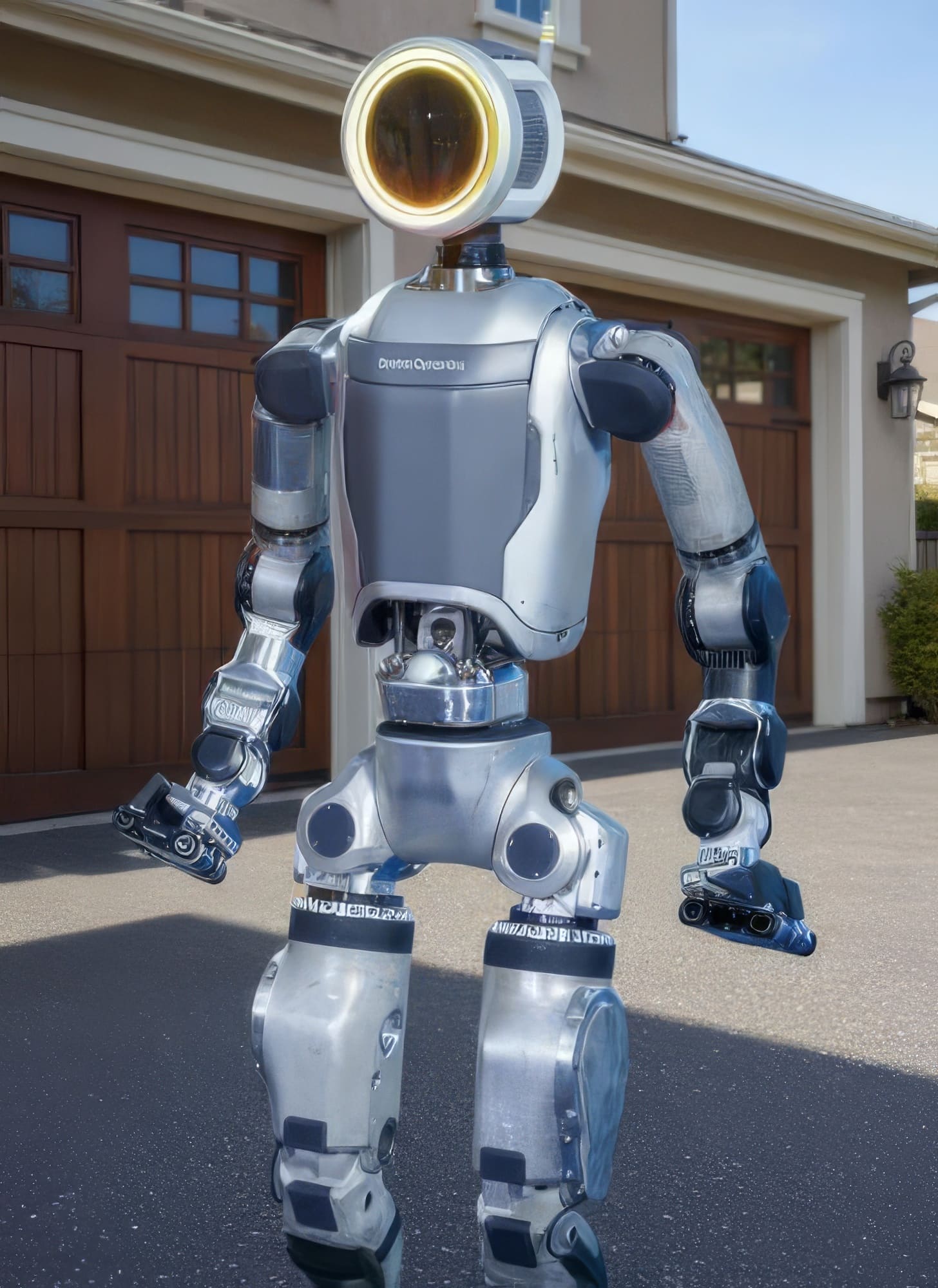
According to Brooks’s estimates, humanoid robots will change over the next 15 years: they will gain wheels instead of legs, more arms, or specialized sensors. He considers today’s multibillion-dollar investments in projects such as Figure or Tesla to be a bubble that will burst. Rather than imitating humans, they will focus on usefulness, but true dexterity will remain far off because the right data on touch and force is lacking.
This view is reinforced by academic work, such as that of David Ginty at Harvard, who identified 15 families of neurons involved in touch. Brooks recommends investing in university research, such as Pulkit Agrawal’s system at MIT, where gloves equipped with tactile sensors enable better data collection. Without this, humanoid robots will remain clumsy and dangerous.
Source: rodneybrooks.com