Chinese company Unitree Robotics has filed for a listing on the Shanghai Stock Exchange. The goal? To raise 4.2 billion yuan, or roughly $610 million. This would make it one of the largest domestic technology listings on China’s capital market in recent years.
The Founding of Unitree Robotics
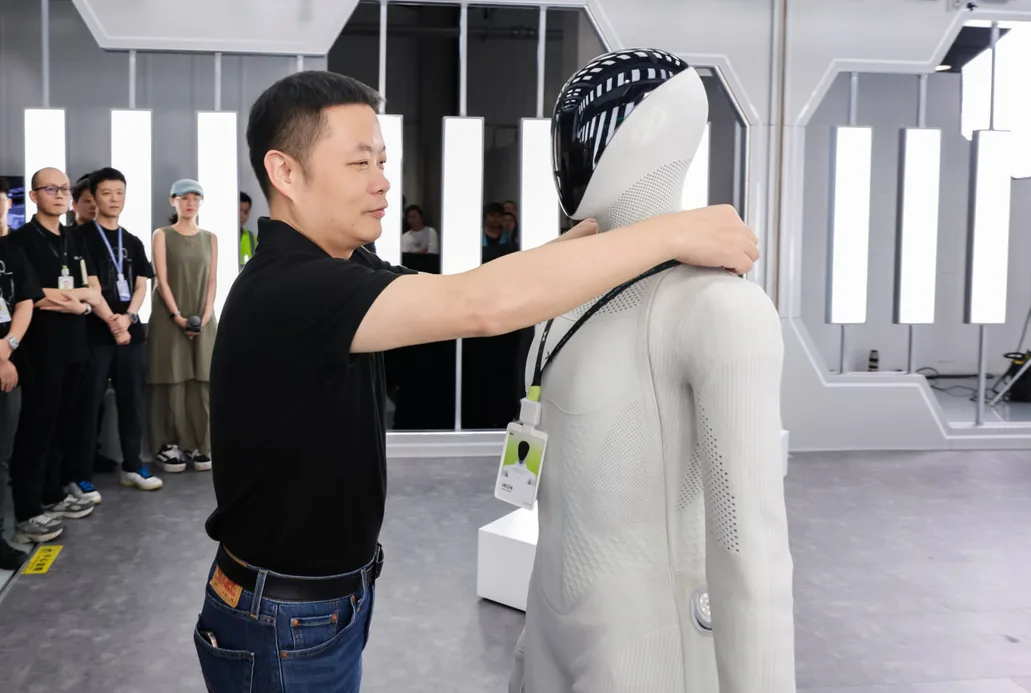
The company was founded in 2016. Founder Wang Xingxing began working with robots at a time when the word did not yet attract as much attention in China as it does today. He currently holds a 23.8% direct stake in the company and nearly 69% of the voting rights. Control is clearly in his hands. And the figures speak for themselves. In 2025, Unitree’s revenue rose by 335% to approximately 1.7 billion yuan. Net profit surged by more than 670%. Where else have you seen numbers like that recently?
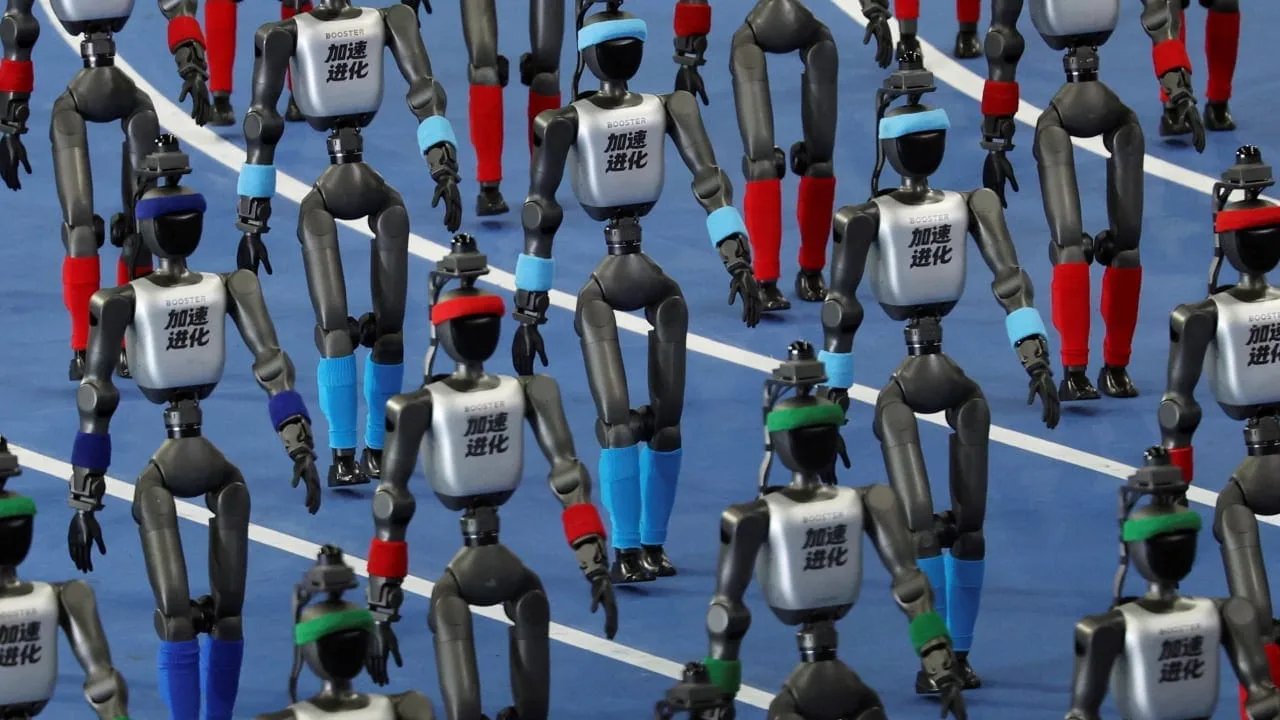
Last year, the company shipped more than 5,500 robots and holds 32.4% of the global humanoid robot market. Three out of every ten humanoid robots worldwide are made by Unitree. That is no small feat.
Swords, Nunchucks, and State Television as the Best Marketing
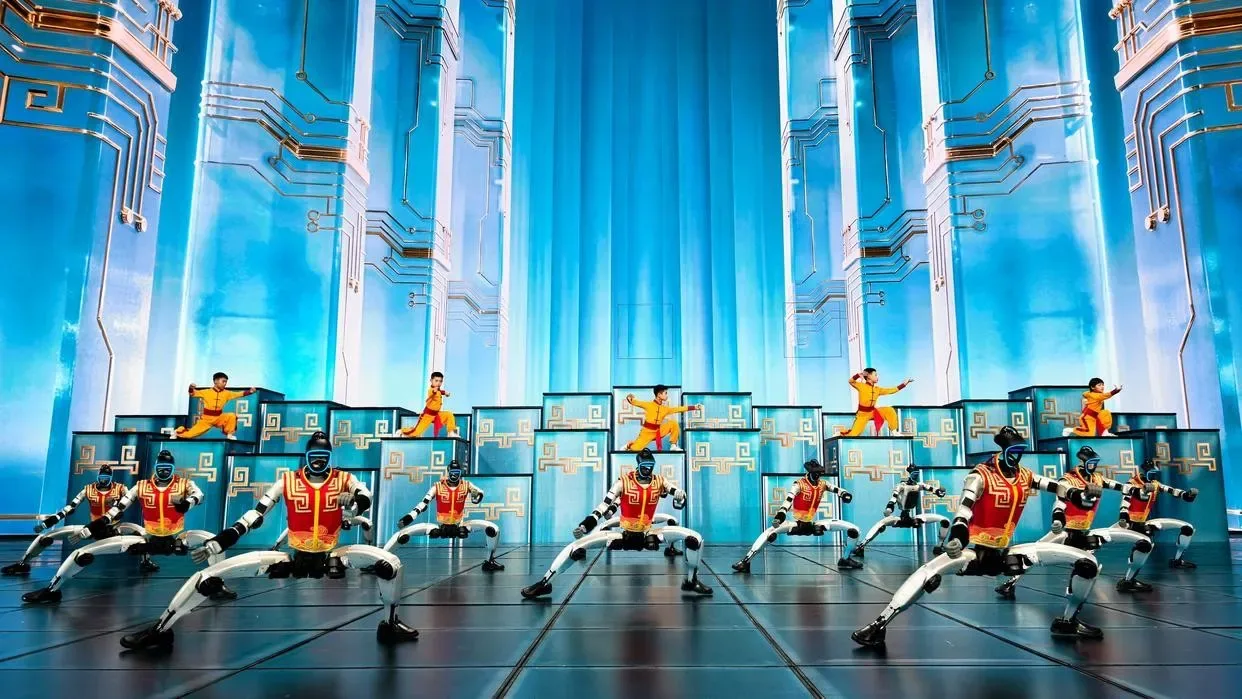
Unitree bet on spectacle. Its appearance at China’s New Year gala was a cleverly chosen marketing move that went viral almost immediately. The G1 and H2 robots performed martial arts in a way that left most viewers amazed. Complex choreography, balance during dynamic movements, jumps, and spins.
Compared with the previous year, the progress was literally visible at a glance. And state media outlets such as CCTV, which broadcast the New Year celebrations, are watched by hundreds of millions of people in China. The company could not have created better advertising for itself. Yet Unitree does not sell spectacle alone. The Model G1 is available from approximately $5,900, which is unusually affordable in the context of humanoid robots. Although this shift toward more affordable models slightly reduced gross margins, it helped dramatically increase sales volume.
Where Are These Robots Already Working?
So far, Unitree’s robots have highly specific applications. Guide or receptionist applications in businesses account for 50% to 70% of industrial revenue. These are complemented by inspection and light manufacturing. Mass deployment on production lines is not yet a reality, which the company openly acknowledges in its initial public offering (IPO) prospectus.
Unitree plans to direct the IPO proceeds into three areas: improving its proprietary AI models, developing new products, and expanding manufacturing capacity. The company also aims to establish itself as a research platform for Chinese universities, to which it has long supplied its robots.
Sources: reuters.com and bloomberg.com