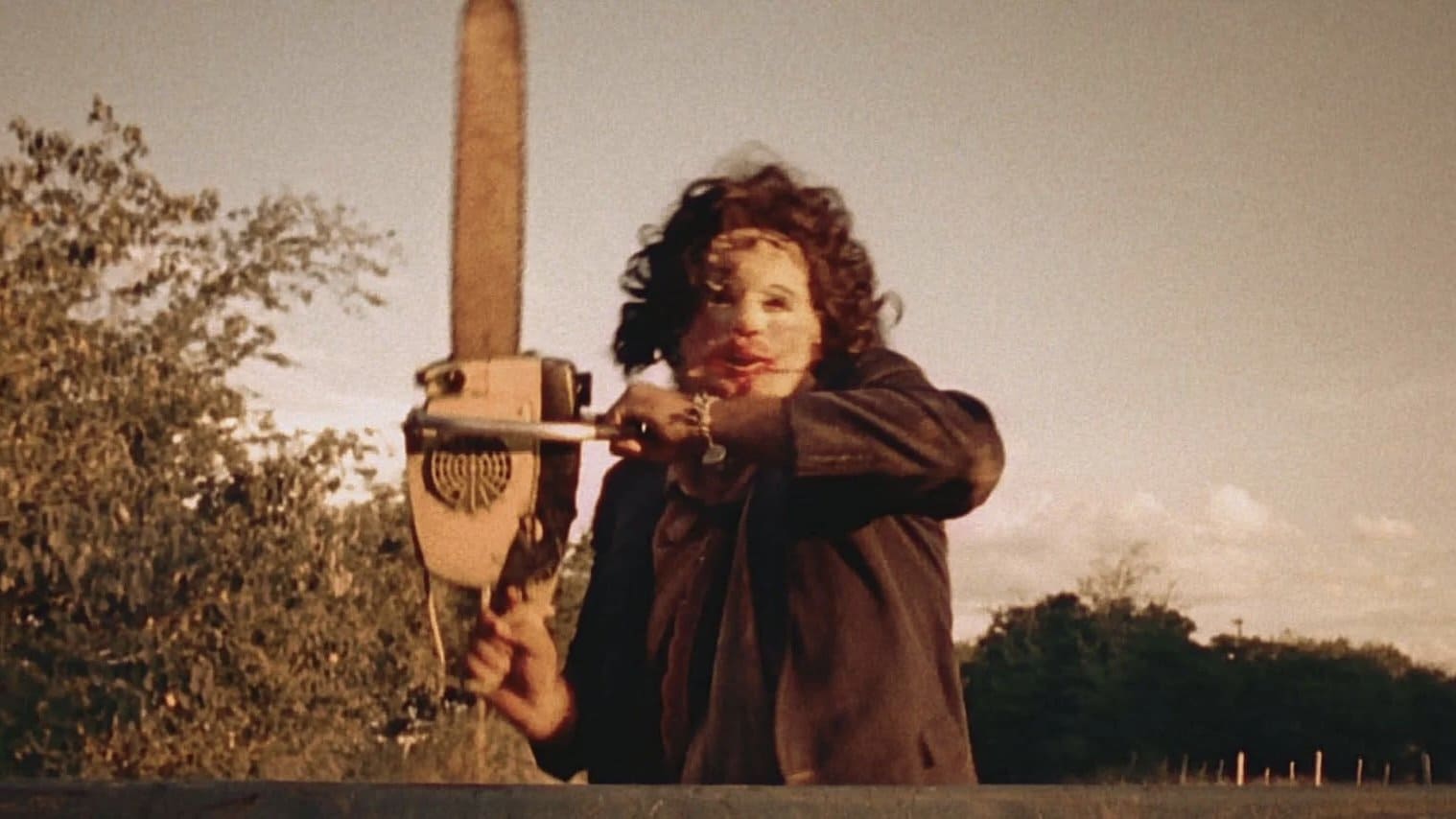
Texas is number one in many things: oil, cattle ranching, rodeo, cotton. But you may be surprised to learn that it can also claim first place in horror. Yes, the likable low-budget film The Texas Chain Saw Massacre is considered by many critics to be their favorite (and scariest) horror film of all time.
When it was released in 1974, famed film critic Rex Reed declared it the scariest film he had ever seen. Celebrated horror master Wes Craven recalled wondering “what kind of Mansonite crazoid” could have created such a thing. Stephen King called it an achievement of “cataclysmic terror.” And my favorite assessment comes from the erudite Oxford film critic and connoisseur of the macabre Anton Bitel, who said that the very fact that the film was banned in England was a tribute to its artistry.
In honor of Halloween, I thought I would help you appreciate this hallowed film by sharing a few things you may not know about The Texas Chain Saw Massacre.
- Ed Gein is the name of the real-life mentally ill murderer who inspired the character of Leatherface. He did not wear a leather mask. What he wore was worse: a mask made of human skin.
- Gein committed his murders in Wisconsin, not Texas. I know, The Wisconsin Chain Saw Massacre just does not have the same poetic ring to it.
- Ed Gein confessed to murdering two people, not dozens (although he was suspected in several other unsolved murders and disappearances). He did not use a chain saw. He used a gun.
- So where did the chain saw idea come from? Tobe Hooper, the Texas-born director, says it came from a thought he had in an Austin Montgomery Ward store a few days before Christmas. The store was unpleasantly crowded with aggressive shoppers. As he stood in front of the chain saws, a disturbing thought occurred to him. He realized that if he started up one of those saws, the sound alone would part the sea of shoppers and give him a quick path to the exit. And that, ladies and gentlemen, is how iconic art is born.
- One more thing about Gein, also known as the Butcher of Plainfield. He was the inspiration not only for Leatherface, but also for Norman Bates in Psycho and Buffalo Bill in The Silence of the Lambs. Gein not only dismembered the bodies of women he had shot, but also dug corpses out of graves, skinned them, and took them apart.
- For the actors, perhaps the scariest aspect of The Texas Chain Saw Massacre was that it was filmed in the middle of a scorching Texas summer. You can see the sweat pouring—even streaming—off the actors. Hooper's tight schedule did not allow him to wait for cooler weather.
- In his highly acclaimed book Chain Saw Confidential: How We Made the World's Most Notorious Horror Movie, Gunnar Hansen, who played Leatherface, said that the depraved family's name in the first film is Slaughter, not Sawyer. If you look at the Coca-Cola sign above the gas station, you will see “W. E. Slaughter BARBECUE.”
- Hansen also noted that the power of the chain saw myth they created in the film persists in Texas with such tenacity that people did not believe him when he told them that no such chain saw crimes had ever occurred in the state. People would say something like, “No, they did. My cousin worked on death row in Huntsville and saw Leatherface himself get the electric chair.” After all, the film was marketed as “based on a true story.”
- The film cost less than $300,000 (approximately CZK 7.5 million at the current exchange rate) and ultimately earned $30 million (approximately CZK 750 million) in the United States.
- The film premiered in Austin, which was fitting because it was filmed there (well, mostly near Round Rock and also in Bastrop), and that was where the director grew up.
- Although it may be hard to believe, Hooper intended to keep the blood and violence in the film to a minimum in order to get a PG rating. It did not work. It received an R rating—escaping an X rating only after edits and revisions.
- You can actually dine at two iconic locations from the film: The old Victorian hippie house in Williamson County that served as the film's home base was dismantled and moved to the grounds of the Antlers Hotel in Kingsland, where it now operates as the Grand Central Café. The “Last Chance Gas Station” from the film in Bastrop was converted several years ago into the Gas Station, with a barbecue café (complete with a Coca-Cola sign proclaiming “WE SLAUGHTER BARBECUE”), cabins, a campground, and a gift shop stocked with chain saw-themed trinkets and souvenirs from the film. I have heard that the barbecue there is not bad at all. At least the owners, unlike those in the film, are not focused solely on serving their fellow man.