Fort Worth was established in 1849 as an army outpost on high ground overlooking the Trinity River. Major Ripley A. Arnold, commander of Company F of the Second Regiment of Dragoons, established the camp on the riverbank under orders from General William S. Harney. The site was named Camp Worth in honor of General William Jenkins Worth, who died of cholera in South Texas. In August 1849, Arnold moved the camp to the northern bluff, where the courthouse now stands. The U.S. War Department officially named the fort Fort Worth on November 14, 1849. This fort was part of a line of seven outposts that protected settlers on the western Texas frontier after the Mexican-American War. The other forts included Fort Graham, Fort Gates, Fort Croghan, Fort Martin Scott, Fort Lincoln, and Fort Duncan. The fort was flooded during its first year, but it soon became a key location for trading houses under the 1843 Treaty of Bird's Fort, which regulated relations with Indigenous tribes.
E. S. Terrell of Tennessee became the first resident of Fort Worth. The army abandoned the fort in 1853, and no traces of it remain. The town developed rapidly due to its location at the confluence of the Clear Fork and West Fork of the Trinity River.
The Cattle Trail Era and the Cowtown Nickname
Fort Worth was located on the famous Chisholm Trail, along which cowboys drove millions of cattle north to Kansas. The city became a bustling center of the cattle trade and earned the nickname Cowtown. During the Civil War, the population fell to 175 residents due to shortages of money, food, and supplies, but it recovered after Reconstruction. In 1872, Jacob Samuels, William Jesse Boaz, and William Henry Davis opened general stores. A year later, Khleber M. Van Zandt founded Tidball, Van Zandt and Company, which became Fort Worth National Bank in 1884.
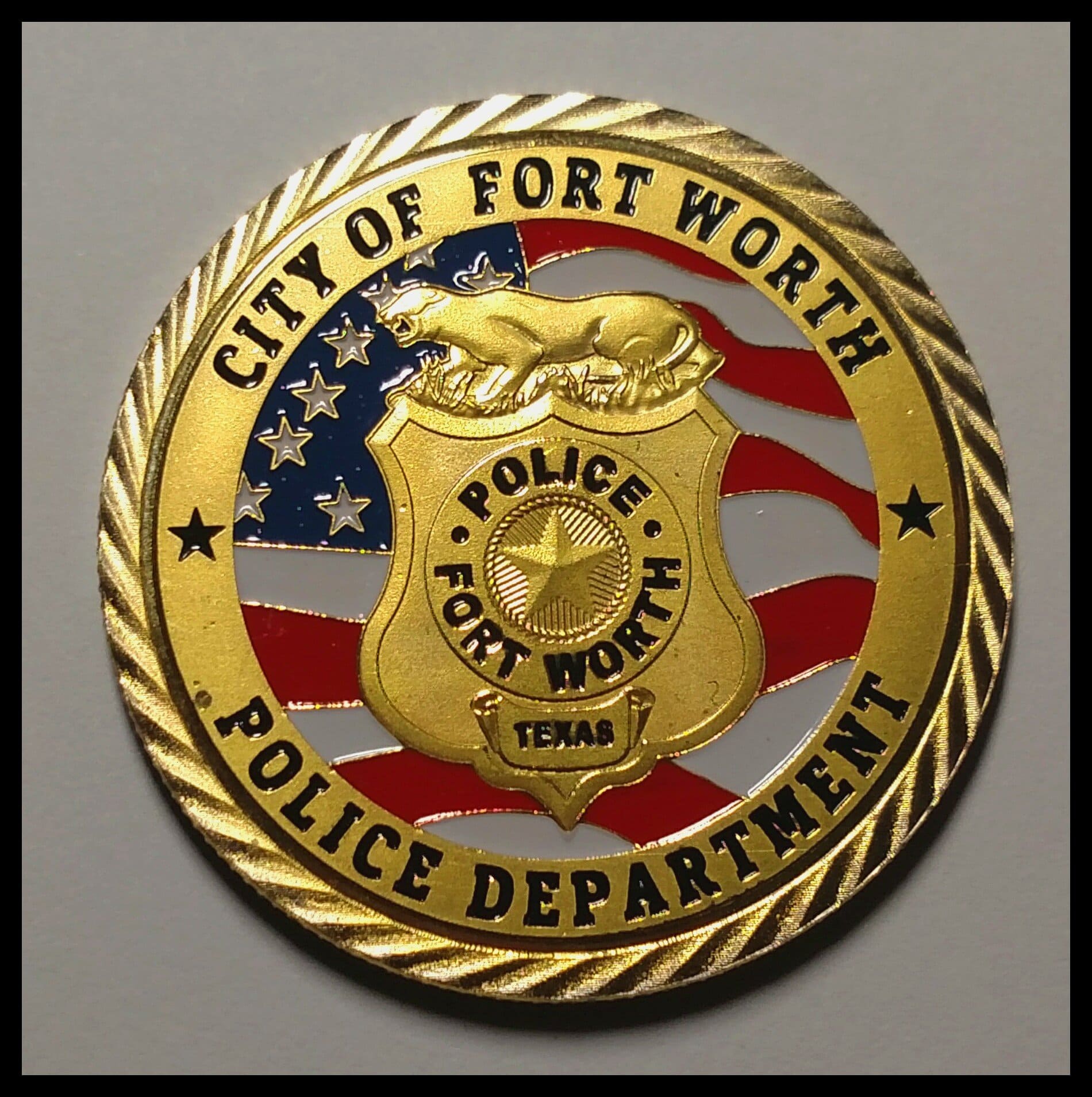
In 1875, former lawyer Robert E. Cowart wrote in the Dallas Herald that Fort Worth was suffering an economic disaster after the harsh winter of 1873. He said the town was so sleepy that he had seen a panther sleeping by the courthouse. This insulting article led to the nickname Panther City, which the city enthusiastically embraced. By 1876, the economy had recovered. The panther symbol appears on police badges and in names such as Panther Island on the Trinity River.
Railroad Development and the Meatpacking Industry
The arrival of the Texas and Pacific Railway in 1876 triggered a boom. Fort Worth became the railroad's western terminus and a transit point for cattle. Louville Niles, a Boston businessman and major shareholder in the Fort Worth Stockyards Company, attracted the large meatpacking companies Armour and Swift to the stockyards. Thanks to its growing transportation network, the city supplied meat to regional markets and earned the nickname Queen City of the Prairies.
With the boom came entertainment and trouble. The city had the Hell's Half Acre district, the largest collection of saloons, dance halls, and brothels south of Dodge City. This area, known as the Paris of the Plains, covered four main north-south streets by 1900. Cowboys spent their money there before long journeys along the Chisholm Trail. Buffalo hunters, gunfighters, and adventurers flocked to the district. Shootings, stabbings, and robberies were a daily occurrence.
The Fight Against Crime and Reform
In 1876, residents elected Timothy Isaiah Courtright, known as Longhair Jim, as city marshal to tame Hell's Half Acre. Courtright arrested as many as 30 people a day but tolerated gambling because it brought in money. The area served as a hideout for outlaws such as the Sam Bass gang. Courtright lost office in 1879. Reformers such as Mayor H. S. Broiles and editor B. B. Paddock fought against the district, but it survived because of the revenue it generated for the city.
In the late 1880s, a public shootout took place on February 8, 1887, when Luke Short killed Courtright on Main Street. Short claimed to be the king of gambling in Fort Worth. Short's friend Bat Masterson protected him from being lynched. In 1889, the first prohibition campaign in Texas took place, allowing other areas to develop. Black residents settled in the southern part of the city because of segregation.
Reverend J. Frank Norris led a campaign against gambling and prostitution from the pulpit of First Baptist Church. In 1912, his church and parsonage were burned down. Norris was charged with insurance fraud and arson but was acquitted. In 1917, the federal government and the new city administration shut down Hell's Half Acre because of the Camp Bowie military camp. Police reported that 50% of violent crime originated in this area. In 1919, Norris held a symbolic funeral for John Barleycorn, bringing the district's era to an end.
The 20th Century and the Modern Era
In 1921, Black worker Fred Rouse was lynched at the Niles City Stockyards during a strike by white union workers at the Swift & Co. meatpacking plant. Rouse was hanged from a tree near the intersection of NE 12th Street and Samuels Avenue, and the mob shot him.
In November 1963, President John F. Kennedy visited Fort Worth. That morning, he spoke at a Fort Worth Chamber of Commerce breakfast and then flew to Dallas, where he was assassinated.
The discovery of oil in West Texas in the early 20th century and again in the late 1970s made Fort Worth a center of the oil boom. In July 2007, horizontal drilling technology opened up natural gas reserves in the Barnett Shale beneath the city.
The city has more than 1,000 gas wells. On March 28, 2000, an F3 tornado damaged downtown, including Bank One Tower, which was converted into luxury apartments.
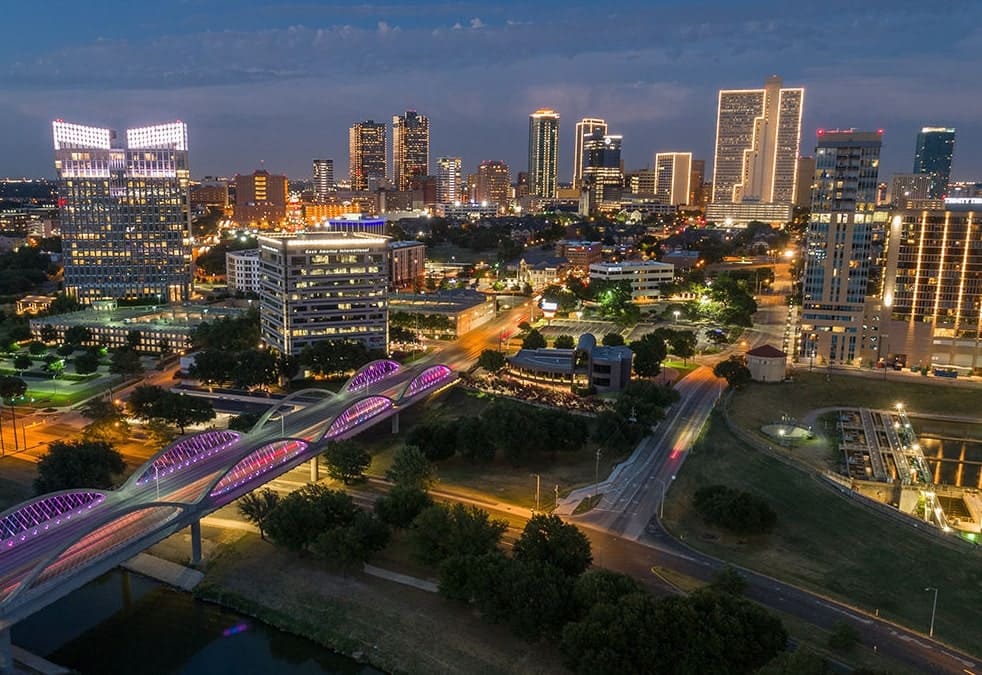
From 2000 to 2006, Fort Worth was the fastest-growing large city in the United States. In 2020, the mayor announced population growth of 20.78%. The 2014–2018 census recorded greater population diversity, with the city having more than 900,000 residents.
Fort Worth preserves its Western heritage through traditional architecture. It is home to the Van Cliburn International Piano Competition and museums such as the Kimbell Art Museum, designed by Louis Kahn with an addition by Renzo Piano; the Modern Art Museum of Fort Worth by Tadao Ando; the Amon Carter Museum of American Art by Philip Johnson; the Sid Richardson Museum by David M. Schwarz, featuring works by Frederic Remington and Charles Russell; and the Fort Worth Museum of Science and History by Ricardo Legorreta. The city is home to universities such as Texas Christian University, Texas Wesleyan University, and the University of North Texas Health Science Center. Companies such as Bell Textron, American Airlines, and BNSF Railway are headquartered there.
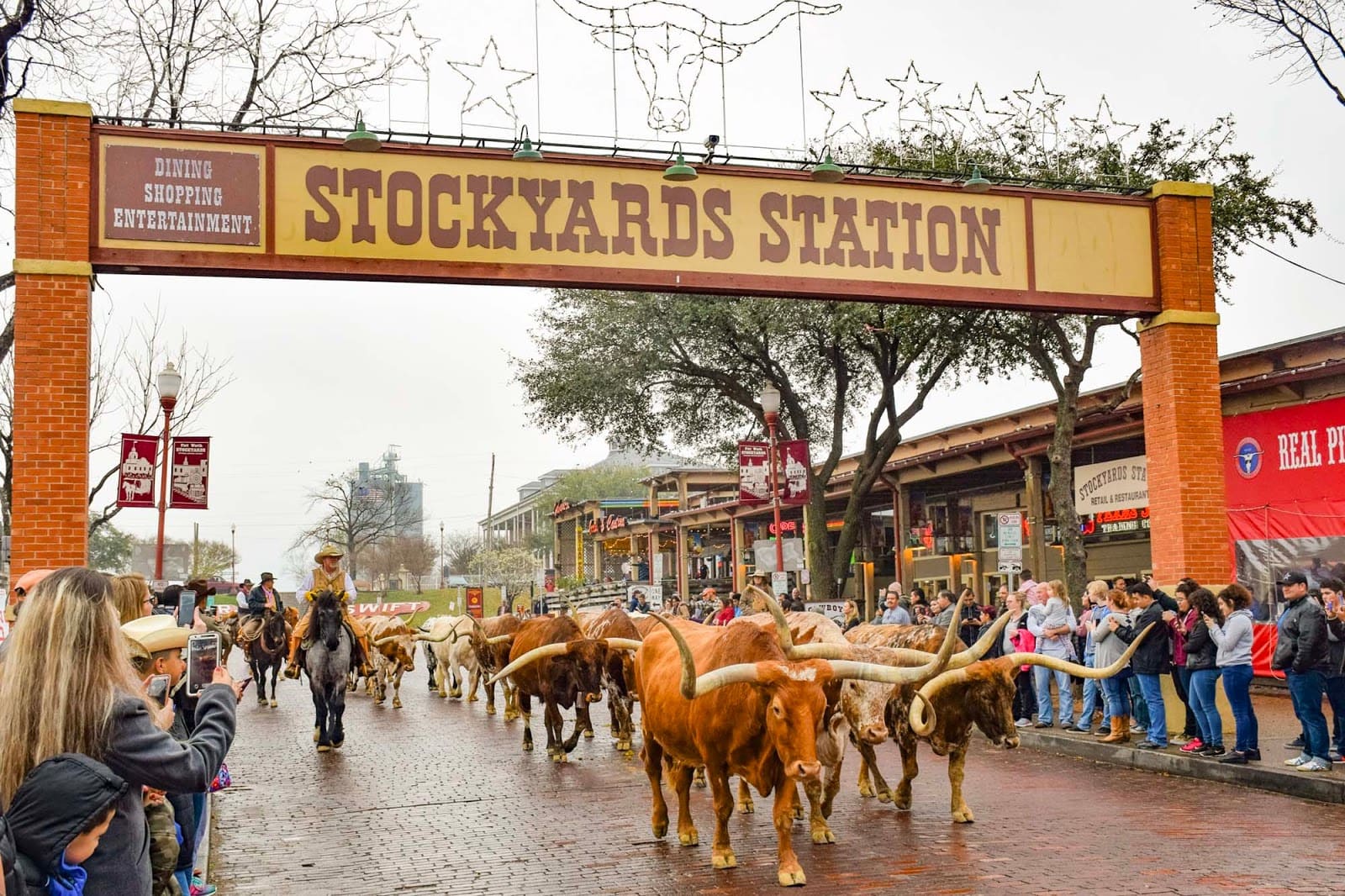
Today, Fort Worth celebrates its past in the Fort Worth Stockyards National Historic District, where daily cattle drives, rodeos at Cowtown Coliseum, and concerts at Billy Bob's, the world's largest honky-tonk, take place.
Source: wikipedia.org