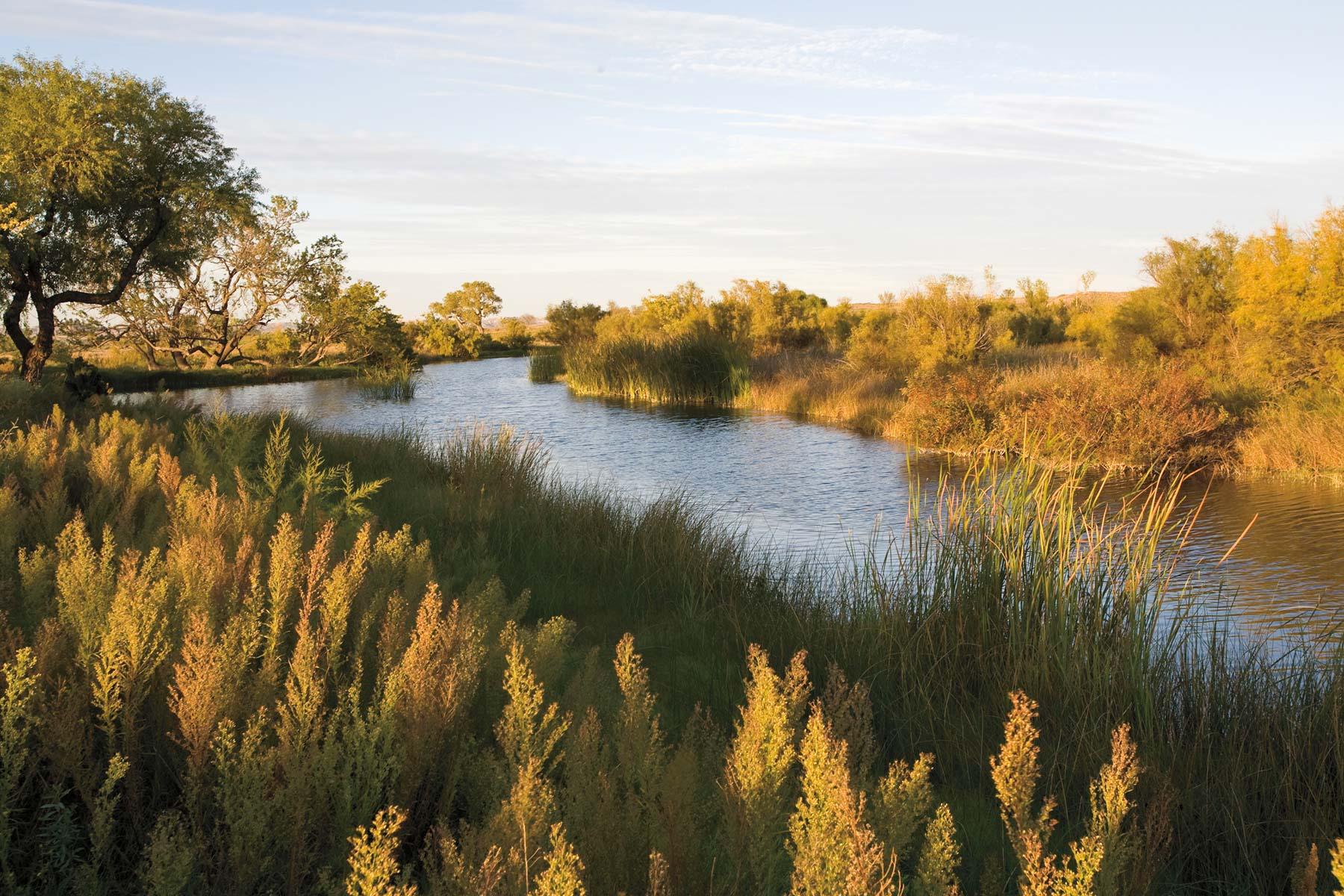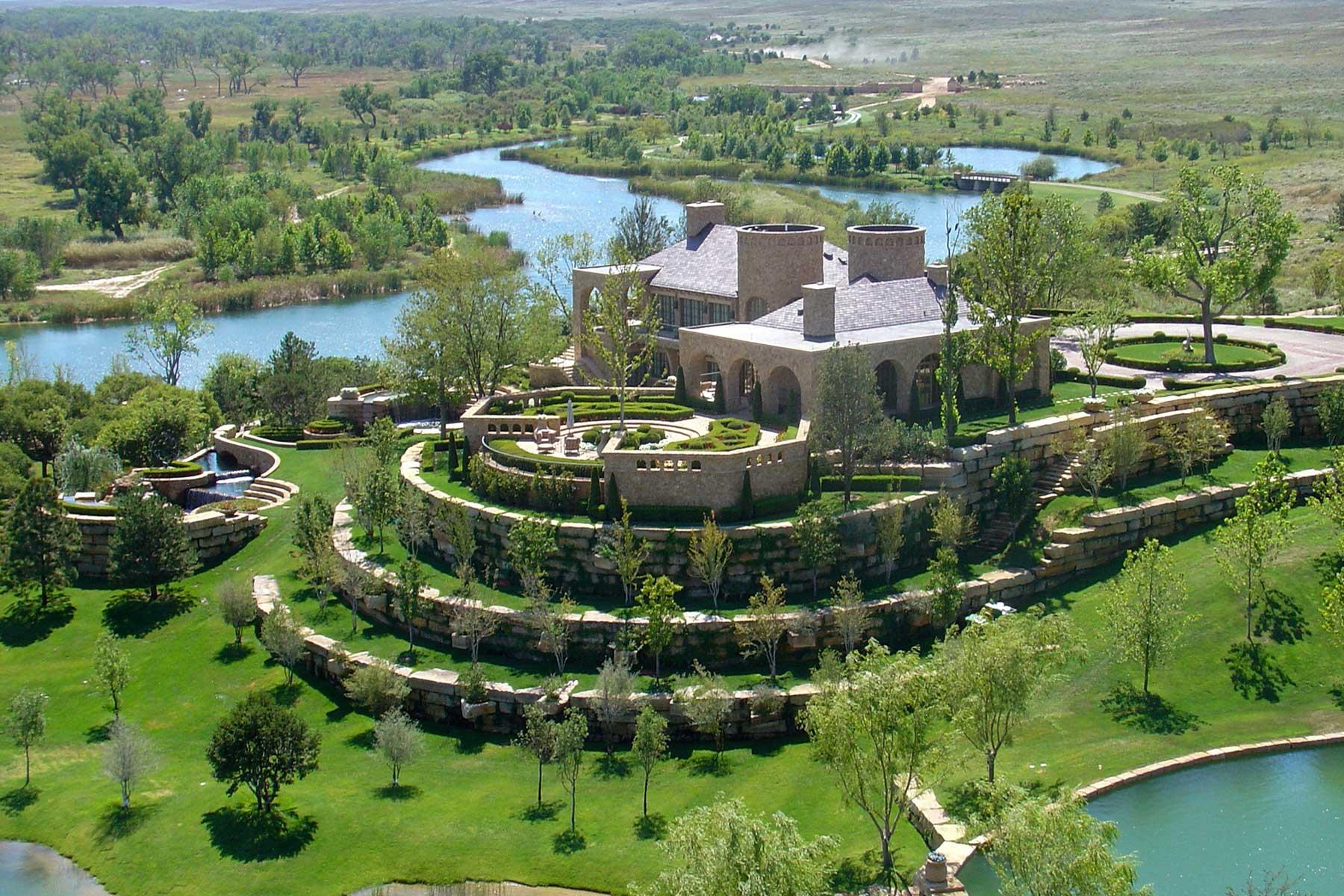
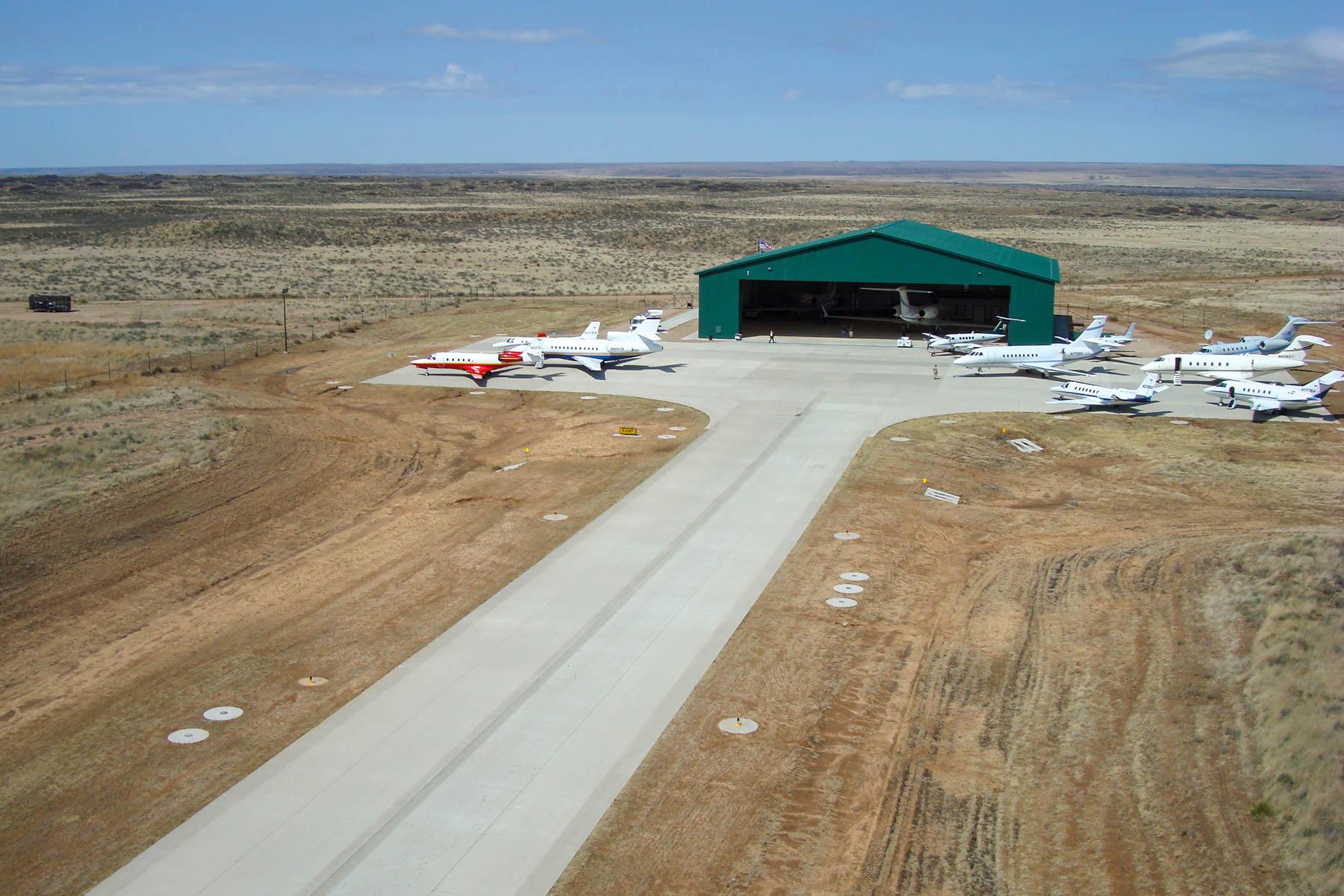
At one time, T. Boone Pickens's Mesa Vista Ranch in the Texas Panhandle was the most expensive ranch. It was offered at the bargain price of $250 million. That is for exactly 65,000 acres (26,304 hectares), including 25 miles (40 km) of access to the Canadian River. That works out to just $3,846 per acre, but with a cash payment, I am sure Boone might have let it go for only $3,800 per acre or so. The ranch has its own airport, so you could fly directly to it with your money and close the deal.
I must say, that is a far cry from the prices future Texans paid for land in Stephen F. Austin's day.
Back in 1821, Stephen F. Austin charged 12.5 cents per acre for a league of land, which was 4,428 acres. This was part of a venture devised by Austin's father, Moses, to establish an American colony in Spanish Texas and attract Catholic settlers from Louisiana. Unfortunately, Moses Austin died shortly after obtaining permission from the Spanish governor for a land grant to establish a settlement. On his deathbed, Moses urged his wife: "tell dear Stephen that it is his dieing fathers last request to prosecute the enterprise he had Commenced." (Tell dear Stephen that it is his dying father's last request that he continue the venture he had begun.) So Austin dutifully traveled to Texas to find suitable sites for settlements along the Brazos and Colorado rivers, and then advertised them to prospective colonists.
His land deals changed several times due to political changes under the Spanish and later Mexican authorities, but at one point he offered two options: 4,428 acres (a league) for raising cattle and 177 acres (a labor) for growing crops. So you can imagine that many blacksmiths and lumberjacks quickly became farmers and ranchers. And that is not all. Married men received much more land than single men. So there was a stampede to the churches as single farmers rushed to become married ranchers. Imagine walking down the aisle with nothing and walking out with nearly 4,500 acres. Compare that with today, when you walk in with $30,000 and walk out broke.
That was quite a deal Austin offered: 12.5 cents per acre (and mostly on credit) at a time when land in the United States cost ten times as much. Someone later remarked: "Land in Texas was what gold was to the gold rush." (Land in Texas was what gold was to the gold rush.)
A league of land for $550. Even adjusted to today's dollars, that would be only $12,000, and 4,428 acres is a lot of land. (But you still would not have the King Ranch. Even with that many acres, you would own less than half a percent of the King Ranch. By comparison, you would not even have a ranchito. You would have a ranchitito, essentially a postage stamp on the scale of the King Ranch.)
In deep South Texas, the original 4,500-acre land grants sold for even less: sometimes for just a $50 registration fee and at other times for 10 cents per acre, with payments not beginning until the fourth year of a seven-year term, giving you a chance to work the land and let it pay for itself.
If only one could go back to those days and buy!