After my first day in first grade, I asked my parents if I could dye my hair blonde. For the first time, I had realized that my black Vietnamese hair made me stand out at Houston’s most prestigious Baptist school. It was 1998, and I was one of only a handful of students in my grade who were visibly not white. And this was in a city that today, by many measures, is considered the most diverse in America.
Second Baptist School was founded in 1946 and teaches students from first grade through high school graduation. Together with an enormous church, it occupies a sprawling sixteen-hectare campus filled with bell towers, colorful stained-glass windows, and ornamental fountains, as well as five additional buildings around the city. There were two gyms, a restaurant, a gift shop, a small chapel, a larger prayer hall, and an even larger worship hall seating fifteen hundred people, which one alumna, now a writer, nicknamed the Pentagon of Penance. In the words of our pastor, it was a city within a city.
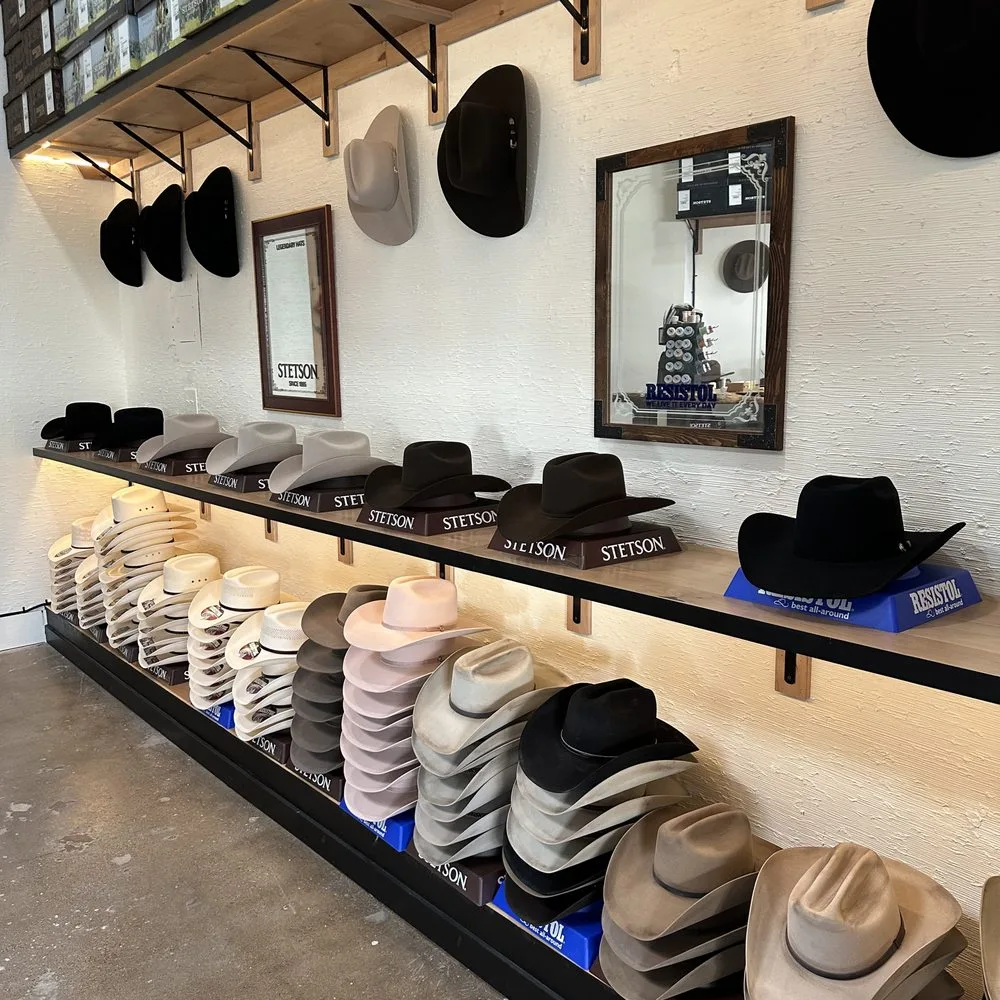
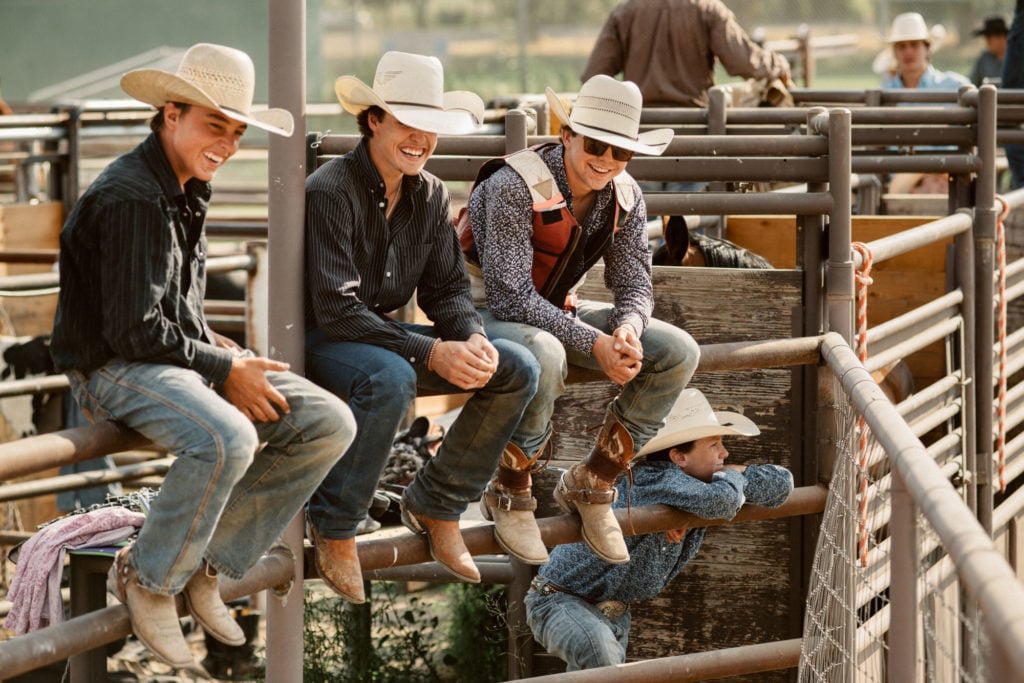
For ten years, I lived in this white Christian bubble. Perhaps out of self-preservation, I fell in love with gilded myths about Texas, from stories of the Alamo to the nasal twang of American country music. I wore cowboy boots, went to Friday-night football games, and rarely missed the rodeo. Part of me believed that if I proclaimed loudly enough that I was a Texan, no one would tell me I did not belong. So throughout elementary school, I lived as a Vietnamese girl at home and as a caricature of a Texan at school.
I remember the blurred overpasses and endless rows of shops along Highway 59 on my daily journey to school, from the suburb of Missouri City and later Sugar Land to the impeccably manicured, tree-lined part of Houston known as Memorial. Even at the beginning of the millennium, that forty-five-minute drive hinted at the diversity for which the city would later become famous. On the way there, we would stop for Mexican breakfast tacos at an unassuming counter on Hillcroft; after school, we would pick up wrapped Arabic flatbreads at Shawarma King. On weekends, we visited my grandmother in Alief, an immigrant neighborhood with Vietnamese signs and soup buffets.
Second Baptist was a world unto itself. Once, while I was still in elementary school, I was supposed to lead the class in prayer and learned the hard way that my classmates did not pray to Allah, as I had been taught to do at home. The school called my parents with concern. Another time, I came home hungry because I was ashamed of the Vietnamese food my parents had packed for my lunch. Once, I asked my mother if I could be baptized. She said no.
My parents had no interest whatsoever in joining the Baptist community, but my struggle to figure out where I belonged did not put them off the school. To them, safety, a good education, and a beautiful campus outweighed such trivial concerns. As refugees from Vietnam who had prospered in Texas, they insisted that their daughters receive the best that money could buy. Like many first-generation immigrants who had achieved the American dream, they believed that private school would somehow keep me out of trouble and significantly improve my chances of getting into a good college. “I spend all day in conference rooms with white men; you need a thick skin,” my mother would say. “You stand out because you’re different, so use it to your advantage.”
Gradually, though, things went downhill for me. I was in high school when Barack Obama was first elected president, and that was when I began to see, experience firsthand, and also excuse blatant displays of racism from my teenage classmates. Signs bearing Obama’s name, ripped out of yards and burned in the school parking lot. Jokes about exterminating entire nations broadcast over the school’s public-address system. Racial slurs directed straight at me. It made no difference that our class was actually more diverse than earlier ones, or that I had found a small group of friends, none of us white, with whom I ate lunch far from the cafeteria. Nor did it matter that I had won a prestigious national scholarship for top students and qualified for regional swimming competitions. By the spring of 2009, I had had enough. After I was punished for having marijuana at school, I gathered all my belongings and left.
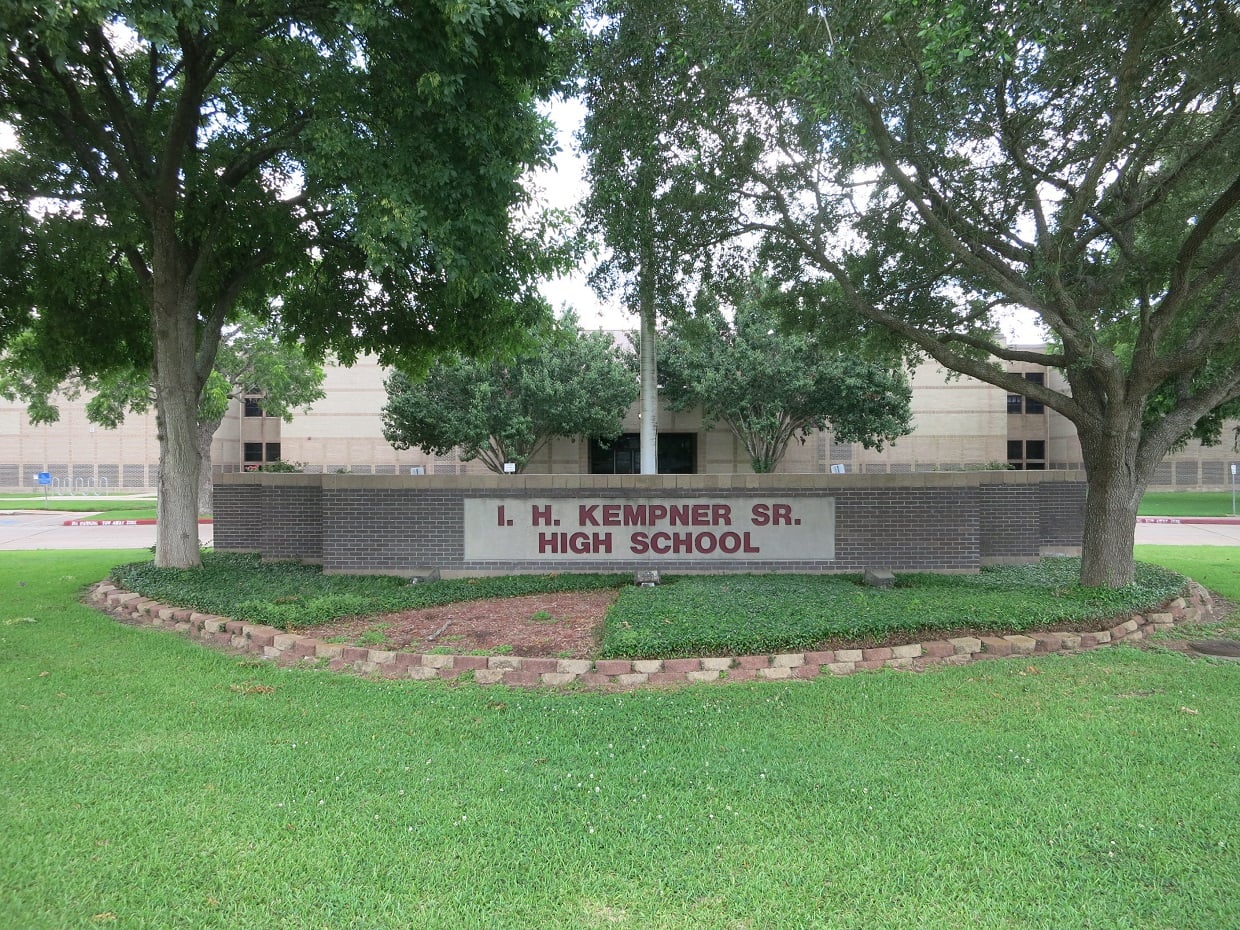
I was in my junior year at the time, and I transferred to the local public school, Kempner High, where for the first time I could fully appreciate the other Houston that had always existed alongside mine. In 2013, the New York Times also noted the school’s diversity in an article highlighting how evenly white, Black, Asian, and Latino people were represented in Fort Bend County. There were no meticulously tended flower beds. Instead, we had catfish ponds and pastures with cows and sheep, cared for by the students themselves. And it was there that I embraced a new kind of Texan identity, one that had room even for a Vietnamese girl caught between two worlds. I befriended classmates from Nigeria, El Salvador, Iraq, and rural Texas. I met real country people who bore no resemblance at all to the children of families with their own ranches from the wealthy River Oaks neighborhood.
Public school, of course, had its own problems. There were seven hundred students in each grade instead of seventy, so during exams the rooms were so crowded that some of us had to sit on the floor. And because every group had enough people there, the students segregated themselves: every hallway and every cafeteria table belonged to someone different. Even so, I was much happier.
For most of my life, I had planned to attend a Texas university, as my parents had, study law, and stay in Houston. But it was my years at Kempner that persuaded me to leave Texas. Not because I hated the school, but because it opened my eyes and showed me a broader America. I went to college in New York and stayed there for ten years. Recently, perhaps inevitably, I returned. For years, it irritated me to hear people from both coasts repeat the same social and political clichés about Texans. I asked them whether they knew that Houston was the first major American city to elect an openly gay mayor. I told them that in 2019, the share of non-Hispanic white residents in Houston had fallen to 24.4 percent, less than half the national figure.
To me, Texas culture today is not just about cowboy boots and barbecue. It is speaking both English and Spanish, no matter where you come from. It is feasts of Louisiana-style boiled crawfish seasoned the Vietnamese way, sticky-hot summers, Cadillacs with conspicuously protruding wire wheels. It is a limestone-and-marble Hindu temple covering more than a thousand square meters in Fort Bend County. It is the singer Megan Thee Stallion, whose style has led many people to rediscover the forgotten history of Black cowboys.
In 2020, after the killing of Houston-born George Floyd, sixty thousand people gathered to protest in his hometown. That was when I received an invitation to sign an open letter from current students and alumni of Second Baptist School. In it, they called on the administration to acknowledge decades of profound failures and to make the rejection of racism part of the curriculum. We are a city of immigrants, their children, and their children’s children, I thought as I signed. A place where a Texan identity is available to everyone, whatever the color of their skin or hair.