Two hundred years ago, it was common in the southern United States to find abandoned homes and businesses with a note hanging on the door: “Gone to Texas.” People at the time often fled bad luck or the law, seeking a fresh start in a place that promised great opportunities and adventure, at least if you were white. Texas captured the American imagination like no other place except perhaps California. California is its only true rival in terms of size and self-confidence, but these days it loses roughly 1,600 residents to Texas every week, many of them highly educated, as well as the headquarters of major companies.
Today, more than a third of Texans were born elsewhere, compared with a record low of 25 percent in 1940. This share is growing rapidly as thousands more people arrive each week from all corners of the world. My uncle, who has lived in Texas for twelve years, is one of them. He works in Austin and enjoys its energy, but he and his wife live in San Antonio, which he describes as a beautiful, friendly, historic city with a predominantly Mexican-American population. When friends visit him, he has a strict rule for them: they bike along the river to the Spanish missions, go horseback riding in the nearby Hill Country, and shoot clay pigeons at a range just a short distance from their home.
My uncle has been fascinated by Texas since he was eight years old, when his family drove through the state on their way to visit relatives in California. They visited the Alamo and Big Bend National Park and sampled foods they considered exotic at the time, such as beef tongue tacos and smoked beef brisket. Years later, he settled there permanently. He has come to know the state in all its diversity, from the subtropical Rio Grande Valley and the pine forests near the Louisiana border to the rugged northern regions, where winter brings as much snow as Philadelphia.
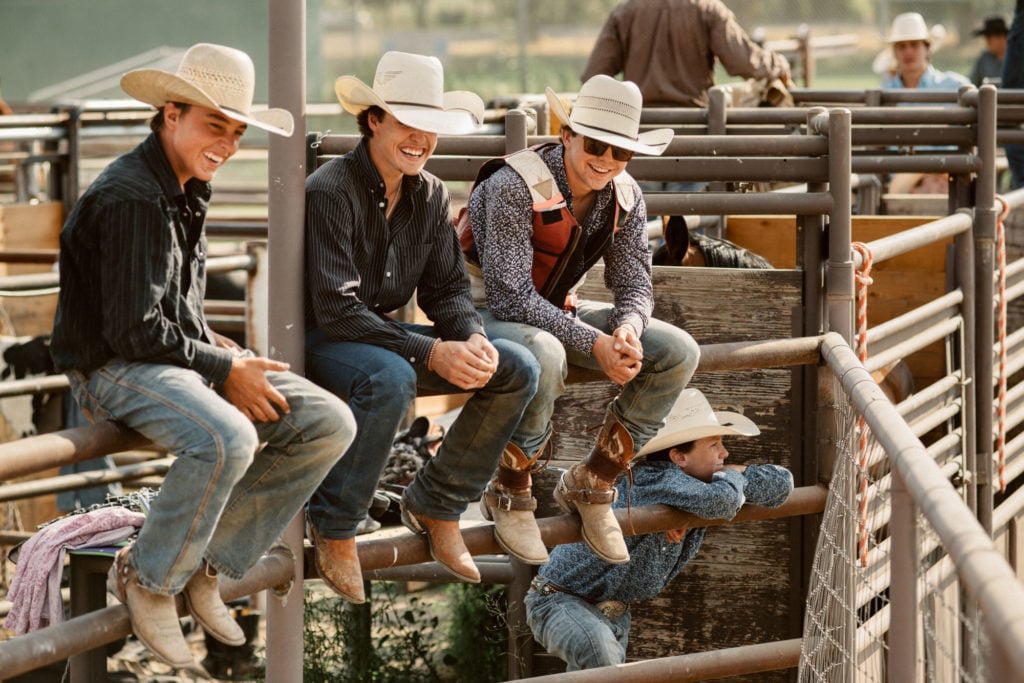
In today’s Texas, cowboys still herd cattle, independent oil prospectors still seek their fortunes in the Permian Basin, and the local barbecue masters and taco vendors are undoubtedly the most passionate and creative in the entire country. These are the state’s characteristic ways of life. But being a Texan can also mean moving from New Orleans and opening a food stand that sells “gumbo tacos.” It can mean being twelve years old and Black, wearing a cowboy hat, and learning to ride rodeo bulls. It can mean walking into a café and hearing conversations in Arabic, Persian, or English with a Nigerian accent.
What draws all these newcomers here? The answer is very different for someone from El Salvador fleeing gang violence and for a software developer from Silicon Valley comparing their home state’s high taxes with Texas’s lack of state income tax. Yet both often learn to appreciate what fills the hearts of native Texans. Most newcomers fall in love with the diverse landscape, people, and culture. They take pride in the state’s achievements, from space exploration to sporting victories. They develop a strong attachment to local brands, from fast-food chains to enormous gas stations with general stores.
Texans are more divided over the role of government than the rest of the country. Although they recognize major shortcomings in racial justice, education, and healthcare, many resist tax increases or expanded civil rights protections. Yet they are happy to help a neighbor and join forces for a good cause. If you get a flat tire in Texas, there is a very good chance that someone will quickly pull over and help you with the jack. As my uncle told me with a smile: “People here like helping one another, but we definitely don’t want the government ordering us to do it.”
Being a Texan means taking risks and building things. My uncle recalls friends who launched their own investment firms in Austin. He noticed an interesting difference: while elsewhere in America people ask about your university or family background when they meet you, a Texan will ask: “How can we join forces and make money together?” Although business and social hierarchies do shape life in Texas cities, my uncle considers them far more open to newcomers than anywhere else he has ever traveled.
He recently told me a story from an airport in London, where he was waiting for a flight to Austin. In the booth behind him, a woman with a pronounced Brooklyn accent was talking to friends about how she was adjusting to life in the Texas metropolis. Although she enjoyed the local scene, she was still “getting used to the fact that it’s in Texas.” My uncle found that a little disheartening. If he could, he would advise her to give the rest of the state a chance as well. To head west for the wineries, take a trip down the Guadalupe River, enjoy live music in a historic hall, hike in the national parks, or visit Houston for its outstanding cuisine.
Texas is simply too vast and constantly changing to be easily described. It has many faces and offers an enormous dose of inspiration to anyone who decides to truly get to know it.