
Scientific discoveries do not always have to come from large laboratories full of experienced experts. Sometimes, a fresh perspective and smart technology are all it takes to achieve something amazing. That is exactly what happened when teenager Matteo Paz from the United States took data from a discontinued NASA project and examined it in a new way. He used artificial intelligence to find 1.5 million new objects in space that had previously gone unnoticed. This achievement not only amazed astronomers but also caught the attention of NASA chief Jared Isaacman, who publicly praised him. It is an example of how young people with modern tools are changing our view of the universe.
How Did Matteo Use AI to Discover New Stars?
Matteo Paz decided to work with data from the NEOWISE mission, a NASA infrared telescope that is no longer operational. This data had been studied for years, but traditional methods made it difficult to separate faint signals from noise. Matteo chose a different approach—he created an artificial intelligence framework for data analysis that was able to detect subtle changes in the infrared spectrum.
Instead of manually examining each object, his system searched for patterns in billions of data points. In this way, it uncovered celestial bodies that had previously been hidden in the noise. The key to his success was a machine-learning algorithm that he designed himself. This algorithm processed nearly 200 billion infrared data points collected by the NEOWISE telescope during its operation. While human analysts might have overlooked faint signals, the computer algorithm recognized them easily. Just six weeks after the simulation was launched, the system identified numerous objects in space, including quasars, unknown stars, and possible supernovae. The scale and speed of the discoveries amazed those familiar with older analytical systems. This achievement has been officially recognized, as Matteo Paz is a co-author of a paper published in The Astronomical Journal.
Recognition from NASA
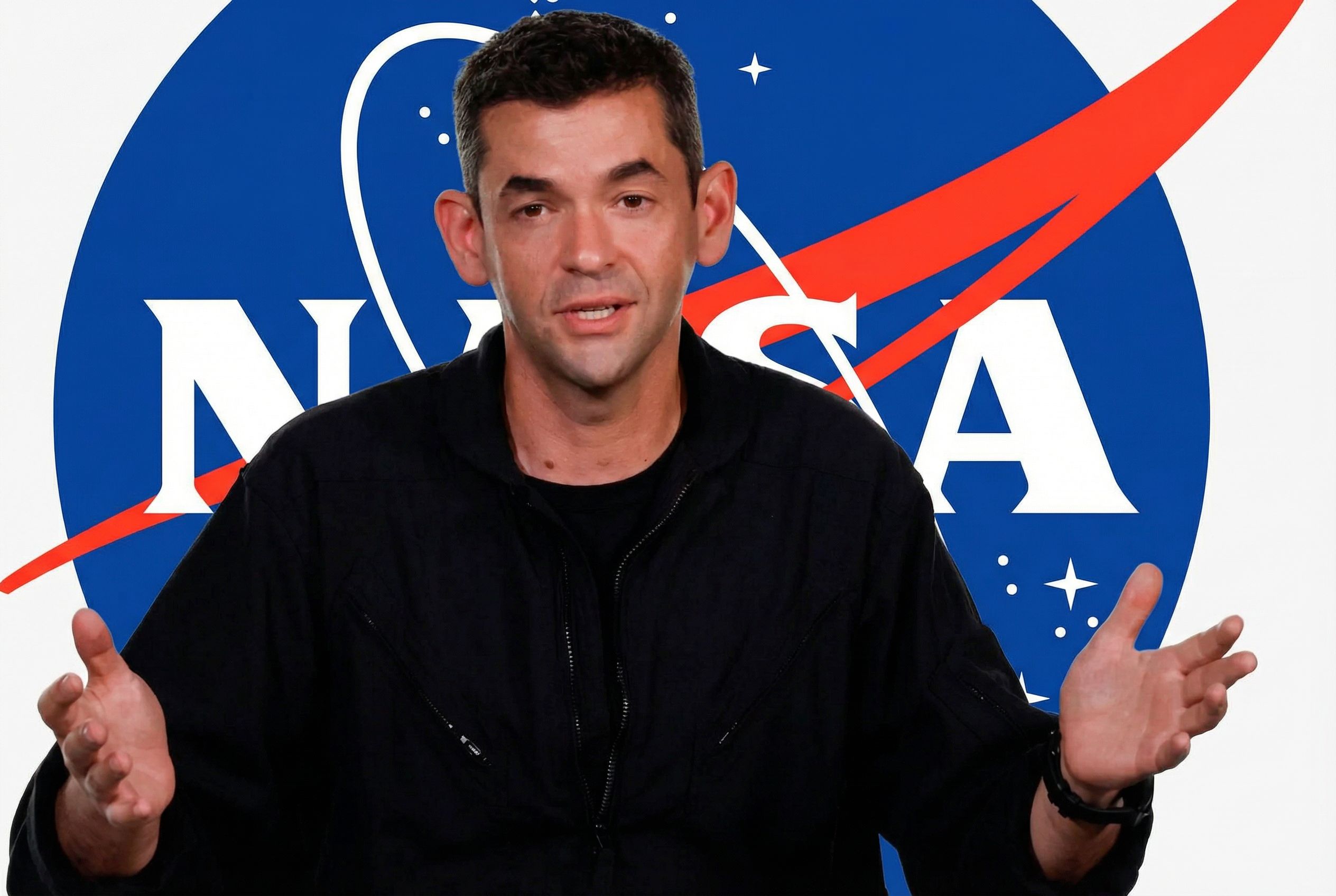
Matteo Paz's project began at the Planet Finder Academy, an organization affiliated with Caltech, where he collaborated with astrophysicist Davy Kirkpatrick. This collaboration was important because it combined the experience of a professional scientist with the creativity of a student. As a result, the findings from the AI system were scientifically verified and explained. This approach encouraged innovative thinking within established research guidelines. News of the discovery quickly spread among astronomers. NASA chief Jared Isaacman responded publicly, inviting Matteo Paz to apply to the agency and offering him a flight in a fighter jet as personal motivation. Although this was said humorously, it underscored the significance of the discovery. It also signals that major space institutions are becoming more open to talent regardless of age or formal qualifications.
Additional source: timesofindia.indiatimes.com