

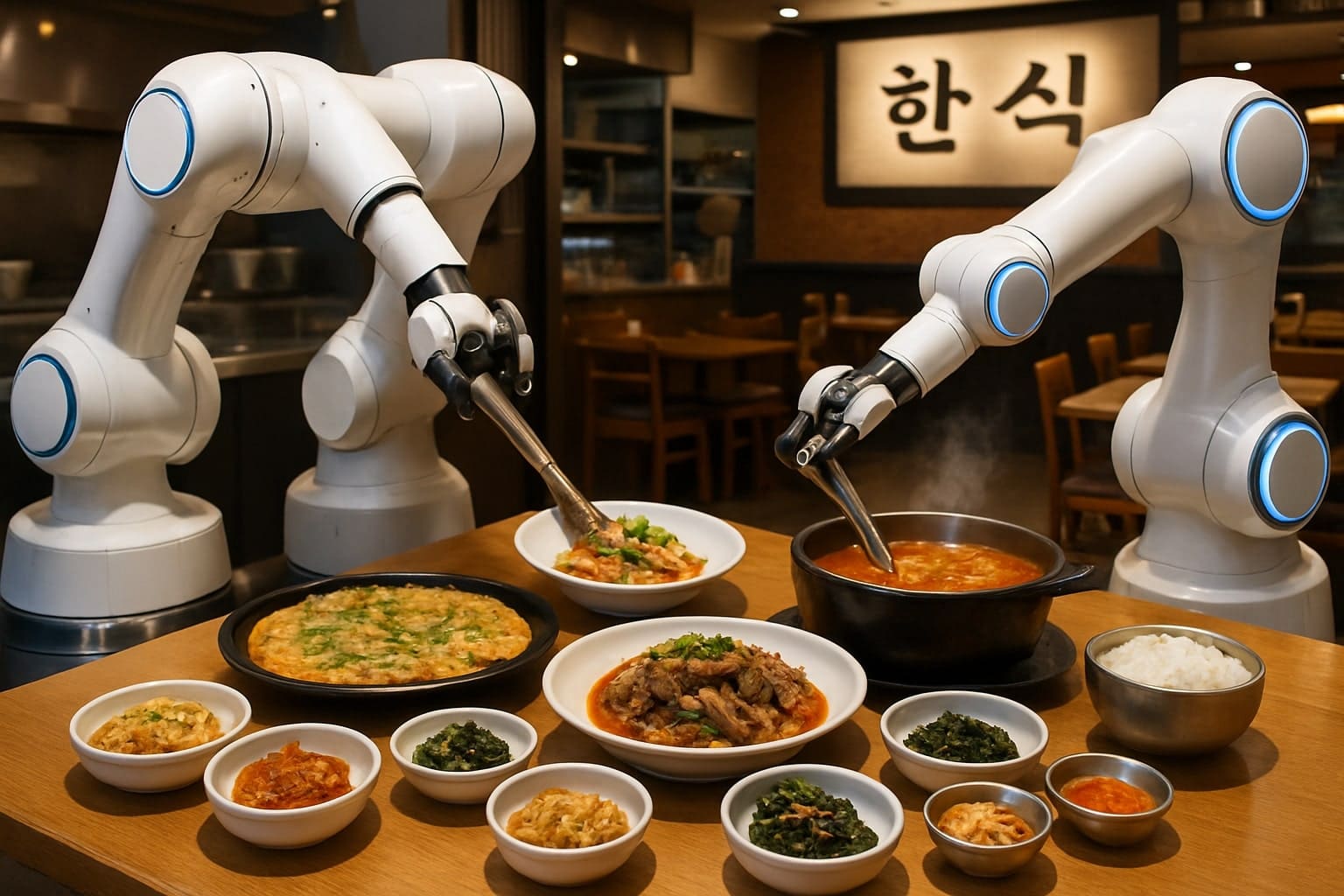
Robotic Chefs Are Changing South Korea’s Restaurant Scene
Robotic chefs are appearing with increasing frequency in South Korean restaurants, representing a significant shift in the traditional hospitality sector. These mechanical assistants are mainly being used at highway rest areas and in school cafeterias, where they efficiently address several problems at once. According to a report by Rest of World, this technology is becoming a response to the deepening labor shortage in the food service industry, which is grappling with a chronic staffing shortfall in kitchens in South Korea.
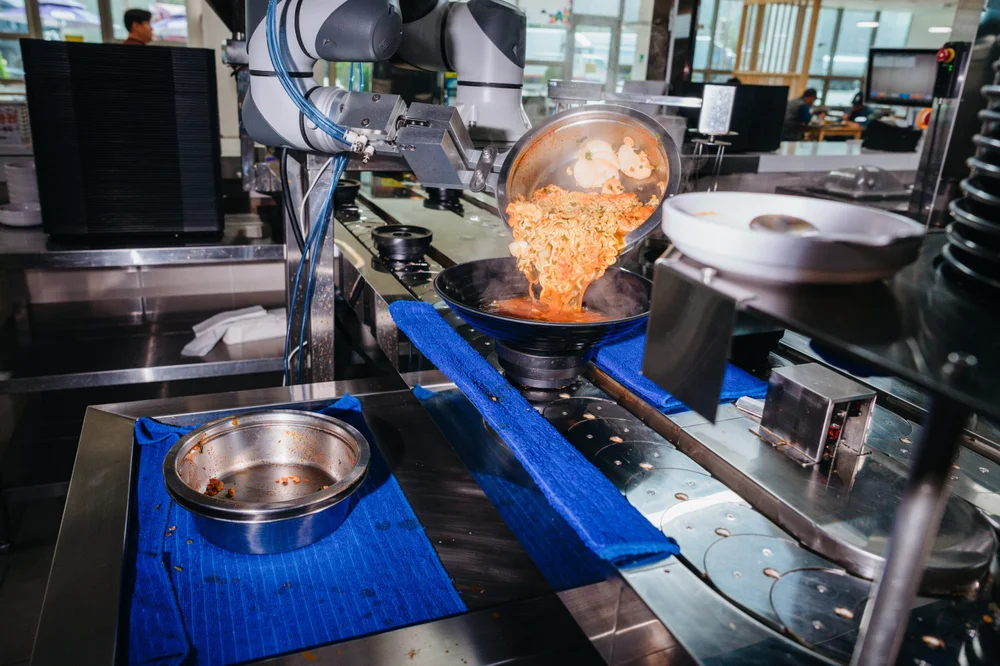
Robotic chefs at highway rest areas can prepare up to 150 meals per hour, which is nearly twice as many as a human chef can manage. These machines perform a wide range of tasks – adding ingredients to pans, cooking on stovetops, stirring noodles at a precisely set speed, and transferring finished dishes into bowls. The flexibility of these devices is remarkable; they can prepare more than ten different dishes, including soups, fried chicken, and stir-fried vegetables. Some systems are even capable of producing up to 200 meals per hour, representing a significant increase in efficiency compared with traditional kitchens. The motivation for introducing robotic chefs in South Korea goes far beyond mere efficiency. A significant factor is workplace safety, specifically reducing exposure to hazardous fumes that have been linked to health risks, including lung cancer among kitchen workers. This aspect led institutions such as the Seoul Metropolitan Office of Education to introduce robotic chefs in school cafeterias, thereby creating a safer working environment for employees. In addition, robots ensure consistent taste and quality while speeding up meal preparation and reducing the physical demands on the human staff who supervise or assist them.
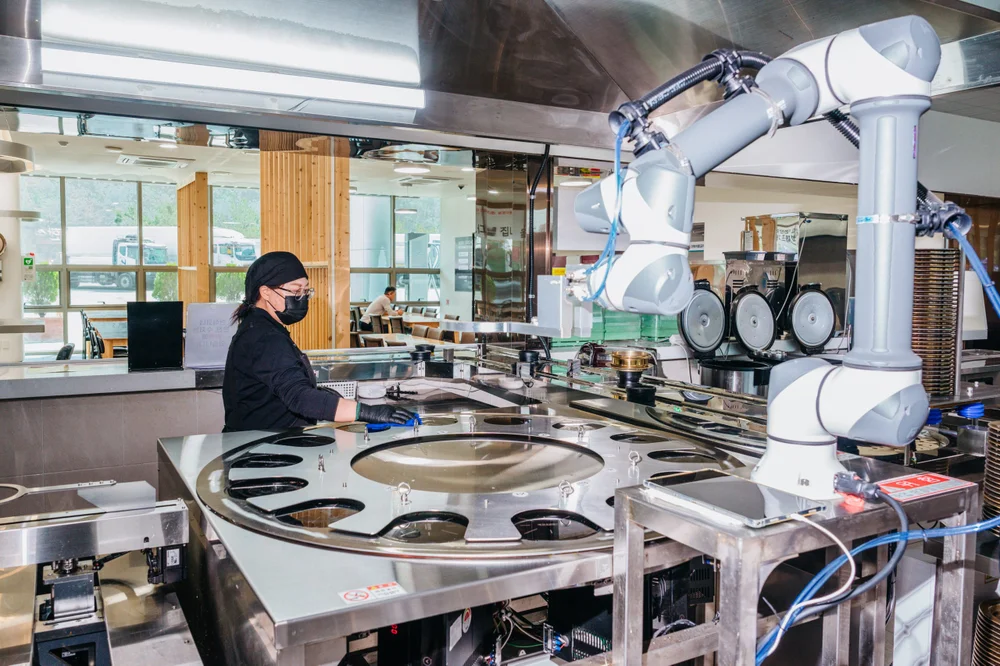
South Korea has an exceptionally high level of automation in the manufacturing sector, providing context for its adoption of robots in the food service industry as well. According to the International Federation of Robotics (IFR), global robot density in the manufacturing sector has doubled over the past seven years, with South Korea being one of the leaders in this area. This trend toward industrial automation is now spilling over into the service sector, including restaurants and the food industry.
Mixed opinions
Reactions to robotic chefs, however, are not uniformly positive. While some workers appreciate the improved working conditions and reduced physical strain, others worry that automation makes their work less meaningful or threatens job security. "Automation is presented as a solution to the labor shortage, but workers say that robots make their jobs worse – and the food too," the Rest of World report states. There are also complaints about changes to the menu – recipes suited to robots sometimes replace traditional favorites prepared by hand, provoking a certain nostalgia and concerns about preserving culinary heritage.
Meanwhile, entrepreneurs have begun opening chains specializing in robot-prepared food. There are now at least 15 robot-fried-chicken restaurants operating in South Korea, underscoring the commercial interest in robotic kitchens and ongoing experiments with how best to integrate automation into beloved national cuisines. These establishments represent a new business model that could further transform South Korea’s restaurant scene. Robotic chefs represent a significant shift in South Korean food culture. On the one hand, they offer speed and consistency, qualities valued in today’s fast-paced society. On the other hand, they raise questions about tradition and employment in the industry. Makguksu (cold noodles), soups, and other traditional Korean dishes are now being prepared by robots, representing an intriguing clash between technological innovation and cultural heritage. While automation may address the acute labor shortage, its long-term impact on South Korea’s culinary identity and the quality of the dining experience remains an open question.


