

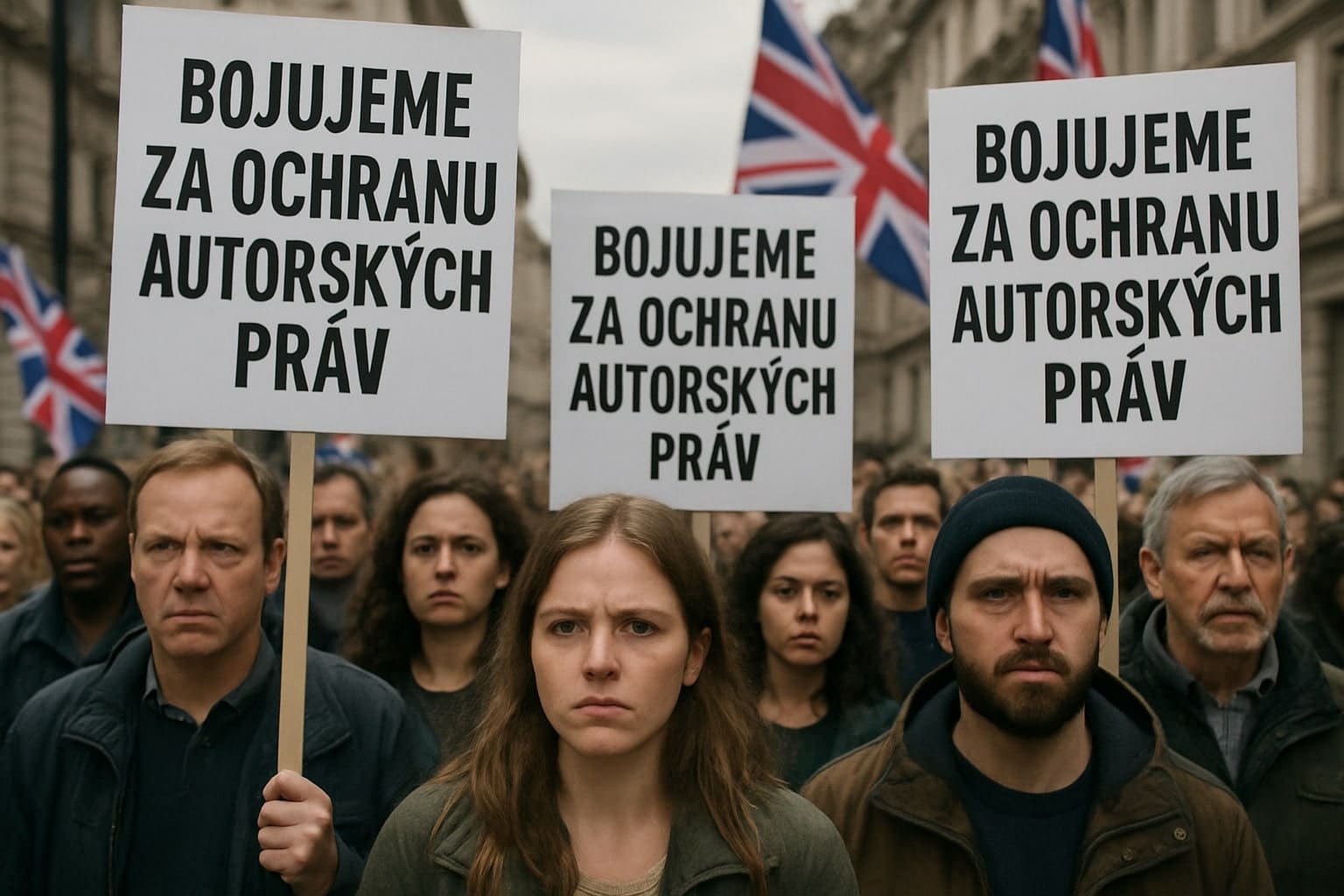
British artists fight to protect copyright from artificial intelligence
More than 400 prominent British creators have signed an open letter addressed to the UK prime minister, calling for stronger copyright protection in connection with the development of artificial intelligence. The signatories include music legends such as Paul McCartney, Elton John and members of Coldplay, writers Richard Curtis and Tom Stoppard, visual artist Antony Gormley and actor Ian McKellen. Together, they are calling on the government to amend the proposed Data (Use and Access) Bill, which they say does not adequately protect creative works from uncontrolled use by artificial intelligence developers.
The signatories' main demand is the introduction of mandatory transparency for companies developing artificial intelligence. Specifically, they want these companies to be required to publish an exact list of the individual works used to train their AI models. According to the artists, this transparency is crucial for enforcing rights under existing copyright laws. They criticize the current government proposals, which require only an assessment of the economic impact or feasibility reports on so-called opt-out regimes. They consider these measures insufficient and argue that they leave creators vulnerable to continued "copyright theft."
The British government has proposed exceptions allowing text and data mining (TDM) of copyright-protected materials for the purposes of training artificial intelligence, while content producers would have the option to opt out—that is, to refuse such use. Critics, including many creative professionals, however, argue that these measures do not go far enough to protect rights holders. Media organizations such as the Financial Times, the Daily Mail and the National Union of Journalists have also joined the call for greater transparency, sharing concerns about the future of the creative industries.
Baroness Kidron, who introduced the relevant amendment in the House of Lords, stressed that the creative industries are vital both culturally and economically—providing millions of jobs—and should not be sacrificed to the "interests of a handful of American technology companies." This position was also supported by Labour peer Lord Brennan, who warned of mass copyright theft and its potential long-term impact on the British economy. In his view, transparency regarding AI inputs could instead bring significant economic growth.
While some political think tanks such as the Tony Blair Institute support TDM exceptions with an opt-out option as a sensible policy that promotes innovation, many artists argue that this approach undermines existing licensing requirements. Critics point out that large amounts of creative work have already been collected without permission or compensation—a situation that, they say, must change if trust between technology developers and creative communities is to be restored.
Supporters of stronger copyright protection believe that mandatory transparency would help create a robust licensing market in which creators could be compensated when their works are used by companies developing artificial intelligence. The open letter represents significant opposition from leading figures across Britain's creative sectors to the current government plans concerning copyright exceptions for artificial intelligence training. Their central demand is clear: enforceable transparency so that creators know when and how artificial intelligence systems are using their works.


