

Razer Project Motoko: The Future of AI in Headphone Form // Razer Headphones with Cameras: Competition for Smart Glasses // Project Motoko: AI Headphones That See and Hear // Razer Unveils an AI Headphone Concept // Motoko: Headphones That Change the Way We View Wearable AI
At CES 2026, Razer unveiled Project Motoko, a concept for wireless headphones with built-in cameras and artificial intelligence. The idea is based on the premise that headphones may be a better option for wearable AI than smart glasses such as Ray-Ban Meta. The name Motoko refers to a character from the Ghost in the Shell manga, symbolizing the device's sci-fi feel. Razer emphasizes that the headphones offer longer battery life and better privacy because sound goes directly into the ears, unlike the open speakers in glasses.
What Do They Look Like and What's Inside?
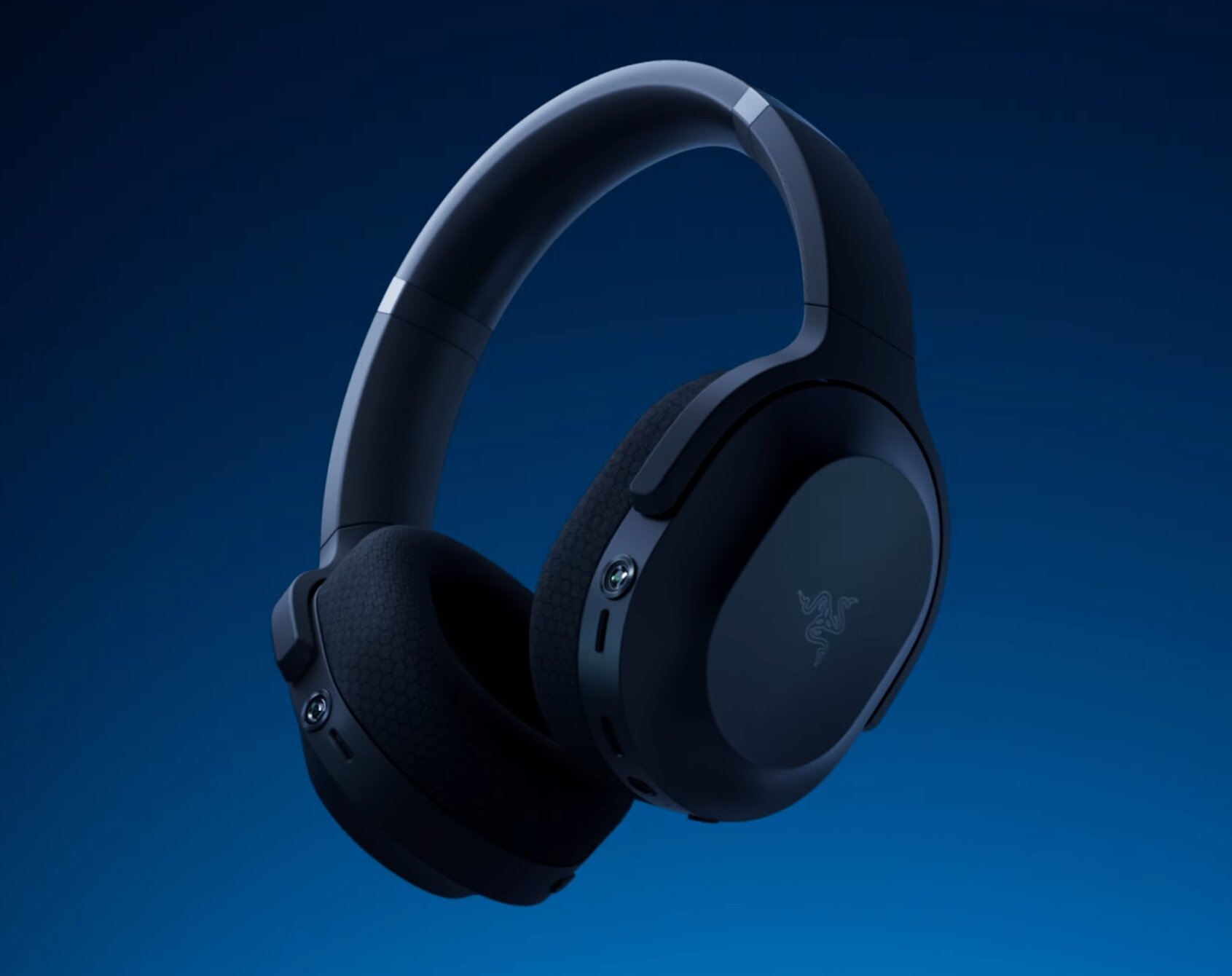
At first glance, the Motoko headphones resemble gaming models such as the Razer Barracuda. Each earcup has a built-in camera—two 12-megapixel sensors in total—which record at 3K resolution and 60 frames per second and support spatial video. The cameras are positioned at eye level, which is intended to provide a natural first-person view. Beneath each camera is a dual microphone with beamforming technology that captures the user's voice, conversations in the surrounding area, and distant sounds. The device is powered by a Qualcomm Snapdragon processor, but Razer has not specified exactly which one because the final version may still change. The headphones are compatible with various AI platforms, including ChatGPT, Meta AI, Gemini, Perplexity, and Grok, and users can choose which one to use. Demo versions showed that settings are changed through a companion app, where the camera zoom can also be adjusted.
What Can They Do?
Project Motoko serves as a personal AI assistant that sees what you see and responds accordingly. The cameras enable computer vision, meaning the headphones analyze their surroundings and provide information in real time. For example, they can translate text from a Japanese menu, identify a historical artifact such as a miniature version of the Rosetta Stone, or suggest a recipe based on the ingredients they see. In gaming mode, which is typical of Razer, the headphones can be pointed at a screen and asked about in-game strategy or, for example, how to select weapon attachments in Battlefield. The microphones provide hands-free control: simply press a button and ask a question, and the headphones hear commands without requiring you to repeat "Hey Motoko." Some simple queries are processed locally, while more complex ones require a connection to a phone or computer. Razer envisions their use in everyday situations such as cooking with step-by-step instructions, navigation, translation, or even training robots—the headphones capture data from a human perspective for machine learning. Battery life reached up to 36 hours in tests, which is significantly longer than smart glasses, and they can also be used while charging.
When Will They Be Available?
Razer plans to launch the Motoko headphones later this year, with a developer kit becoming available to developers in the second quarter of 2026. This suggests that it is not merely a showcase concept but a device that will soon go on sale. The company emphasized that the model shown at CES 2026 is already close to the final version, although some elements, such as the size of the headphones or the exact processor, may still be adjusted. No price has been announced yet, but it is expected to be competitive with similar devices such as Ray-Ban Meta.
Hands-On Impressions?
People who had the opportunity to test the Motoko headphones at CES 2026 described the experience as interesting but not perfect. James Pero of Gizmodo said the overall impression was "okay," but query results varied—sometimes the AI understood the task immediately, while at other times it needed clarification, such as when it began talking about weapons in general instead of offering advice on attachments in Battlefield. Adam Birney of SoundGuys praised the better sound isolation compared to glasses and saw an advantage in the fact that headphones are more natural for people who wear them all day, such as while traveling or gaming. He tested real-time identification of a historical tablet and recipe suggestions, which worked well, but noted that the demo version was bulky and that the cameras had to be brought close to objects. Victoria Song of The Verge was skeptical of some claims, such as the cameras providing a more natural view, and pointed out the small recording indicator, which is not always visible. Overall, she appreciated the long battery life and privacy but raised concerns about hair potentially obstructing the cameras. Everyone agrees that the headphones have potential in terms of audio quality and everyday use, but the final version needs to refine the AI's accuracy and improve the design for comfort.


