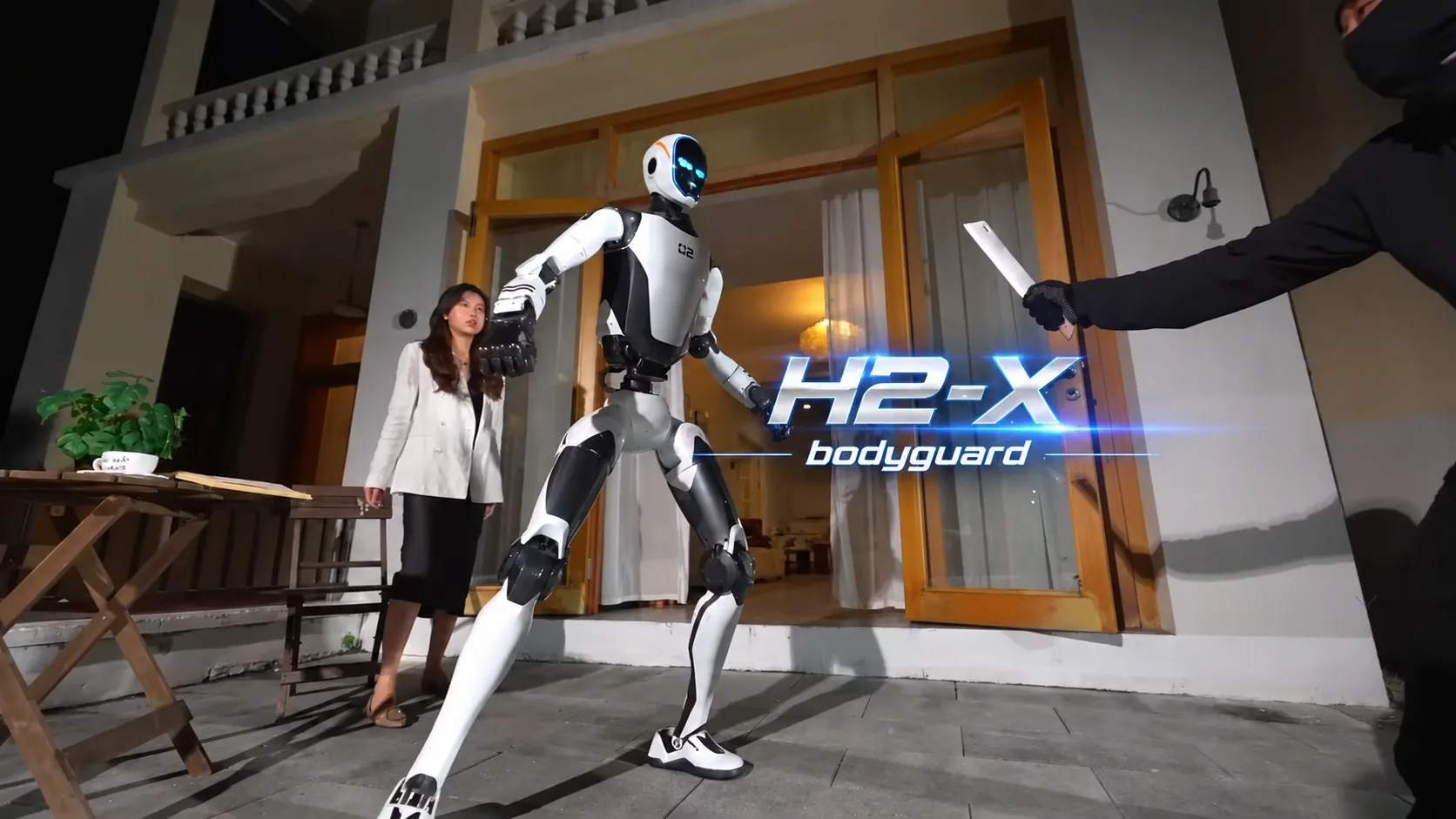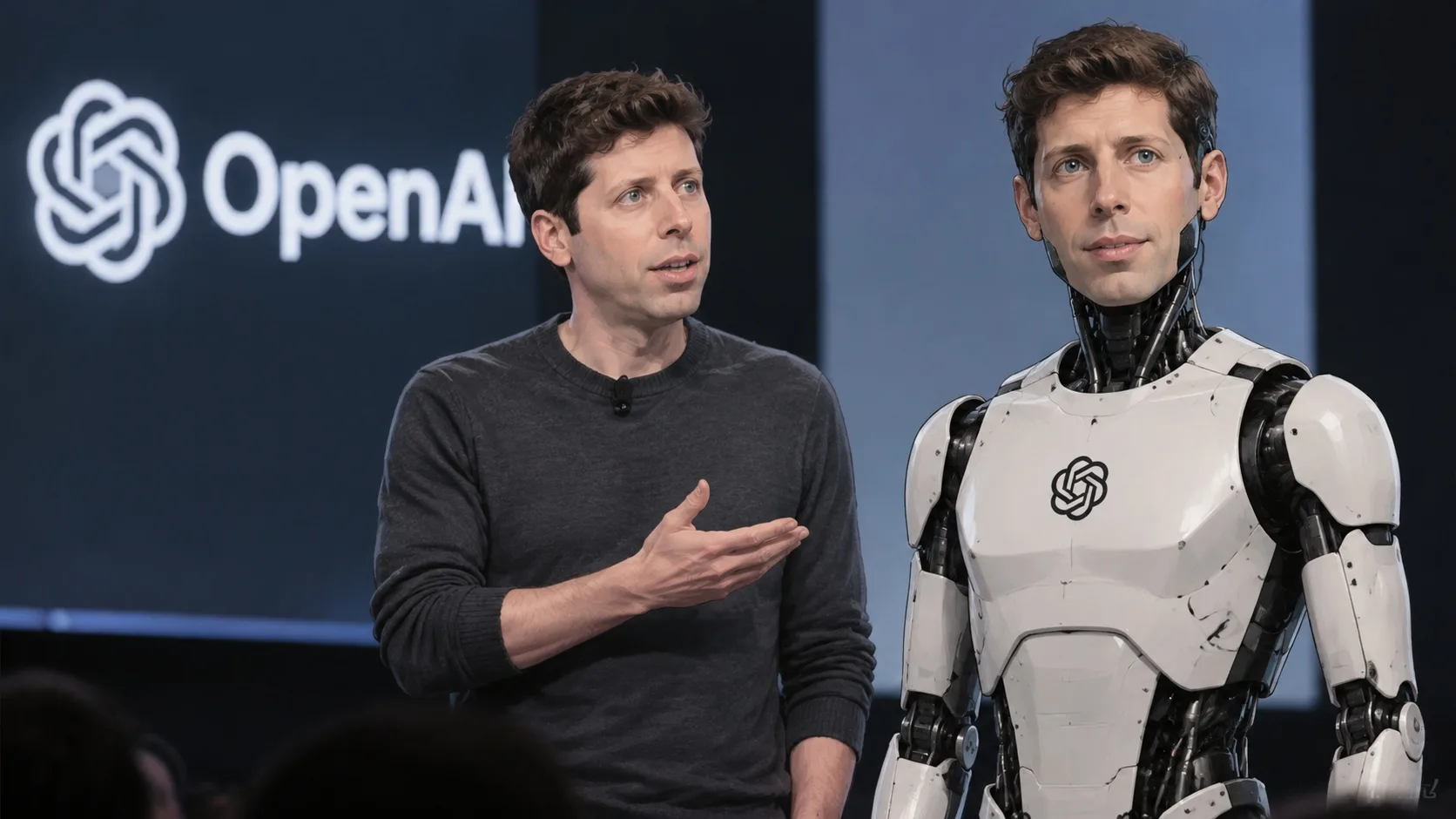
For many years, OpenAI supplied artificial intelligence that other robotics companies installed in their machines. Now it wants to build the body itself as well. Company CEO Sam Altman has confirmed for the first time that OpenAI is developing its own humanoid robot and even mentioned a date. He promises the first demonstration in 2027. At the same time, he admits that the hardest part will not be building the limbs, but teaching the machine what to do with them.
“We will definitely build a humanoid”
Altman discussed the plans in early September on the Sources podcast. When the host asked whether OpenAI would build humanoid machines, he replied that it definitely would, as well as robots of other shapes. Asked whether the company was aiming for a human form or rather practical devices for data centers, he answered that it was pursuing both.
Altman is not choosing the human form to make the robot look friendly. According to him, the world is largely built for people. Door handles, stairs, keyboards, kitchens, cars, and many factory machines are designed around the human body, its height, reach, and grip. Rather than rebuilding the entire environment, it therefore makes more sense to give the robot a shape that fits naturally into it.
The OpenAI CEO does not consider the machine’s eventual appearance particularly important. Far more important, he says, is developing the brain that will make the system actually work. After all, limbs are useless if the robot does not know how to use them.
A few days later, Altman added a timeline in an interview with Fortune. An impressive demonstration should arrive in 2027, but he says we will not see machines walking the streets until several years later. OpenAI has not disclosed exactly what the demonstration will show or when anyone outside the company will have access to it.
Households will have to wait
Anyone already imagining ChatGPT washing dishes at home will have to wait. Altman said that household robots are not currently a priority. In the first phase, OpenAI will focus on industry, particularly machines that will help skilled workers build and operate data centers. There, a robot does not necessarily need to have a human form, so specialized devices tailored to specific tasks will also be developed.
One of OpenAI’s job listings describes it similarly. The short-term goal is general-purpose robots that help professionals build infrastructure, while the long-term goal is personal assistants capable of handling a much wider range of tasks. Altman has previously said that he would like everyone to one day have their own robot to do the work they dislike. He believes the first million humanoids will still be built by people in conventional factories, but subsequent ones could be manufactured by the robots themselves.
Returning after six years
As early as 2017, OpenAI was researching how to transfer skills learned by a machine in a virtual environment into the real world. A year later, its Dactyl robotic hand was able to rotate cubes on its own, and in 2019 it solved a Rubik’s Cube. The hand did not learn the movements using real objects, but in a computer simulation where it could practice them over and over. Only then did it apply them in the real world.
Around 2020, however, OpenAI disbanded its specialized team because of a lack of training data. Language models learn from vast amounts of text on the internet, while image models learn from photos and videos. Motion data, however, is expensive and scarce. Every grasp or step in the real world is affected by friction, weight, and imprecision, so training progresses more slowly than with purely digital technologies. The company therefore shifted its focus to language models and released ChatGPT at the end of 2022.
A great deal has changed since then. Today’s systems understand text, images, video, and audio simultaneously, video generators are learning the physical behavior of objects, and simulations, synthetic data, and human teleoperation are improving rapidly. This has by no means solved the problem, but it has opened up new avenues.
The new division was officially announced at the end of May 2026. It grew out of the internal Worldsim project focused on simulating the world and is led by Aditya Ramesh, creator of the DALL-E image generator and head of the team behind Sora. The company therefore approaches machine control in a similar way to content generation: the model receives both a situation and a goal and must produce the correct sequence of movements.
A California warehouse as a data factory
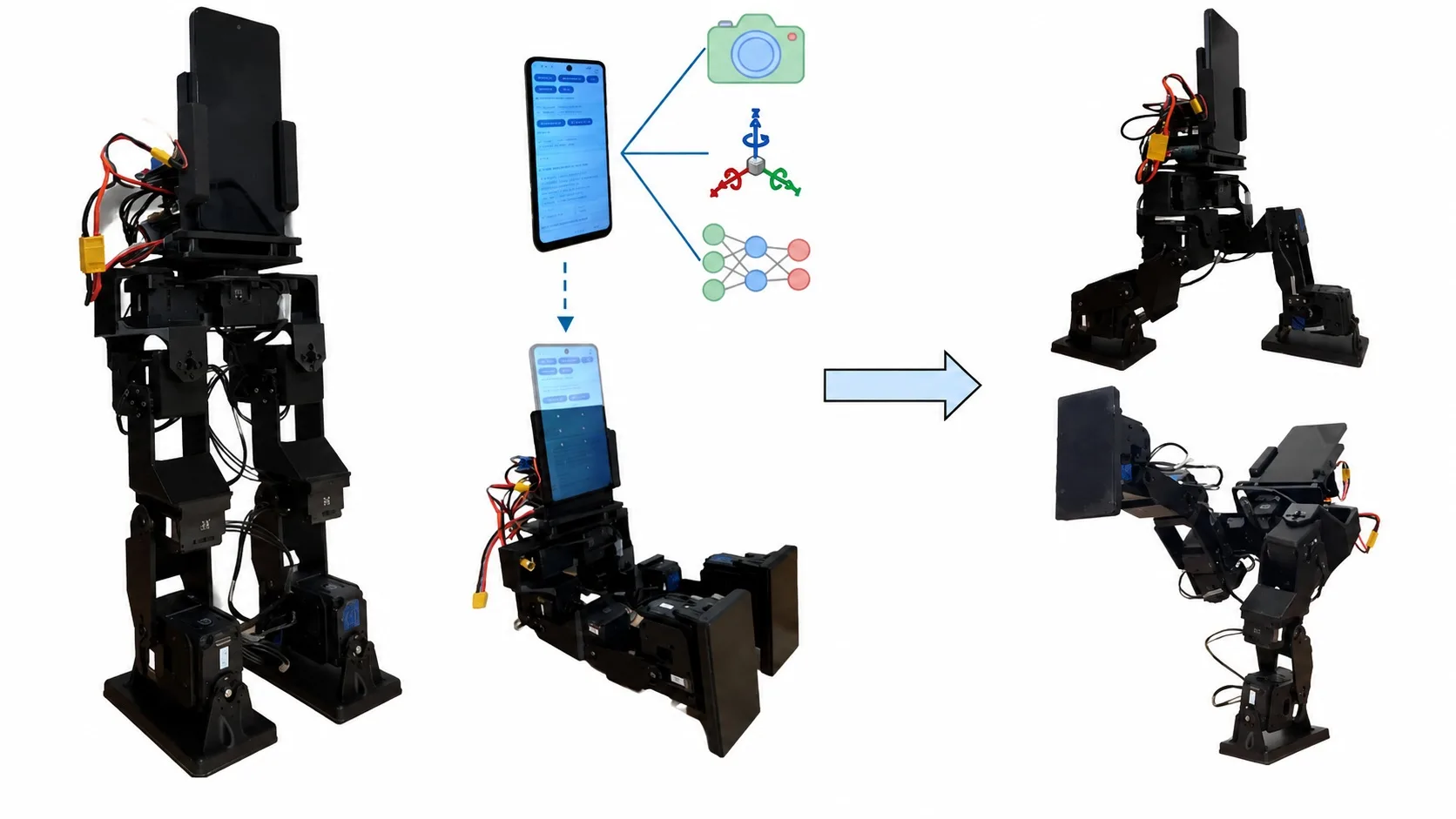
This time, OpenAI wants to obtain the missing data at scale. In March, it quietly leased a facility in Richmond, California, covering more than 18,000 square meters. Human operators use inexpensive controllers to guide mechanical structures through various tasks, and every movement is stored as a record of what the machine saw and did. As many as 76 workstations can operate there simultaneously, and the recorded demonstrations are used to train systems that combine vision, language, and movement.
The company is also improving simulations to narrow the gap between the virtual and real worlds. A robot trained on a computer often fails because of different lighting, surface friction, or sensor noise. No one has yet publicly confirmed whether Worldsim will be accurate enough for the fine motor tasks performed by human hands.
Building the body is the hardest part
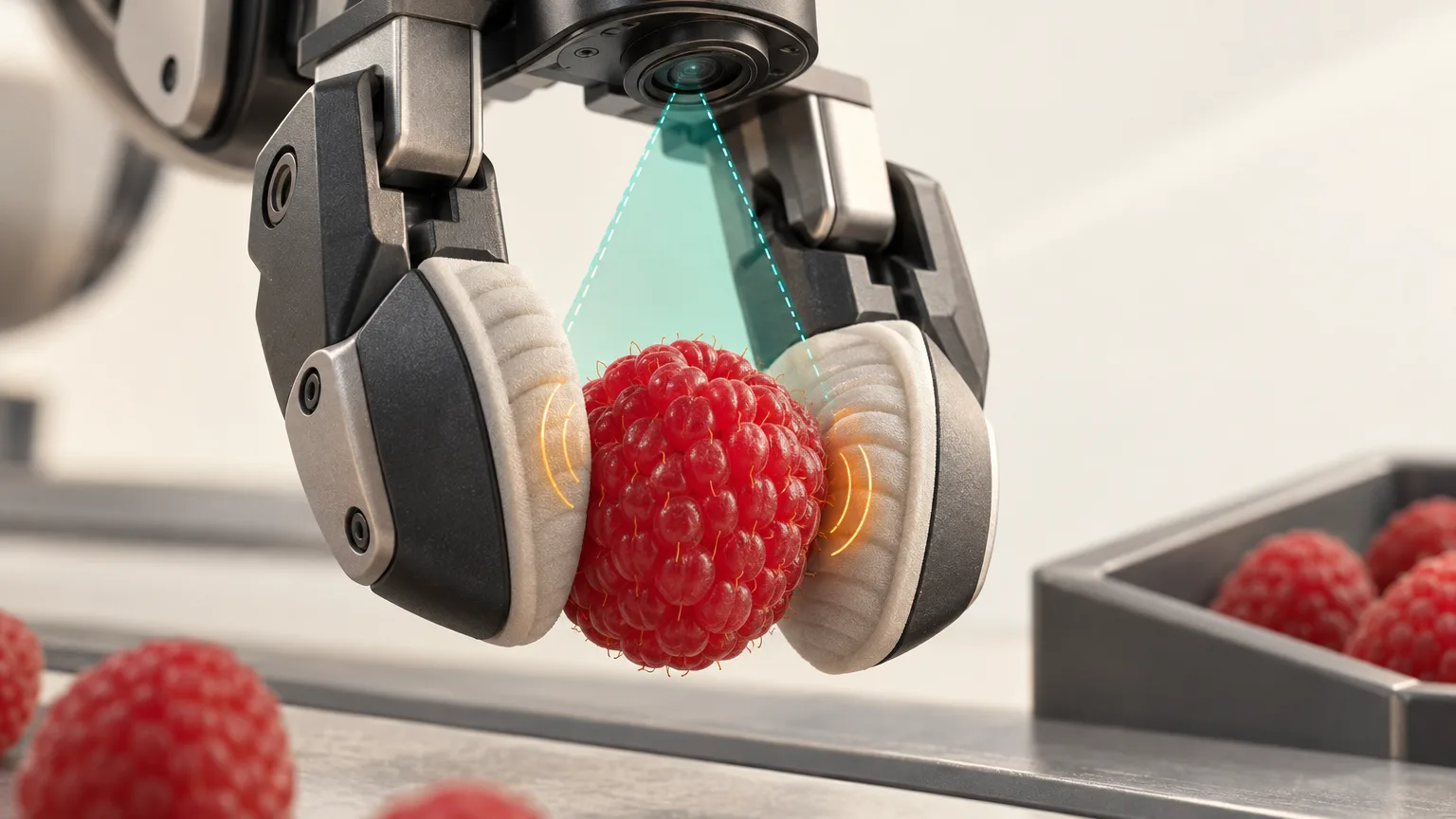
Saying that a robot needs a brain sounds simple. In reality, the device must understand what its cameras and sensors see, comprehend an instruction, decide on the best course of action, coordinate the movements of its entire body, and react when its surroundings present an unexpected challenge. When it needs to pick up a mug, it must recognize it, locate the handle, determine the proper grip, and apply exactly the right amount of force. Otherwise, the action will end with spilled coffee and a wet floor.
Although Altman emphasizes intelligence, OpenAI is certainly not underestimating the hardware. The company’s website lists 27 robotics job openings covering motion control, position estimation, actuator control, and the behavior of the entire machine. The company is looking for people to work on circuit design, sensors, firmware, manufacturing, and the supply chain. Some positions offer an annual salary of up to $445,000, plus equity in the company.
The listings indicate that OpenAI wants to develop its own actuators, including motors, gearboxes, sensors, and cooling, rather than buying ready-made components. According to industry analyses, these components account for 40 to 60 percent of a humanoid’s bill of materials, and their development takes two to four years. That may be enough for a demonstration in 2027, but not for mass production. Professor Guy Hoffman of Cornell University points out that the breadth of the job listings suggests the company is building its own team to design the complete machine, rather than merely adding physical accessories to its software.
The plans were not helped by the departure of Caitlin Kalinowski, who was responsible for robotics hardware at OpenAI. She left the company in March 2026 over concerns about cooperation with the Pentagon and the potential use of the technologies for surveillance or autonomous weapons. OpenAI has not disclosed who replaced her. It has likewise not yet revealed the robot’s name, appearance, specifications, price, or privacy rules, even though this will be far from a marginal issue for a device equipped with cameras and microphones.
Before embarking on its own development, OpenAI tried to enter the field through investments. In 2023, it led a $23.5 million funding round for the Norwegian company 1X, and a year later it participated in a funding round in which Figure raised $675 million. It also reached an agreement with Figure for its models to power the company’s robots. However, the partnership lasted only about a year; Figure ended it in February 2025 and opted for its own solution. OpenAI retained its stake in 1X.
Sources: engadget.com, techtimes.com and 36kr.com