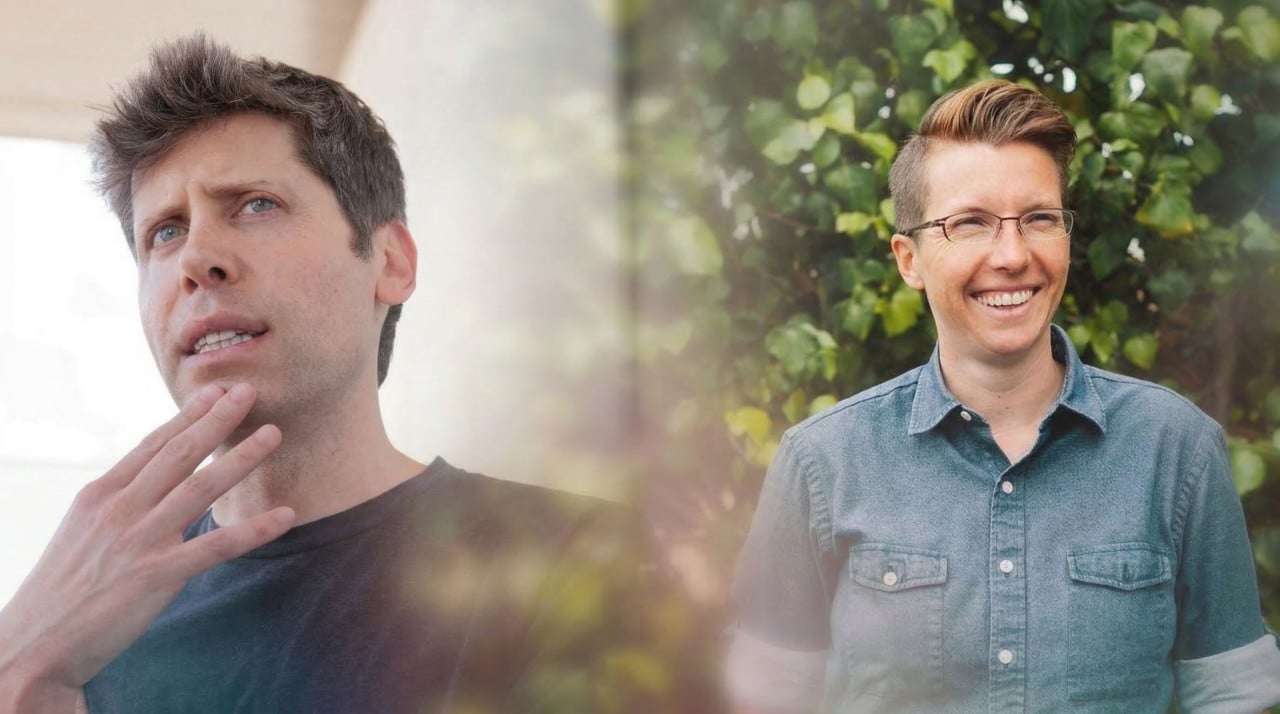
Caitlin Kalinowski, head of OpenAI’s hardware and robotics team, has announced her resignation. The reason? The company struck a deal with the U.S. Department of Defense without clearly defining security safeguards in advance. And Kalinowski simply could not remain silent about it.
The Pentagon Deal
OpenAI struck a deal with the Pentagon that allows its artificial intelligence models to be deployed in the U.S. military’s classified cloud networks. The company announced it quickly, without explaining in detail what specific safeguards would prevent the technology from being misused. And that was precisely the problem.
Kalinowski announced her departure directly on social media. She wrote on LinkedIn: “This wasn’t an easy decision. Artificial intelligence has an important role in national security. But surveillance of Americans without judicial oversight and lethal autonomy without human authorization are boundaries that deserved more consideration than they received.”
I resigned from OpenAI. I care deeply about the Robotics team and the work we built together. This wasn’t an easy call. AI has an important role in national security. But surveillance of Americans without judicial oversight and lethal autonomy without human authorization are…
— Caitlin Kalinowski (@kalinowski007) March 7, 2026
She later clarified on X that her objection was not directed at any specific individuals. “My objection is that the announcement was rushed before safeguards had been defined. This is primarily a question of governance. These matters are too important for deals to be struck in haste.”
Who Is Caitlin Kalinowski?
She is no rank-and-file employee. Kalinowski joined OpenAI in November 2024 from Meta, where she led hardware development for the Orion augmented reality glasses. At OpenAI, she built the robotics team from the ground up, hired staff, and shaped the direction of physical artificial intelligence. Leaving after less than a year and a half? It must have been a truly difficult decision.
Nevertheless, she emphasized that she was leaving on principle, not because of the people. “I deeply respect Sam and the entire team, and I am proud of what we built together,” she wrote, referring to CEO Sam Altman.
Anthropic vs. the Pentagon
To understand why OpenAI struck the deal so quickly, we need to go back a few days. The Pentagon had originally been negotiating with rival company Anthropic. But Anthropic refused to sign a contract without clear safeguards ensuring that its technology would not be used for mass surveillance of the population or for fully autonomous weapons. The Pentagon responded harshly: it designated Anthropic a supply-chain security risk. Anthropic decided to challenge the designation in court.
OpenAI then entered the picture and struck a deal with the Pentagon almost immediately. The company claims that the contract includes technical safeguards and clear “red lines”: no domestic surveillance and no autonomous weapons. But it was precisely the speed of the entire process that sparked a wave of criticism within the company.
OpenAI Users Leave
The scandal did not remain confined to the technology world’s backrooms. Uninstallations of the ChatGPT app rose by 295% as news of the Pentagon deal spread. Anthropic’s rival Claude surged to first place in the U.S. App Store. As late as Saturday afternoon, Claude and ChatGPT were trading first and second place in the ranking of the most downloaded free apps. This can be read as a clear message: some users do not want their favorite chatbot serving the military without clearly established rules.
The company responded cautiously but firmly. “We believe our agreement with the Pentagon creates a viable path for the responsible use of artificial intelligence in national security while clearly defining our red lines: no domestic surveillance and no autonomous weapons,” an OpenAI spokesperson said.
At the same time, the company acknowledged that people have strong views on the issue and promised to continue discussions with employees, the government, and society. But words are one thing and actions another. Kalinowski left. And with her departure came a clear signal that there are serious doubts within OpenAI about how the company handles ethical issues.
What Happens Next?
Kalinowski indicated that she would remain in the field. “I’m taking a little time, but I remain highly focused on building responsible physical artificial intelligence,” she wrote. Where she will land next remains unclear.
However, the entire case raises a much bigger question: Can OpenAI maintain the trust of its employees and users if it strikes military deals without sufficient transparency? The resignation of one executive may not break the company. But if others follow her, it will be a much bigger problem for OpenAI than any decline in the App Store.