

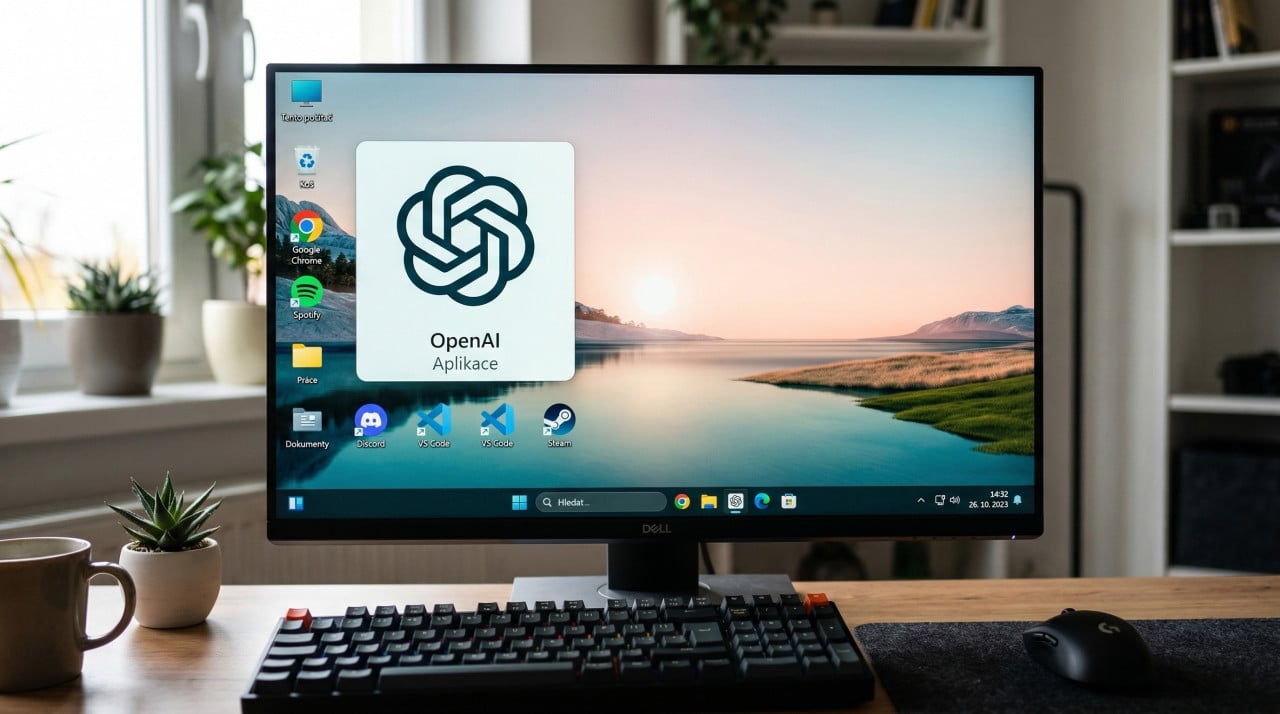
OpenAI has been churning out one product after another in recent months. The ChatGPT chatbot, the Codex coding tool, its own Atlas browser. Each separate, each with its own team, each fighting for attention. And now comes a major shift. OpenAI is preparing a desktop superapp that will merge ChatGPT, Codex, and the Atlas browser into a single application. It is the biggest product change the company has planned since its meteoric rise in 2022.
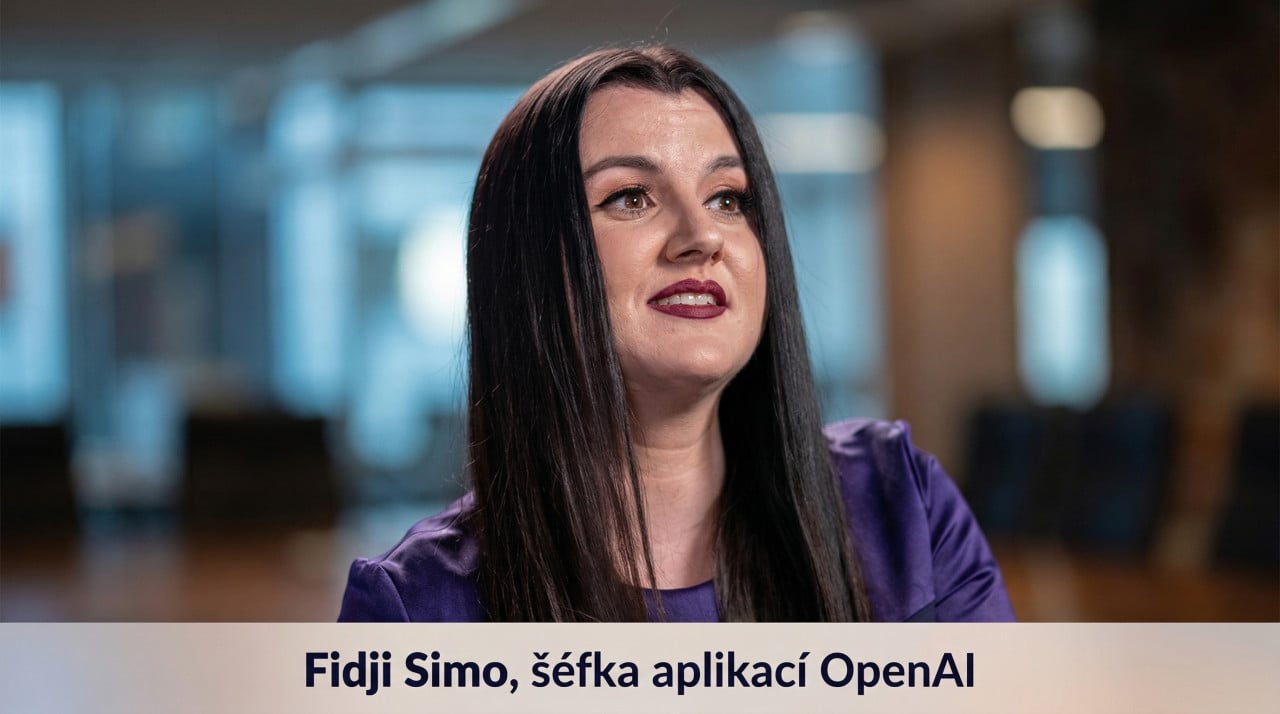
The move is being spearheaded by Fidji Simo, OpenAI's head of applications, who joined from Instacart in May last year. It was she who called an internal meeting where she told employees something rarely said out loud in Silicon Valley: "We realized that we had spread our efforts across too many applications. This fragmentation was slowing us down and making it harder to achieve the level of quality we want."
In an internal message to employees, Simo put it even more bluntly. She warned against "side quests" and urged the team to focus on what actually works. And what works? Codex. In a short time, the coding tool has attracted more than two million weekly active users and has become the natural core around which the new superapp will be built.
What will the app look like?
The plan is clear: Codex will be the foundation, ChatGPT the conversational layer, and Atlas the window to the web. Everything under one roof, without switching between applications or losing context. OpenAI wants to build so-called "agentic" capabilities into the superapp. Simply put, artificial intelligence will not just answer questions; it will work independently on your computer. Writing code, analyzing data, browsing the web, completing tasks. Without you having to manage every step manually.
The Atlas browser is not something that appeared just last week. OpenAI launched it for macOS back in October 2025 and has been quietly developing it ever since. Windows support is still missing, which is one reason experts estimate that the superapp's launch will not be a matter of weeks. Prediction markets put the chance of it launching by May 1, 2026, at 49%.
Pressure from Anthropic
It would be naive to think that OpenAI is taking this step entirely on its own initiative. The decision is also driven by a very specific threat called Anthropic. The company has recently been gaining ground particularly among developers, mainly thanks to its Claude Code tool, which has become enormously popular. OpenAI feels that it is losing ground precisely where it does not want to: among programmers and enterprise customers.
Simo made it clear at the internal meeting. OpenAI is "aggressively pivoting" toward highly productive uses of artificial intelligence. In plain English: fewer experiments, more results. Fewer applications, more focus.
When will the superapp arrive?
One thing is certain: the mobile version of ChatGPT will remain unchanged. The superapp is strictly a desktop product, aimed primarily at developers and enterprise users. People who use ChatGPT on their phones for everyday questions will not notice any change.
The company has not yet announced an exact launch date. Insiders speak of the "coming months." Meanwhile, OpenAI is preparing for a potential initial public offering that could take place later this year.
Sources: wsj.com, theverge.com and pcmag.com


