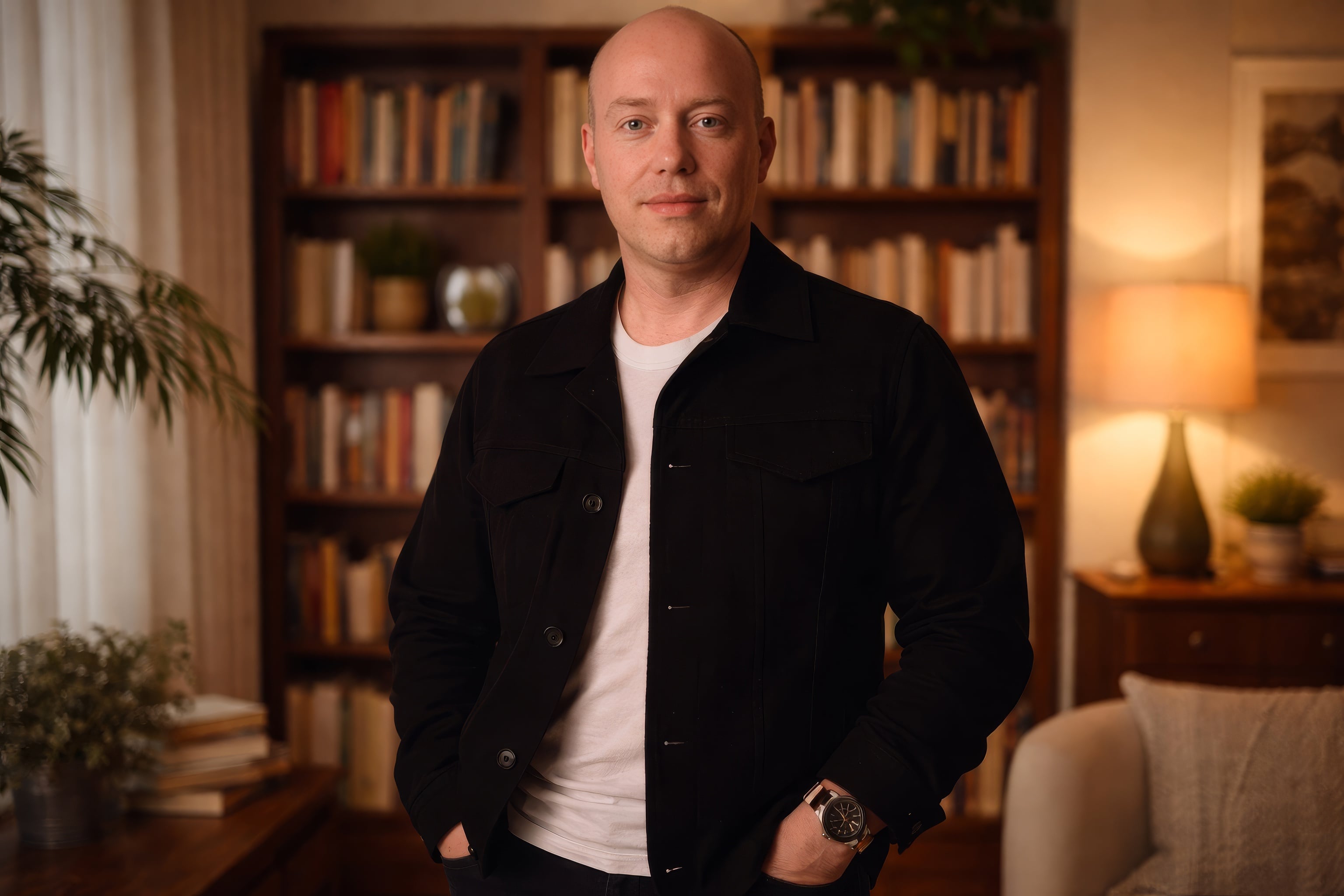
He was the one who convinced Beyoncé to release her album exclusively on Instagram in 2013. He organized celebrity portraits at the Met Gala and the Vanity Fair party after the Oscars. And in 2016, he brought Pope Francis himself to Instagram—and as he recalls, Francis took his hands on that occasion and asked him to pray for him. Now Charles Porch is heading to OpenAI.
The news immediately attracted attention across the industry. OpenAI poached Porch from Meta, where he spent more than 15 years building relationships with the world’s most exclusive clientele—musicians, actors, fashion designers, and athletes. His new role at OpenAI? Vice President of Global Creative Partnerships—a position that had never before existed at OpenAI.
Why Does OpenAI Need This Position?
The answer is simple, though somewhat bitter. Hollywood does not like OpenAI, not one bit. Vince Gilligan, the creator of Breaking Bad, called generative AI “harmful to human creativity”. James Cameron called it “terrifying”. Guillermo del Toro declared that he would rather die than use it. Cate Blanchett sees it as “incredibly destructive” to the entertainment industry. That is hardly a welcoming environment for a company that wants to work with Hollywood.
And yet OpenAI wants that cooperation more than ever. The Sora model—a tool for video generation—needs content, licenses, and recognizable faces. It will not work without celebrities, studios, and the trust of the creative community. CEO Sam Altman attended Oscar parties in 2024, while COO Brad Lightcap made the rounds of studios and agencies. The result? Minimal. Lightcap himself admitted that the problem was a lack of “mutual trust”.
The Man Who Knows Everyone—and Everyone Knows Him
This is where Porch comes in. He is not a technologist. He is not a lobbyist. He is someone who can sit in a room with Harry Styles, Mariska Hargitay, or Maye Musk—all of whom were guests at his wedding in France last summer—and naturally persuade them that a new technology is worth their time. It worked perfectly at Instagram. Porch helped the platform become a cultural phenomenon by bringing in celebrities who might otherwise have ignored social media. Now he has been given the same task, only with far greater ambition.
“I’ll be the person talking to creative communities around the world and figuring out how to build the best products for them,” Porch told Vanity Fair. His first step in spring 2026? A major “listening tour”—meetings with artists, actors, musicians, and creators to find out where they stand on AI, what they fear, and what they expect from it.
Porch will report directly to Fidji Simo, CEO of Applications at OpenAI. She says of him: “Charles has dedicated his career to bringing technology and culture closer together. At OpenAI, he will partner with creative communities to shape the next generation of AI tools.”
Billion-Dollar Deals Are Not Enough. You Need Celebrities
Meanwhile, OpenAI has not been idle on the business front either. In December 2025, it signed a billion-dollar deal with Disney—a three-year license allowing Sora to generate content featuring characters from Disney, Marvel, Pixar, and Star Wars. Lionsgate and AMC, meanwhile, have allowed their catalogs to be used to train Runway’s AI model.
But contracts with studios are one thing. Winning the hearts and minds of celebrities is something else entirely. And it is celebrities who hold the cultural capital that cannot be built in Silicon Valley. When Cate Blanchett says AI is “destructive,” people listen. Conversely, when Matthew McConaughey or Gwyneth Paltrow license their voices to AI companies such as ElevenLabs or Speechify, they send the opposite signal—that cooperation is possible if the right conditions are in place.
The contracts won by actors and screenwriters during the 2023 strikes expire this summer. AI negotiations will be back on the table. And OpenAI needs to be there as a partner, not an enemy.
Human Charm as a Weapon
There is a beautiful irony in this. A company built on automation and artificial intelligence is betting on something no algorithm can replace—human relationships, trust, and the ability to listen. Porch describes himself as a “translator” between the creative world and a Silicon Valley technology startup.
Before Meta, he worked for Warner Bros. Records and Marc Andreessen’s social network Ning, where he persuaded artists to use early internet tools for promotion. His entire career has essentially been one long bridge between technology and culture.
The question is: can this bridge bear the weight of one of the greatest conflicts of our time—the clash between artificial intelligence and human creativity? Porch believes it can. Hollywood is still waiting. And so are we.
Additional source: hollywoodreporter.com