

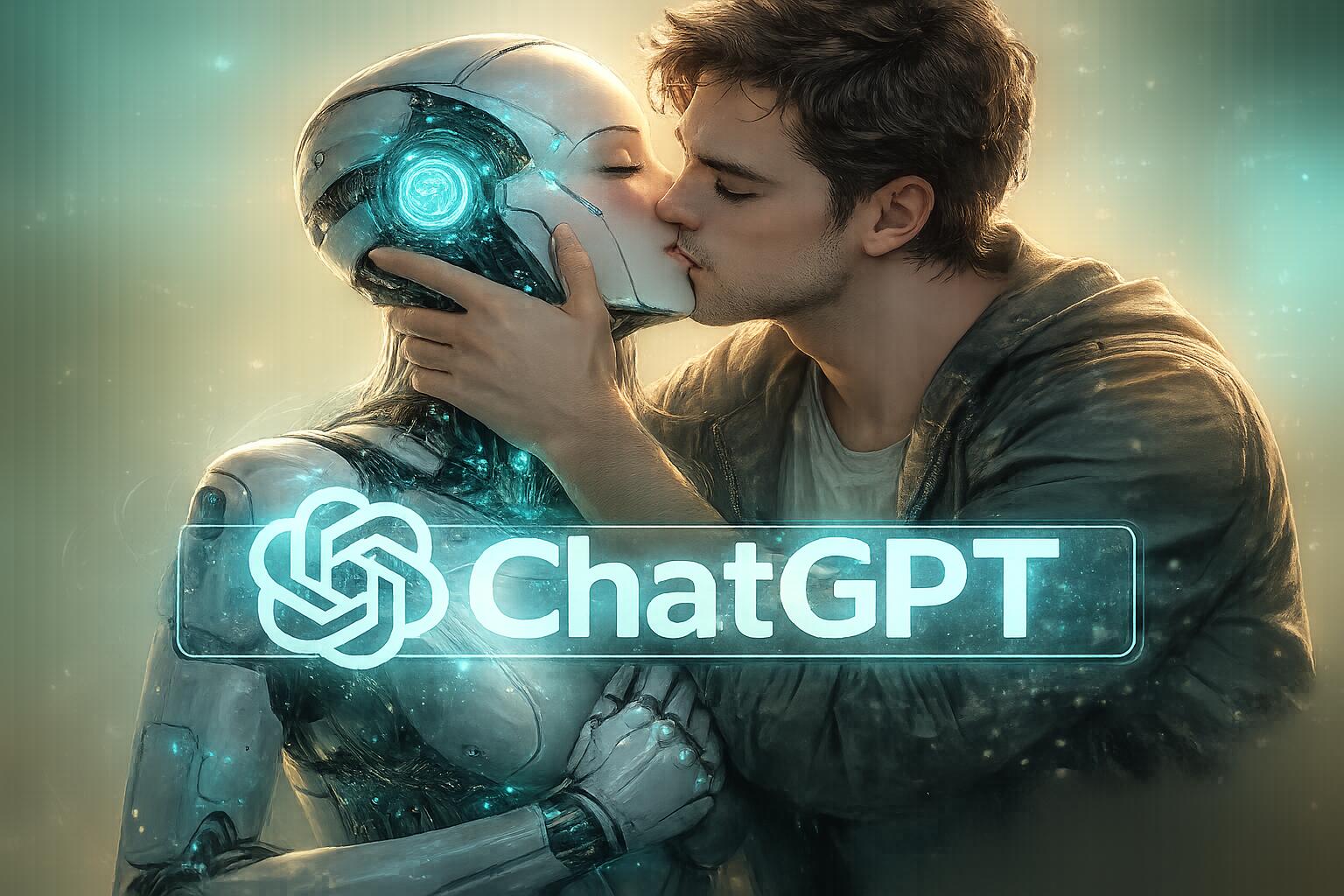
OpenAI recently unveiled its latest artificial intelligence model, GPT-5.2. This model performs well in various tests, but one thing remained unclear—how open it would be to adult topics. Fidji Simo, who leads the applications division at OpenAI, told reporters that a so-called "adult mode" will appear in ChatGPT during the first quarter of 2026. This means that users above a certain age will gain access to less restricted content, including erotica, as company CEO Sam Altman said earlier this year.
The whole issue gained momentum after the update to GPT-5, when some users began complaining that the chatbot had lost its personality—as if it had undergone some kind of "lobotomy." Sam Altman responded to this in October and acknowledged that the company had restricted the chatbot's behavior due to concerns about users' mental health. The reason was a lawsuit filed by the parents of a sixteen-year-old boy who asked ChatGPT for advice on how to tie a noose and subsequently died by suicide. OpenAI responded with new parental controls and a system that estimates the user's age and filters content accordingly. A safer version is now available for younger people, protecting them from inappropriate topics.
How will age verification work?
The key to adult mode is age verification technology, which OpenAI is still testing. Fidji Simo explained that the company wants to ensure that the system correctly identifies teenagers and does not allow them to access adult content. At the same time, adults must not be mistakenly placed in the child-friendly version. According to a report from The Verge, this means that OpenAI is carefully fine-tuning the mechanism to make it reliable. Once it is ready, adult users will have more freedom in their conversations with the chatbot.
Potential risks of relationships with AI
Sam Altman originally promised that adult mode would allow the creation of erotica, which caused quite a stir. He later clarified this, saying that the main goal was to allow the chatbot to develop its own "personality" during conversations with users. This means that conversations will be more personalized and less restricted, without the strict limitations that apply to younger users. Adults should be able to realize that they are talking to a robot, not a human, but a study published this year in the Journal of Social and Personal Relationships found that people who form an emotional attachment to a chatbot often experience greater psychological distress.
Although adults may have better judgment than children, concerns still remain. Other research suggests that people with fewer real-life relationships are more likely to confide in chatbots. OpenAI itself has previously acknowledged that some users are at risk of becoming emotionally dependent on ChatGPT. The idea that adults can simply choose whether they want this kind of interaction seems somewhat risky because we still do not know much about this technology. For example, a study published in the journal Computers in Human Behavior showed that such attachments can lead to greater isolation. OpenAI views it as a choice for adults, but the question is whether it will actually improve safety, since everyone is the architect of their own happiness.
Source: gizmodo.com


