

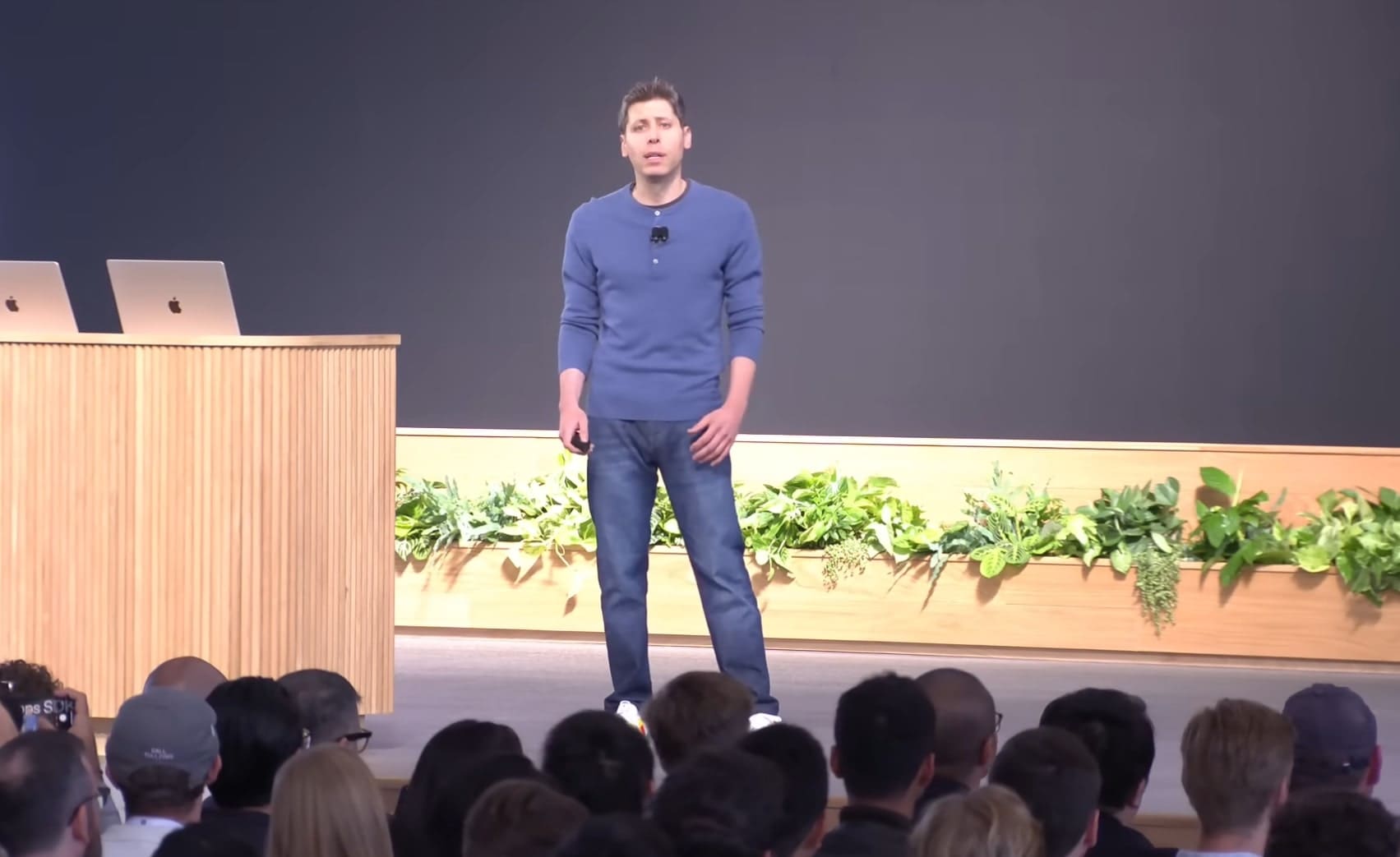
On Monday, OpenAI unveiled new features that allow users to access external apps directly through ChatGPT. These apps include Spotify for music. This change gives ChatGPT the potential to become a so-called super app, where people can accomplish many tasks without having to leave the interface. Imagine searching for a place to live or creating a playlist in a single chat—all in one place, without switching between apps.
The entire presentation took place at the company’s developer event, which OpenAI streamed online. During the presentation, the company discussed not only these integrations but also other tools. For example, OpenAI demonstrated software that helps companies create AI agents capable of performing virtual actions. This also includes tools for evaluating these agents’ capabilities and blocking inappropriate content to keep everything safe.
Previous plugins
This new feature has not come entirely out of the blue. OpenAI previously launched a similar feature called ChatGPT plugins in March 2023. These plugins made it possible to extend its functionality, but they soon ran into limitations—OpenAI discontinued them in April 2024. The main problem was that they were largely limited to text-based interactions, which restricted their practical use.
Now comes an improved version that goes further. The new external app integrations are designed to handle various types of media, not just text. For example, they support virtual maps, opening the door to more interactive experiences. Users can therefore work with richer content, such as data visualizations or multimedia elements, directly within a conversation with ChatGPT.
How it works in practice
Let’s imagine a specific situation: want to listen to music? Simply mention Spotify in ChatGPT and ask it to create a playlist. The same applies to Zillow—you can search for properties, view details, and perhaps even explore maps virtually without having to open a separate app. OpenAI designed it to be intuitive and seamless, emphasizing that everything remains within a single platform.
From a developer’s perspective, OpenAI has provided tools that make it easier to create these AI agents. These agents can simulate actions in a digital environment, which means companies can automate complex processes. This also includes a monitoring system that evaluates how the agents perform and ensures they avoid inappropriate material.
Source: theinformation.com


