

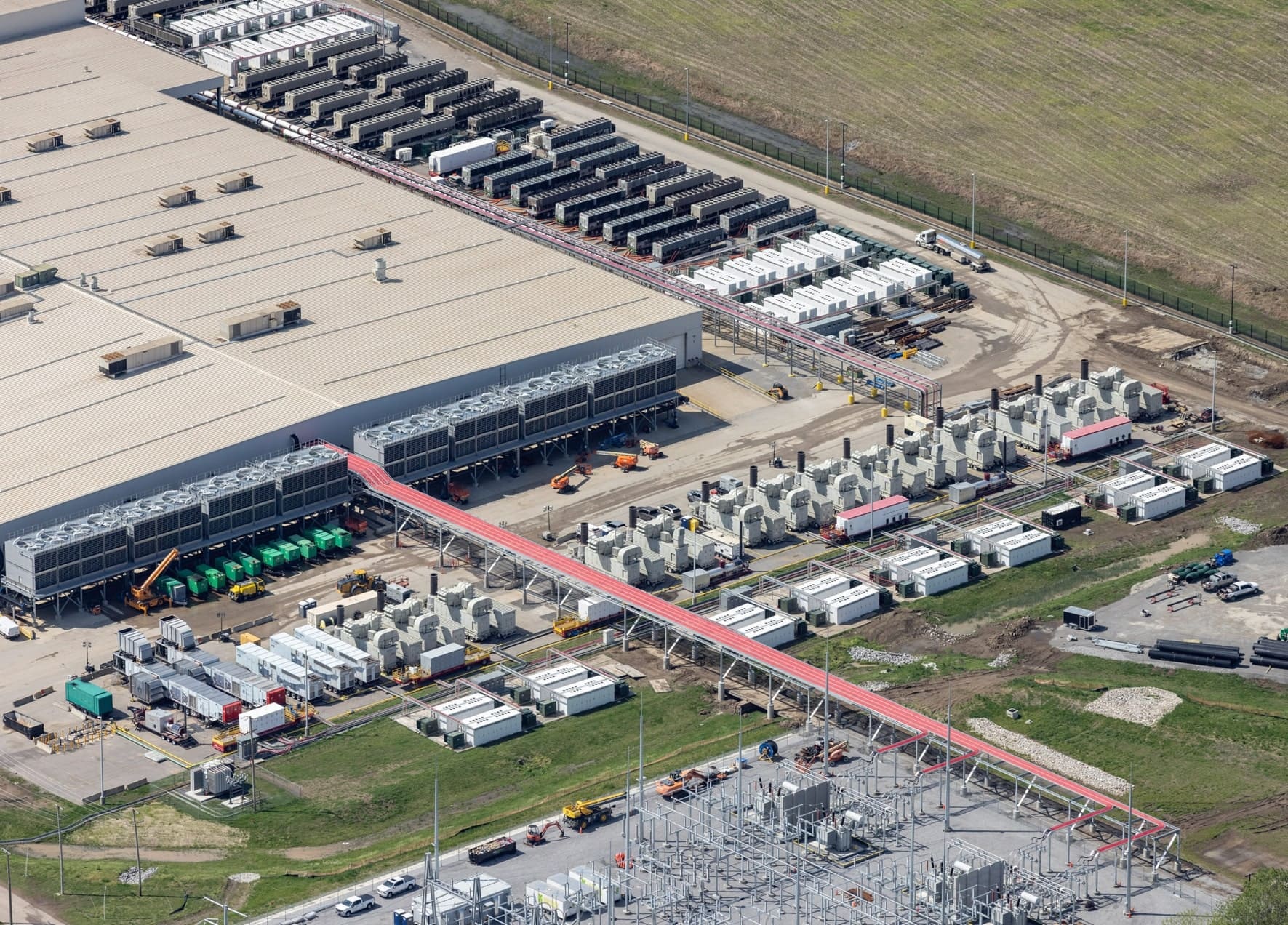
Elon Musk has decided to bet everything on artificial intelligence, and he chose Memphis, Tennessee, as the place to do it. His company xAI built a massive data center there called Colossus, which he says is the largest supercomputer in the world. The complex contains more than 200,000 chips from Nvidia and is used to train his AI Grok. Work began in an abandoned factory formerly occupied by Electrolux, and the entire project took just 122 days. Musk himself came to Memphis in the summer of 2024 to help with the wiring, ensuring that the chips could process enormous amounts of data simultaneously.
An even larger Colossus 2, which will have up to 550,000 chips, is now nearing completion. The total cost of the project runs into the tens of billions of dollars—Musk needs at least $18 billion for additional chips alone. xAI has already raised $10 billion (230 billion Czech korunas) through debt and equity. Musk even persuaded his company SpaceX to contribute $2 billion (46 billion Czech korunas). According to Dylan Patel of SemiAnalysis, Musk is determined not to let Sam Altman overtake him at OpenAI.
Energy demands
xAI's data centers consume enormous amounts of electricity—Colossus 2 will require more than one gigawatt, enough to power 800,000 homes. The local utility, Memphis Light, Gas and Water, could provide only part of the required energy, so xAI installed 35 gas turbines generating 420 megawatts. However, these turbines have sparked controversy over pollution—they emit nitrogen oxides and other substances, and according to a letter from the Southern Environmental Law Center, they should have permits, which xAI initially did not obtain because it considered them temporary.
Nearby residents, such as Batsell Booker, a 65-year-old retired firefighter from a neighboring community, report the smell of gas and concerns about cancer or respiratory problems. Booker says Memphis is desperate for investment, but companies often promise the world and then disappoint. xAI counters that it is building a wastewater recycling facility that will reduce the strain on local water resources and has donated money to schools and city cleanup efforts. According to Bill Dunavant III of the local chamber of commerce, xAI has become the second-largest taxpayer after FedEx.
Plans across state lines
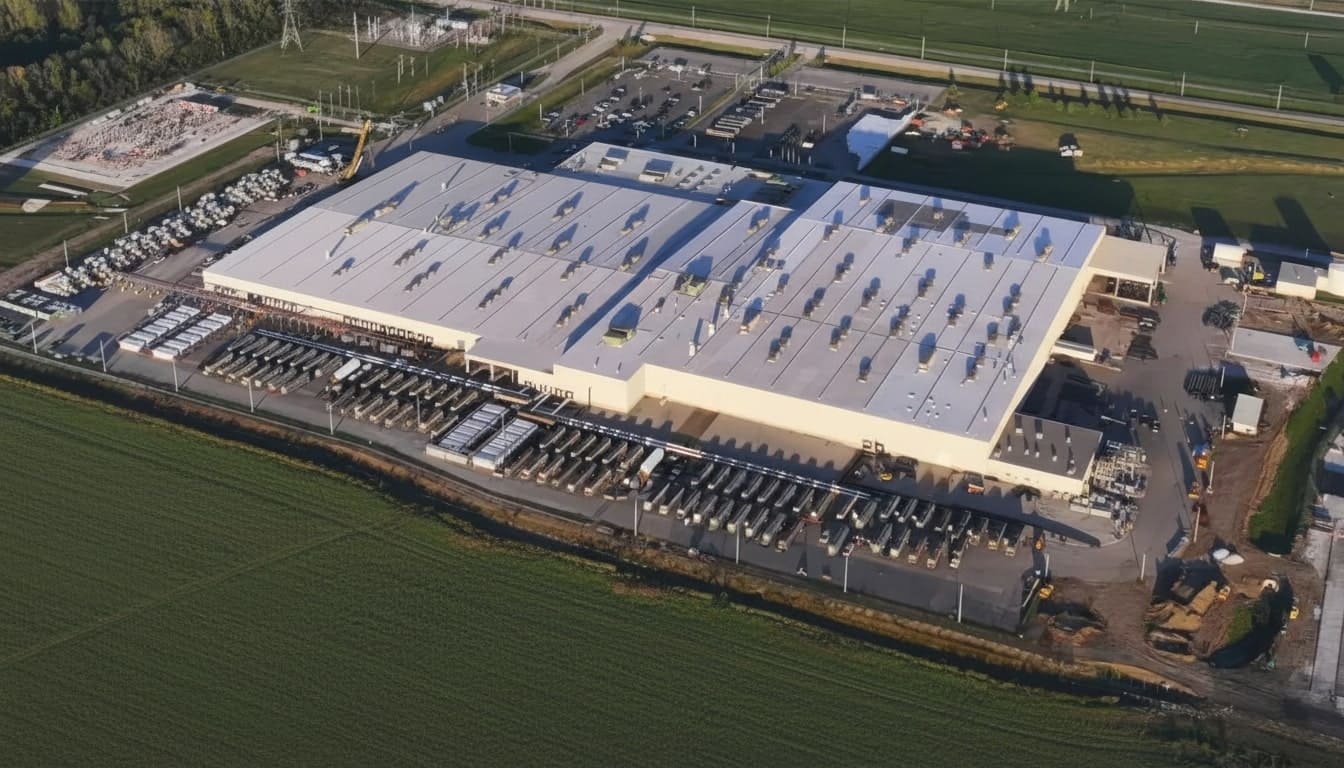
The project is expanding across the border into Mississippi, where xAI is building a new power plant on 114 acres of land covered with tupelo trees. Engineering plans include transmission lines connecting the power plant to the data center in Tennessee. Musk plans to import an entire power plant from abroad to ensure a stable supply. Seven turbines are already operating without permits in Southaven, Mississippi, but local authorities approved them as a temporary solution, with plans for 41 permanent turbines generating more than one gigawatt.
Local officials in Memphis promise that 25 percent of the tax revenue from xAI will go to surrounding communities. Air quality tests from June 2025 showed that pollution was below safe limits. Nevertheless, critics such as Amanda Garcia of the Southern Environmental Law Center warn that it is an unpermitted power plant. Musk sees all of this as a path to dominance in AI—according to him, the technology will develop to the point where it uses most of the Sun's energy and eventually that of the galaxy.
The ongoing battle in the AI race
Musk founded xAI in 2023 after leaving OpenAI, which he co-founded with Sam Altman. The conflict arose when Musk wanted to merge OpenAI with Tesla. Now xAI trains Grok on data from the X platform (formerly Twitter), which Musk bought in 2022. This year, Grok outperformed models from OpenAI and Google in Ph.D.-level tests, but it also faced criticism for inappropriate comments on social media.
Nvidia CEO Jensen Huang praised Musk for the speed with which Colossus was built. xAI is seeking additional financing, including $12 billion (276 billion Czech korunas) in chip leasing and a possible contribution from Tesla. In Memphis, once a thriving center of the cotton industry, people such as Ted Townsend of the chamber of commerce see an opportunity for economic growth—Musk promises investments of $40 billion to $50 billion (920 billion to 1.15 trillion Czech korunas). The city, which suffered from globalization, is now balancing hope against risk.
Source: wsj.com


