

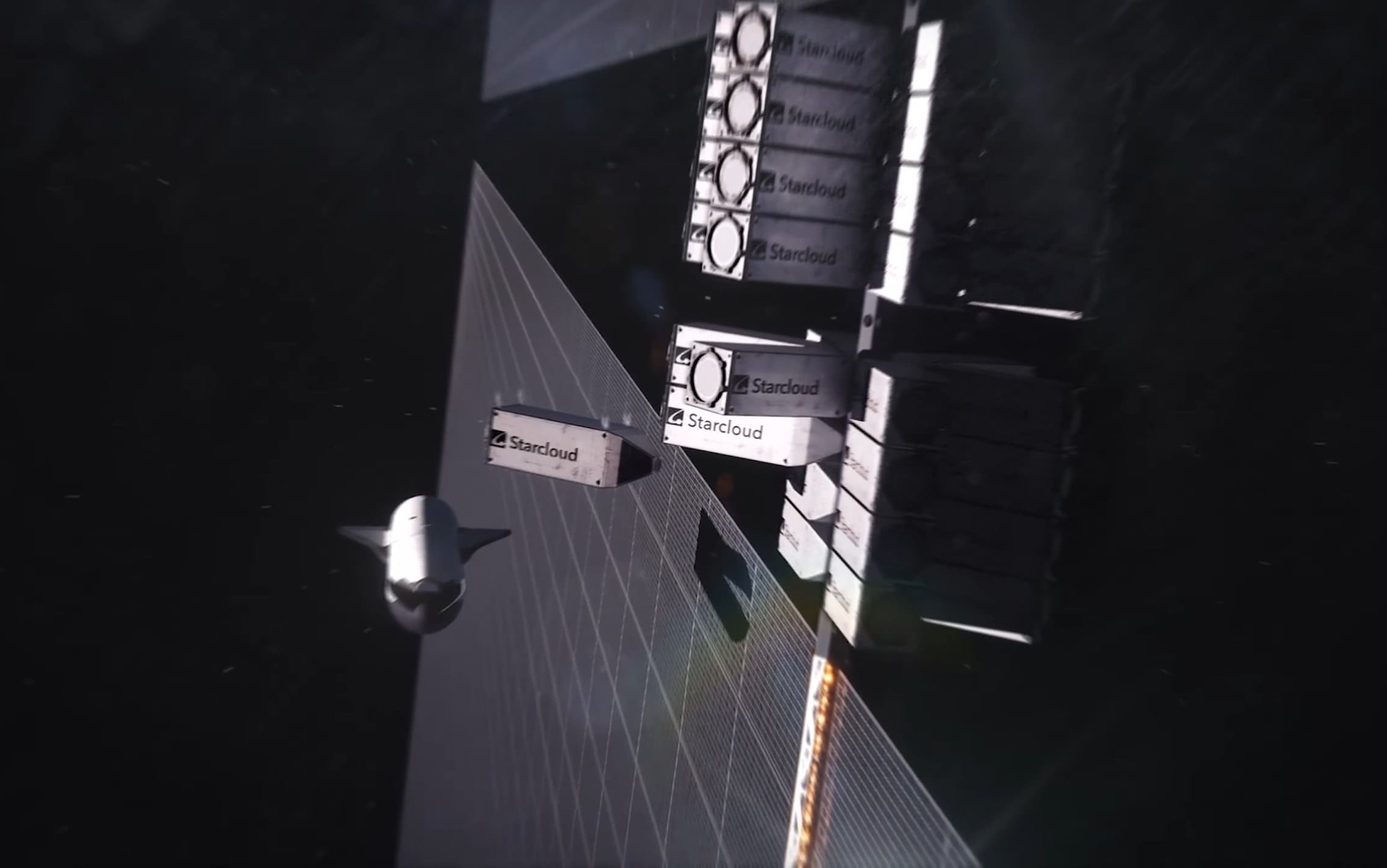
Starcloud, a member of the NVIDIA Inception program for startups, is preparing to launch the Starcloud-1 satellite in November 2025. This satellite, the size of a small refrigerator and weighing 60 kilograms, will carry an NVIDIA H100 graphics processor. This will be the first time such a powerful data center chip has been sent into space. According to Philip Johnston, co-founder and CEO of Redmond, Washington-based Starcloud, the satellite will offer up to 100x more computing power than any previous space operation.
The satellite will be equipped with large solar panels that will provide an unlimited supply of energy from the sun. On Earth, data centers often consume enormous amounts of electricity and water for cooling, but things will be different in space. Starcloud plans to use the vacuum as an infinite heat sink through infrared radiation. This means that no water will be needed for evaporative cooling, conserving resources on Earth.
Solar energy and cooling in space
In space, there is access to an almost infinite supply of renewable energy from the sun, with no need for batteries or backup power sources. Philip Johnston explains that the only environmental costs will be associated with the rocket launch. After that, the facility will generate 10x fewer carbon dioxide emissions than terrestrial data centers over its entire lifespan. Starcloud estimates that energy costs in space will be 10x lower than on Earth, even when launch expenses are included.
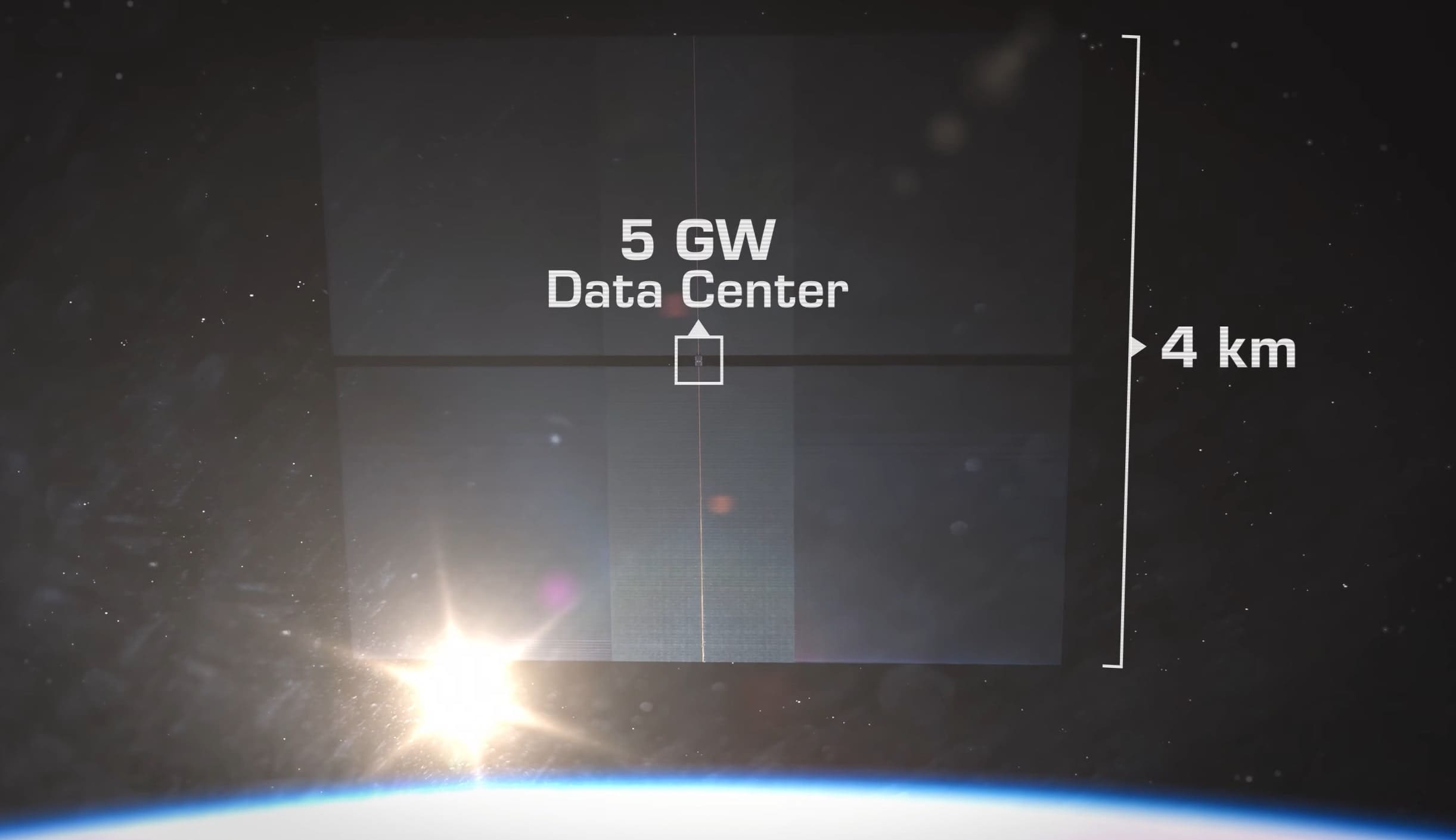
The Starcloud team, including co-founders Ezra Feilden, Philip Johnston, and Adi Oltean, is working on a 5-gigawatt orbital data center. Its solar and cooling panels are expected to measure approximately 4 kilometers in both width and length. The Starcloud-1 satellite will orbit along the boundary between day and night, ensuring constant access to sunlight.
Applications of the space data center
One of the first applications of space-based data centers will be analyzing Earth observation data. This includes optical imaging with cameras, hyperspectral imaging using wavelengths beyond human vision, and synthetic aperture radar (SAR) for creating highly detailed 3D maps. SAR produces up to 10 gigabytes of data per second, so processing it directly in space will deliver results faster.
This will reduce response times for critical applications such as fire detection or emergency signal response. Instead of hours, it will take only minutes. Starcloud plans to run Google's open Gemma model in orbit on H100 processors, demonstrating that even large language models can operate in space.
The future with NVIDIA Blackwell
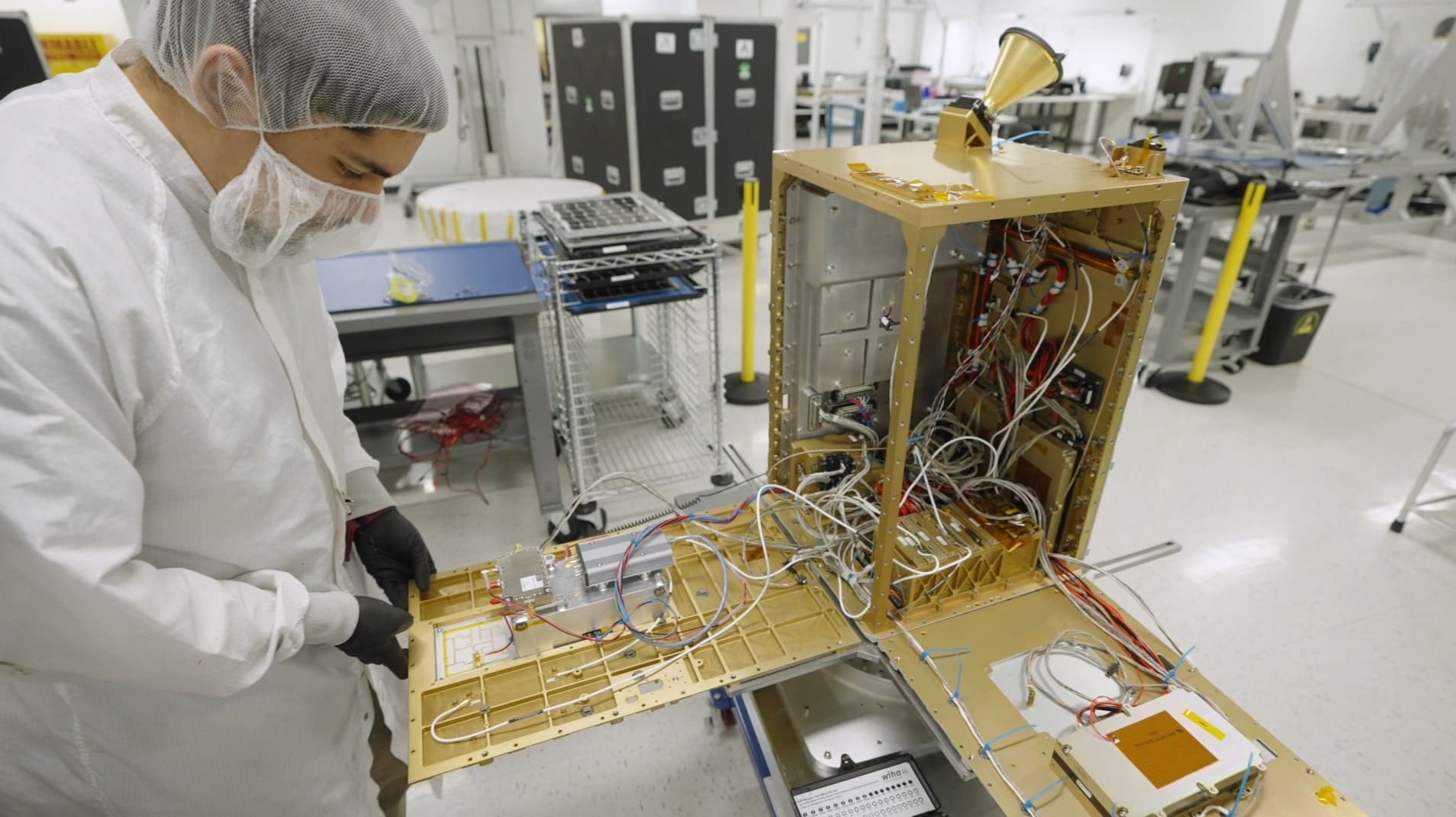
Starcloud uses the NVIDIA H100 because of its performance in training, fine-tuning, and inference. Philip Johnston emphasizes that membership in the NVIDIA Inception program has provided technical support and access to experts and hardware. For future launches, the company is considering the NVIDIA Blackwell platform, which could deliver up to 10x better performance than the NVIDIA Hopper architecture.
Starcloud-1 is part of a larger plan to build data centers in space, which could address the growing demands of AI. According to Philip Johnston, in 10 years, nearly all new data centers will be built in space. This method will reduce the strain on terrestrial resources and support sustainability.
Source: tomshardware.com


