

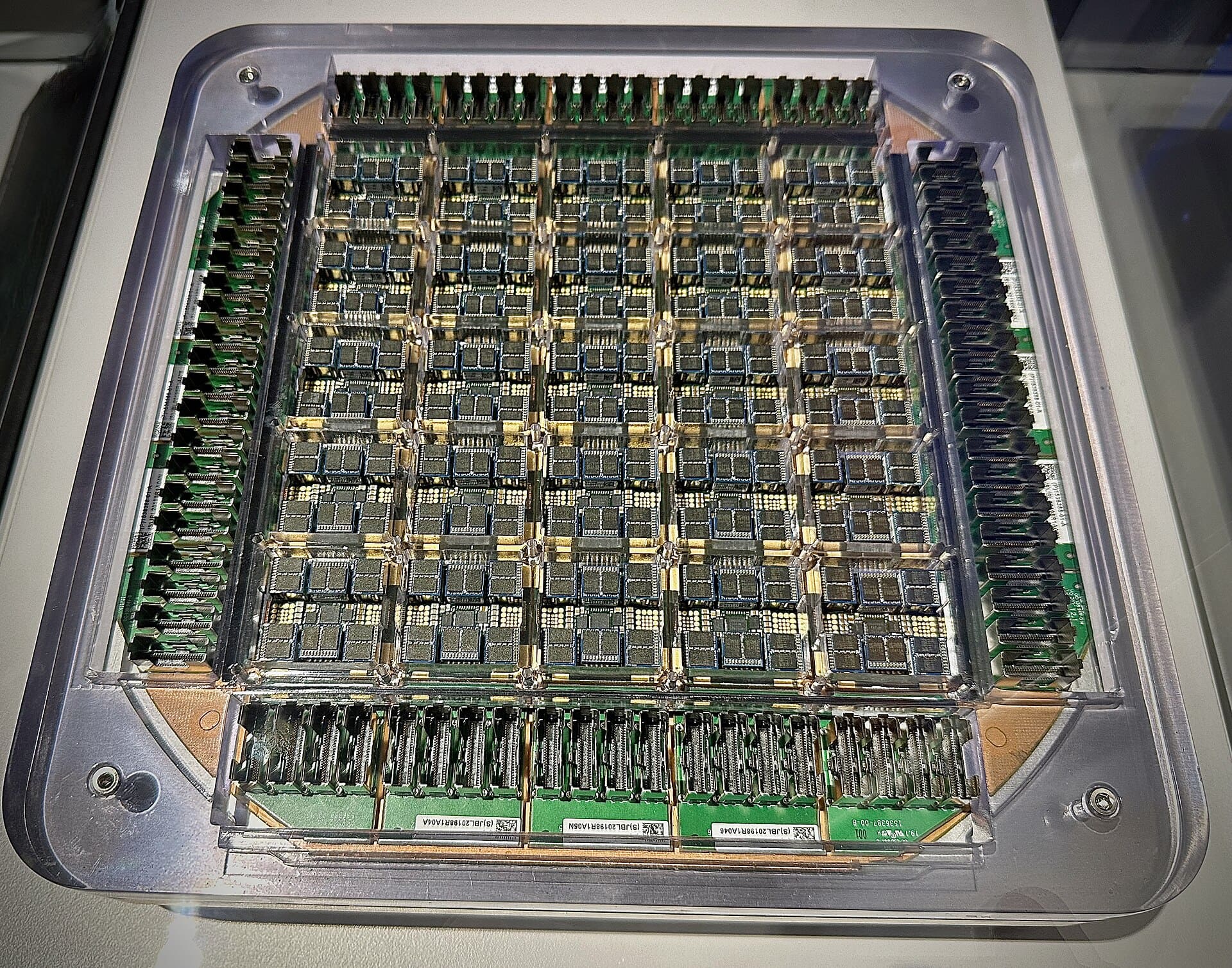
Musk's Shift in Tesla's AI Plans: The End of the Dojo Supercomputer
If you follow the world of technology, you certainly know that Elon Musk and his company Tesla are constantly pushing boundaries. Recently, however, surprising news emerged: Tesla has officially ended its ambitious Dojo supercomputer project. This move, confirmed by Elon Musk himself, marks a major shift in the company's artificial intelligence strategy.
Reasons for Ending the Dojo Project
The Dojo project was crucial for Tesla because it was intended to develop proprietary chips for training (training) artificial intelligence, particularly for processing the vast amounts of data and video from Tesla electric vehicles. The goal was to reduce dependence on external chip suppliers and improve autonomous driving software. However, according to reports, the project encountered internal inefficiencies and leadership changes.
Specifically, key people departed, including architect Peter Bannon, who was the main mastermind behind Dojo. Elon Musk explained on the X platform (formerly Twitter) that it did not make sense to split Tesla's resources between two different AI chip designs. Instead, the company decided to focus all its energy on a single product line. According to Bloomberg, about 20 Dojo employees moved to DensityAI, a startup founded by former Tesla employees, including Ganesh Venkataramanan, Jim Keller's successor in chip development. This startup focuses on similar AI chips for data centers and robots, highlighting the talent drain from Tesla.
The Dojo project had already faced delays for years. For example, Jim Keller, the renowned chip architect, left Tesla in 2018, and Ganesh Venkataramanan departed in 2023. Tesla invested heavily in recruiting top talent, but ultimately it became clear that maintaining two parallel projects was too demanding. Reports from Interesting Engineering emphasize that Dojo was intended to be part of a strategy for independent AI infrastructure, but Tesla is now opting to collaborate with external partners.
New Focus on AI5 and AI6 Chips
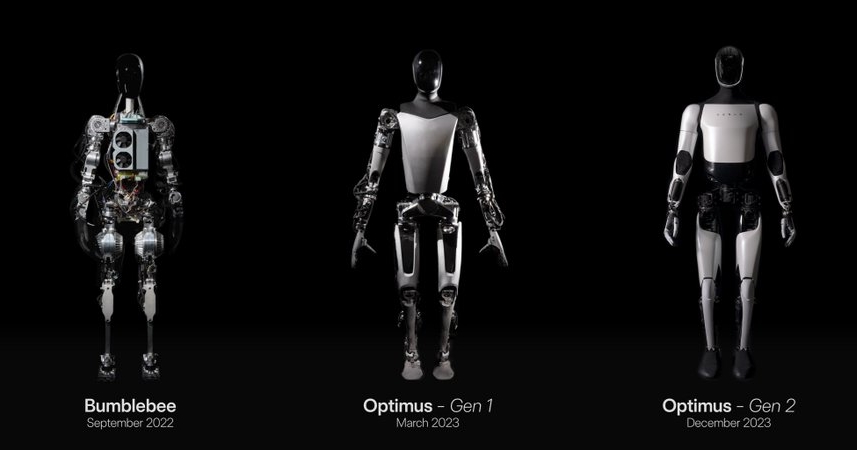
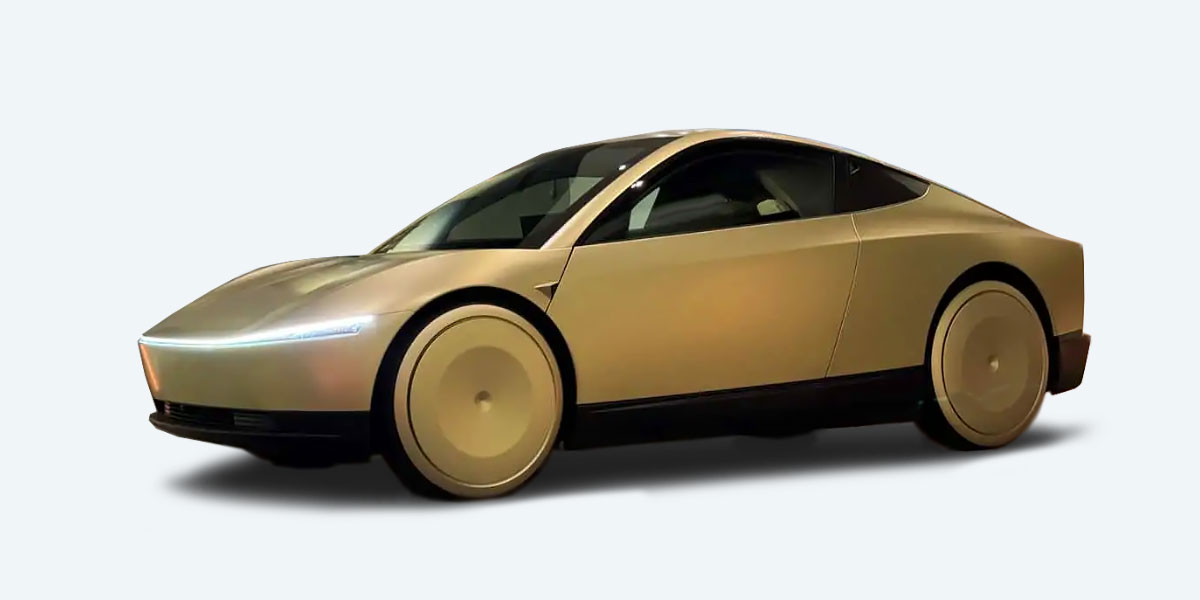
Instead of Dojo, Tesla is now focusing entirely on the AI5 and AI6 chips, which Elon Musk describes as "excellent for inference (inference) and at least pretty good for training." These chips are intended both for training autonomous driving systems and for final use in products such as Optimus humanoid robots, Cybercab, or future vehicles.
Production is moving to Samsung's factory in Taylor, Texas. According to reports from Bloomberg and other sources, Tesla has signed a deal with Samsung worth up to $16.5 billion for the supply of AI chips. AI5 chips are expected to arrive at the end of 2026, while AI6 will come later. Elon Musk suggested that clustering many AI5 and AI6 chips into large supercomputer clusters could create something like "Dojo 3"—a simpler and cheaper version of the original concept, reducing the complexity of network cabling by orders of magnitude.
In the meantime, Tesla will rely on computing power from Nvidia and AMD. This means the company will not wait for its own chips and will continue purchasing external hardware. Musk mentioned on X that AI6 is essentially Dojo's successor, indicating continuity, but in a more efficient form. This shift is intended to simplify scaling and reduce costs because clustering AI5 and AI6 chips reduces the need for complex interconnections.
Benchmark Comparisons and Future Plans
Also noteworthy are benchmark comparisons showing how Tesla's AI systems (through xAI) stack up against the competition. In the new ARC-AGI-2 benchmark report, Grok 4 (Thinking) outperformed the GPT-5 (High) model with a score of approximately 16% versus 9.9%, although at a higher cost per task ($2–$4 compared with $0.73). In ARC-AGI-1, Grok 4 led with 68% versus GPT-5's 65.7%. Lighter variants such as GPT-5 Mini and Nano show the expected trade-offs between cost and performance.
OpenAI's o3-preview model still holds the highest score in AGI-1 (approximately 80%), but with greater computing power requirements. Early ARC-AGI-3 tests focused on interactive reasoning are underway. Elon Musk also confirmed that Grok 5 will be released before the end of the year, indicating rapid progress at xAI, which is connected to Tesla.
This shift comes at a time when Tesla is undergoing restructuring—with thousands of layoffs and executive departures. Musk is integrating AI across his companies, including the Grok chatbot in Tesla vehicles and the use of data from the X platform for training.
Grok 5 will be out before the end of this year and it will be crushingly good https://t.co/W0SP9bu1GH
— Elon Musk (@elonmusk) August 7, 2025
Impact on Tesla and Its Competitors
Overall, this move shows that Tesla is choosing pragmatism: instead of pursuing the risky development of a standalone supercomputer, it is betting on proven partners such as Samsung, Nvidia, and AMD while concentrating its efforts on AI5 and AI6. This could accelerate progress in autonomous driving and robotics, but it also increases dependence on external suppliers. It is not the end of Tesla's ambitions, but rather a more efficient path forward. If you are a Tesla fan, watch how this unfolds over the coming years—AI5 in 2026 could be a game changer.


